What You Pay
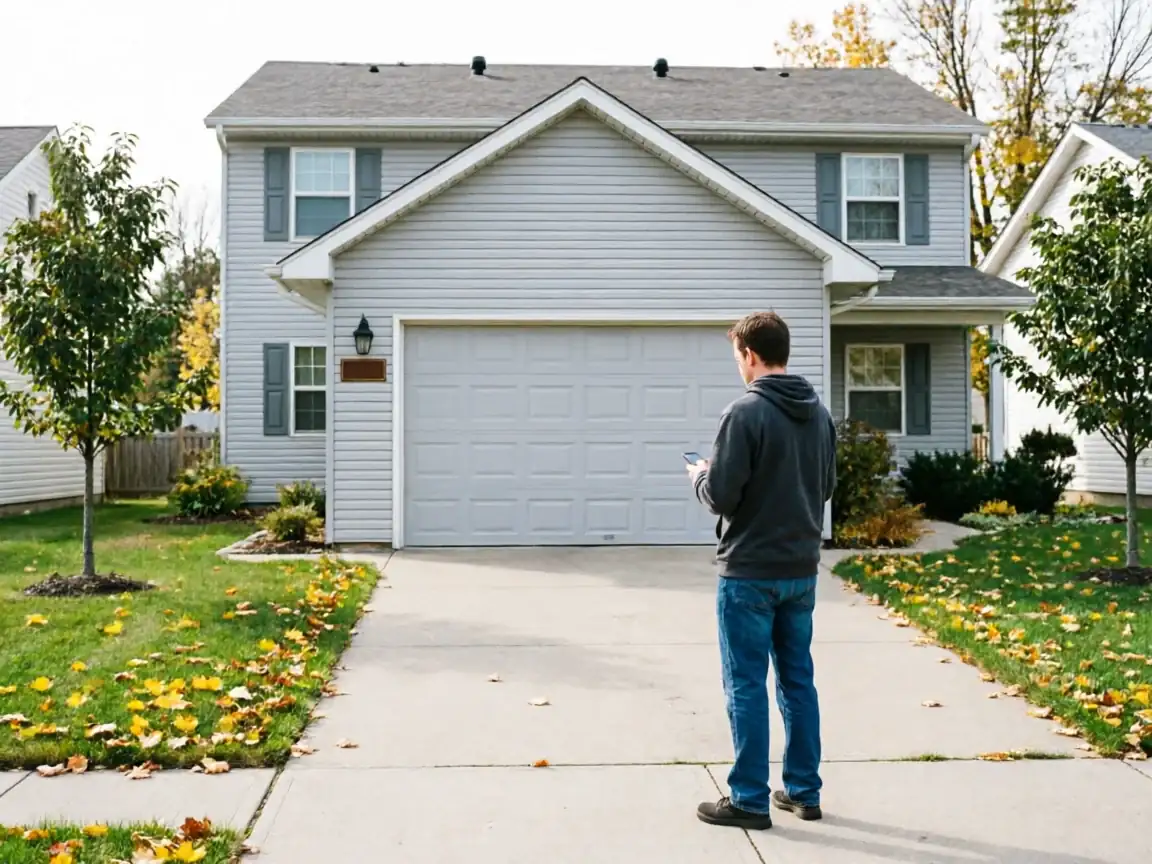
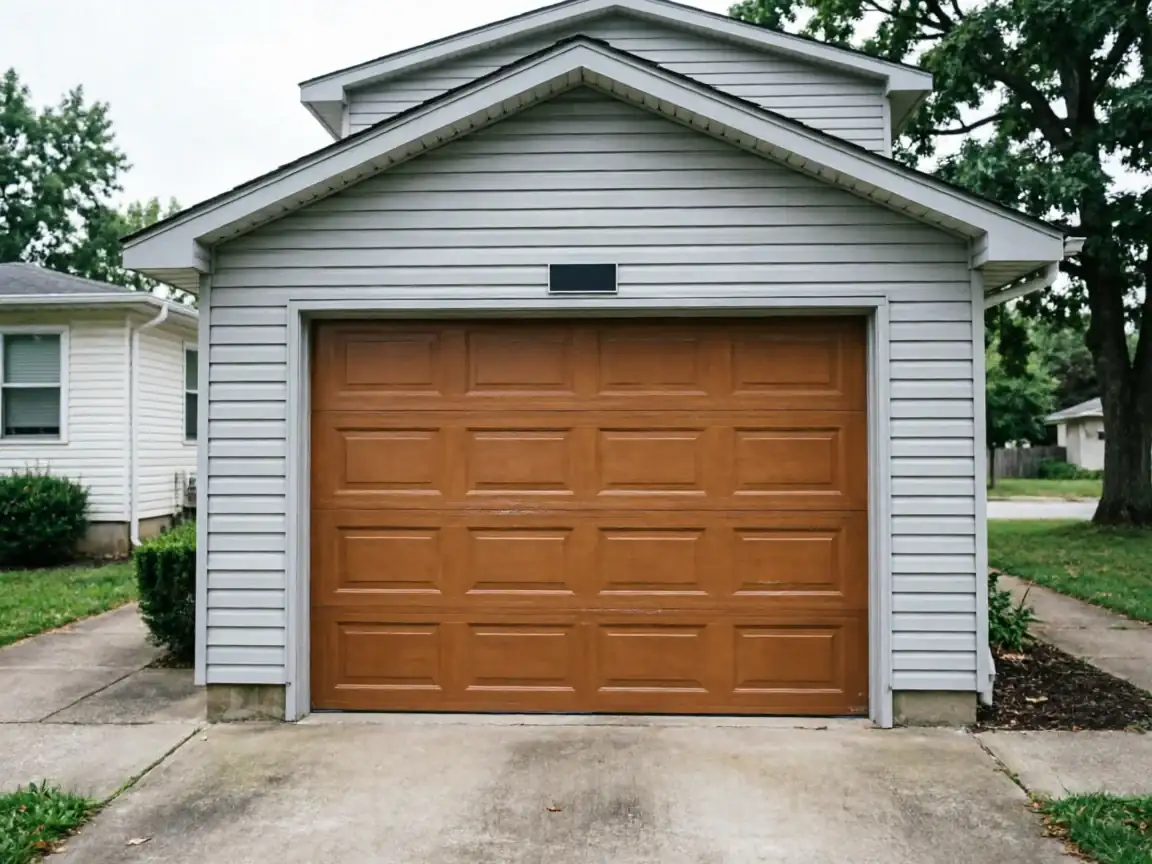
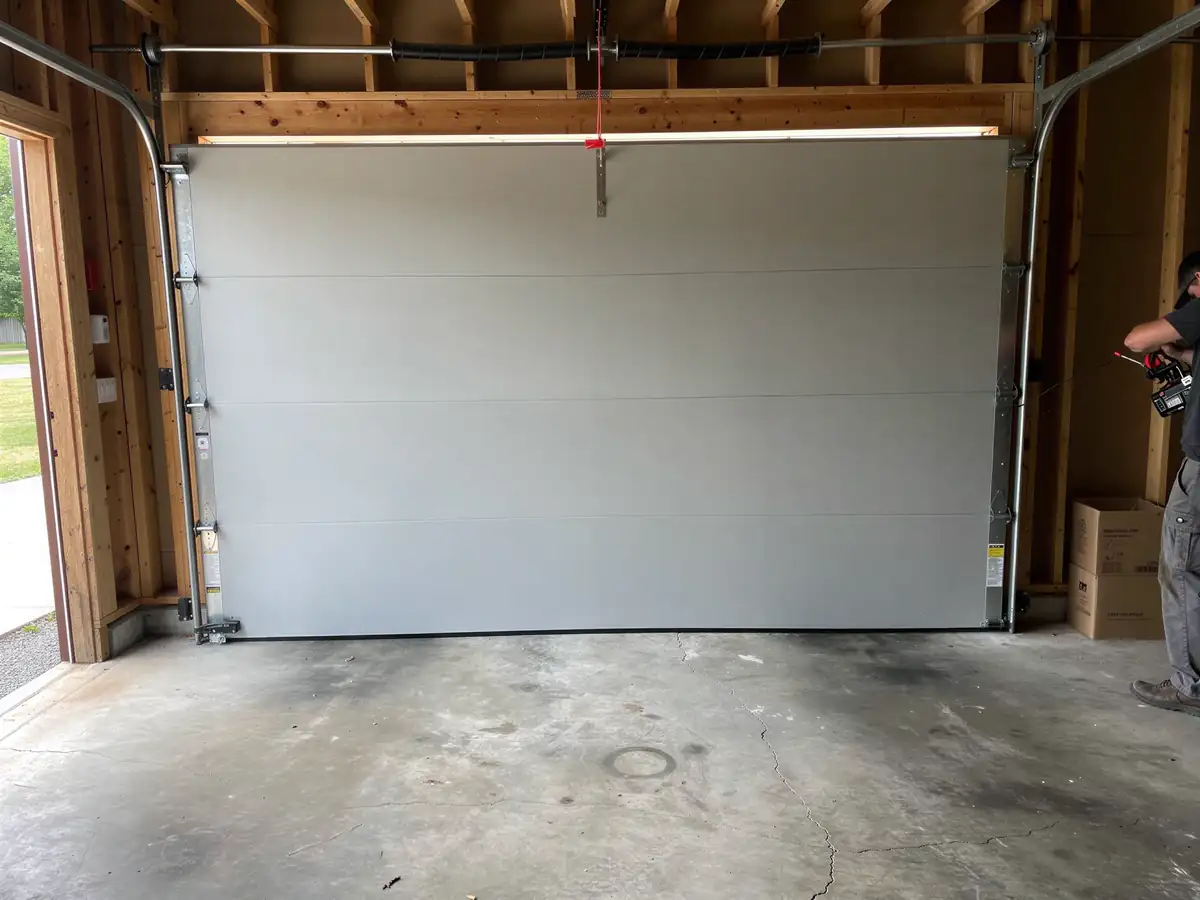
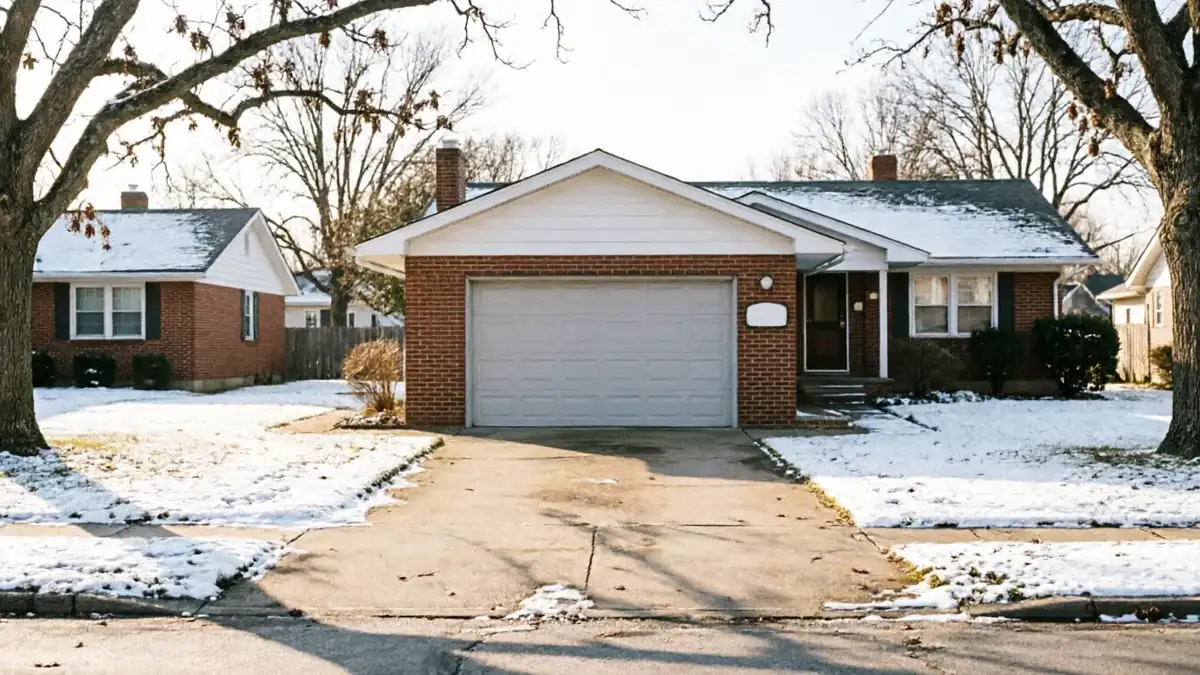
We can't quote you a number without seeing the door, so we won't pretend otherwise here. What we can tell you is what drives the quote up or down on a Maple Grove job. An attached garage shares a wall and often a ceiling line with the house, so the door has to meet whatever insulation and air-sealing expectations apply to conditioned space next door - that usually means a heavier, better-sealed panel than a detached structure needs. Detached garages built as later additions to the original house (common across this area's mix of 1957-2007 construction) sometimes have simpler framing and an older, non-insulated door that was never meant to buffer a living space, so swapping it is more straightforward. Where it gets expensive is when the opening itself is out of square or the track was shimmed to fit a detached structure that's settled over 40-plus years. One honest limitation: we don't do structural carpentry to re-square a frame. If the opening needs that kind of work, we'll tell you before we quote the door, not after.
The Seasonal Bit
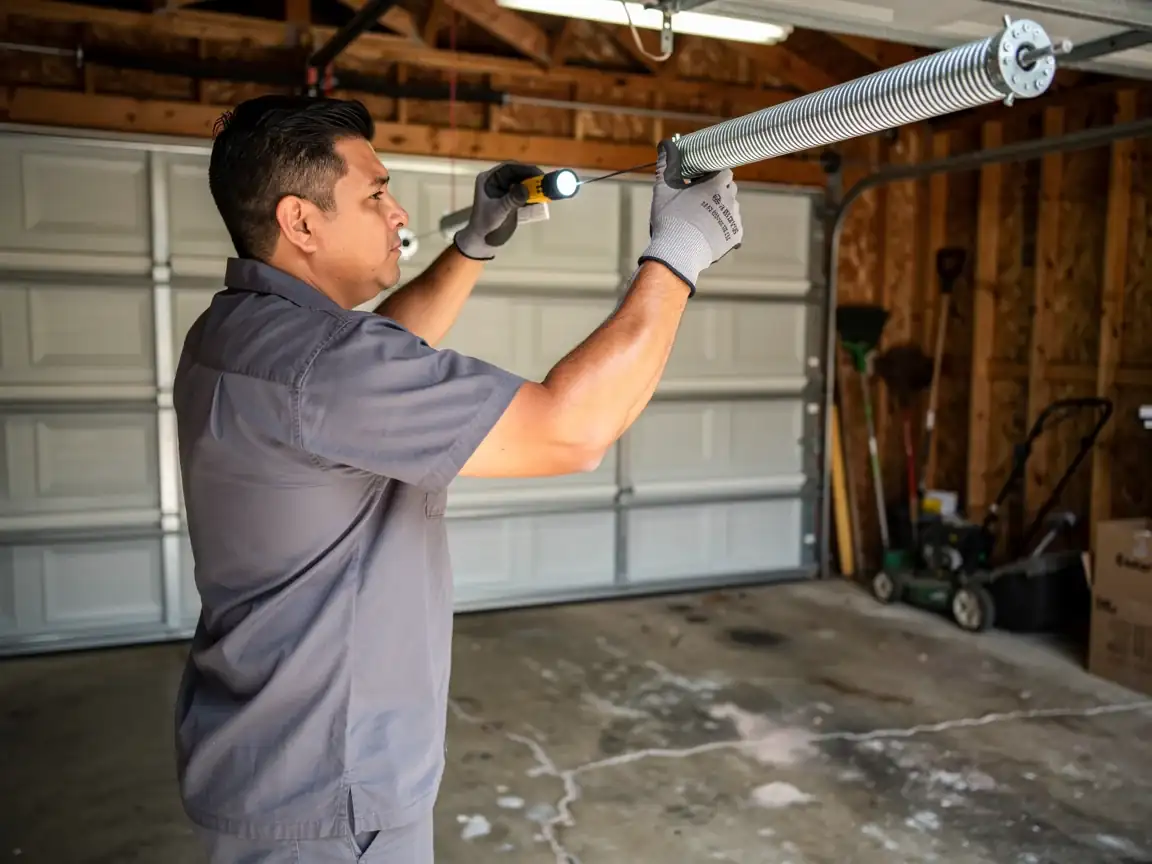
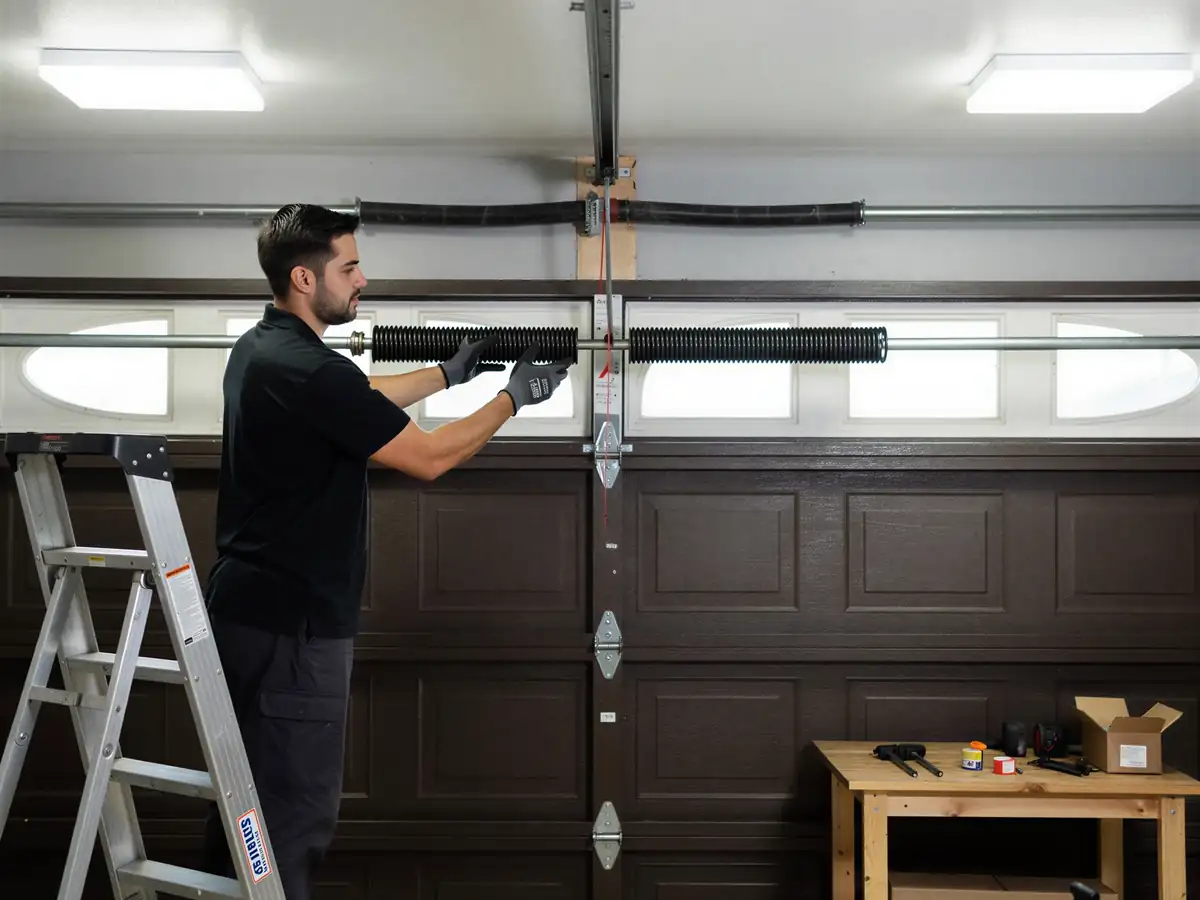
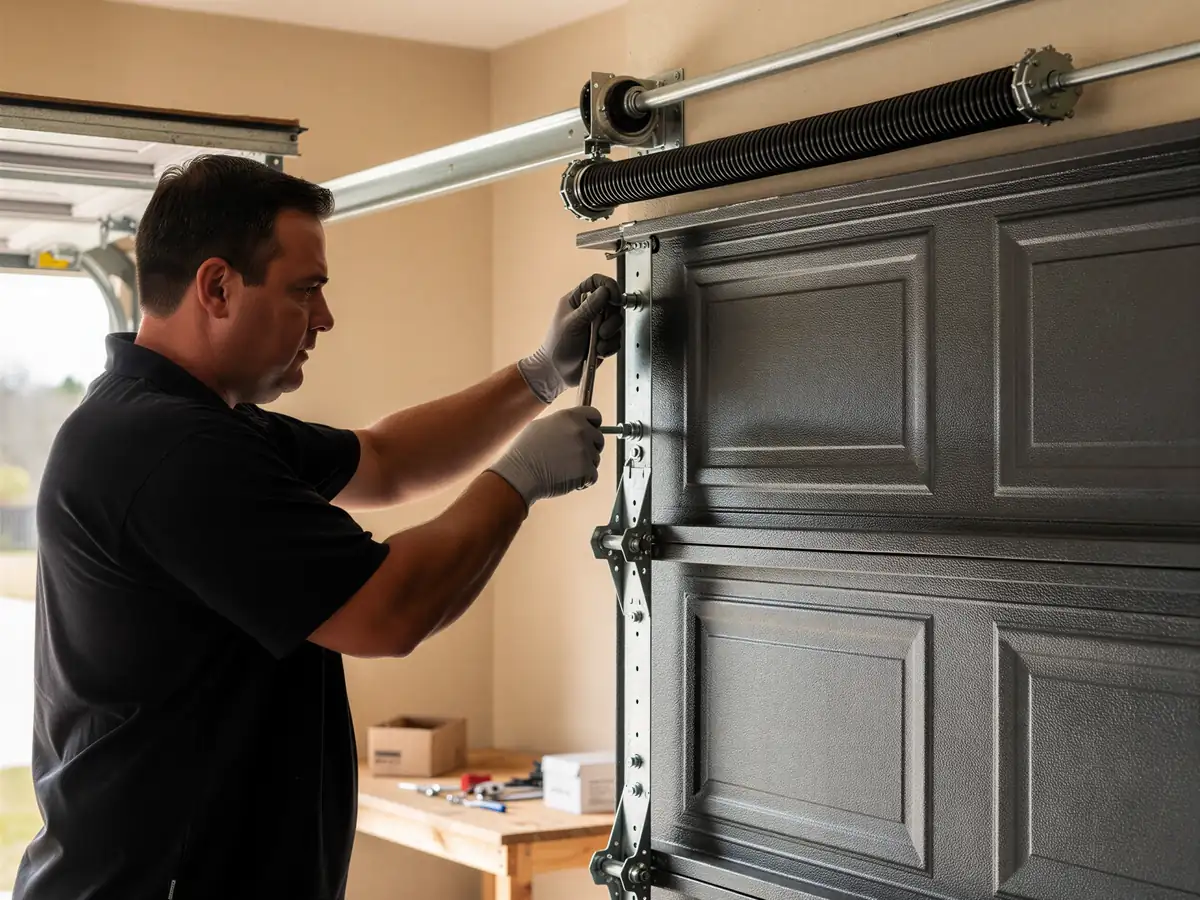
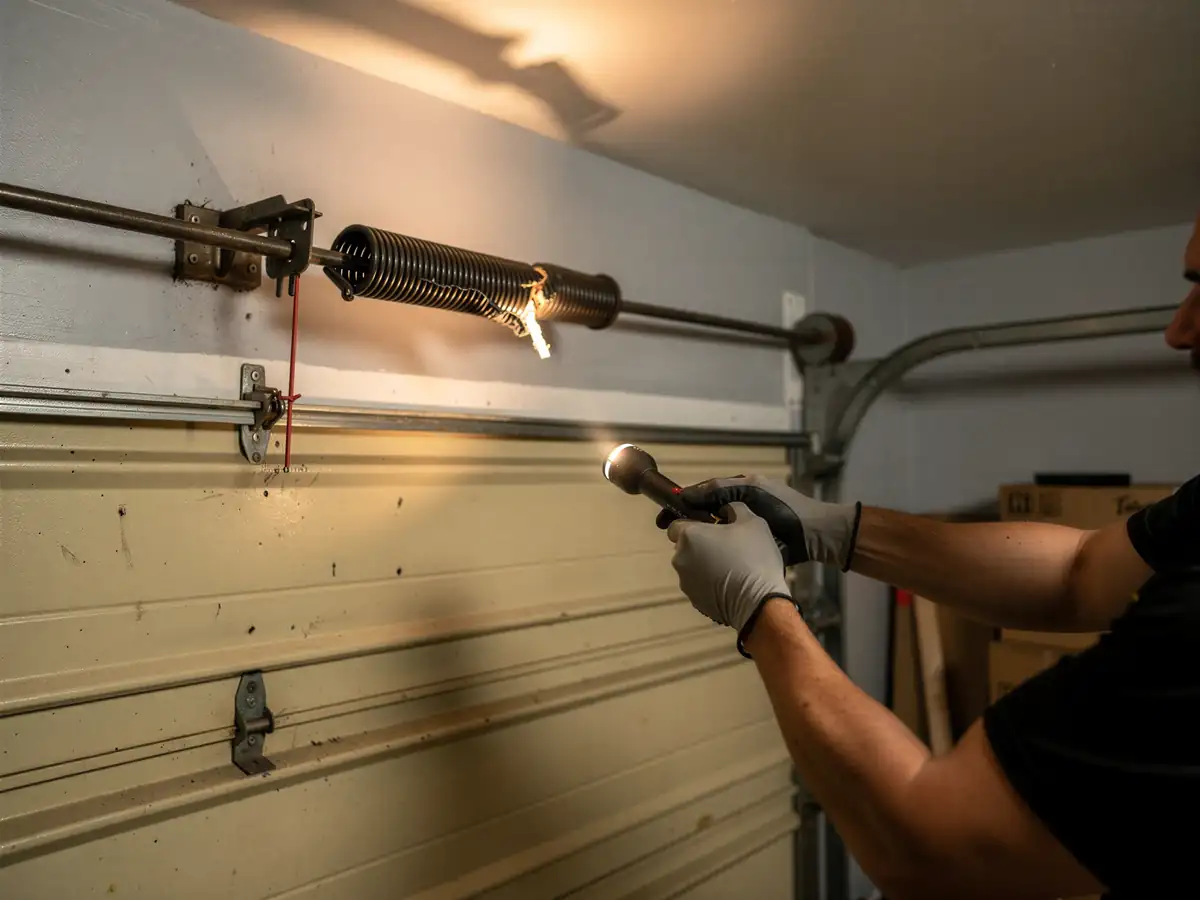
Maple Grove sits in a cold, severe climate band, and that cold does different things depending on whether the garage is attached or detached. An attached garage, even a modestly insulated one, stays a few degrees warmer than outside air because of heat bleed from the house - enough that torsion springs and opener gears don't see the full swing from a January morning to a July afternoon. A detached garage gets no such help. It sits at outdoor temperature, full stop, which means the steel in the spring and the lubricant in the opener's gears go through the complete range every single season. That's why we see more brittle spring failures and sluggish openers on detached structures here than on attached ones of the same age. It's not a design flaw in the door - it's physics, and it's worse in a severe cold climate than a mild one. If you've got a detached garage, cold-rated lubricant and a seasonal check before the hard freeze sets in buys you more than the same effort spent on an attached door.
What Is Going On
Put the pieces together and the pattern across this area is pretty consistent. A lot of the attached garage doors going bad right now are originals or early replacements from houses built toward the 1982 median, now 40-plus years into a severe cold climate with insulation that was adequate in 1985 and isn't now. Detached garages, especially the older standalone ones from the earlier end of the 1957-2007 build range, are more likely to be running hardware that's simply worn out from full outdoor temperature swings rather than failed from a design problem. Neither of these is a scare story - it's just what 40-plus winters does to steel, bearings, and weatherstripping on this kind of housing stock. When we're out on a call in this area, the first question that actually matters is which kind of garage we're looking at, because the fix that makes sense for an attached door sharing a wall with a bedroom is not the fix that makes sense for a standalone structure with no heat source at all.