The Houses Here
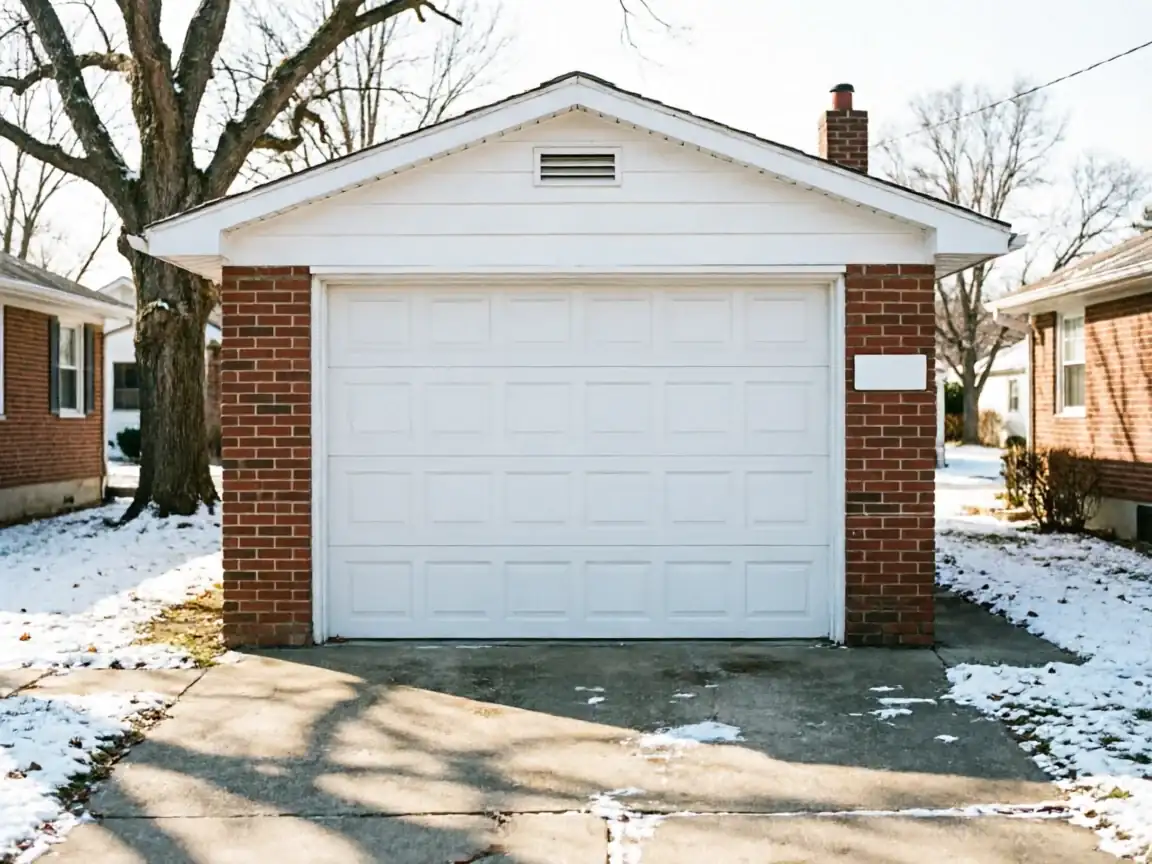
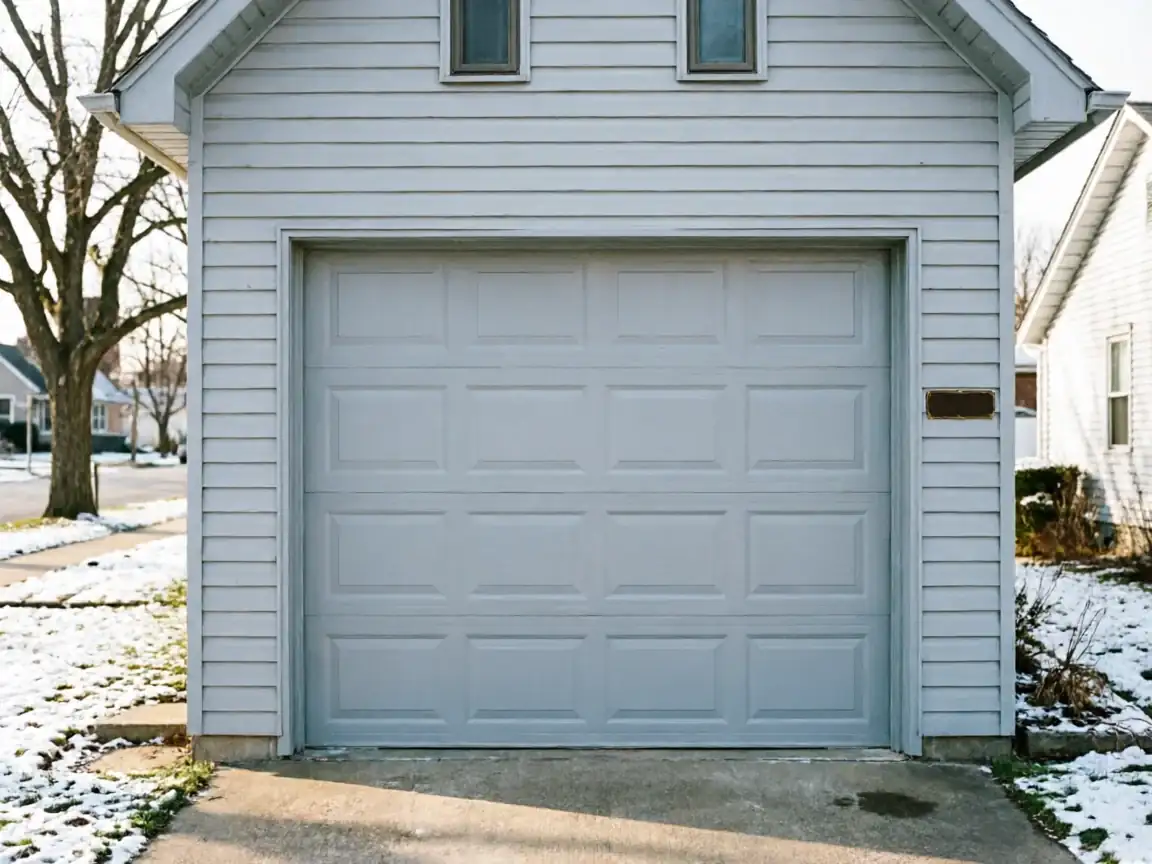
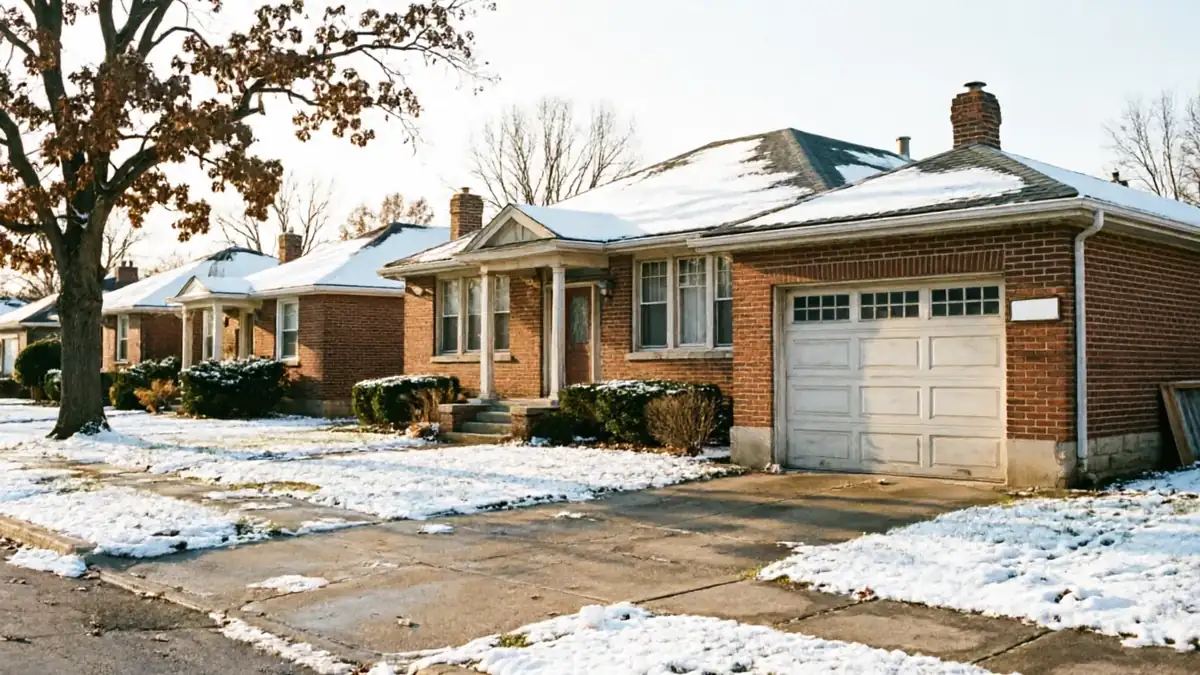
St. Louis Park's housing runs older than most of the rest of our service area. Across the broader territory, homes were built between 1957 and 2007 with a median year of 1982, but St. Louis Park itself centers on 1965. That's a full generation earlier than the typical build we see elsewhere on our route, and it matters more than most homeowners realize when a door starts acting up.
A 1965 build means the garage was likely framed before steel sectional doors were the default, before torsion springs replaced extension springs as the standard setup in this part of the country, and well before openers came with anything like a safety reversal sensor. Some of these garages have been updated once or twice since; plenty haven't. We see both when we're out this way.
St. Louis Park sits about 12 miles from our Maple Grove base, and it's one of the areas we cover regularly rather than a special trip. The housing age here, not the mileage, is what shapes the job list.
What We Will Not Take On
We don't try to rebuild a door that's structurally shot just to save it
If the section seams on an old steel door have rusted through, or the frame around the opening has shifted enough that the track won't hold alignment, patching it is a short-term fix that costs the homeowner twice. We'll tell you straight when replacement is the better call instead of stacking repairs on a door that's done.
We also don't stock every obsolete part on the truck
Some of the extension-spring hardware and older roller styles common in 1960s-era garages aren't things every supplier carries, and if a part needs to be special-ordered, that's a lead time we're honest about up front rather than a promise we can't keep.
We're not a 24-hour emergency outfit and we don't claim a response time we haven't verified
If your spring snaps on a Friday night, we'll get you on the schedule, but we won't tell you a number we can't stand behind.
What the Housing Means for Your Door
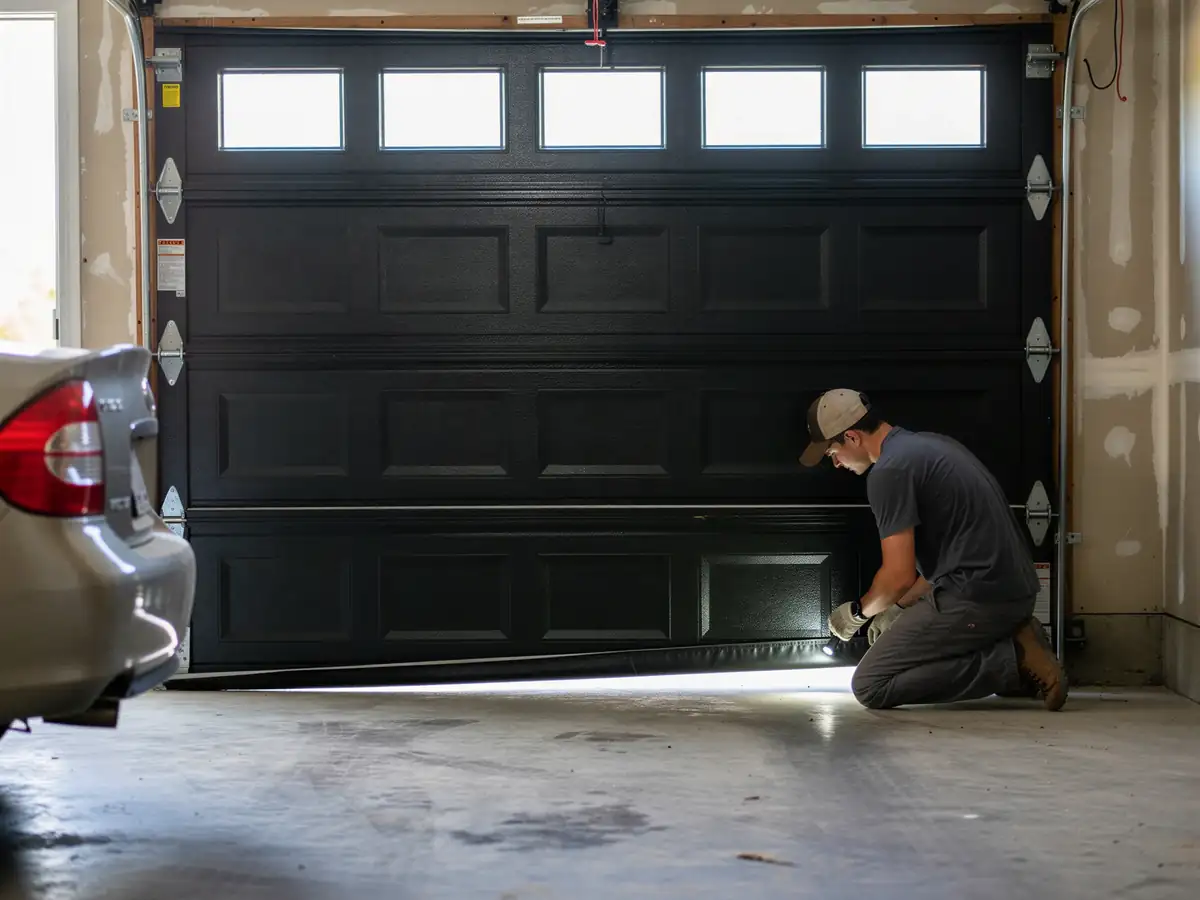
A 1965 garage in this part of Minnesota was built for a winter that hasn't gotten any easier. The region sits in a cold, severe climate band, and a door and track system from that era wasn't engineered with today's insulation standards or today's opener safety hardware in mind. Steel has fatigued, torsion springs installed decades ago are well past a normal service life, and wood jambs original to a 1965 frame have often shifted enough to throw off door alignment by the time we're called.
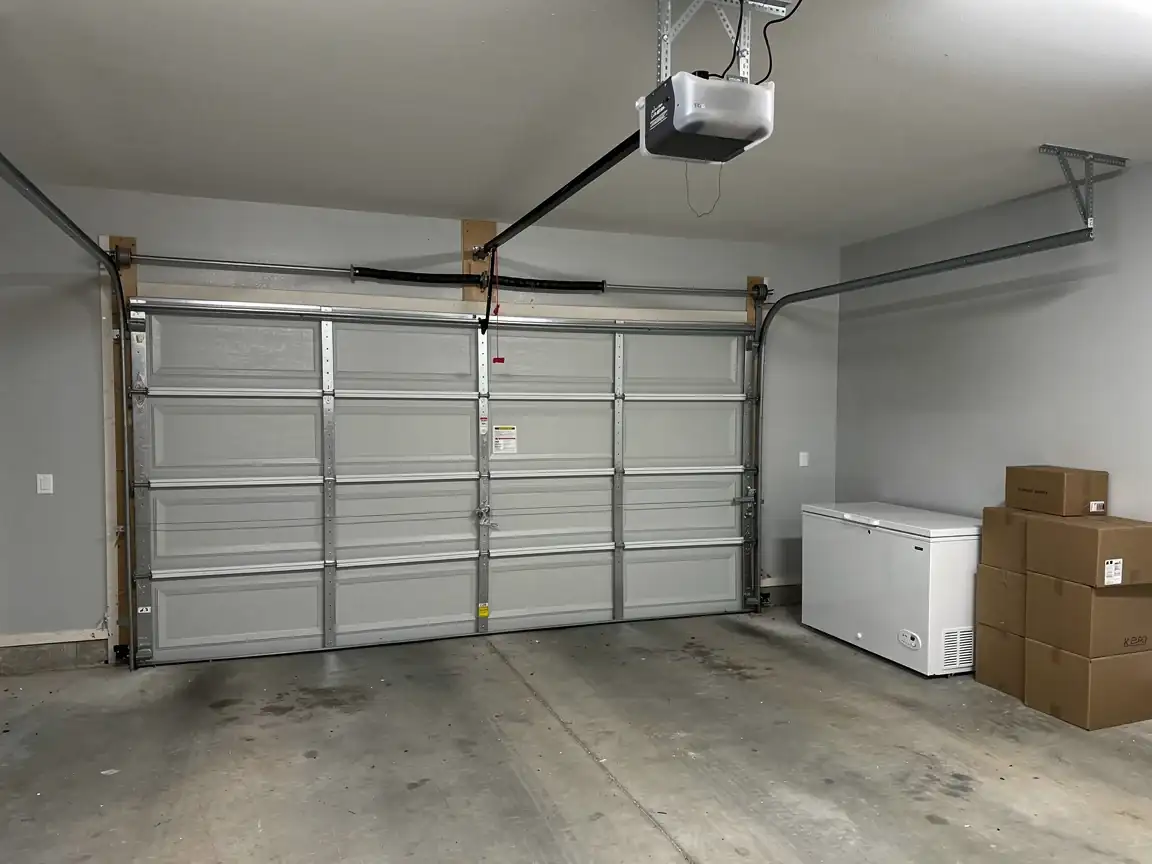
Compare that to the newer construction common elsewhere in our coverage area, where median build years run closer to 1982 and openers, springs, and track hardware are a full design generation newer. In St. Louis Park, we're more often dealing with a door that's outlived at least one, sometimes two, opener replacements already, on hardware that predates the opener currently running it. That mismatch between original track and a newer opener bolted onto it is one of the more common things we find when we get the garage open.
Common Jobs Here
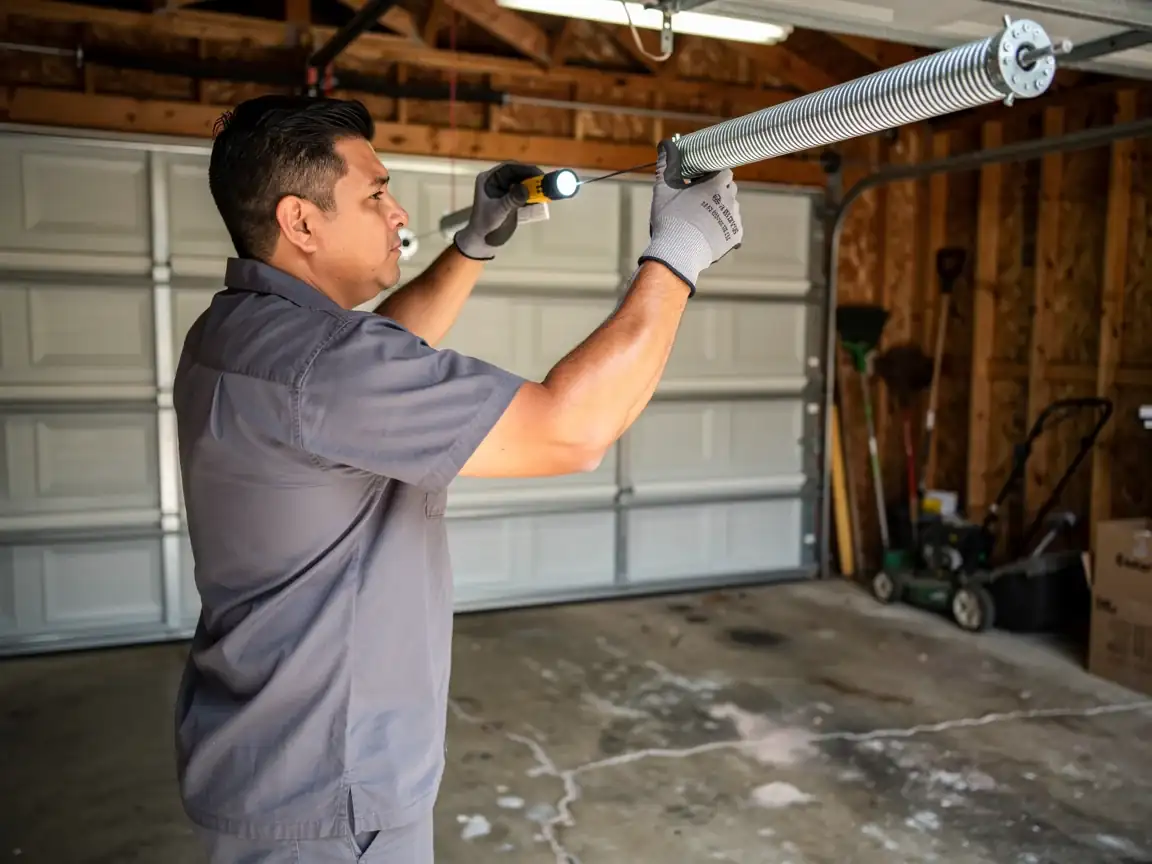
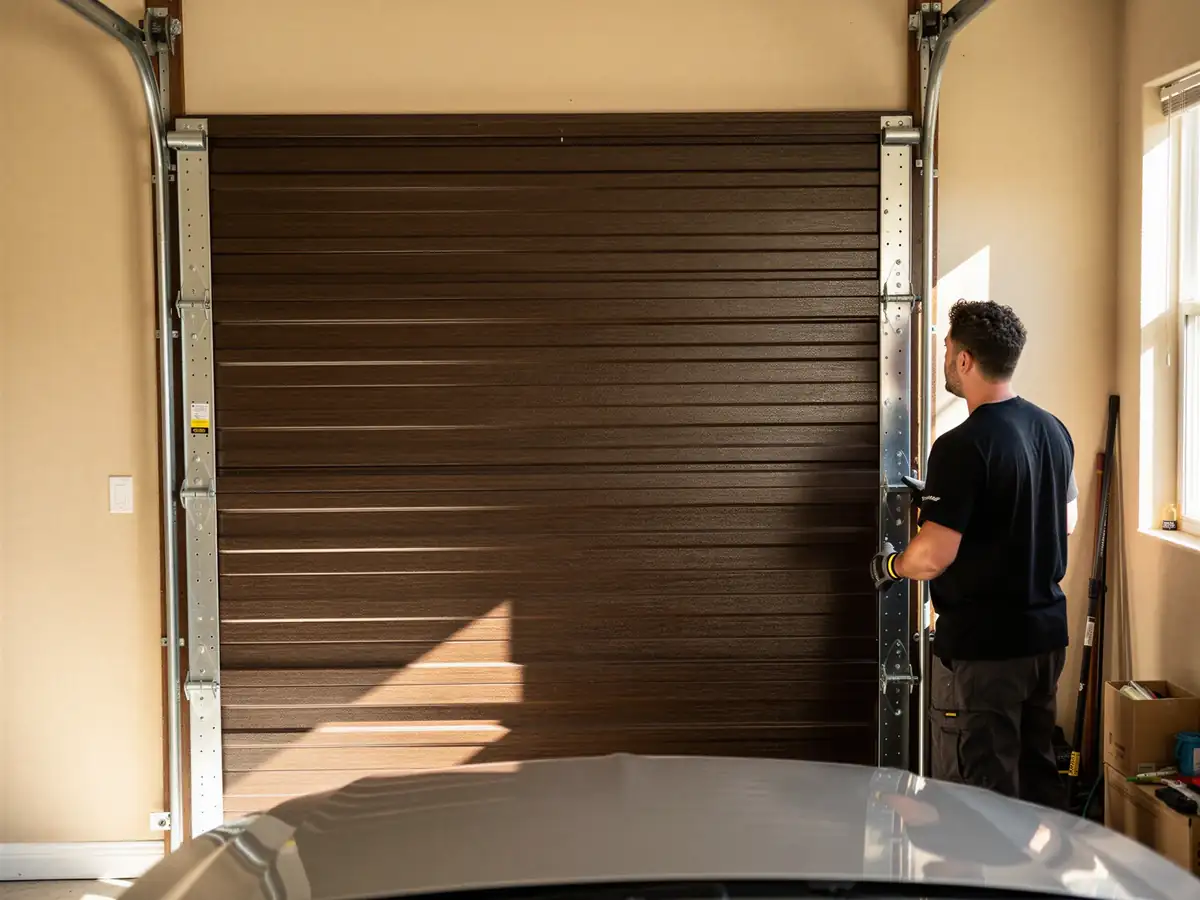
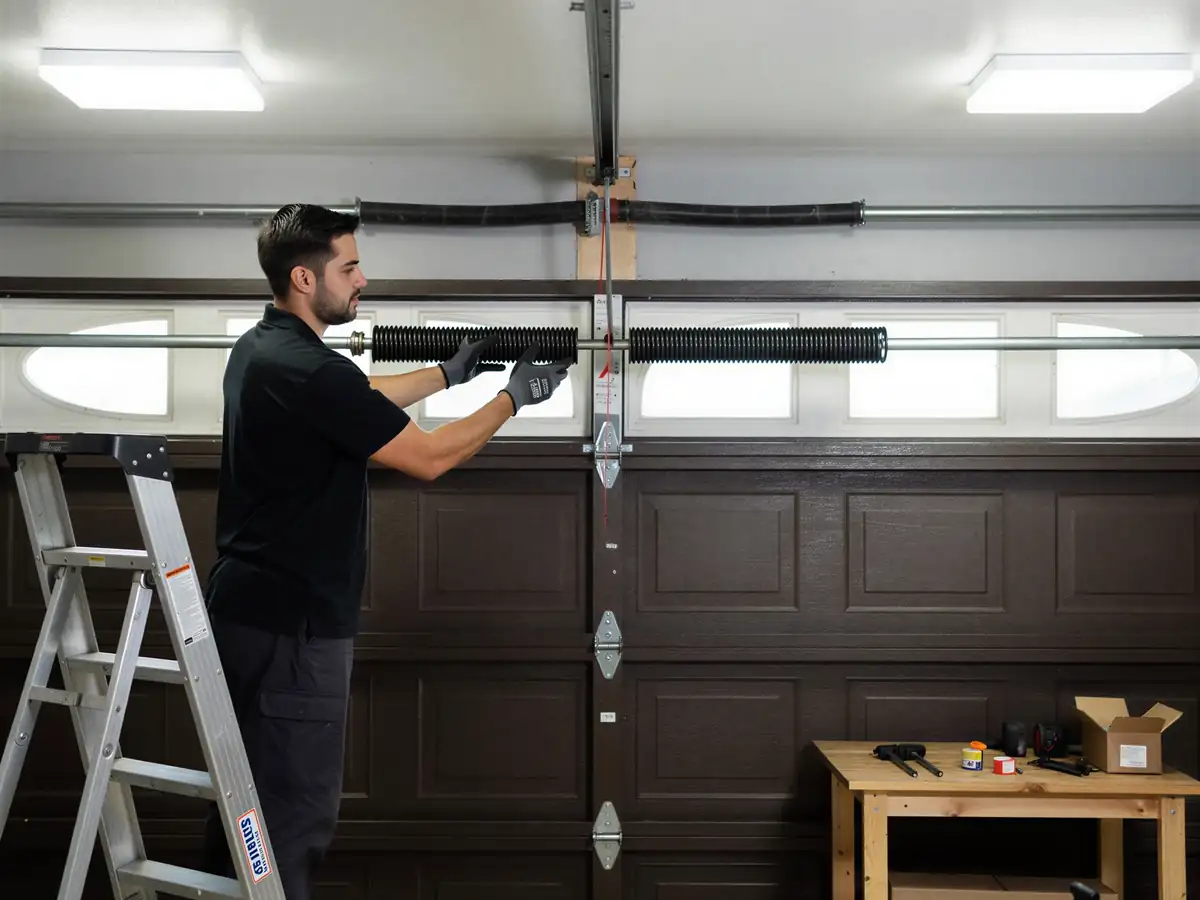
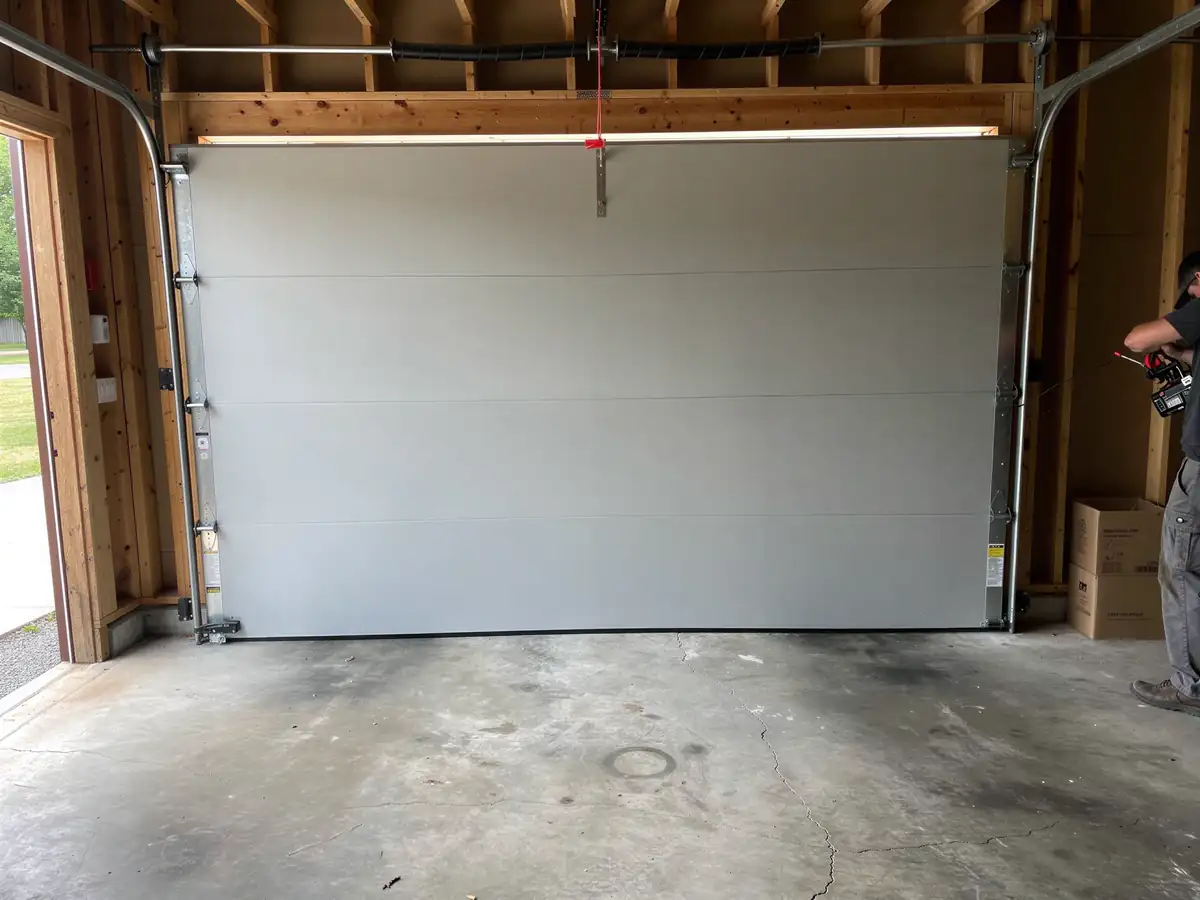
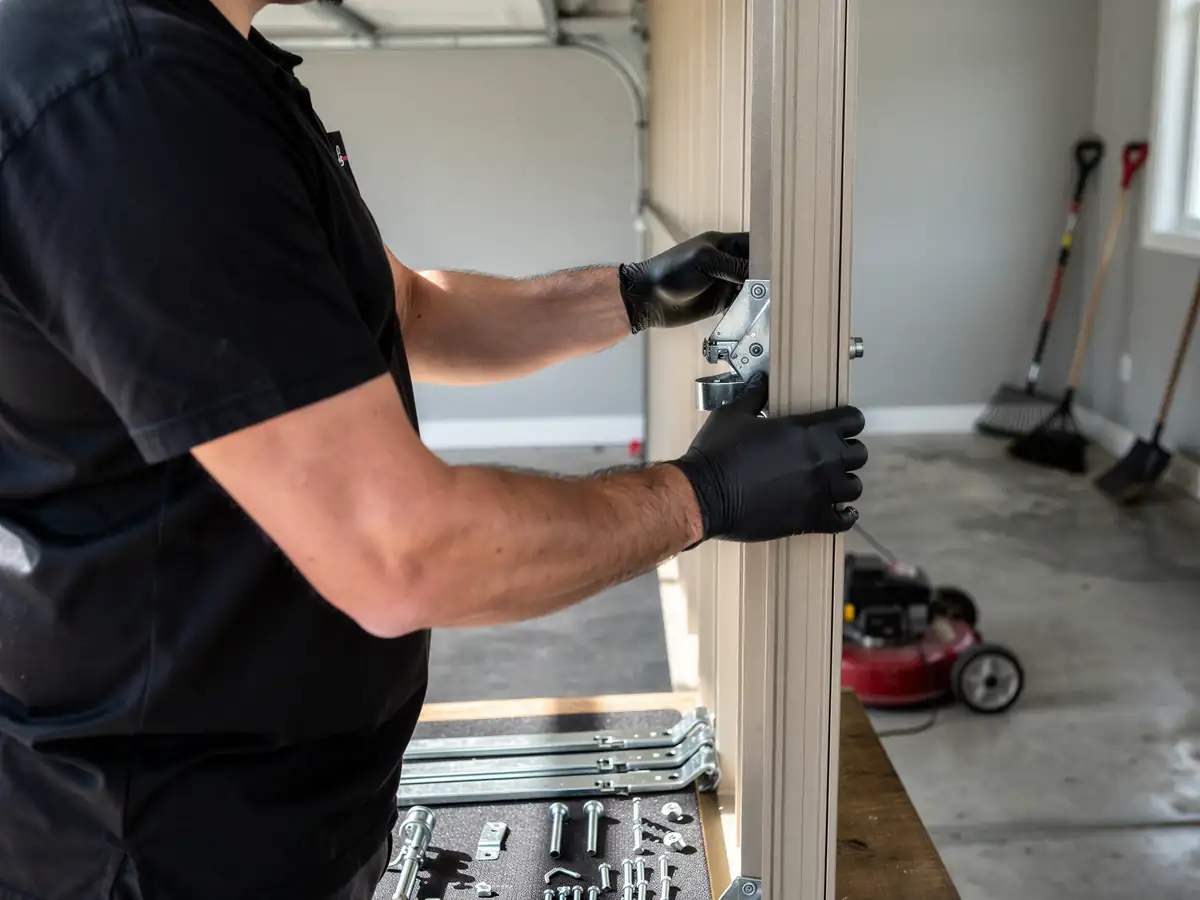
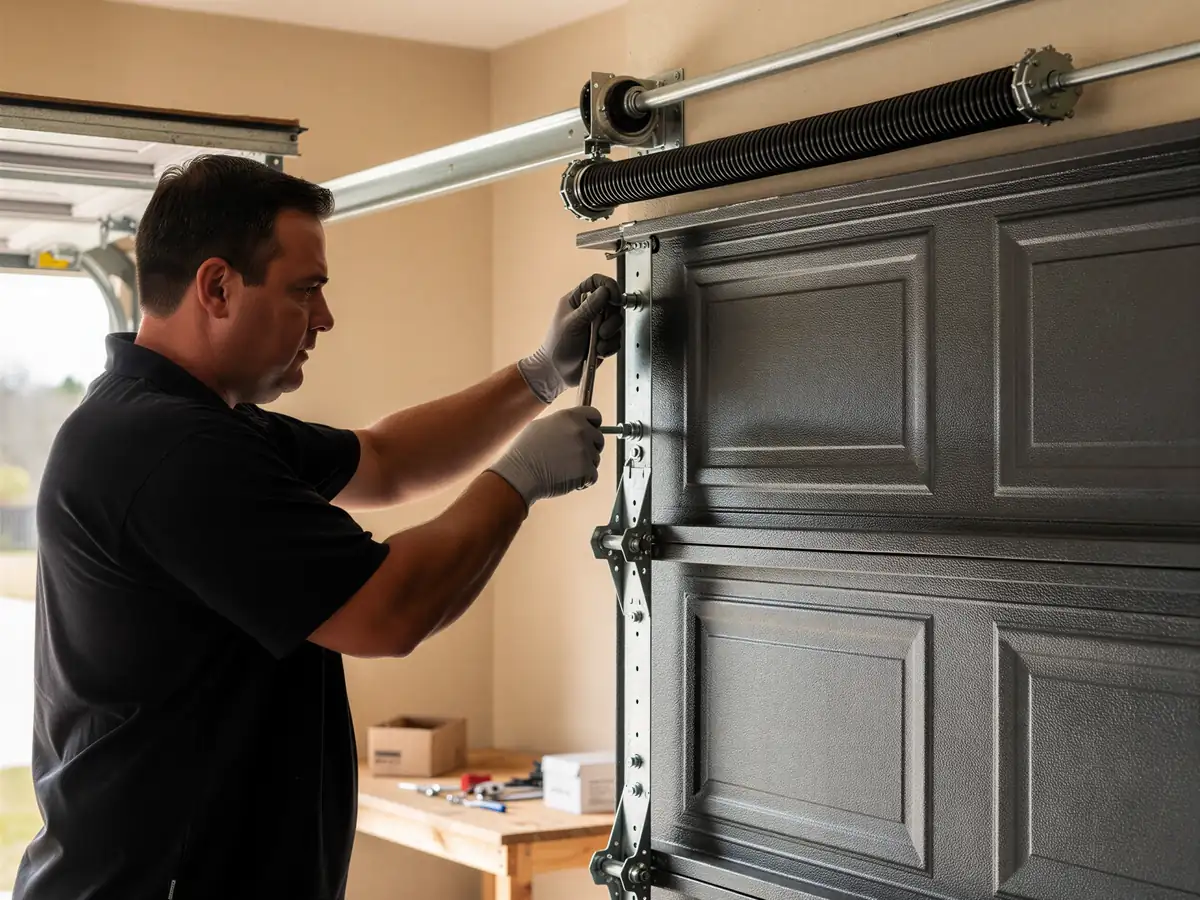
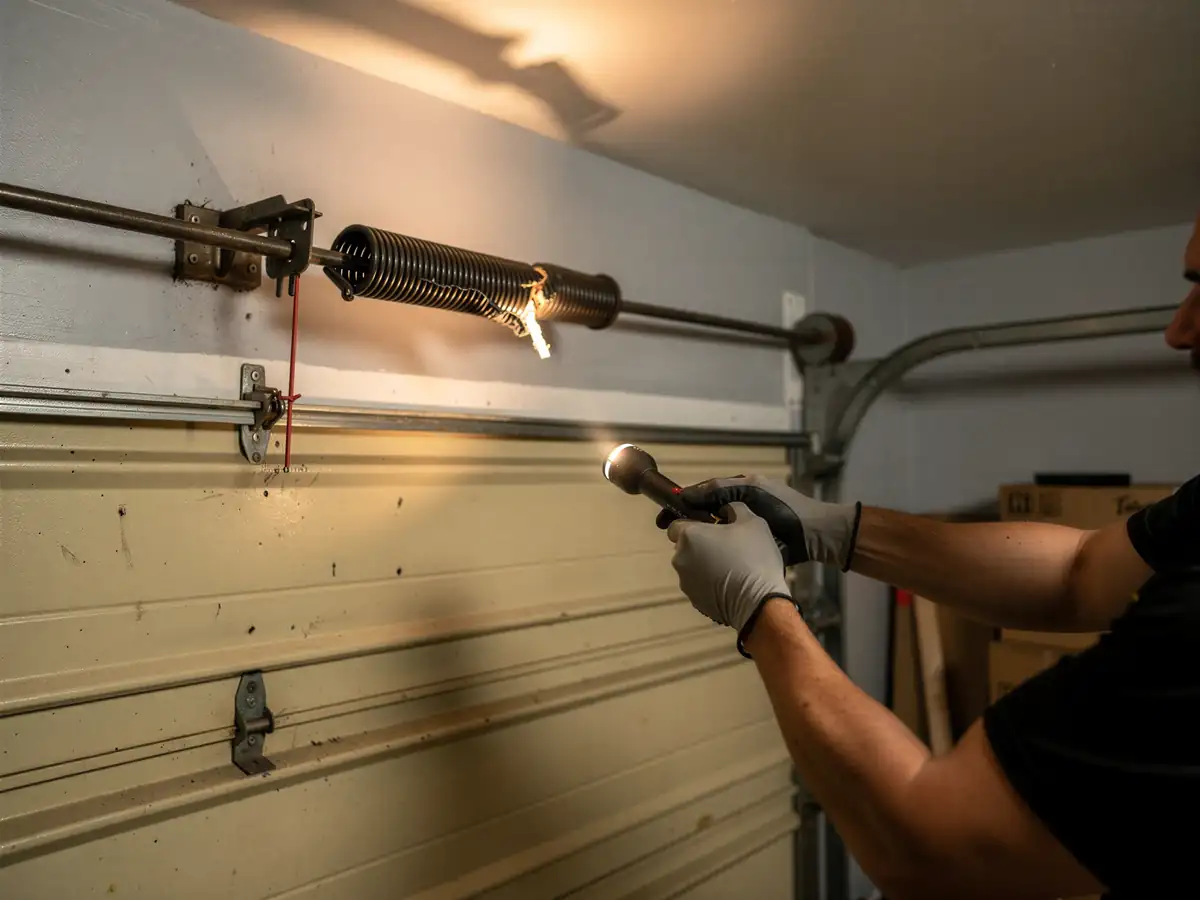
Torsion spring replacement tops the list, mostly because springs rated for a 1960s-era door are well past their cycle count by now. We also see a fair number of track realignments tied to the settling that's typical of a house this age, plus roller swaps where the original steel rollers have worn enough to bind or jump the track.
Opener mismatches come up often too. Someone adds a newer opener to original hardware a decade or two back and the two were never quite matched, which shows up as grinding, slow travel, or a door that reverses for no clear reason. We also see cable fraying on older drum-style setups that haven't been serviced in years.
St. Louis Park's 24,126 households skew toward this older housing pattern more than newer construction, and the area's median household income of $100,250 runs below the wider service area's $112,060, which is part of why we try to be upfront about repair-versus-replace costs rather than defaulting to a full door swap.