The Houses Here
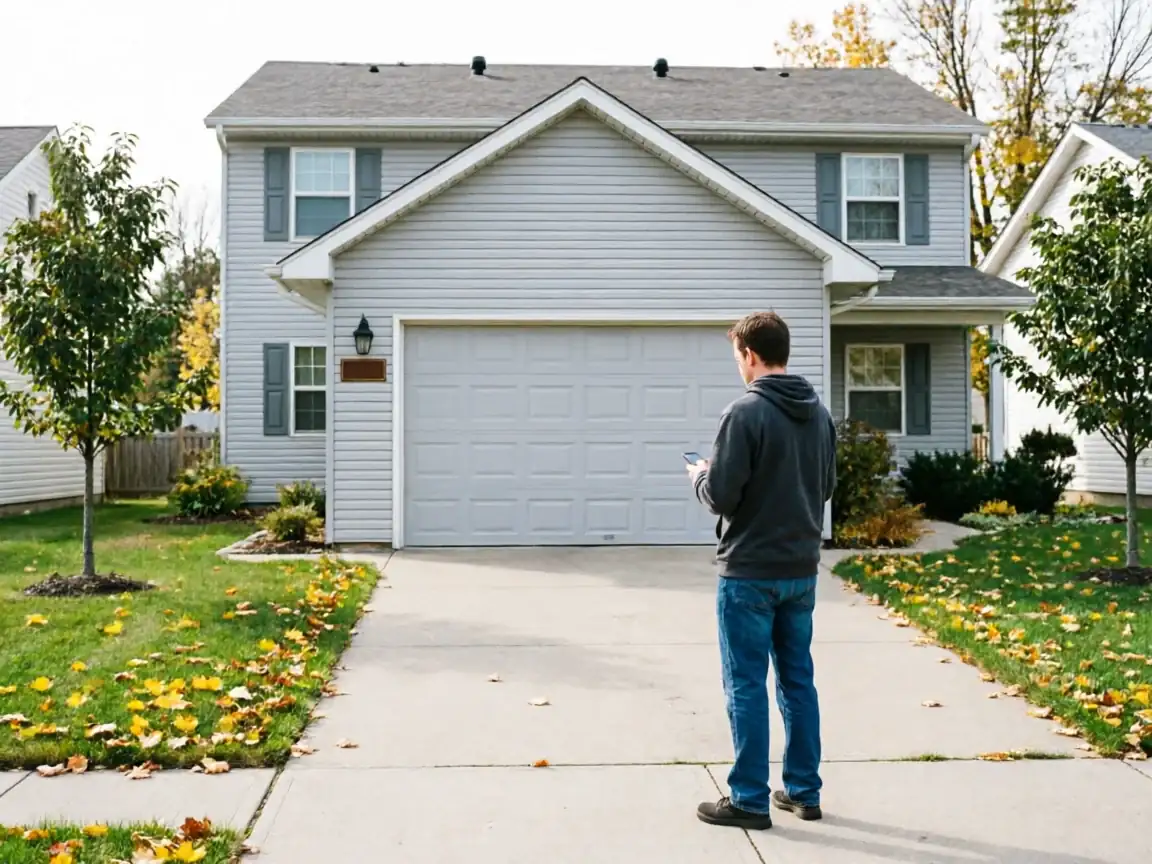
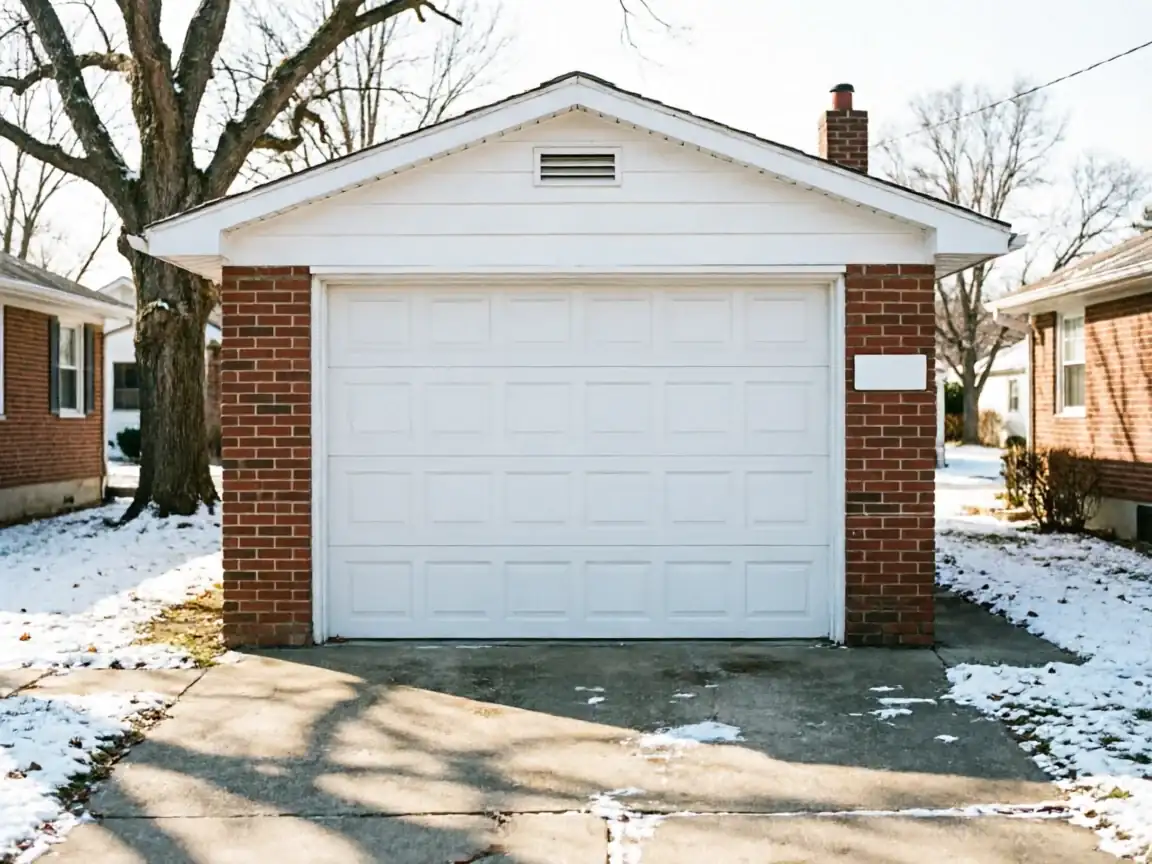
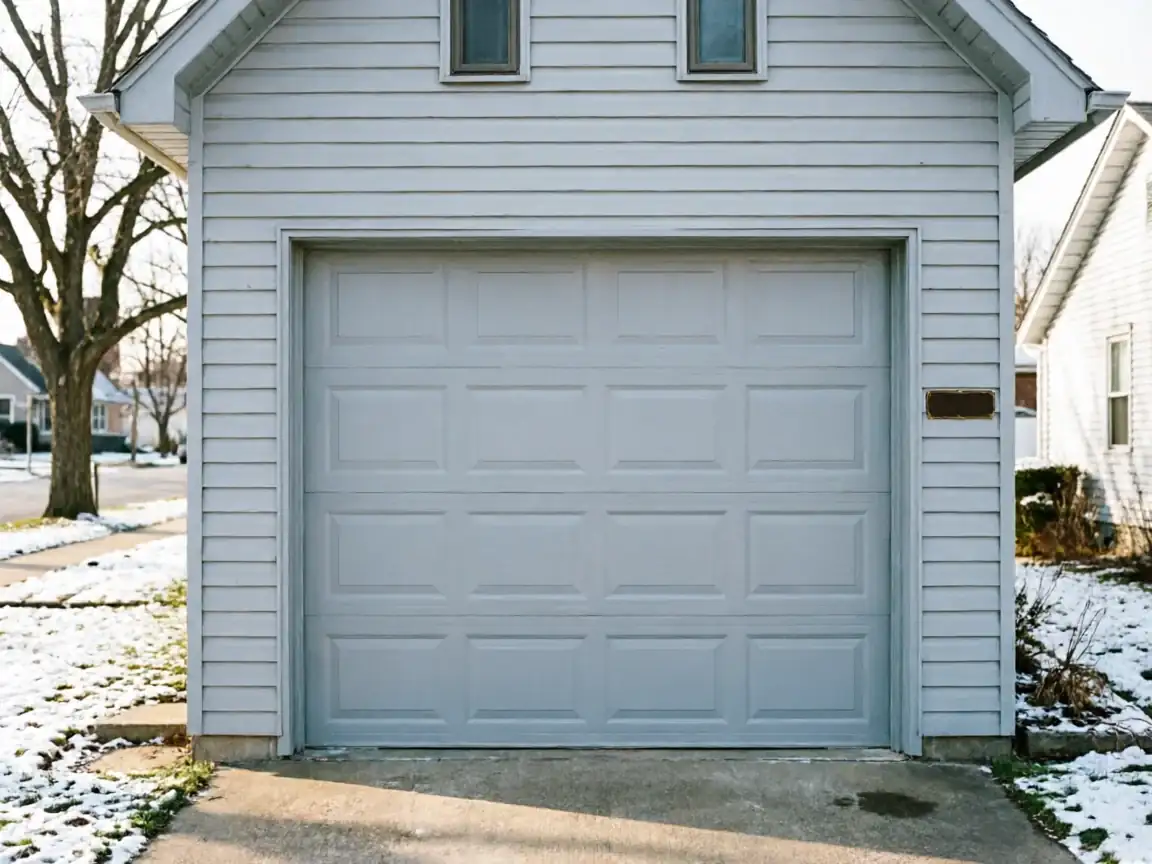
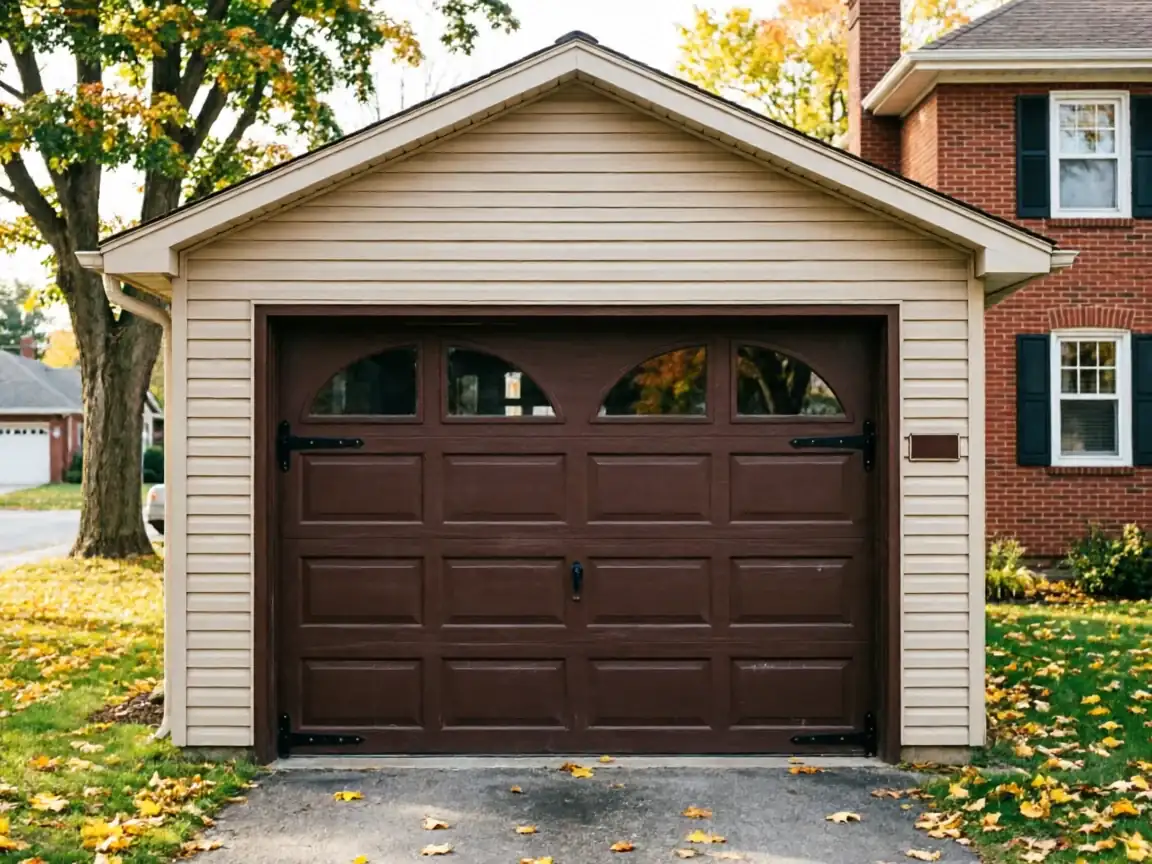
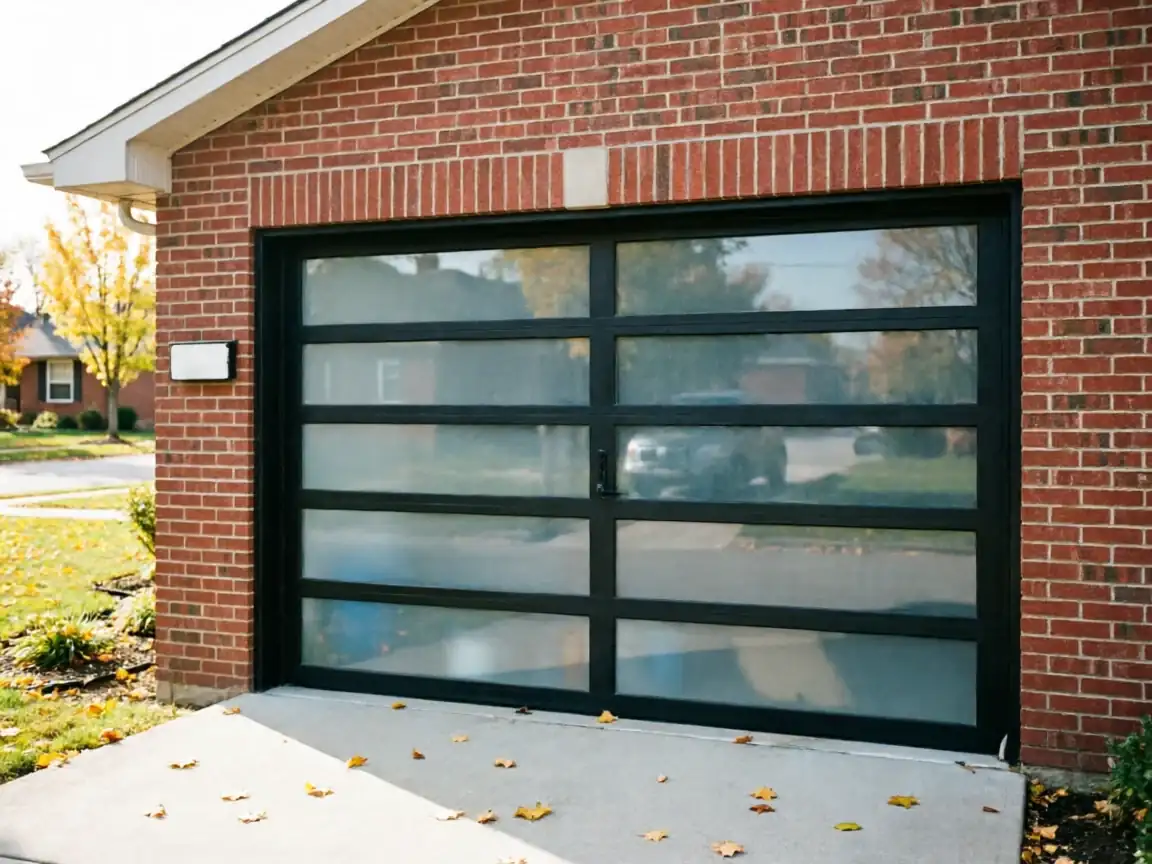
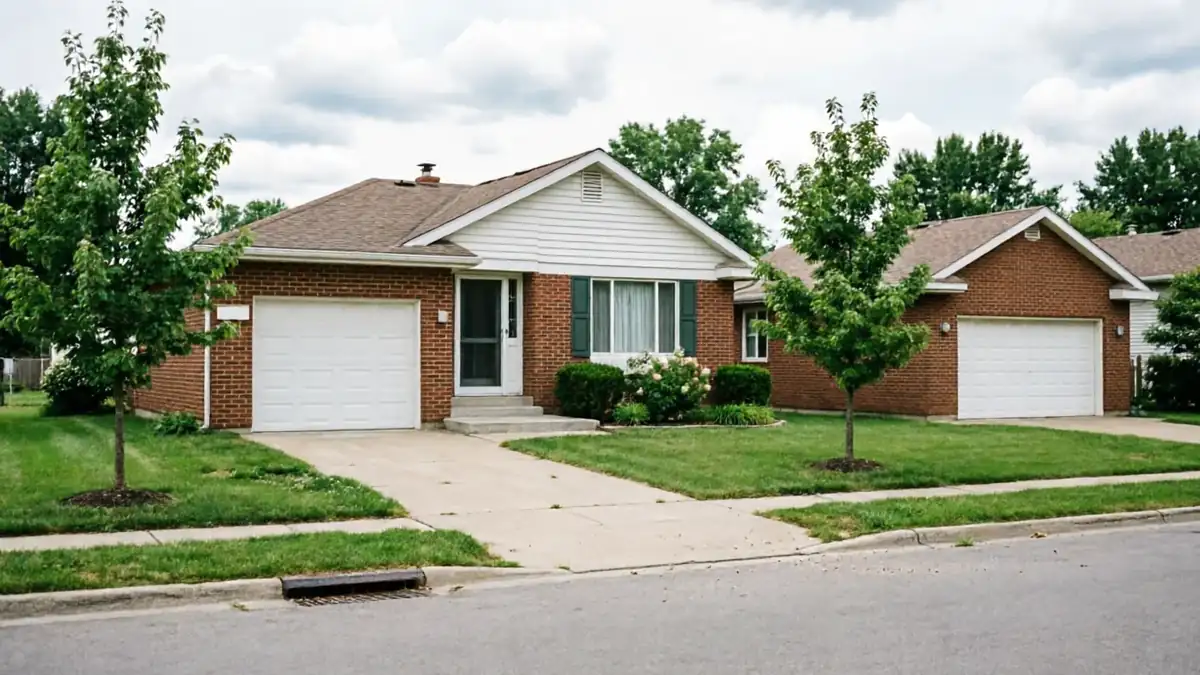
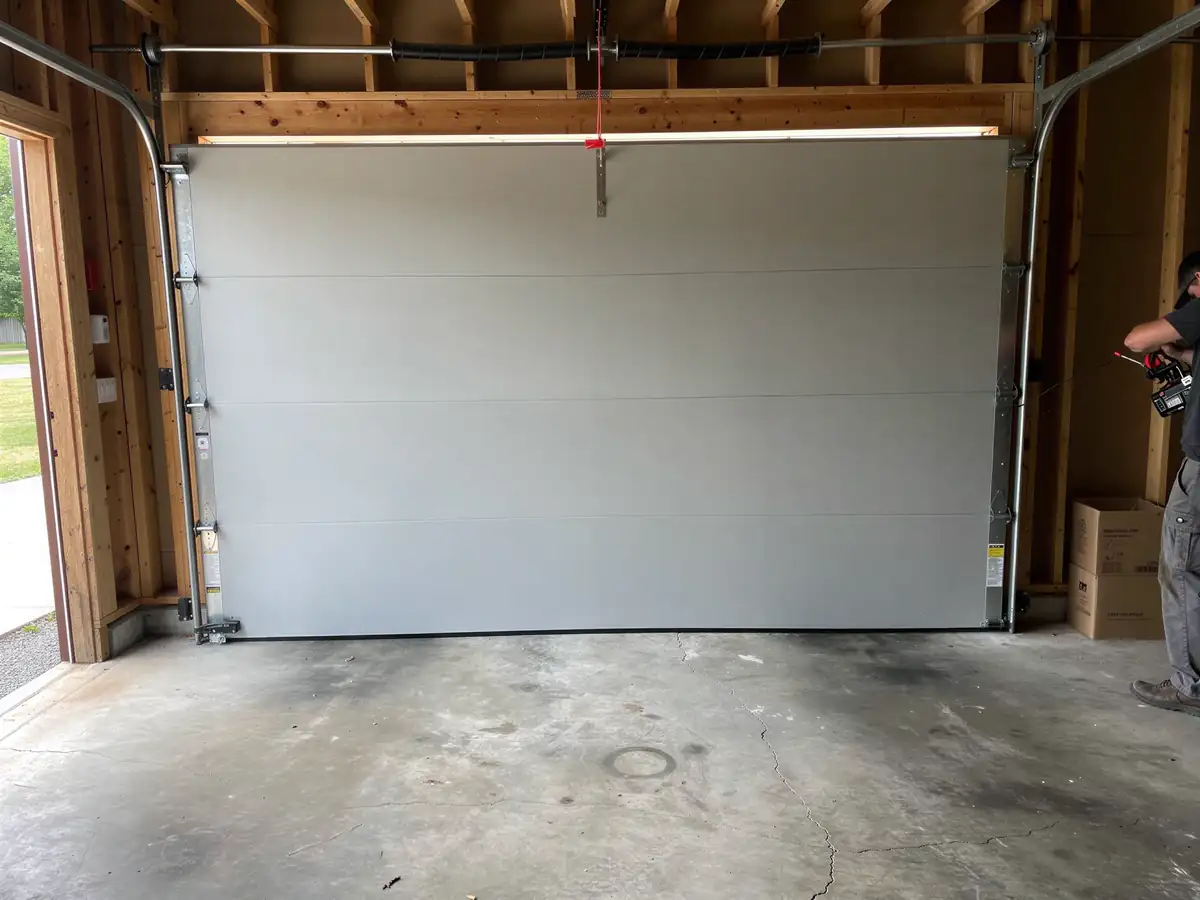
Andover's housing skews newer than most of what we see across the rest of the service area. The broader coverage area has a median build year of 1982, with stock going back to 1957, but Andover's median sits around 1993 - a decade younger. That matters more than it sounds like it should. A garage built in the early-to-mid 90s usually came with a steel sectional door, an extension or torsion spring setup that was already standardized, and a chain or belt-drive opener instead of the older screw-drive units you still find on 1960s and 70s garages elsewhere in the area. Andover isn't a town of original one-piece doors and oddball hardware. It's a town of doors that are now 30-plus years old, which is its own kind of trouble: springs rated for roughly 10,000 cycles have usually been cycled out twice over, and openers from that era are reaching the end of their motor life even if the door itself still looks fine. With 11,087 households here and a median income of $131,528, we also see more owners replacing a working-but-dated door for a cleaner look rather than waiting for a failure - that's a real share of the calls, not just breakdowns.
What the Housing Means for Your Door
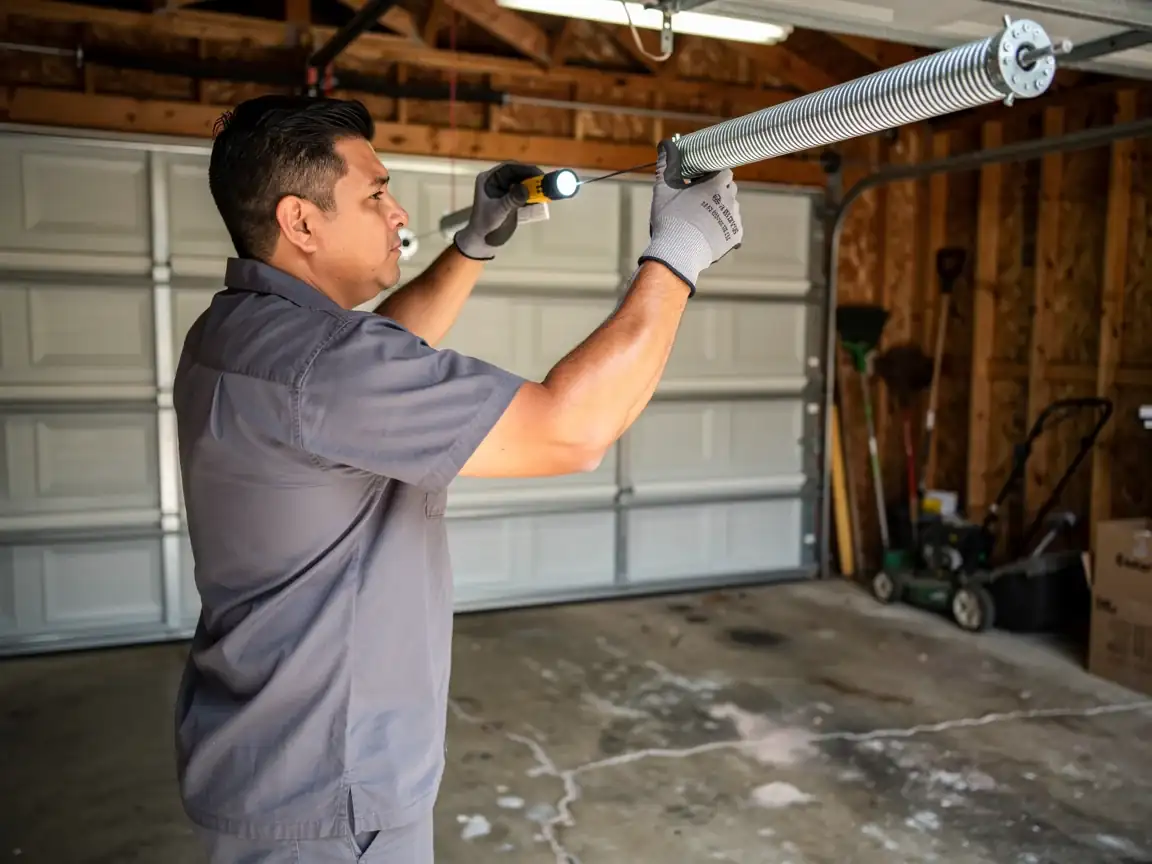
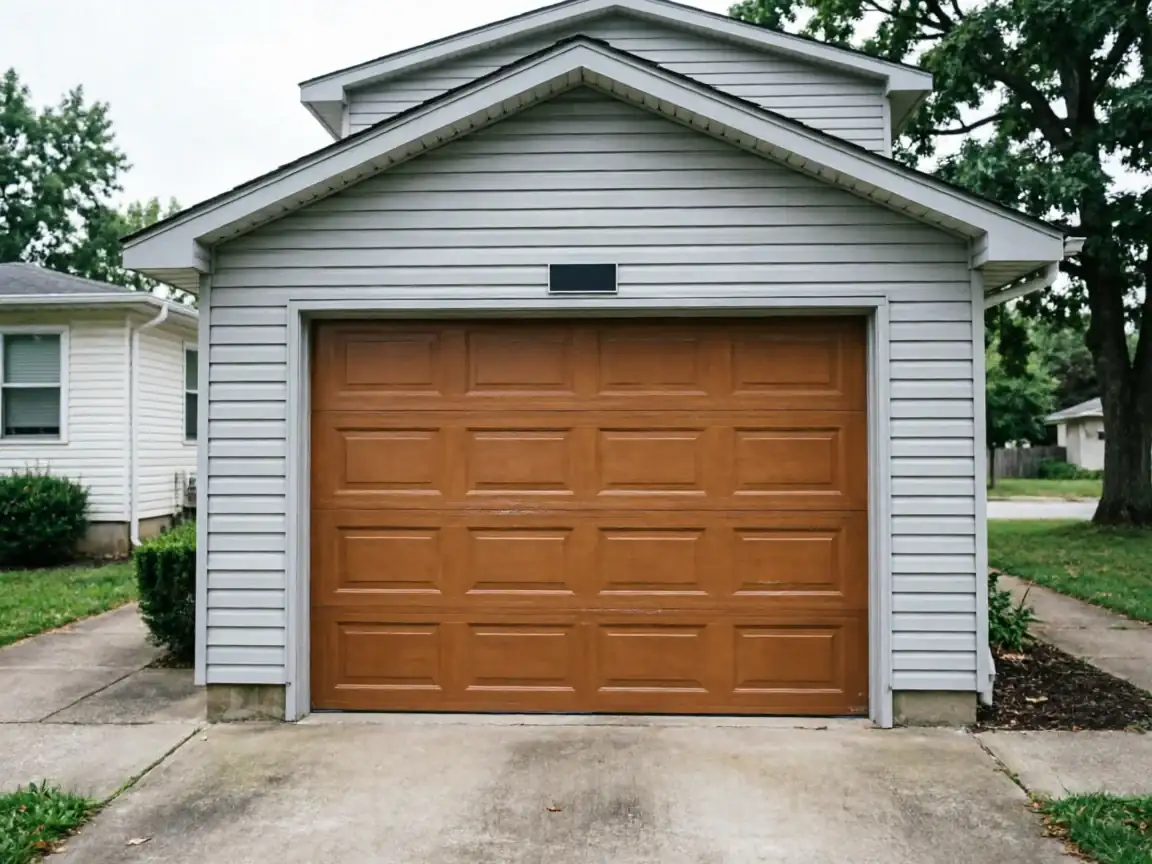
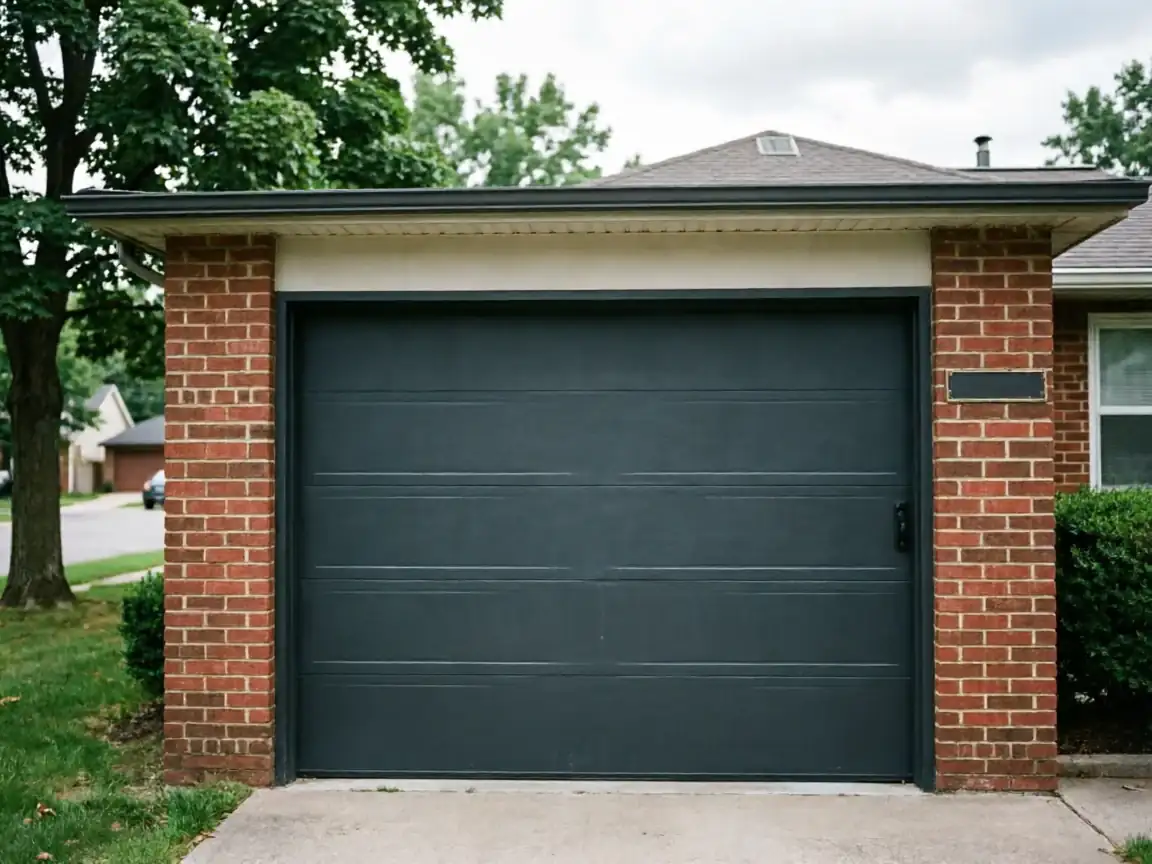
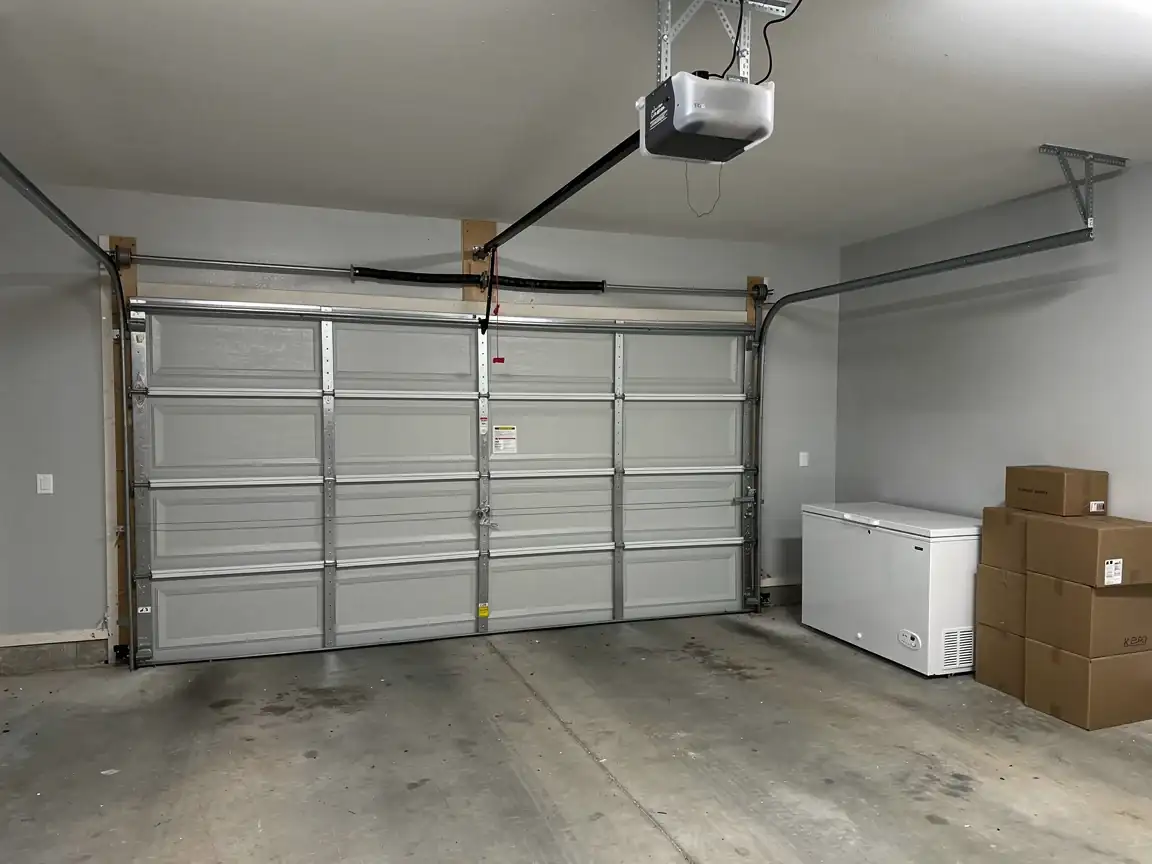
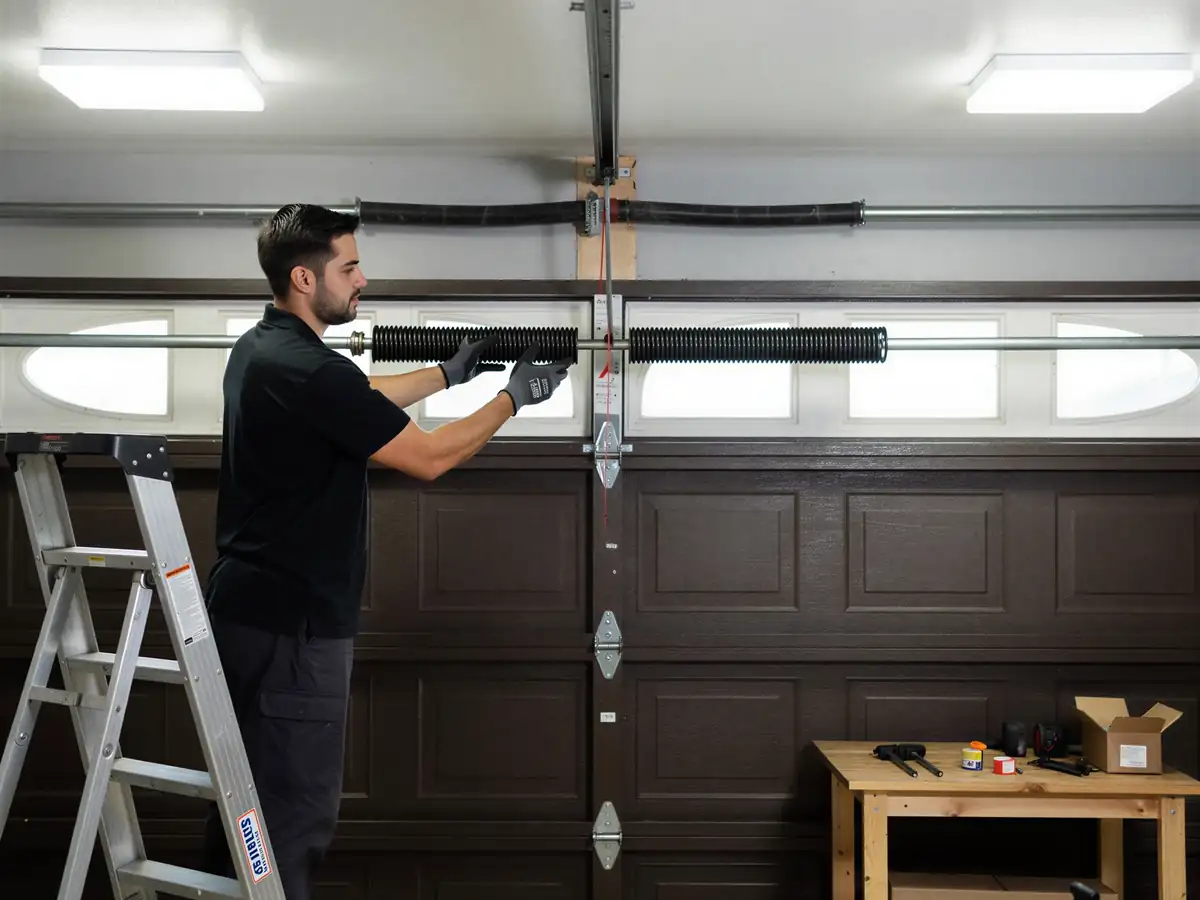
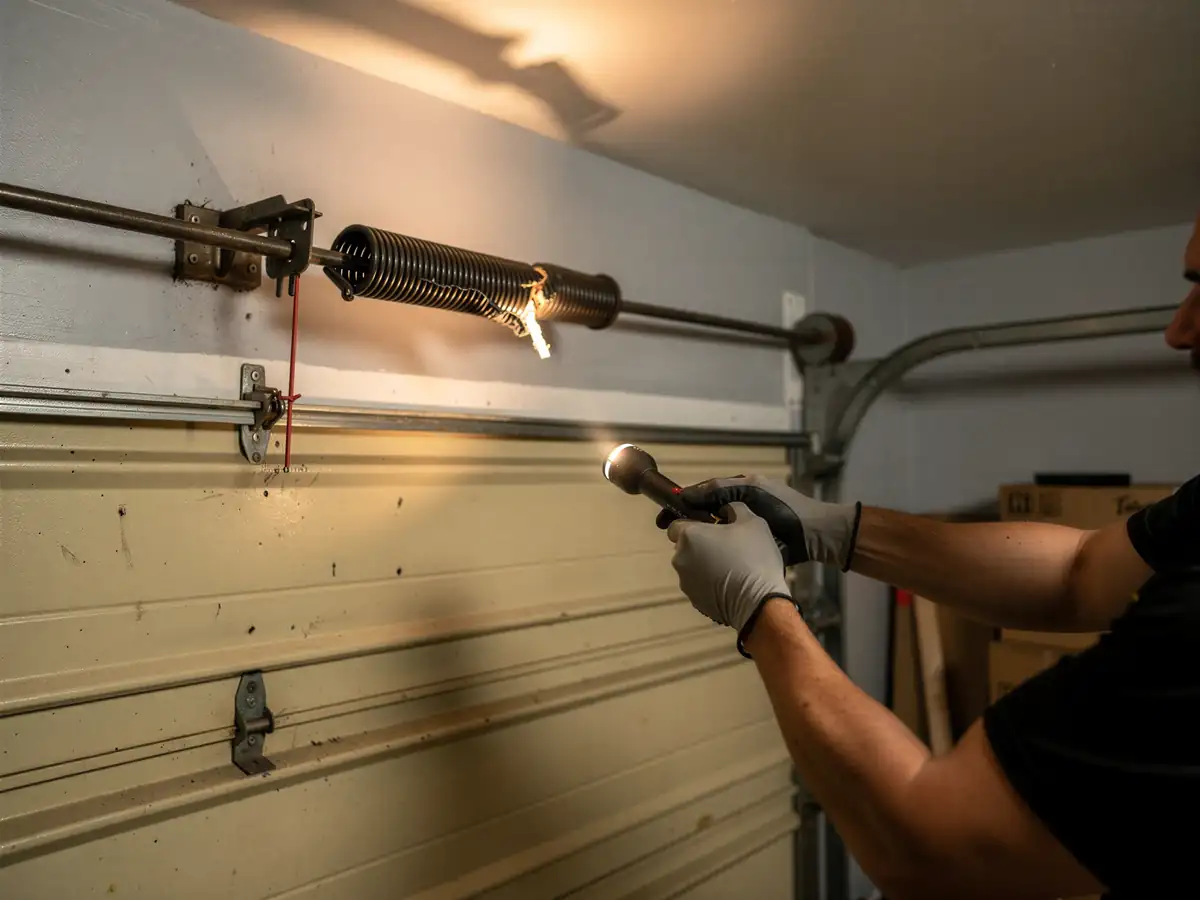
Because most Andover garages date to the 1990s and early 2000s rather than the 1960s, the common failure isn't a seized original mechanism - it's wear. Torsion springs installed when these houses were built are well past their rated cycle count by now. Nylon rollers from that era have usually gone brittle and noisy. Steel panel doors from the early 90s often have the foam-core insulation starting to separate from the skin, which you notice as a hollow sound or a slight bow. The service area overall sits in a severe cold climate band, and temperature swings are hard on any door, but the age of Andover's stock specifically means openers are also due - a chain-drive unit from 1993 has logged three decades of winters, and most don't make it that long without a motor or gear-set replacement.
Common Jobs Here
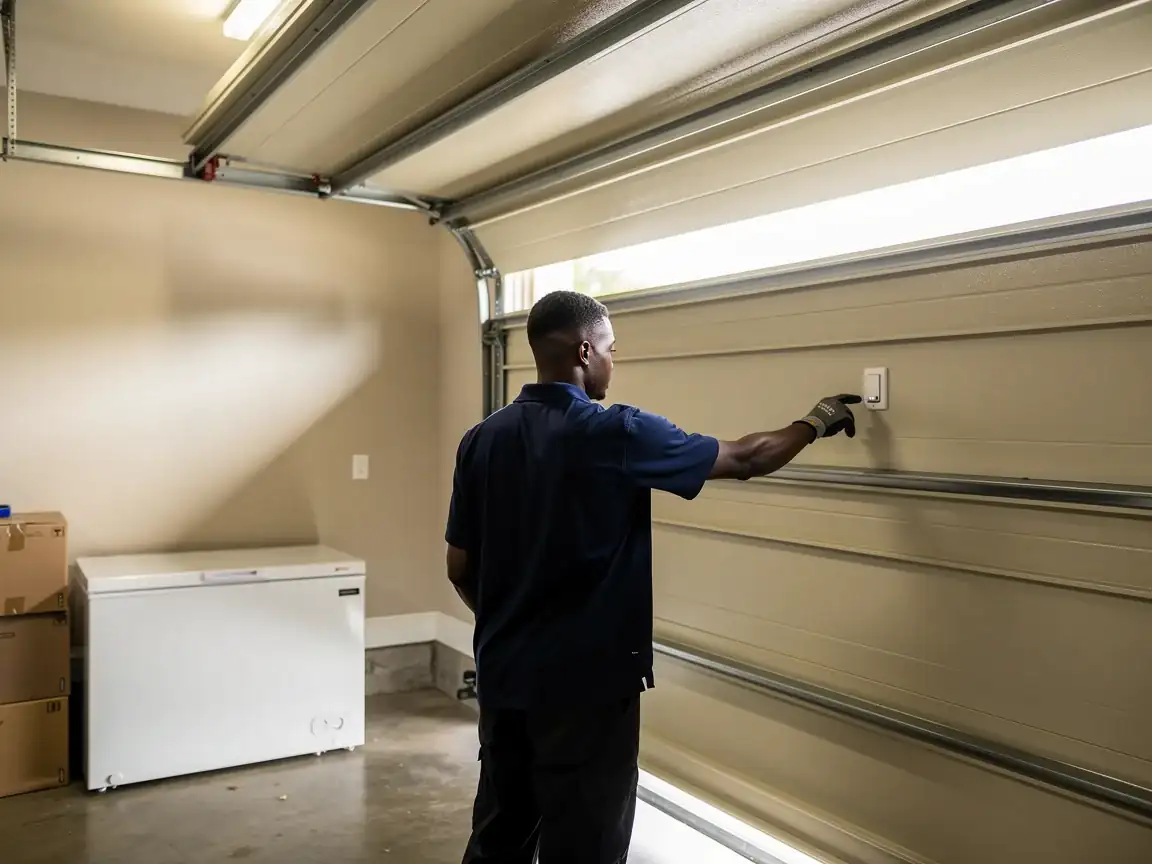
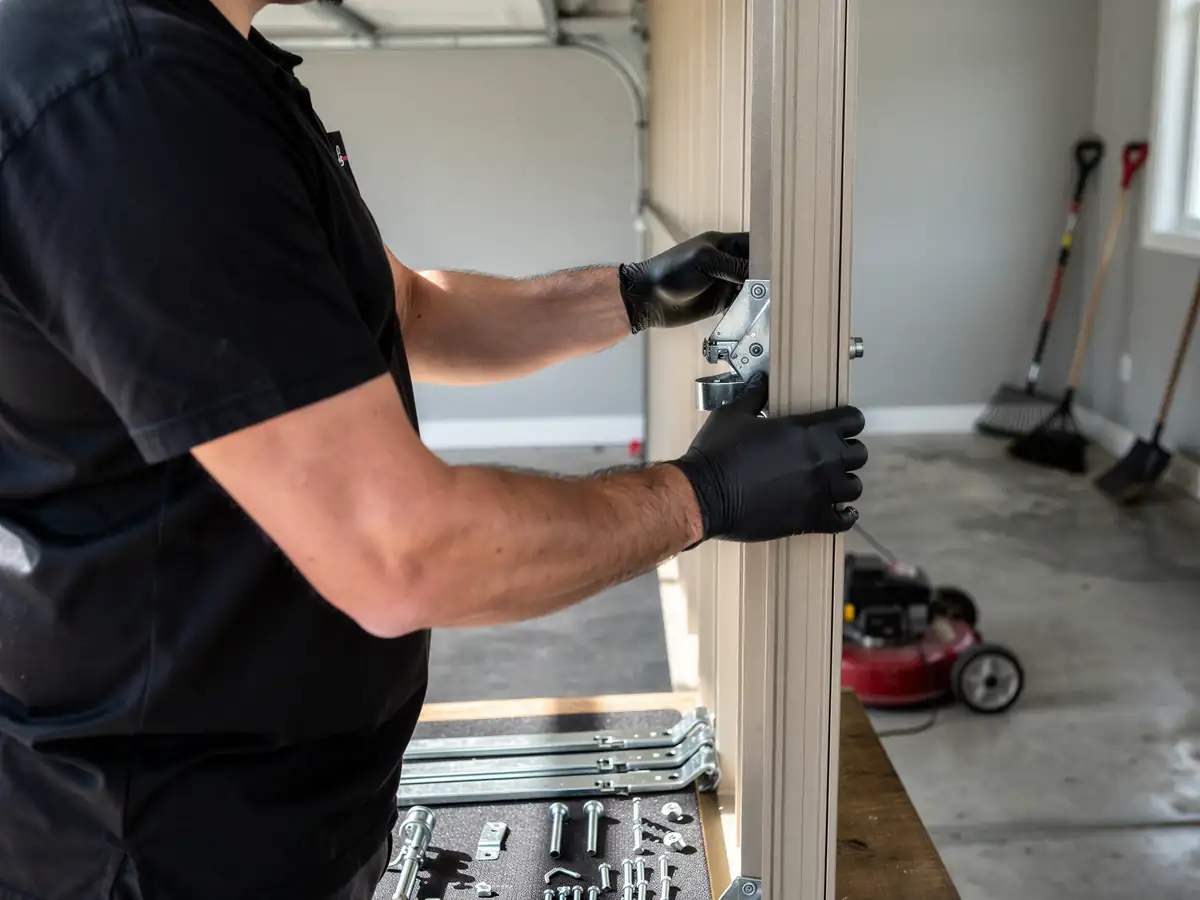
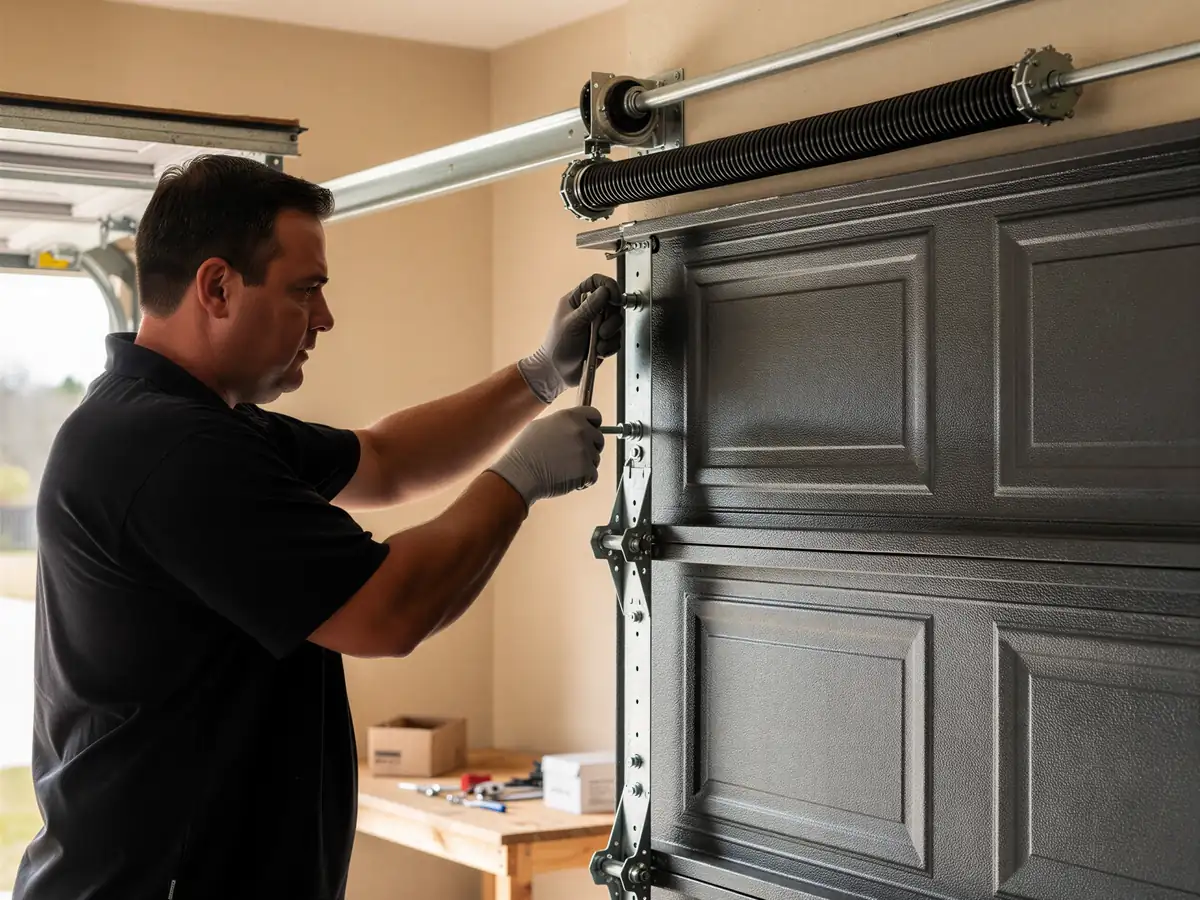
The calls we get from Andover run heavier toward opener replacement and spring upgrades than toward structural door repair. We replace a fair number of chain-drive openers with belt-drive units, mostly because the old motor finally gives out, not because the homeowner asked for quiet operation - that's just a side benefit. Torsion spring replacement is routine here given the age of the housing stock; we size the new spring to the actual door weight rather than just swapping like-for-like with whatever's already on the shaft. We also see broken rollers and worn cables on doors that have otherwise held up fine, which is a cheaper fix than people expect. What we don't see much of in Andover is the kind of original-hardware archaeology that comes up in older parts of the service area - side-mounted torsion setups, obsolete track widths, that sort of thing. Andover's problems are mostly mileage, not mystery.