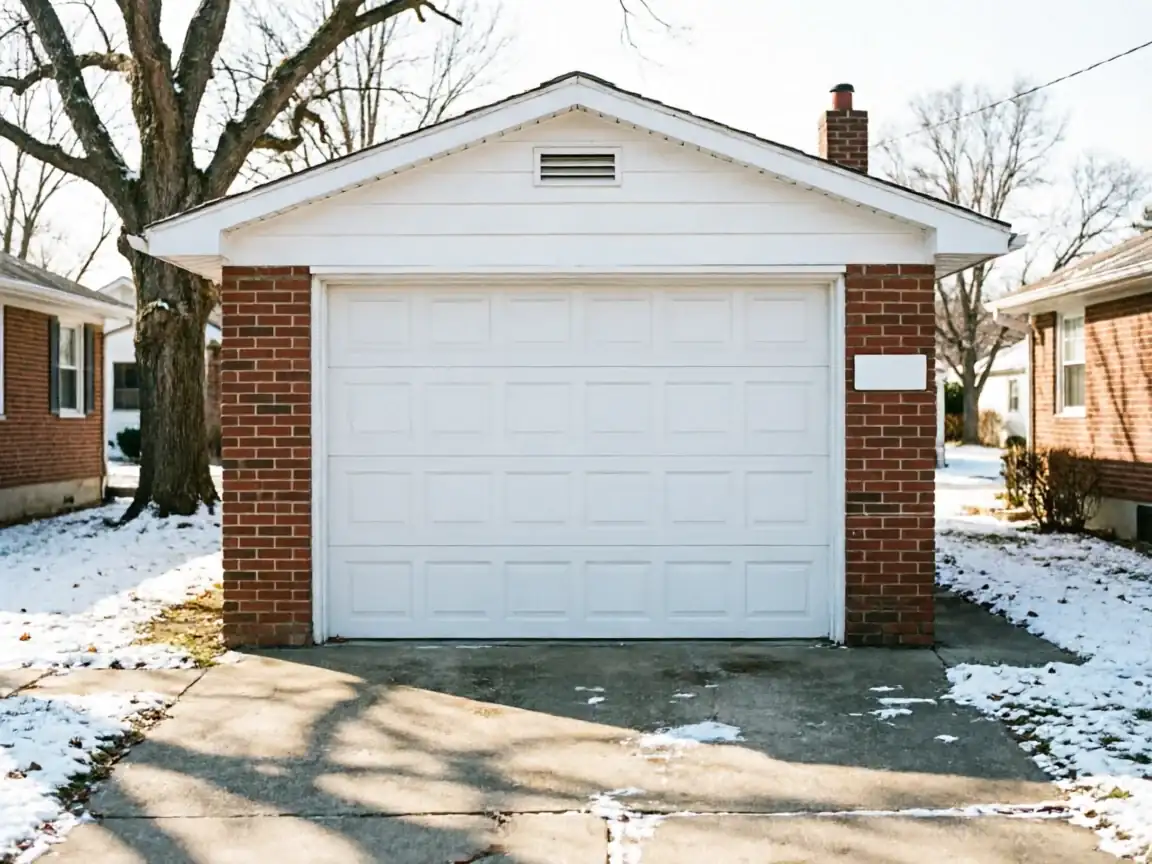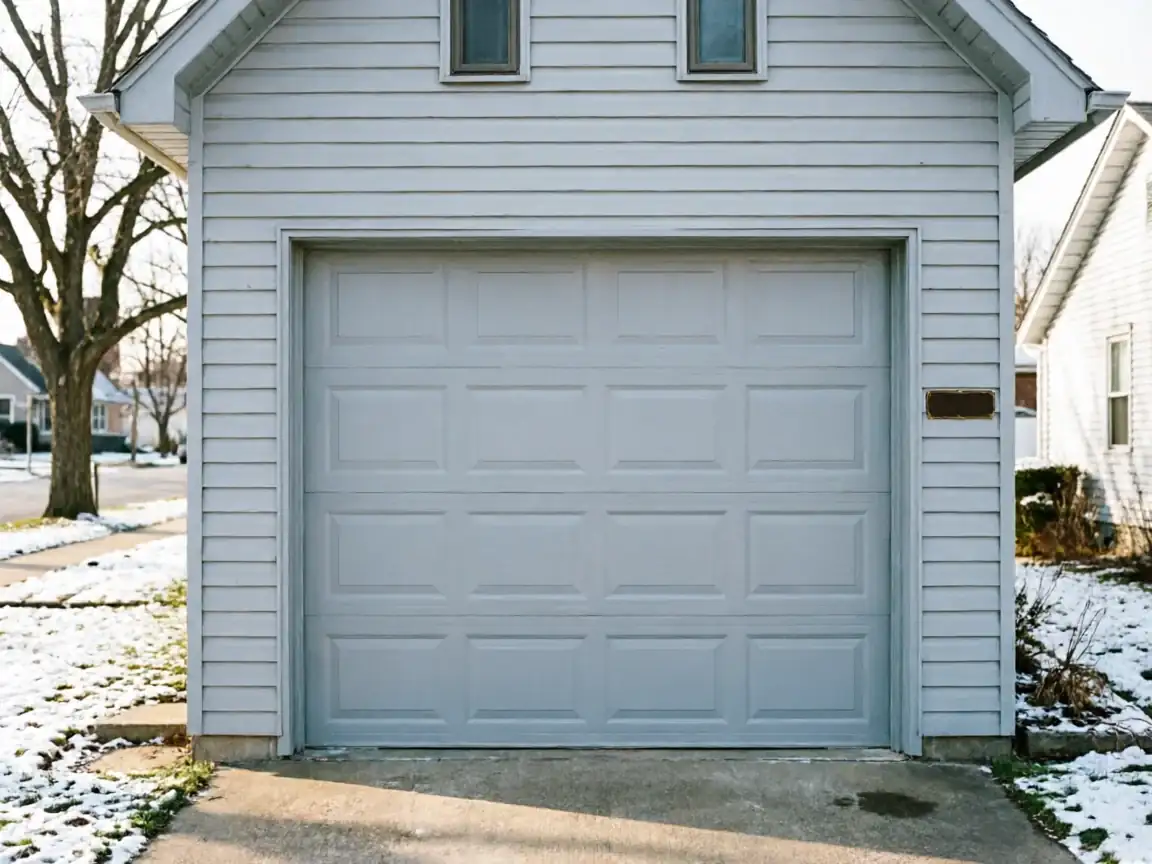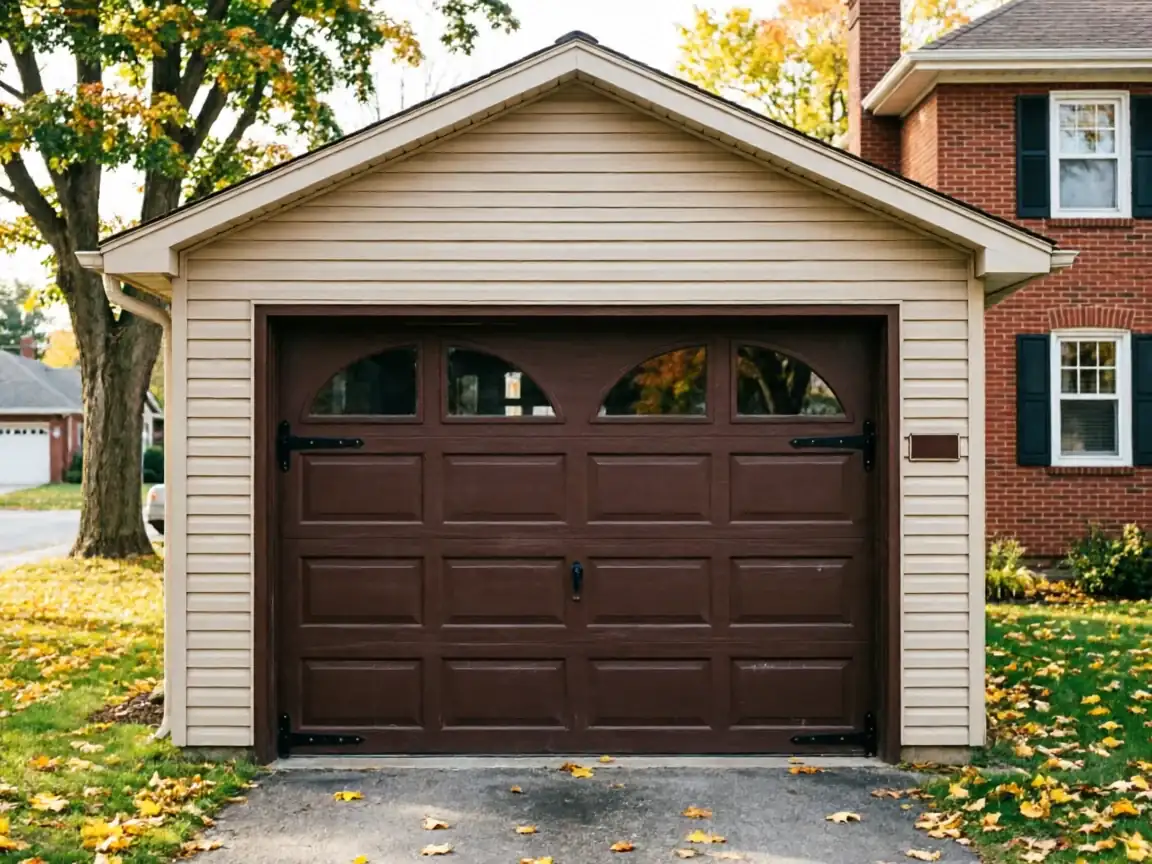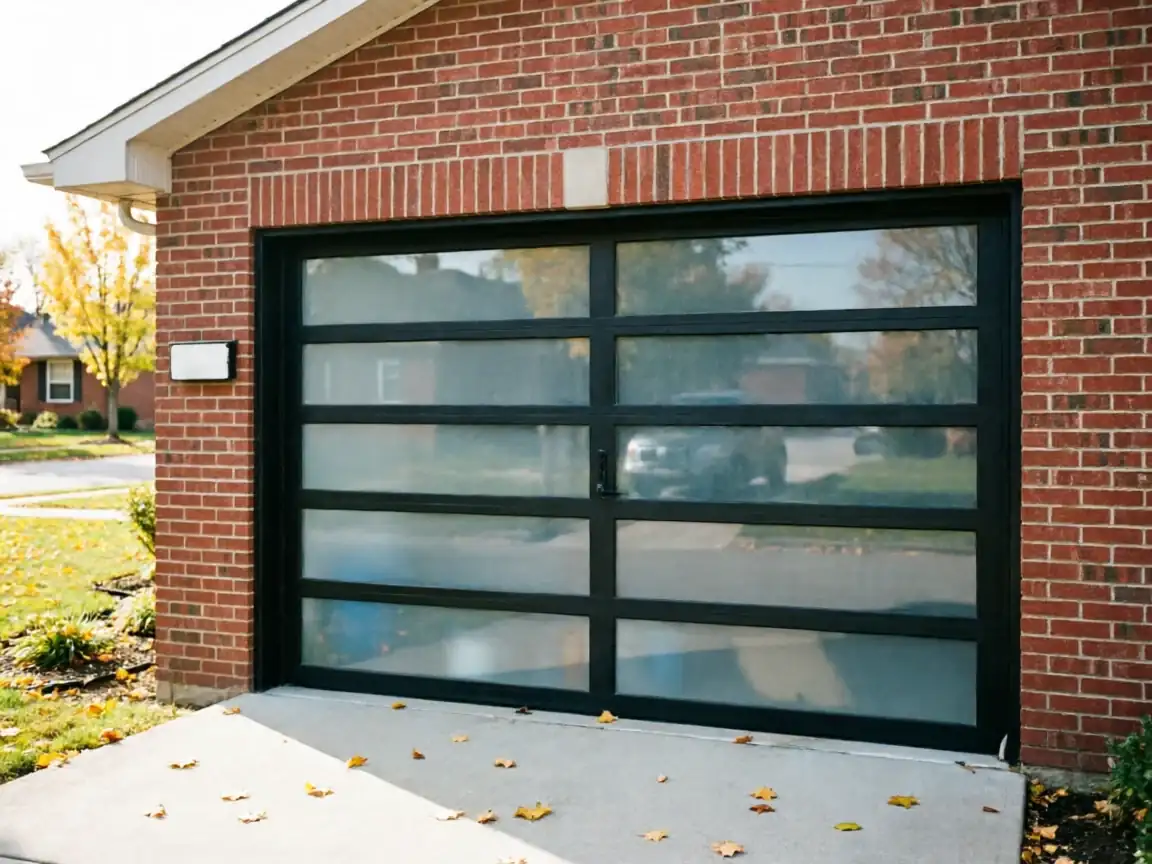
How We Fix It
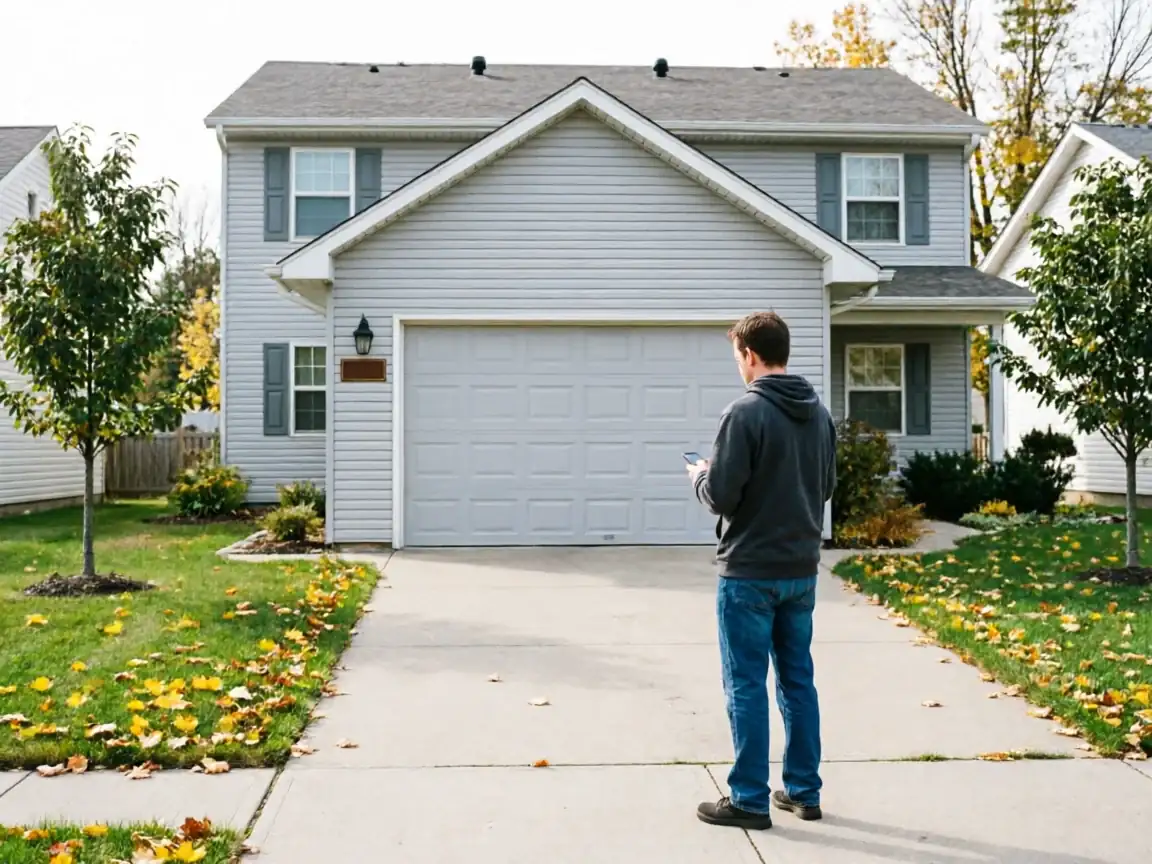
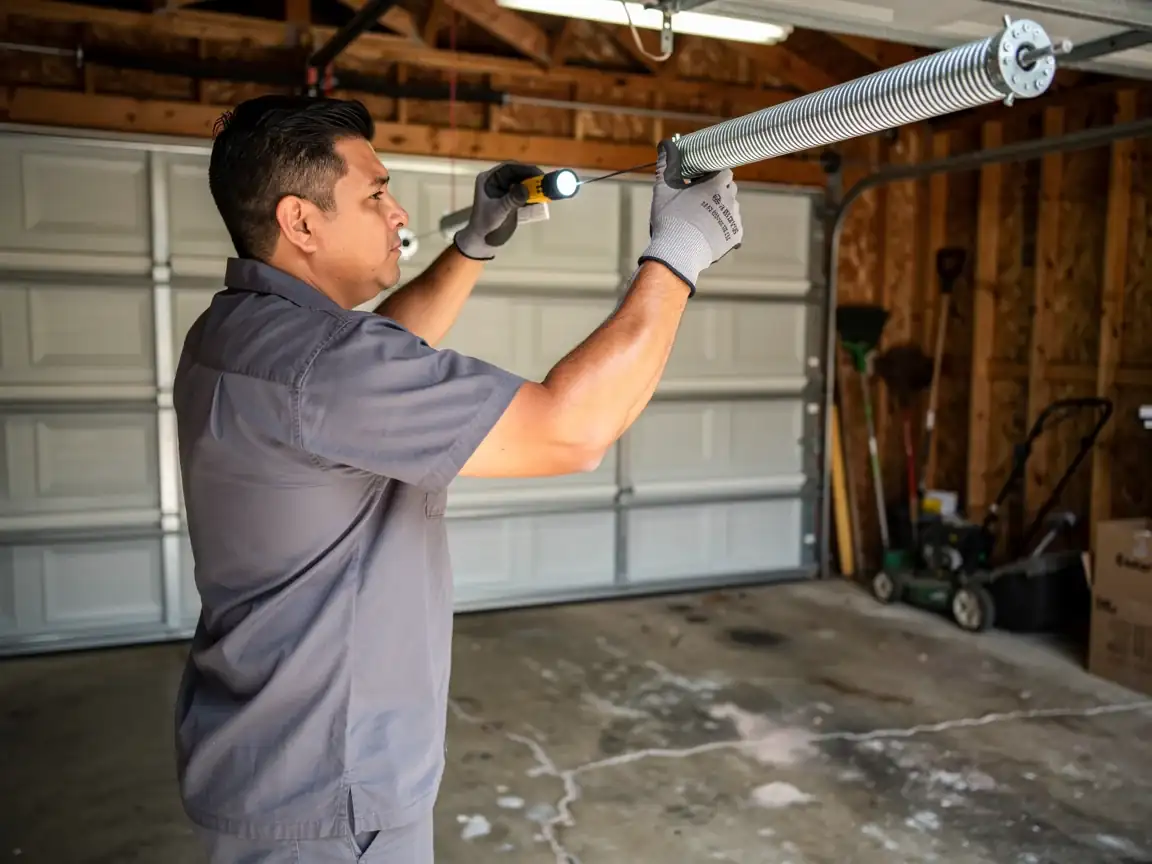
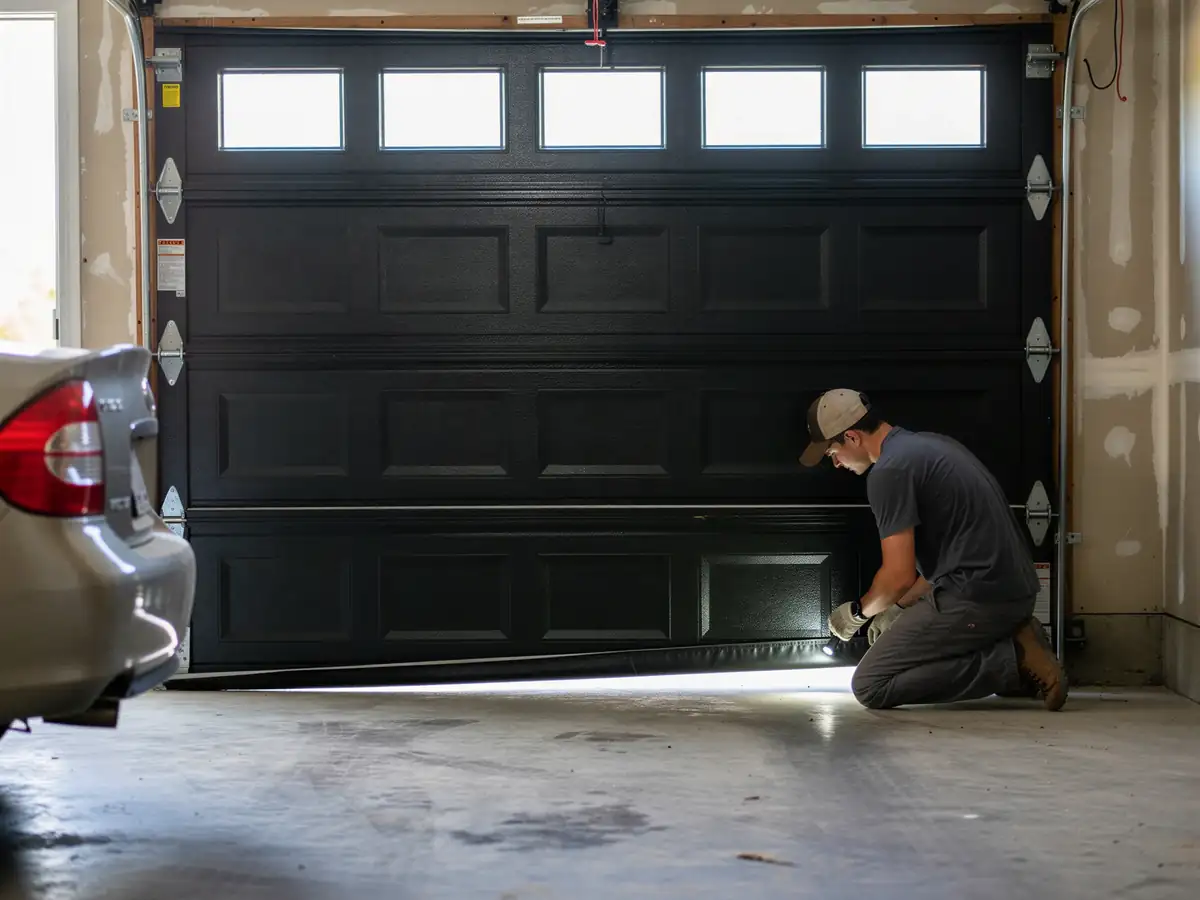
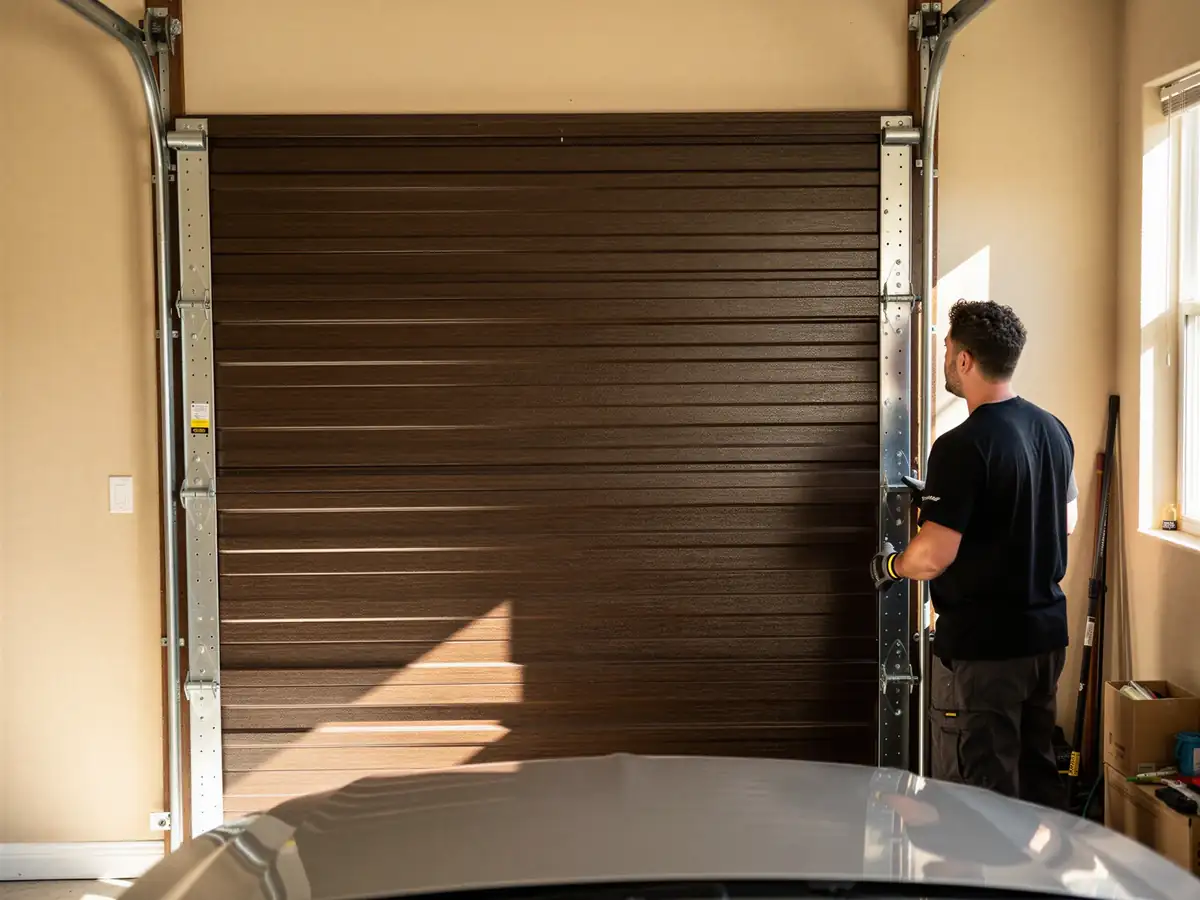
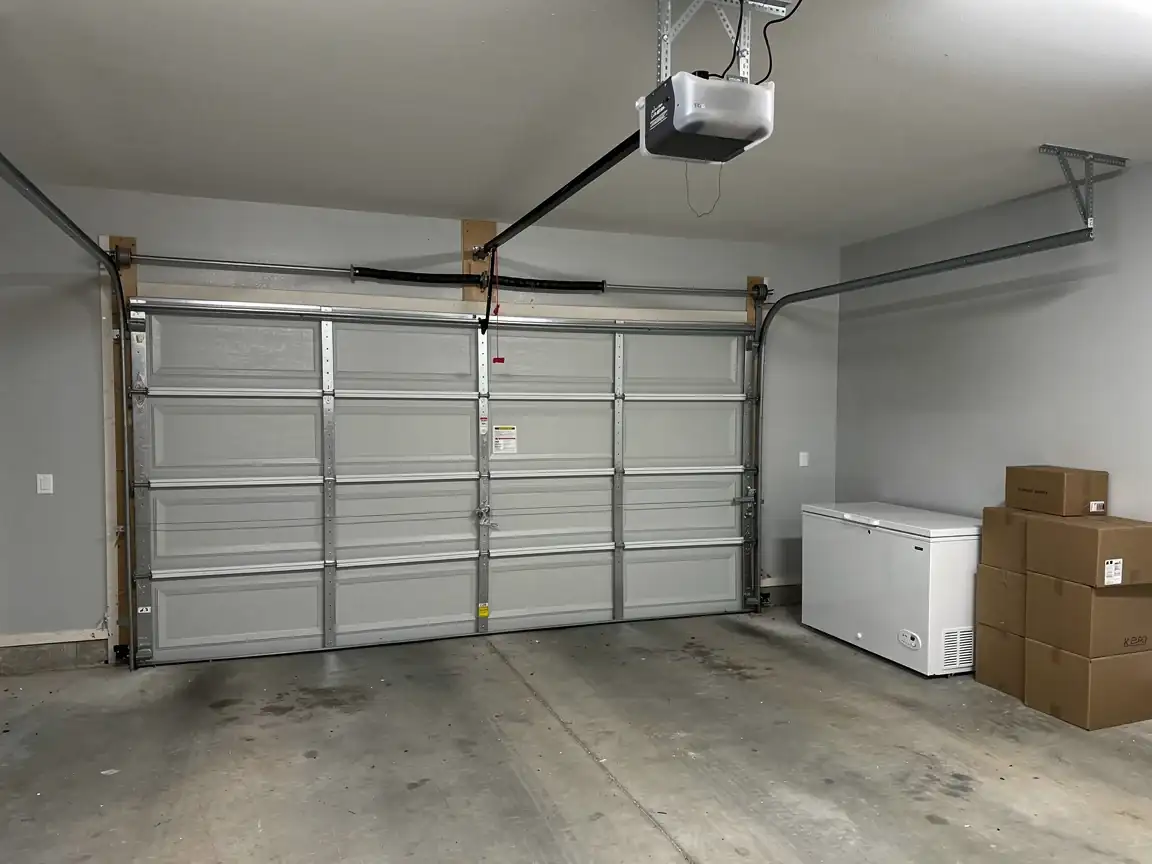
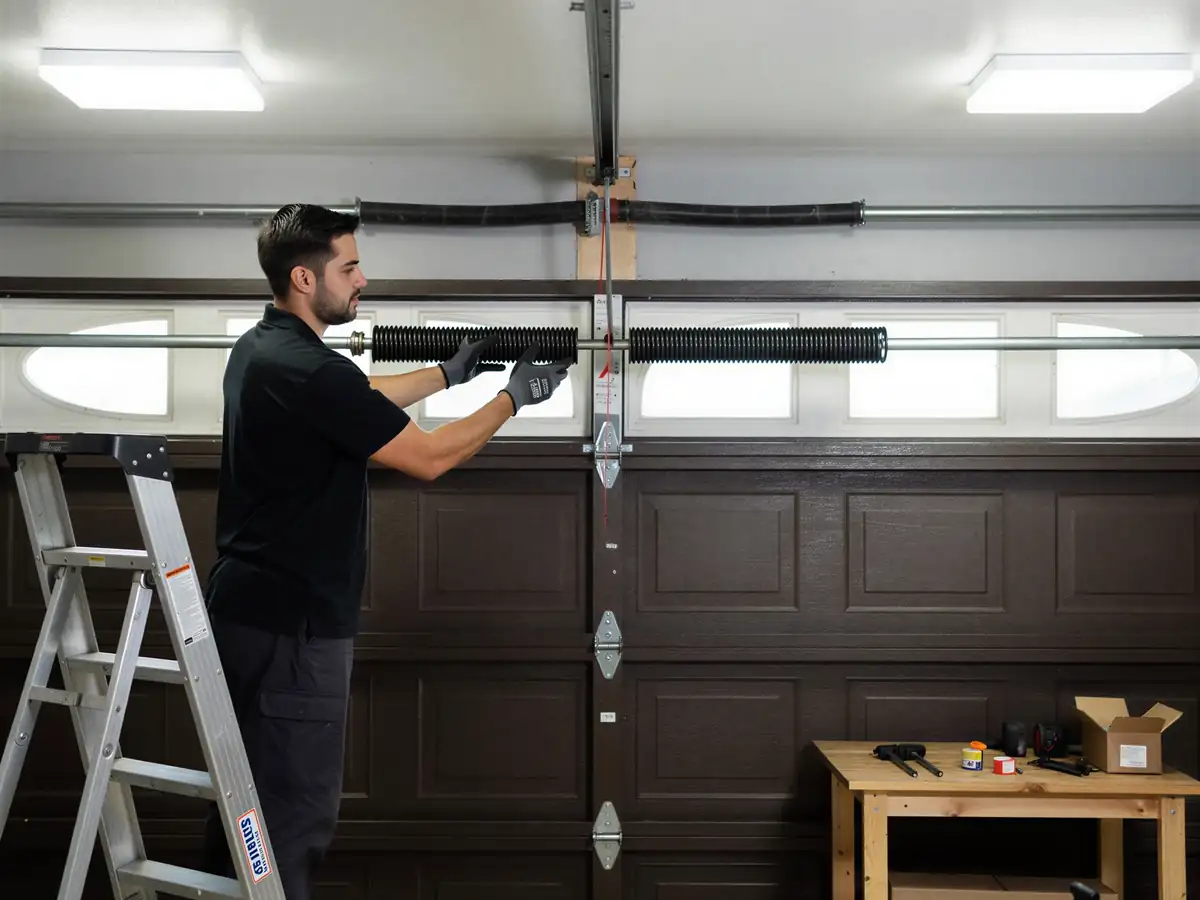
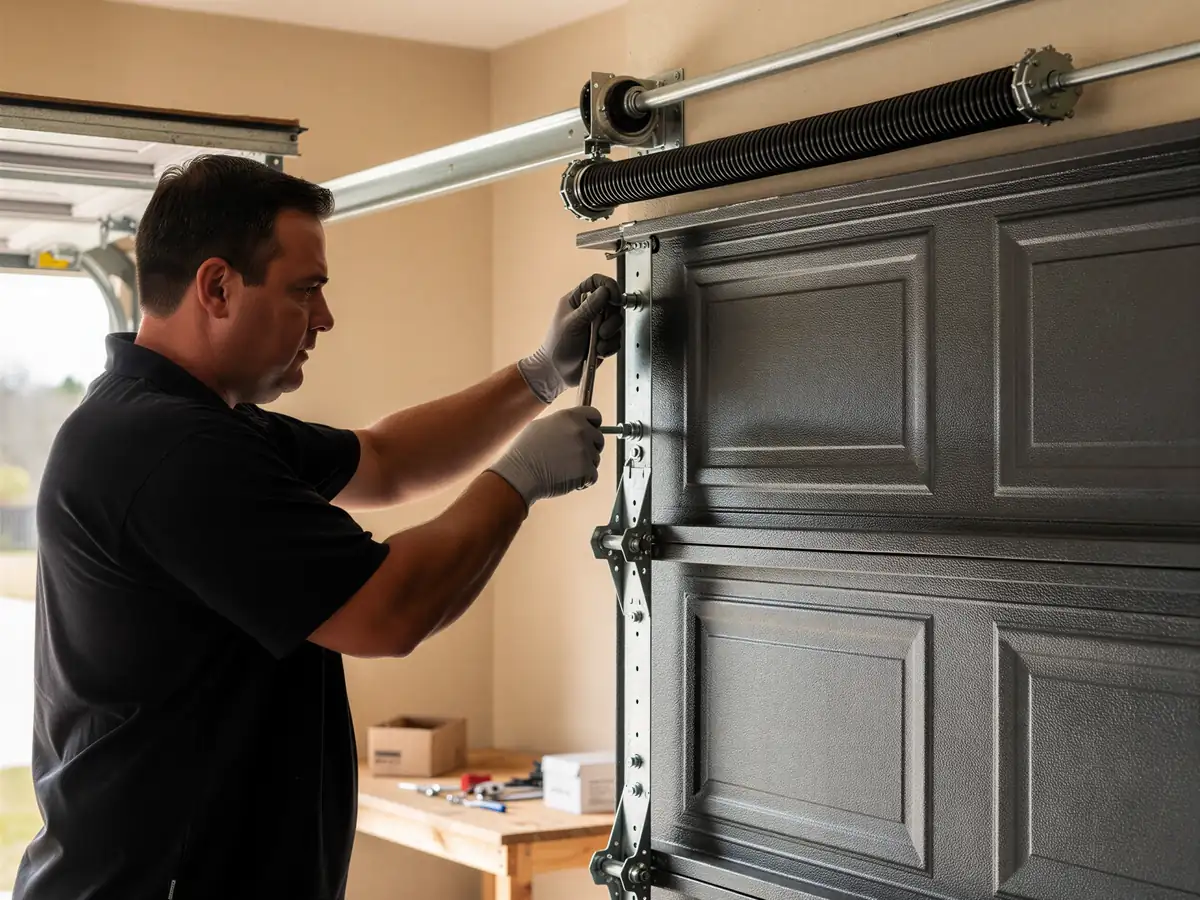
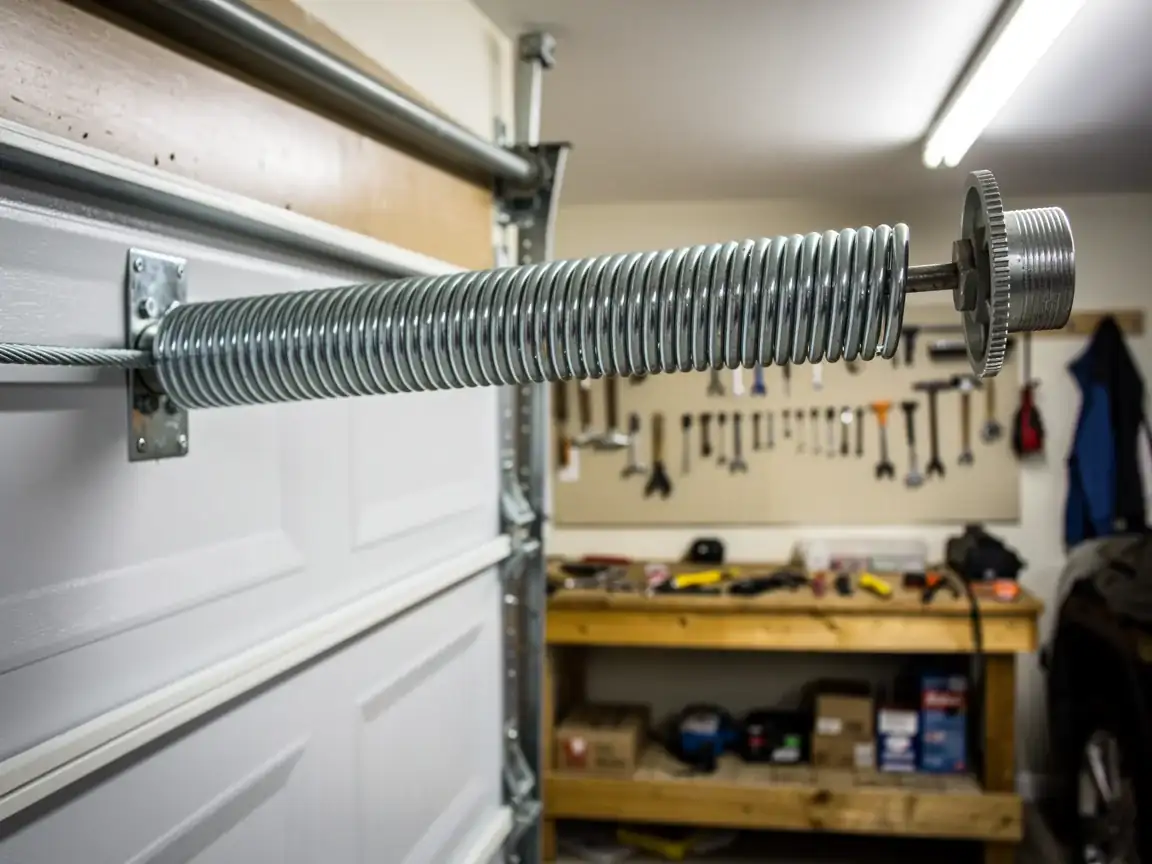
Most calls in Maple Grove start the same way: the door won't move, or it moves wrong. We open the panel, check the torsion spring wind and cable tension, and look at the opener's force settings before we touch anything else. If the spring has snapped, we match the wire size and wind to the original setup rather than guessing at a universal part, since a mismatched spring puts uneven load on the track and shortens the life of the rollers.
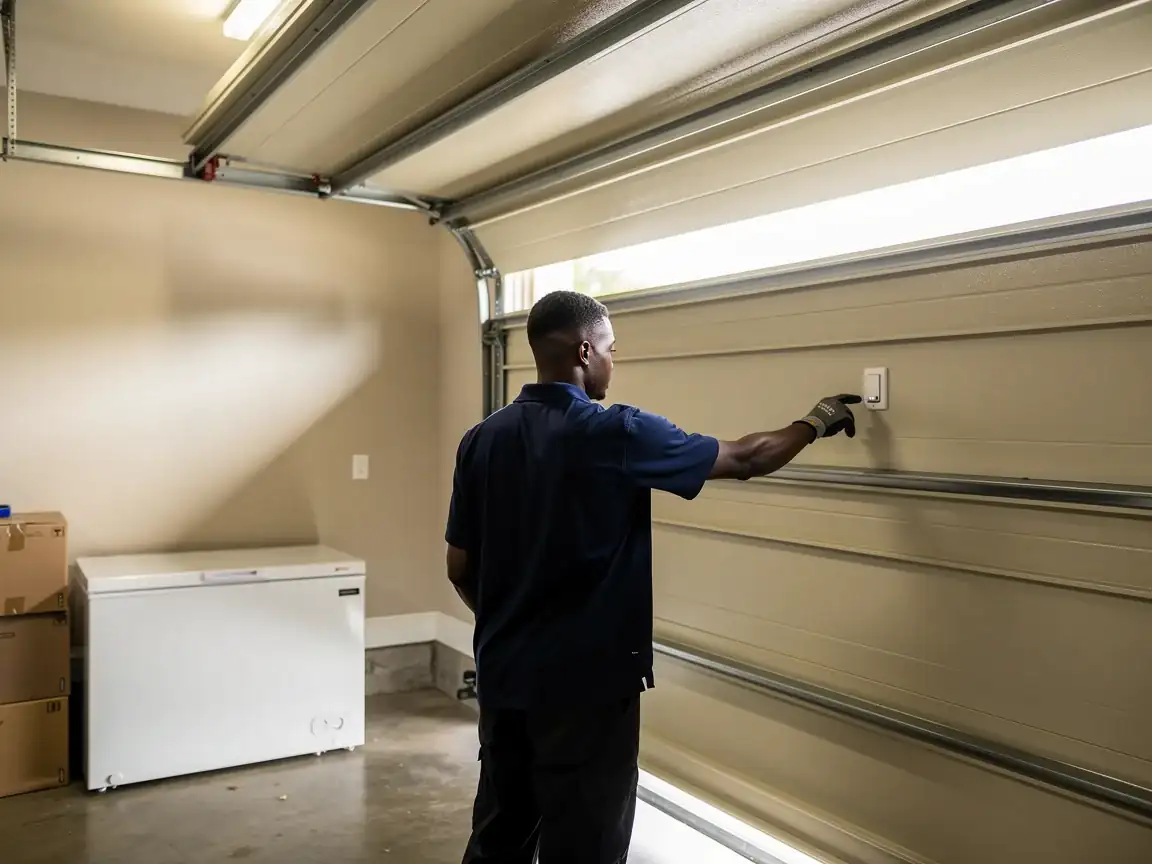
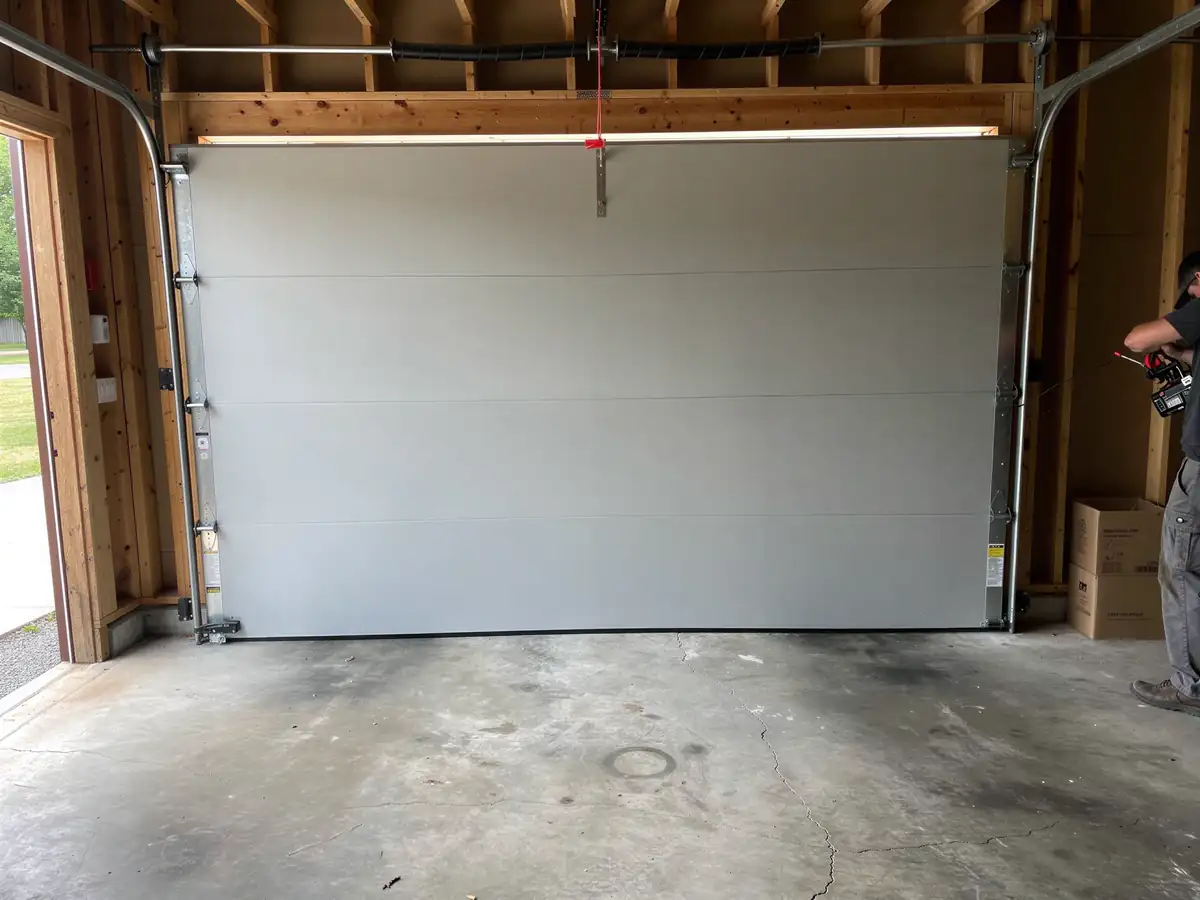
For doors that open partway and reverse, we check the travel limits and the safety sensors first. Cold snaps shift opener calibration more than people expect, and a lot of "the opener is broken" calls turn out to be a limit switch that needs resetting, not a motor replacement. We test the door through a full cycle before we call the job done, not just once.
One limitation worth saying plainly: if a torsion spring has been replaced with the wrong gauge before, or the drums don't match, we won't force it to work by adjusting around the mismatch. We'll tell you it needs the correct pair installed, because running mismatched springs is how cables jump the drum.
Why It Happens Here
Housing in the Maple Grove service area was built mostly between 1957 and 2007
With the median home going up around 1982. That means a lot of original torsion hardware is still in place on doors that are forty-plus years old, run on steel that's fatigued from decades of winter cycling. Springs are rated in cycles, not years, and a spring installed when a house was built in the early 1980s has likely seen tens of thousands of open-and-close cycles by now.
The climate band here is classified cold and severe, which matters more than people think
Steel contracts in the cold, and a torsion spring that's already near the end of its rated life is far more likely to snap on the first hard cold snap of the season than during a mild stretch. We see a clear jump in spring-failure calls the week temperatures first drop hard, across the whole service area from Osseo to Rogers.
Garages that aren't heated also see more lubricant stiffening on rollers and hinges
Which adds drag the opener has to fight. Over a winter, that extra strain on an aging opener motor is what turns a slow door into a dead one.
The Symptom
The door that worked fine yesterday and won't budge today, especially after a cold night, is almost always a spring problem, not an opener problem. If you pull the release cord and the door is heavy to lift by hand, the spring has lost tension or broken. If the door lifts easily by hand but the opener still won't move it, that points to the opener itself or its sensors.
A door that shudders, bangs, or drops a few inches partway through its cycle usually means a cable has slipped off the drum, which often happens right after a spring failure because the cable has nothing to stay seated against. Grinding or popping from the top of the door, especially right as temperatures drop, is often a dry or worn roller working against a track that's gone slightly out of alignment over the years.
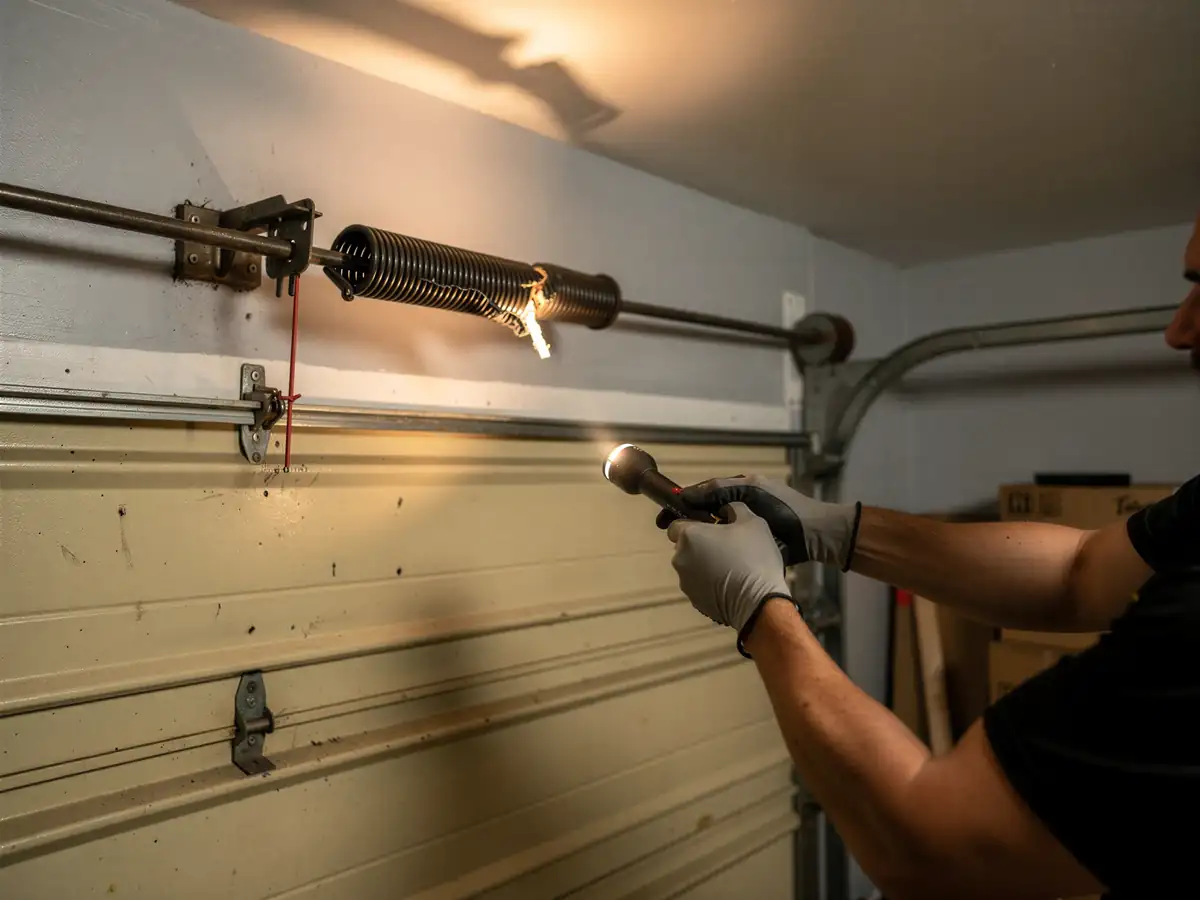
We'd rather you call before a door that's struggling fails completely and comes down hard on a cable that's about to snap. A spring that's visibly stretched or has a gap in the coil isn't going to fix itself.
What Is on the Truck
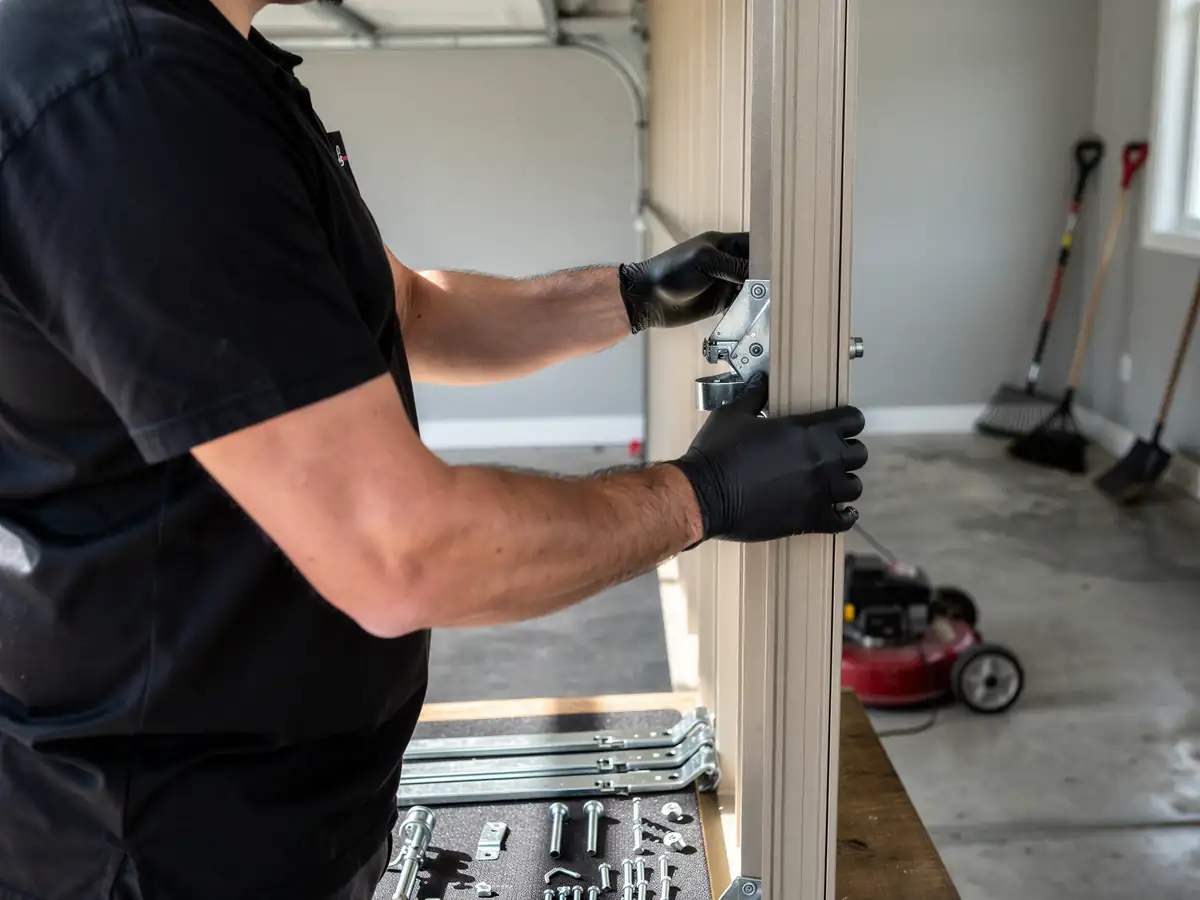
We carry torsion springs across the common wire sizes and lengths that cover the door widths typical of this housing stock, plus standard-lift cable, rollers, and hinges sized for the steel and aluminum sectional doors most common on homes built from the 1960s through the 2000s. Opener parts we stock cover the mainstream chain and belt-drive units homeowners replaced into over the past couple of decades.
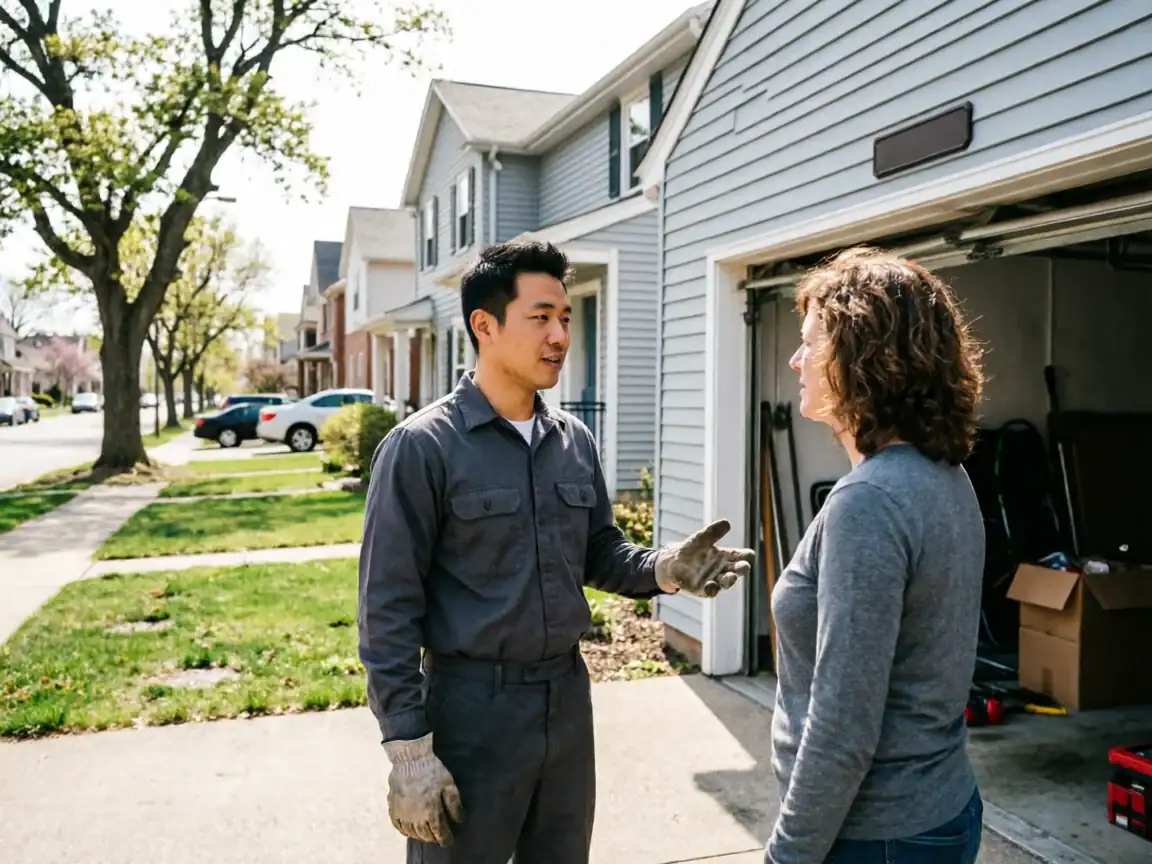
What we don't carry on the truck: specialty wood door hardware, and custom-width springs for doors outside the standard range. If your door falls into either category, we'll tell you upfront what needs to be special-ordered rather than installing something close enough and calling it done.
With median household income in the service area around $112,060 and roughly 152,017 owner-occupied houses across the broader area, most of what we stock reflects standard double and single garage doors rather than higher-end or oversized custom units. If your door is unusual, say so when you call so we bring the right parts the first trip.