What You Pay
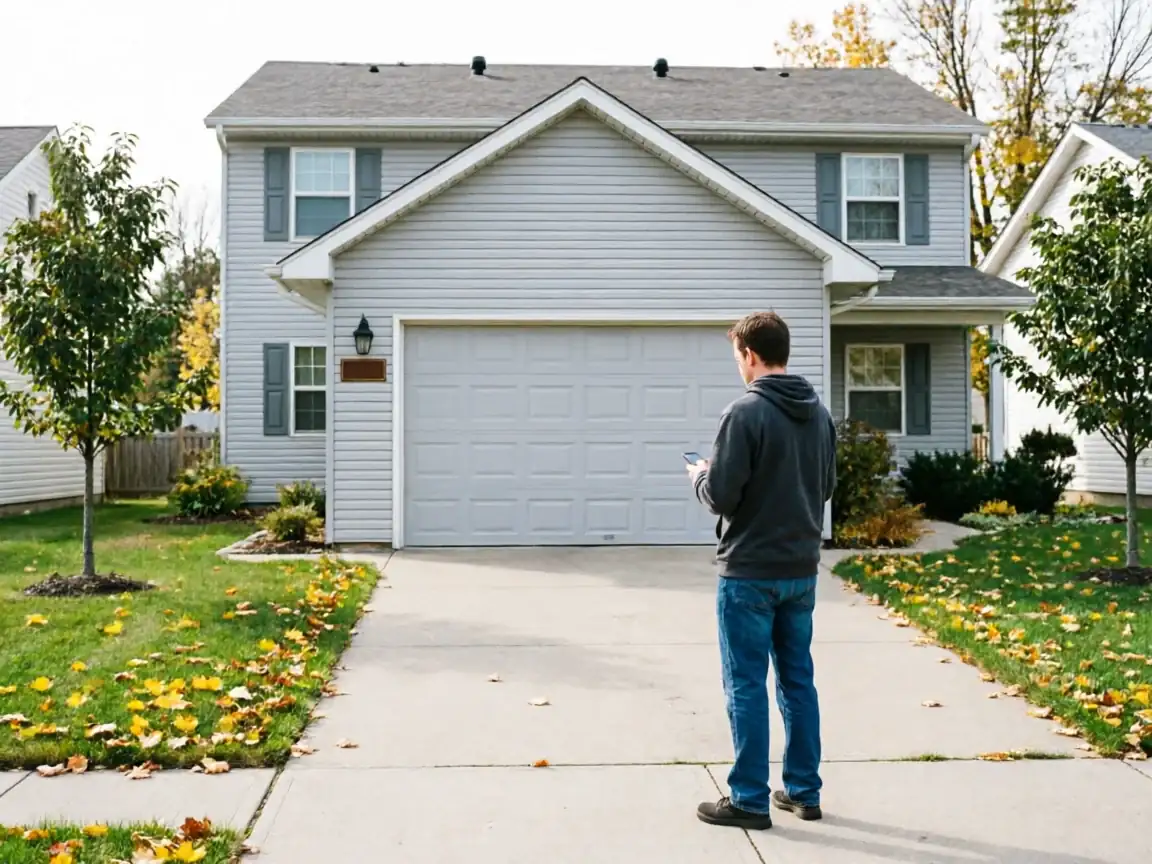
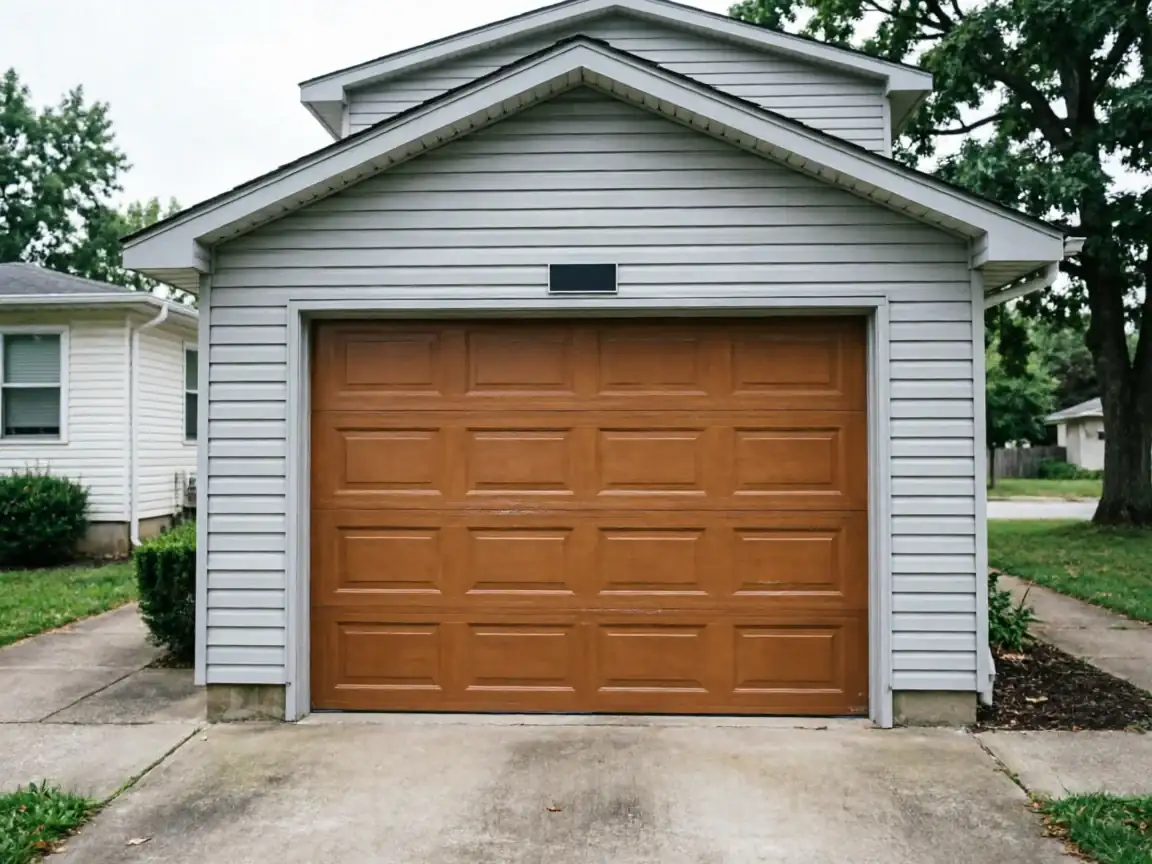
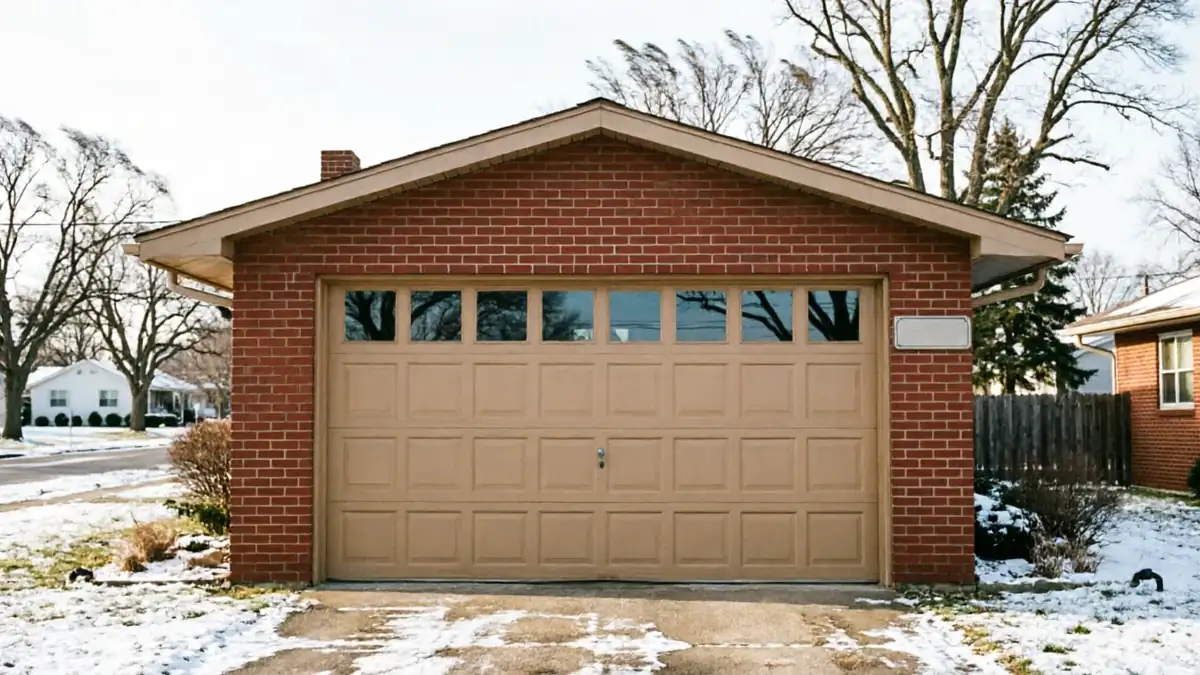
We're not going to quote a number here because the honest answer is it depends on what broke and how wide the door is. What we can tell you is why the bill tends to run higher here than in a neighborhood full of single-car garages. A lot of the housing in this service area went up between 1957 and 2007, with the bulk of it dating to the 1980s and 90s construction boom. That era favored the two-car attached garage with one wide door instead of two narrow ones, and a 16-foot door carries heavier springs, a thicker shaft, and more hardware than a 9-foot door - every part on it costs more to replace. Median household income across the area sits around $112,060, which tells you this is a market where people own rather than rent; across the broader service area there are roughly 152,017 owner-occupied houses, most carrying original or first-replacement garage door systems. The honest limitation: if a wide door has already bowed or the track has pulled away from the framing, we're not going to recommend a patch repair. On a door that size, a bent section is a safety problem, not a cosmetic one, and we'll tell you when replacement is the only sound call.
The Seasonal Bit
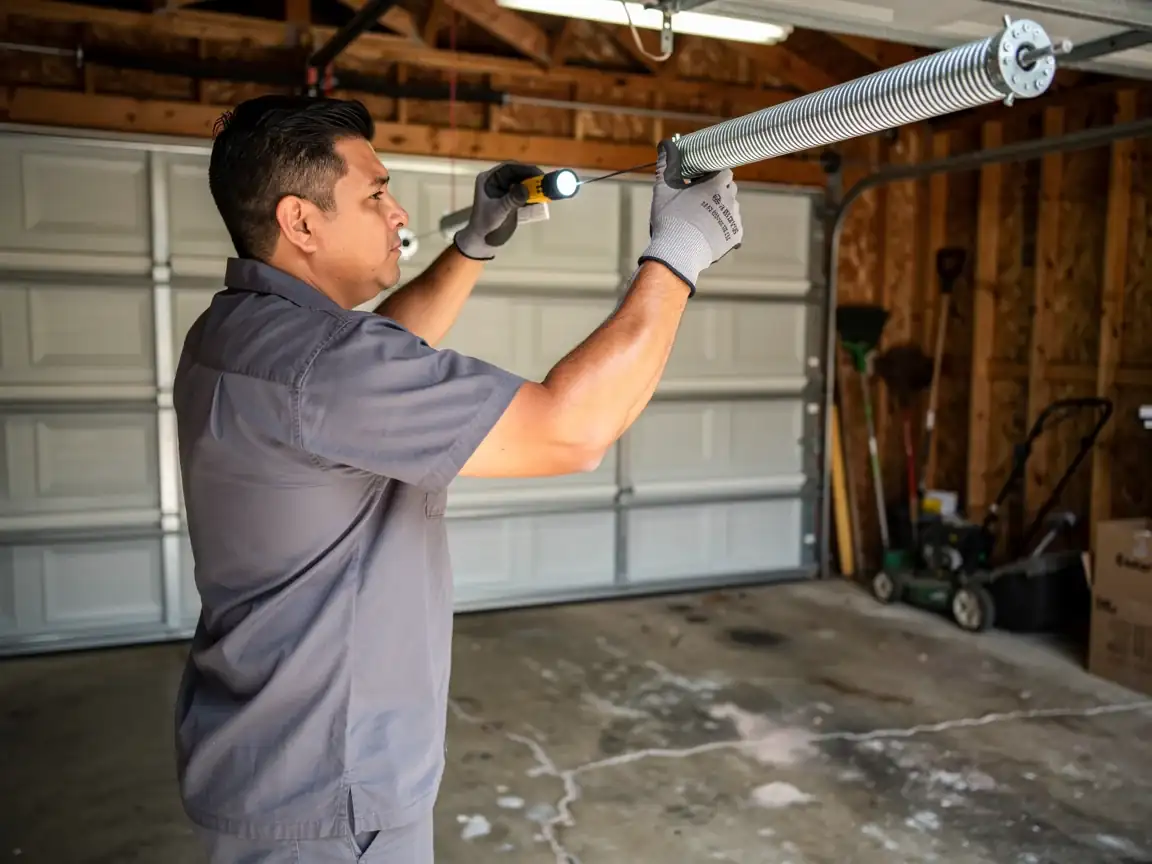
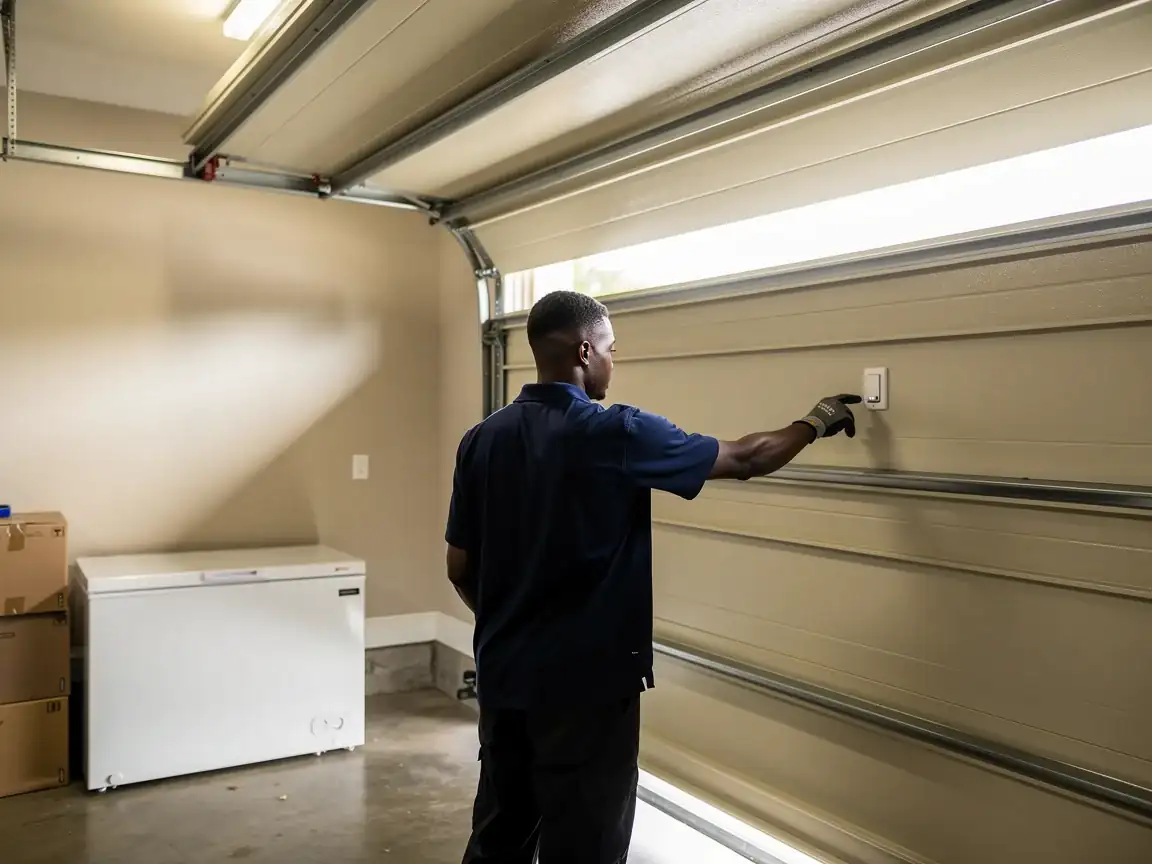
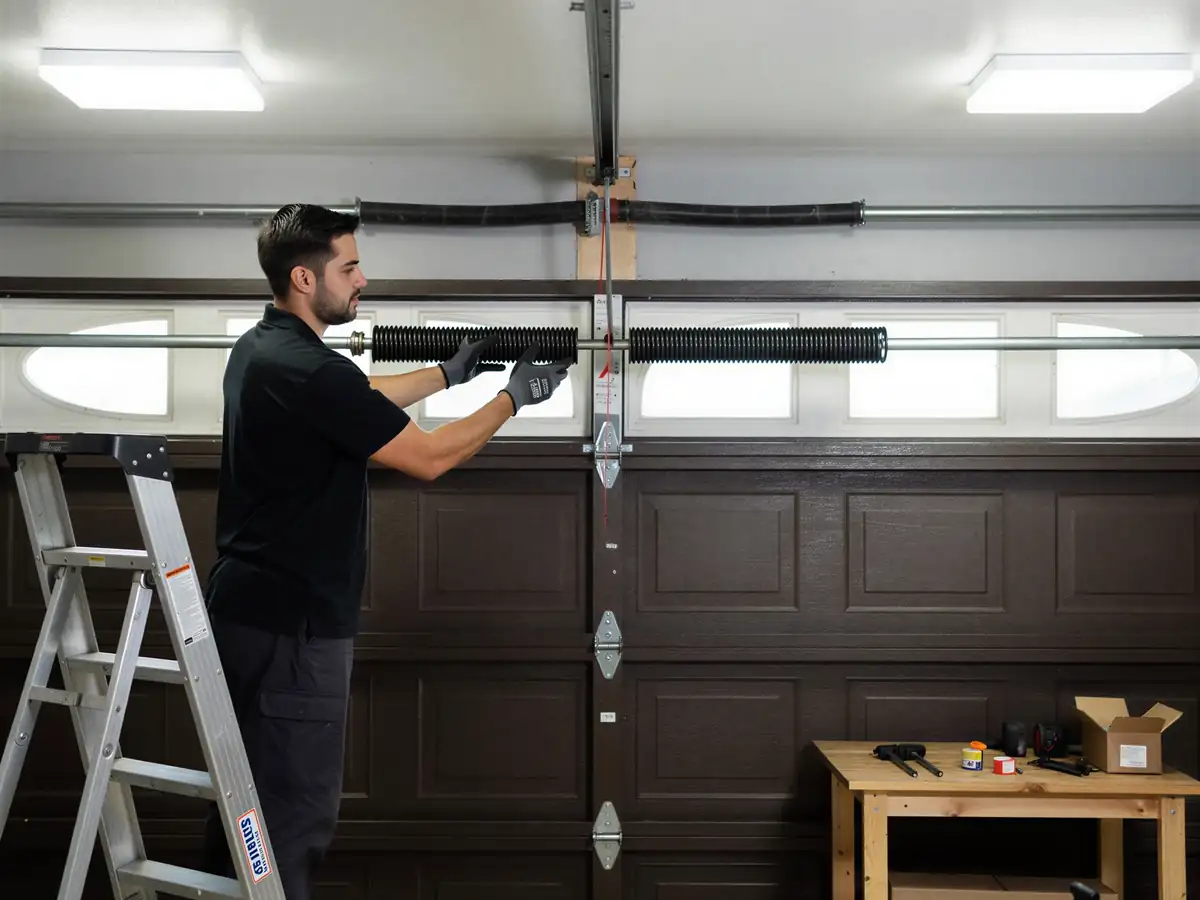
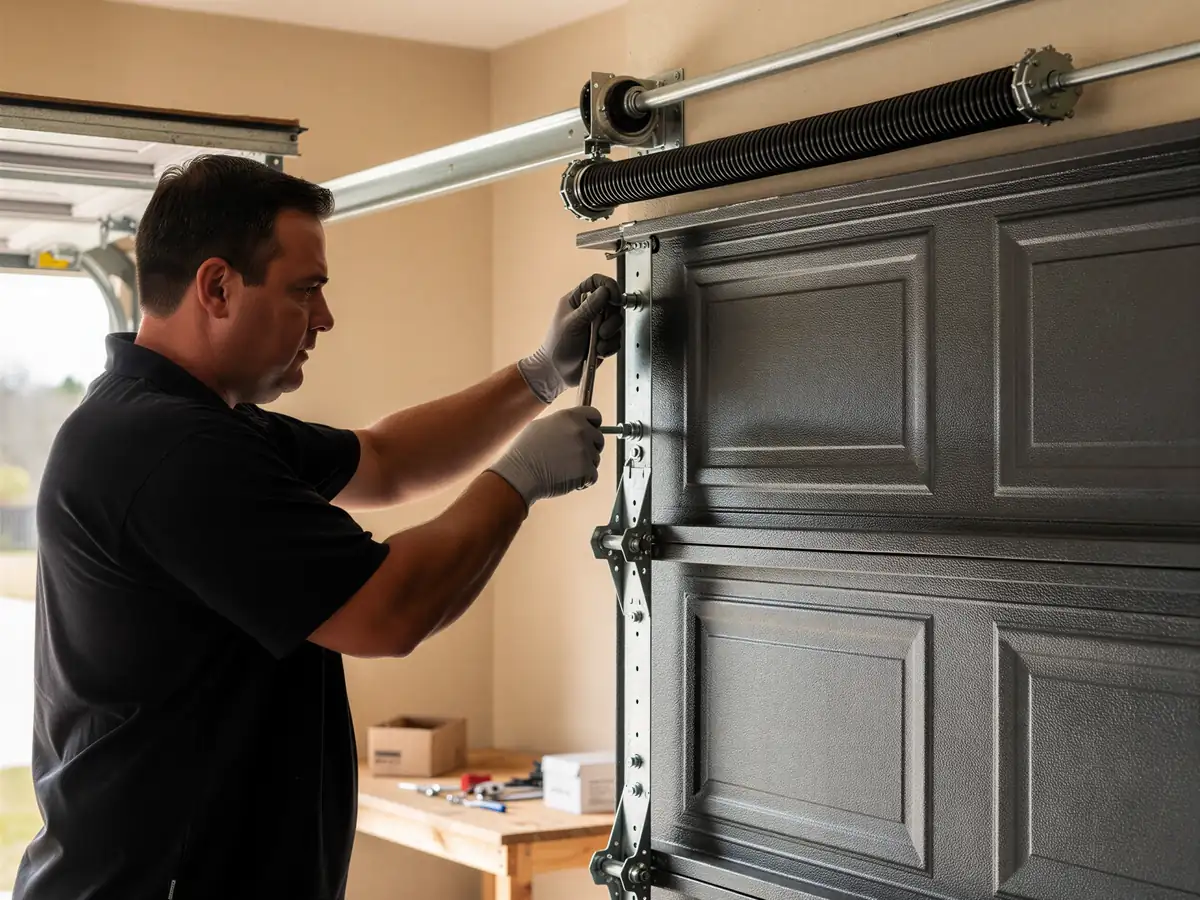
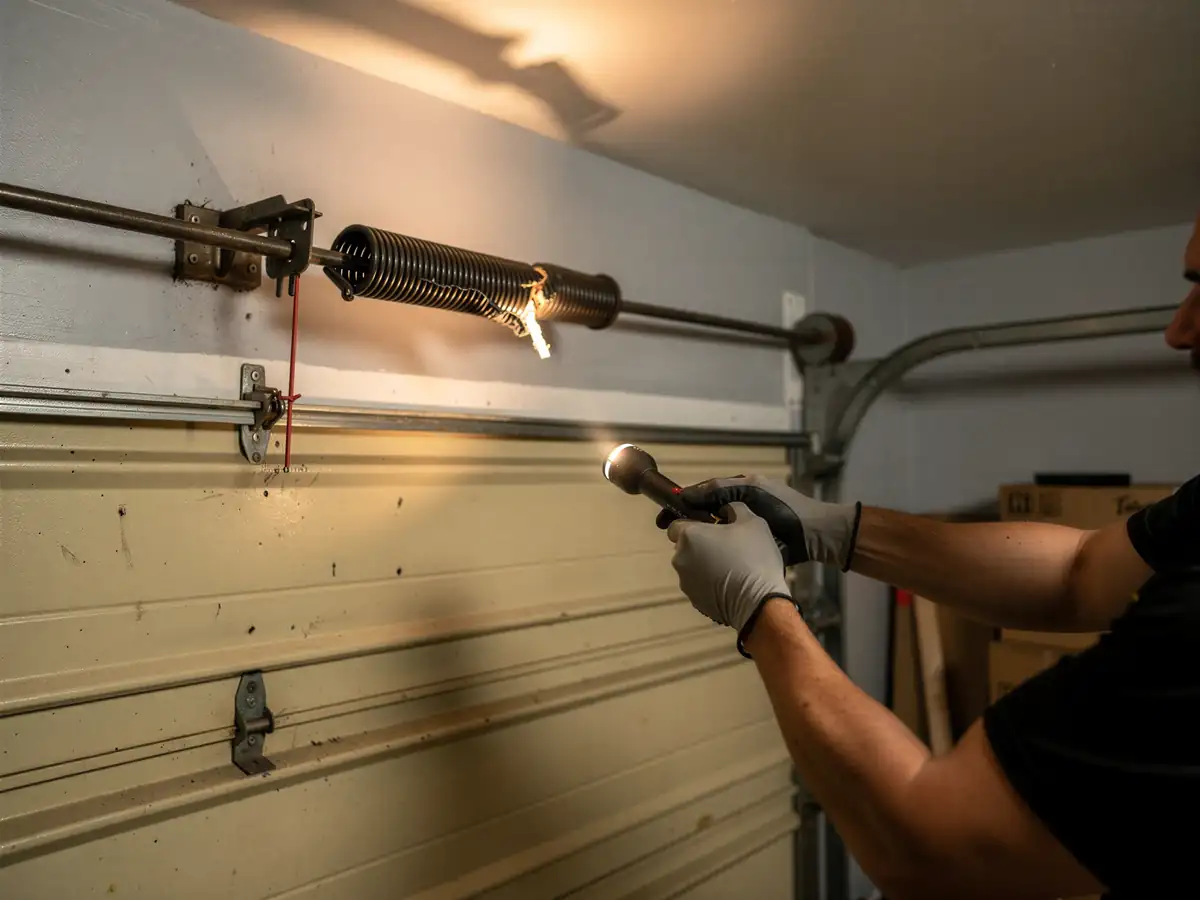
Cold-severe winters do a specific thing to garage door systems that owners don't expect: the spring doesn't get weaker, it gets less forgiving. Steel loses some flexibility as temperatures drop, so a torsion spring that's already near the end of its cycle life is far more likely to snap on a cold morning than a mild one - and on a wide door, that spring is under more tension to begin with. Openers also draw harder current in the cold, so a chain drive that's been slipping all fall tends to finally give out in the first real cold snap. We don't stock every part for every era of door on the truck - some older hardware from the 1960s and 70s stock has to be special-ordered, and we'll tell you that up front rather than make you wait on-site. What we do carry covers the bulk of what's actually failing out there: standard torsion springs, rollers, and cable sized for the double-wide doors that make up so much of this area's housing.
What Is Going On
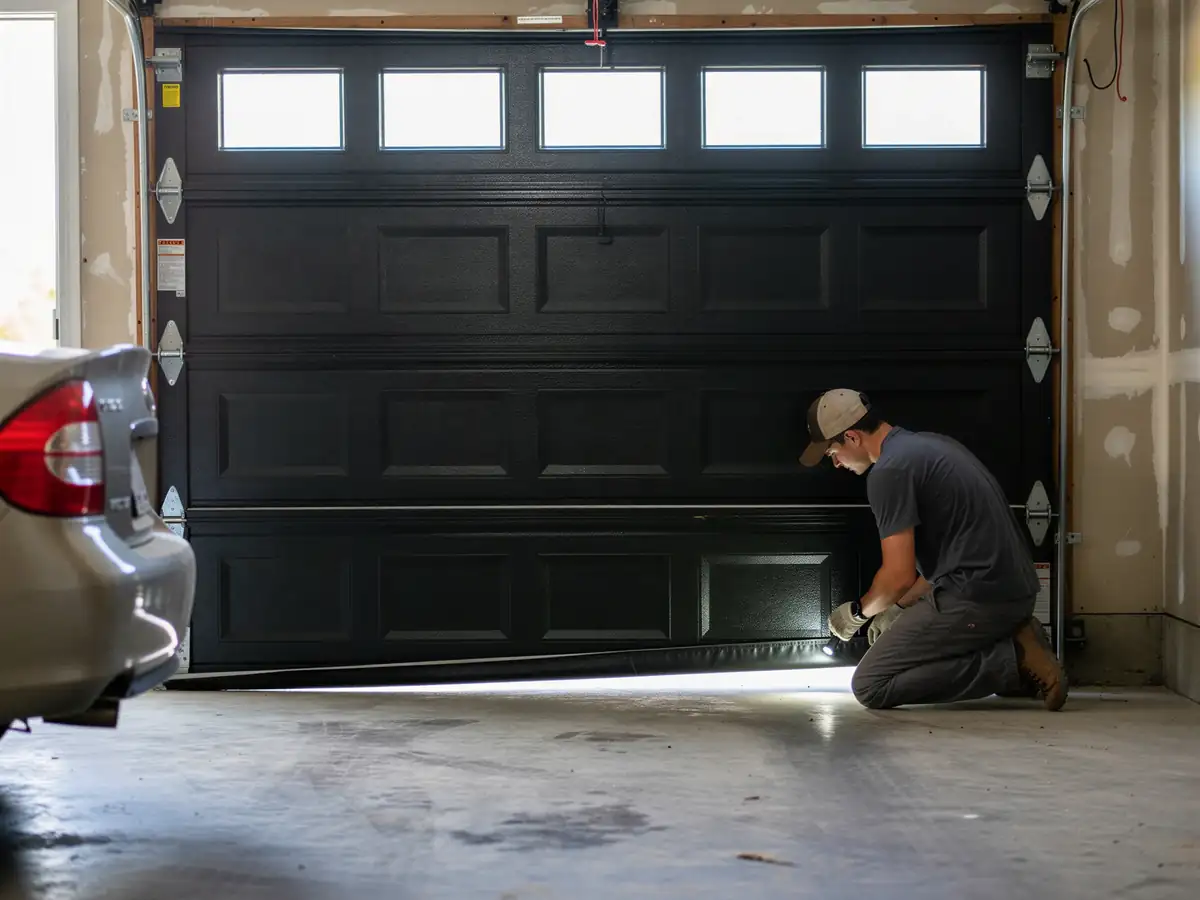
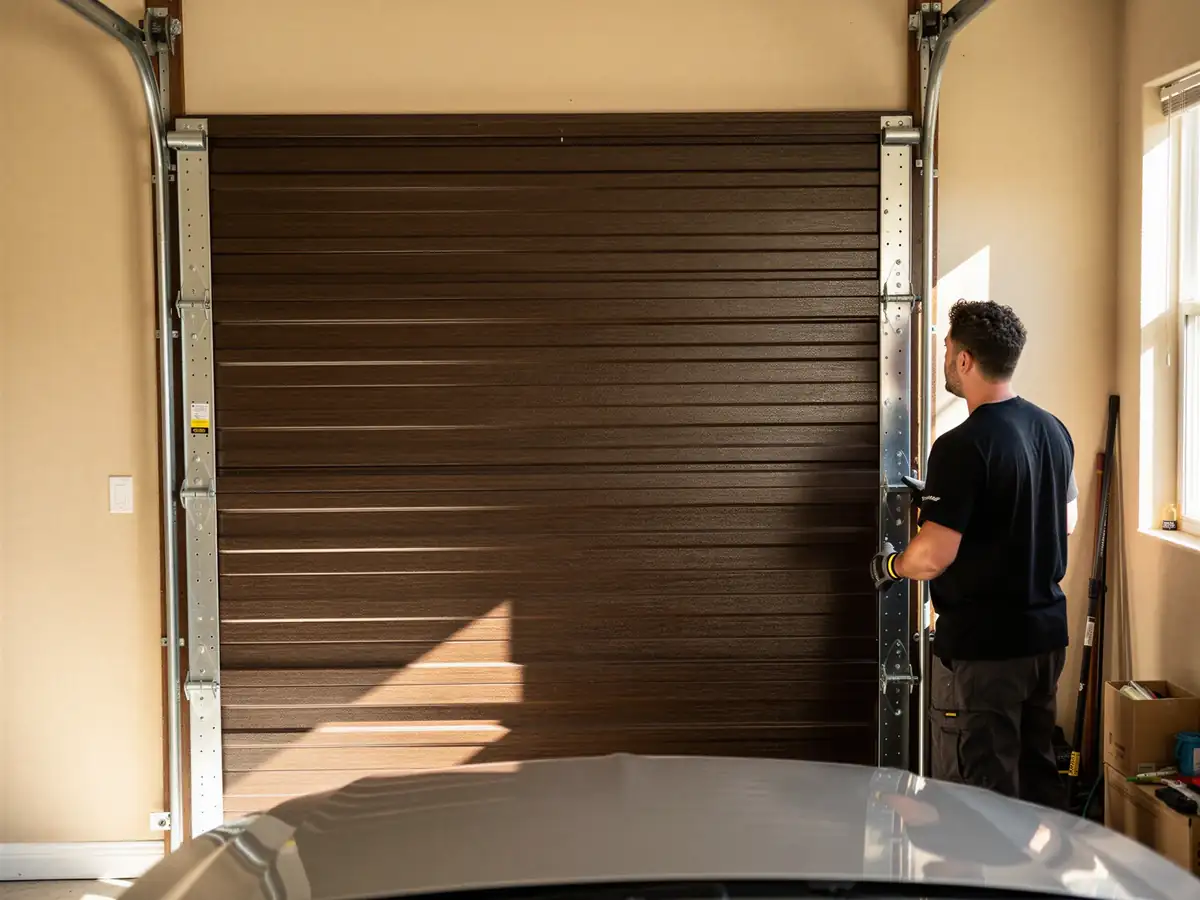
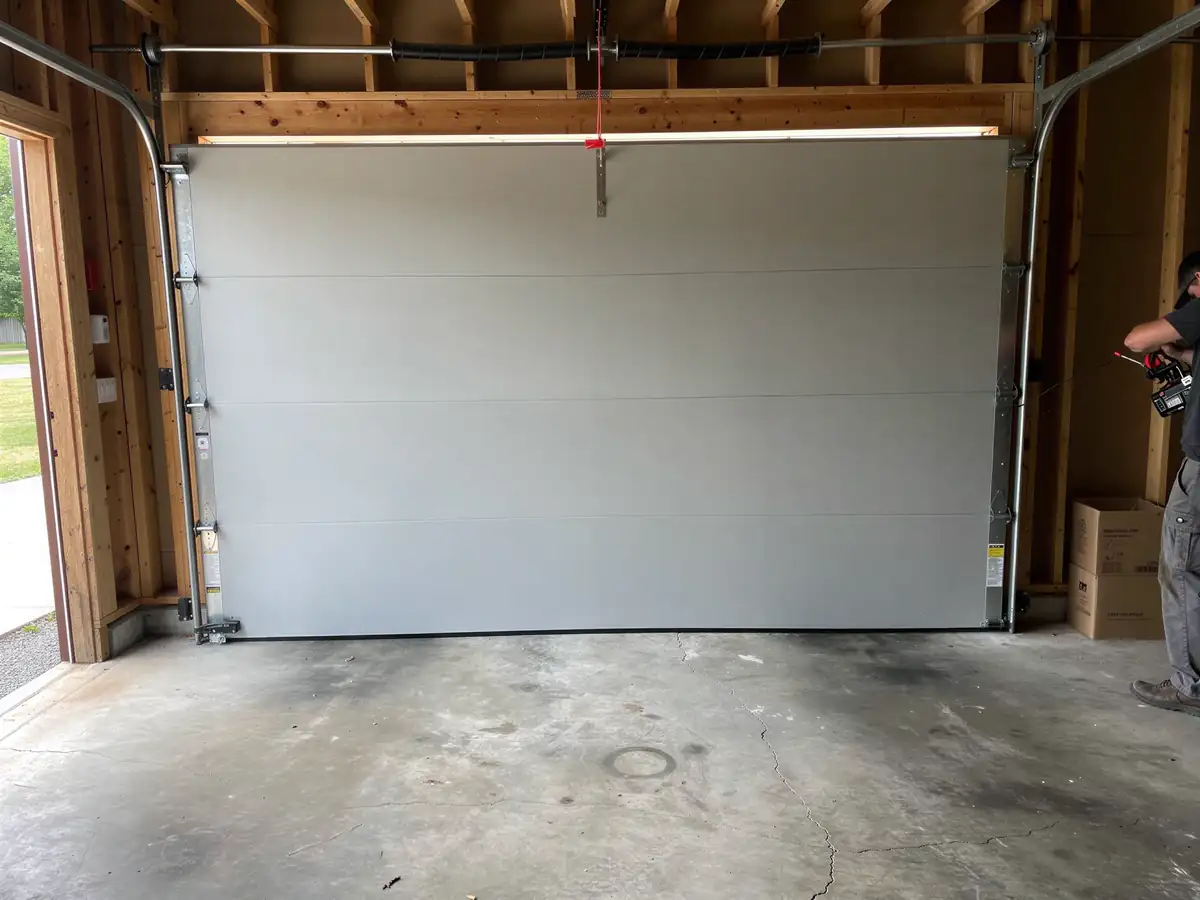
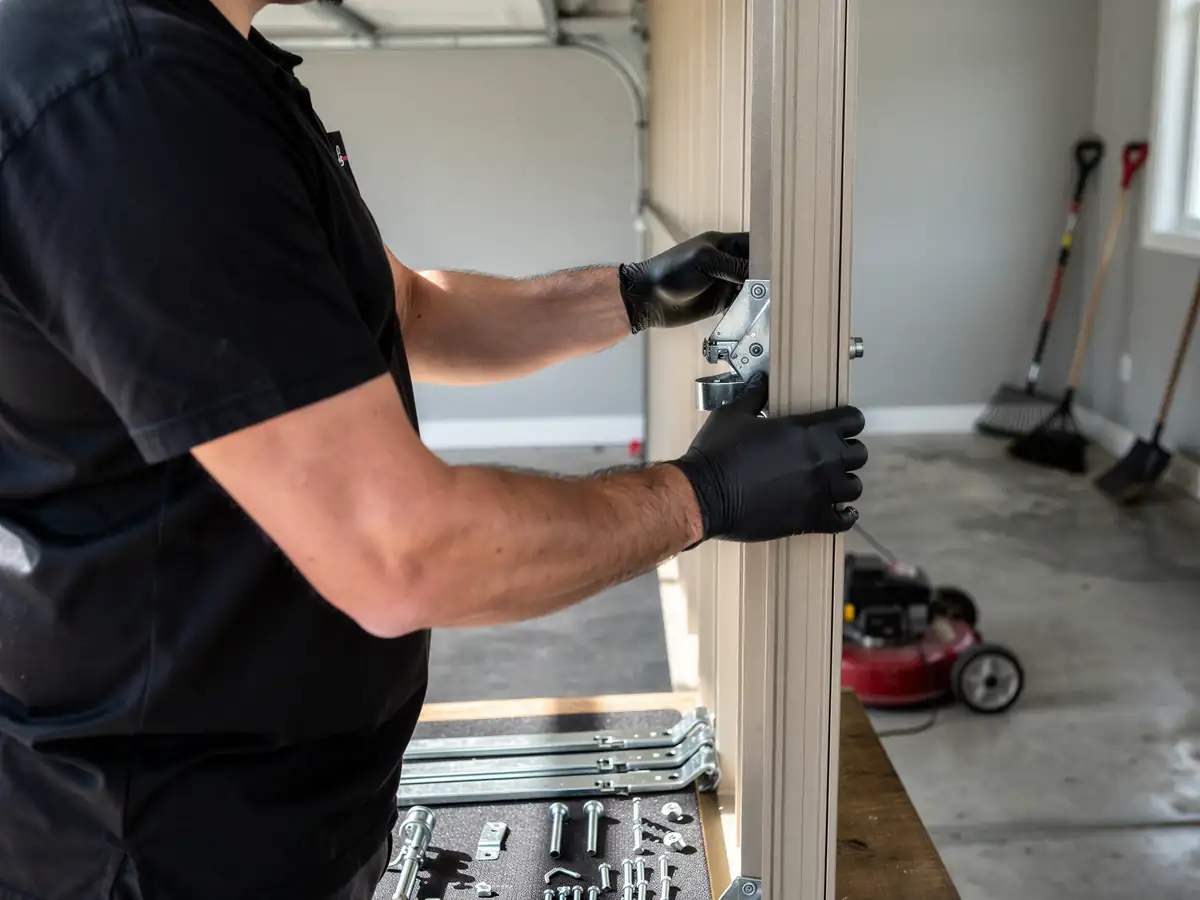
A wide garage door is a sail bolted to a track. On a single-car door the surface area pushing against the wind is modest; double it to the 16-foot doors common across this area's 1980s and 90s-built garages, and the same gust pushes with roughly twice the force on hardware that wasn't necessarily upsized to match. What actually happens: the door flexes between the vertical track rails, the rollers ride toward the edge of the track channel instead of the center, and over repeated flex cycles the track brackets loosen at the lag screws. In a severe cold climate, steel is already less forgiving, so a gust that a door shrugs off in July can be the one that pops a roller off the track in January. This shows up most on older doors that have never had their track or hardware checked - not a glamorous job, but it's the difference between a door that rattles and one that comes off the rail. We serve the area around Osseo, Dayton, Champlin, Corcoran, and the rest of the towns in this part of the service area, and the pattern holds across all of them: age of the door and width of the door matter more than the brand on the panel.