How We Fix It
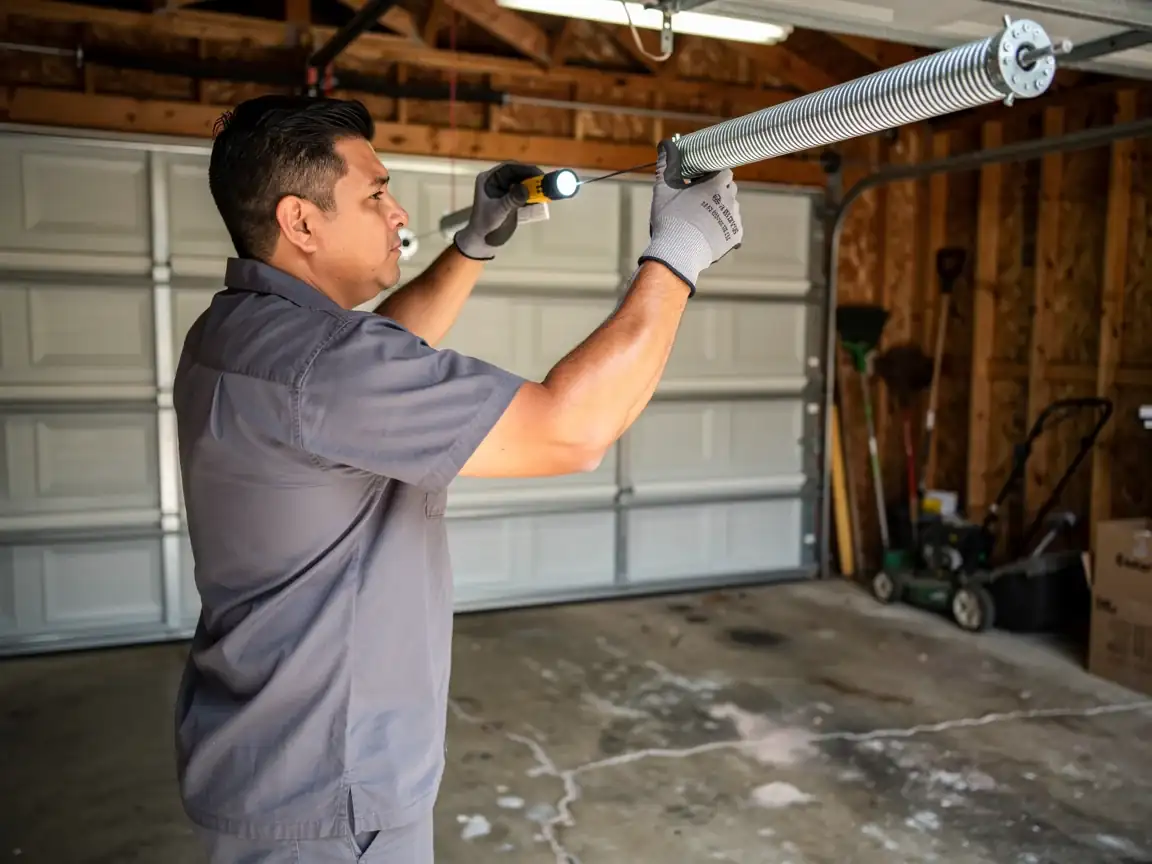
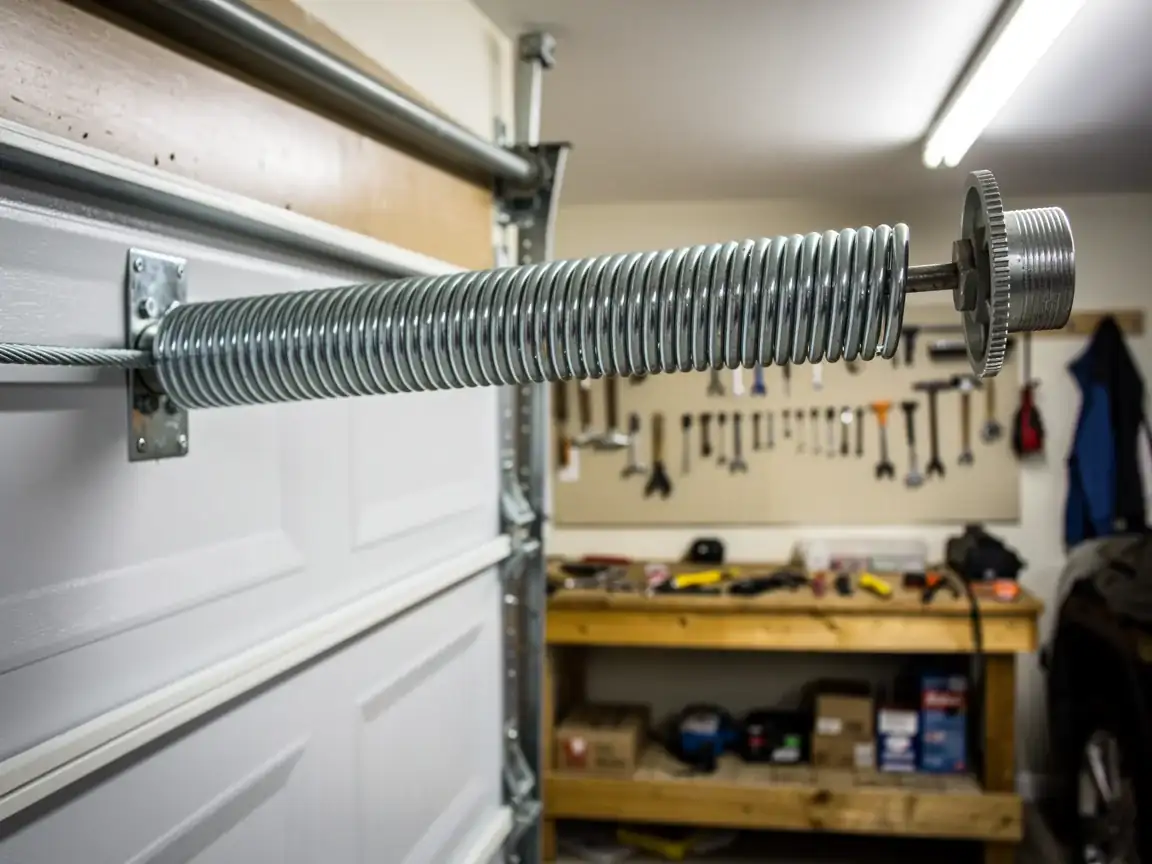
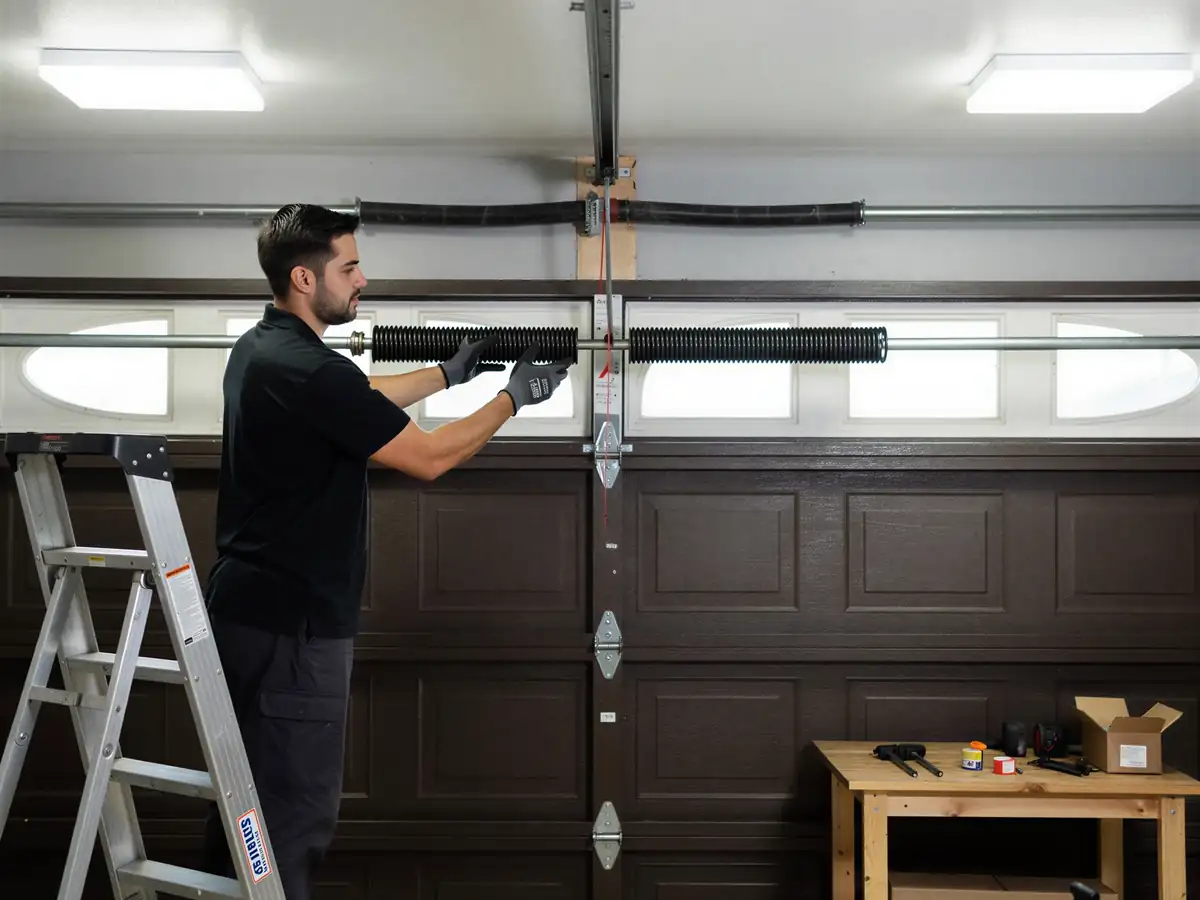
A broken torsion spring means the door won't lift, or it slams down the last foot when someone tries to force it by hand. We don't patch a spring - we replace the pair, even if only one side snapped. Springs are rated in cycles, and if one side failed from fatigue, the other is close behind. Running a mismatched pair just means a second service call in a few months.
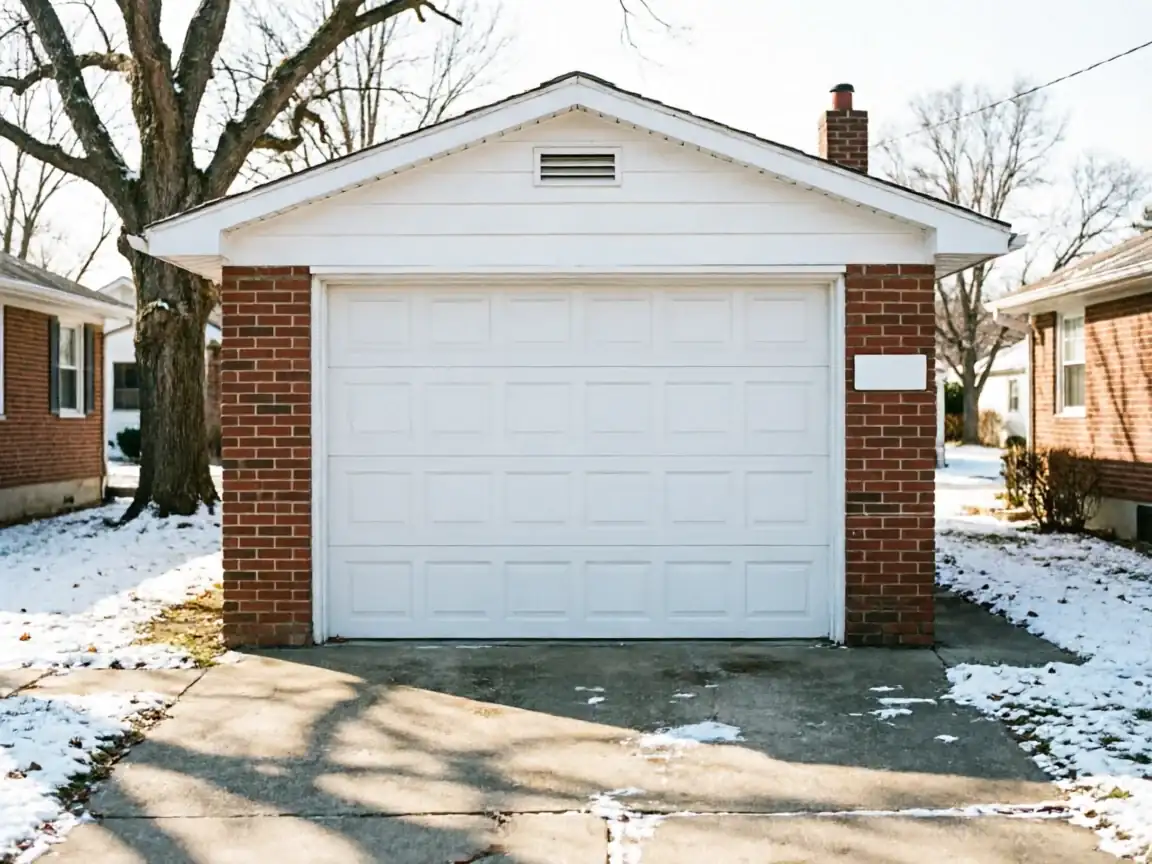
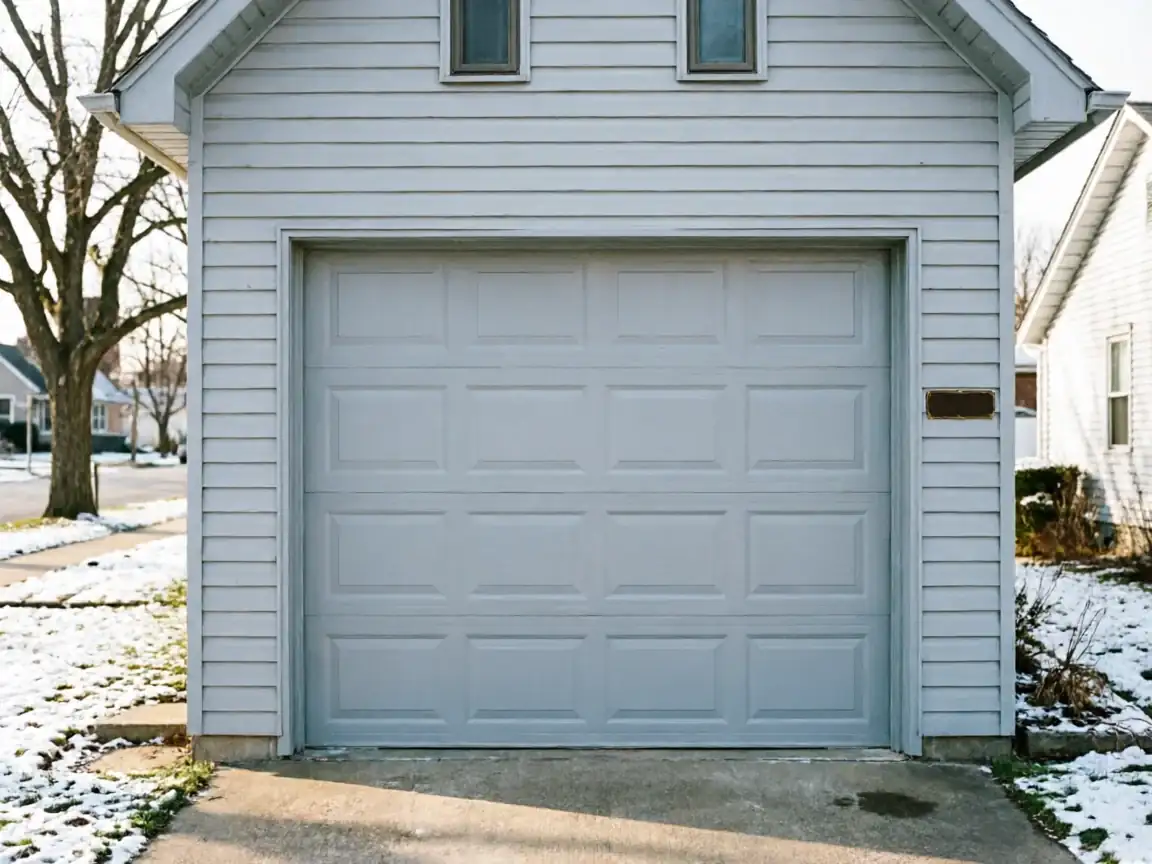
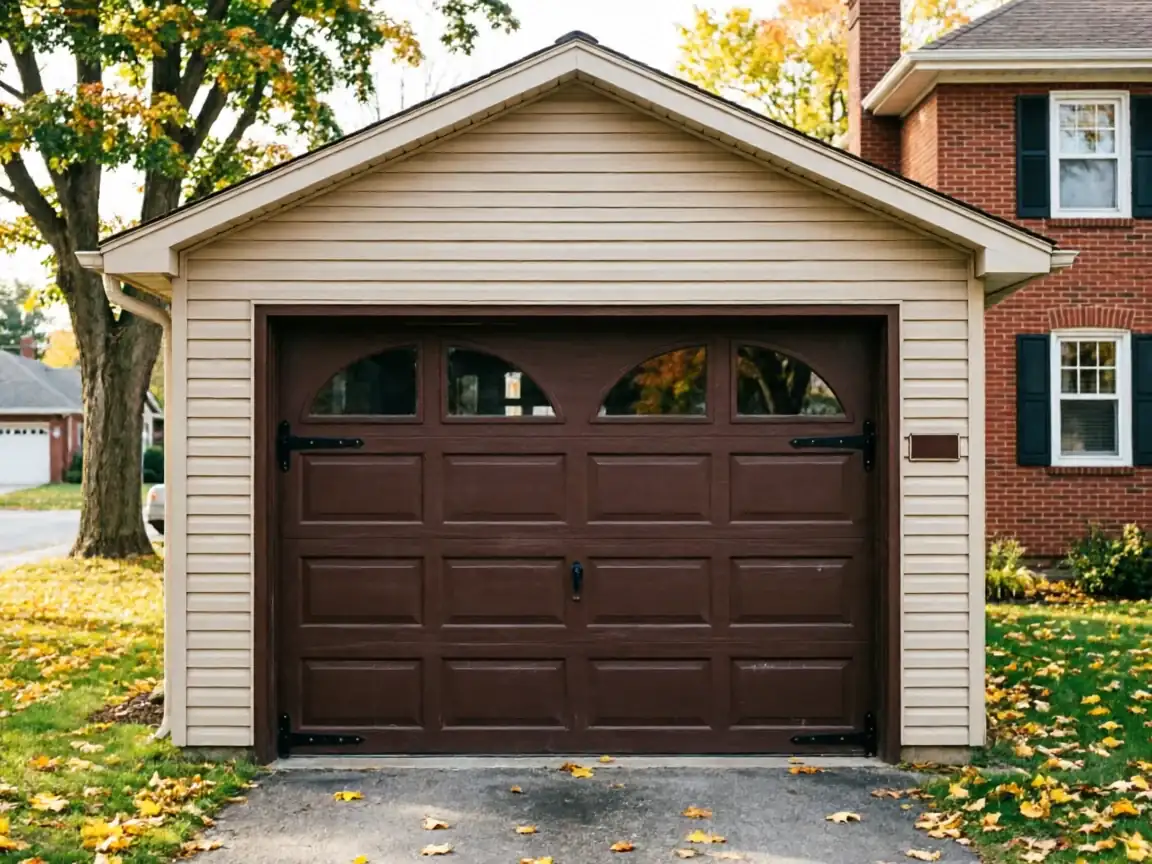
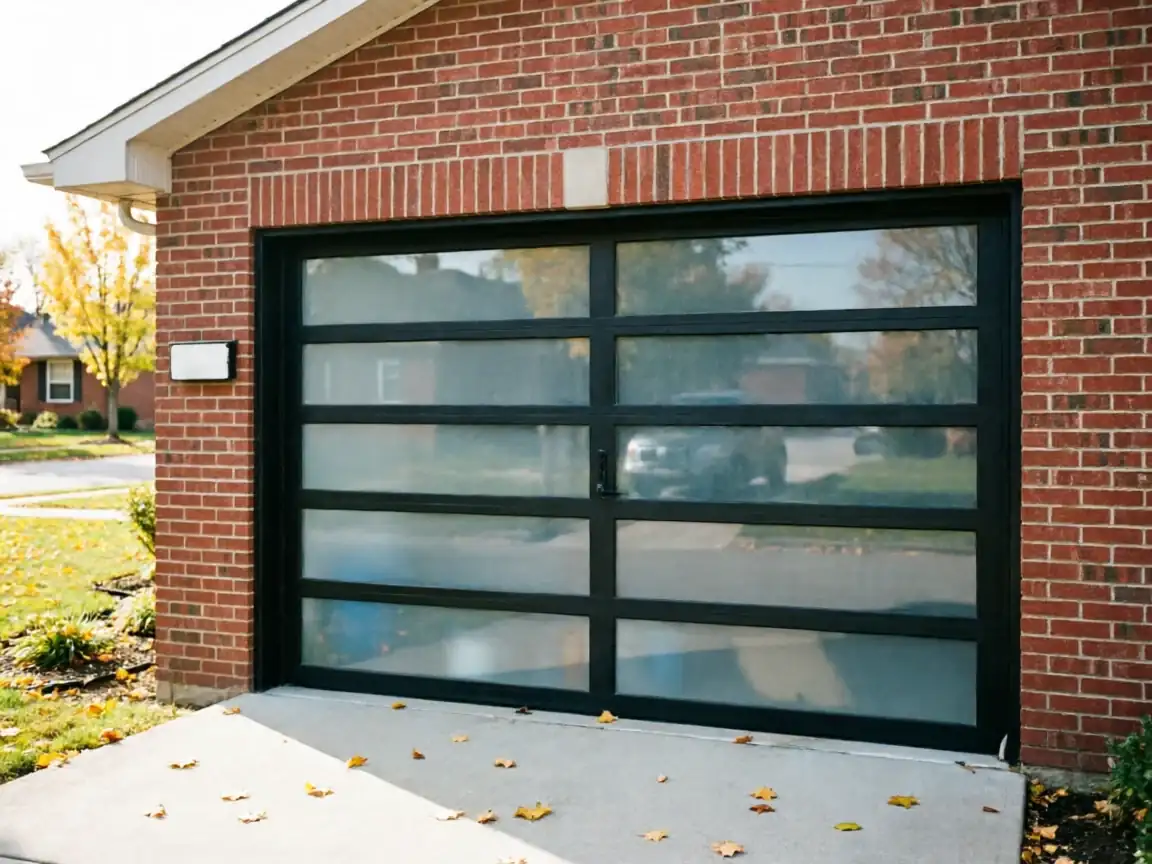
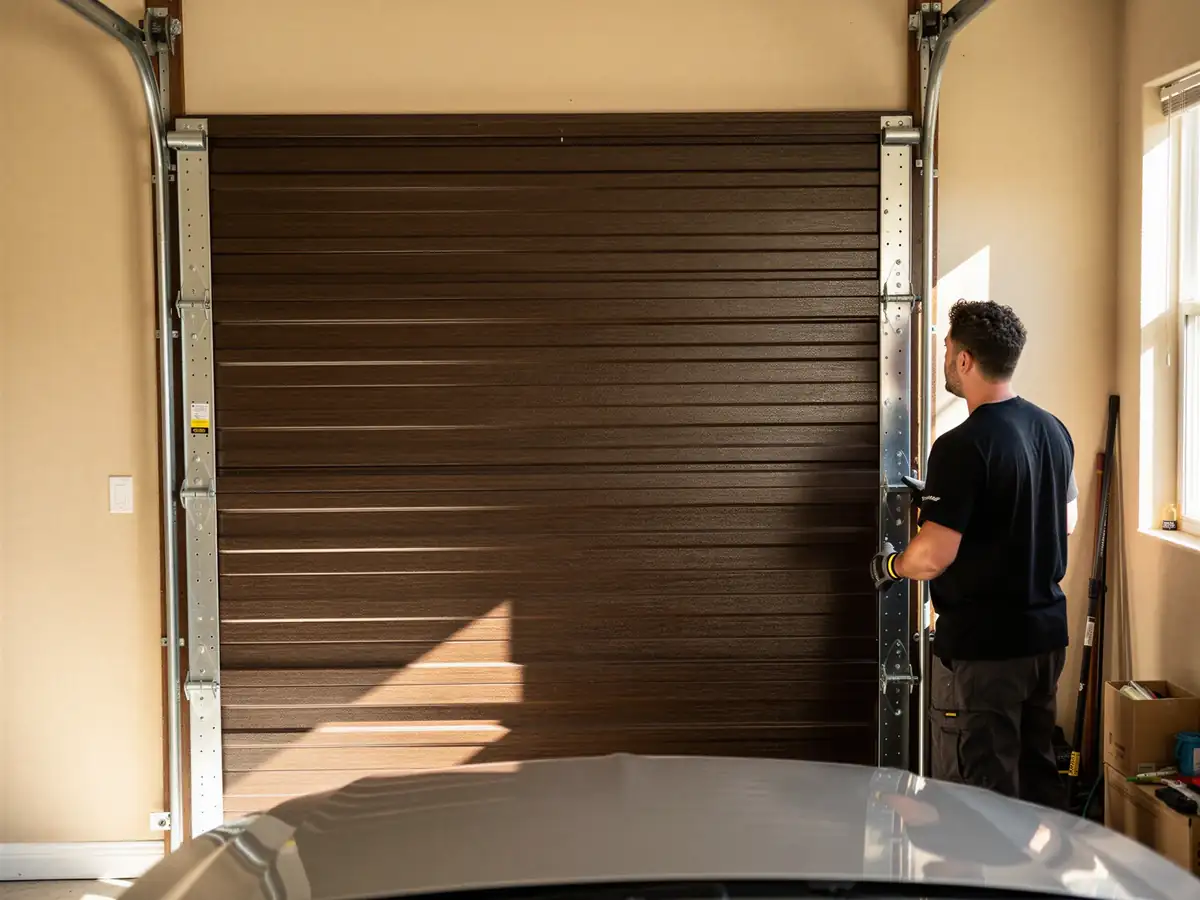
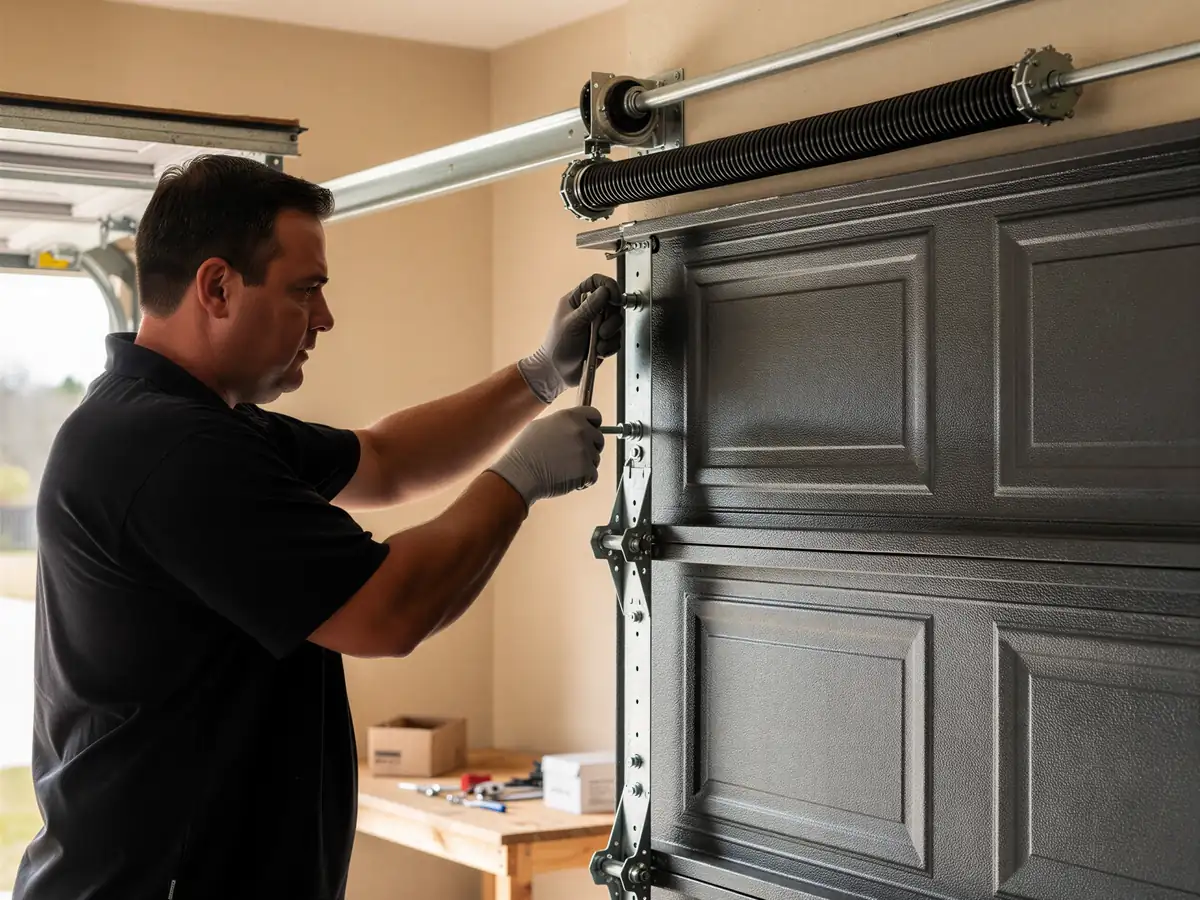
We unwind the old springs with winding bars, pull the shaft, check the drums, cables, and center bearing for wear while the tension is off, then set new springs sized to the door's actual weight - not a generic size off a shelf. Steel doors, insulated doors, and the older wood-panel doors still found on homes from the 1960s and 70s all carry different weight, which changes spring wire gauge and wind count.
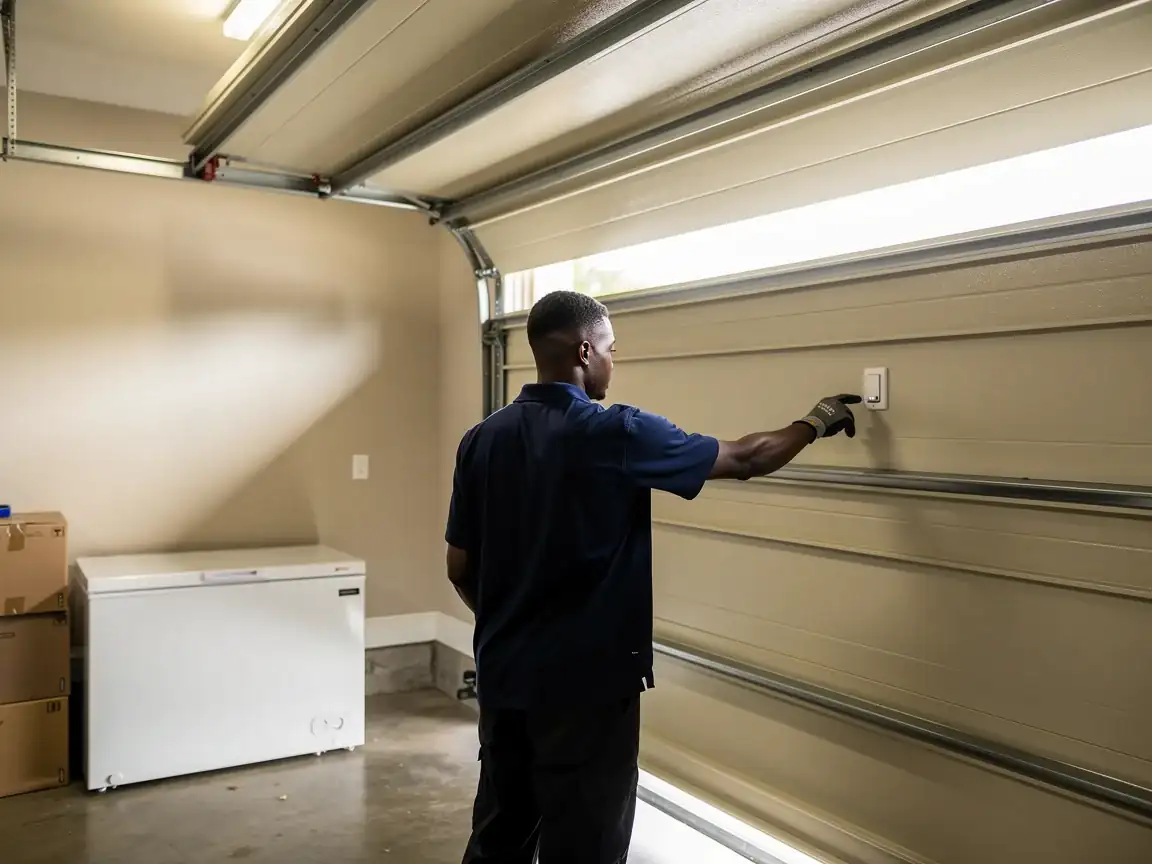
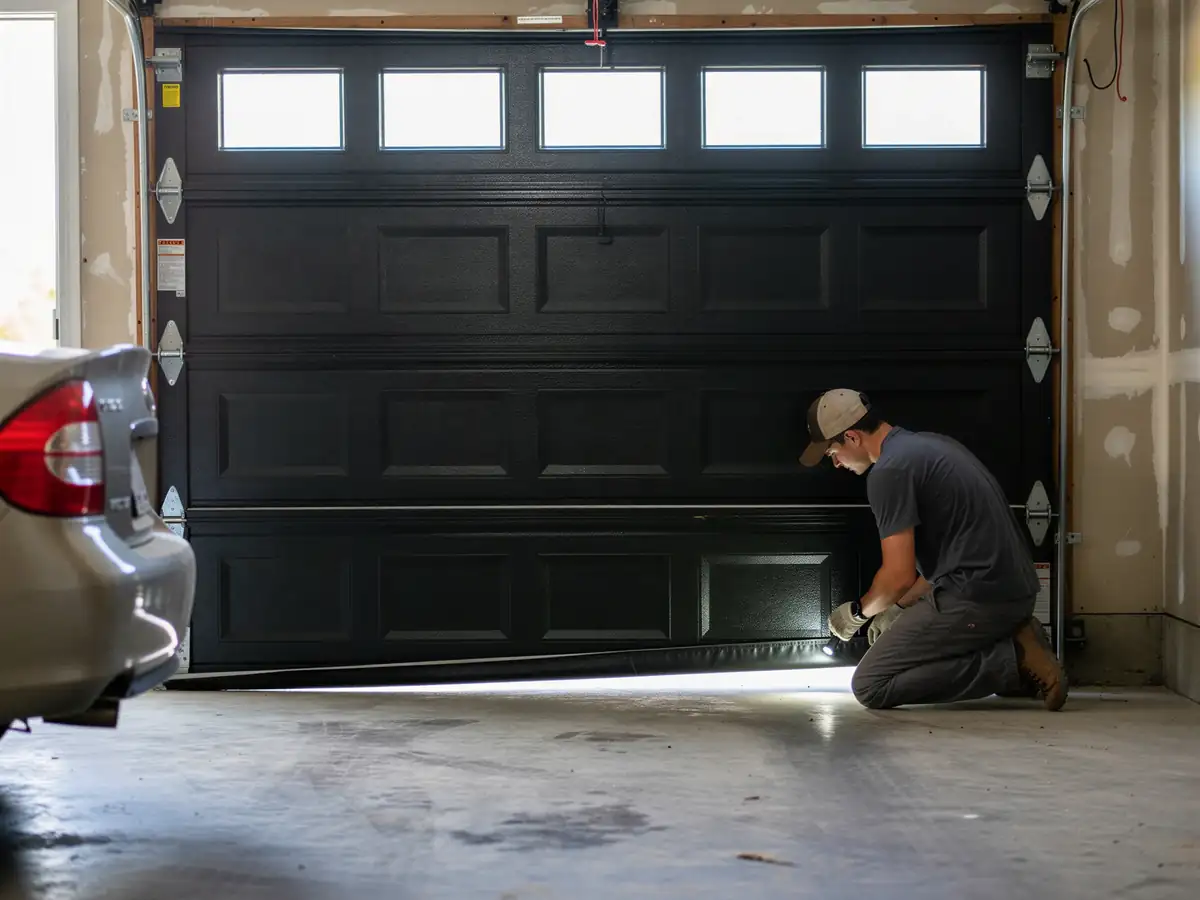
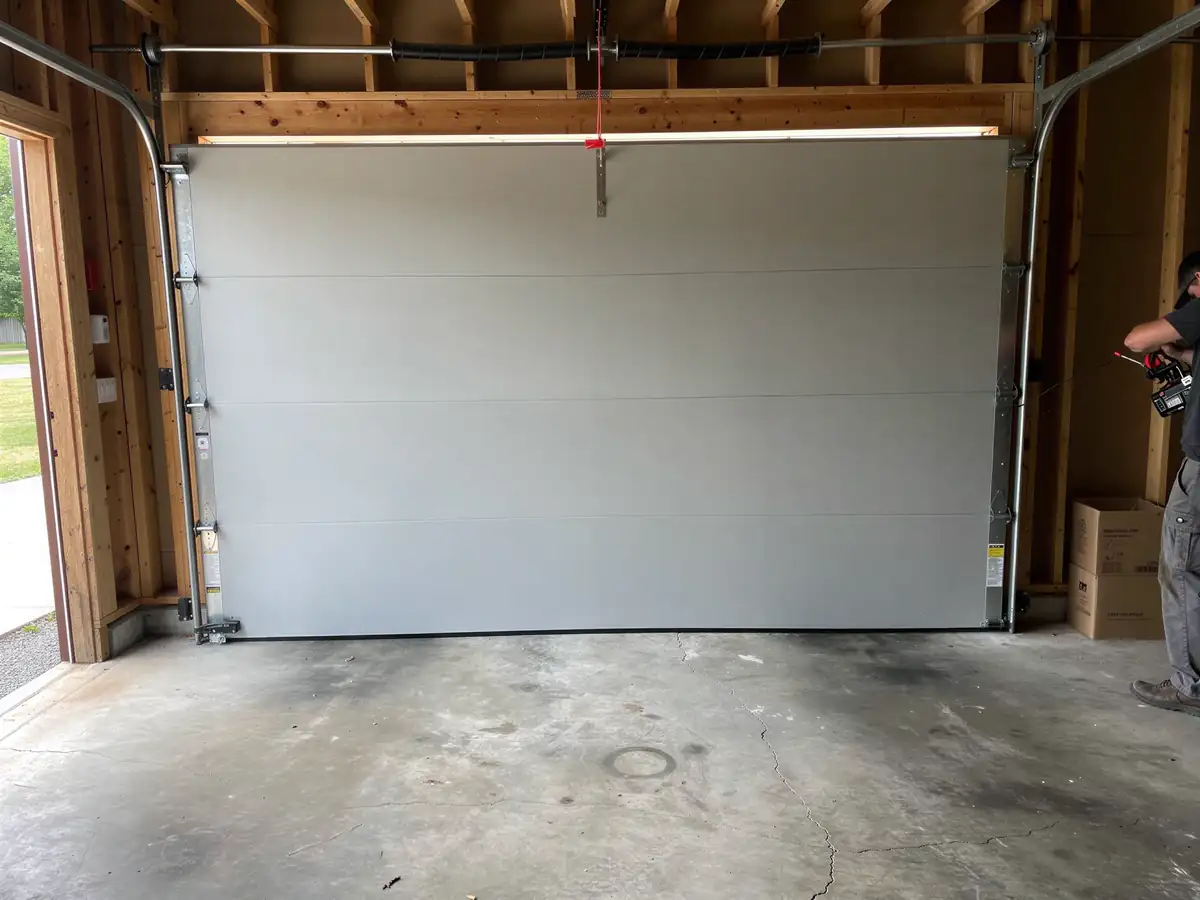
Once the new springs are torqued and the door is balanced, we run it through a full open-close cycle and check that it holds at the halfway point with the opener disconnected. A door that's actually balanced shouldn't drift up or down on its own. That one check tells us more than anything else whether the job is done right.
We don't grease a dying spring and call it fixed. If the drums or cables show the same wear pattern as the spring, we flag it before we close out the ticket, not after it fails again.
Why It Happens Here
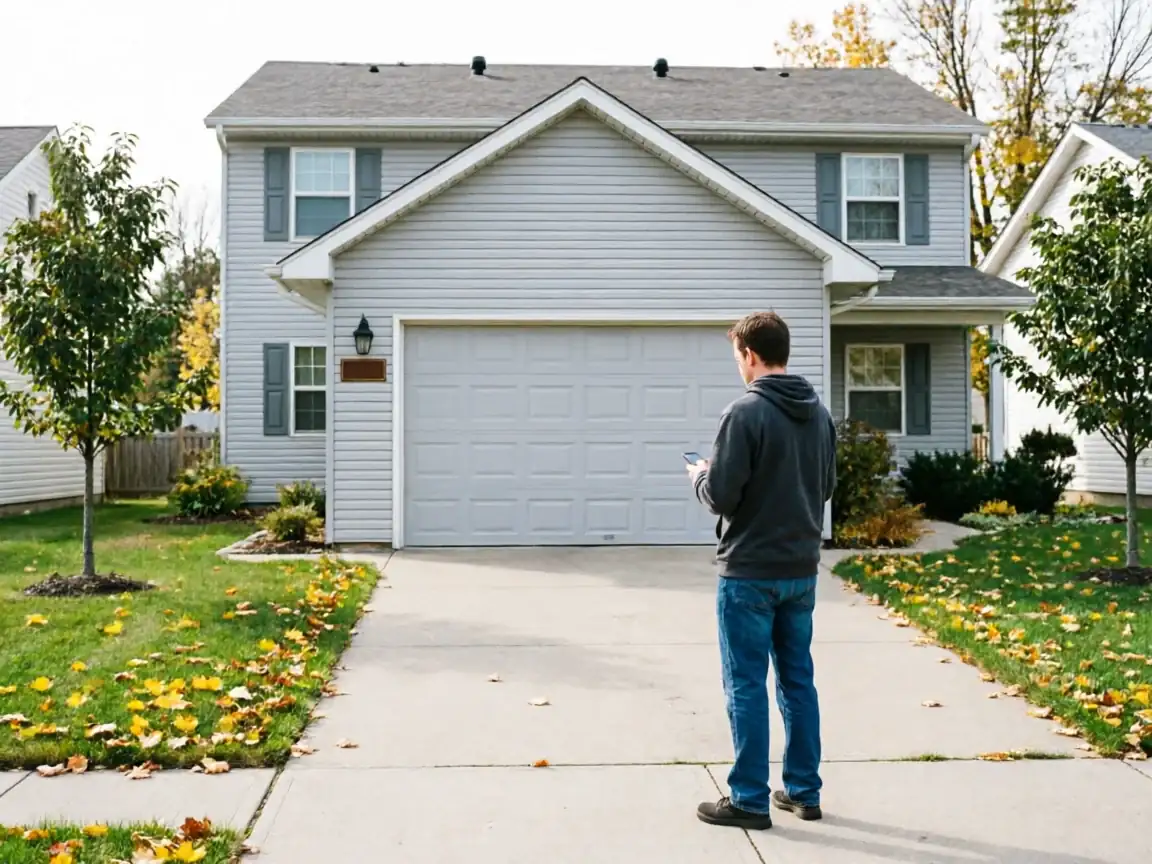
Housing across this service area was mostly built between 1957 and 2007
With the bulk going up through the 1980s and 90s. That means a lot of garage doors are still running original torsion hardware from a build date 20, 30, even 40-plus years back. Torsion springs have a cycle life, and a spring installed when a house was framed in 1985 has had four decades of Minnesota winters to fatigue the steel.
That cold matters more than people think
This area sits in a severe cold climate band, and steel contracts in low temperatures. A spring that's already near the end of its cycle life loses a little flexibility every time the temperature drops hard overnight, and the stress of a cold morning start-up - opener motor pulling against stiff, contracted coils - is often what finishes it off. That's why spring calls cluster in the coldest stretches of winter, not in July.
Houses from the 1960s and 70s on the older end of that 1957-2007 range are also more likely to still have the original springs, never replaced
Which puts them past any reasonable cycle count. Newer builds from the 2000s aren't immune either - standard-grade springs installed by a builder at construction aren't always sized for the heavier insulated doors homeowners add later.
The Symptom
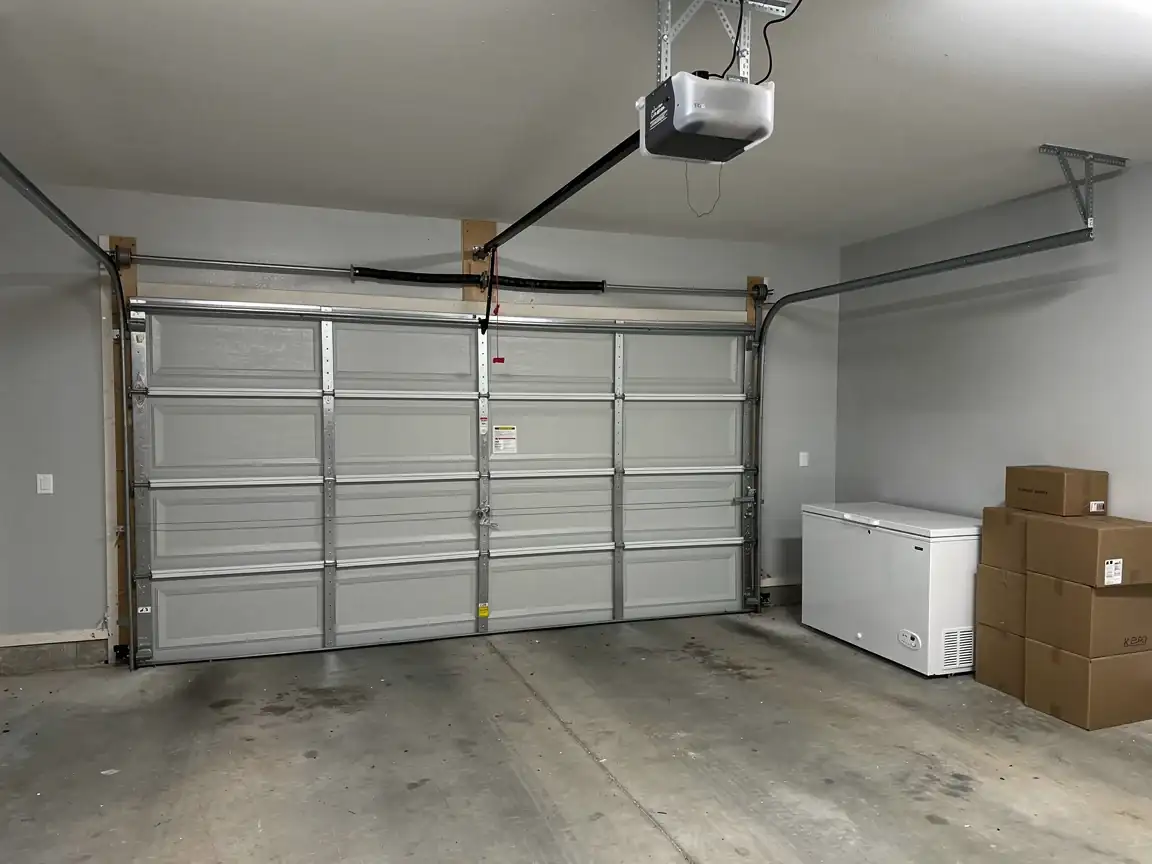
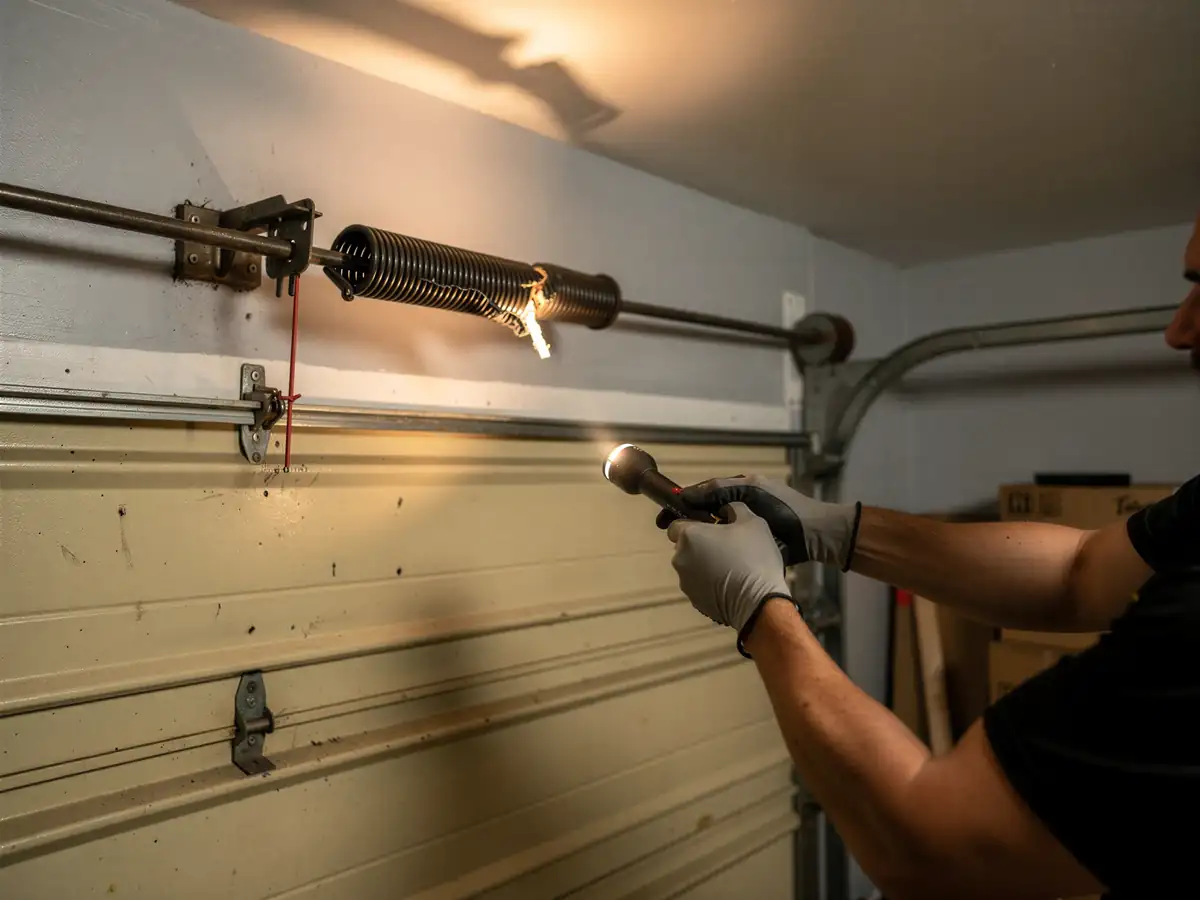
The most common call: the door won't budge, or the opener strains and reverses without lifting it. Sometimes there's a loud bang from the garage first - that's the spring letting go, usually when the door is in the down position and under full tension. Other times it's quieter: the door gets harder to lift by hand over a few weeks before it finally gives out.
A door that slams down fast instead of lowering smoothly is also a spring problem, not an opener problem, even though people often call about the opener first. If you try to force a door with a broken spring using the opener, you risk burning out the motor or snapping the drive gear, since the opener isn't built to lift the full weight of the door alone.
Don't put your fingers near the springs or try to lift the door yourself if you hear that bang. A wound torsion spring under tension can cause a serious injury if it's handled wrong.
What Is on the Truck
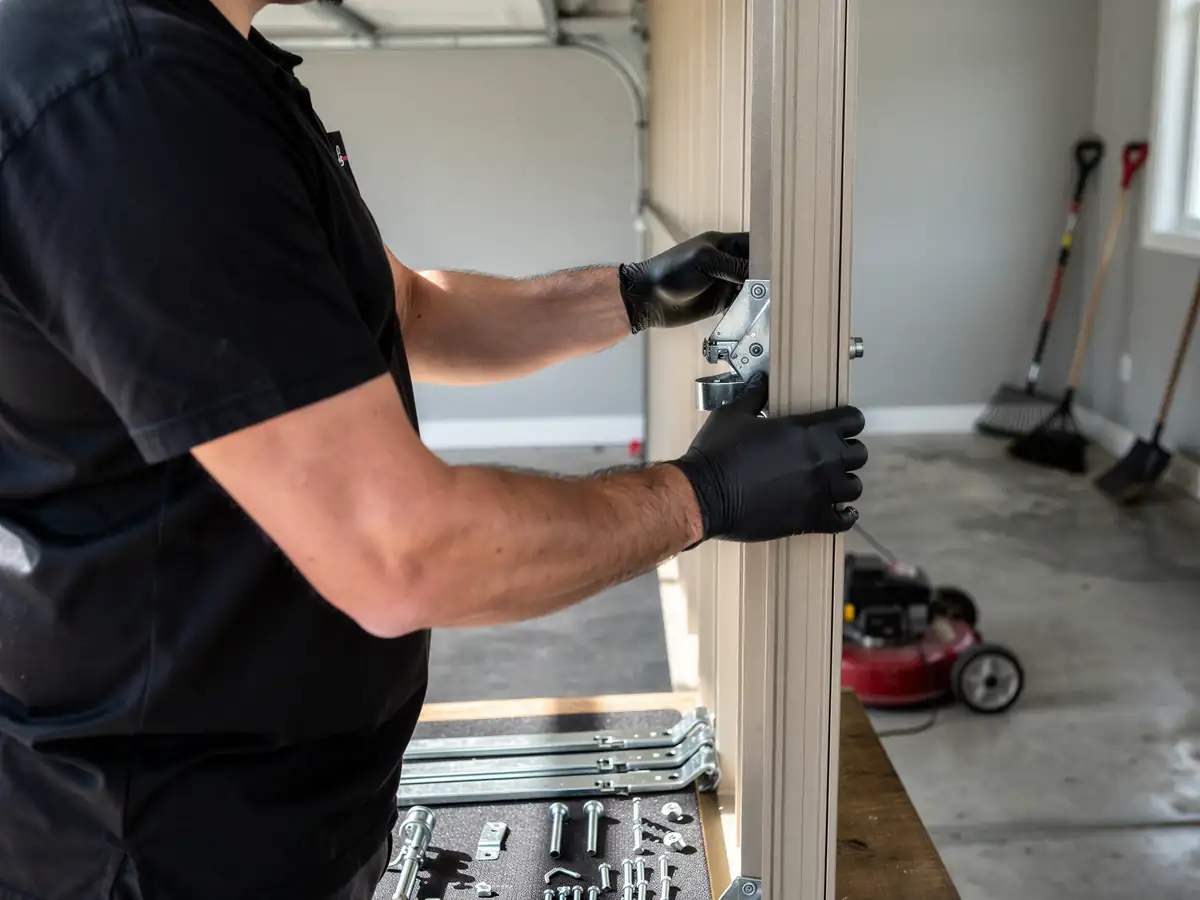
We carry torsion springs across the common wire gauges and wind lengths used on residential doors in this area, plus winding bars, a torque wrench, and replacement end bearing plates and center brackets, since those wear alongside the spring and get checked at the same time. We stock standard-lift cable and drums too, because a spring failure under load sometimes frays a cable on the way down.
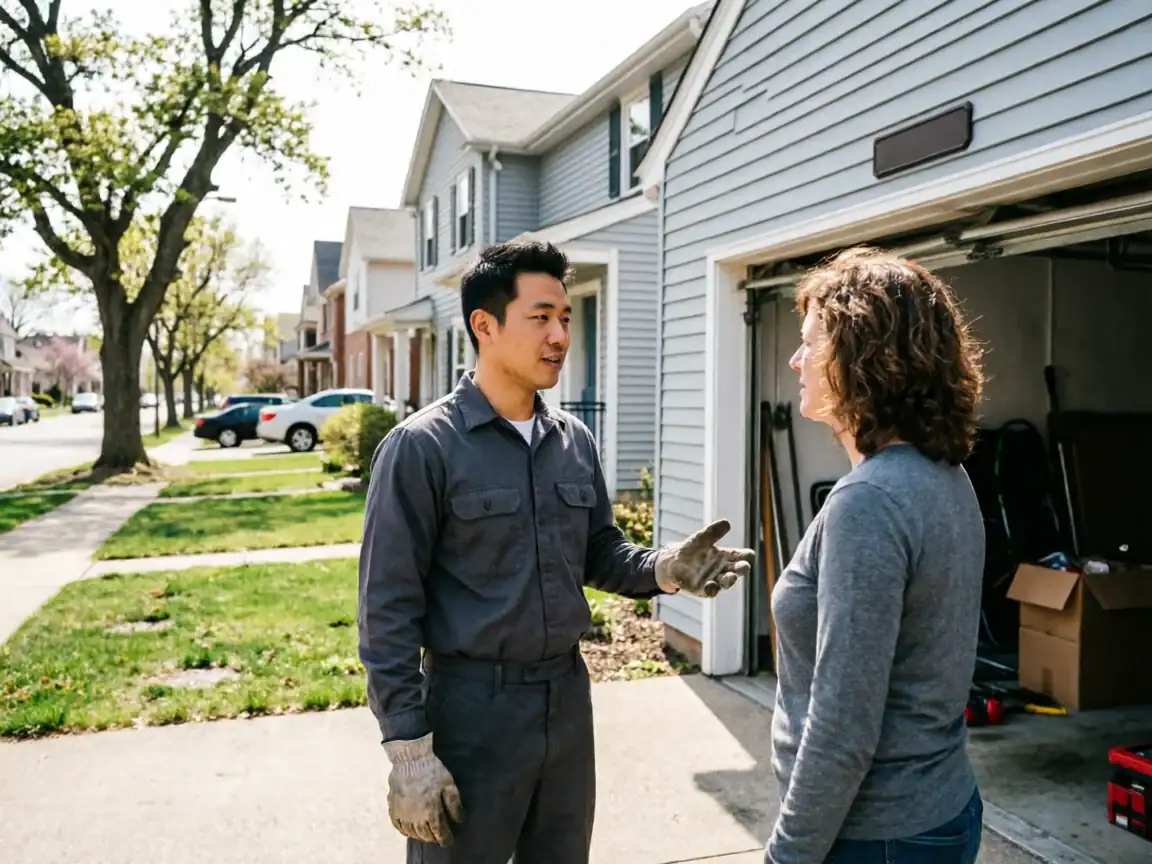
What we don't always carry on the first trip: oversized commercial-grade springs for unusually heavy custom doors, or springs for discontinued extension-spring systems on some of the older homes near the upper end of that 1957-2007 build range. Those sometimes need a specific part ordered in, which we'll tell you up front rather than guess at a fix that won't hold.