What You Pay
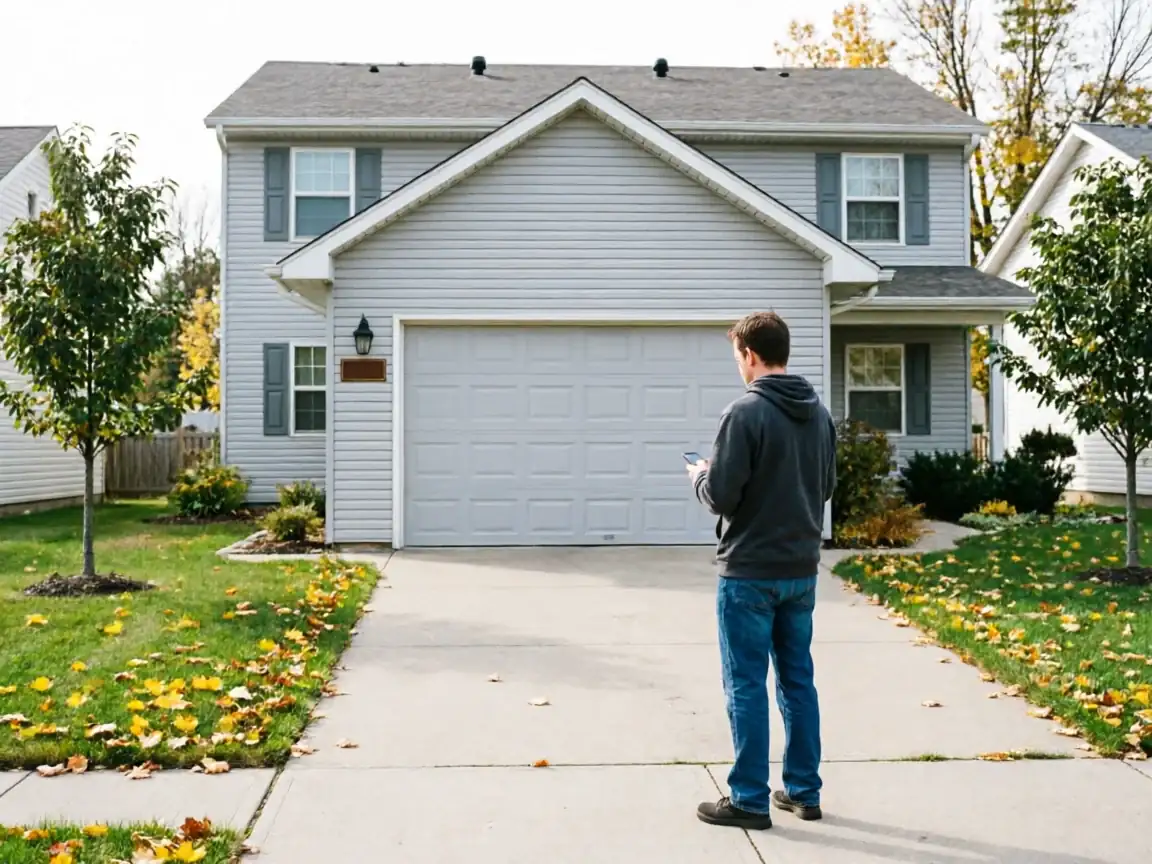
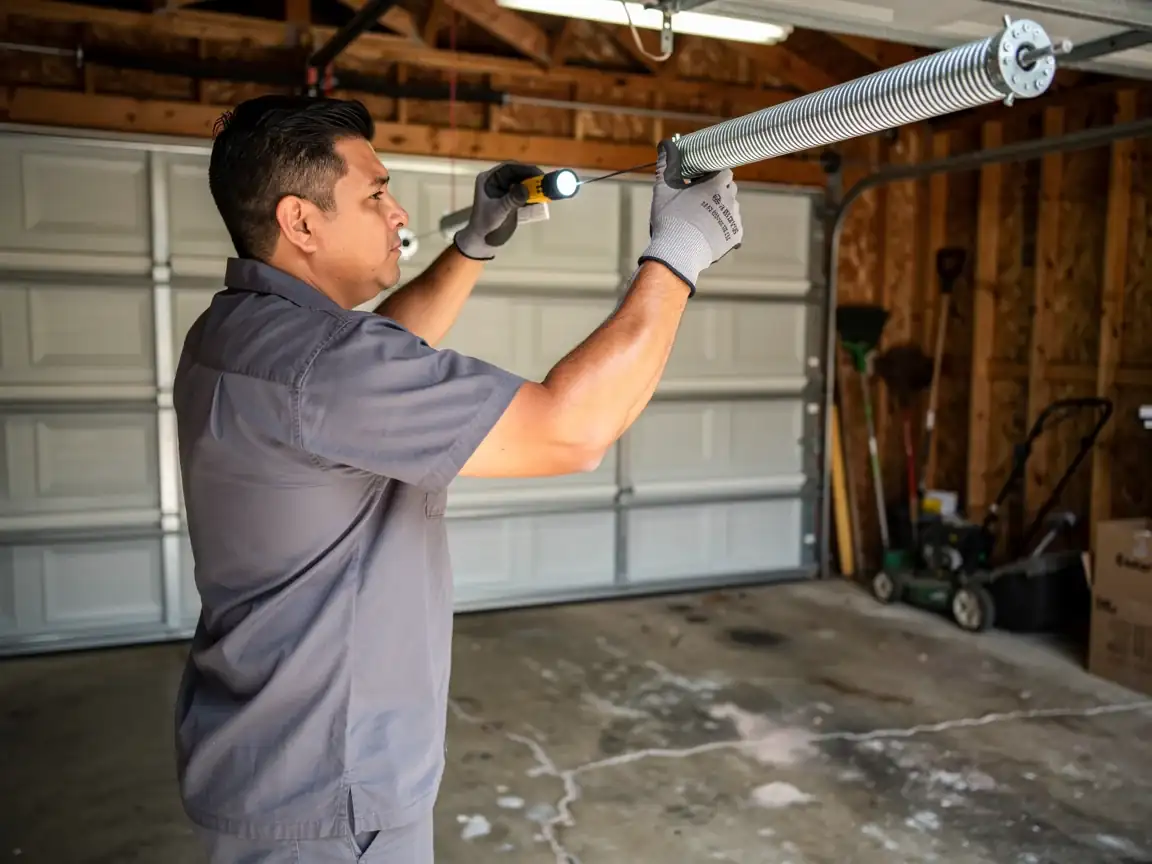
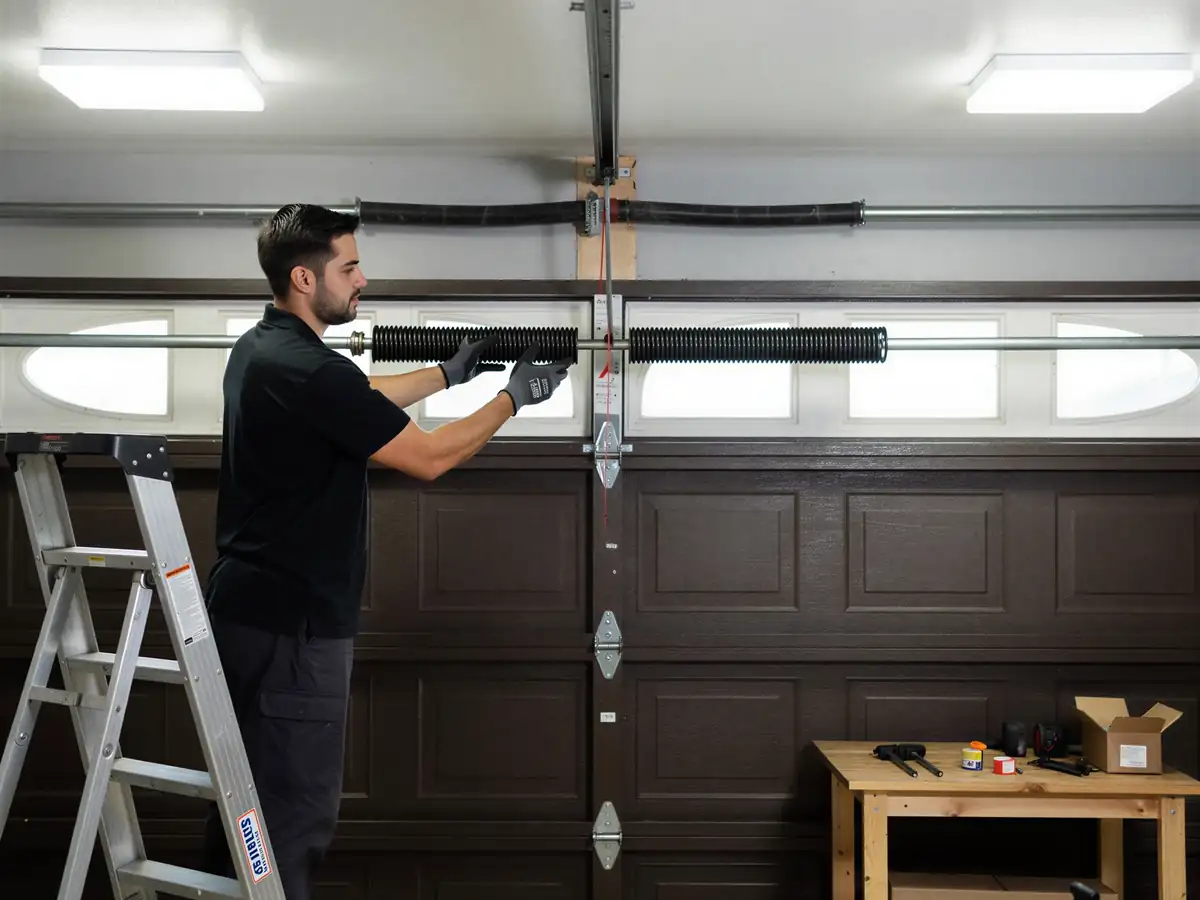
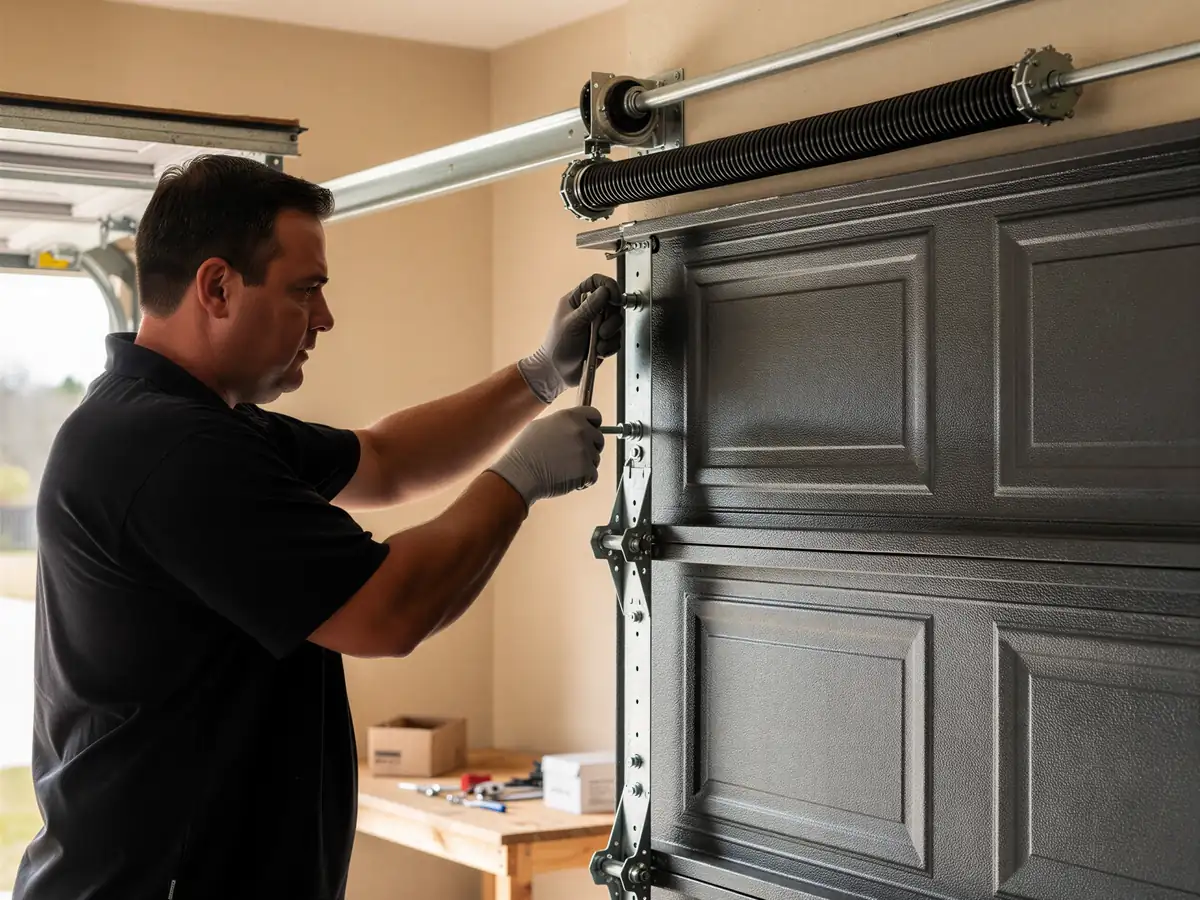
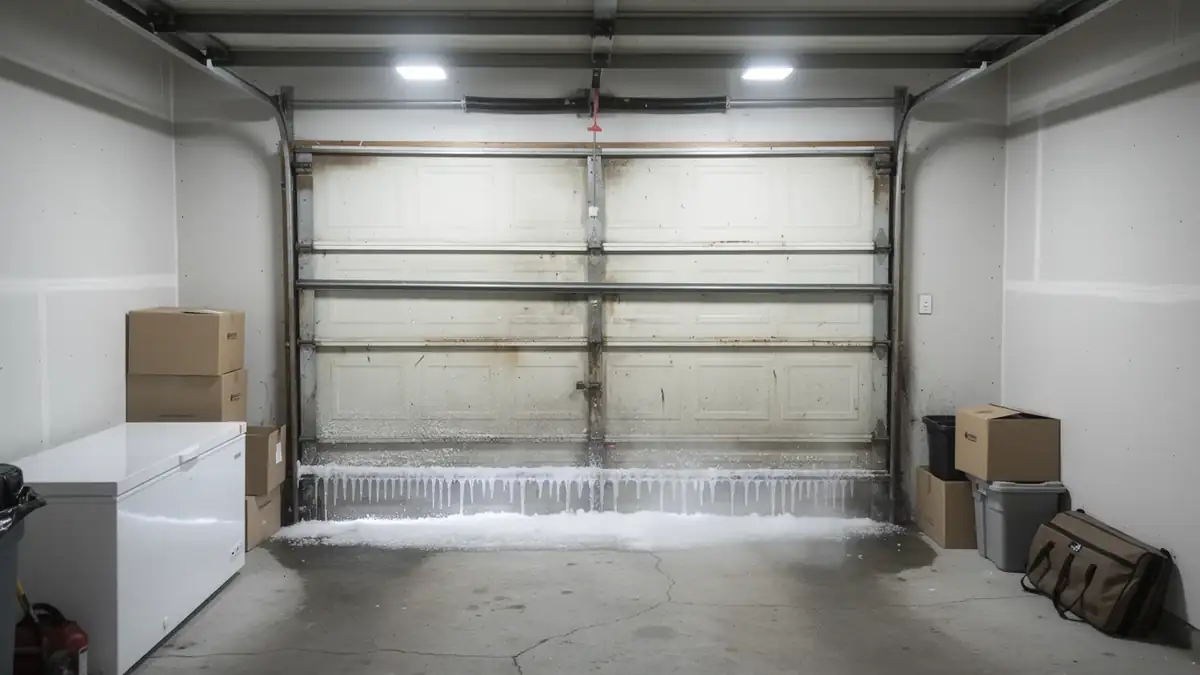
We can't post a price list here because every job depends on what's behind the panel, not a zip code. What we can tell you is what drives the number up or down in this area. Maple Grove's housing stock runs from 1957 through 2007, with the median build year sitting around 1982. A door on a 1980s house usually has a torsion spring system that's aged past its cycle count, and replacing that spring is a different job than servicing a 2005-era extension spring setup with a modern opener. Houses on the older end of that range sometimes have doors installed before insulation rules tightened, which means thinner panels, no thermal break, and a bottom seal that was never sized for a Minnesota winter. Swapping that kind of door for an insulated one costs more up front than a like-for-like panel swap, but it's the right call if the garage shares a wall with living space. We'll tell you straight if a repair isn't worth it on a door that old - sometimes the hardware is fine and the panel is the problem, and sometimes it's the reverse.
The Seasonal Bit
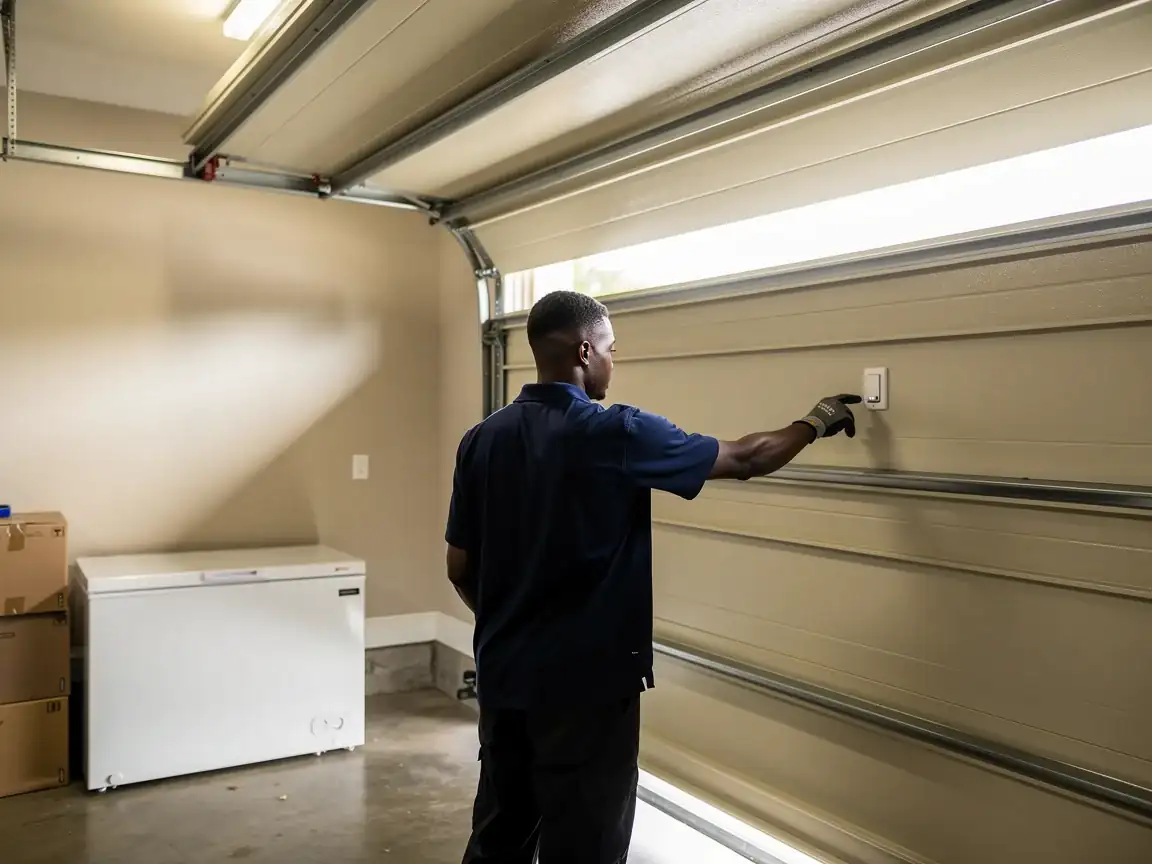
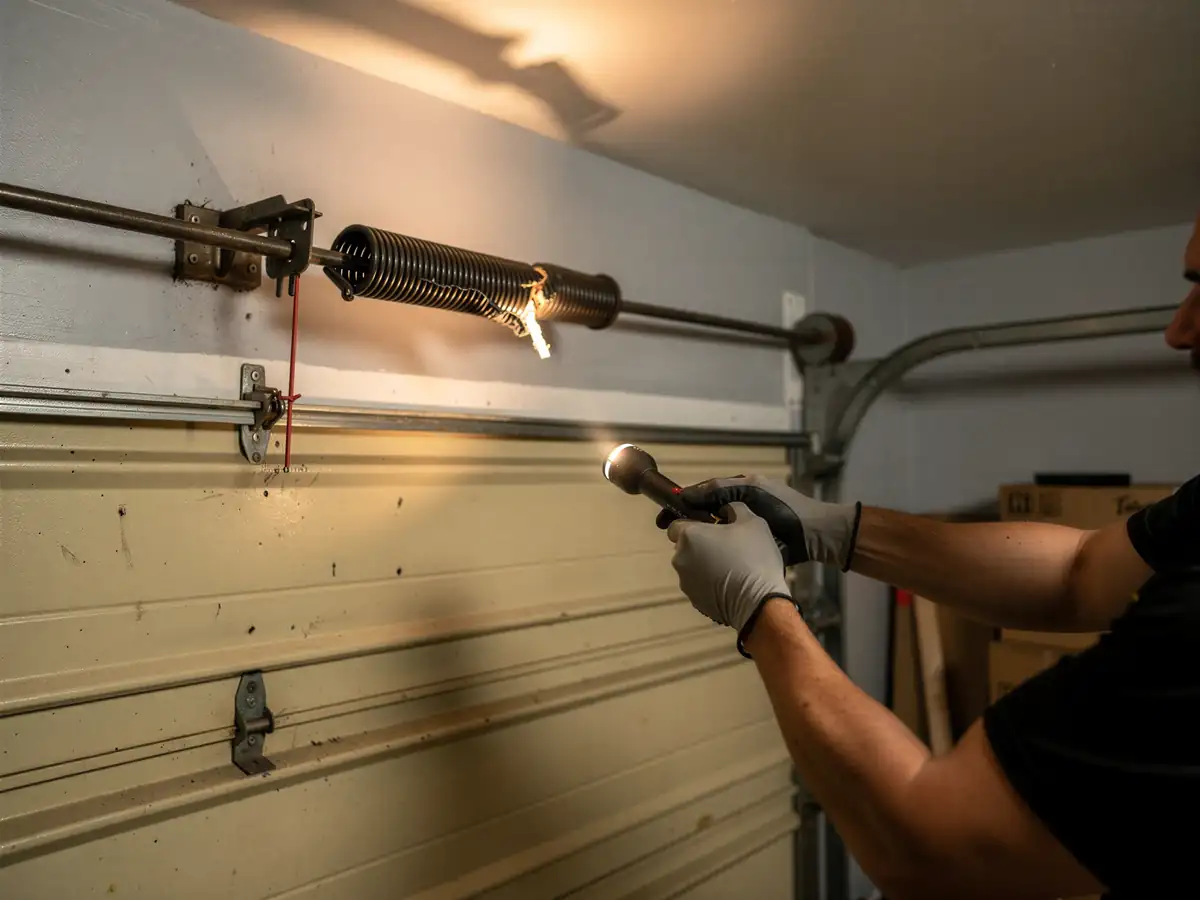
Cold snaps are when the calls come in, not because the door broke that morning but because whatever was already worn finally gave out under the extra load. A spring that was down to its last few hundred cycles in October can snap in January once the steel loses flexibility. Owners in houses built closer to the 1957 end of the range tend to see this first, simply because the hardware has more years on it. We don't stock every part for every era of opener on the truck - some of the older chain-drive units built for houses from that period take a belt or bracket we have to order, and that can mean a short wait rather than a same-visit fix.
What Is Going On
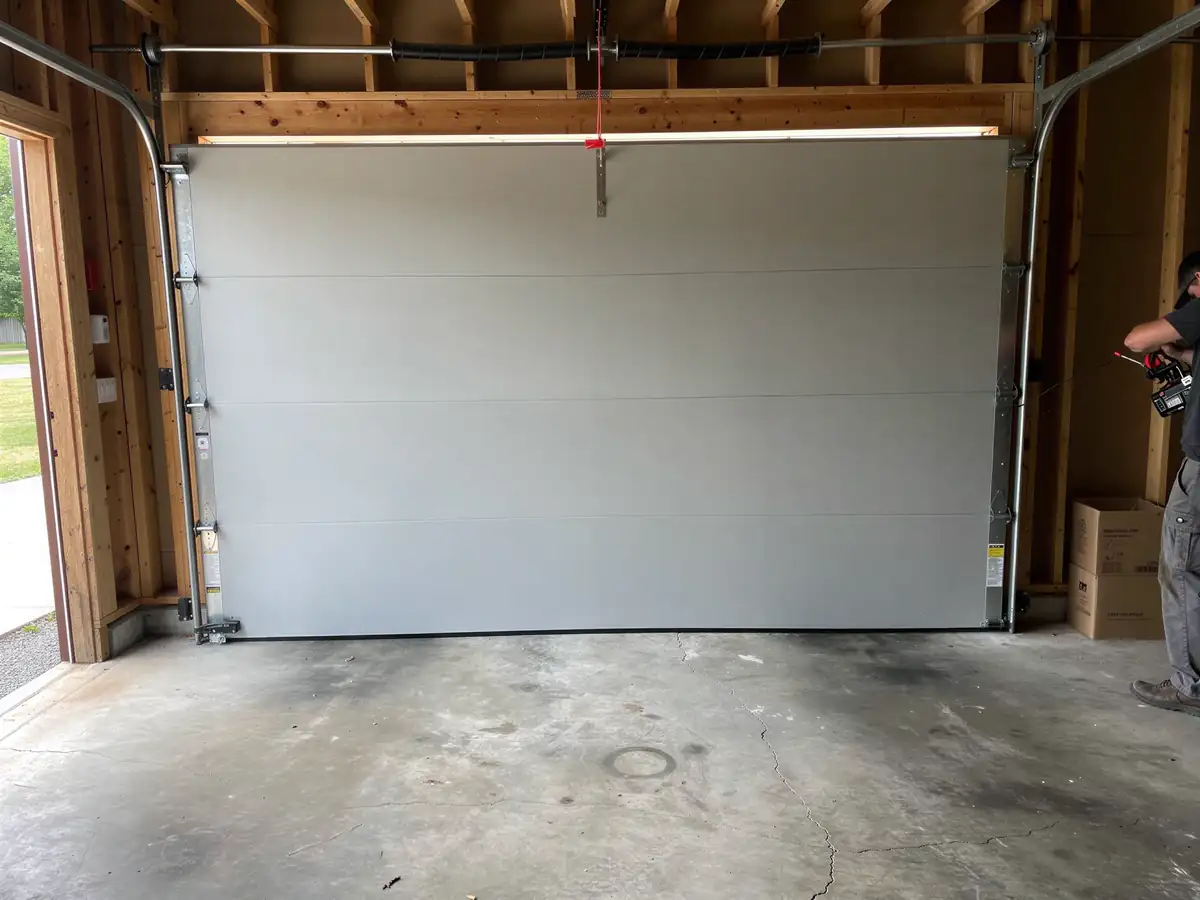
Across the roughly 152,017 owner-occupied houses in this broader service area, the pattern repeats: the door itself usually outlasts the hardware that runs it. A panel from 1982 can still be structurally sound while the torsion spring, cables, and rollers around it are long past due. With median household income here at $112,060, most owners we talk to would rather fix the mechanical parts properly than replace a door that still closes straight. That's usually the right instinct - a full tear-out only makes sense when the door itself is the problem, not the hardware bolted to it.