The Houses Here
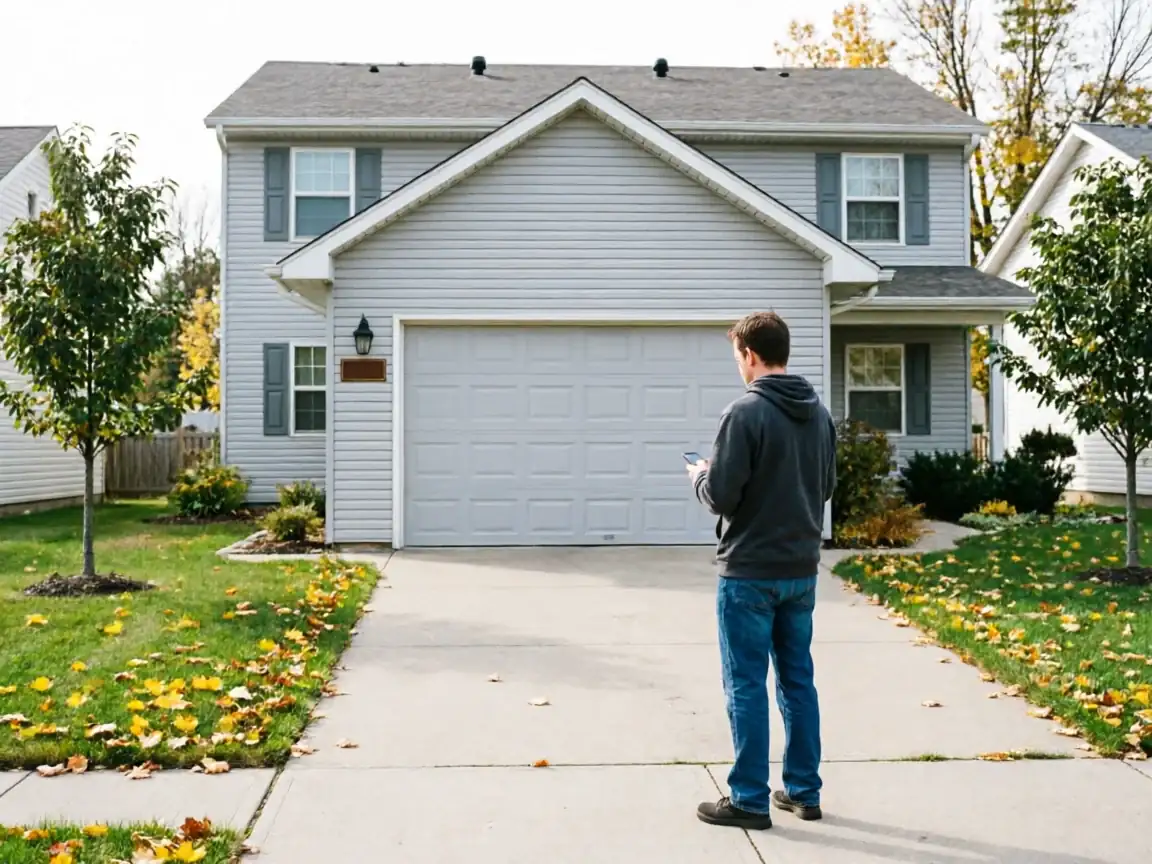
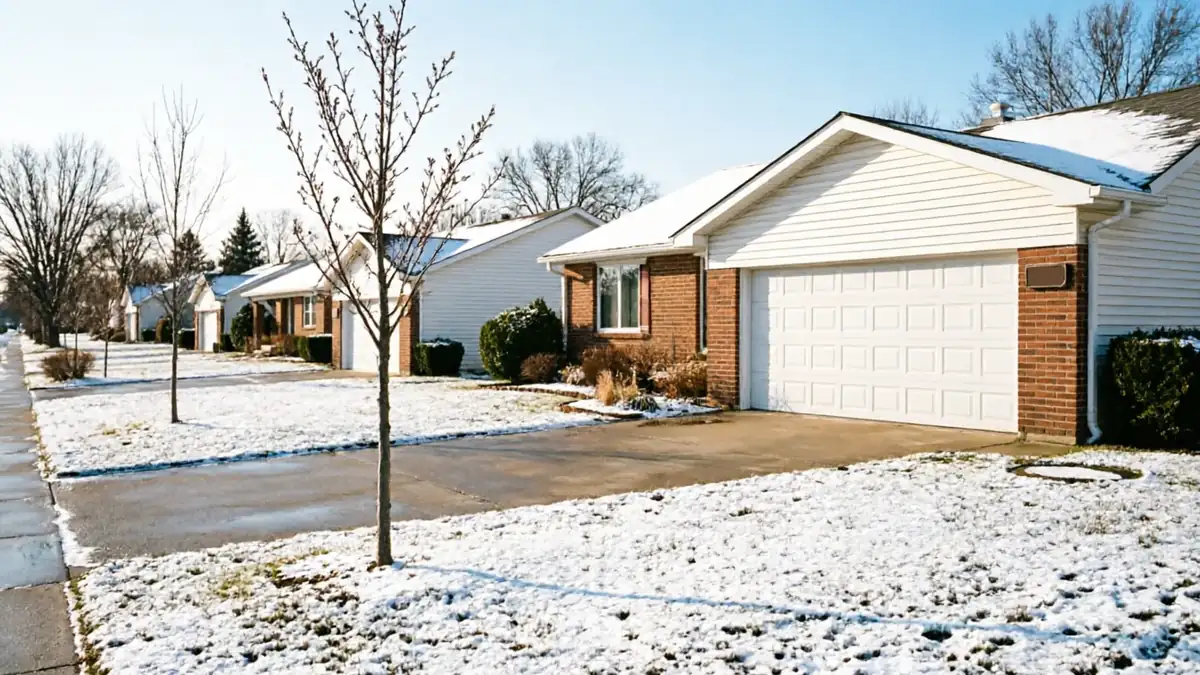
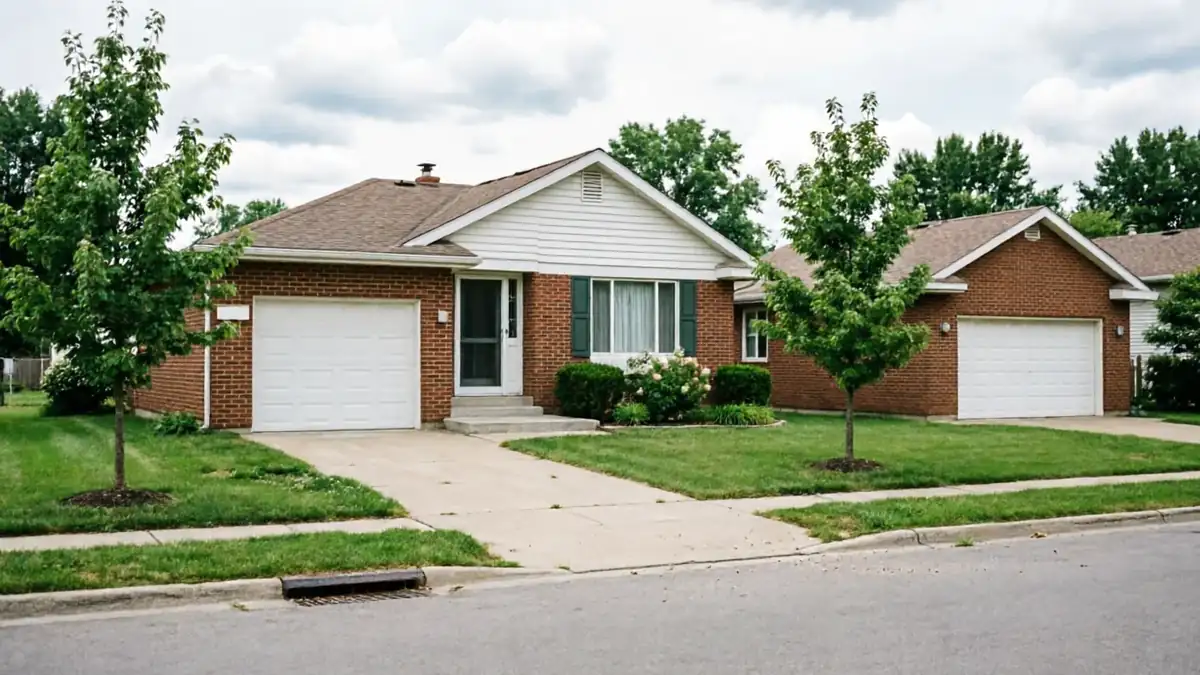
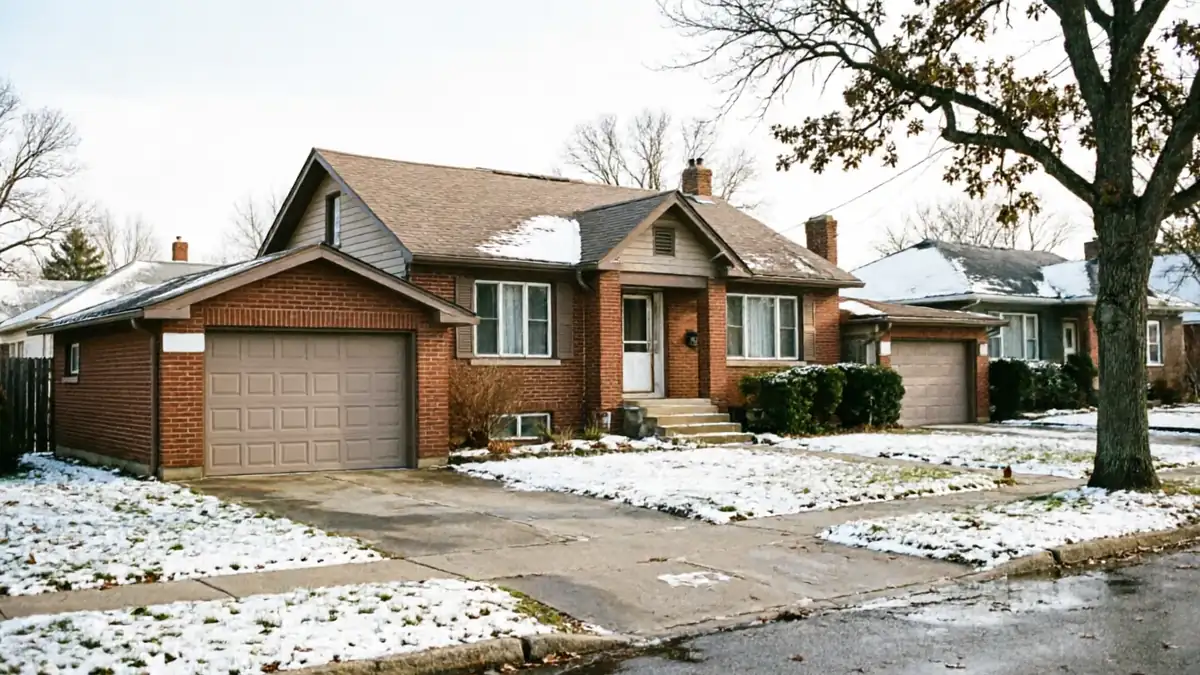
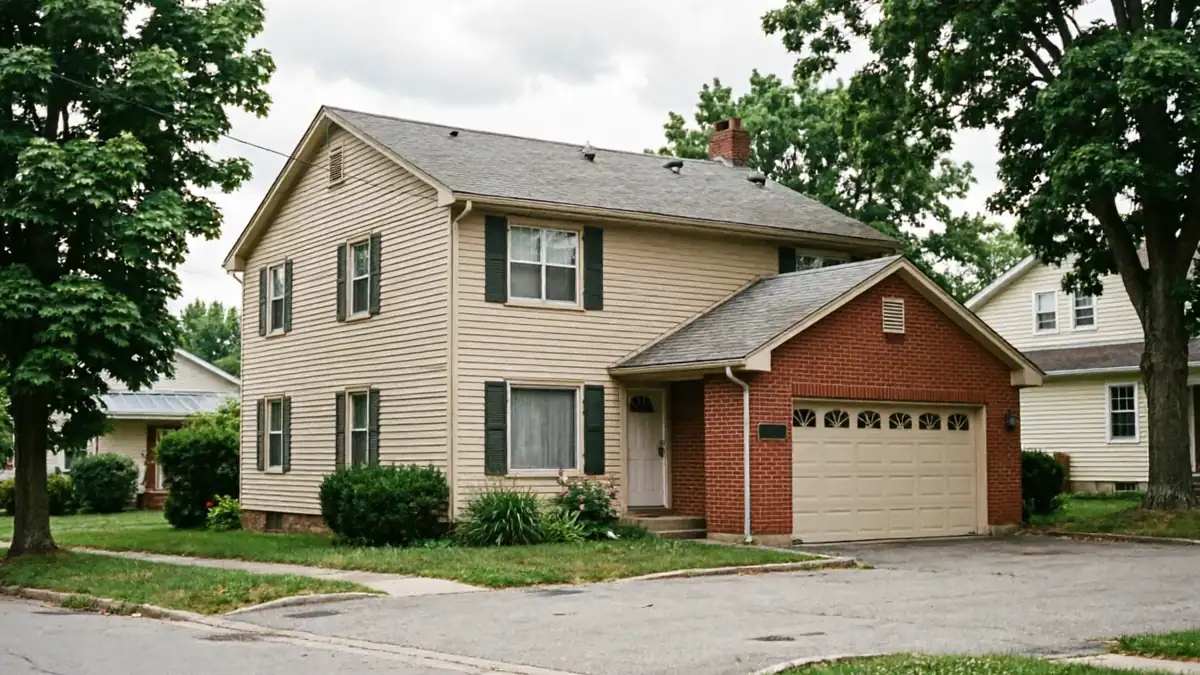
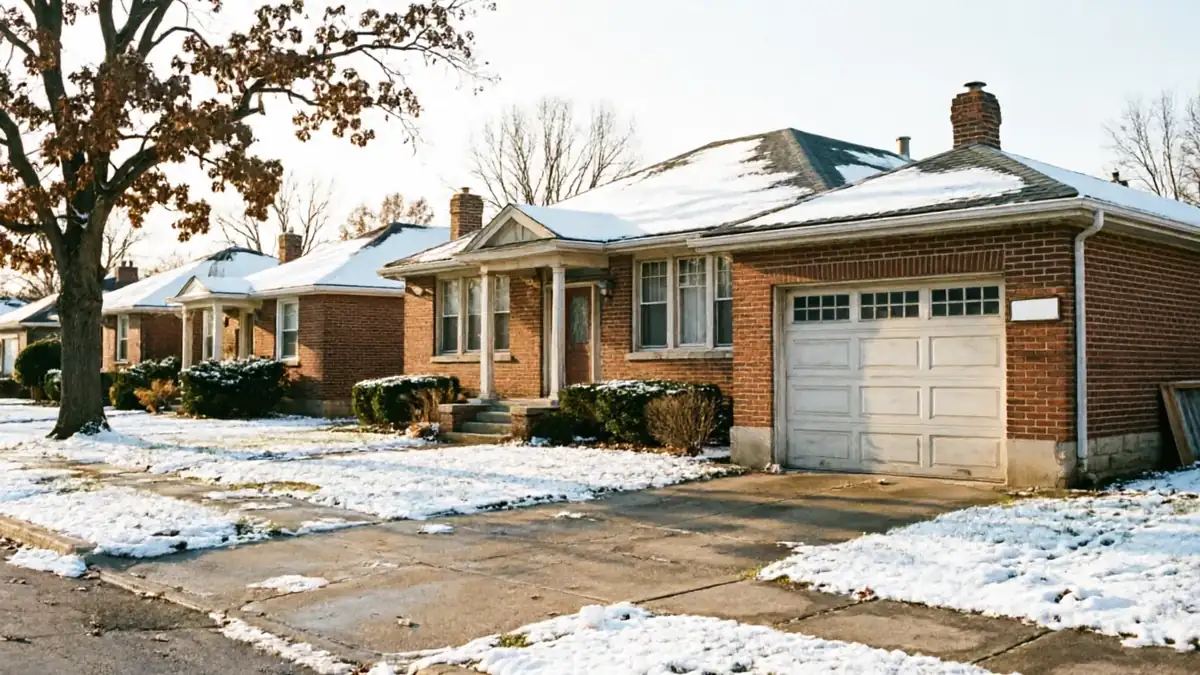
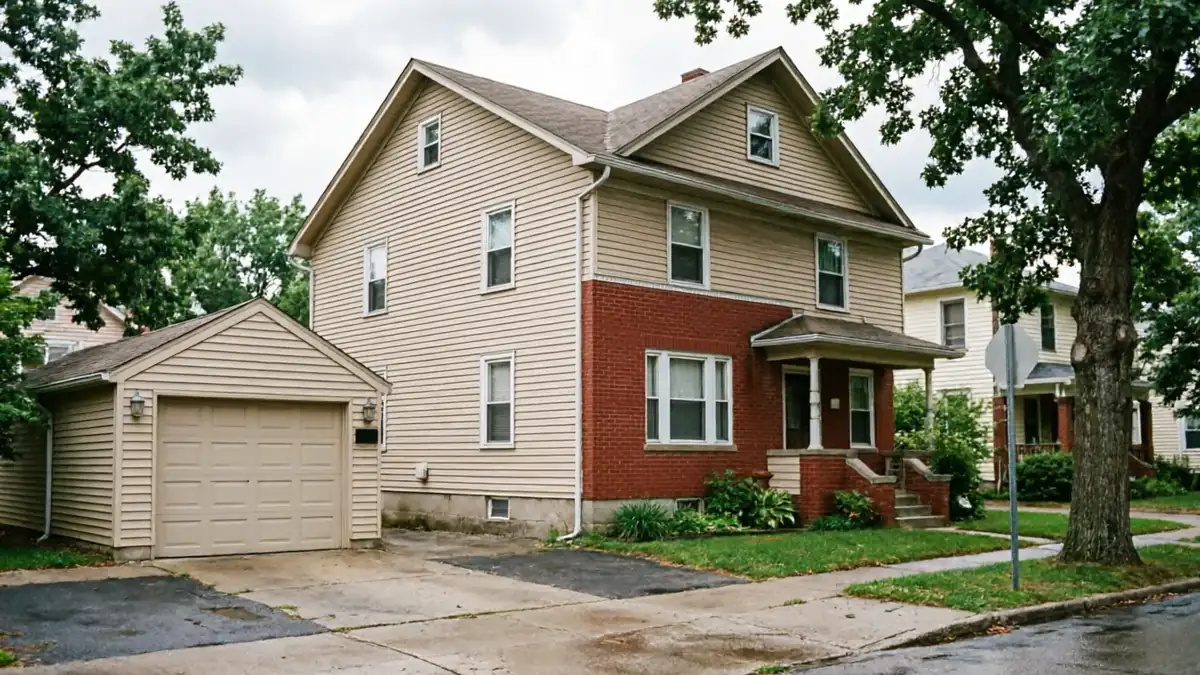
Ramsey is one of the newer pockets we reach from Maple Grove, 10 miles out. The median home here was built around 1995, which puts most of the neighborhood well past the older torsion-spring era that defines a lot of the service area we cover. Across the wider area, the typical house dates to 1982, with stock stretching back to 1957 on one end and up past 2007 on the other. Ramsey sits on the younger half of that range.
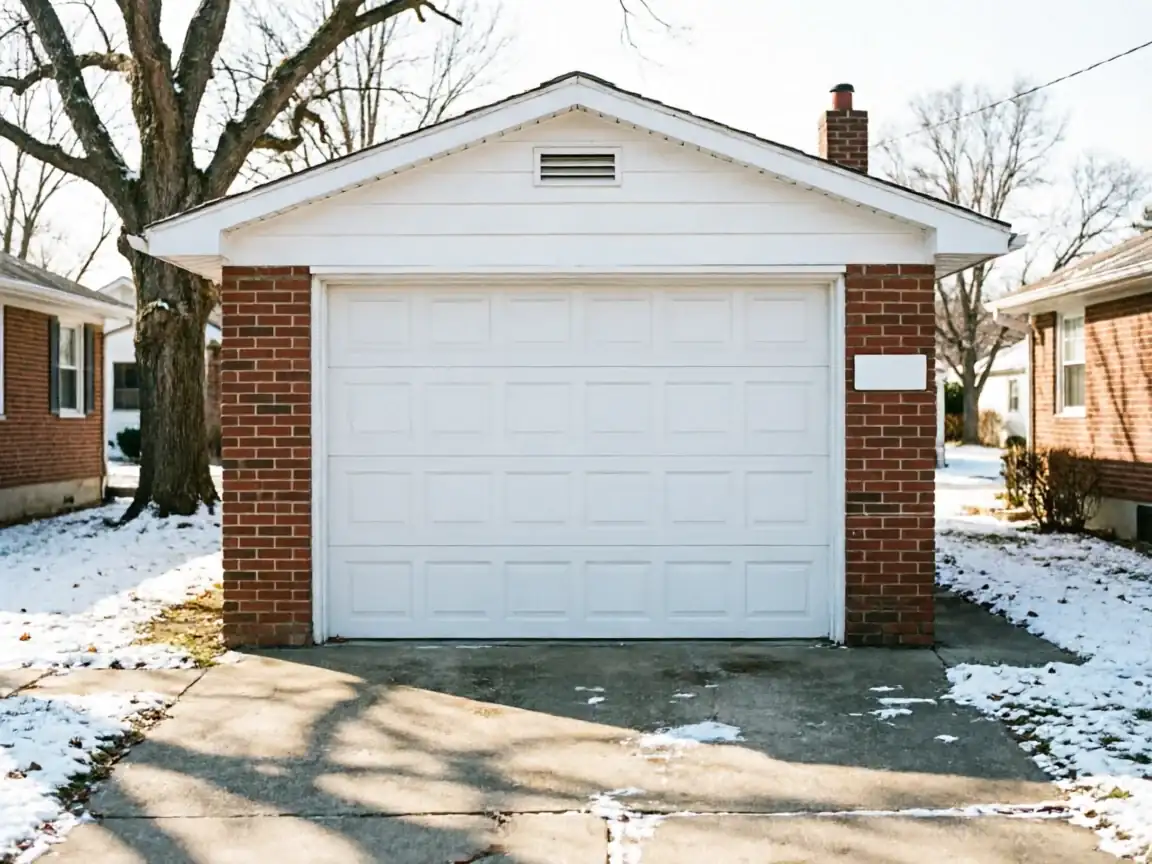
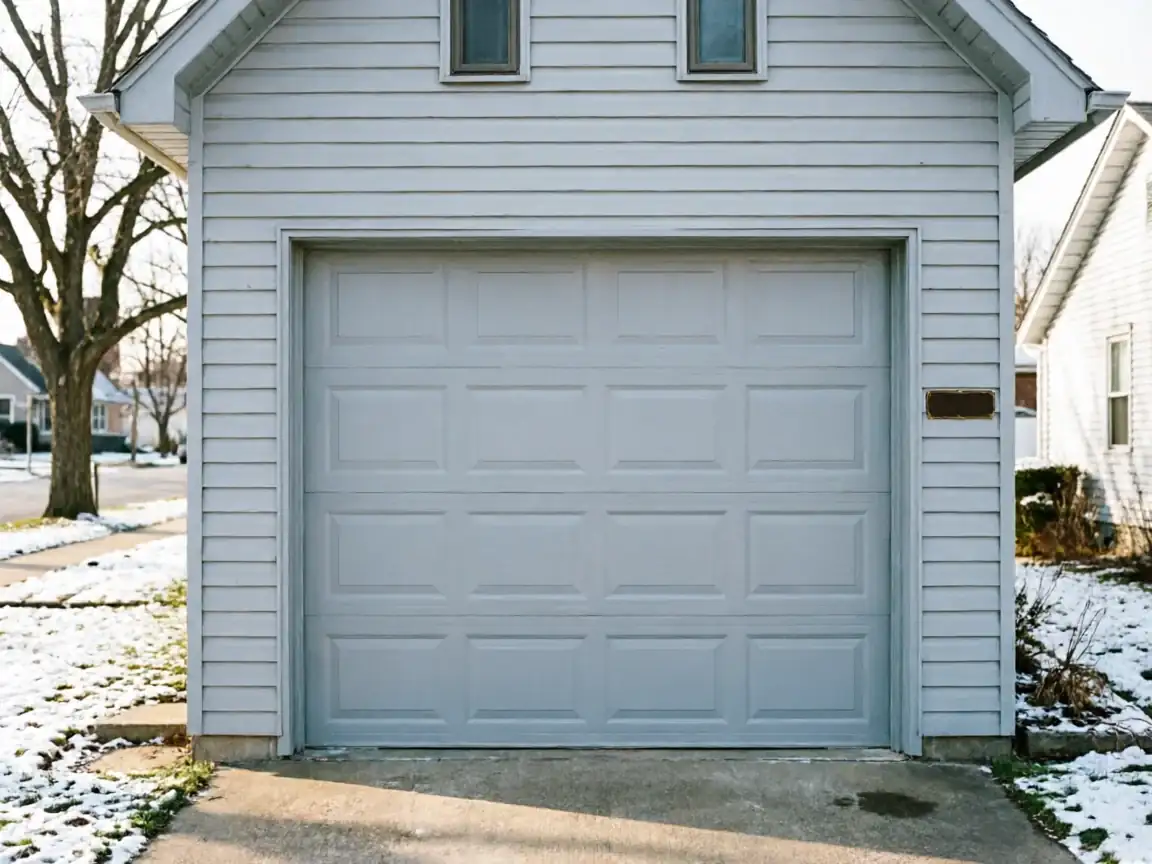
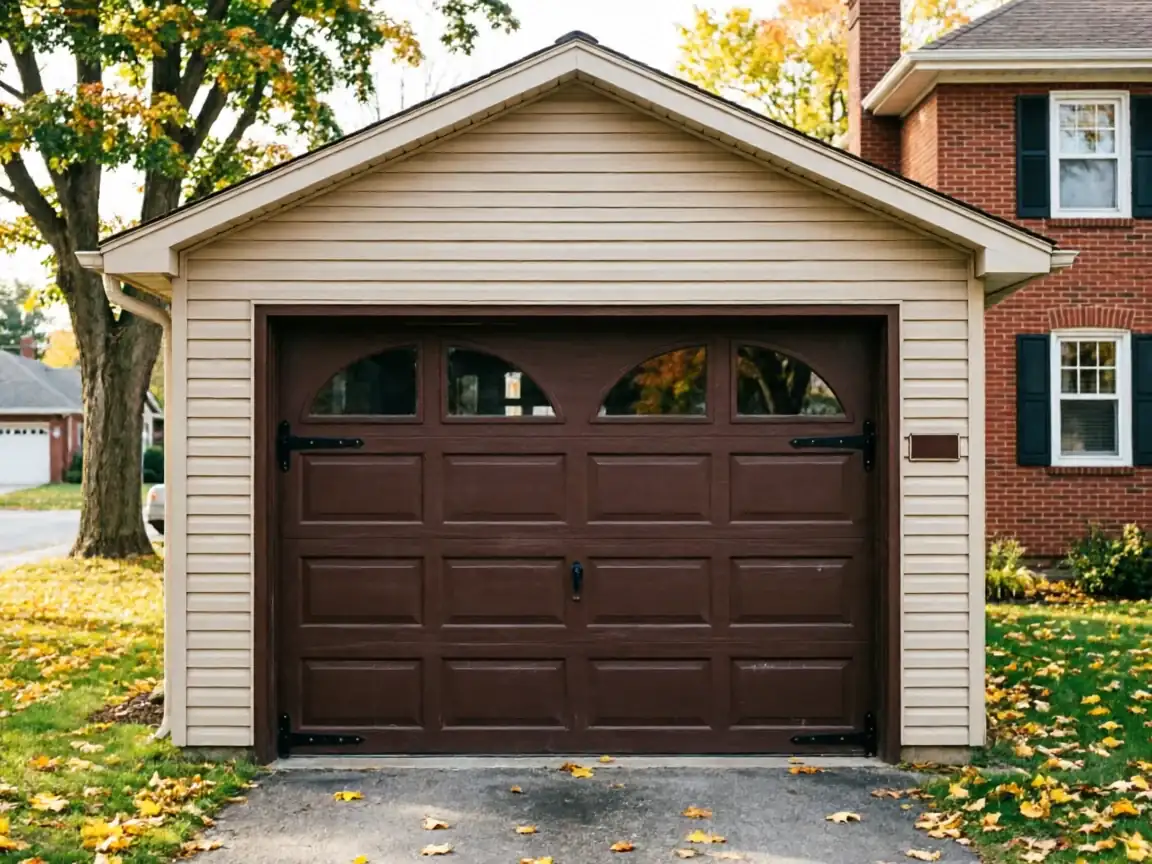
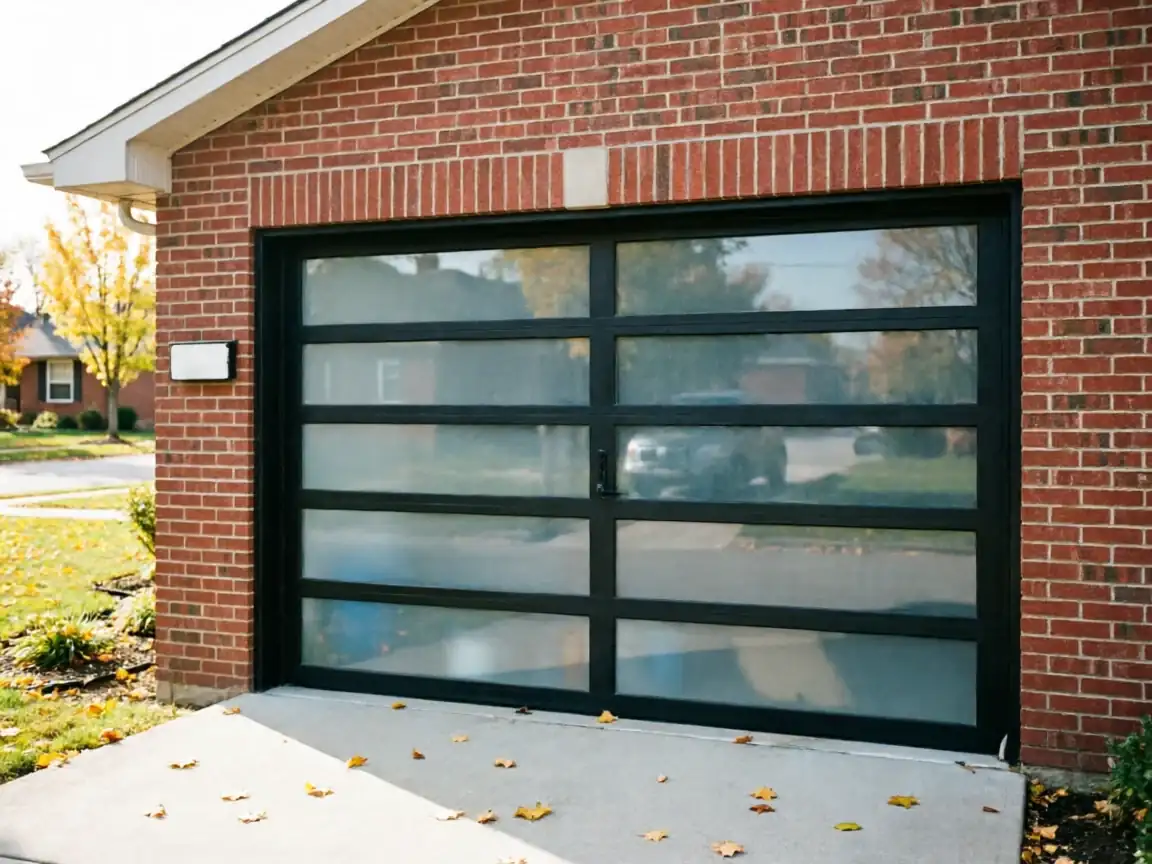
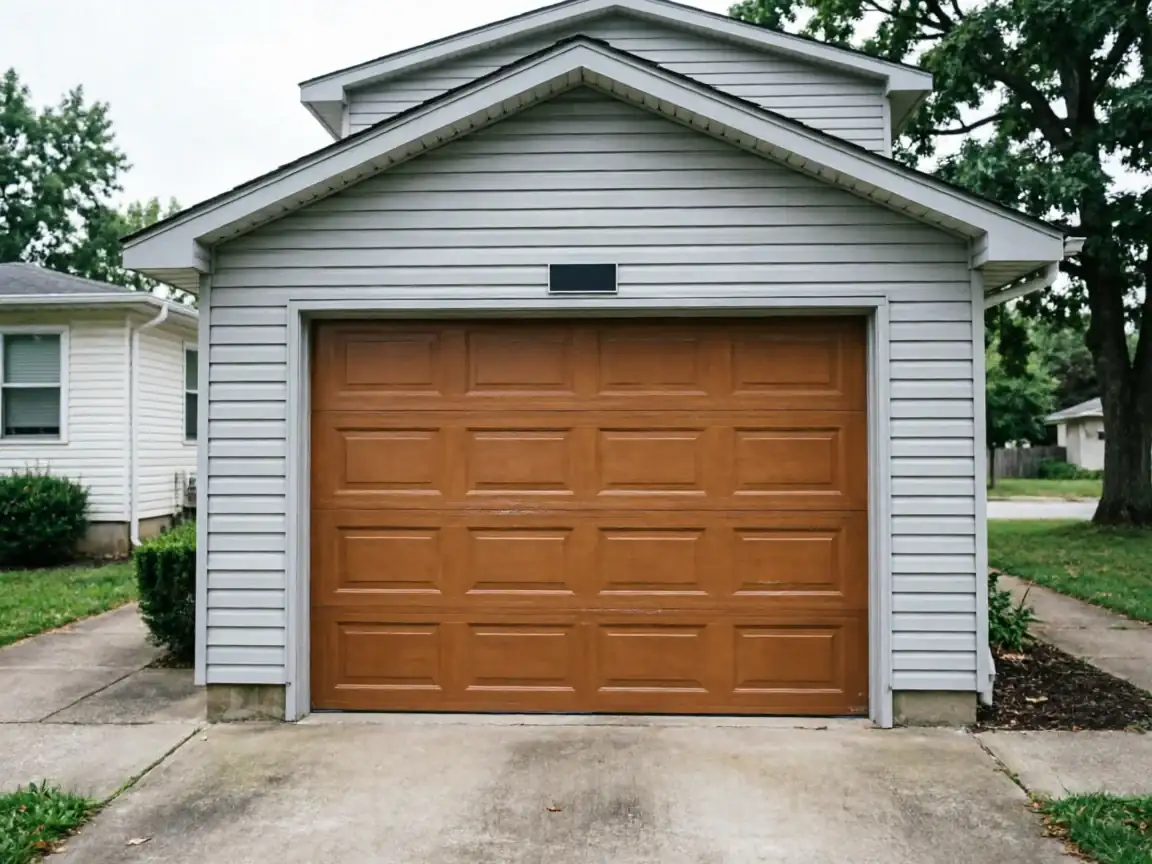
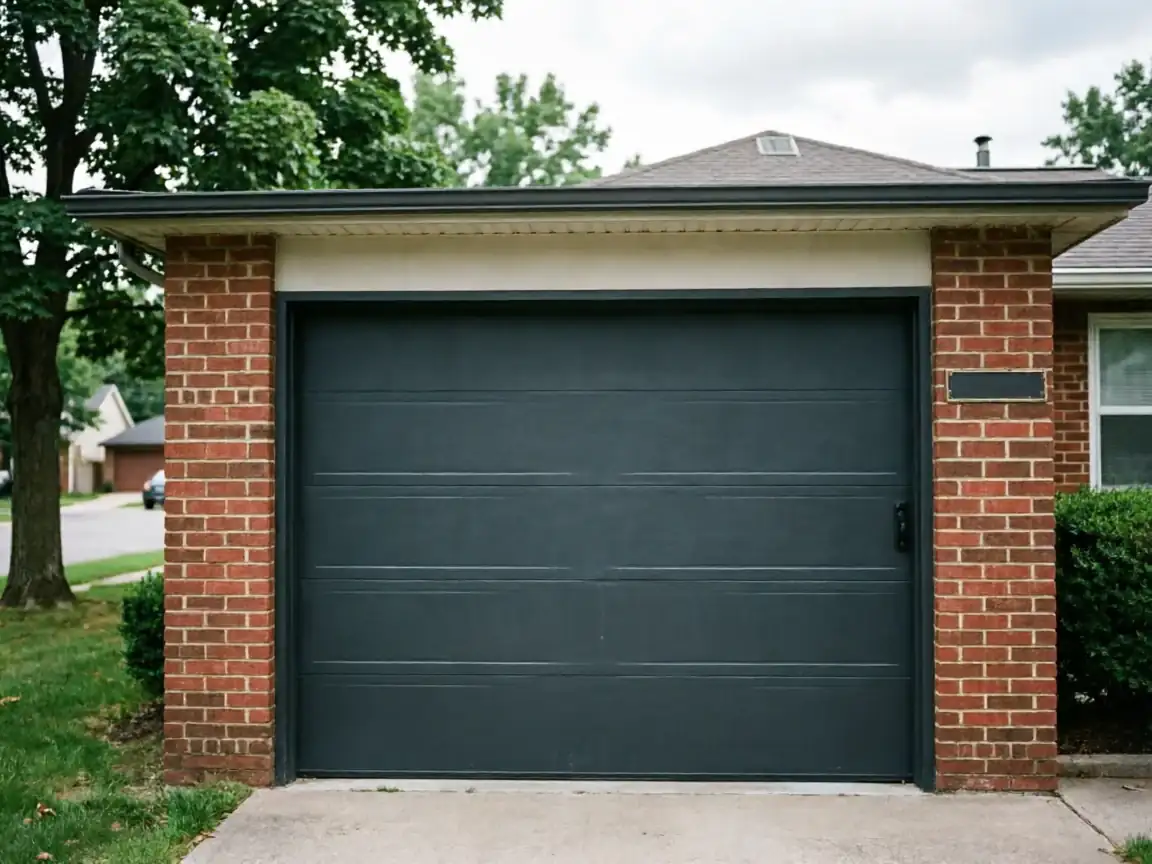
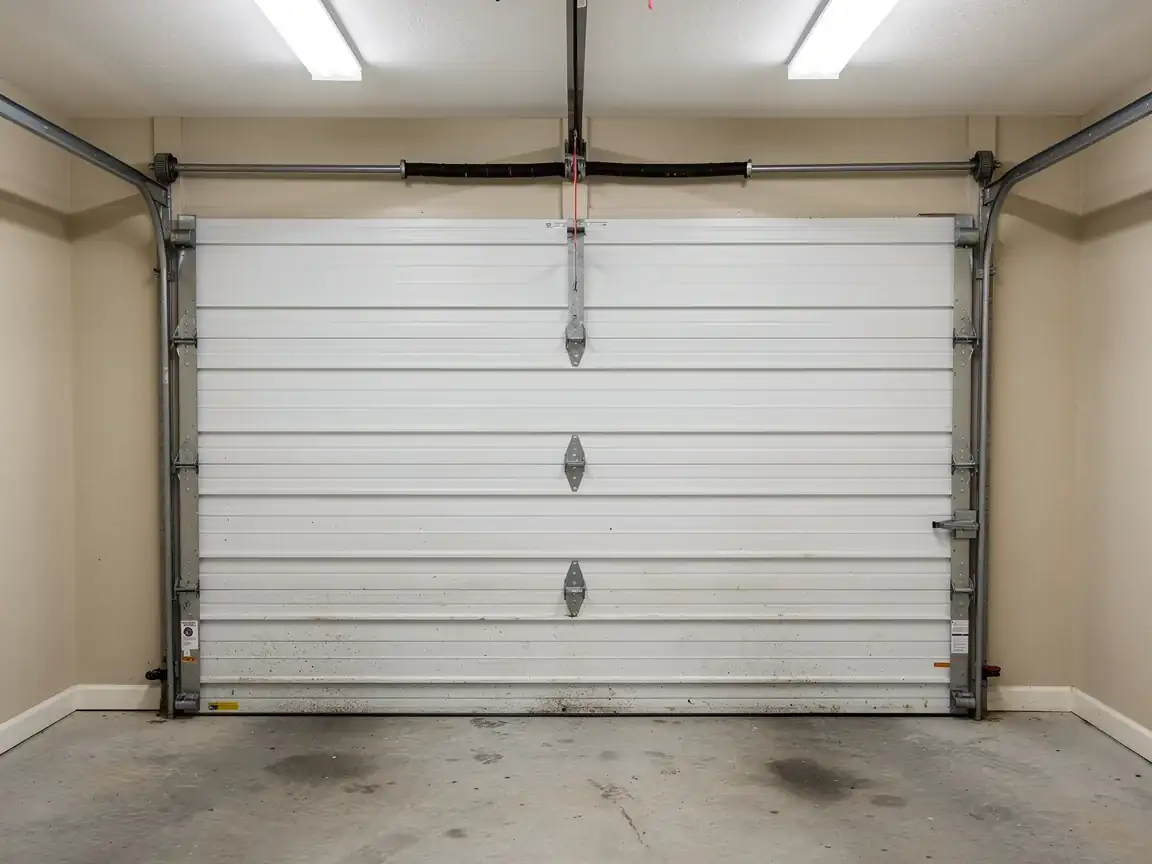
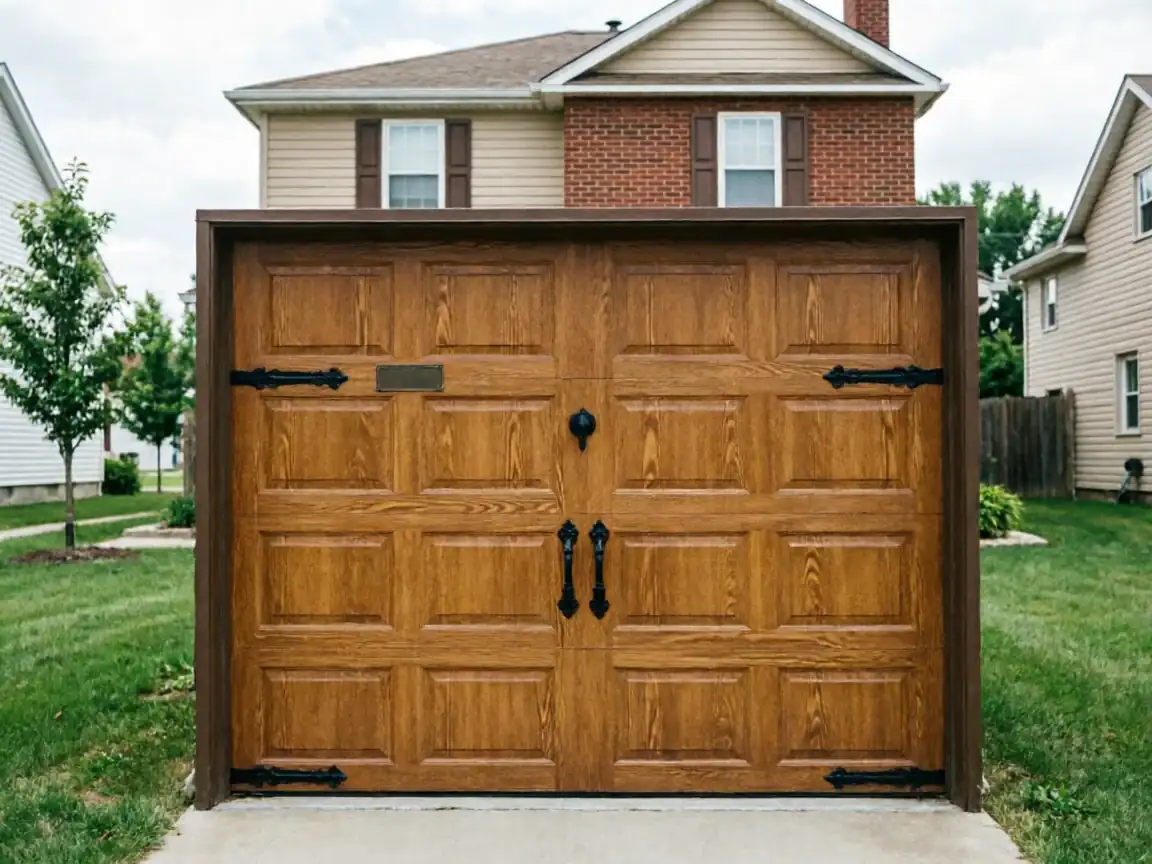
That matters because a house built in the mid-90s was framed for a standard 7-foot garage door opening with factory-installed steel sectional doors, not the shorter openings or homemade reinforcements you find on older stock elsewhere in the area. The openers installed at that point were mid-era chain or belt drive units, not the very first generation of garage door automation, and not today's wifi-enabled motors either. If your door or opener still has the original hardware, it's roughly 30 years old, which is past the point where most openers are worth repairing versus replacing outright.
Ramsey has about 10,164 households, and household income here runs around $112,060, in line with the broader area's median. That income level usually means owners are replacing full door-and-opener systems rather than patching old parts when something fails, which changes what kind of call we get most from this side of town.
What We Will Not Take On
We don't carry every part for every opener ever sold
And a mid-90s chain-drive unit from a brand that's since stopped making replacement logic boards is a real limitation. If the circuit board or sensor module on a 25-to-30-year-old opener has failed and the manufacturer no longer stocks it, we'll tell you straight that replacement is the honest answer, not a parts-hunt repair that costs nearly as much as a new unit and leaves you with aging motor and gears anyway.
We also won't drive out for a door that's cosmetic-only trouble
A dented panel with no functional issue, if the fix is something a homeowner can handle with a rubber mallet and five minutes. We'd rather tell you that than bill a truck trip for it.
Winters here get cold enough that steel contracts and grease stiffens
Which is a real factor in why doors stick or openers strain in January. But we don't diagnose over the phone and we won't quote a repair sight-unseen when the cause could be a bent track, a failed spring, or a worn cable, each a different job and a different price.
What the Housing Means for Your Door
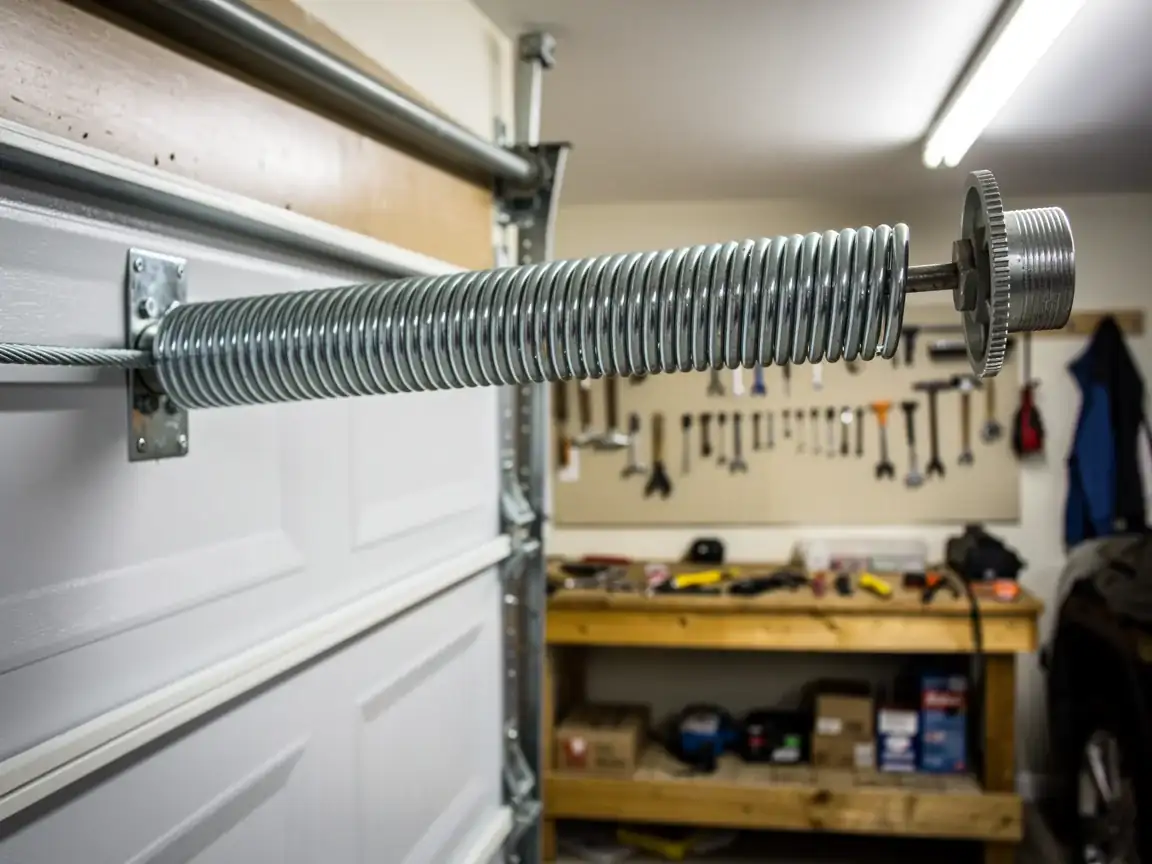
Because most Ramsey garages were built to the same standard 7-foot sectional opening, parts availability is generally better here than in the older pockets of the area still running non-standard widths or one-piece doors. That's good news when a torsion spring or a section of track needs swapping: the parts we carry fit the common sizes, and we're not hunting down discontinued hardware the way we sometimes have to for houses built before 1970.
The climate is the bigger factor working against newer doors here. The area sits in a cold, severe winter climate band, and that means freeze-thaw cycles work on weatherstripping, lift cables, and roller bearings every winter regardless of how new the door is. A 1995-built door isn't immune to cold-weather failures, it's just less likely to have the structural or sizing problems that come with an older, non-standard opening.
Households here tend to have the income to replace an aging system rather than nurse it along, so when we're called to a Ramsey address, it's more often a full opener swap or spring replacement on a door that's otherwise sound than a patch job on failing original hardware.
Common Jobs Here
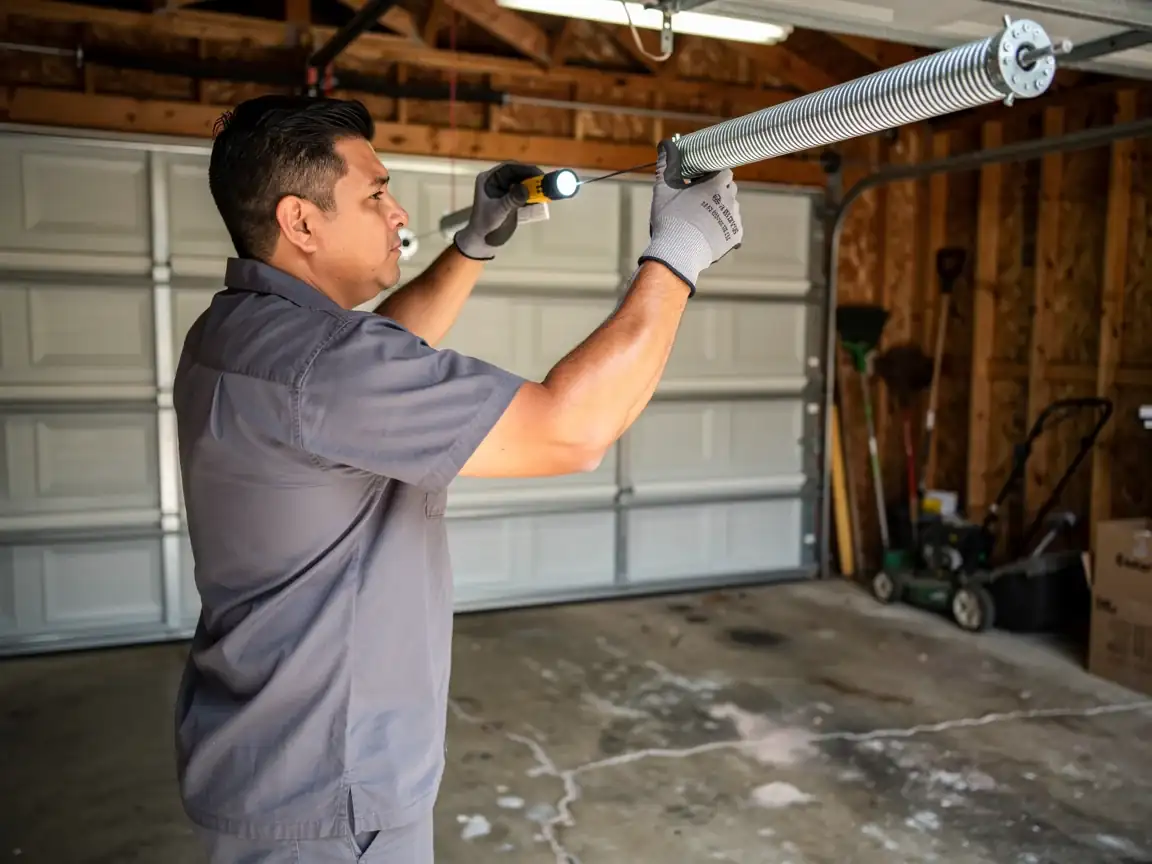
The calls we get from Ramside addresses lean toward mid-life failures on standard equipment: a torsion spring that's given out after two to three decades of cold-weather cycling, a chain-drive opener whose logic board has finally failed, or weatherstripping that's cracked and let cold air into the garage over several winters. These are maintenance-interval failures on normal doors, not the structural oddities we deal with on much older housing stock elsewhere.
We also see a fair number of cable and roller replacements, since steel cables under tension are one of the parts most affected by repeated freeze-thaw stress. On a door this age, if one cable has frayed, the other is usually close behind, so we generally recommend replacing both at once rather than coming back out in six months for the second one.
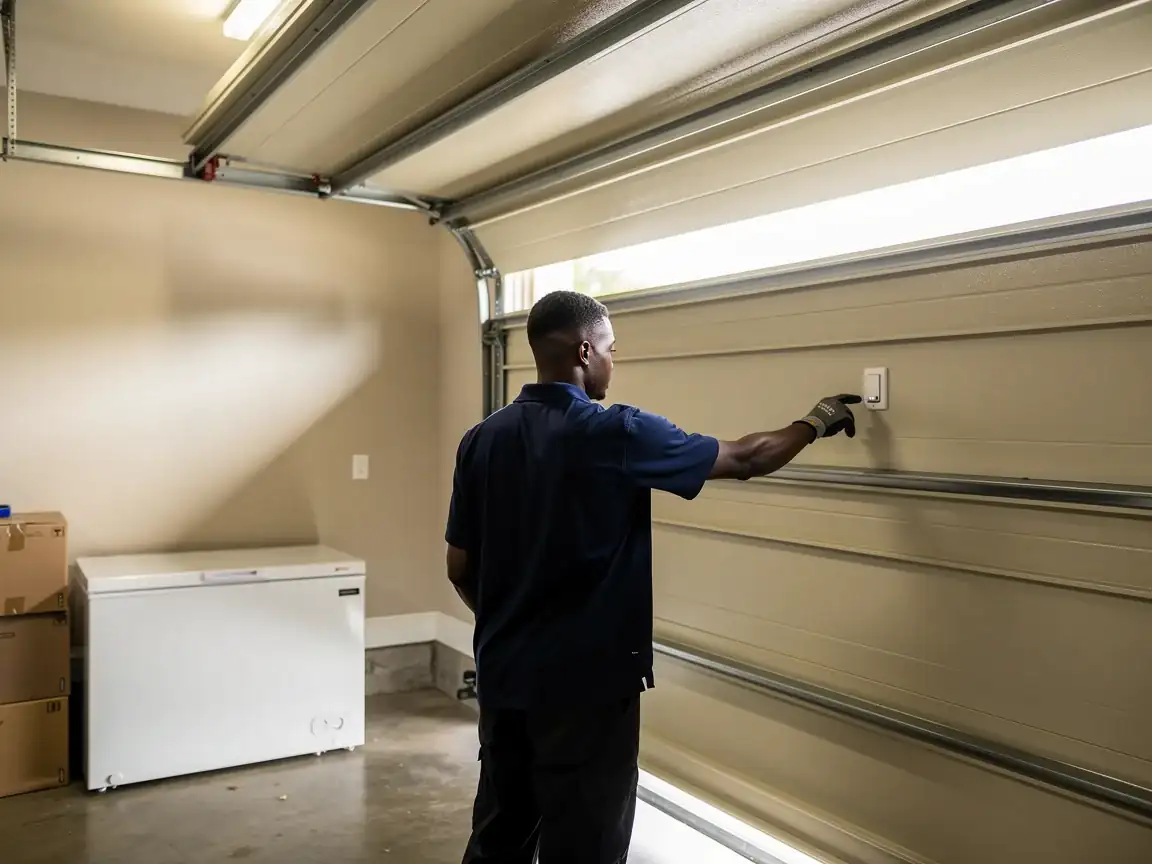
Opener replacement is common enough that it's worth planning for before the old unit fails outright, especially on a 25-to-30-year-old chain drive. Given the income level and housing age here, most homeowners choose to upgrade rather than repair once a motor starts showing its age.