How We Fix It
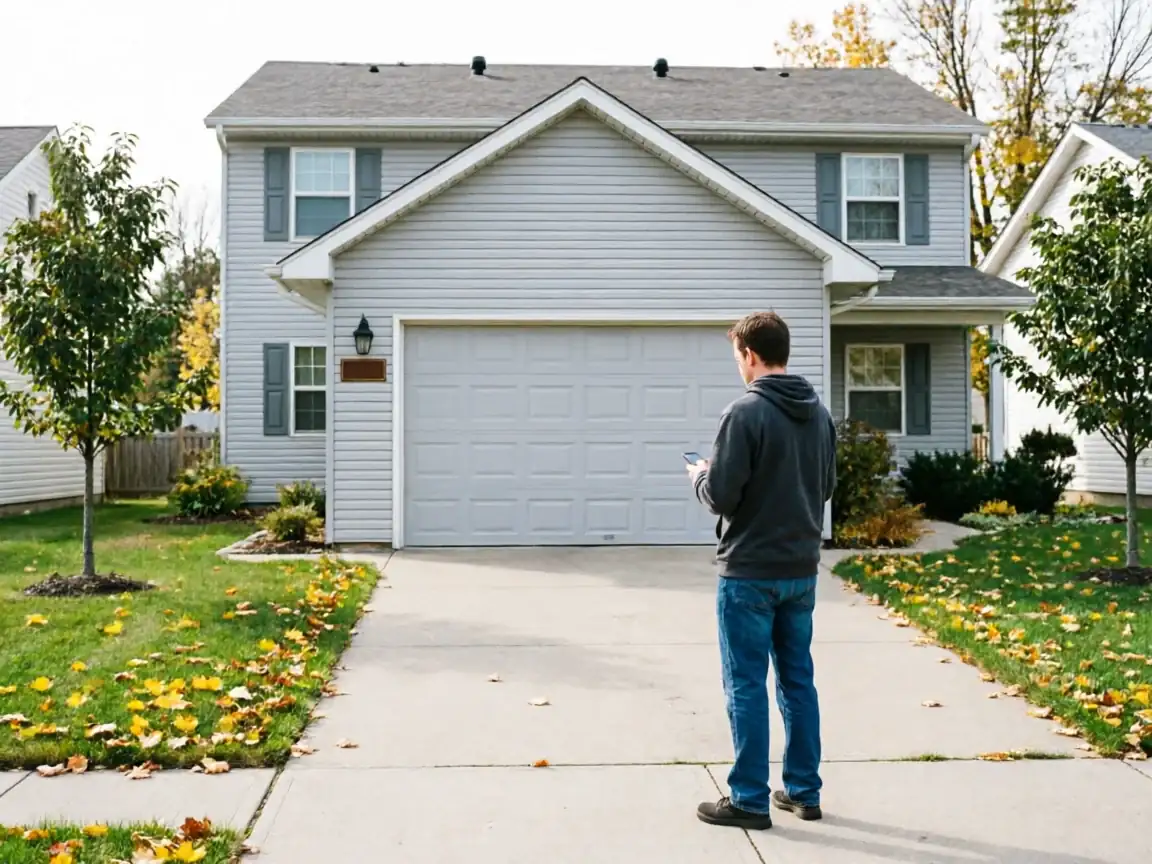
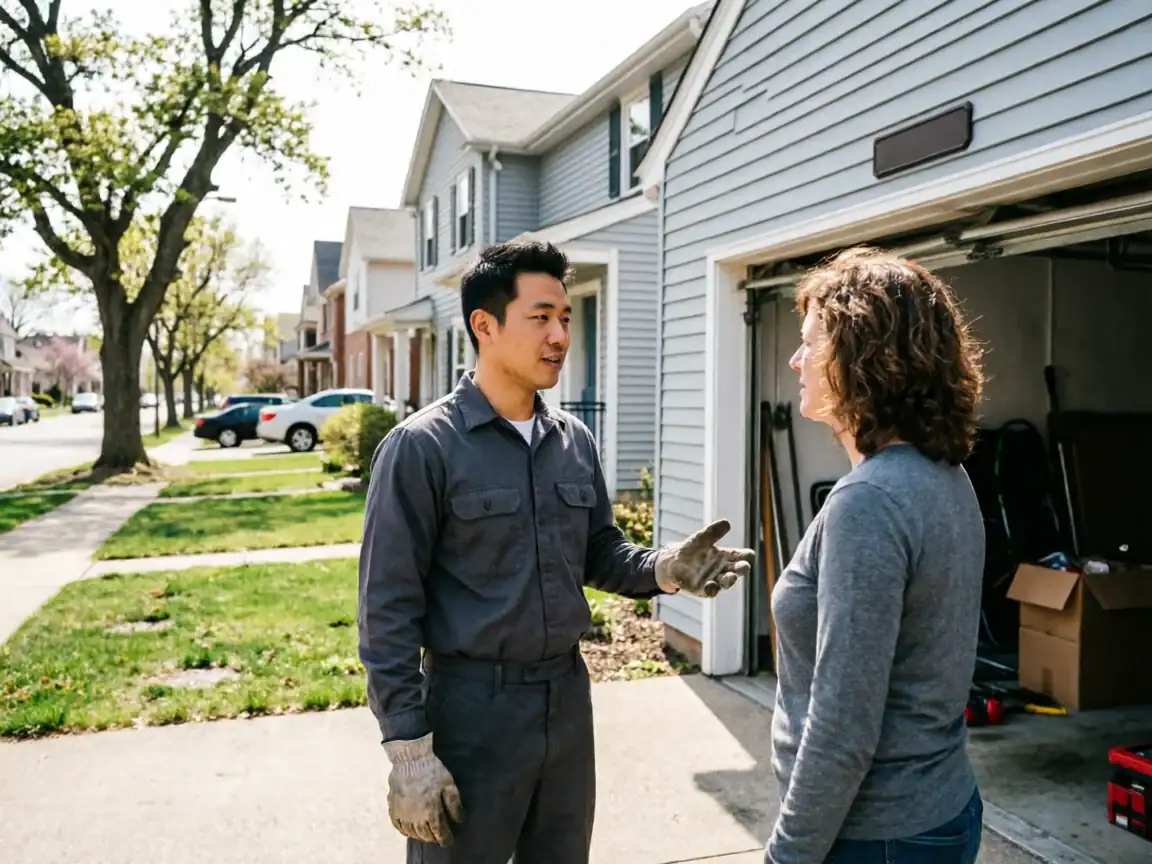
An emergency call means the door is stuck, the spring is snapped, or the opener is dead and someone needs the car out or the house secured right now. We start on the phone, asking what the door is doing - did it slam down, did you hear a bang, does the opener run but the door not move - because that tells us what's riding in the truck before we knock on the door.
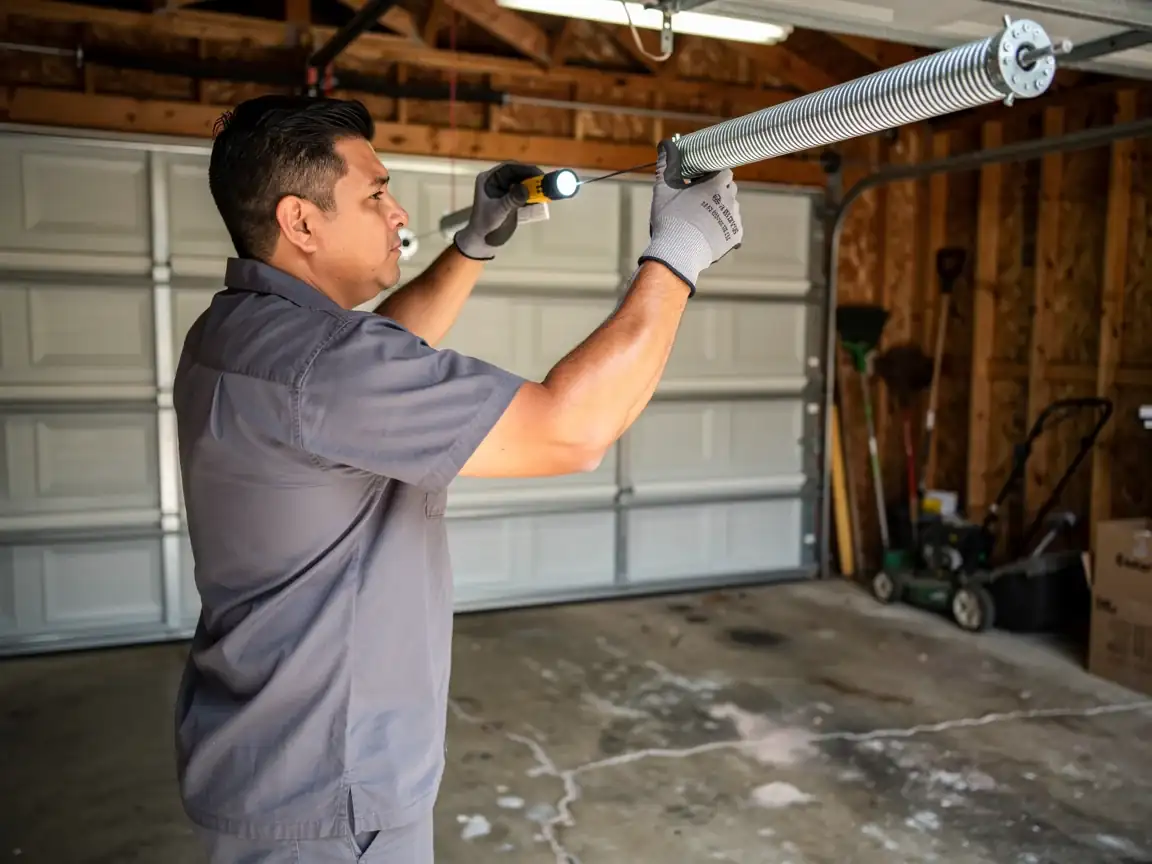
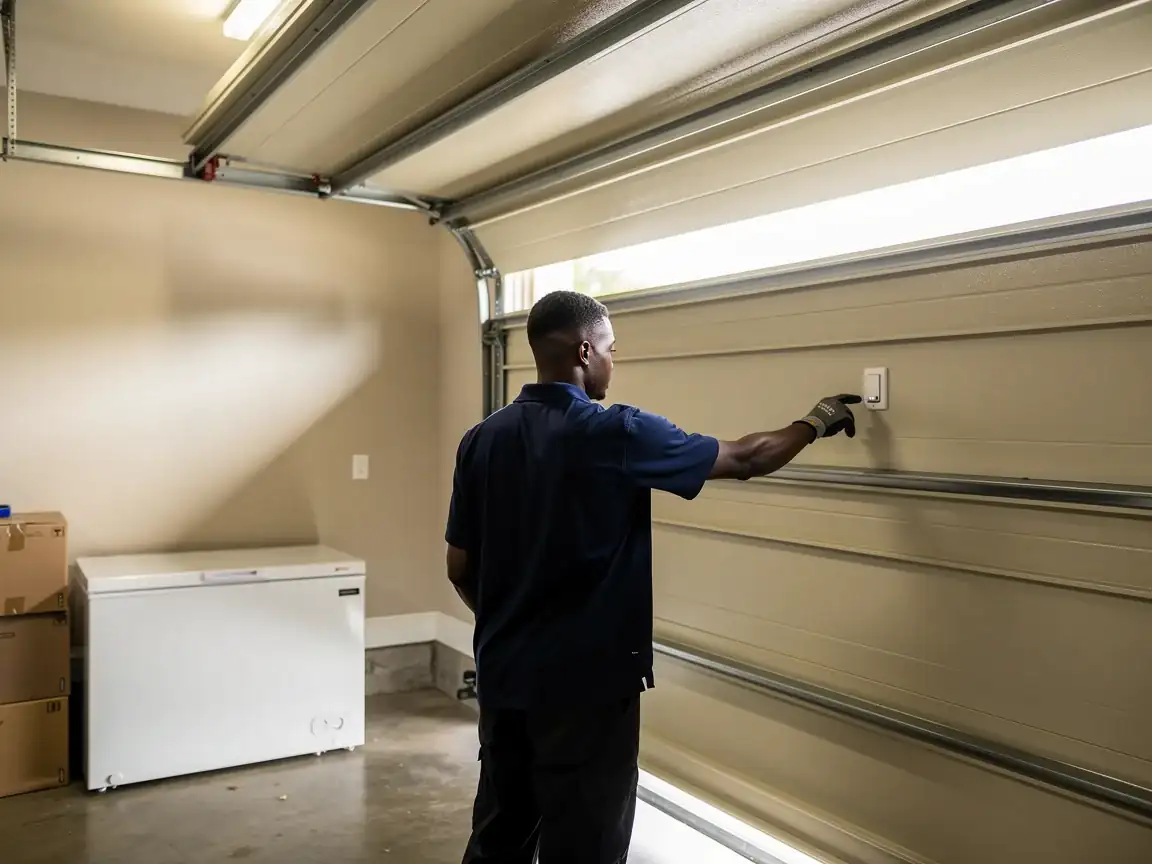
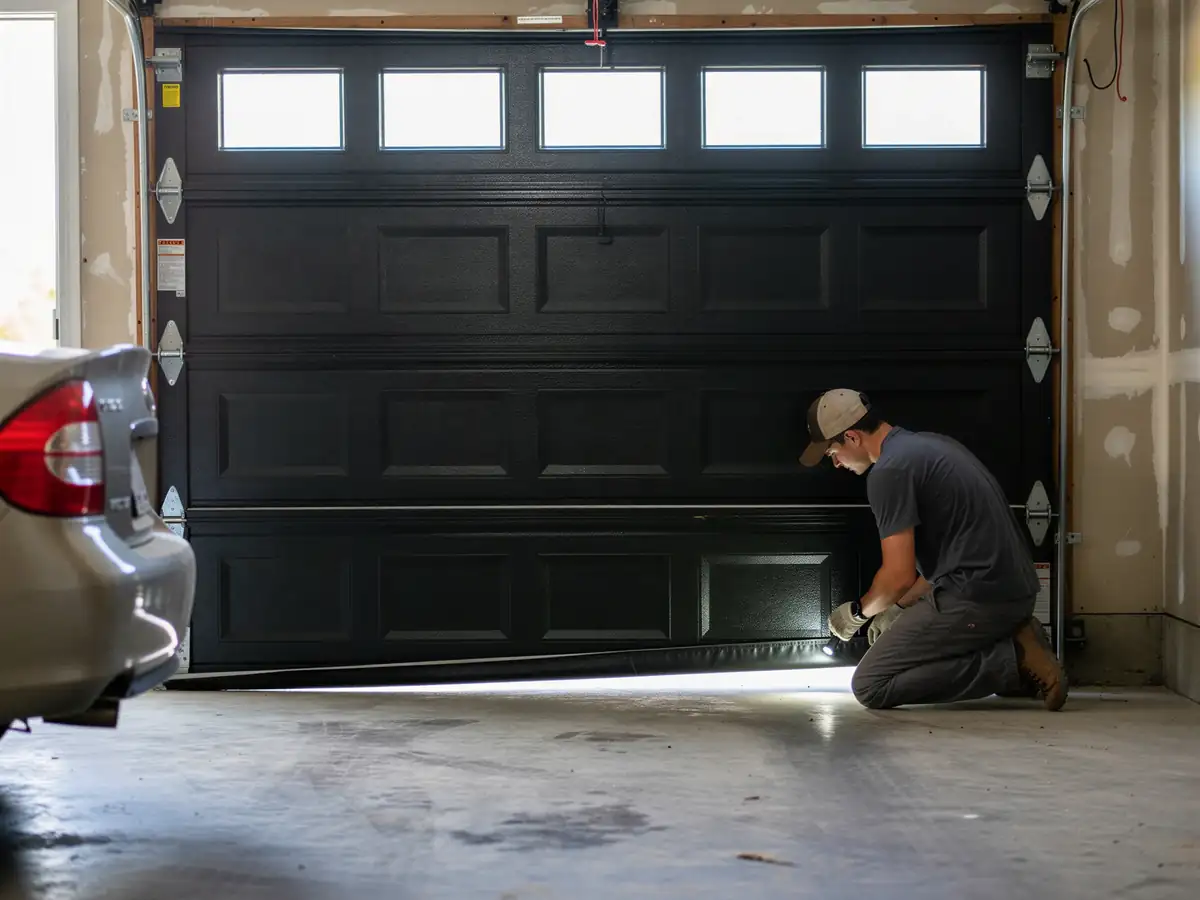
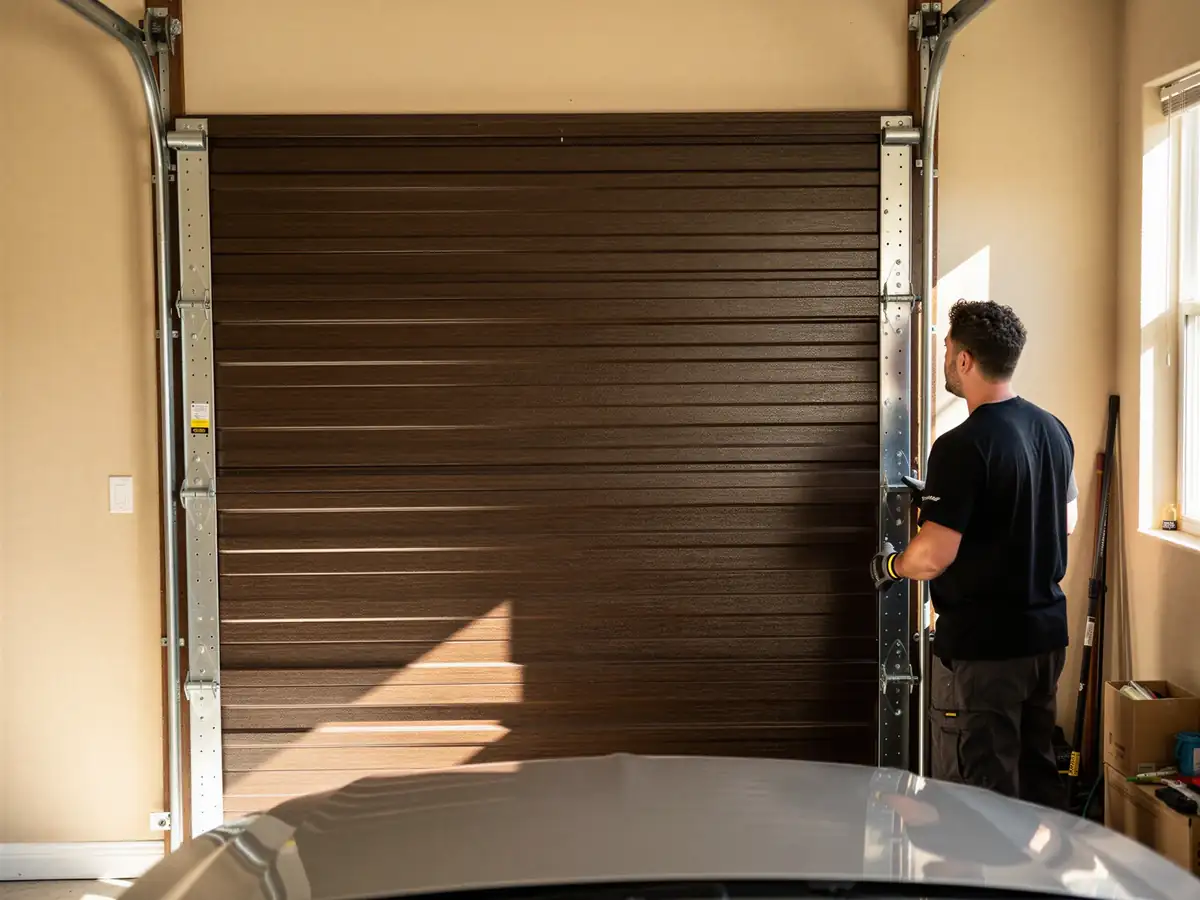
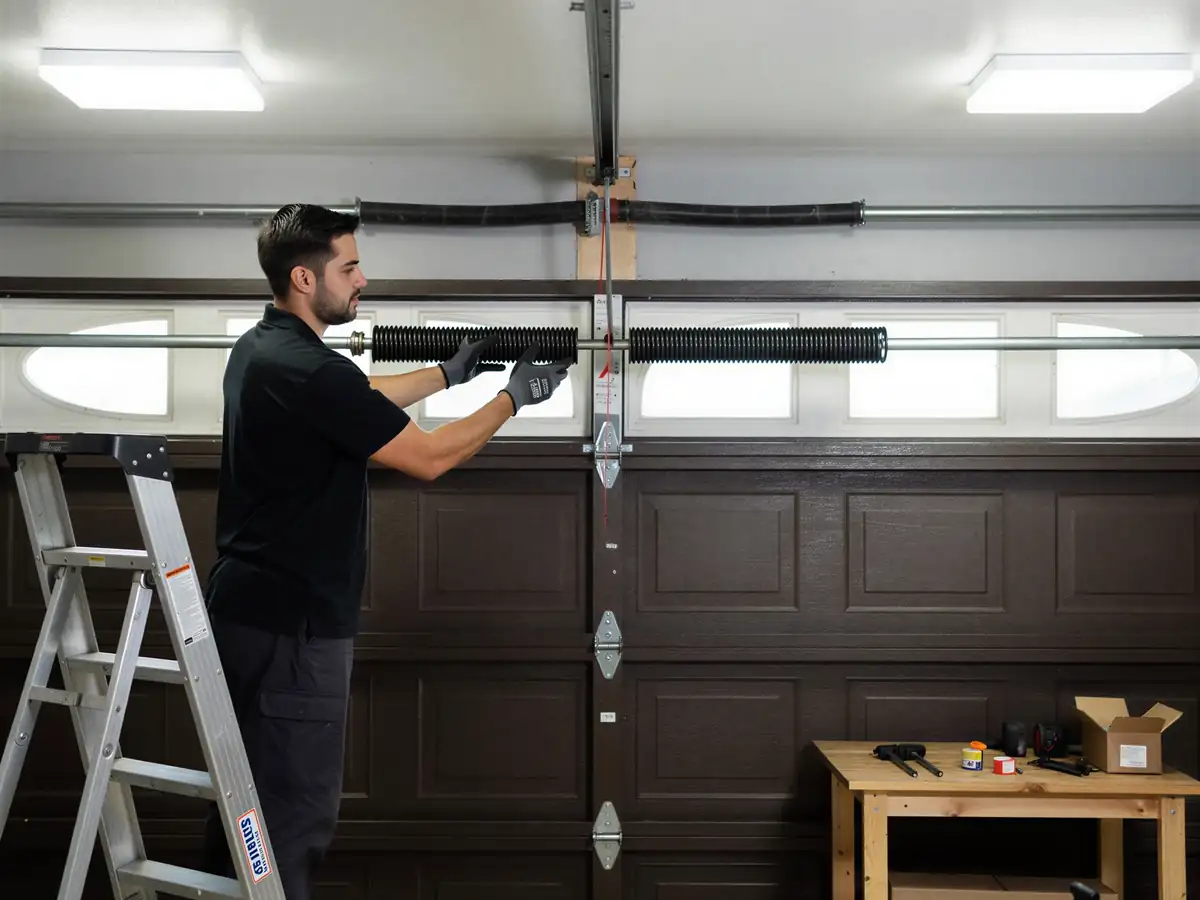
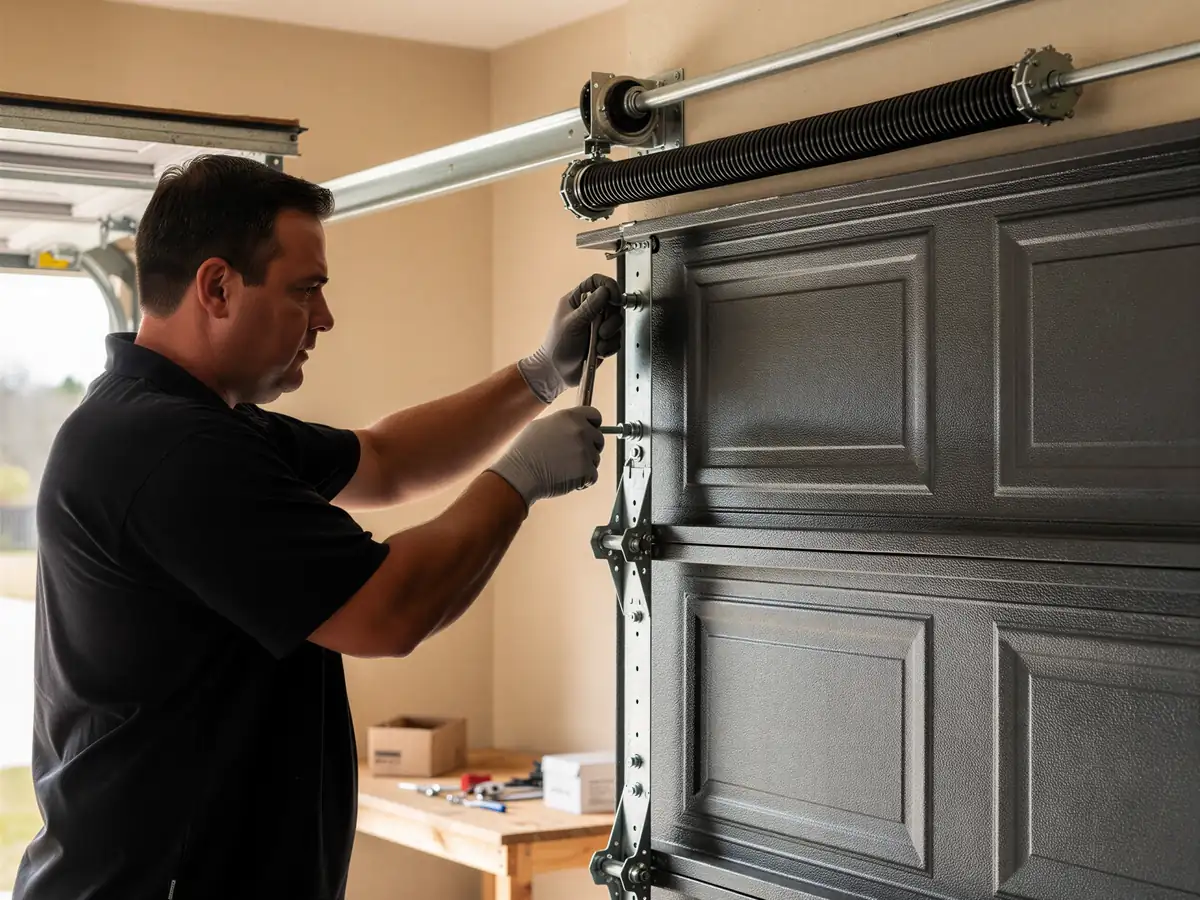
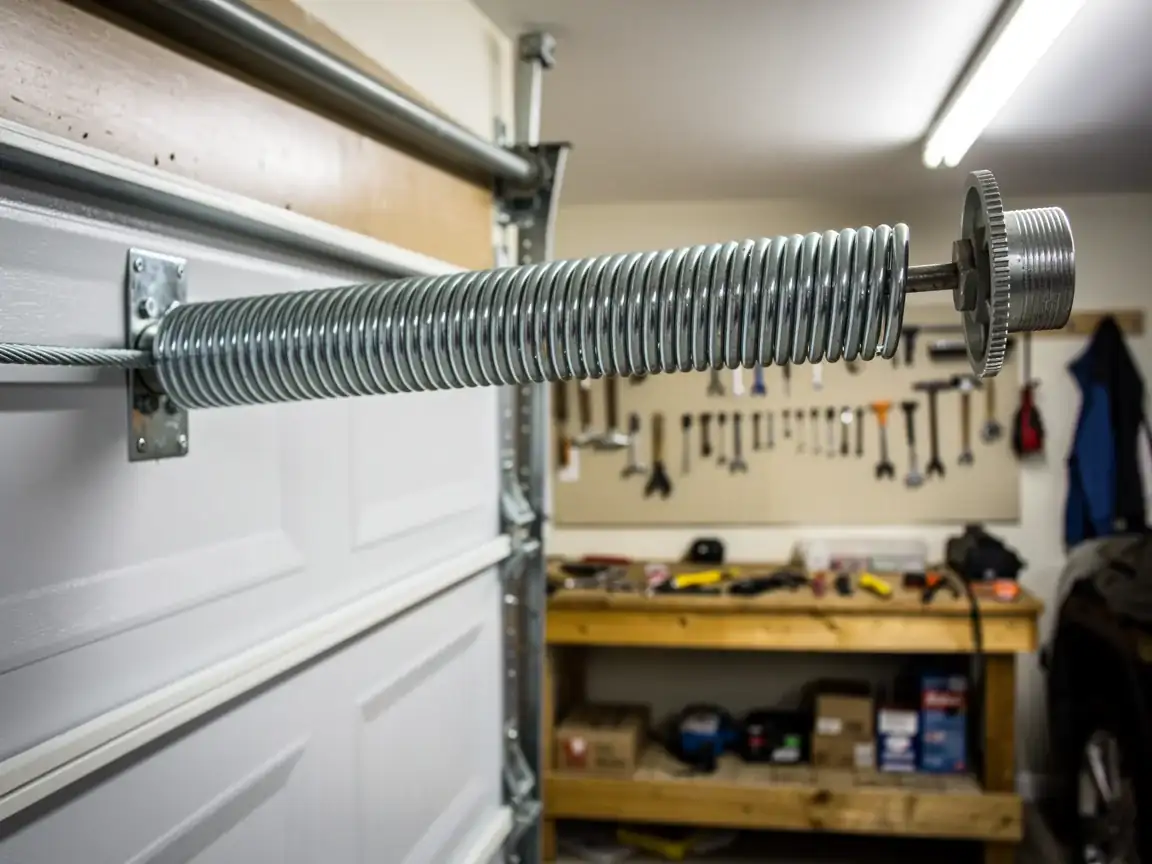
On site, the first job is making the door safe. A broken torsion spring under tension can do real damage, so we clamp it down before anyone touches the opener or the cables. From there it's diagnosis in order: springs, cables, rollers, track alignment, then the opener itself - gears, circuit board, sensors. Most emergency calls across this service area turn out to be one of those first three, not the opener.
We fix what's broken and get the door operating safely that visit when the part is one we carry. If it's a size or a drive system we don't have on hand, we'll say so and tell you honestly when we can get it, rather than bolting on something that's close enough. A repair that isn't done right just turns into a second emergency call.
Why It Happens Here
Housing across this service area was built mostly between 1957 and 2007
With the median landing around 1982, and the bulk of it across the 57 named communities we cover dates to the 1980s and 90s. That matters because torsion springs have a service life measured in cycles, and a spring installed when a house was built in the early 80s has been doing its job for four decades of open-close cycles by now. It's not a question of if it breaks, just when.
The climate band here is cold, severe end
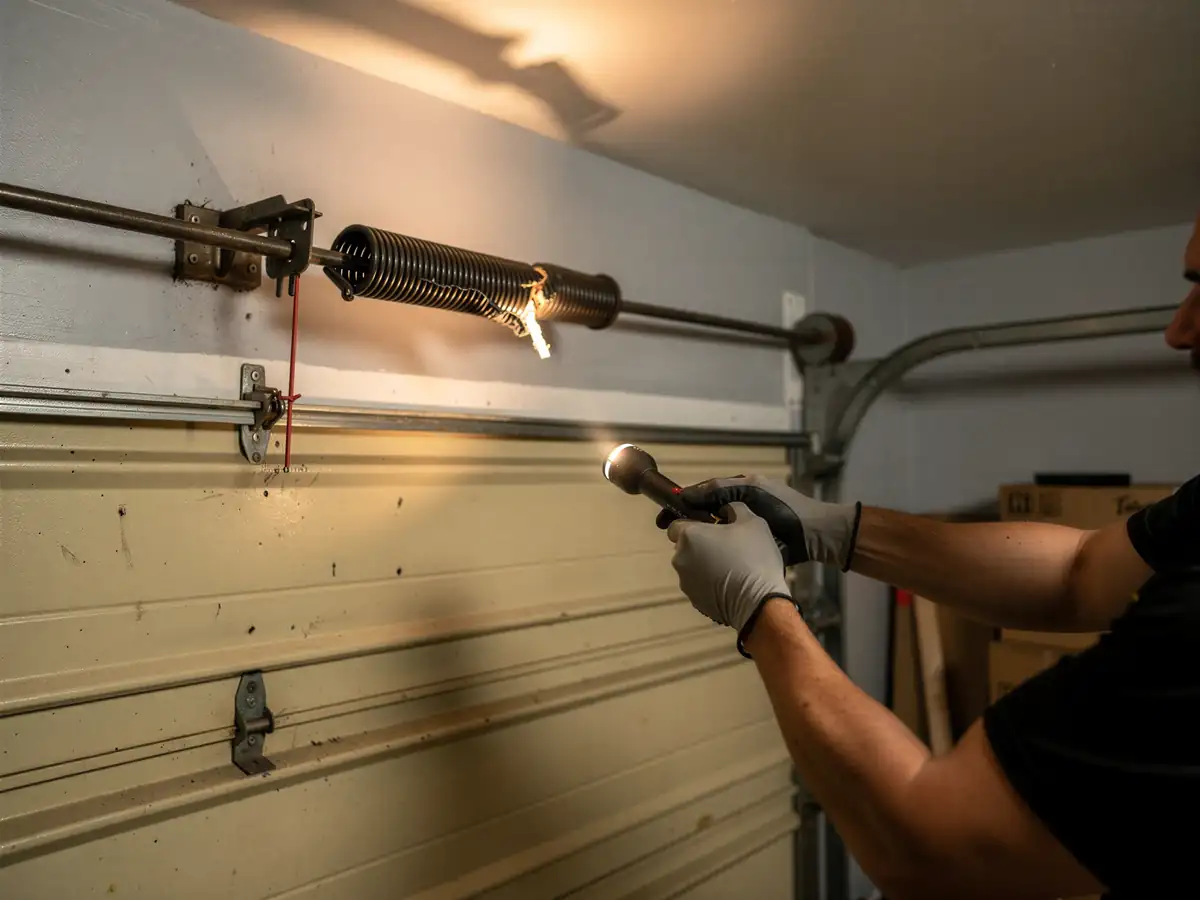
Steel contracts in deep cold, and a spring already near the end of its wind count is far more likely to snap on a hard freeze than on a mild one. That's why emergency calls cluster the way they do - not randomly, but in cold stretches hitting houses whose springs were already due.
Openers fail for a related but separate reason
Gear sets and circuit boards in units installed in that same build-out window are also reaching the end of their practical life. A house built in 1985 with its original opener is carrying forty-year-old electronics, and those don't give much warning before they quit.
The Symptom
The door won't move and the opener light is on - that's usually a broken spring, not a dead opener. The opener motor can't lift a door with a snapped spring, so it hums or clicks and goes nowhere. If you hear a loud bang before this happens, that's almost always the spring letting go.
The door opens partway and reverses - that's often a sensor misaligned by cold-weather contraction, or a cable starting to fray. Cables stretch and fray gradually, then fail all at once, usually on a cold morning when the steel is stiffest.
The door is off its track, hanging at an angle - a roller has come out of the track or a cable has snapped on one side. Don't force the opener in this state; running it can bend the track or rip the section apart.
Total silence from the opener, no light, no sound - check the breaker first. If power's fine, it's the board or the motor, and that's a parts call, not a five-minute fix.
What Is on the Truck
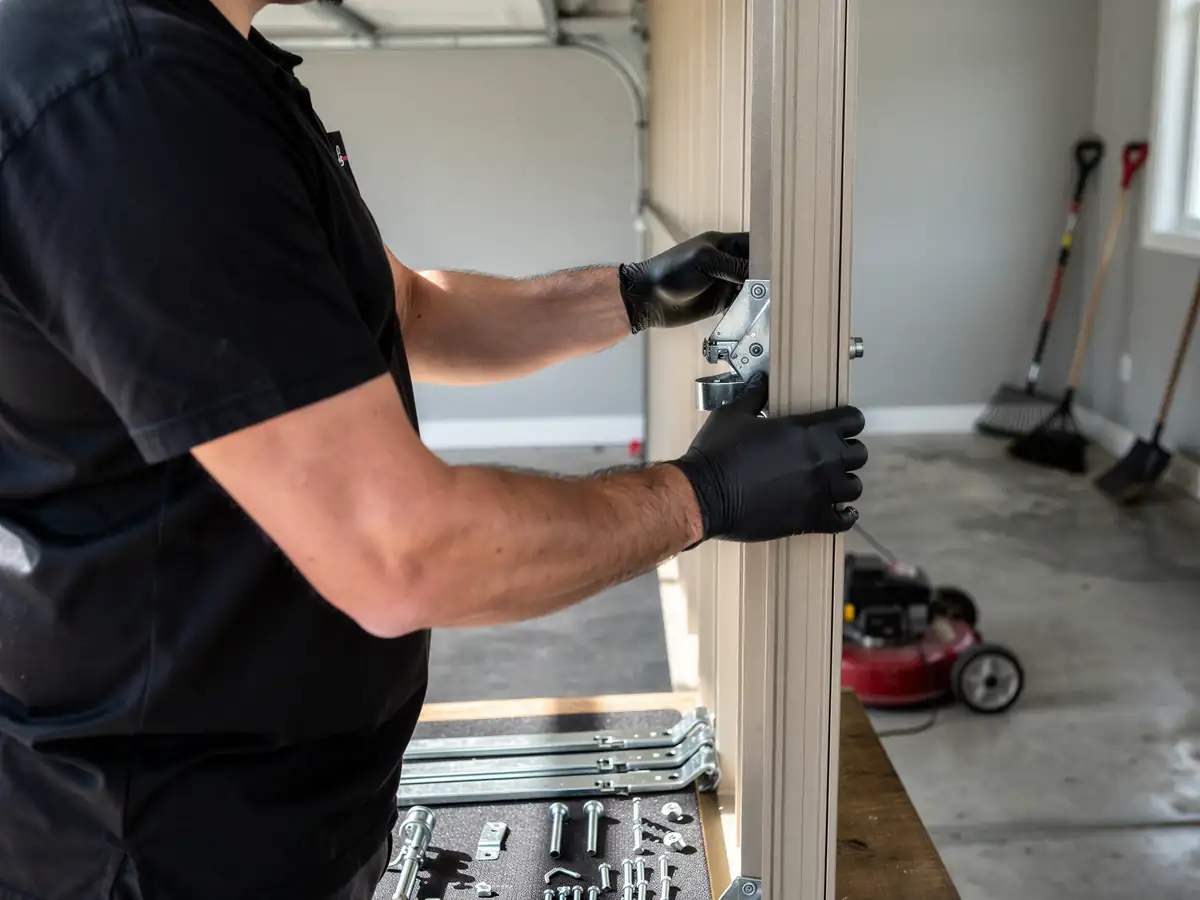
We carry the torsion spring sizes that match the standard setups found across homes built from the late 1970s through the 2000s, since that's the era most of this service area's housing falls into. Same with cables, rollers, and the common sensor and gear-kit parts for openers from that window.
What we don't carry for every call is a replacement for every opener model ever sold, or oversized commercial spring systems - those sometimes need to be ordered, and we'll tell you that up front rather than make you wait on site while we figure it out. If a door's cycle count and age mean the opener board is original to a house built decades ago, sometimes the honest call is to replace the opener rather than chase a failing part with a patch that won't last the winter.
We also carry basic galvanized track sections and a stock of lift cables, since cable failure on a cold morning is one of the more common reasons for an emergency call across these towns.