What You Pay
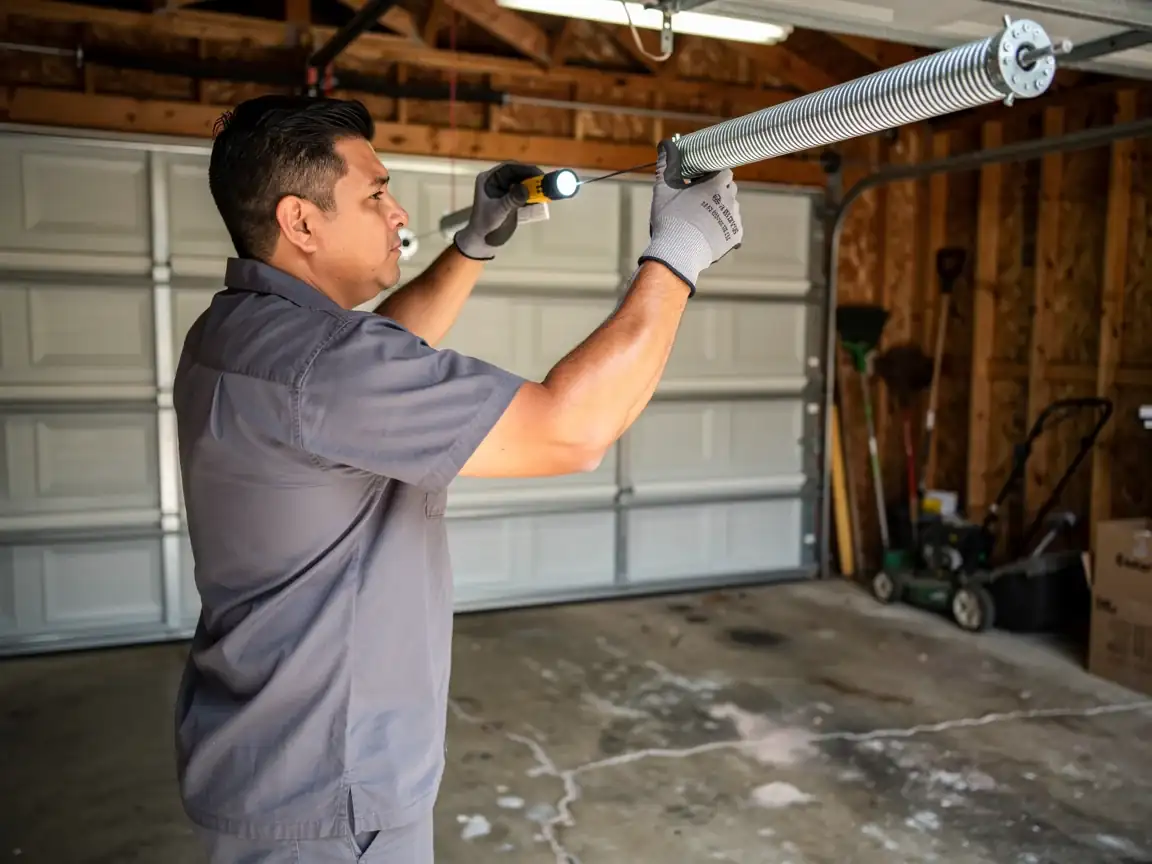
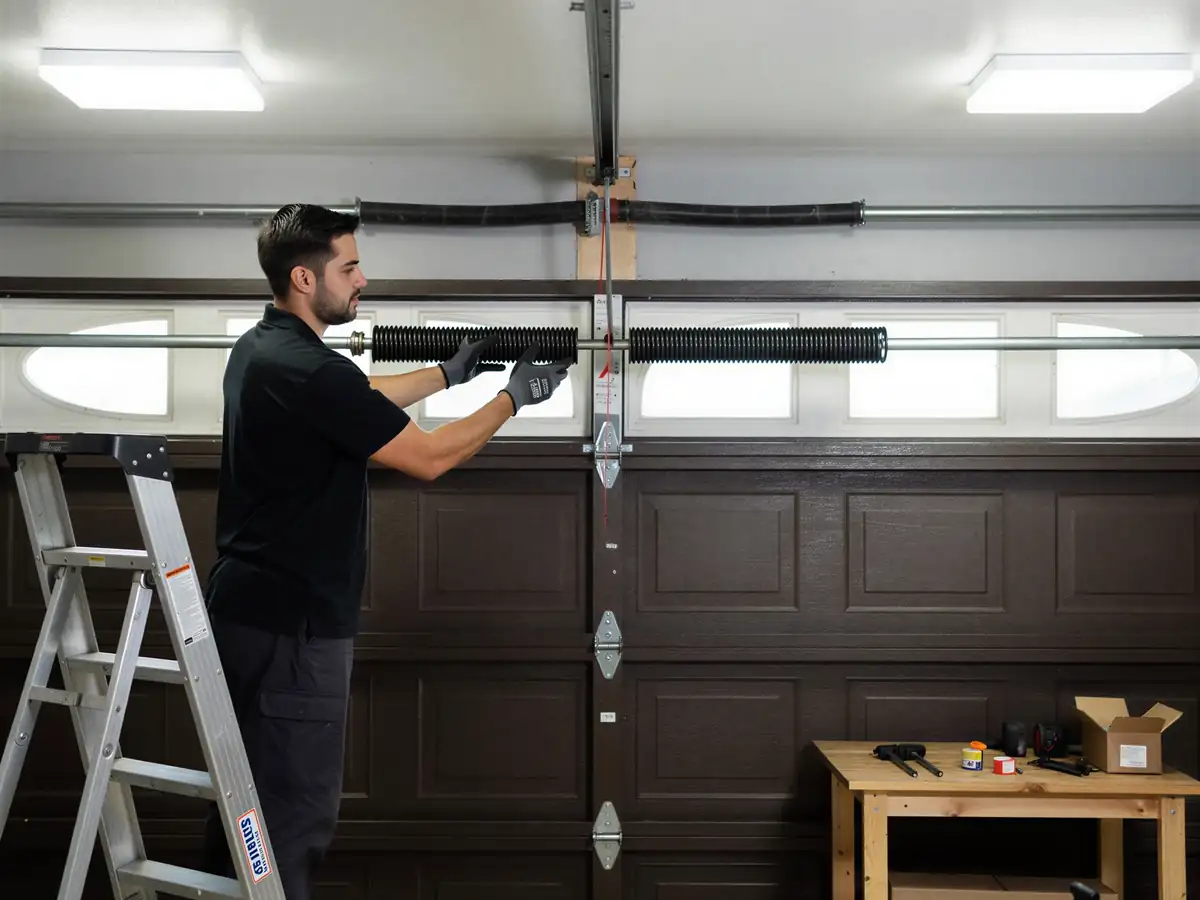
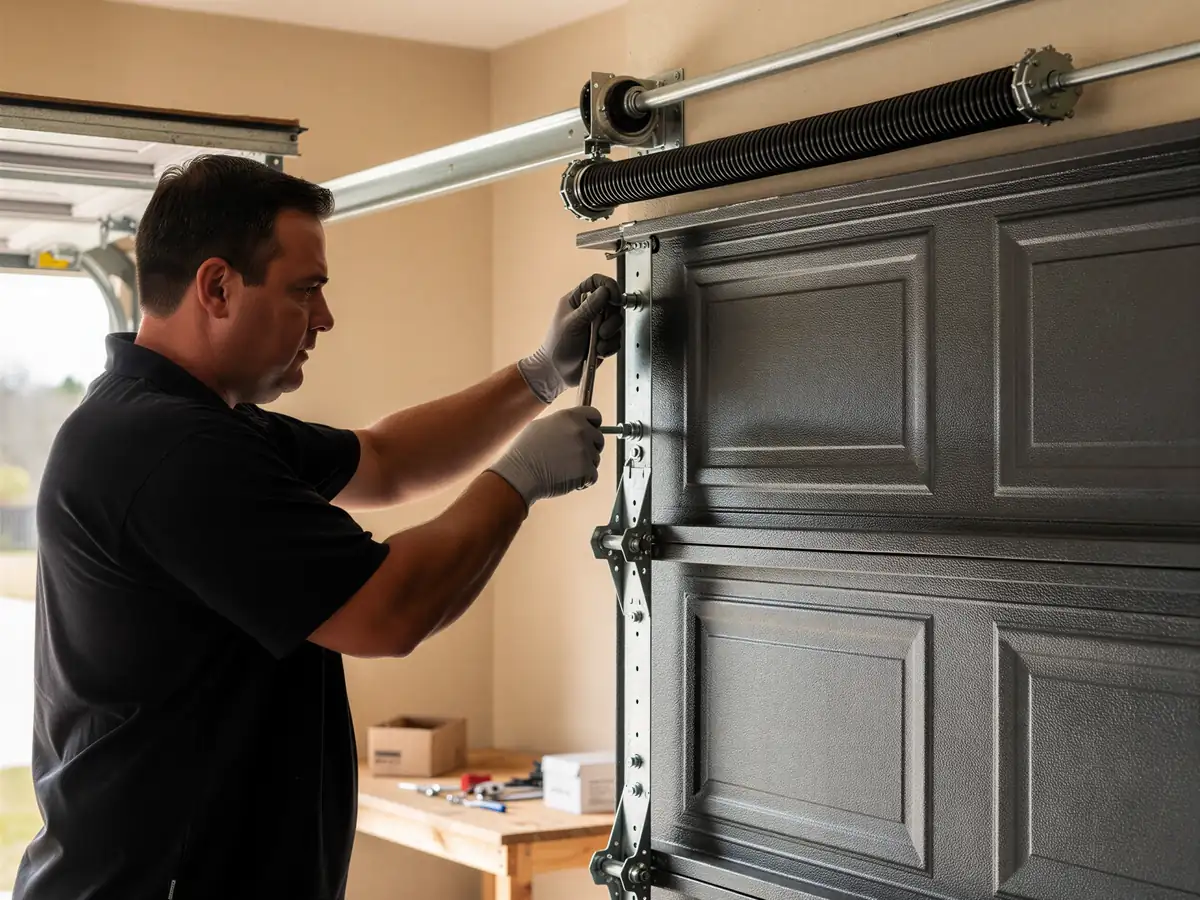
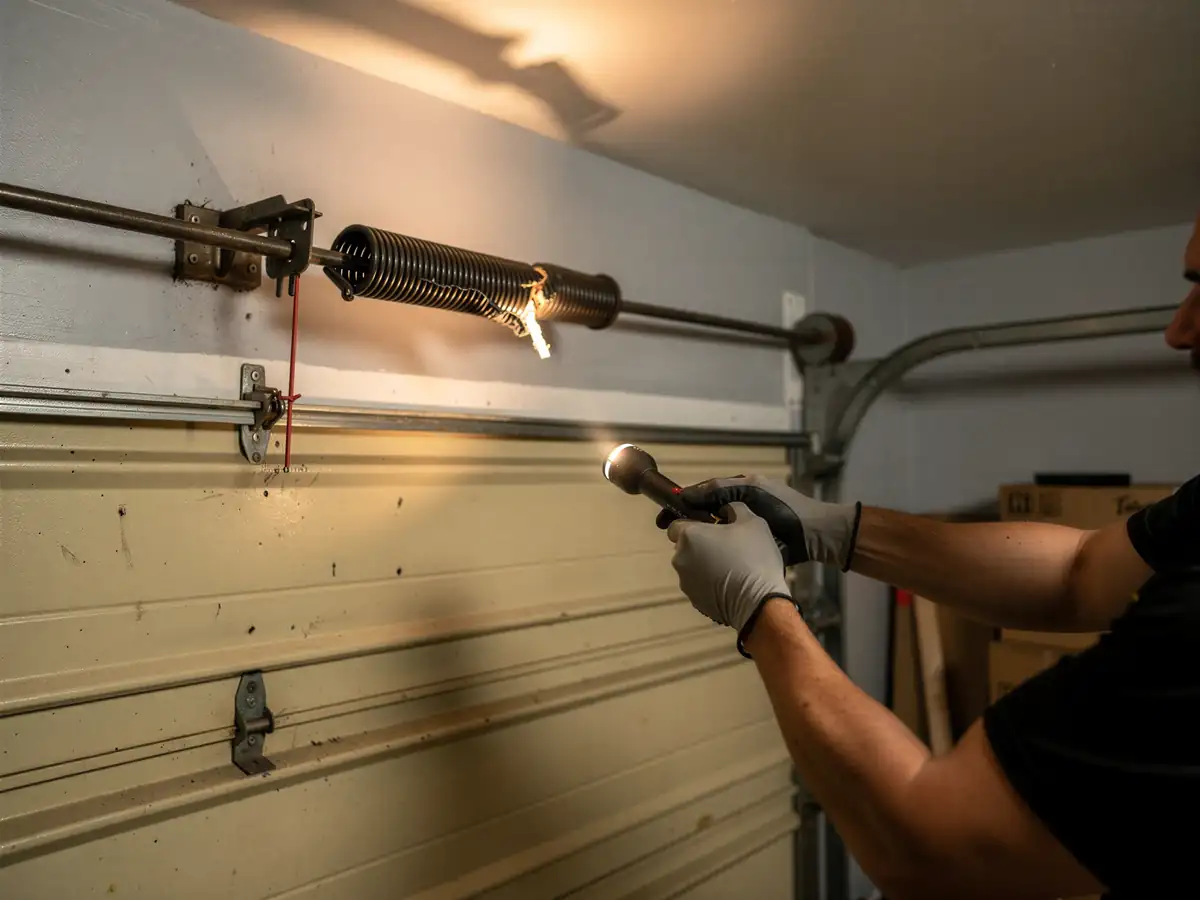
We don't have a price list to hand you here, so we won't invent one. What we can tell you is what drives the cost conversation when an opener quits during a power cut. If the opener itself is fine and it's just a dead battery backup or a blown circuit, that's a small call. If the power cut happened to hit right when a spring let go or a cable jumped the drum - which does happen on older units that haven't been serviced in years - you're looking at a bigger job, and the opener repair is the smaller half of it.
Maple Grove's median household income sits at $112,060, and across the wider service area there are 152,017 owner-occupied houses among 290,218 households. That's a lot of garages, a lot of openers, and a wide spread of ages on those openers. A house built in the 1980s, which is close to the median build year here, is a different opener-replacement conversation than a house finished in the 2000s. We'll tell you straight if a repair isn't worth it versus swapping the unit - we'd rather lose a repair ticket than sell you a patch job that fails again next winter.
How Local Conditions Play In
Maple Grove's housing stock runs 1957 to 2007
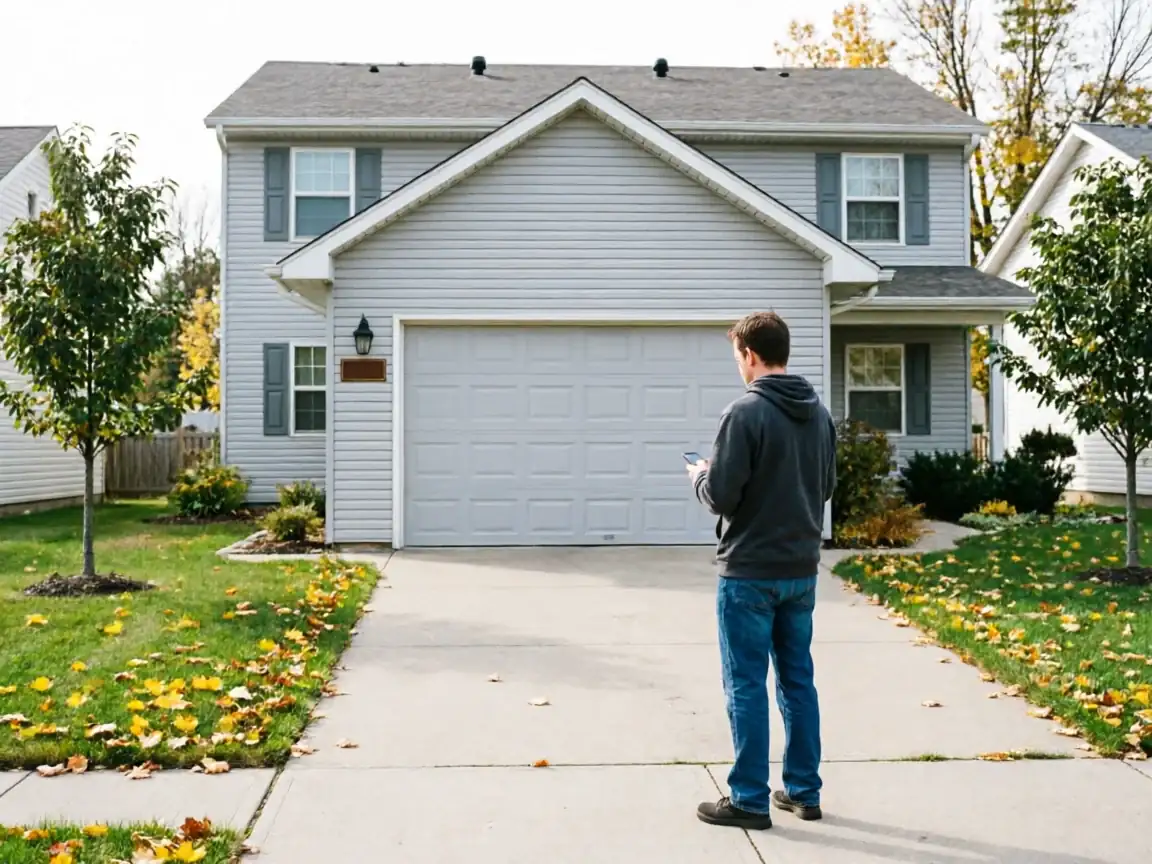
With the bulk of it going up through the 1980s and 90s, and that spread shows up directly in opener problems. Homes from the earlier end of that range often still carry original chain-drive openers with no battery backup at all - when the power cuts, the door simply doesn't move, full stop, manual release or nothing. Homes built later, closer to the 2000s end, are more likely to have a belt-drive unit with some kind of backup already built in, though plenty of those backup batteries are original too and dead by now.
This isn't unique to one block
It's spread across the 57 named areas that make up this build-out, so the fix depends on which era your house landed in, not on a one-size answer. We check the opener's age and drive type before we talk backup options, because putting a battery backup on a 20-year-old chain-drive motor sometimes isn't worth the money - the motor itself is closer to the end of its life than the backup would be.
The Seasonal Bit
This area sits in a climate band rated cold and severe, and that matters more for openers than people expect. Cold doesn't just stiffen springs and thicken grease on the track - it's also the season when the grid around here takes the most hits, and that's exactly when you don't want a door stuck shut or stuck open. A door frozen in the open position in a severe cold stretch is a heat-loss problem and a security problem at the same time.
We see the pattern every year: calls cluster when a cold snap lines up with a power interruption, because that's the one combination that exposes every weak point in an opener system at once - the backup battery nobody tested, the manual release nobody's family knows how to find, the travel limits that were already drifting before the cold made them worse. If your opener has a battery backup, the cold stretch is the time it gets tested whether you plan for it or not.
What Is Going On
Put the pieces together and the pattern in Maple Grove is this: a housing stock that spans 1957 to 2007 means opener ages and drive types vary block to block, and a cold-severe climate means power interruptions and opener failures tend to show up together rather than on their own. Neither fact by itself is the whole story - it's the two stacked on each other that catches people off guard.
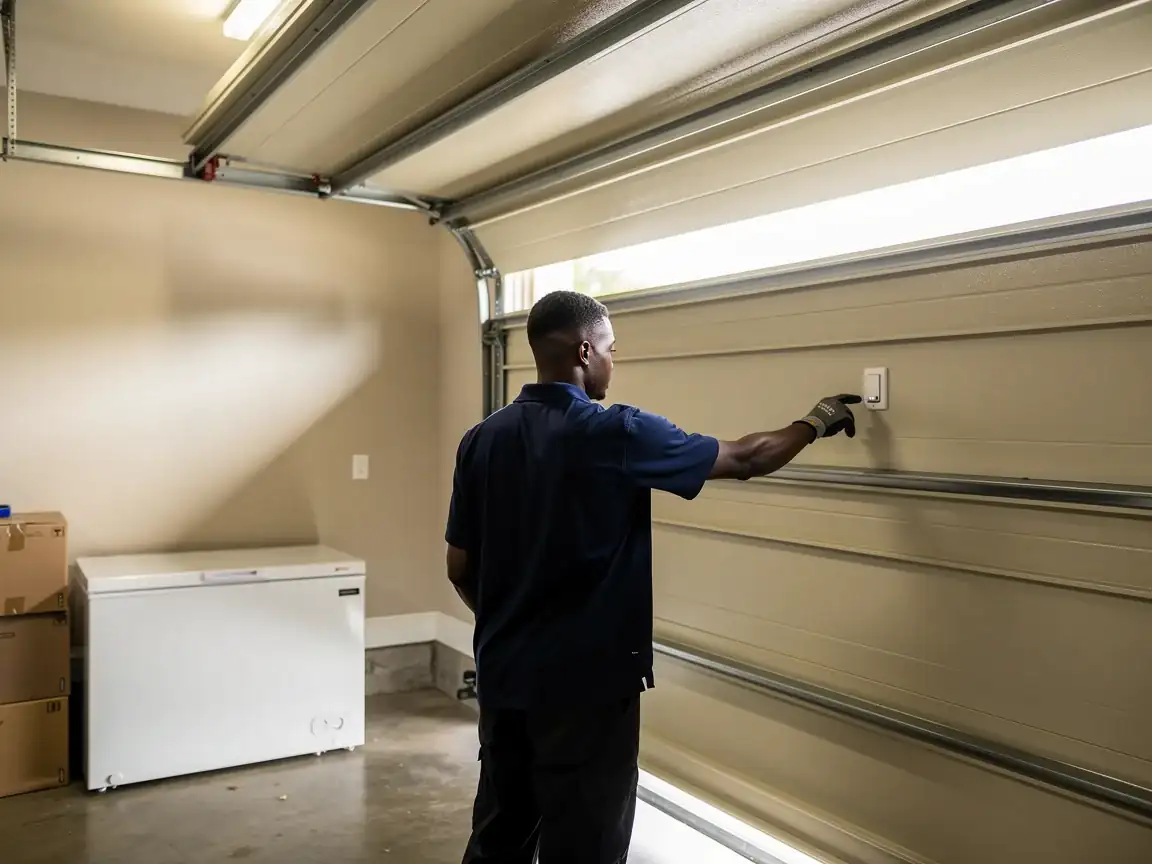
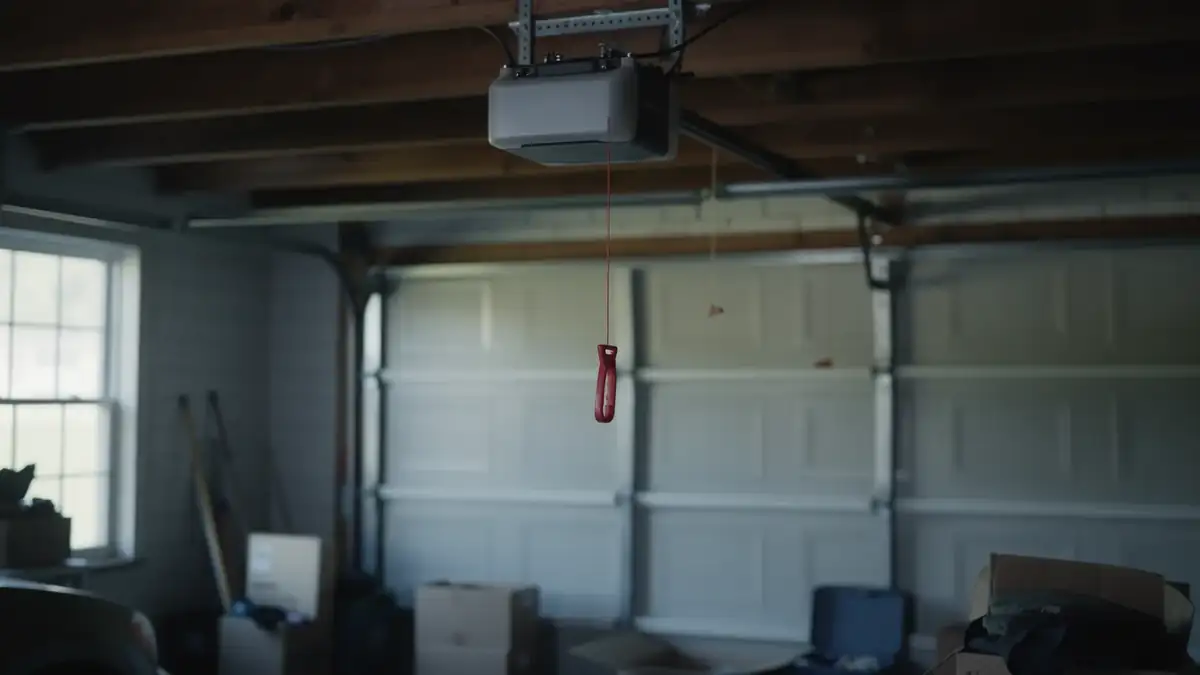
We won't tell you every house needs a battery backup installed tomorrow - some openers are old enough that the backup isn't the weak link, the motor is. What we will say is that if your opener predates a battery backup option and you're in one of the older pockets of this build-out, a manual release you can actually find in the dark is worth more than most add-ons we could sell you. That's not a sales pitch, it's just the order we'd fix things in if it were our own garage.