How We Fix It
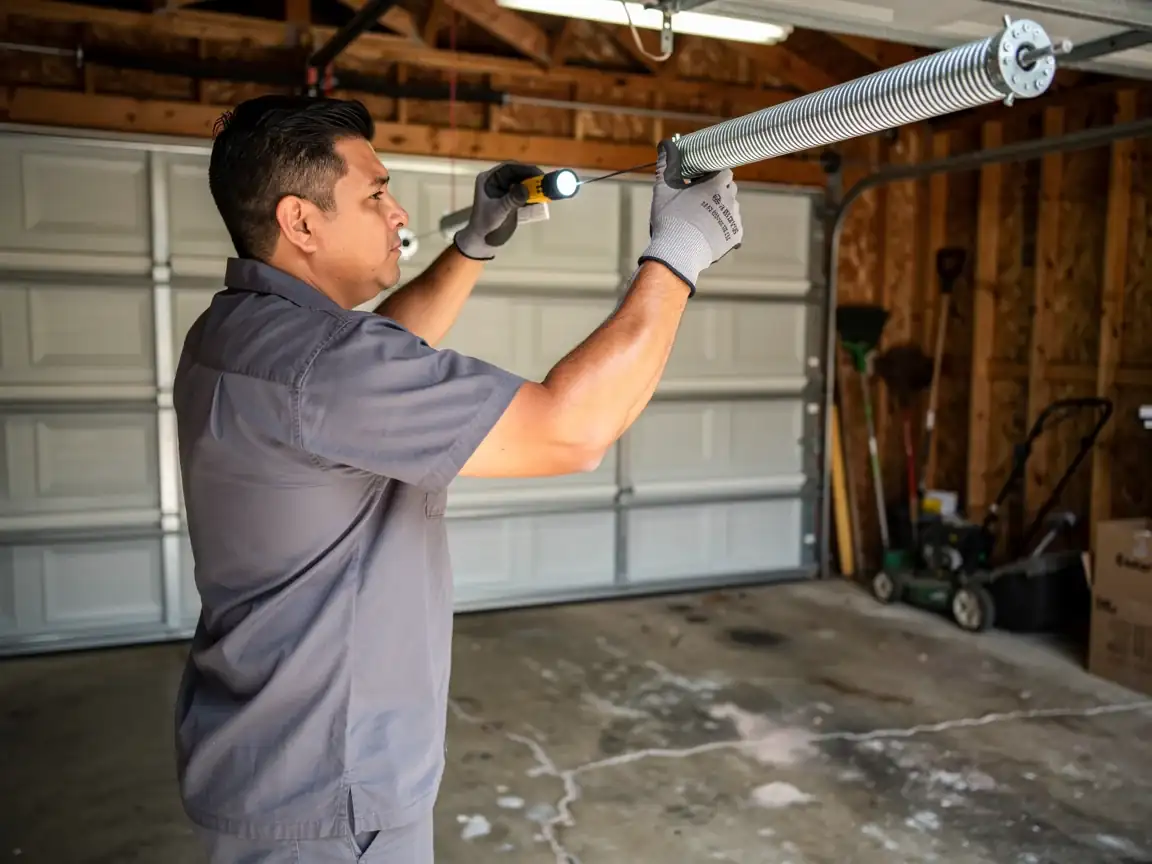
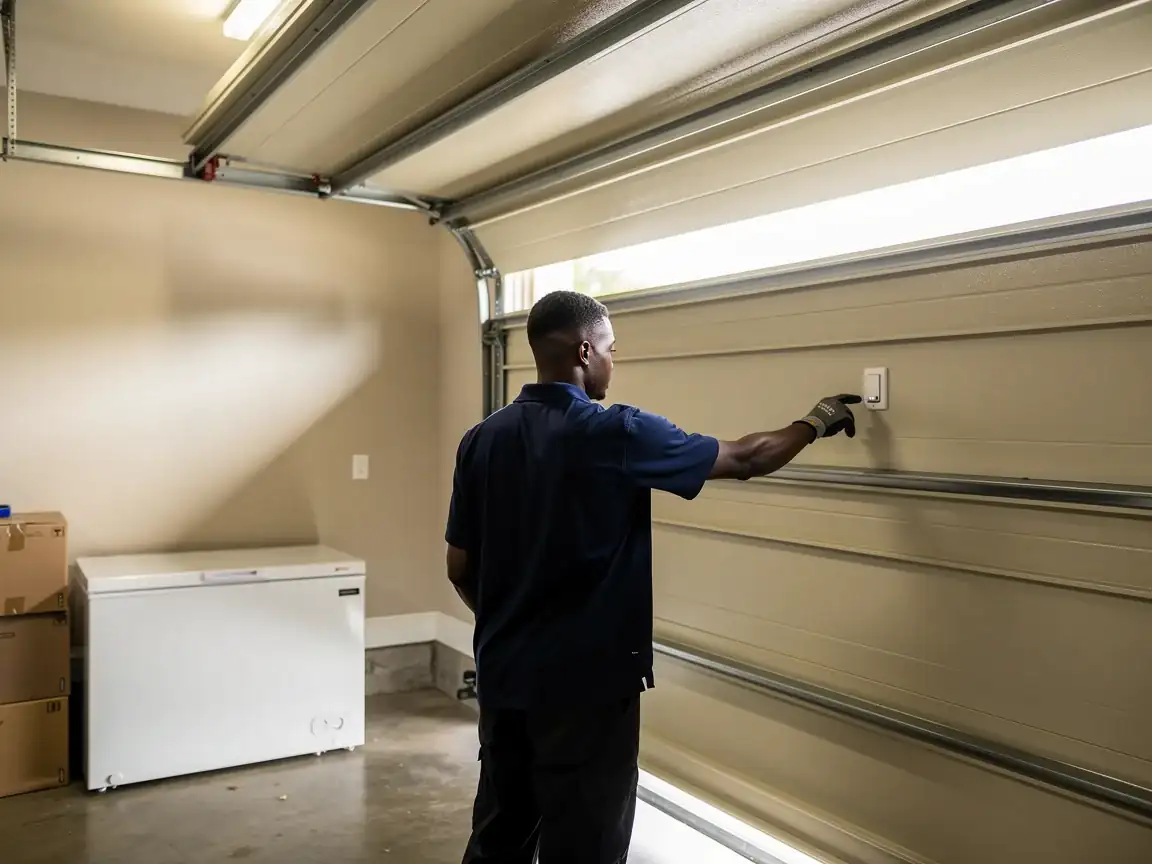
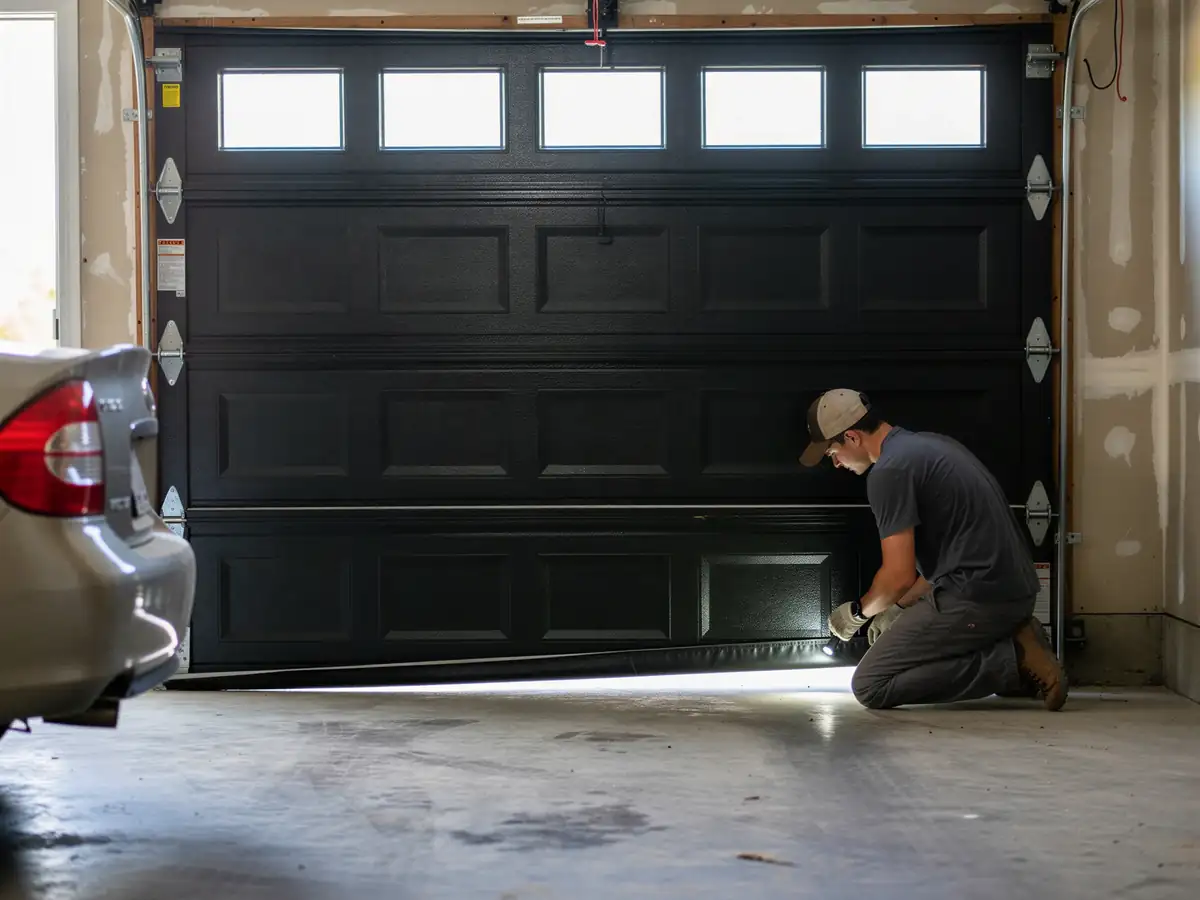
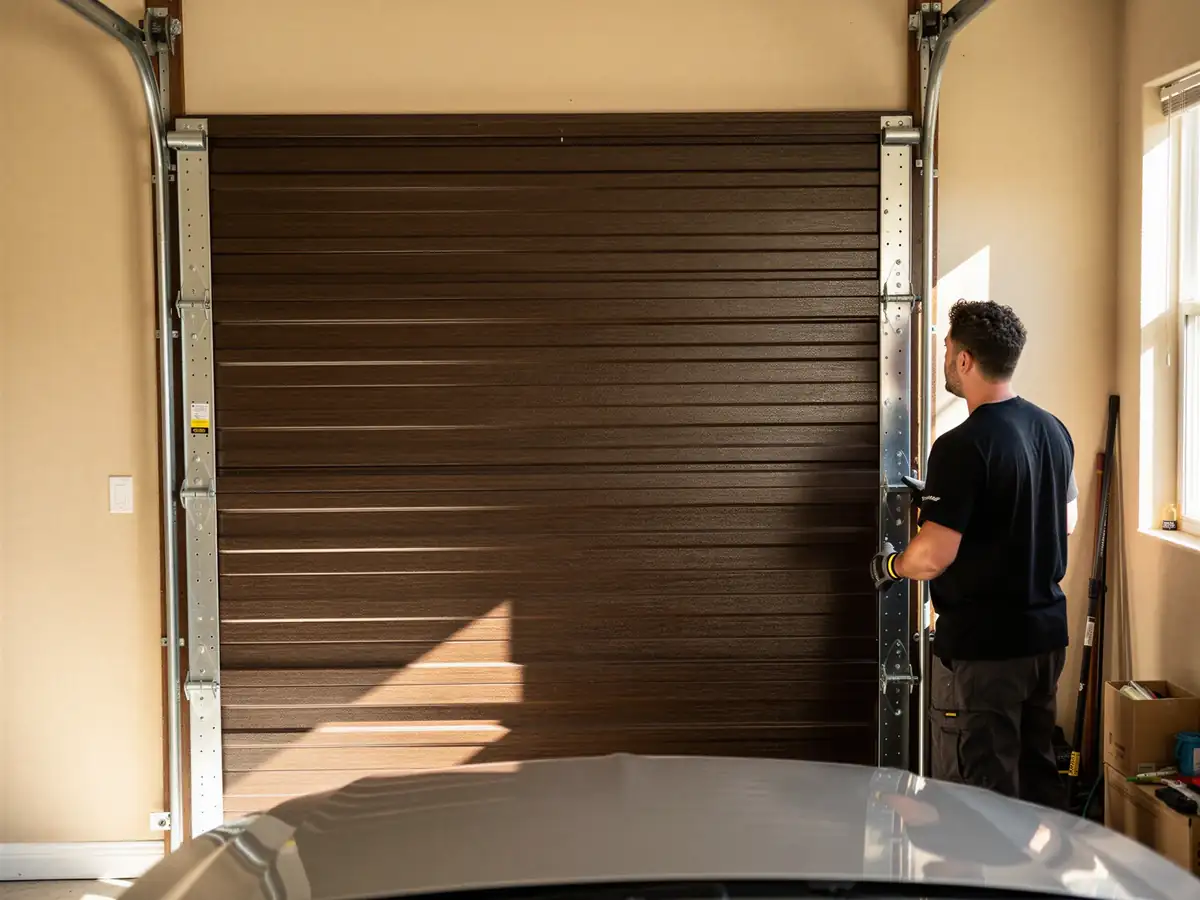
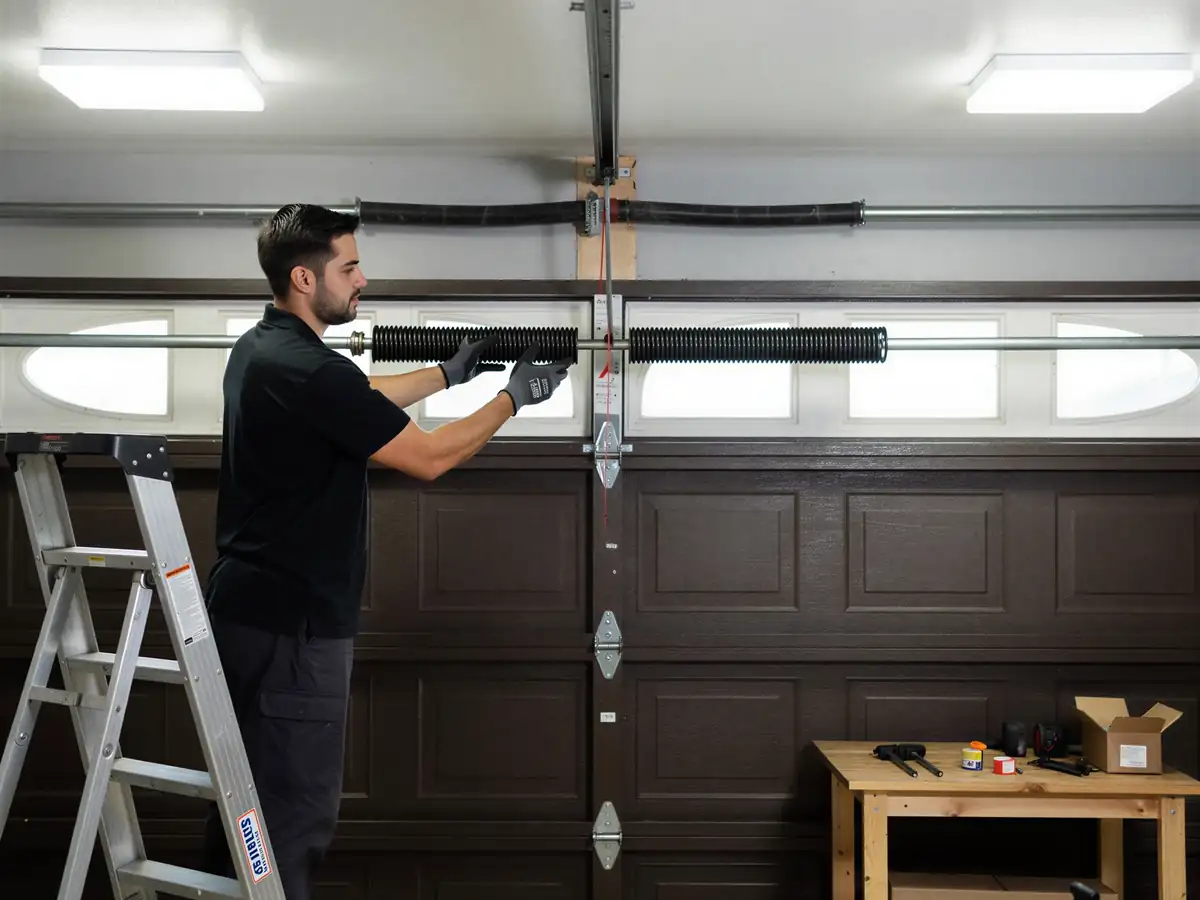
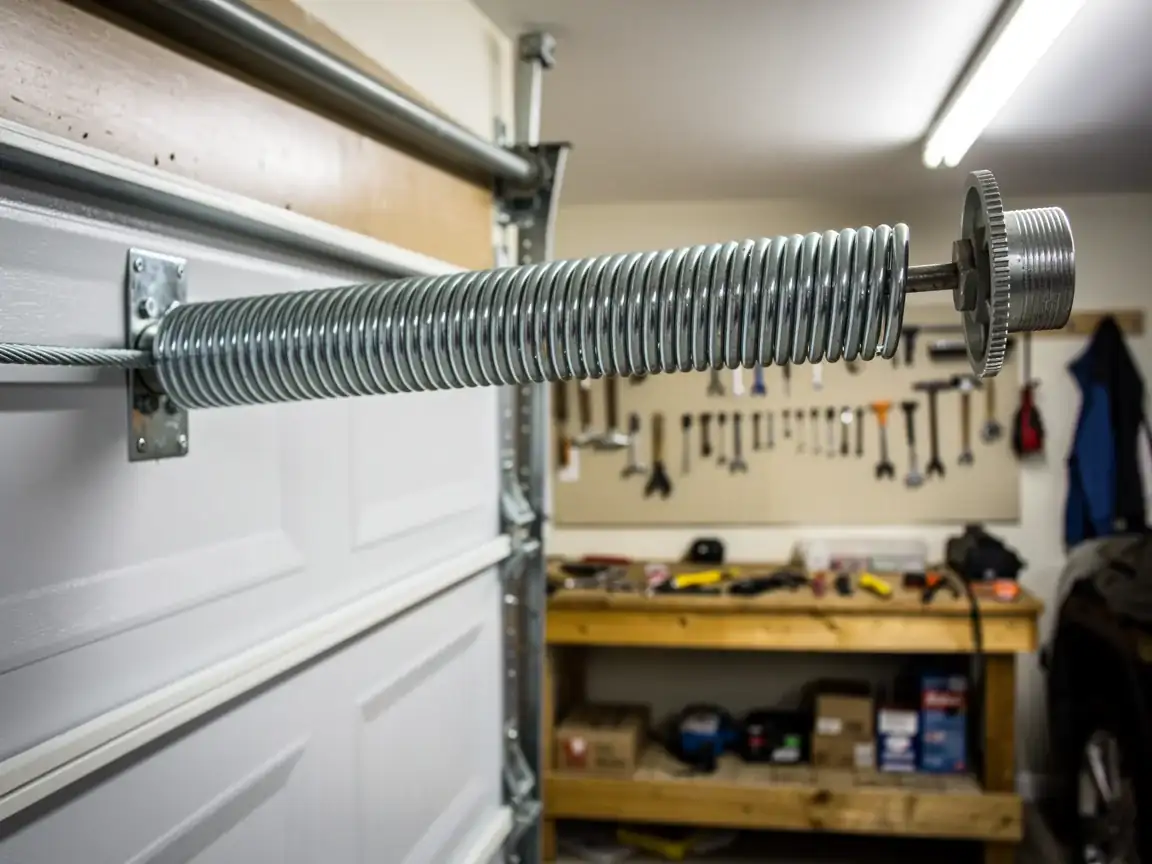
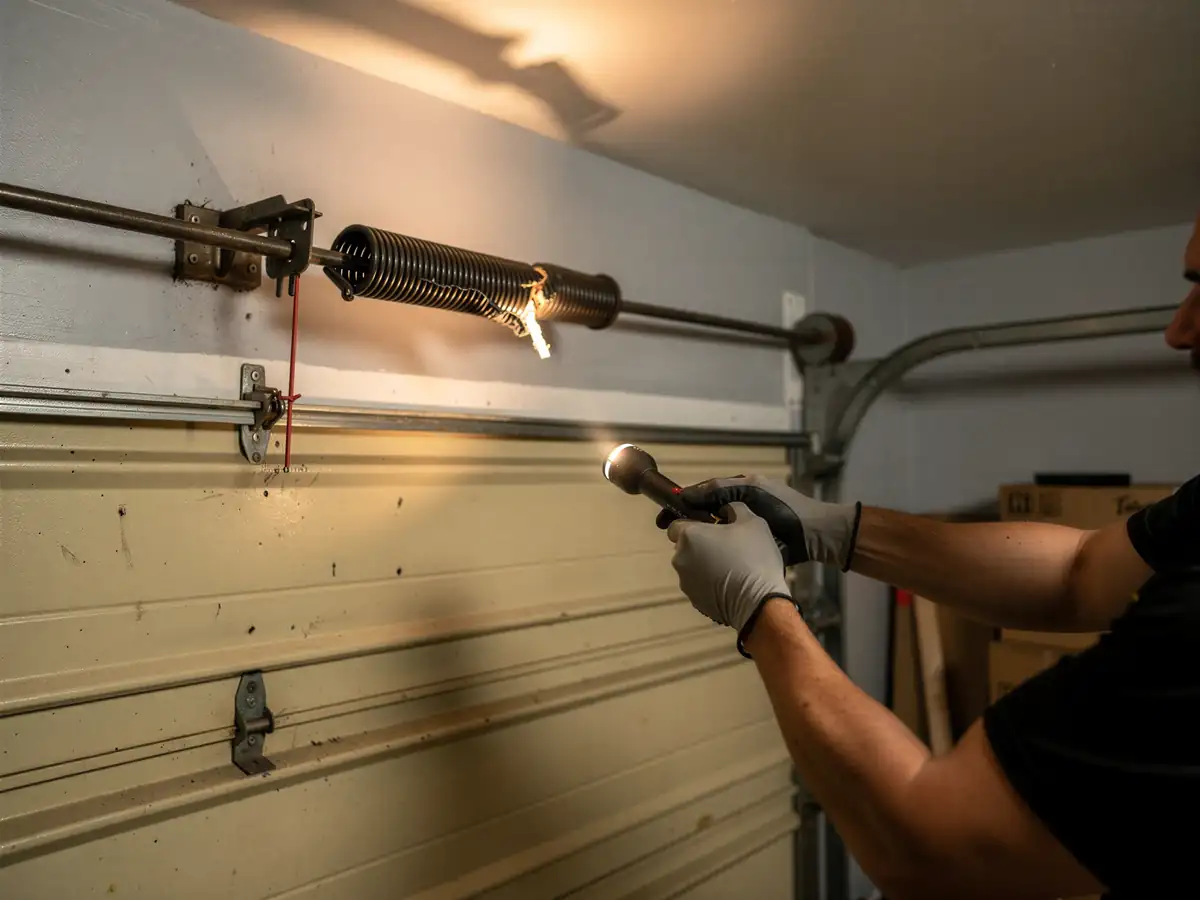
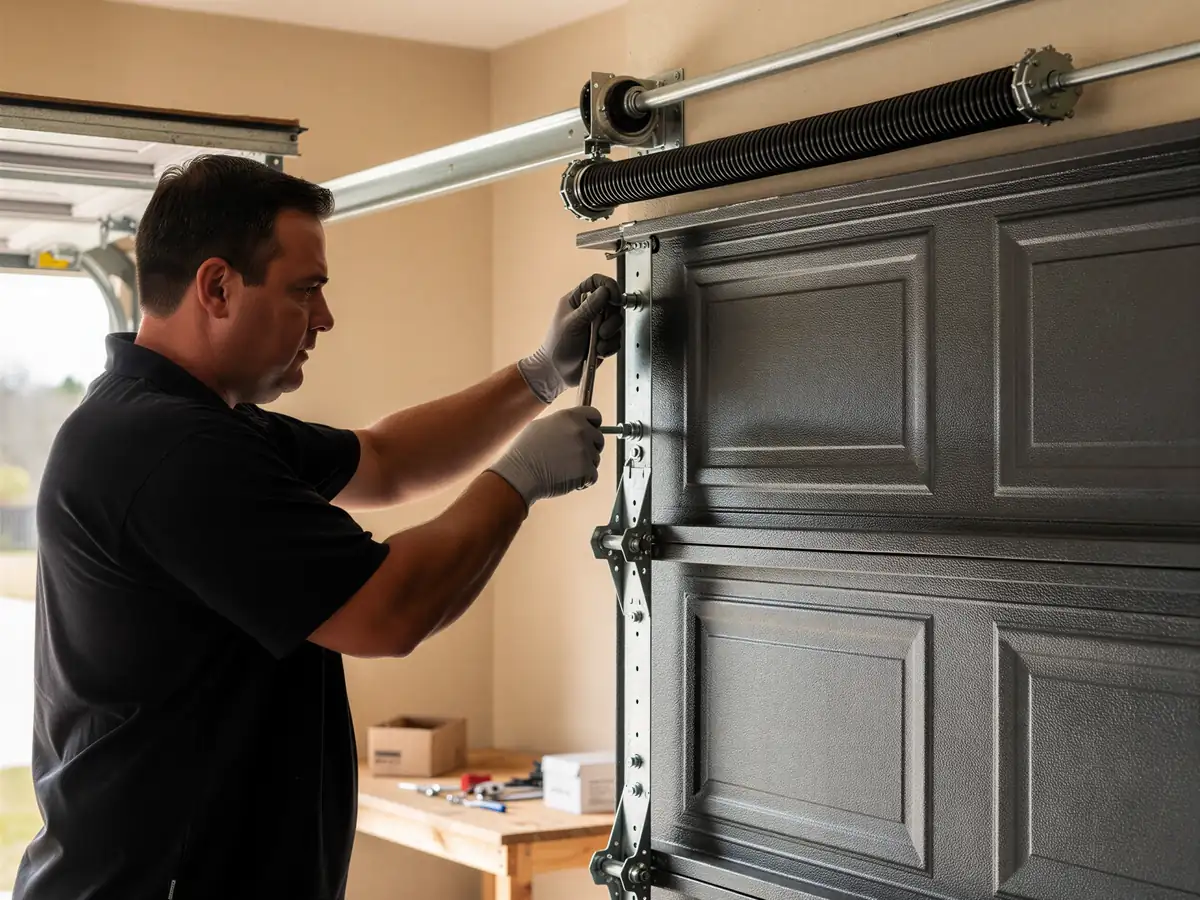
A real maintenance visit isn't a wipe-down and a wave. We check torsion spring tension and balance, because a door that's even a few pounds off balance wears the opener and the cables twice as fast. We lube the rollers, hinges, and torsion shaft with a lubricant rated for cold, not the household grease that gums up at ten below. We check track alignment, since steel tracks shift a little every winter as the slab and the framing move with the frost. We tighten the hardware that backs out from vibration over a season of openings and closings, check the weatherstrip at the bottom panel and between sections, and run the opener through its force and reverse settings. None of this is glamorous. It's the difference between a spring that lets go on a Tuesday morning with the car half in the driveway and one that gets replaced on our schedule instead of yours.
We won't pretend a tune-up fixes everything. If a panel is rusted through or a track is bent from an impact, maintenance buys you nothing - that's a repair or a replacement conversation, and we'll tell you straight which one it is before we touch anything.
Why It Happens Here
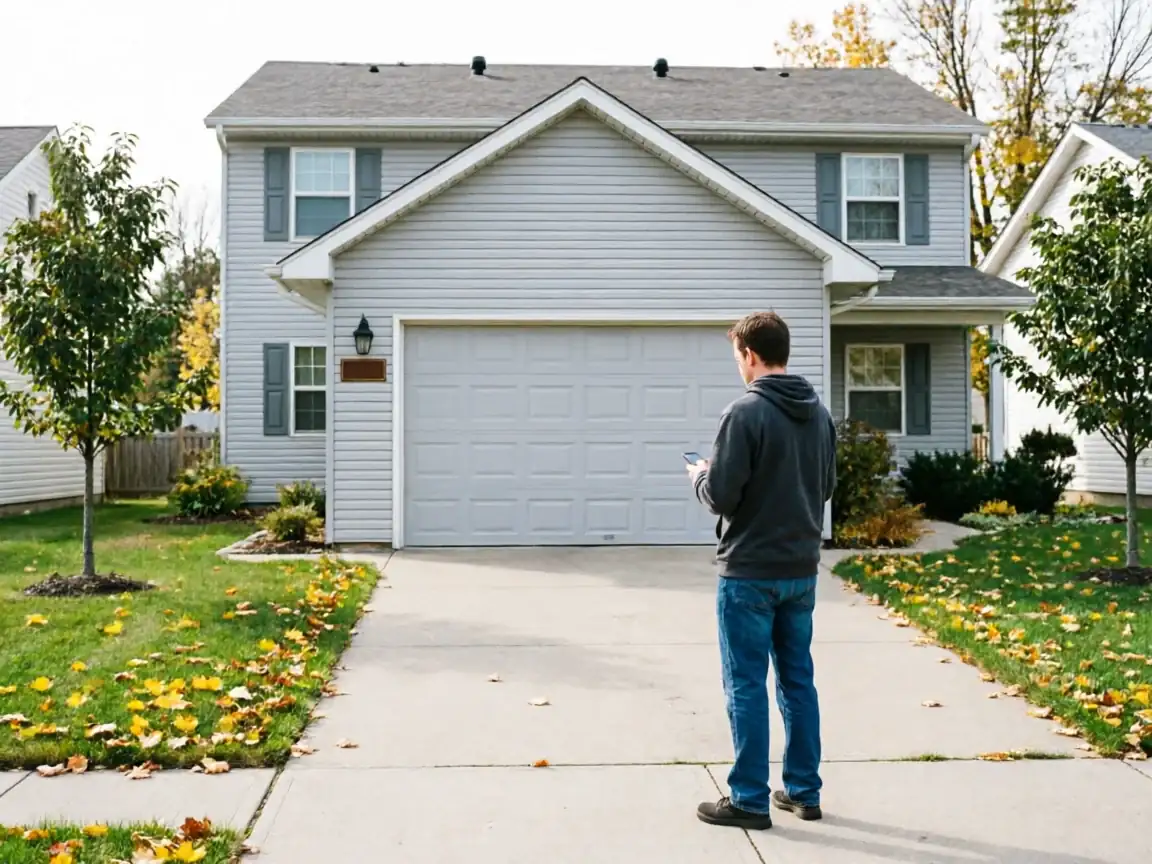
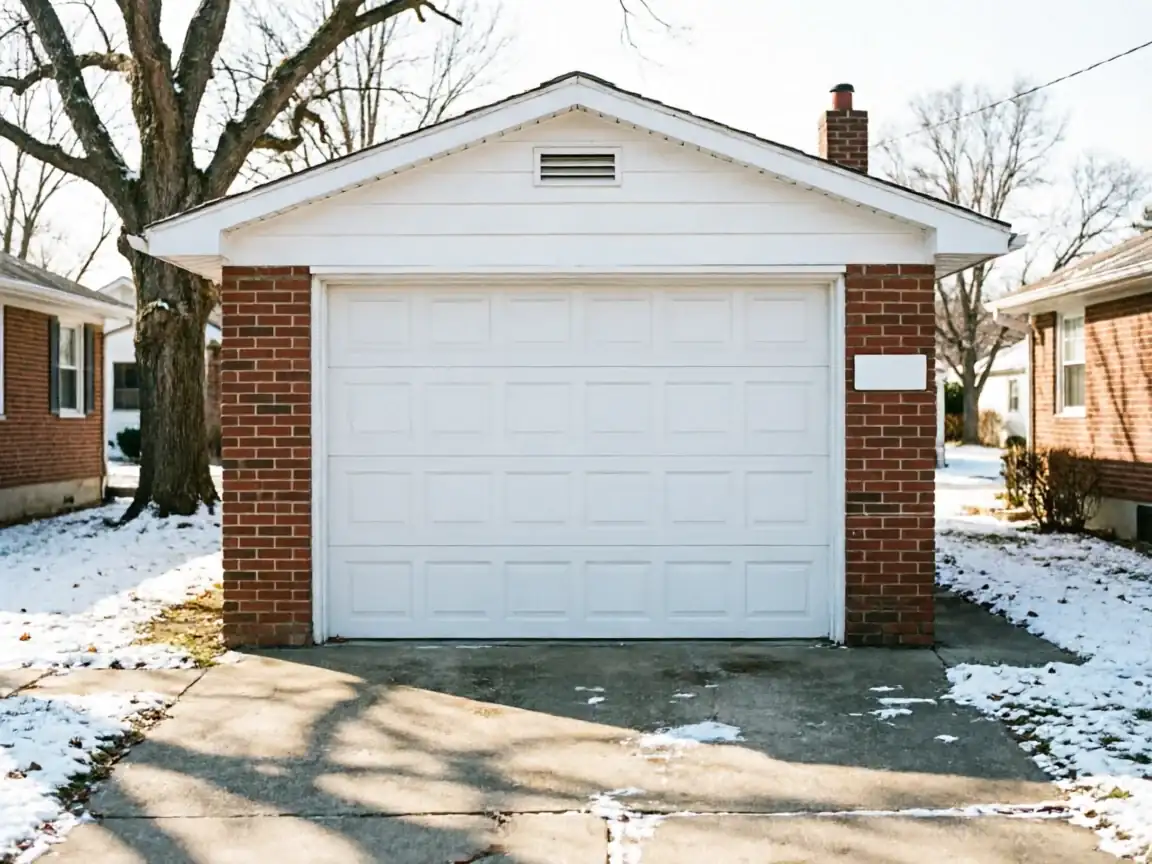
Housing across this service area mostly went up between 1957 and 2007
With the median build year landing around 1982, and most of it clusters in that 1980s-to-90s stretch across the 57 named areas we work in. That means a lot of original torsion spring setups, original openers, and hardware that's never been touched since the house was framed. None of that was built to last forever - springs are rated in cycles, not years, and a 35-to-40-year-old spring on a door that still gets used twice a day is well past its working life whether anyone's noticed yet or not.
Then there's the climate
This area sits in a severe cold band, and cold is hard on a garage door in ways that aren't obvious until something breaks. Grease thickens and stops doing its job. Steel cables and springs contract slightly, which changes the tension they were set at. Weatherstrip cracks and shrinks. None of this shows up in July. It shows up in January, usually on the coldest morning of the stretch, which is exactly when you don't want to find out your spring was already fatigued.
The Symptom
The most common call we get isn't a door that won't open at all - it's a door that groans, chatters, or hesitates on the way up, especially on the first cold mornings of the season. Owners describe a grinding noise from the springs, a jerky start-and-stop motion instead of one smooth pull, or an opener that strains and clicks before the door moves. Sometimes it's a door that closes unevenly, one side dropping faster than the other, which usually means the torsion spring has lost tension or the cable on one side has stretched more than the other.
Another version: the door closes fine most of the year but starts reversing itself in winter, or the opener's force setting that worked in August suddenly isn't enough once the grease on the track thickens up and the rollers drag. None of these are emergencies yet. All of them are the door telling you it's due.
What Is on the Truck
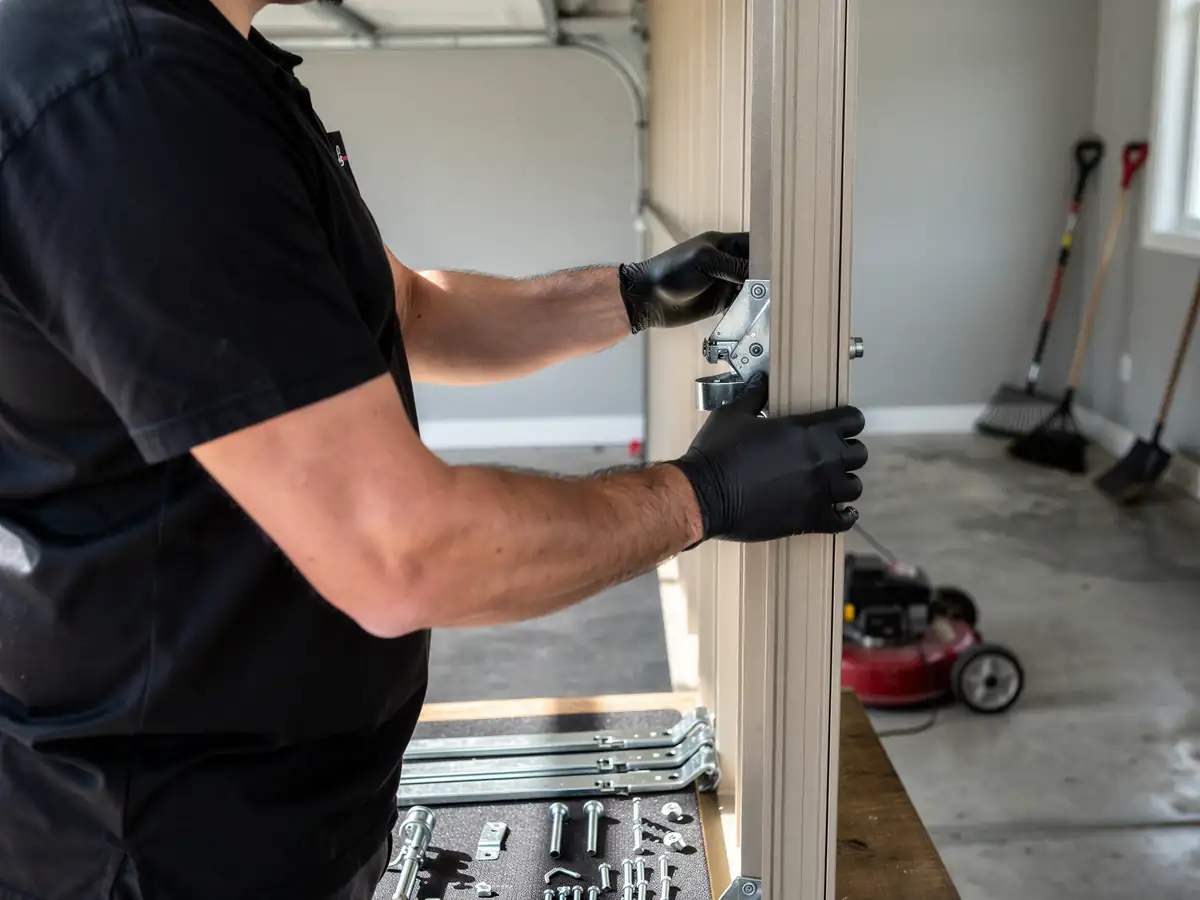
For a maintenance visit we carry lubricant rated to hold up in cold rather than gum solid, replacement rollers and hinges for the ones that have worn oval instead of round, torsion spring gauges to check tension without guessing, cable and end-bearing stock for the parts that show the most wear on original 1980s and 90s hardware, and weatherstrip in standard sizes for bottom seals and jamb seals that have cracked from UV and cold cycling.
We stock what covers most of what we find on a tune-up call in this area, but not everything. A door with a discontinued panel profile or an opener logic board that's failed outright isn't a truck-stock item, and we'll say so rather than string a visit out. Maintenance is meant to catch the small stuff before it's a 6 a.m. call - it's not a substitute for replacing a door that's genuinely past its service life.