How We Fix It
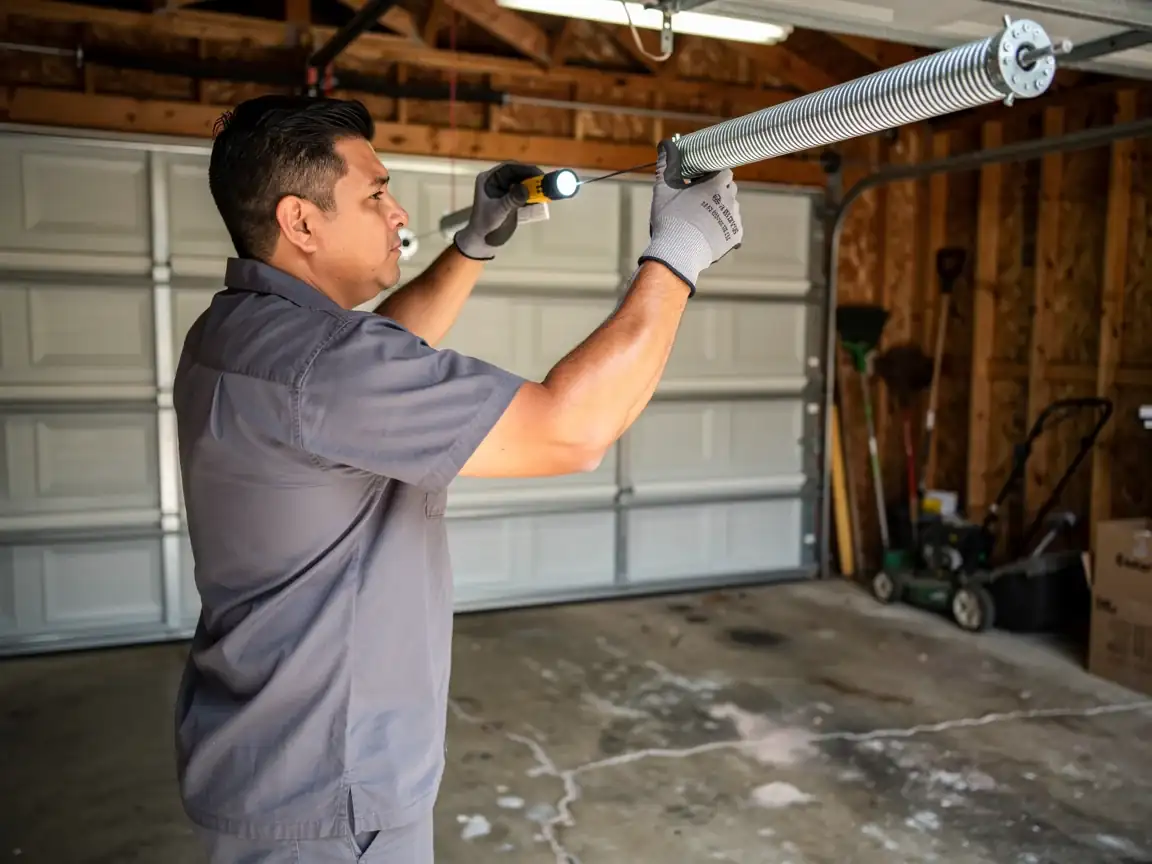
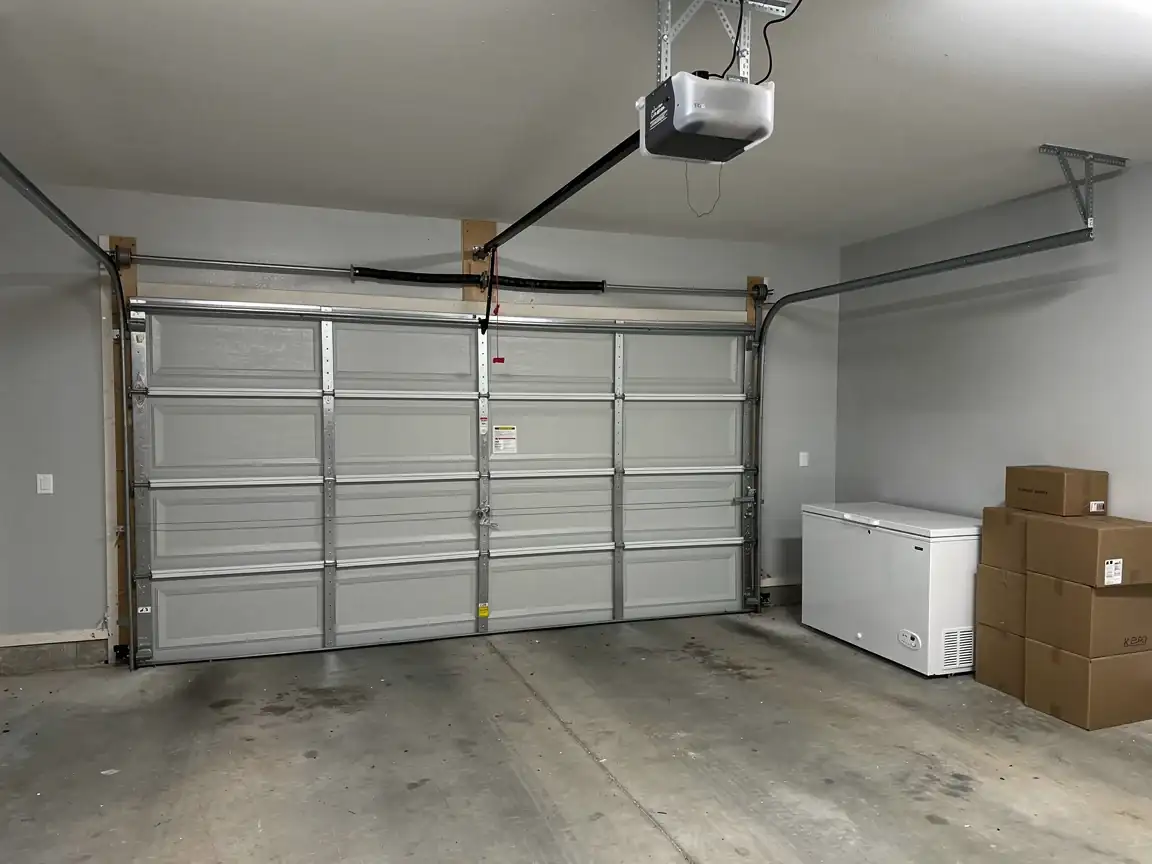
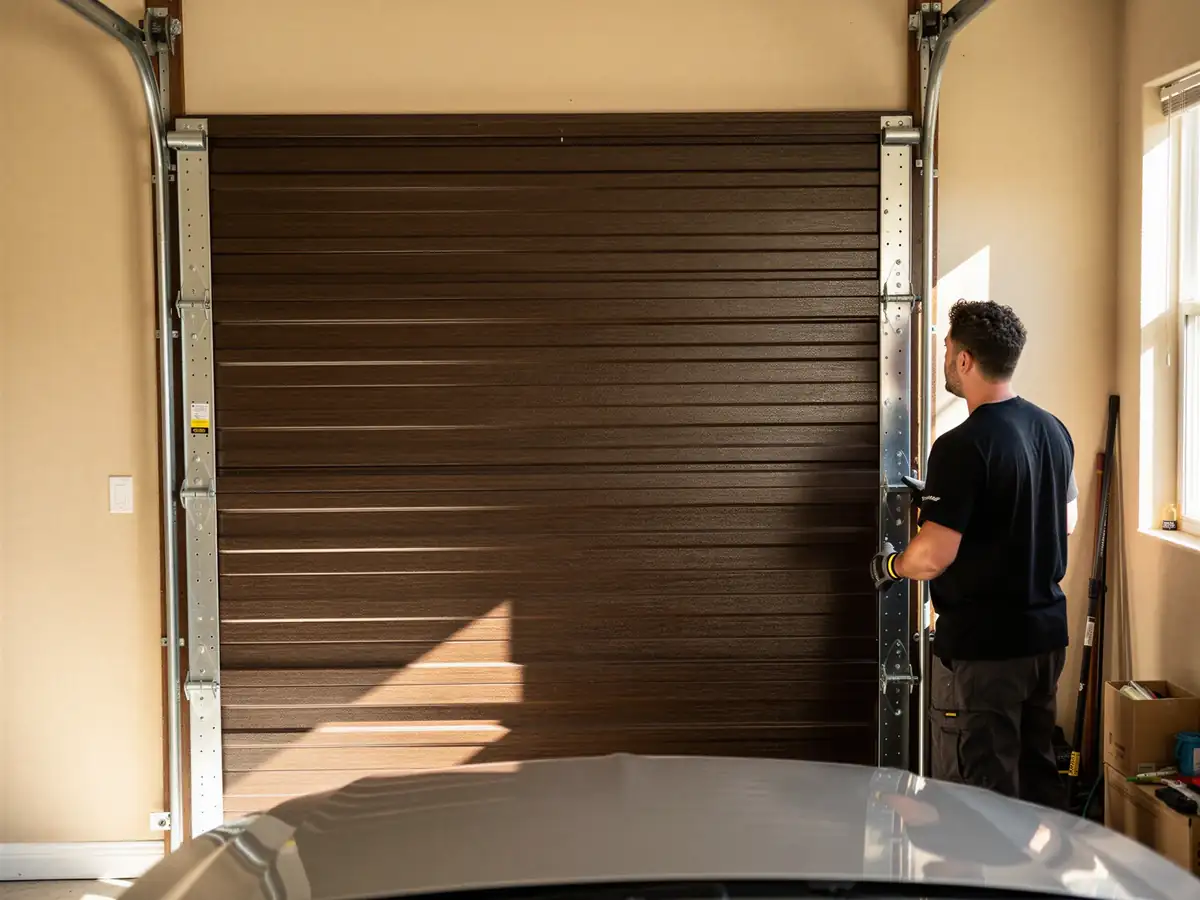
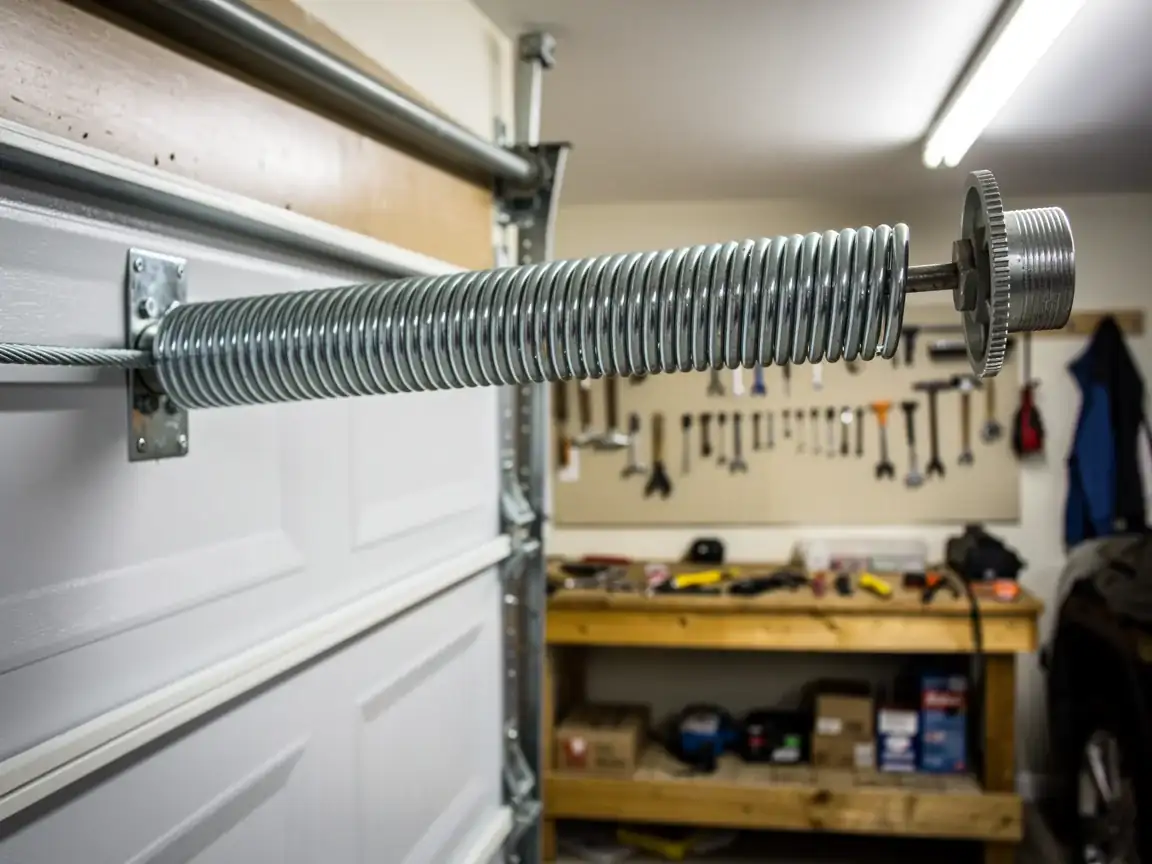
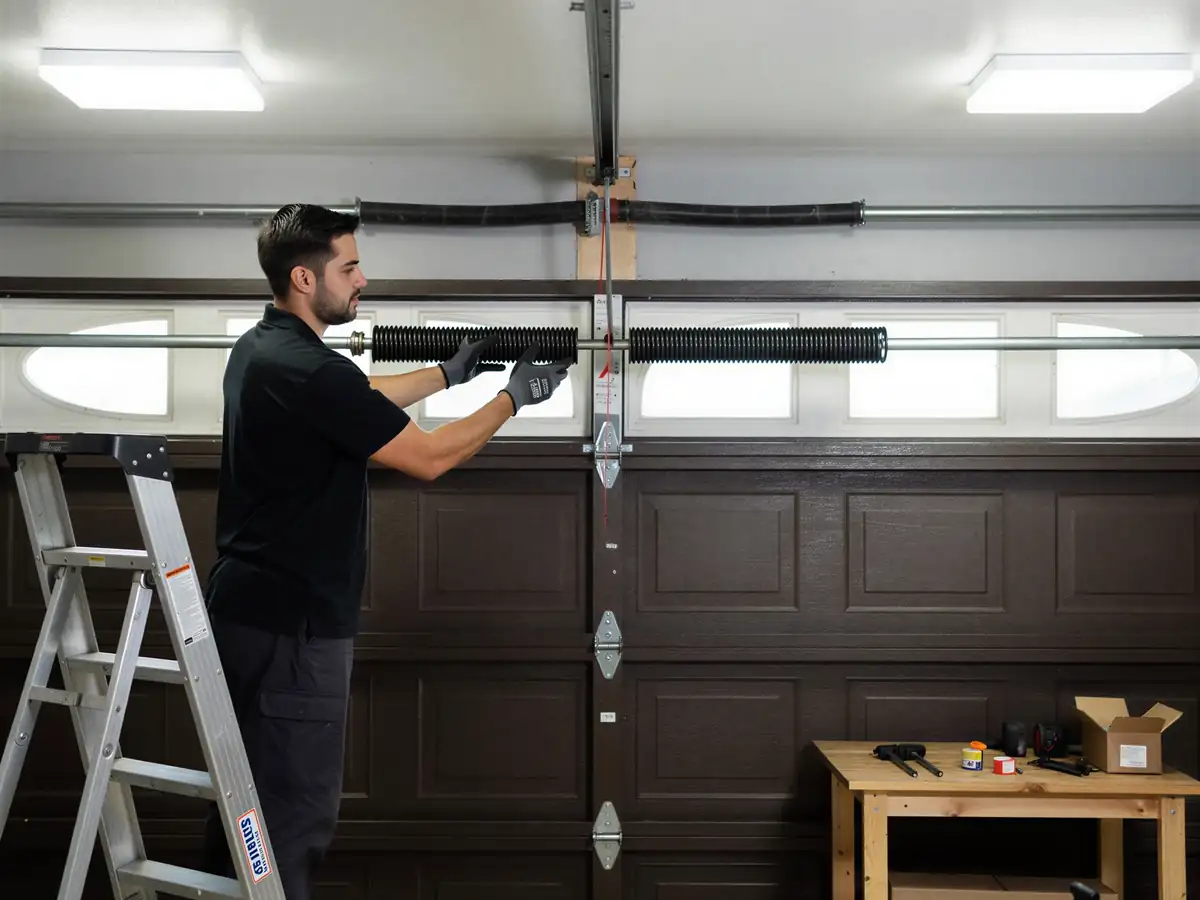
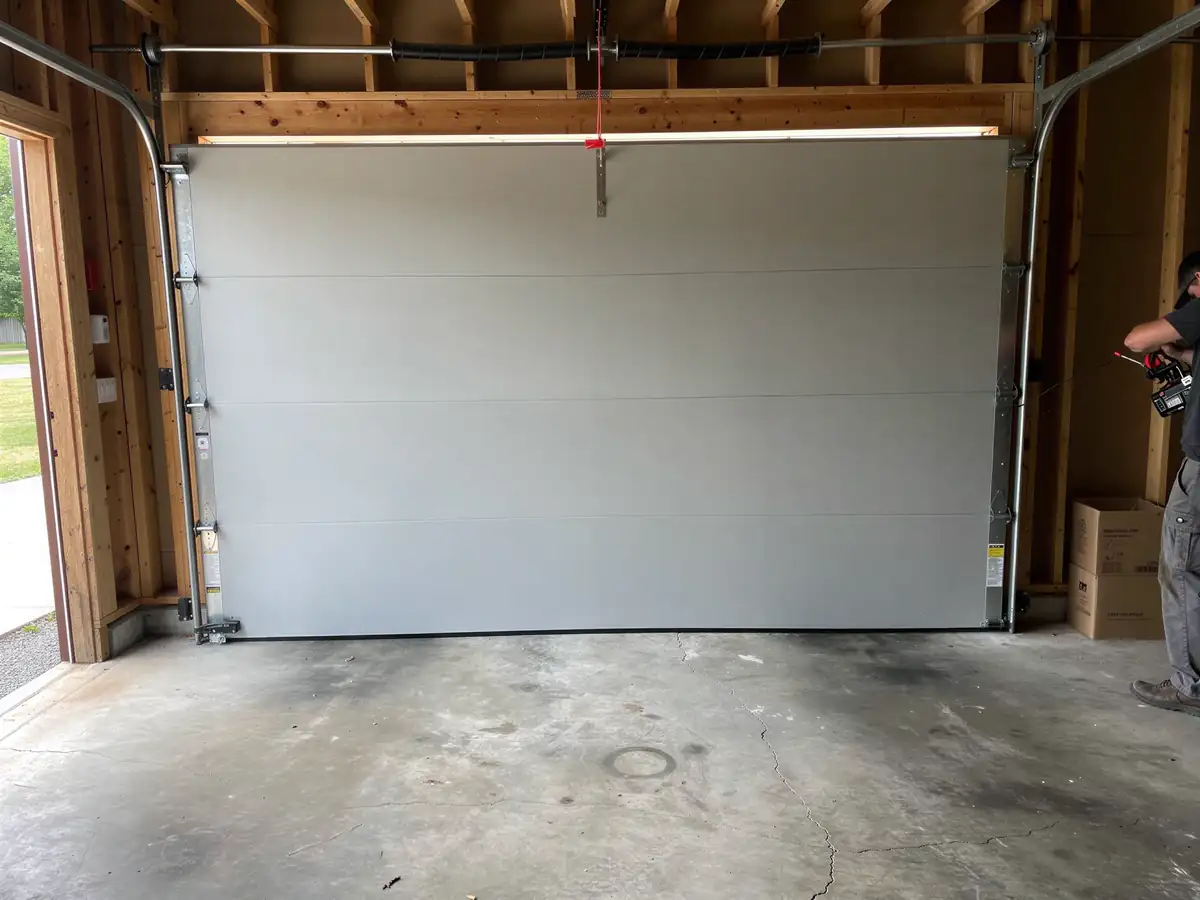
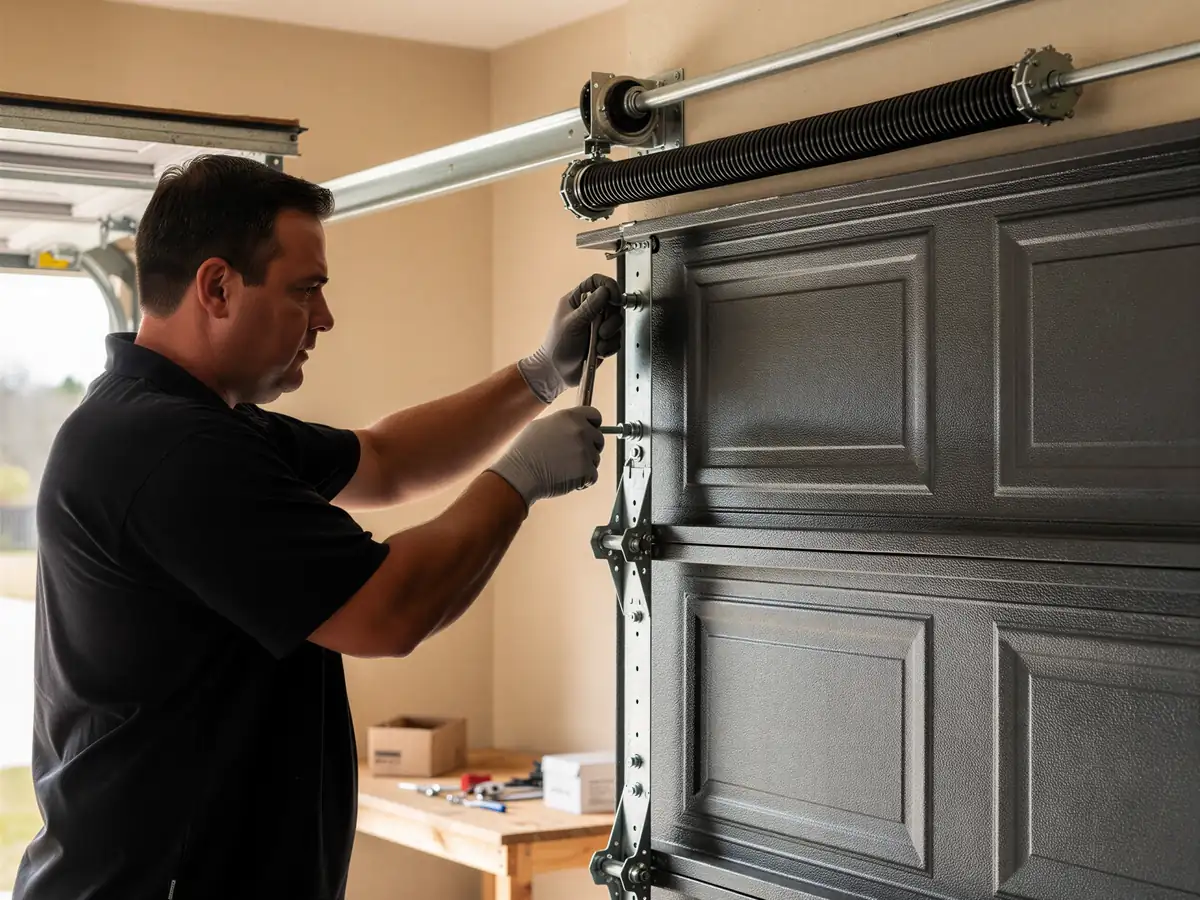
Most calls we get in Maple Grove start the same way: the door won't go up, or it goes up crooked and stops. We start at the spring, not the opener, because on a house from this area's building era - 1957 to 2007, median 1982 - the torsion spring on a double door has usually done its job for decades and is simply at the end of its life. We check cable wear at the drum, then look at the track for warping before we touch the opener logic board, since a track that's bowed from temperature swings will trip an opener's safety sensors and get misdiagnosed as an electronics problem. If it's the spring, we measure wire size and wind count off the old one rather than guessing - original builder-grade springs in this area vary more than people expect. If it's the opener, we test the travel limits and force settings before replacing a motor outright. A repair that just gets the door moving again without fixing why it failed isn't a repair, it's a delay.
The Symptom
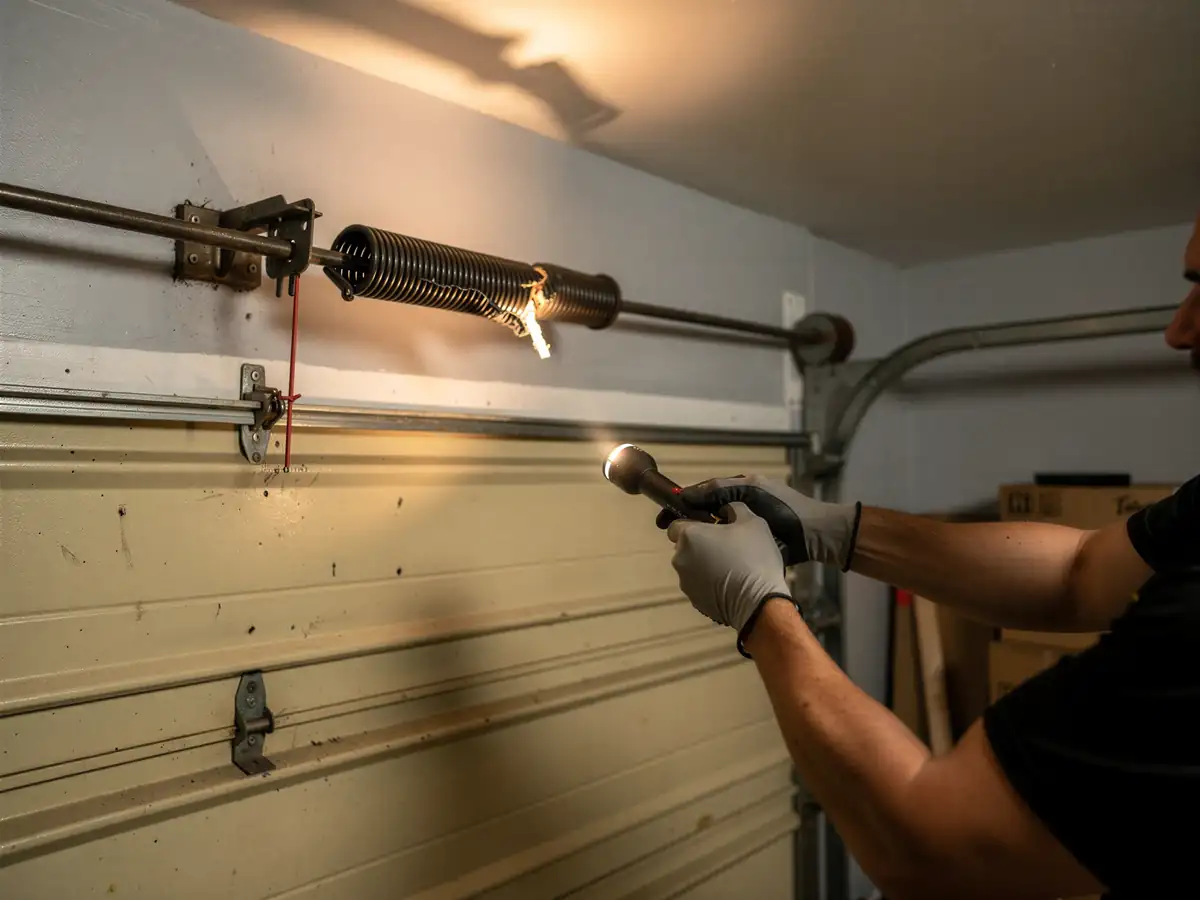
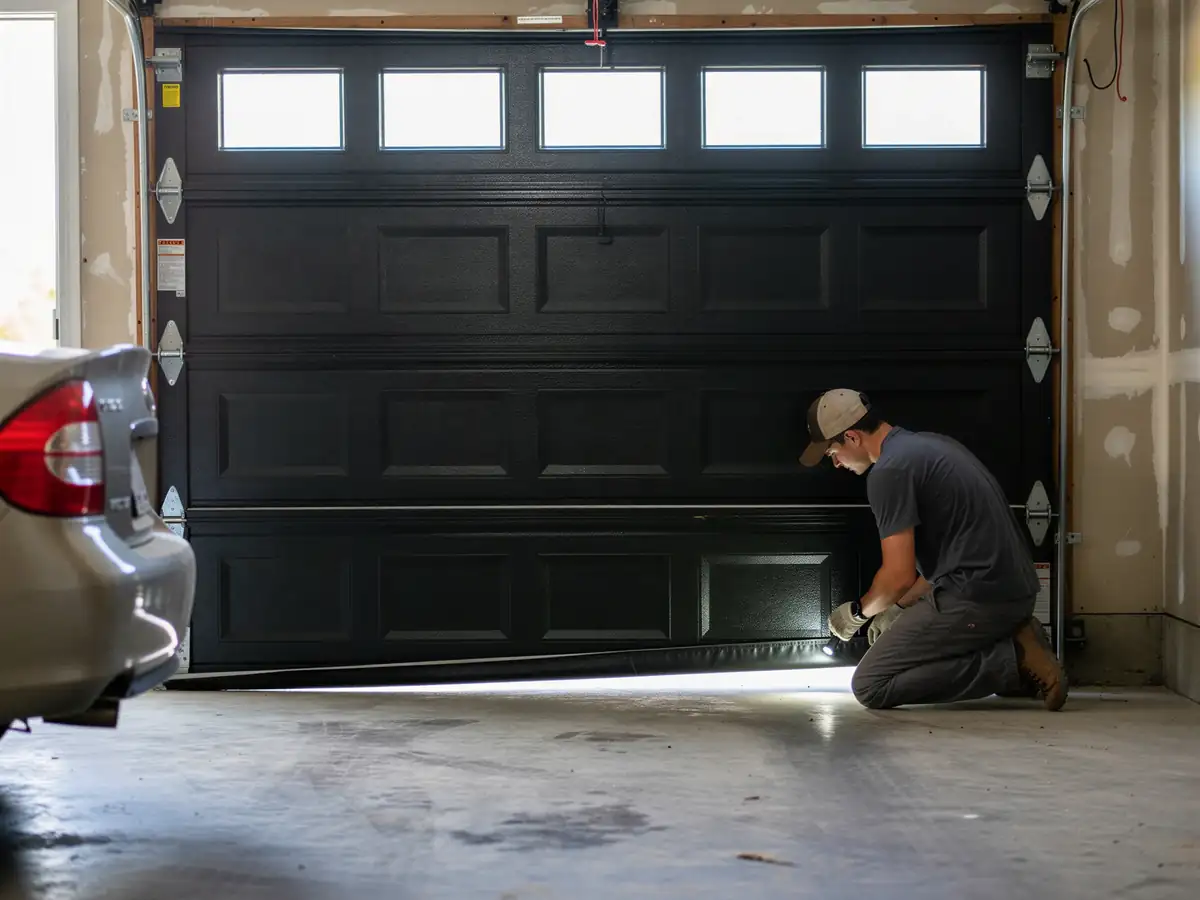
The most common version: the door starts up, gets a foot or two off the ground, and stalls or reverses. That's almost always a torsion spring that's lost enough tension that the opener is trying to lift the full weight of the door alone, which it isn't built to do for long. A close second is a door that won't move at all and the opener motor just hums - that's a snapped spring, full stop, and it's not safe to force open by hand on a double door of any real weight. Less dramatic but just as common: a door that runs rough, chatters, or drags at one specific point in the track every single cycle. That's usually a bent section or a roller that's worn flat on one side, not an opener issue, even though the opener often gets blamed first because that's the part making noise. If your door has gotten noticeably heavier to lift by hand over the last few months, the spring is already failing - it just hasn't quit yet.
What Is on the Truck
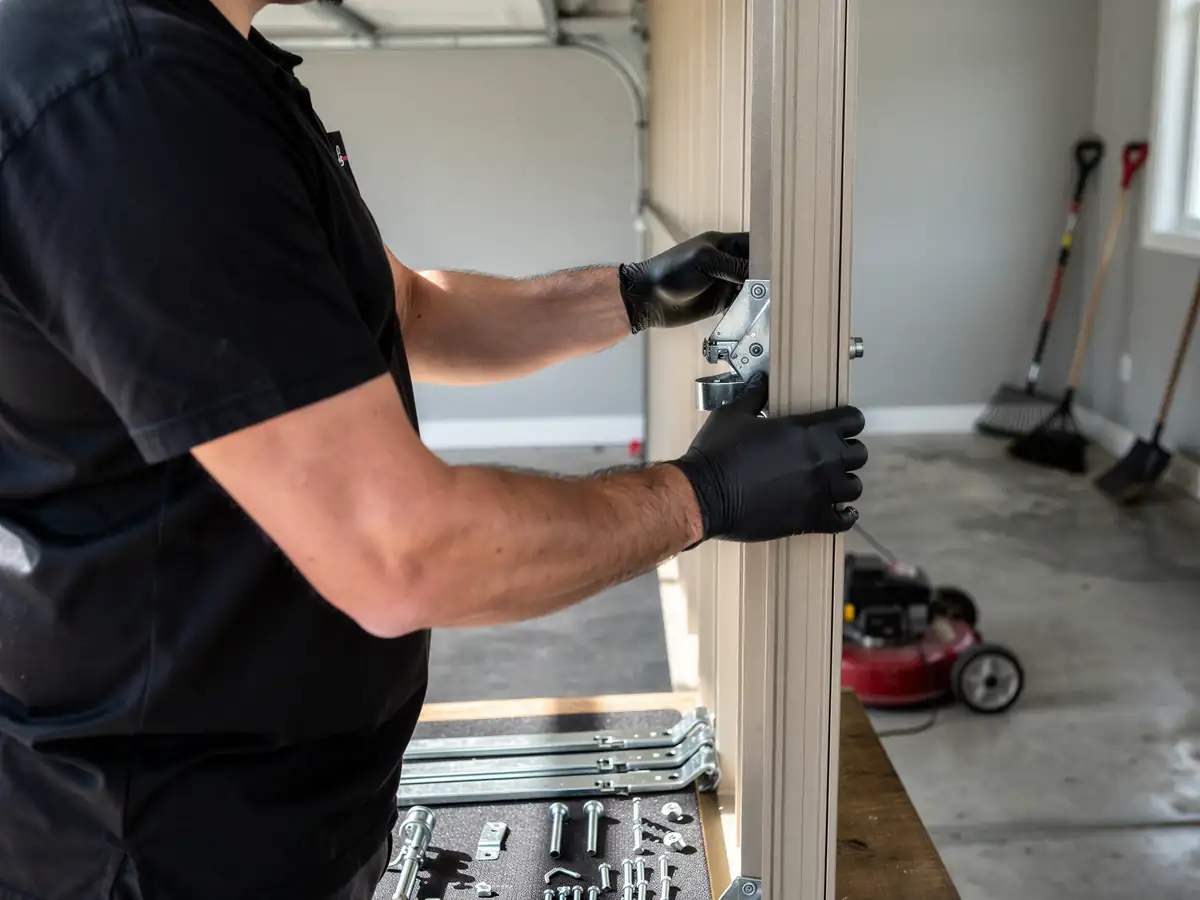
We carry torsion springs in the range of wire sizes that match the builder-grade doors common to this area's 1980s and 90s construction, along with standard-lift cable, steel and nylon rollers, and the sectional track hardware that fits a typical 7 or 8-foot double door. We also carry opener logic boards and drive gears for the chain and belt-drive units most common in homes from this building era. What we don't carry is every obsolete part for openers manufactured before the 1980s wiring standards some of these older sections still have - if your unit is one of those, we'll tell you on site rather than stall the job, and sometimes the honest answer is that replacement costs less than waiting on a discontinued part. We'd rather say that up front than have you wait a week for a gear that was never coming.