The Houses Here
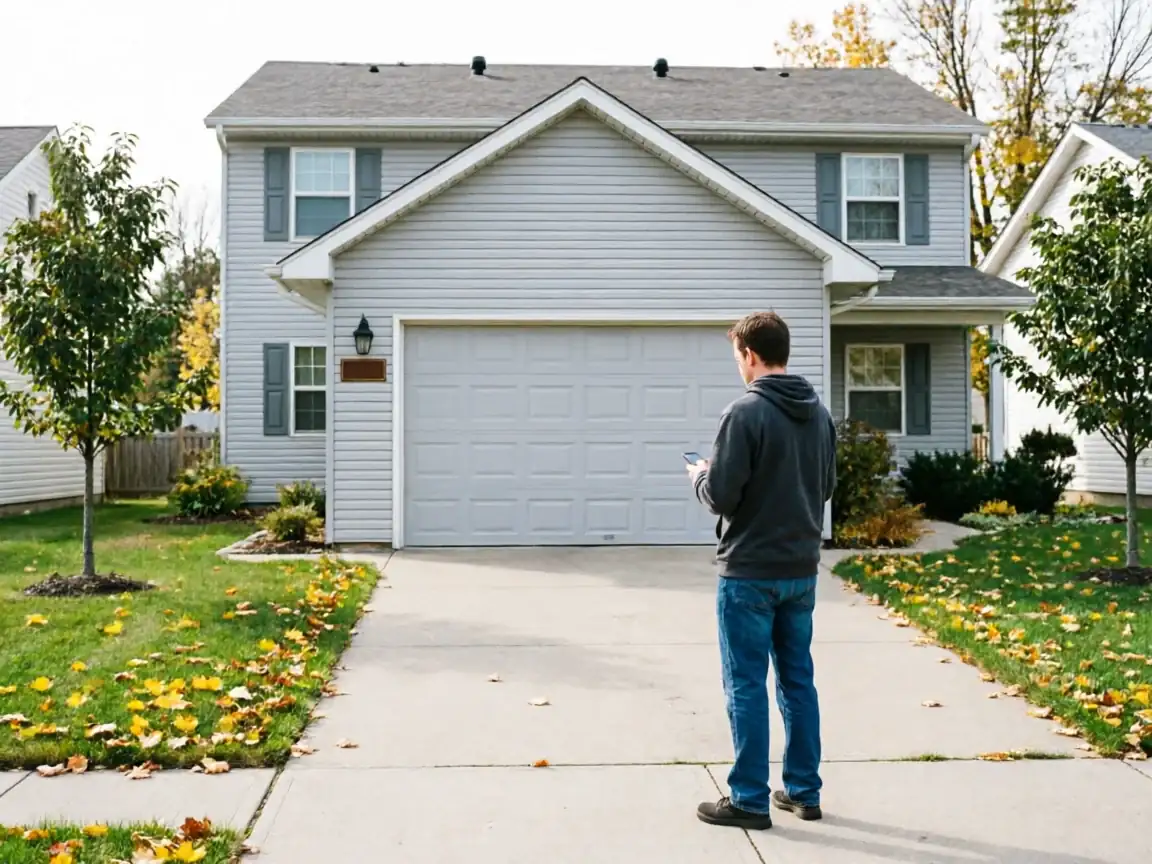
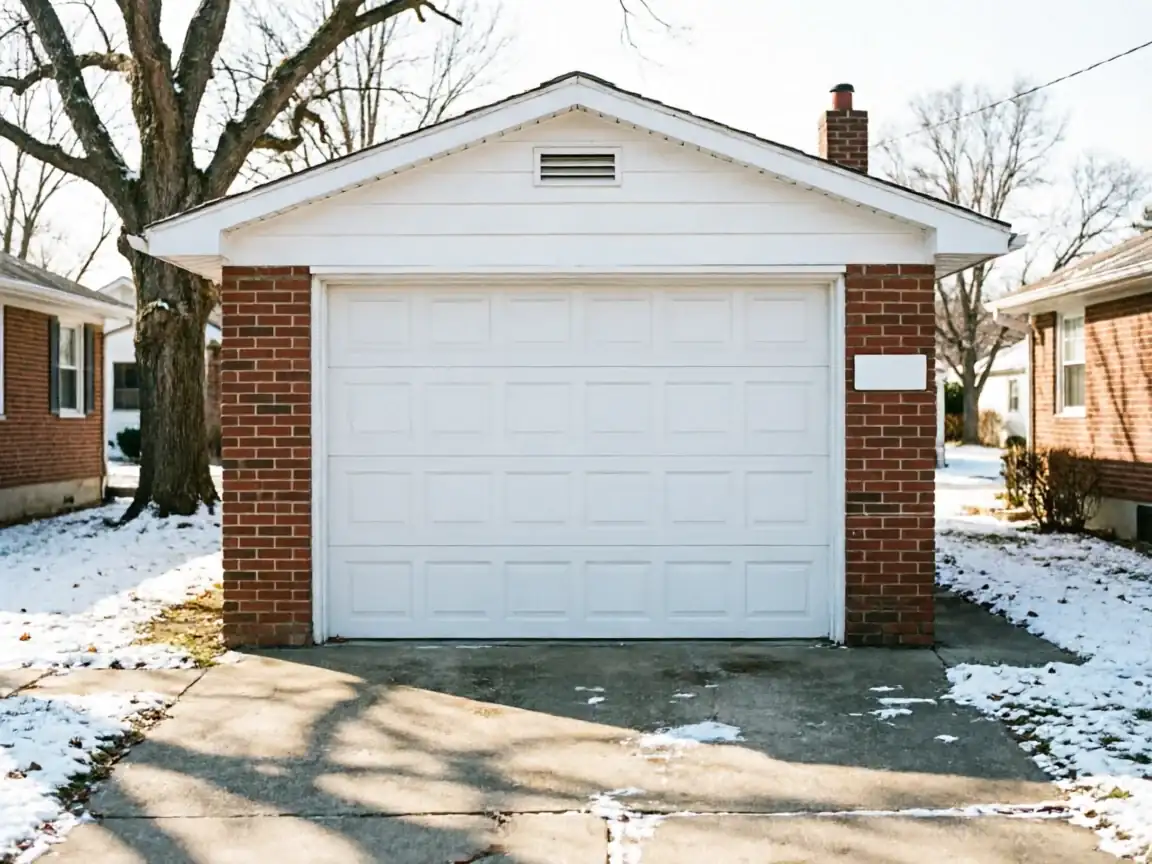
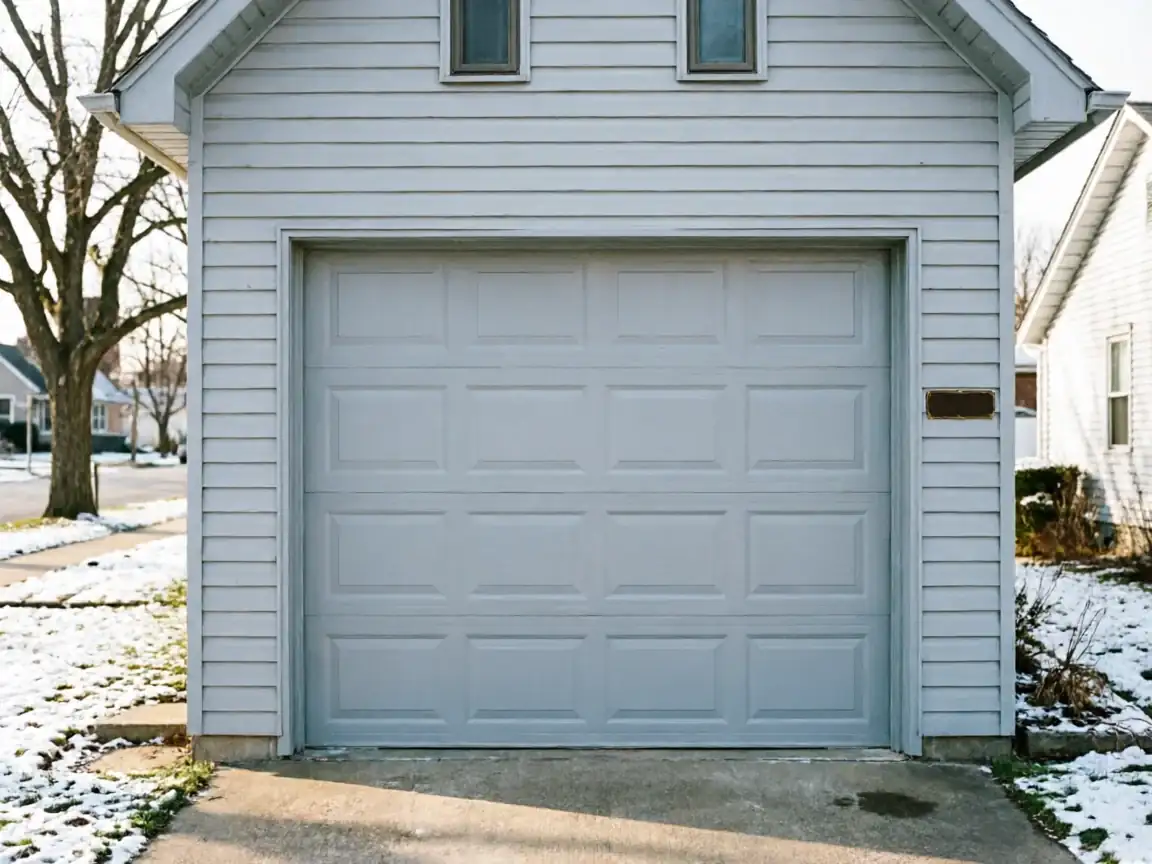
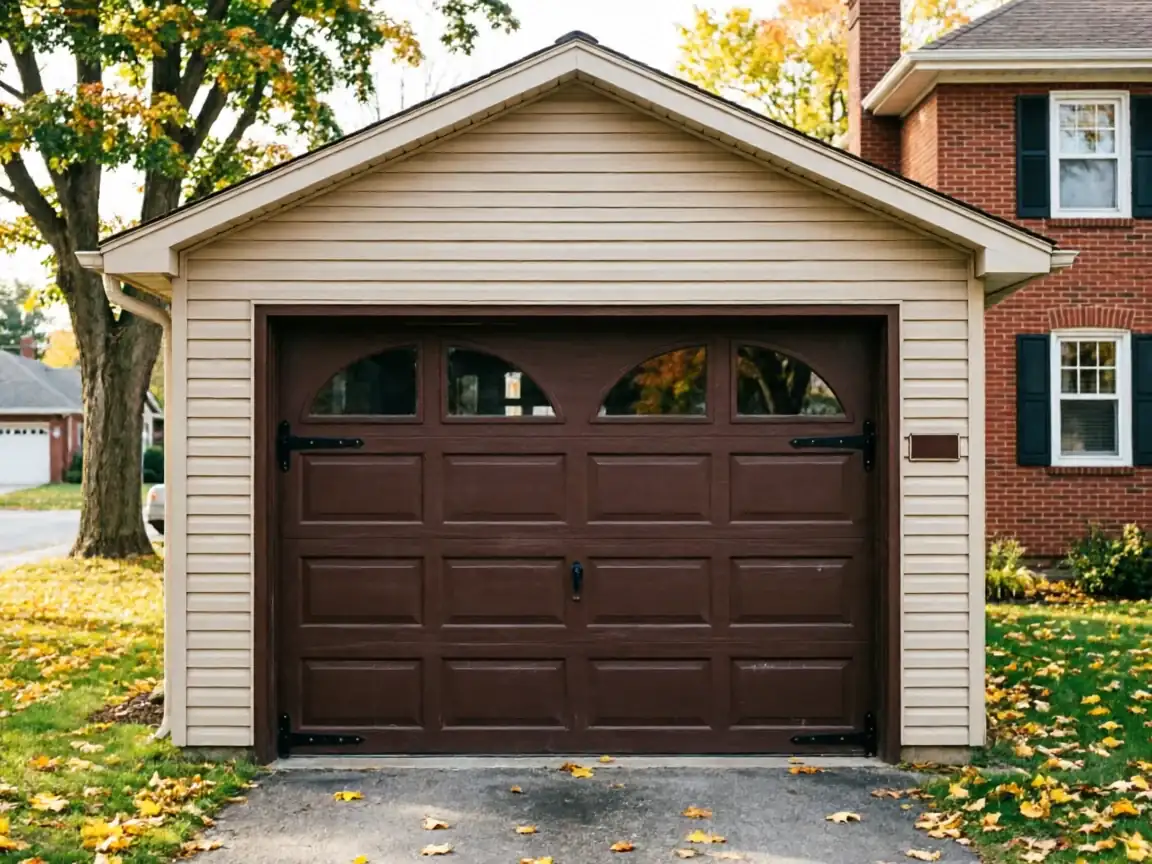
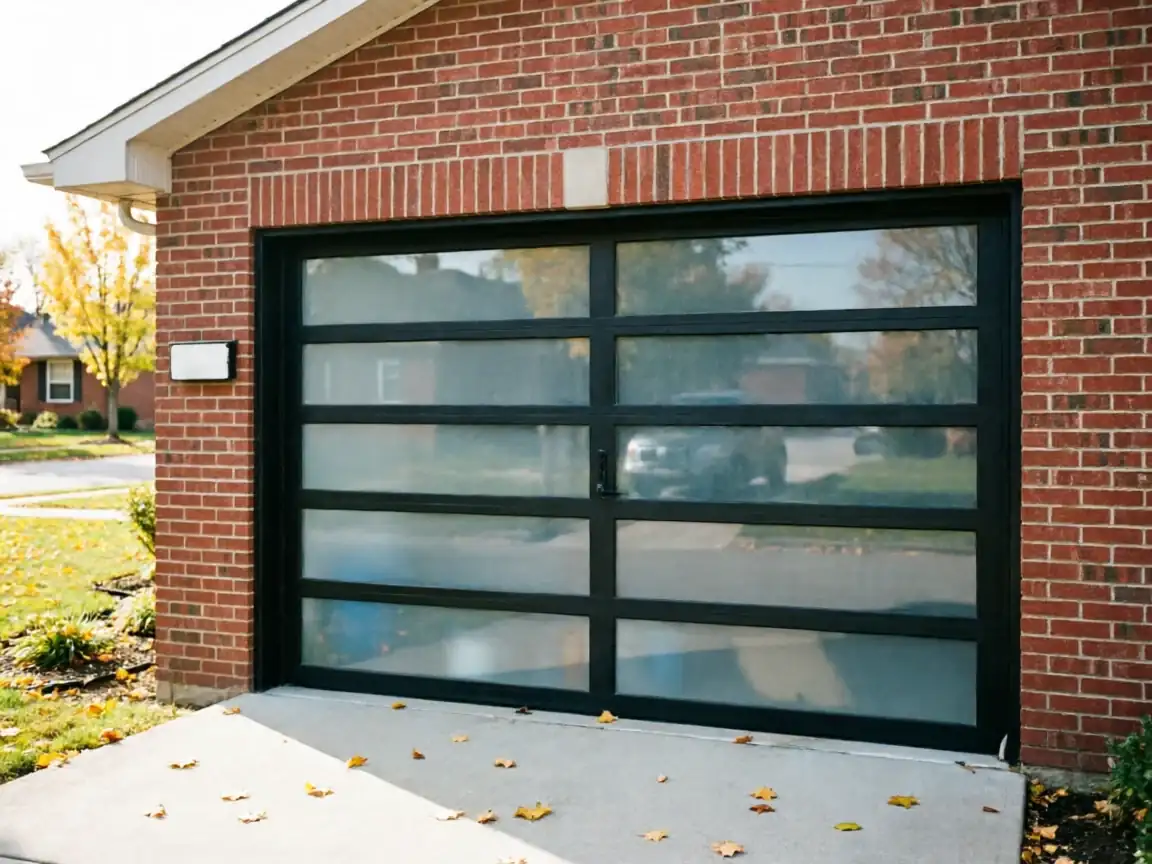
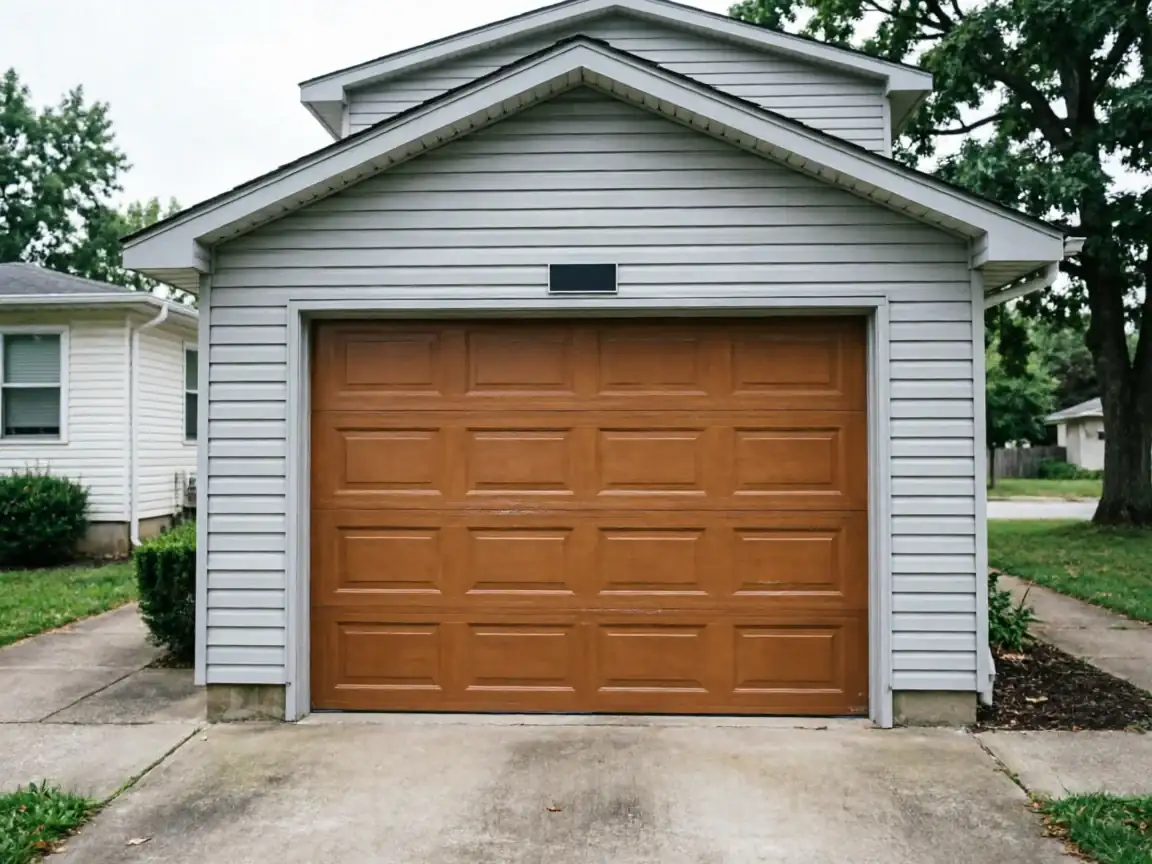
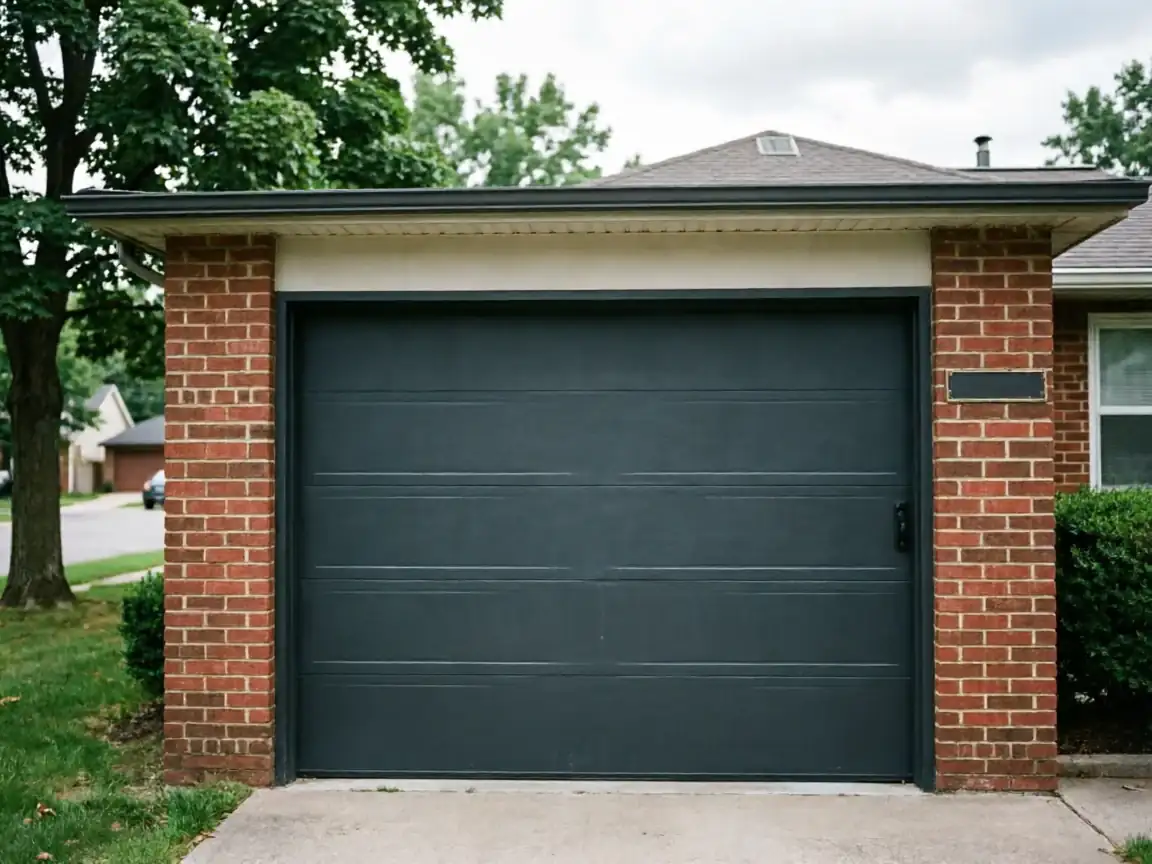
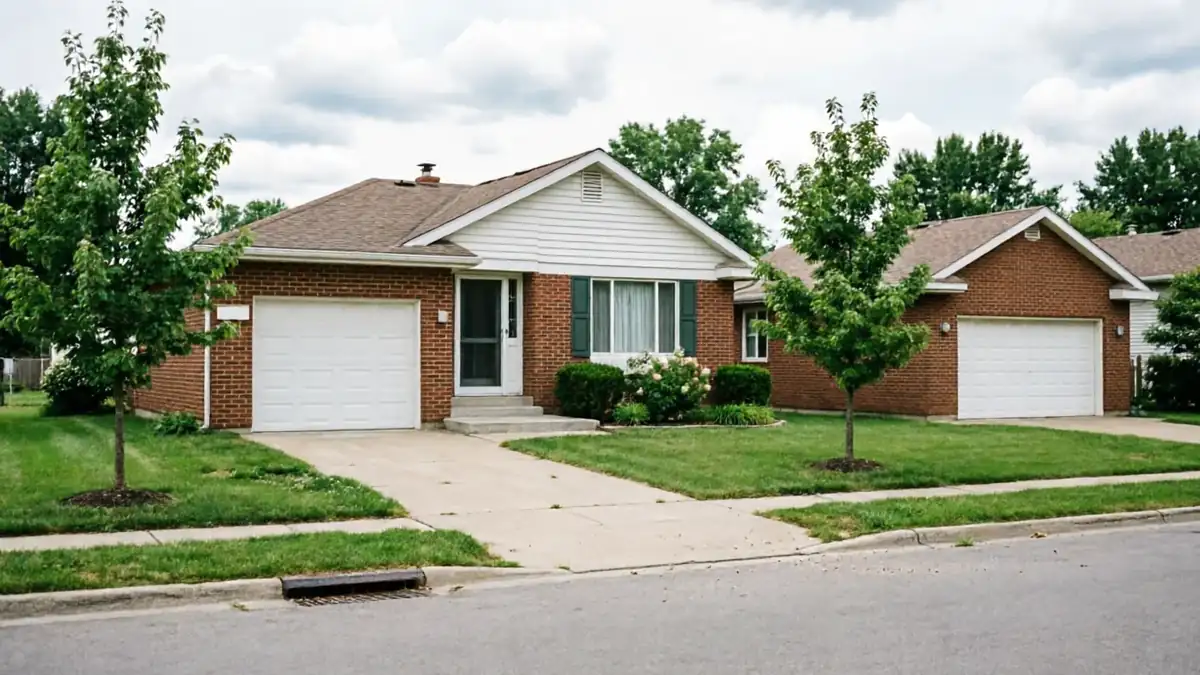
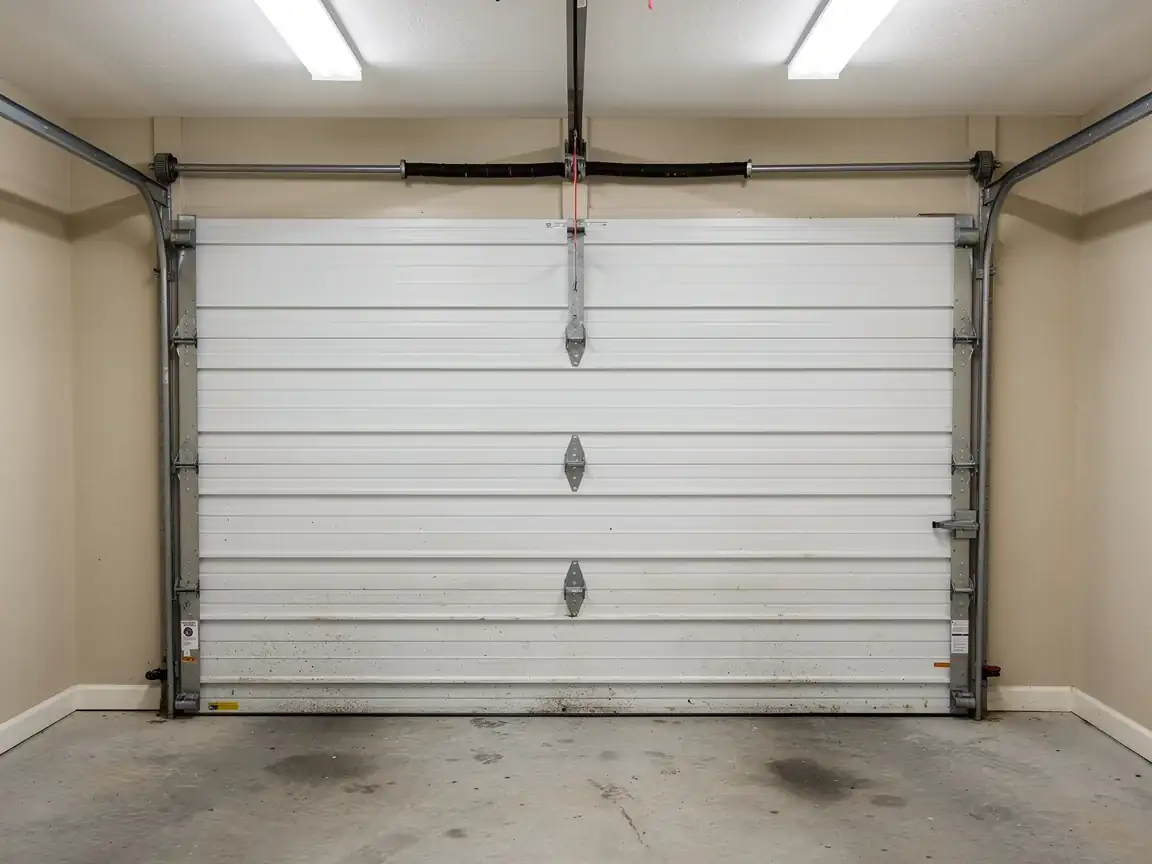
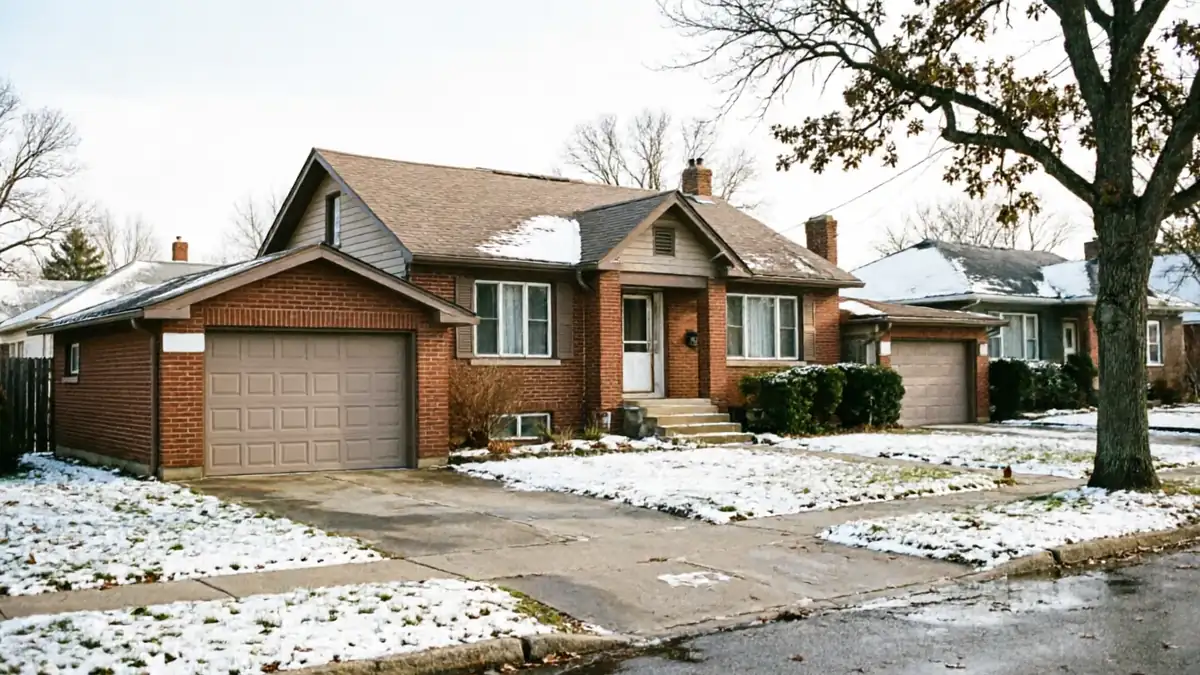
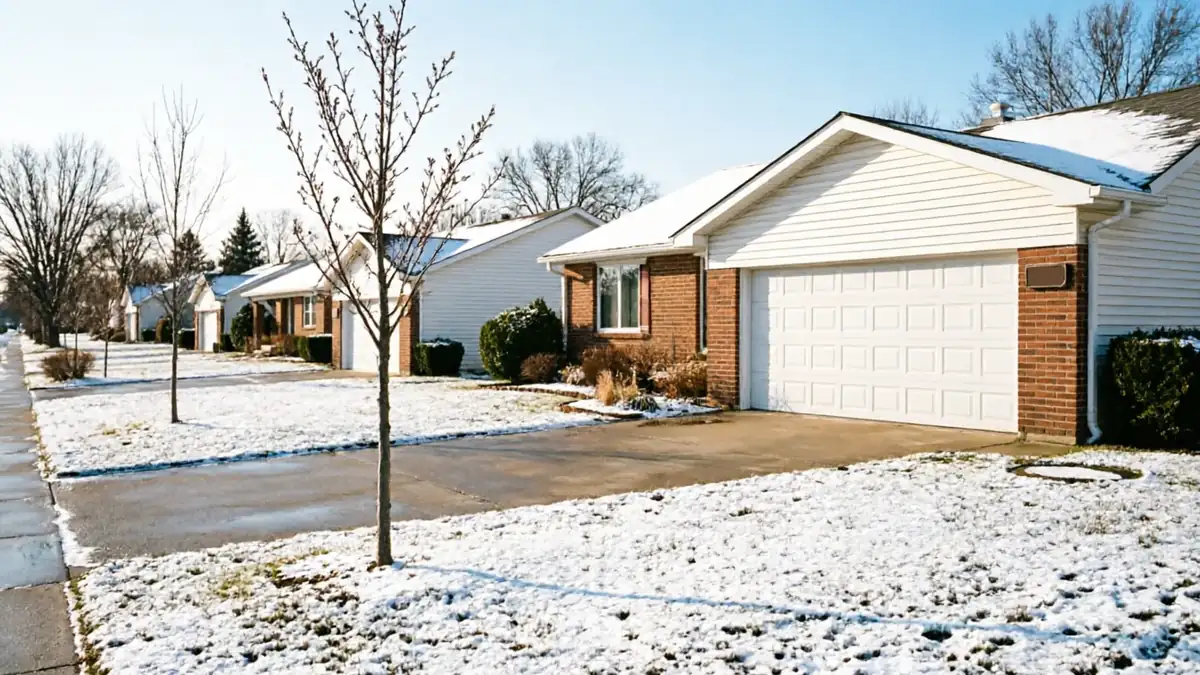
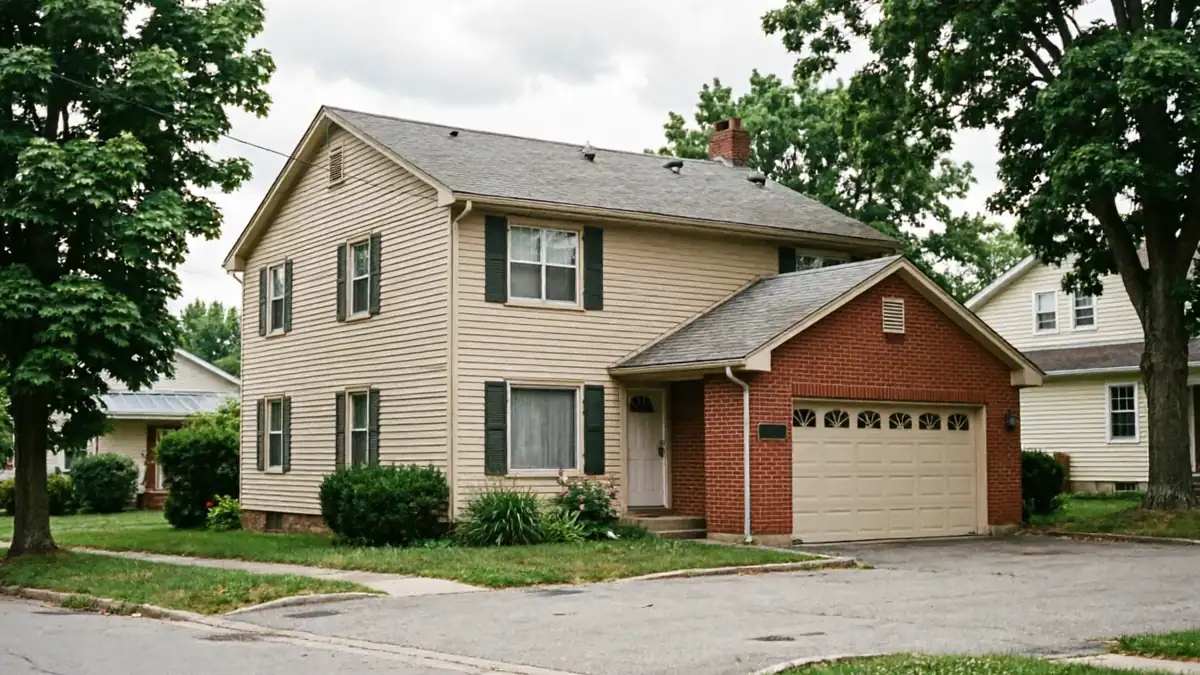
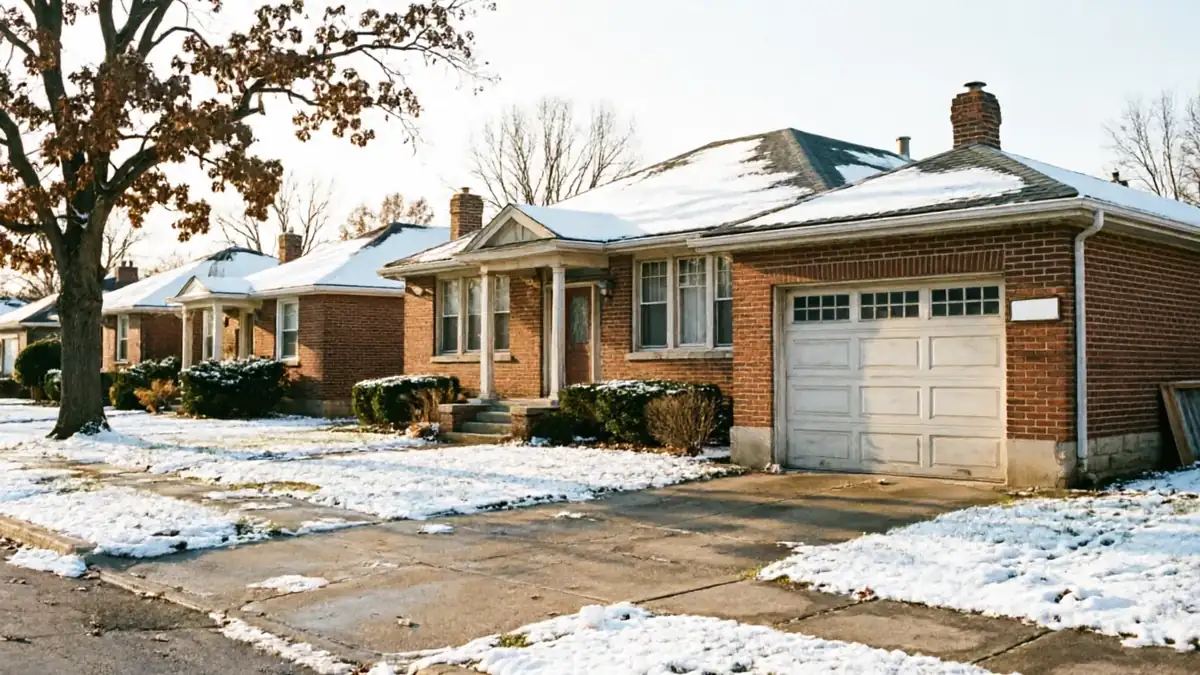
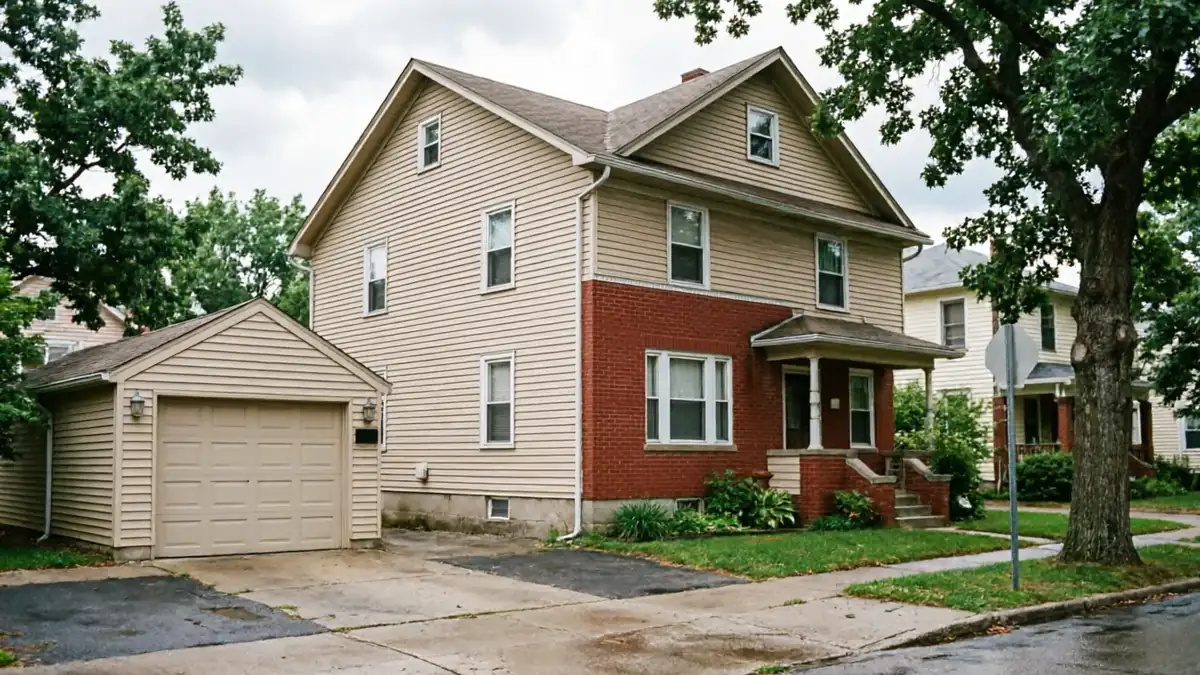
Chanhassen's housing stock centers on a median build year of 1993, which puts it a decade or more newer than the typical house across our broader coverage area, where the median lands around 1982. That gap matters. A 1993 build means steel sectional doors on torsion springs were already standard when the house went up - not the older one-piece or extension-spring setups you find in pockets built before the 1960s. With 9,607 households here and a median income of $138,034, this is also a part of the area with newer, larger openers and wider double-car doors than you'd see on the smaller lots common elsewhere in the service area. The doors themselves are mostly original or first-replacement units from the 1990s through the 2000s, which puts a lot of them right at the point where springs, cables, and opener gears are wearing out together rather than one at a time.
What the Housing Means for Your Door
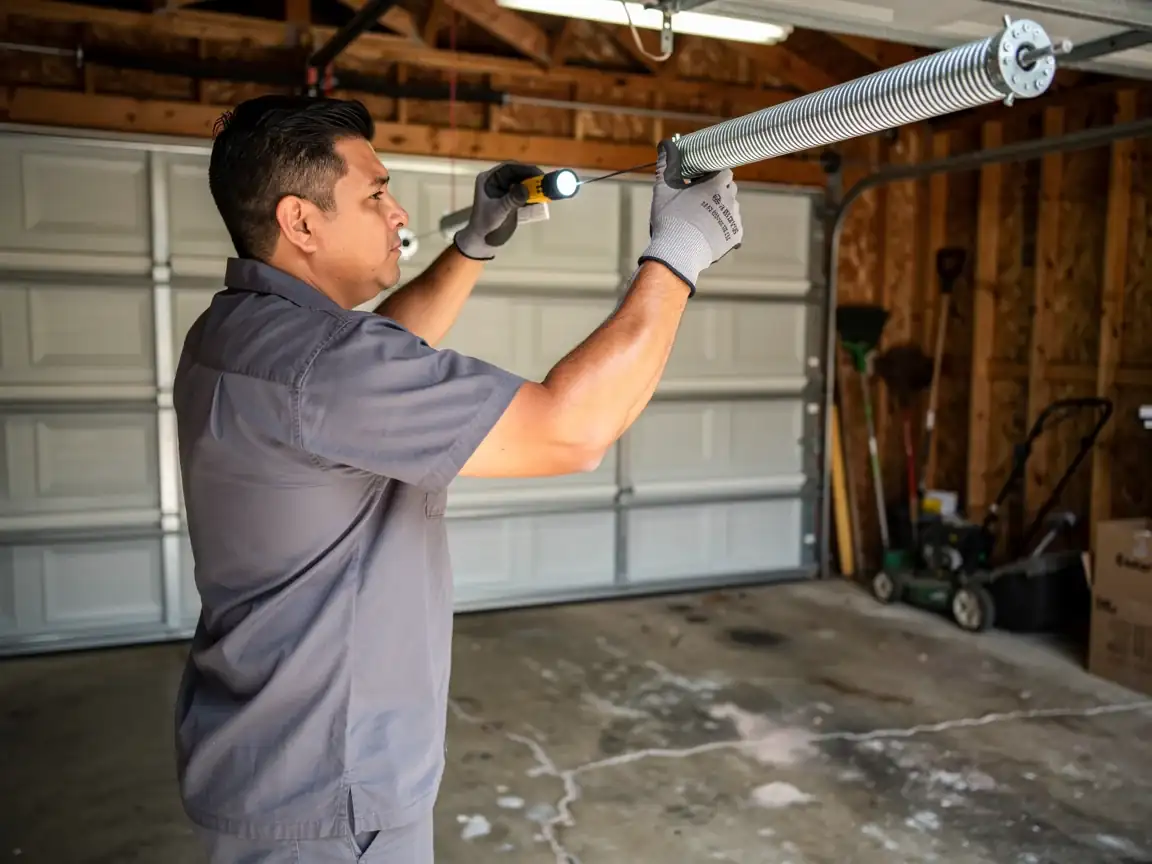
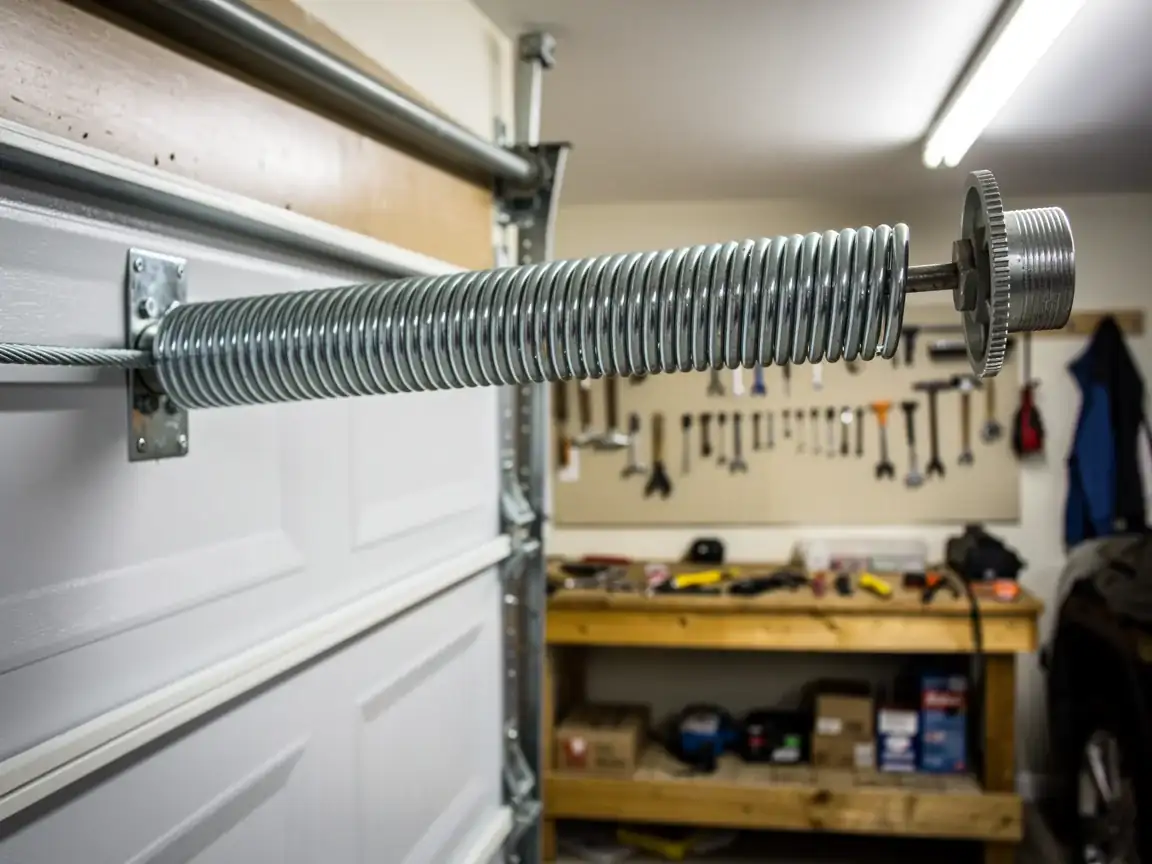
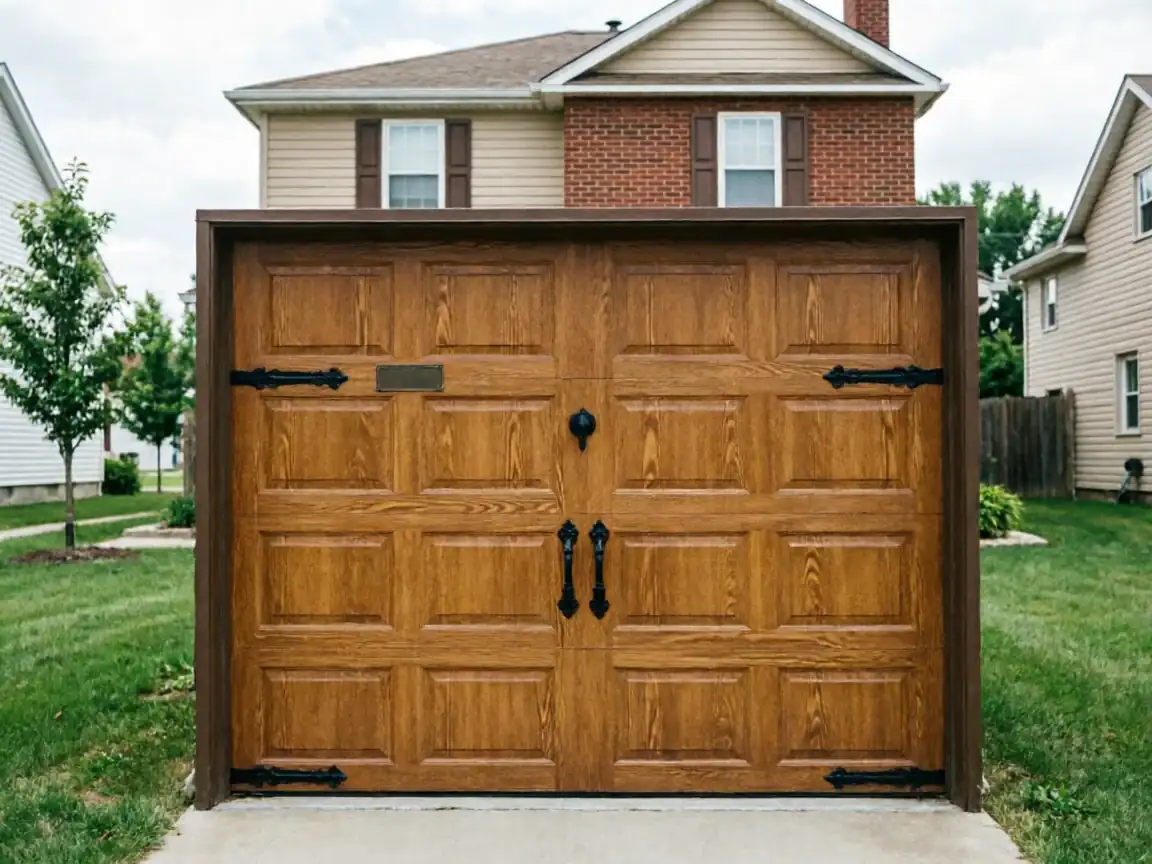
A house built in 1993 is now over thirty years old, and torsion springs in this region are rarely rated to outlast that. Combined with a cold, severe winter climate, the steel in those springs fatigues faster than the cycle count on the box would suggest - cold makes the metal less forgiving on every lift. On doors this age, we're usually looking at original springs that have never been replaced, gear-and-sprocket openers from the same era with worn nylon teeth, and weatherstripping that's long past doing its job in a Minnesota winter. None of that is unique to one street or subdivision - it's just what thirty-plus years of freeze-thaw cycles does to the hardware that came standard in the early '90s. Panels themselves tend to hold up better than the moving parts; it's springs, cables, rollers, and opener internals that give out first on houses from this build era.
Common Jobs Here
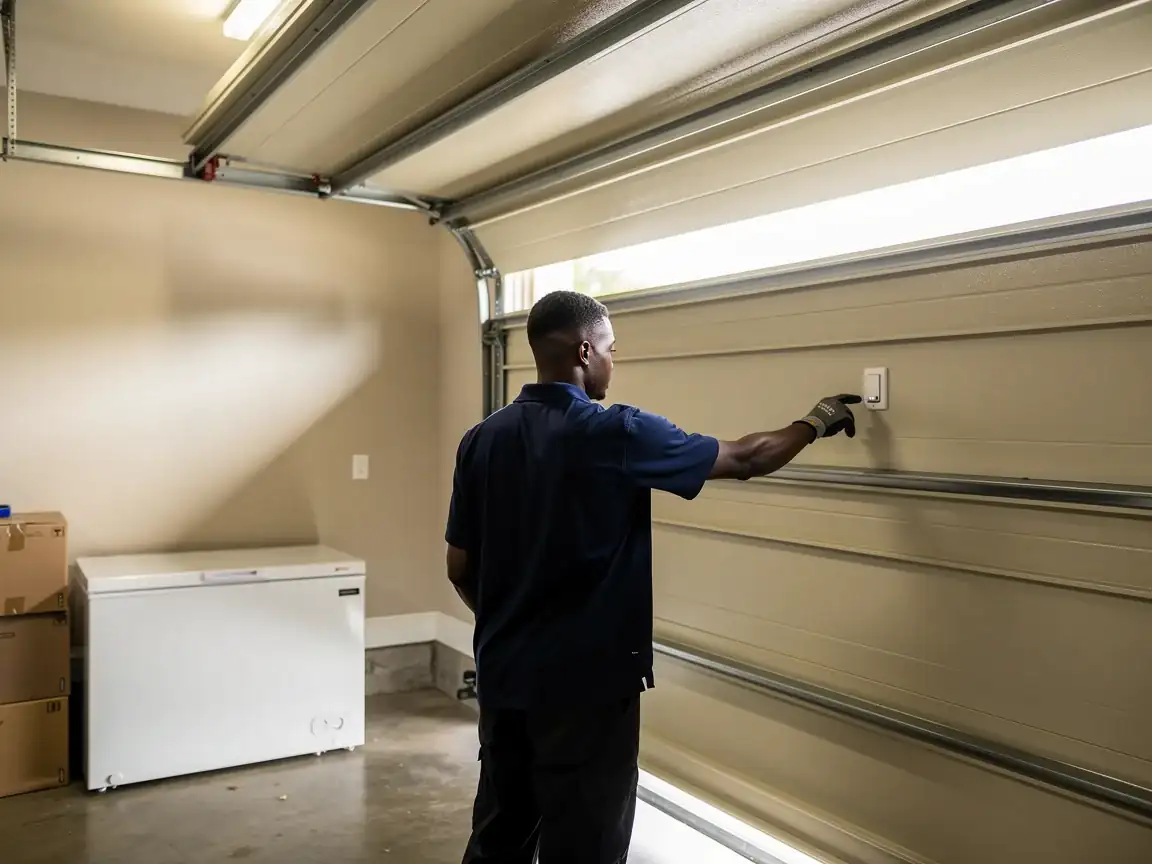
The call we get most from this part of the service area is a torsion spring that's snapped or is visibly stretched - expected on doors installed when the house was built around 1993, now well past a typical spring's working life. Second most common is an opener that's started grinding or stopped responding to the remote, usually a worn gear kit or a dying circuit board rather than anything simple. We also see a fair number of broken rollers and frayed cables, both accelerated by cold-weather use where metal contracts and lubricant thickens. Panel damage from a backed-into door shows up here same as anywhere, but it's a smaller share of the calls than the wear-driven jobs tied to the age of the stock.