How We Fix It
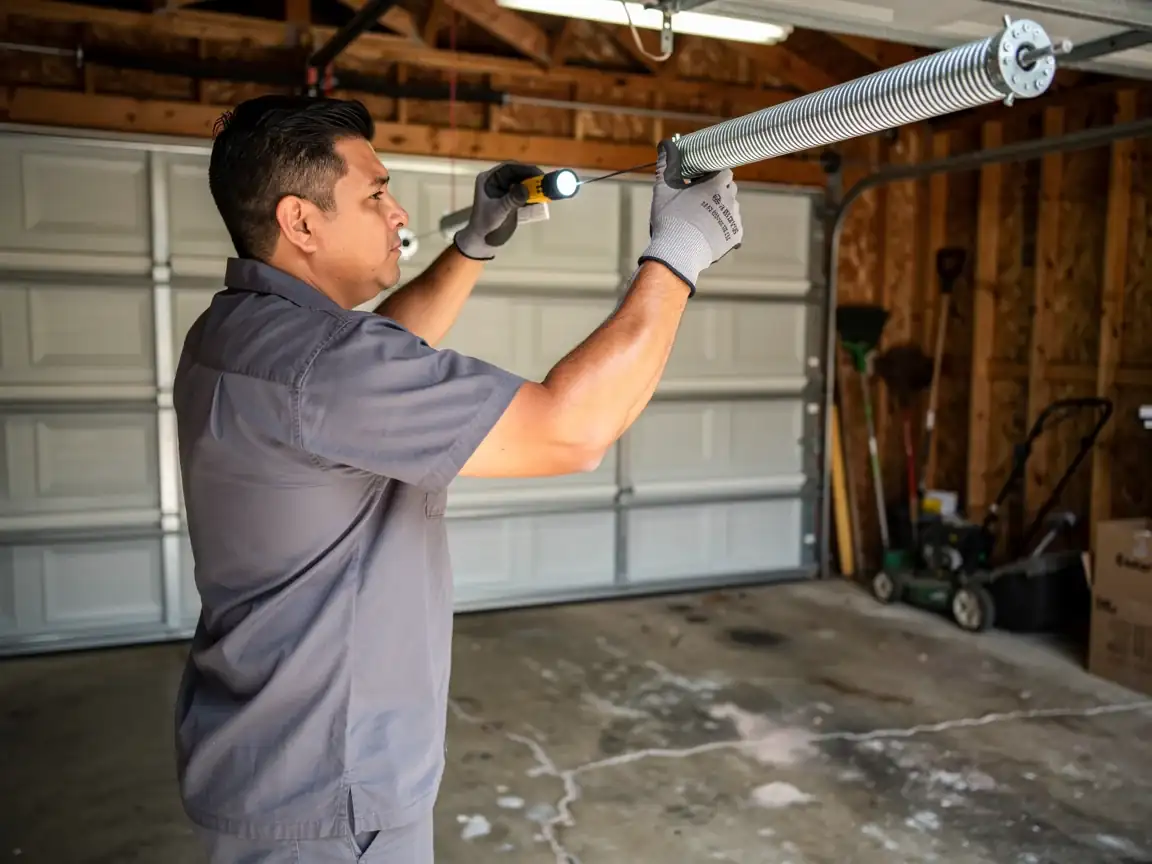
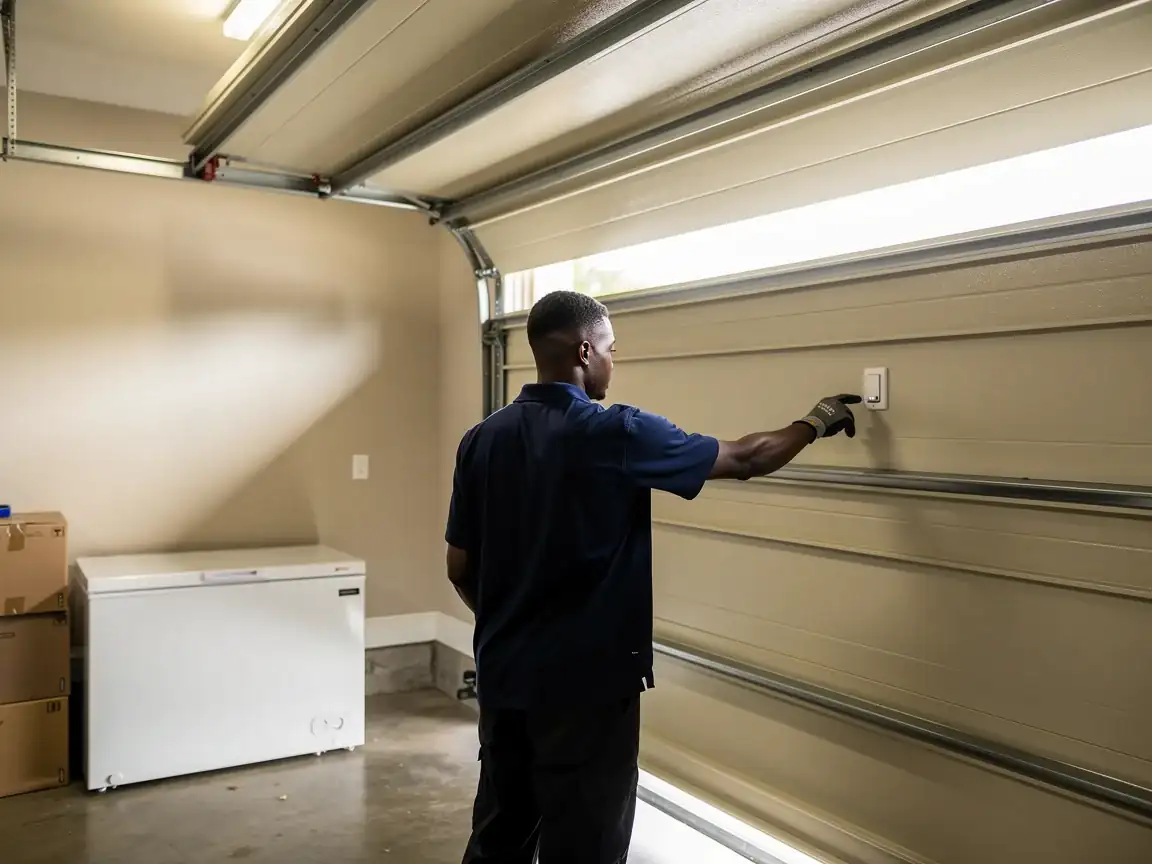
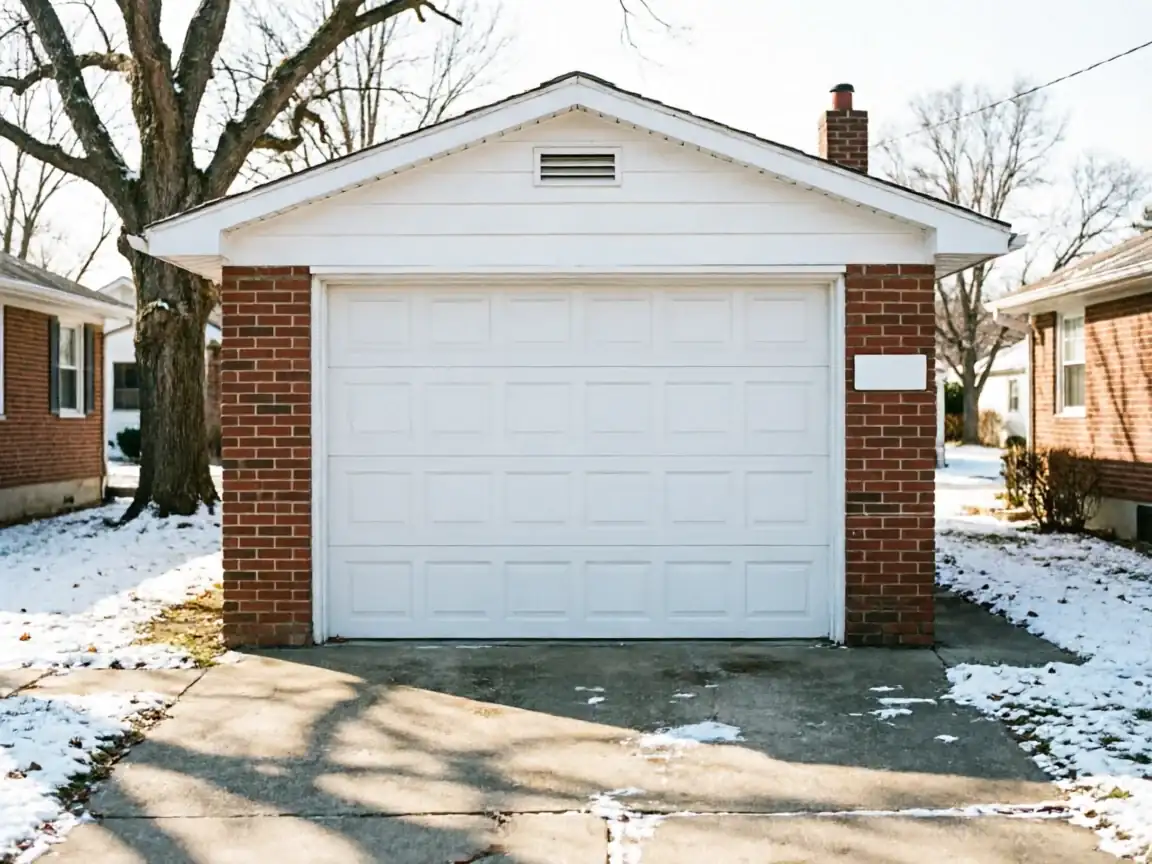
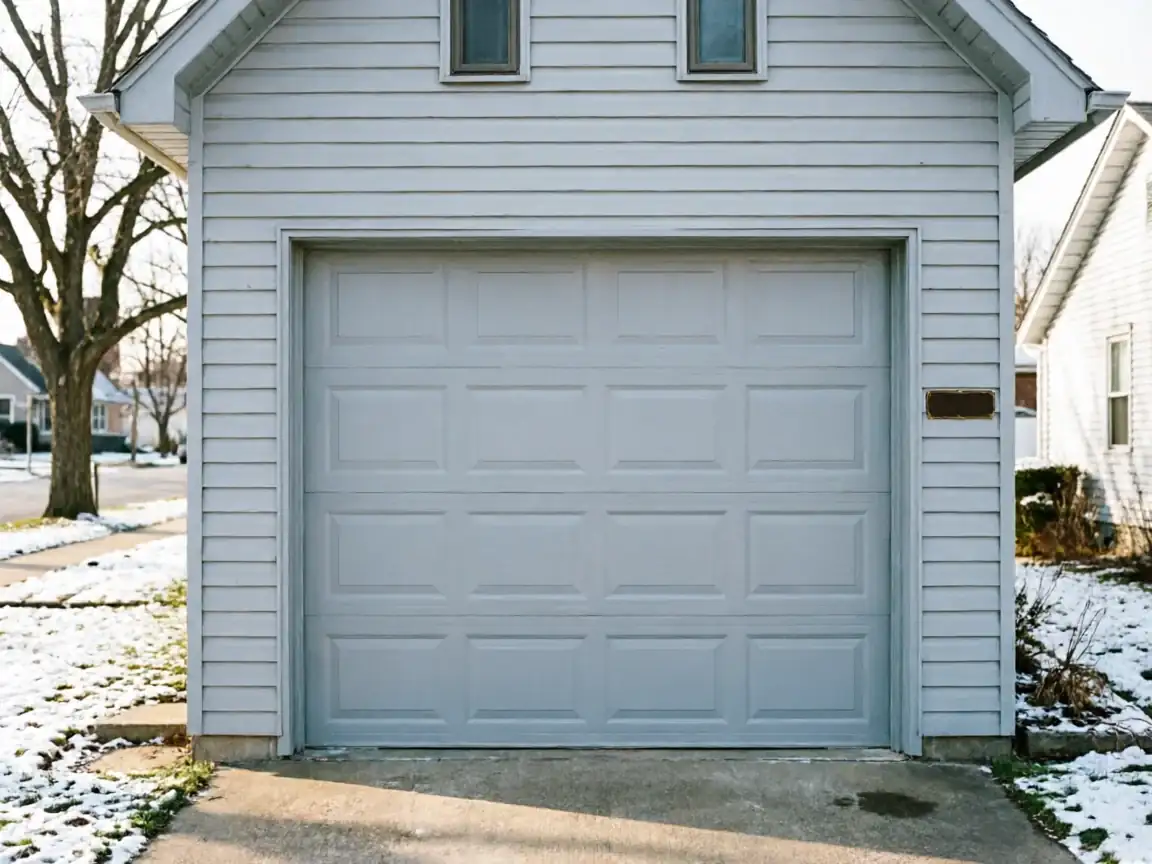
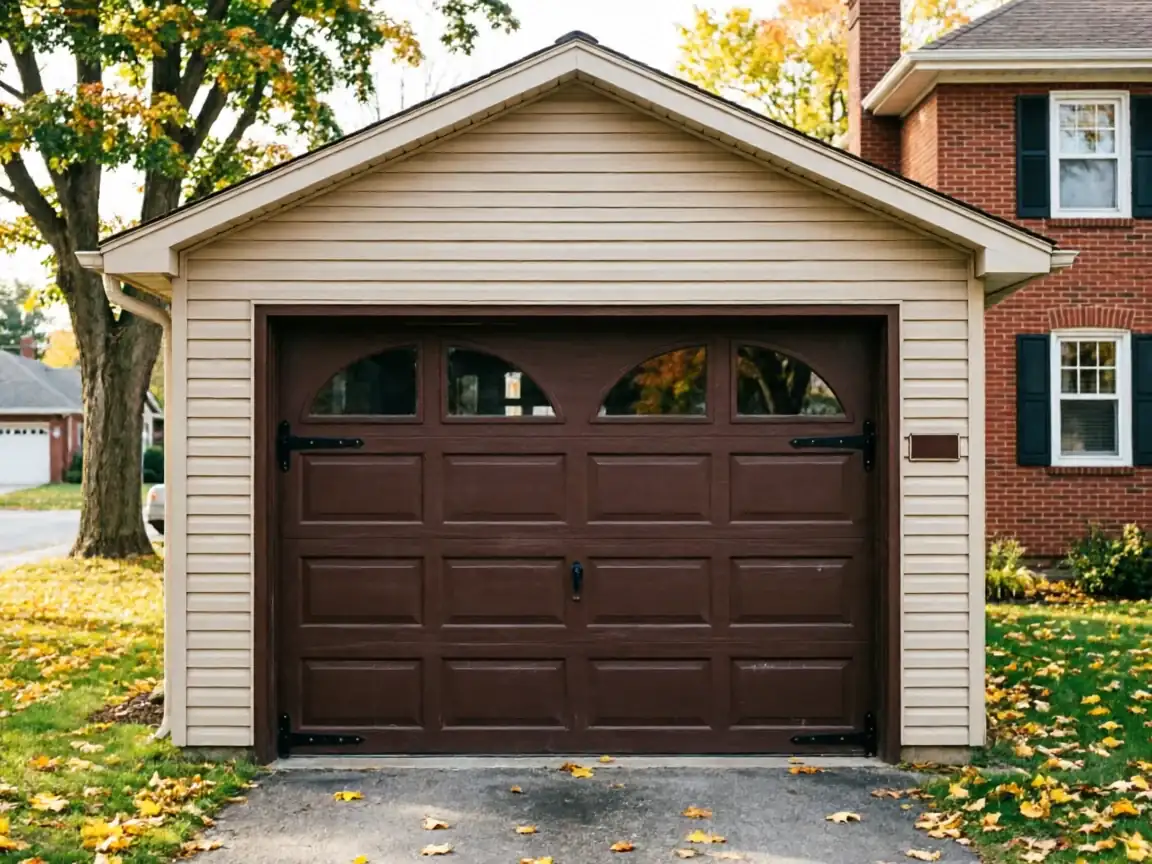
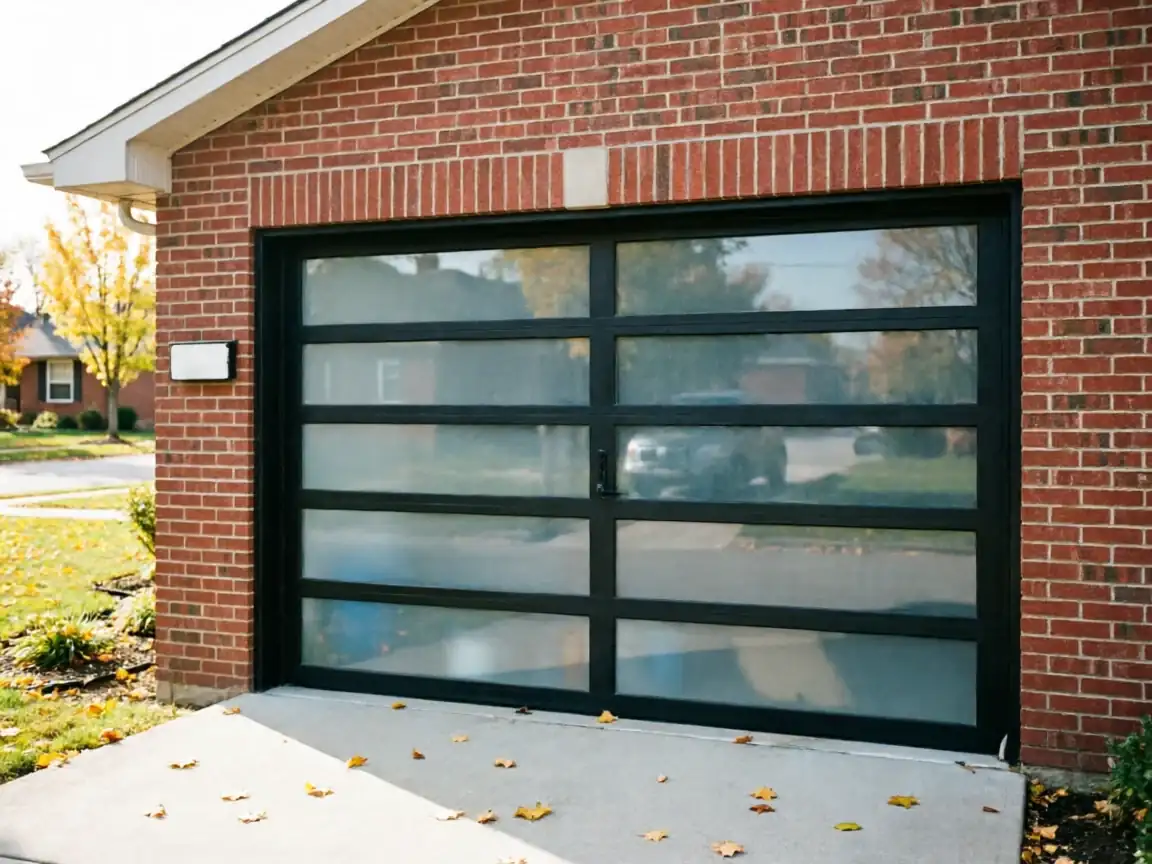
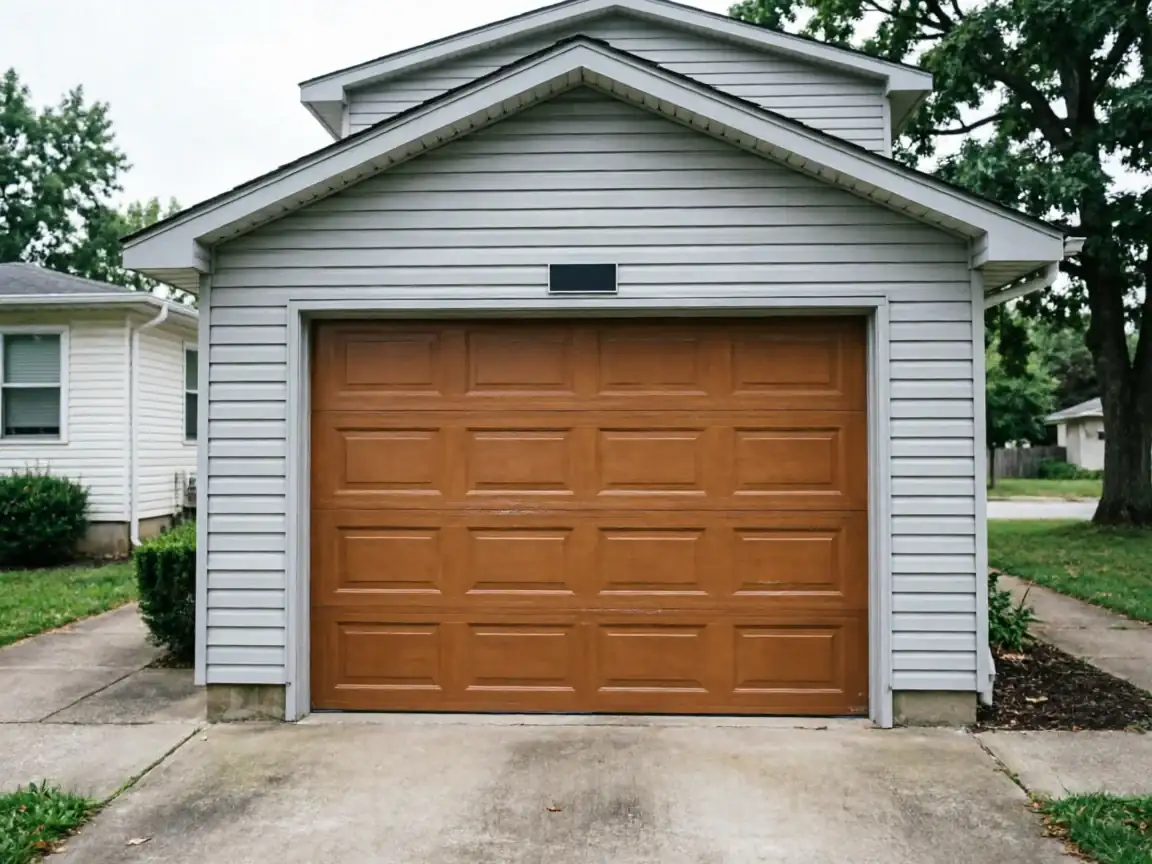
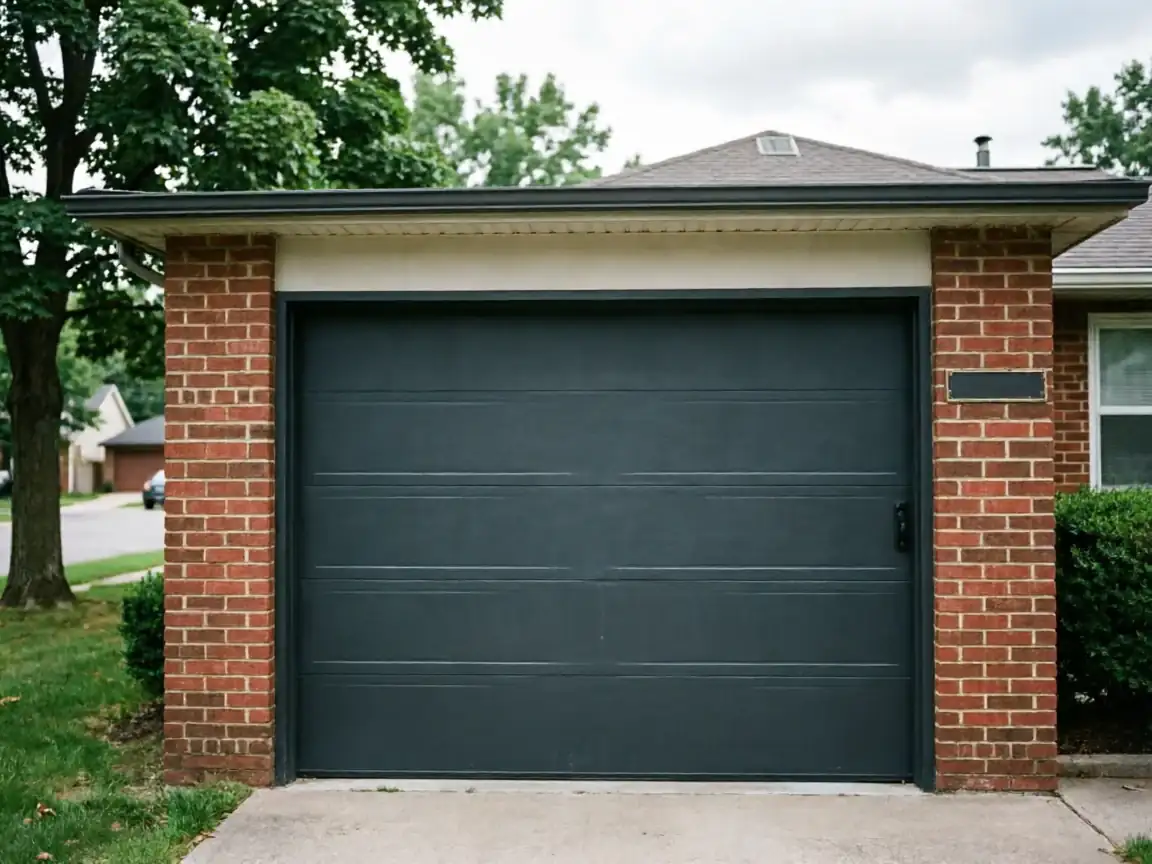
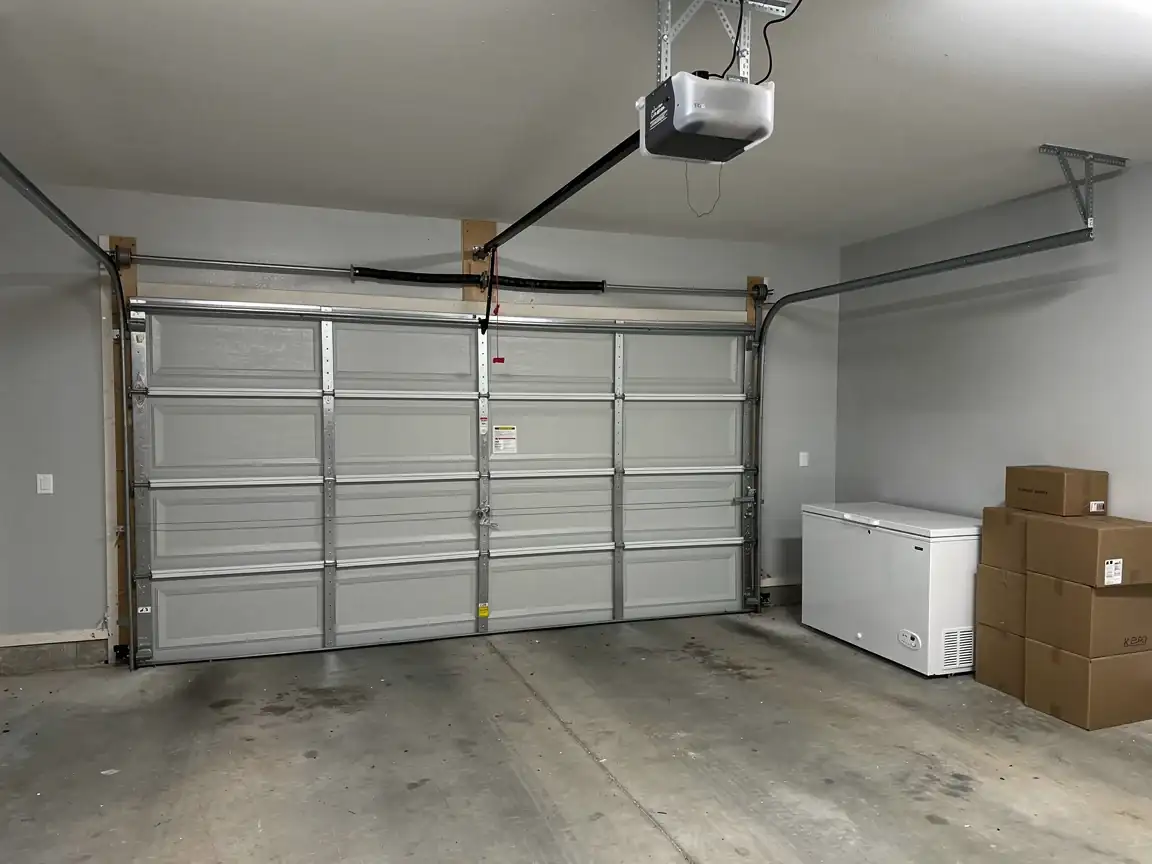
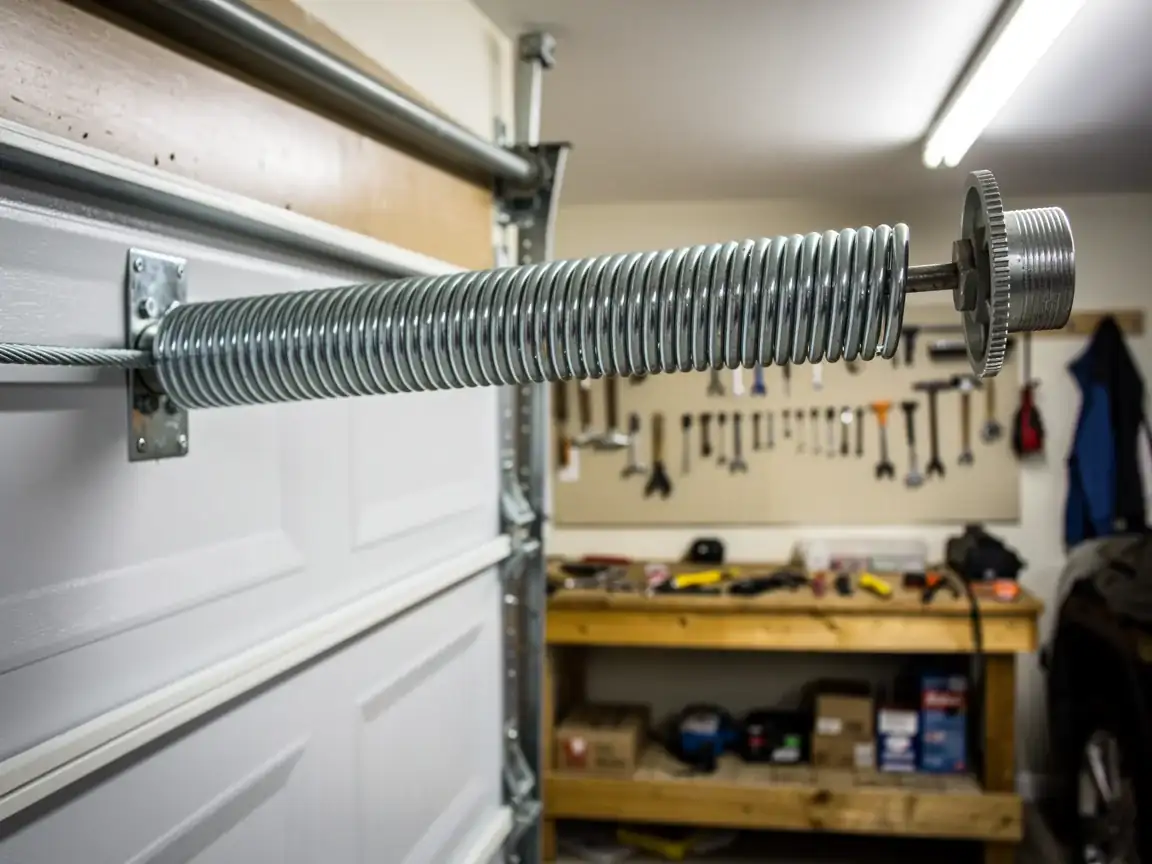
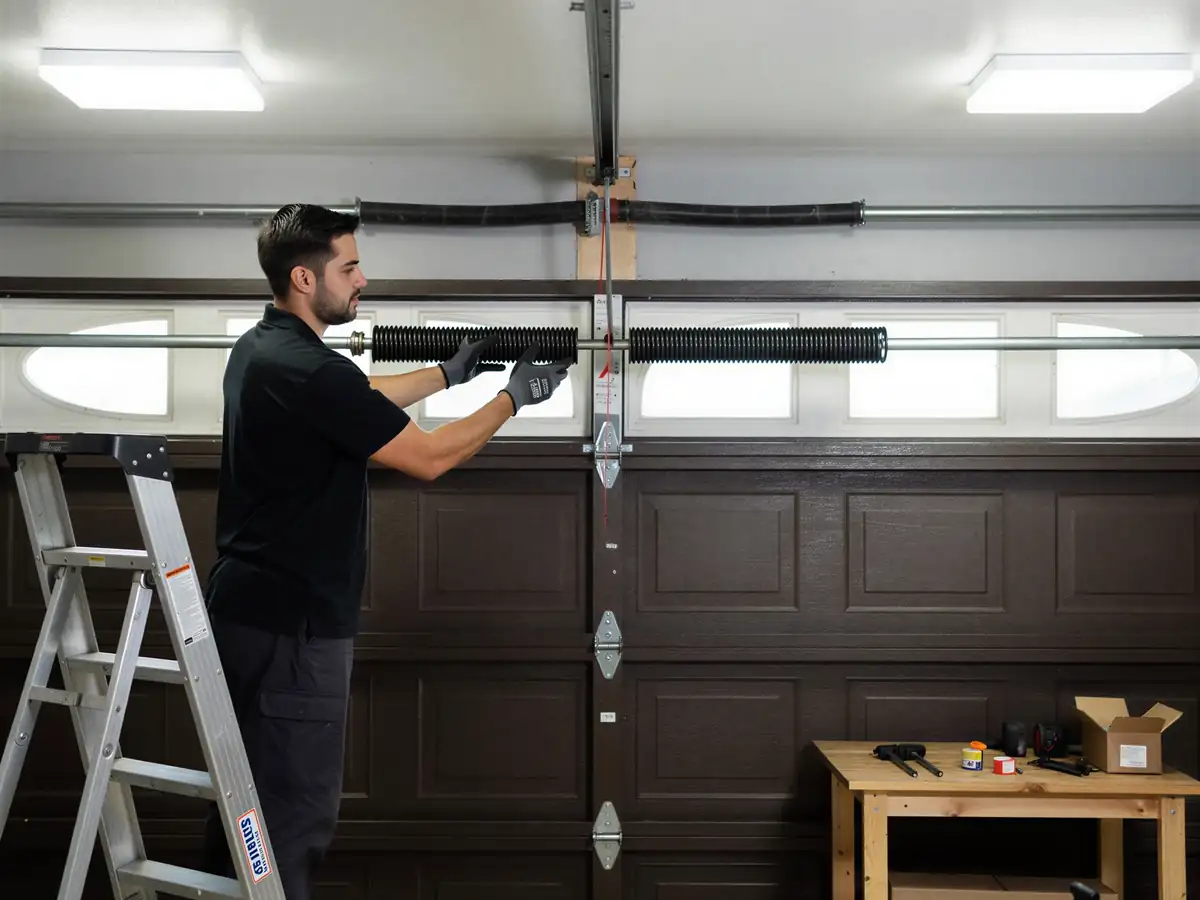
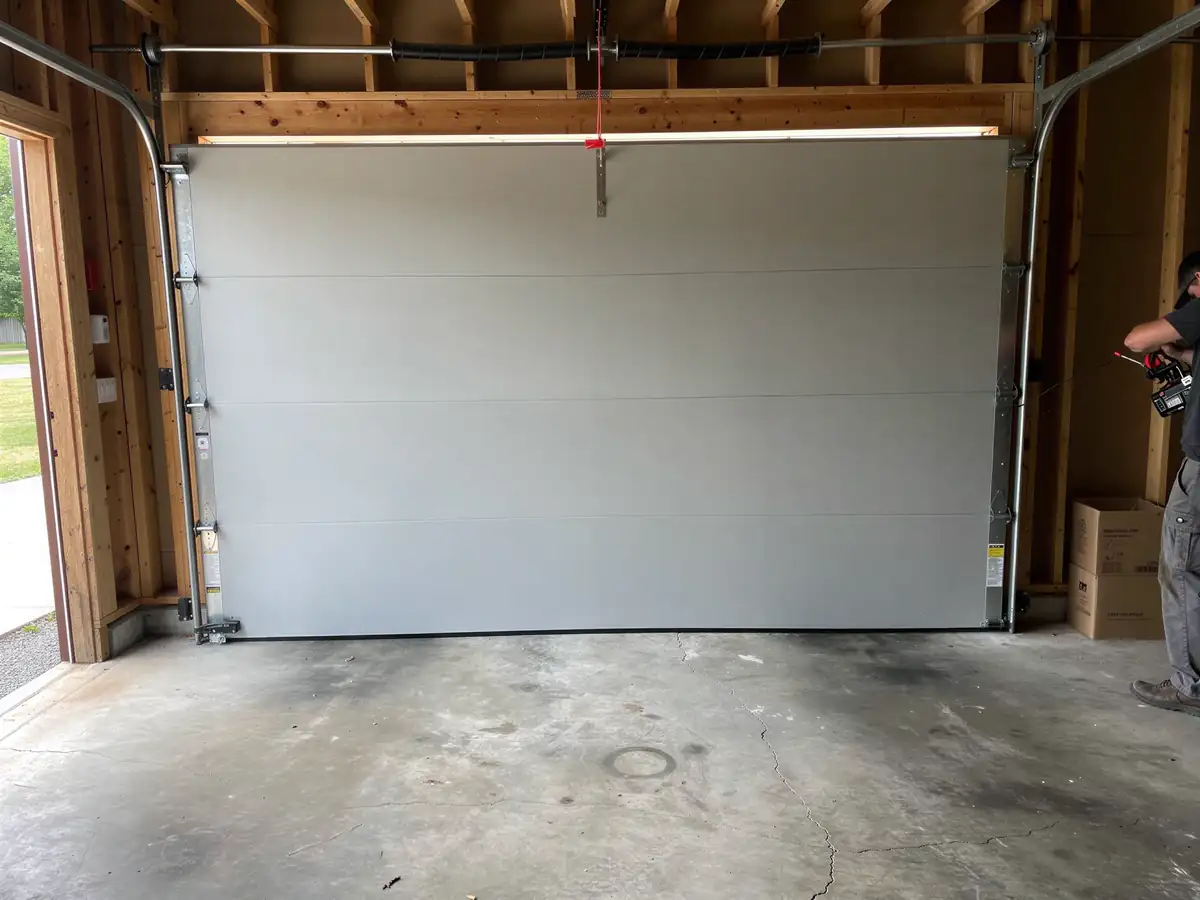
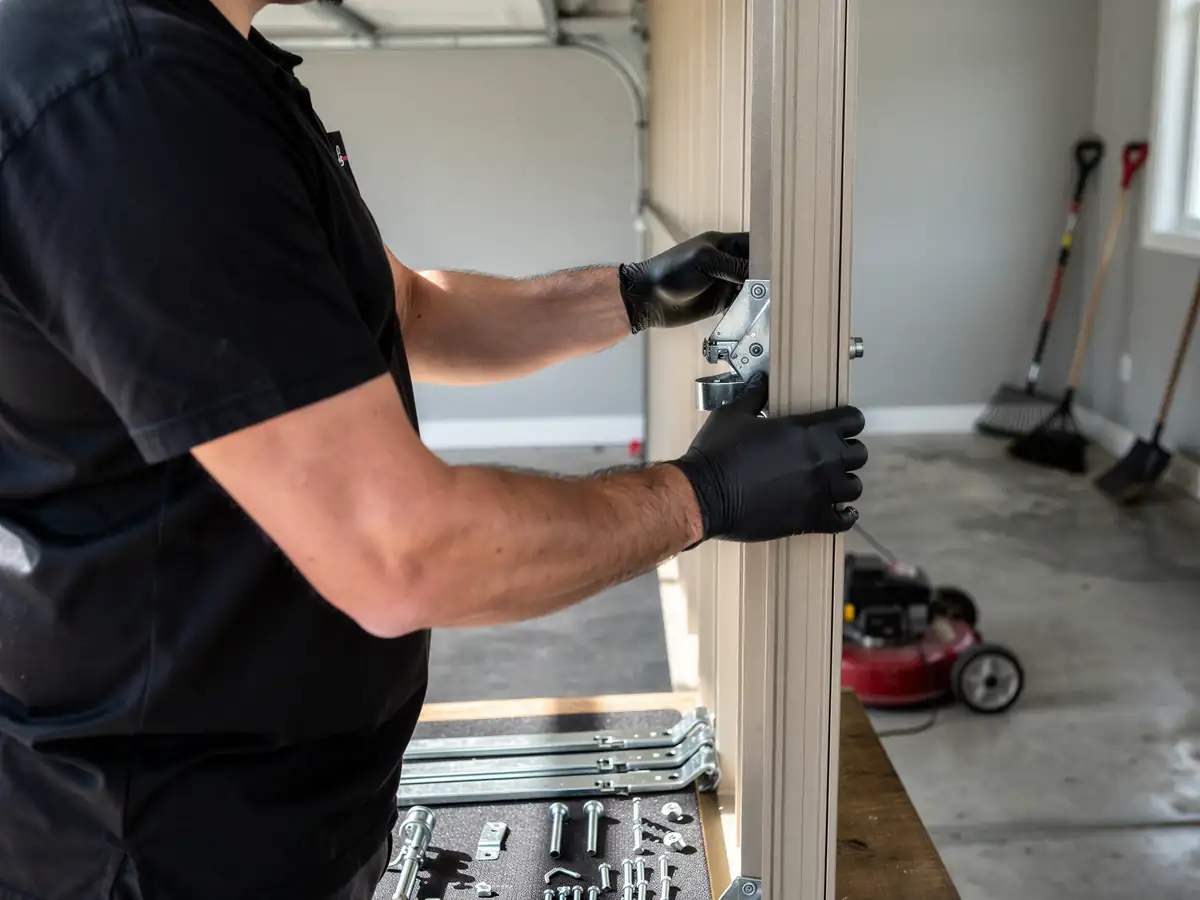
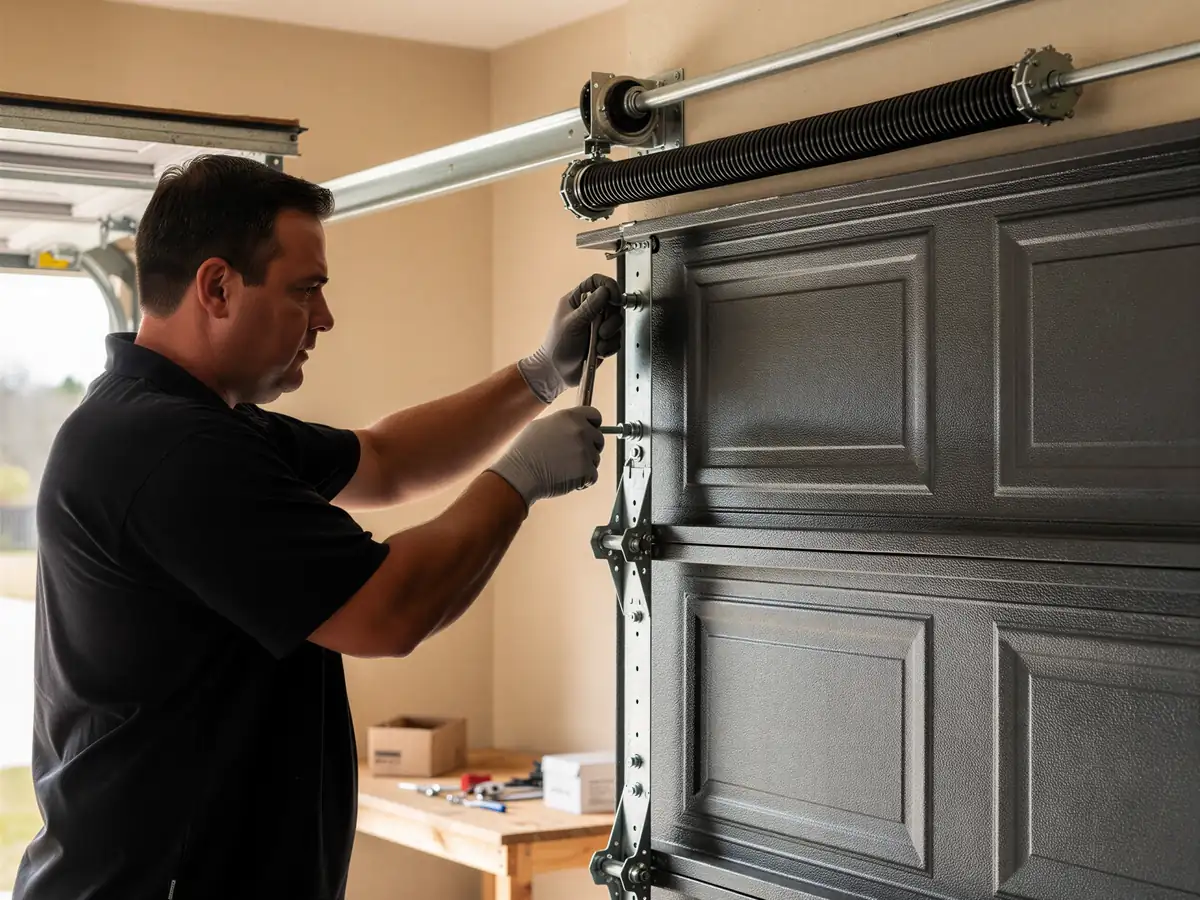
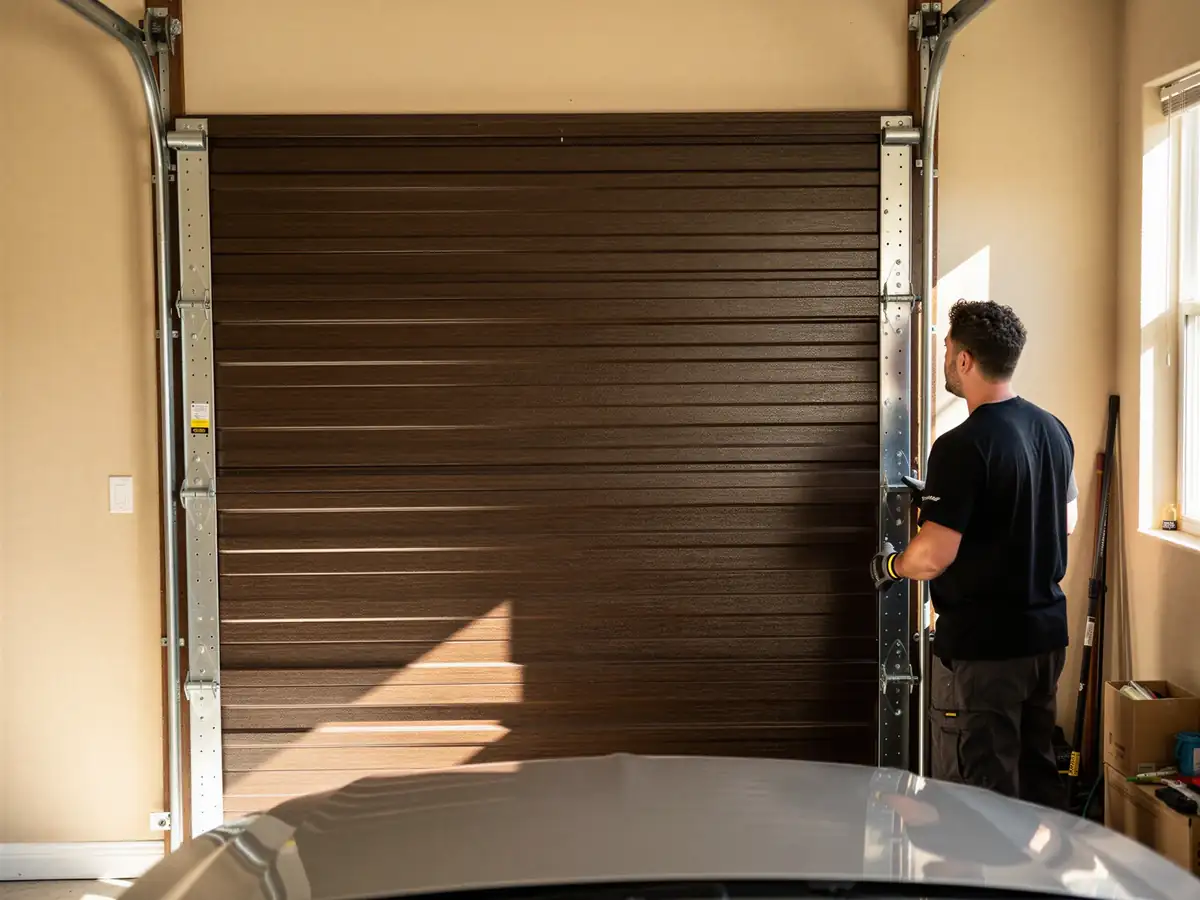
When we come out for an installation, we're not just swapping a door for a door. Most houses in this area went up between 1957 and 2007, with the bulk of that stock dating to the 1980s and 90s, and a lot of those original openings were framed for single-layer steel doors with no insulation and light-gauge torsion springs. We measure the rough opening, check the header for sag (common after three or four decades of a heavier door hanging on old track), and size the new spring for the actual door weight, not a generic chart number. If the jamb or header has shifted, we shim and reinforce before the new door goes in rather than forcing a stock door to fit a settled frame. For double-wide openings common on the larger 1980s and 90s lots out here, we install center-reinforced panels rated for wider spans so the door doesn't bow under wind load. We set the opener's force and limit settings by hand and test the balance with the opener disconnected, lifting the door manually, before we call the job done.
The Symptom
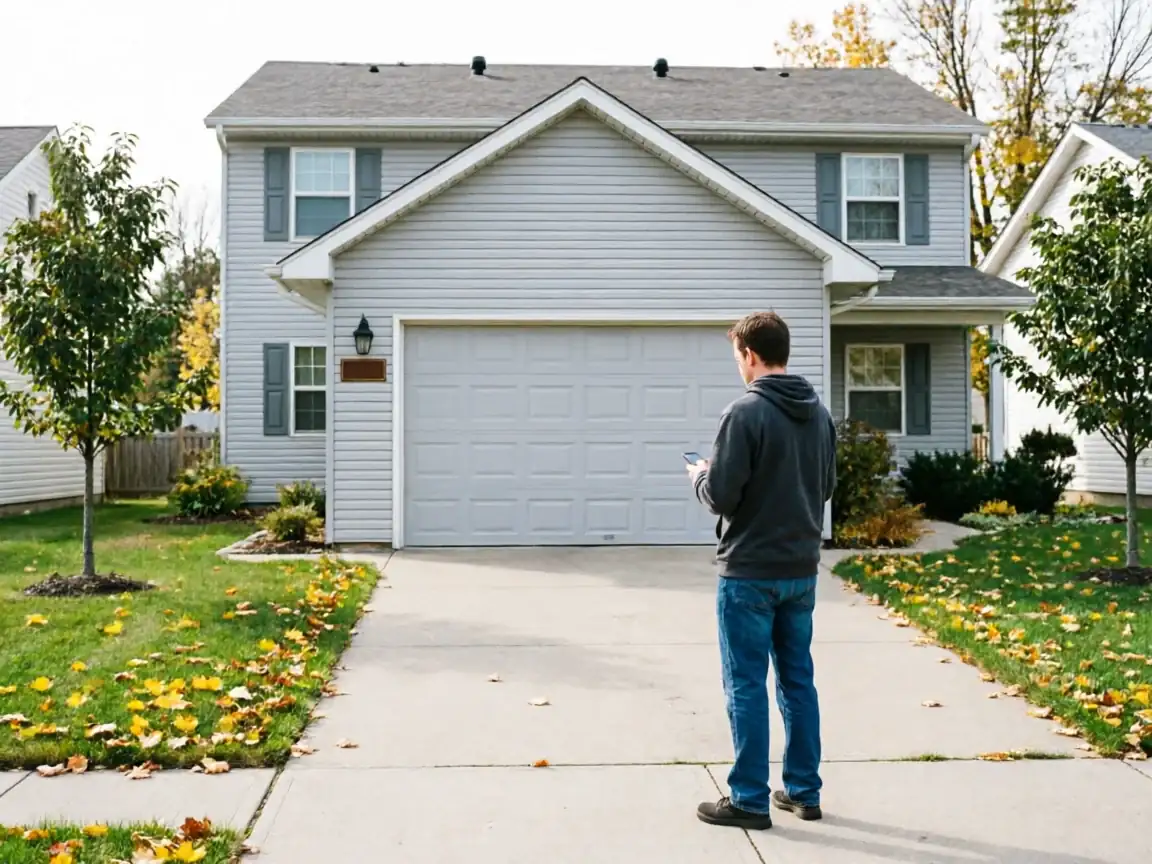
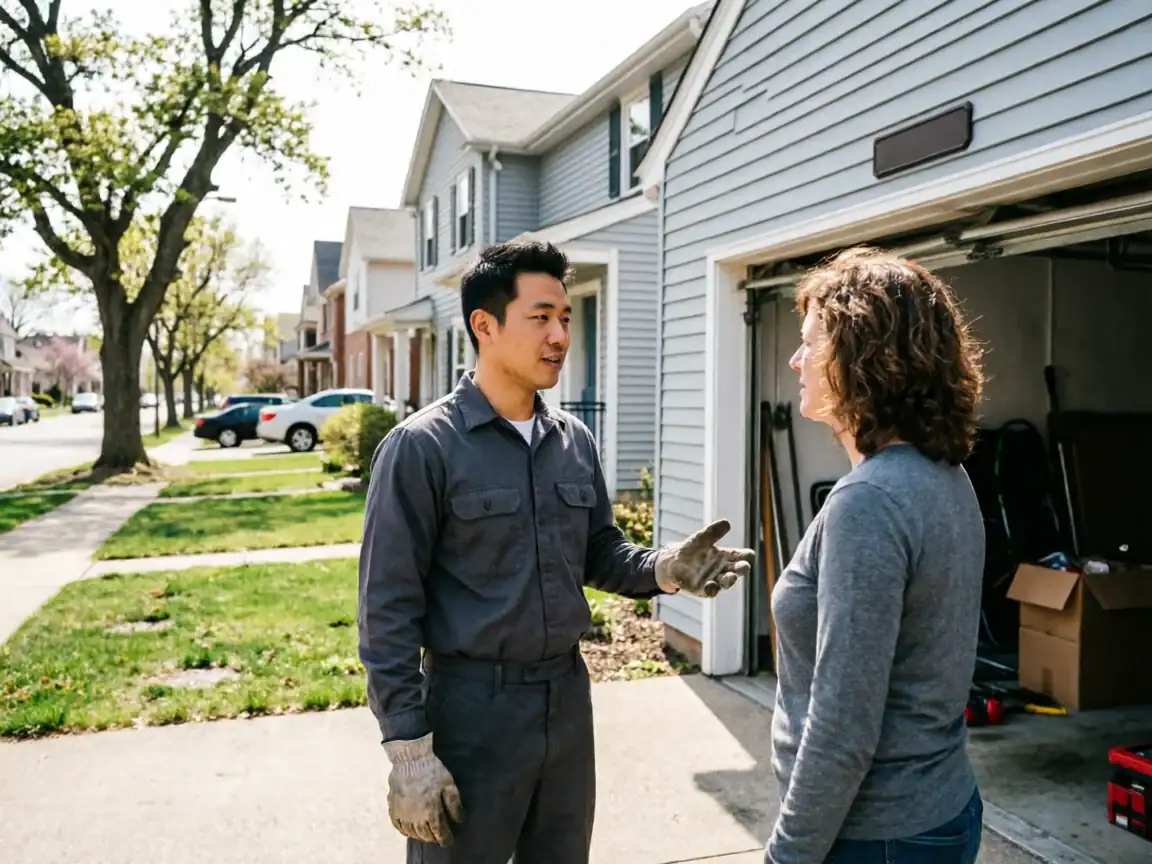
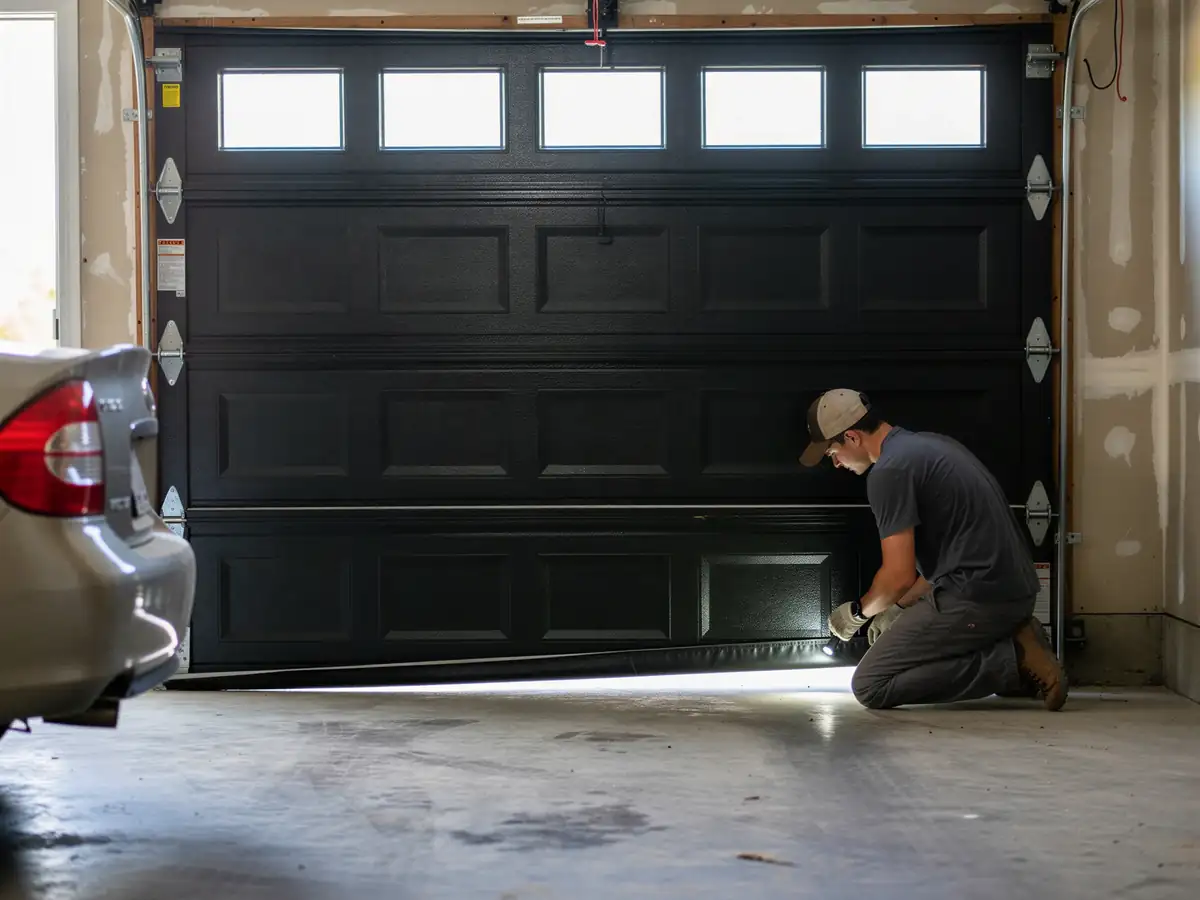
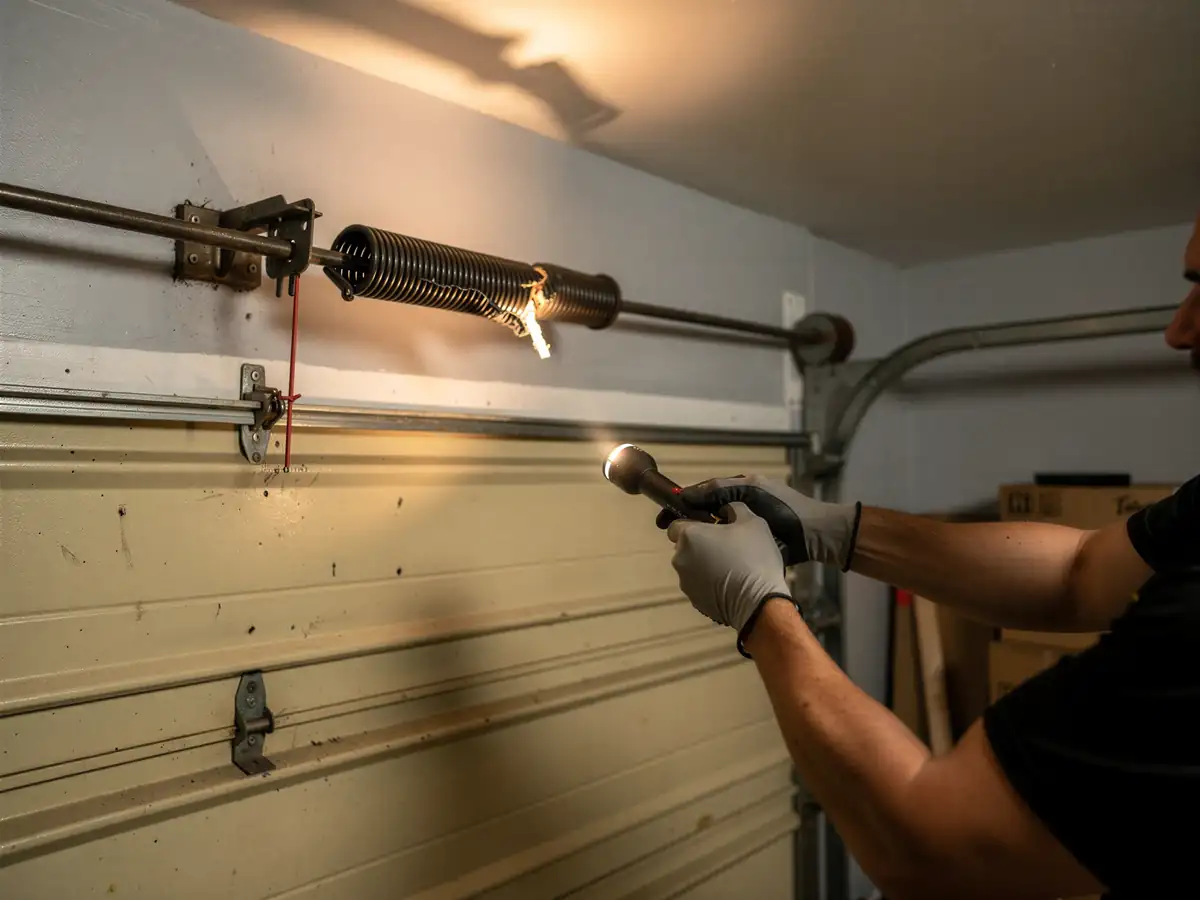
The call usually starts one of two ways. Either the door won't come up at all - sheared cable, spring that let go overnight in the cold - or it comes up but you can see daylight around the edges and feel a draft in the garage you didn't used to feel. On the older end of the local housing stock, from the late 1950s through the 1970s, we also see doors that still operate but have warped enough that the opener strains and the track squeals on every cycle. Homeowners often ask for a repair quote first, which is reasonable, but on a door this old the hardware, the insulation, and the panel are usually all past the point where patching one part makes sense. If the door is original to a house built before the 1980s run of construction, replacement is almost always the better math than chasing parts for it.
What Is on the Truck
We carry insulated steel panel sections in the widths that fit the single and double openings common across this service area's 1980s-and-90s-built homes, along with the wider reinforced panels for the larger double-door openings on bigger lots. Springs come in a range of wire sizes and wind counts because a 7-foot door and an 8-foot door on the same street can need different torsion specs even if they look alike from the driveway. We stock standard-lift track hardware and the brackets needed to reinforce a header that's settled over the decades - a frequent find on anything built before the 1980s. One honest limit: if a job needs a custom-width panel outside our standard stock sizes, that's a special order, and we'll tell you the lead time up front rather than promise same-day on a part we don't have on the truck.