How to Book
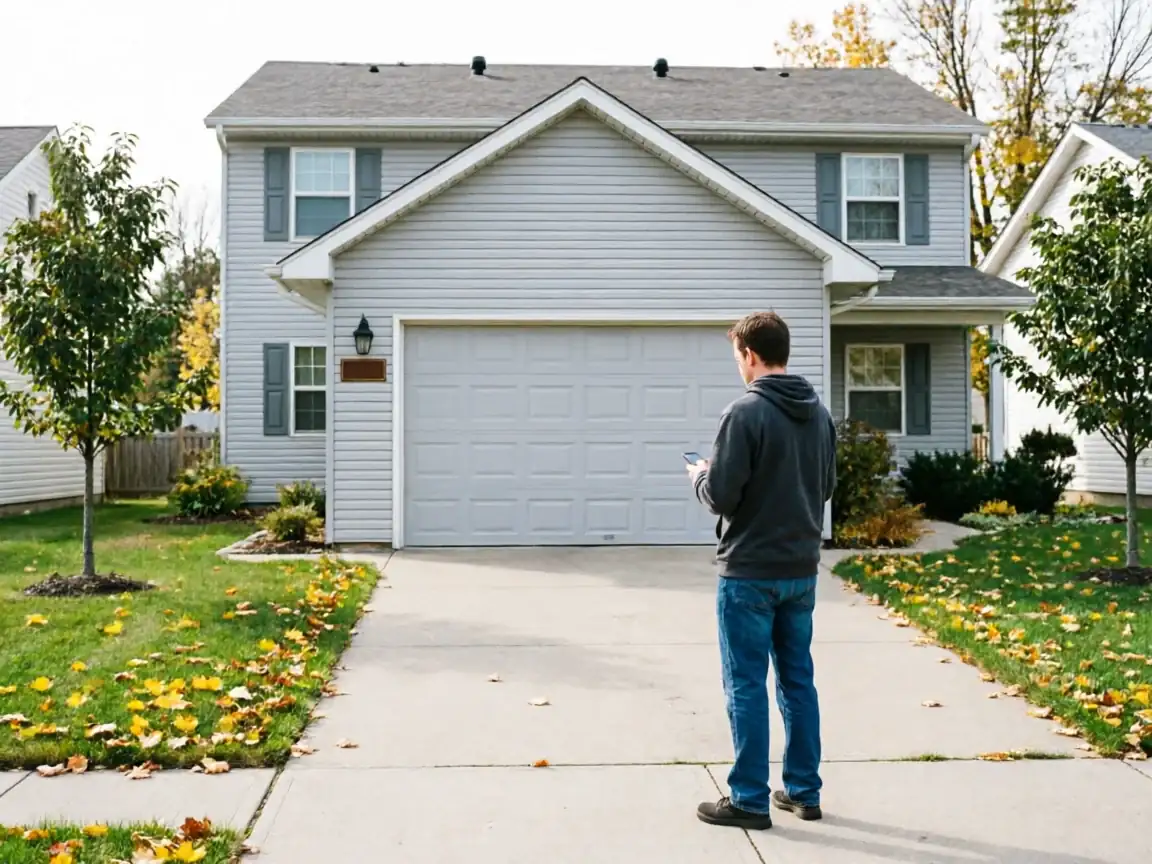
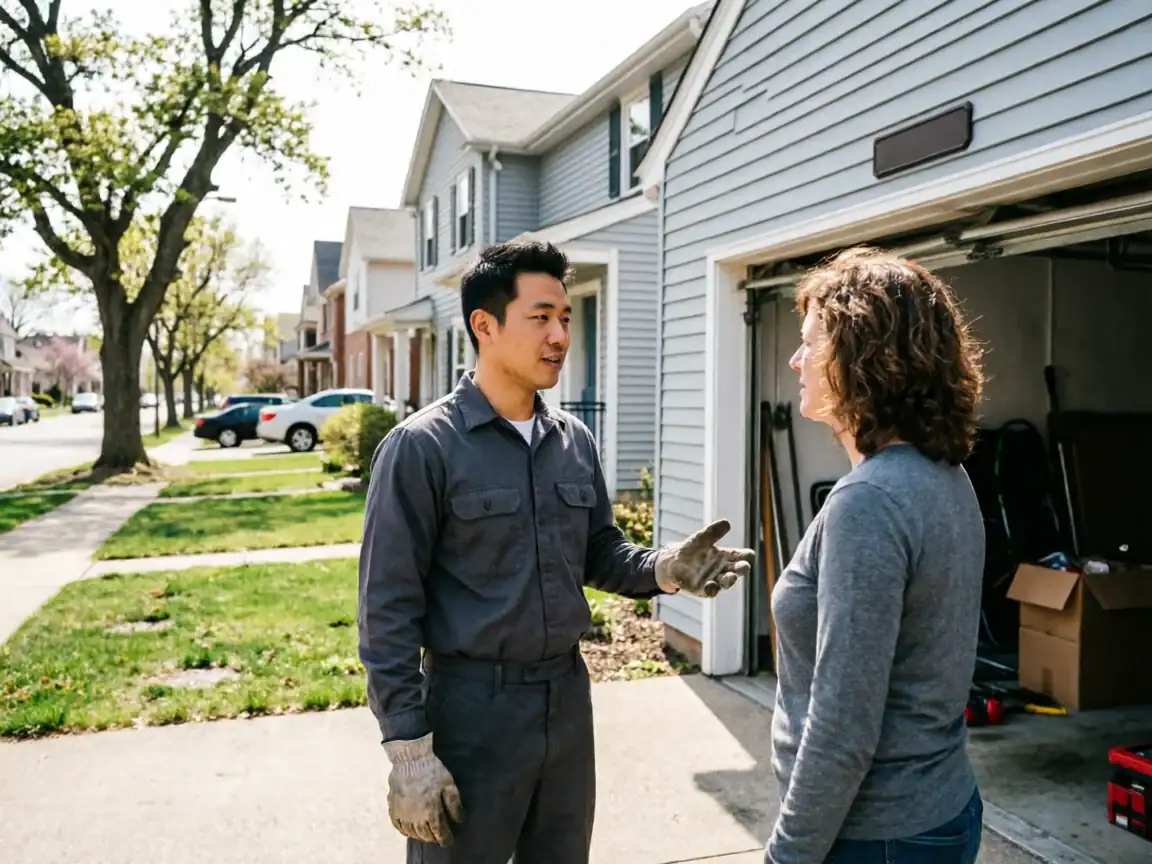
We're based in Maple Grove, about 10 miles south of Ramsey, and we run that drive regularly for repair calls. There's no branch office or drop-in counter here - you call, tell us what the door is doing, and we schedule the truck out to you. Because we're not staging a crew in Ramsey itself, we ask for a few details up front: whether the door is stuck open or shut, whether you heard a bang before it quit, and roughly when the house was built if you know it. That last point matters more here than it sounds - a house from 1995 and a house from 1965 fail in different ways, and knowing which one you've got saves a wasted trip for the wrong parts. Book through the Ramsey garage door service page or call directly. We don't quote a flat response time for Ramsey since it's a drive from our Maple Grove base, not a same-town call, but we'll tell you honestly where you fall in the day's route when you call.
How We Fix It
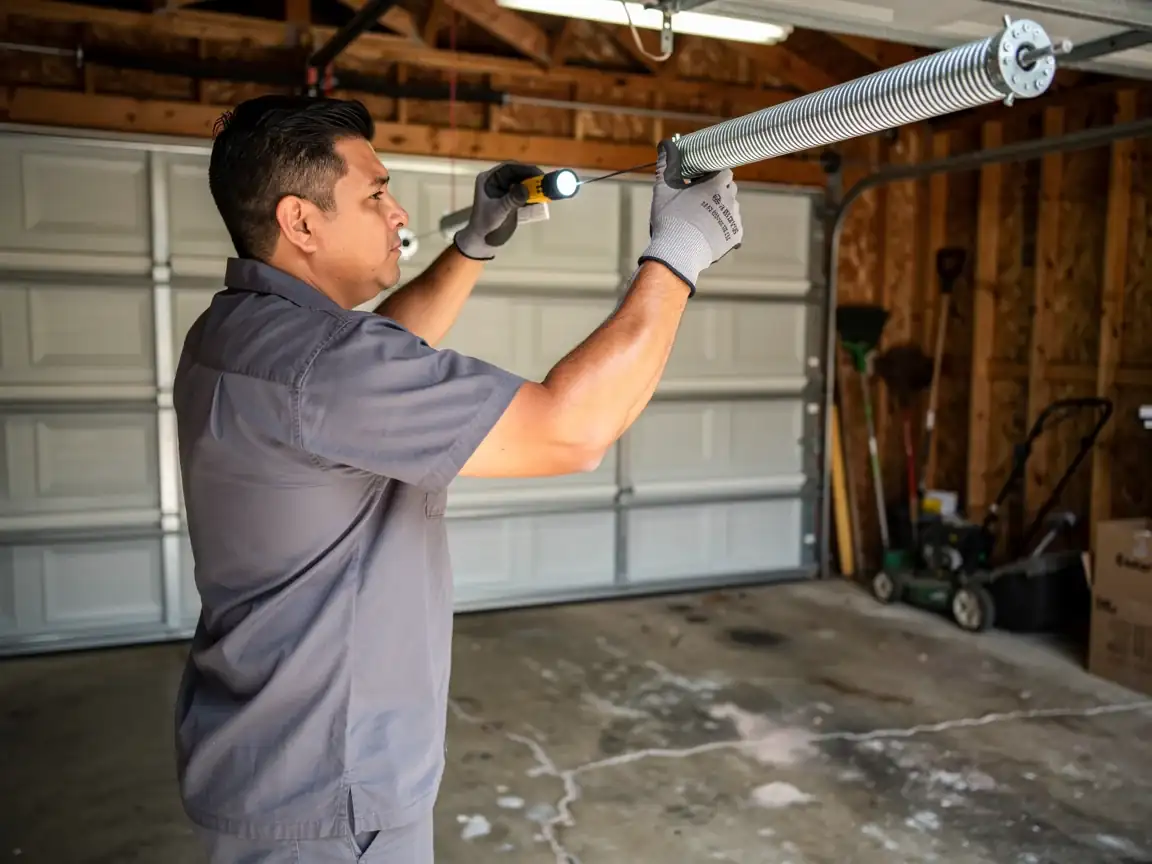
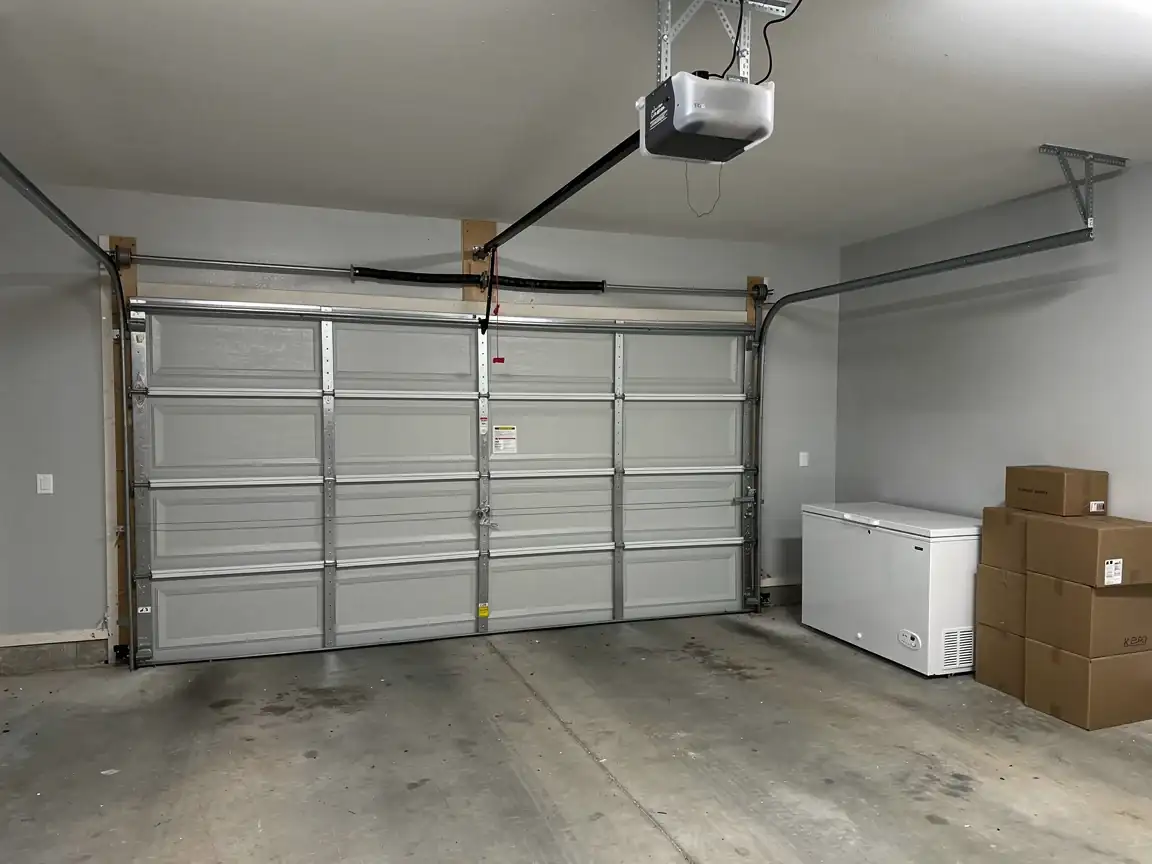
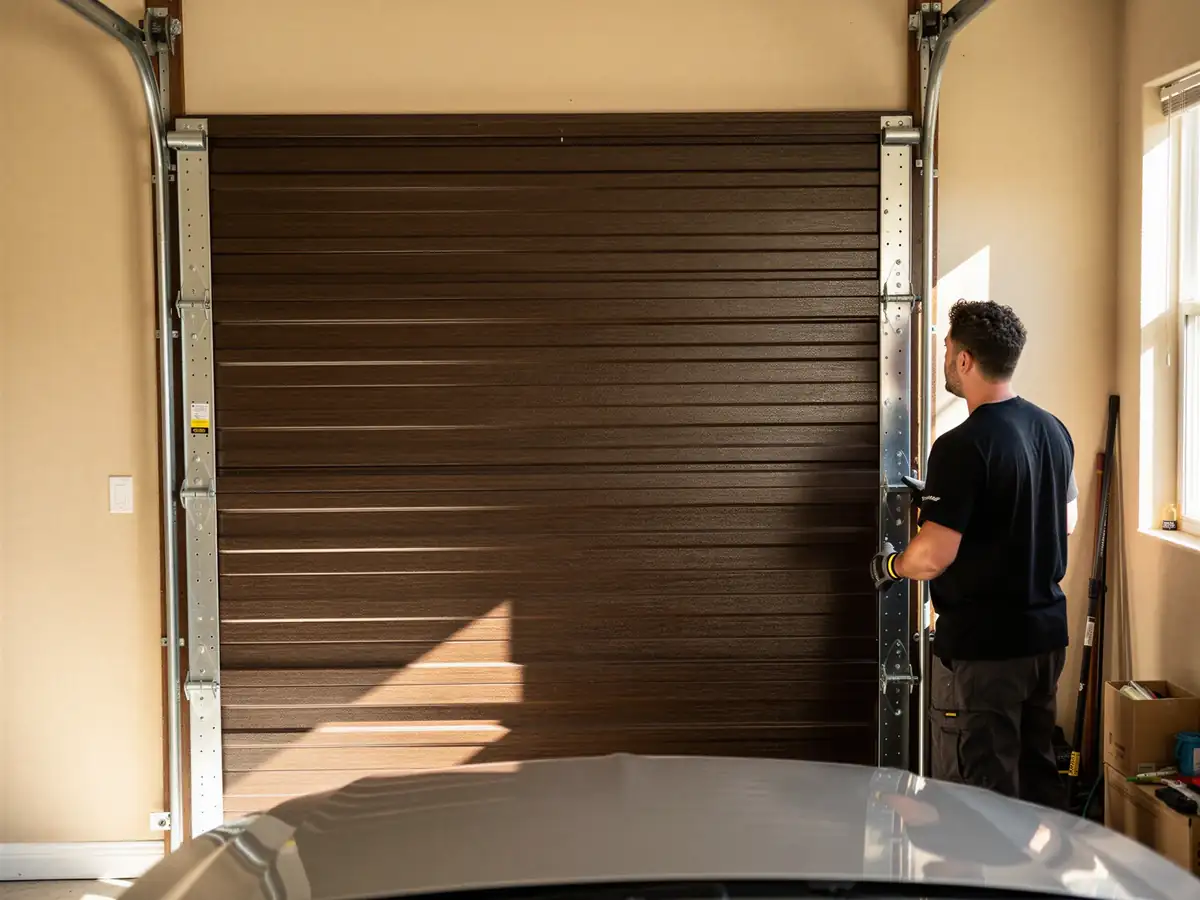
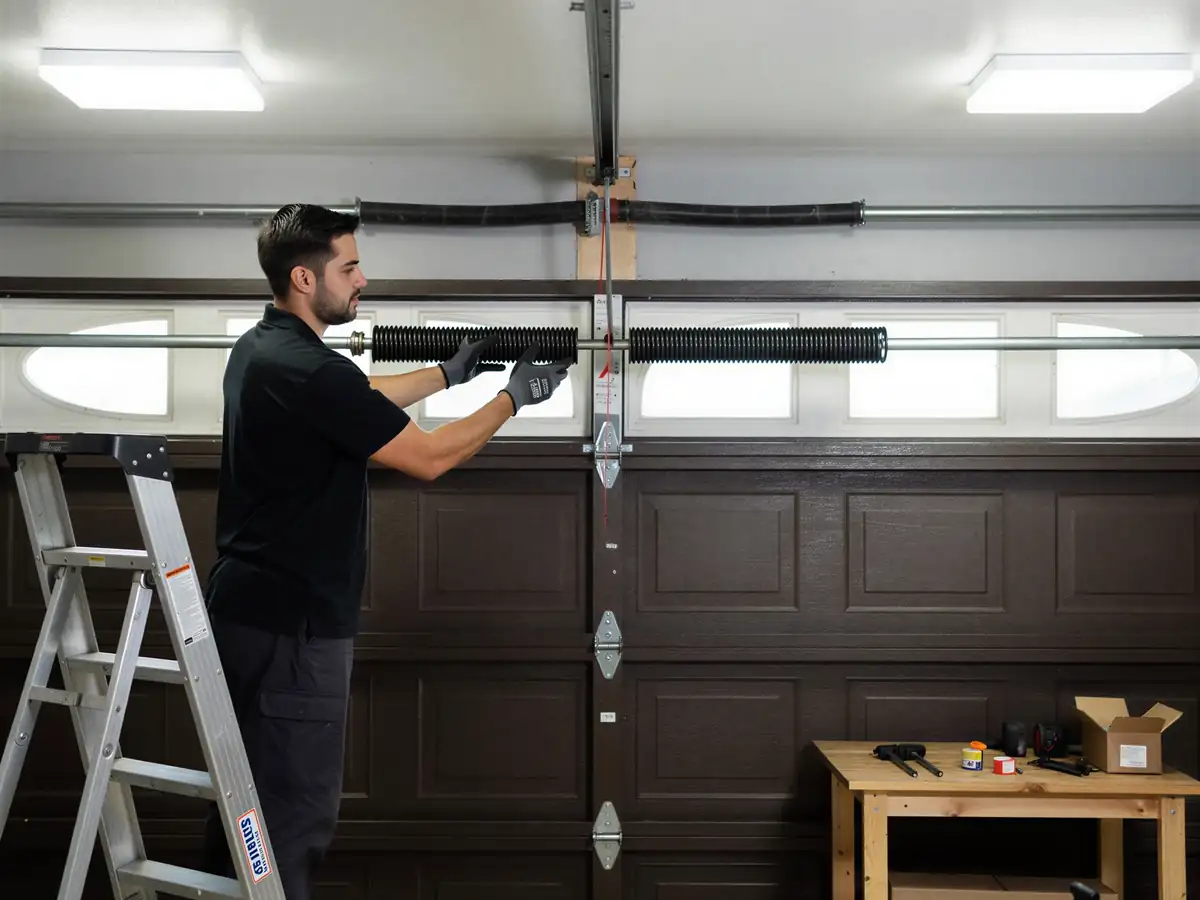
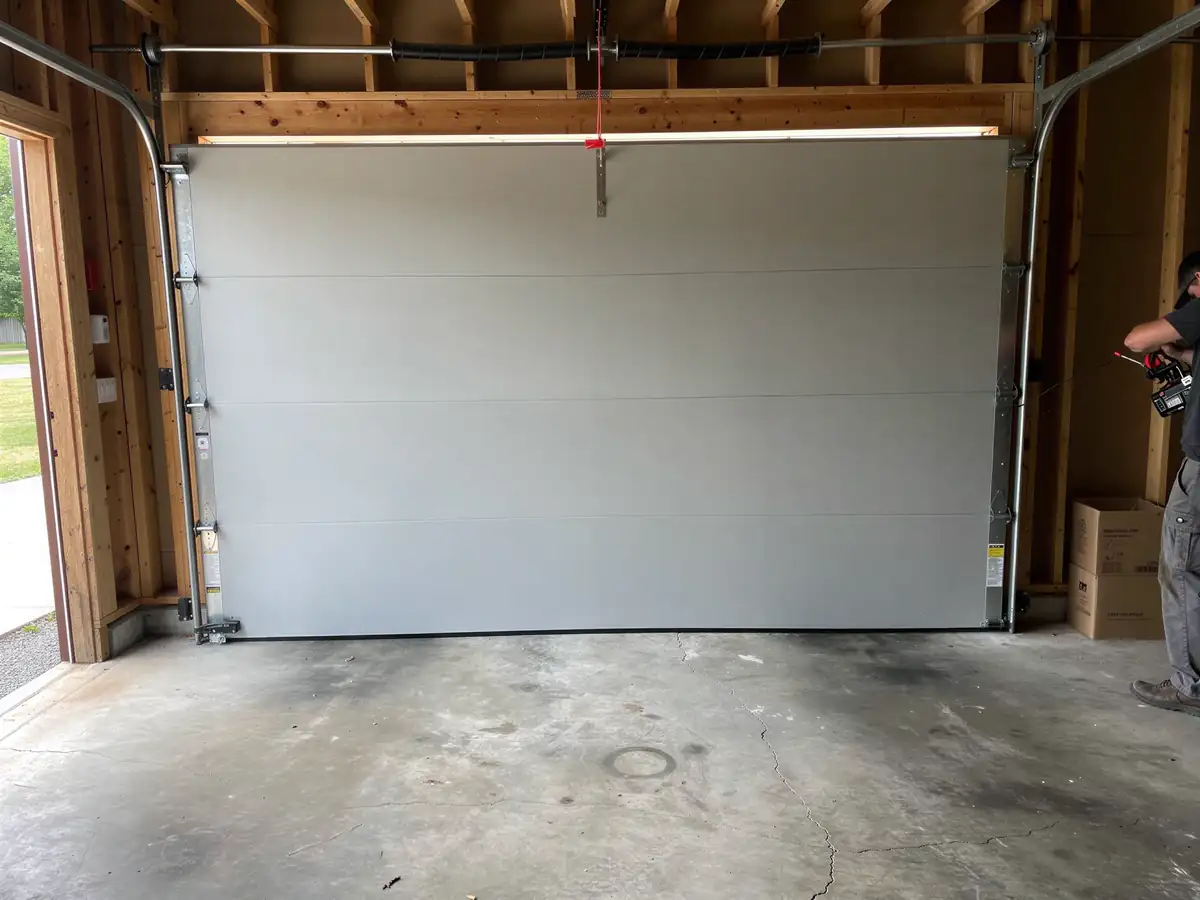
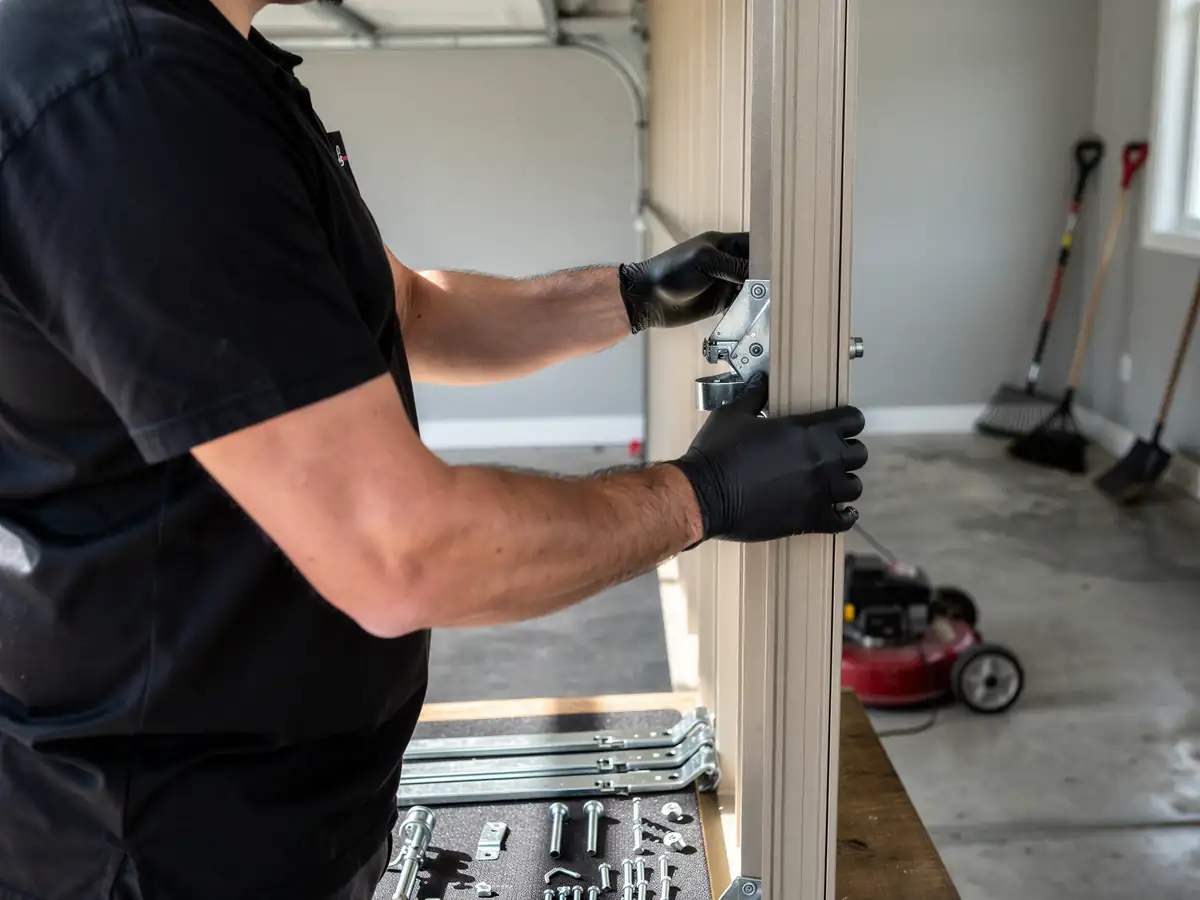
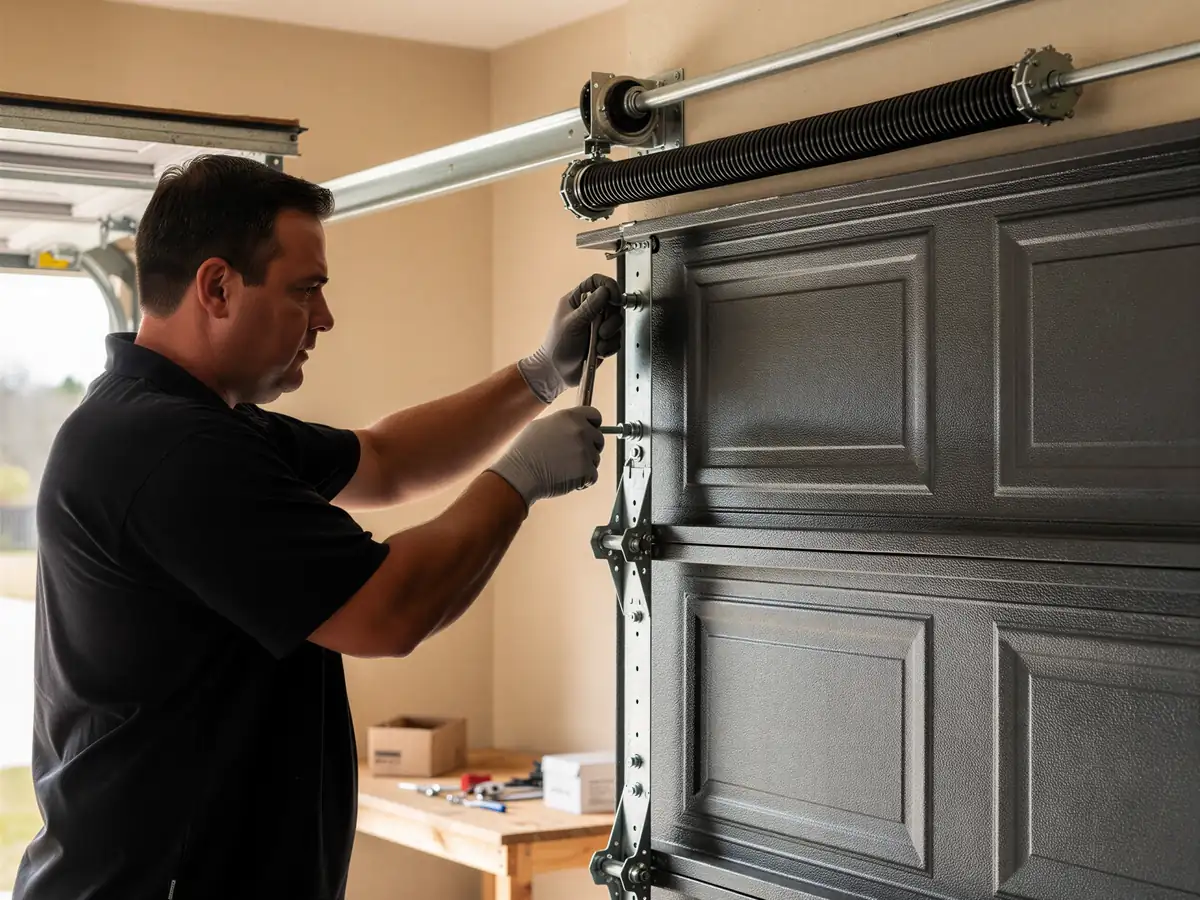
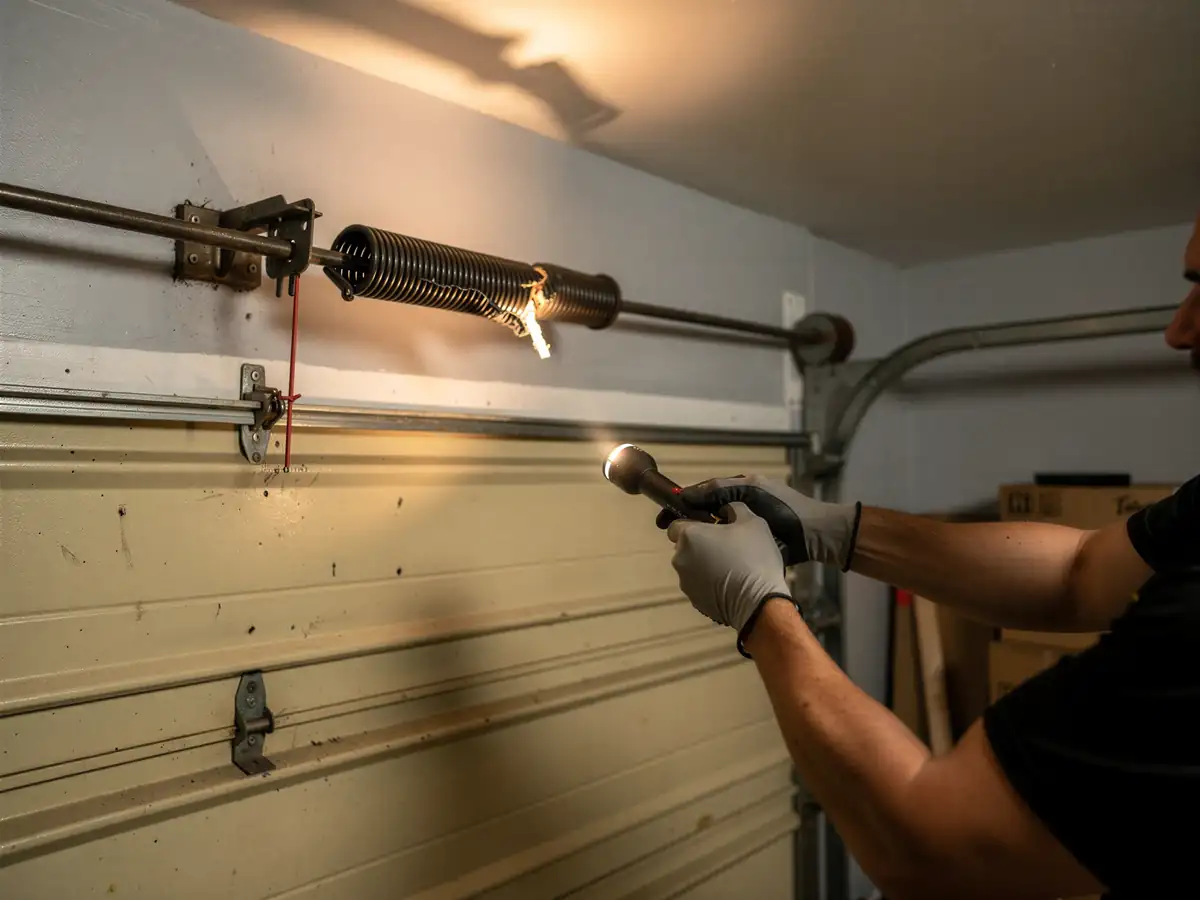
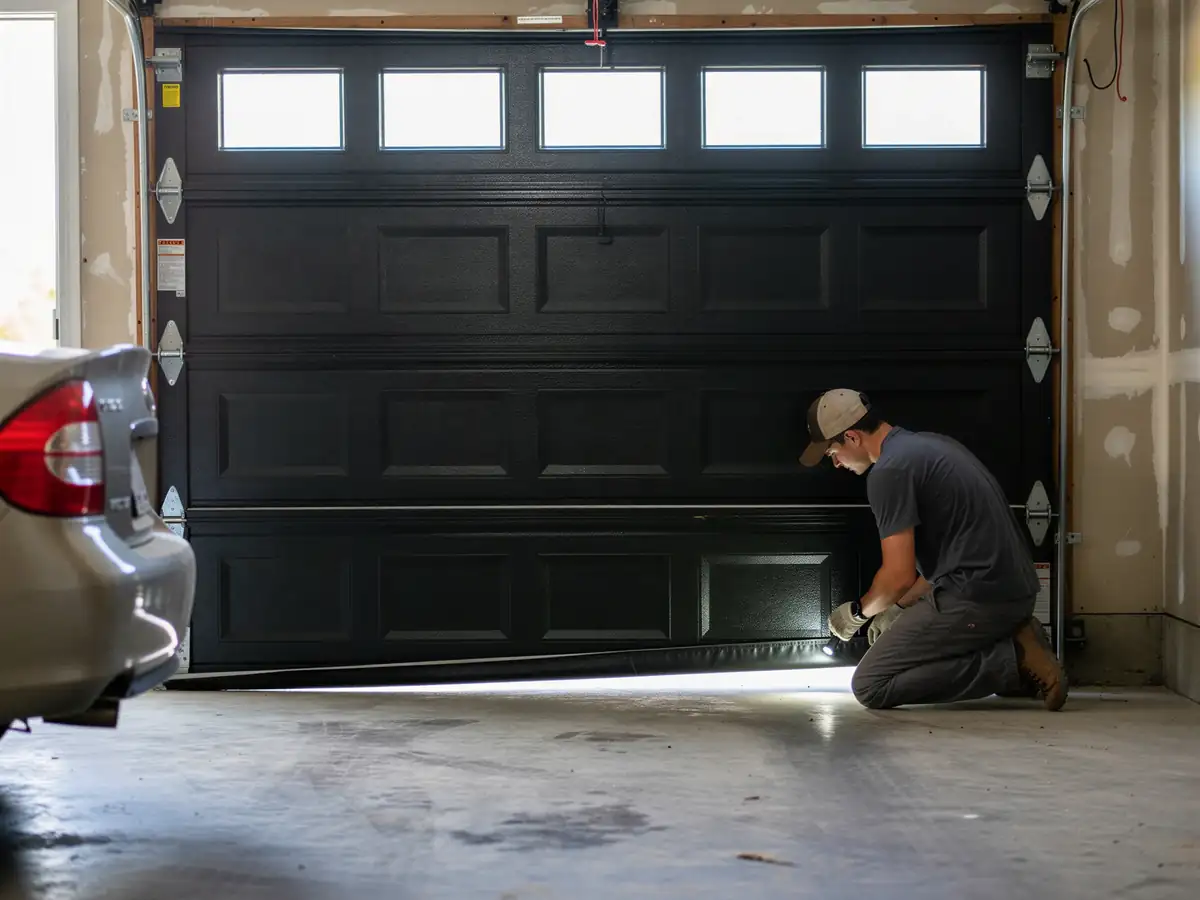
For a torsion spring on a 1990s door, we match the wire size and wind count to the door weight rather than guessing off the old spring's current state - a worn spring doesn't tell you what it was rated at new. If the opener is original to the house, we check whether the motor is working harder than it should because the spring is doing less than it should; sometimes a spring replacement alone brings the opener back to normal and a motor swap isn't needed yet. Rollers from this era are usually steel on a steel track, which is loud and prone to flat-spotting - nylon rollers quiet the door down and cost little extra on a spring job already underway. We also check the bottom bracket and cable ends, since those take the most cumulative wear on a door that's cycled twice a day for thirty years. We travel out from Maple Grove with spring stock sized for the common residential door weights in this area, so most of this is a same-visit fix, not a return trip for parts.
Where This Job Goes Sideways
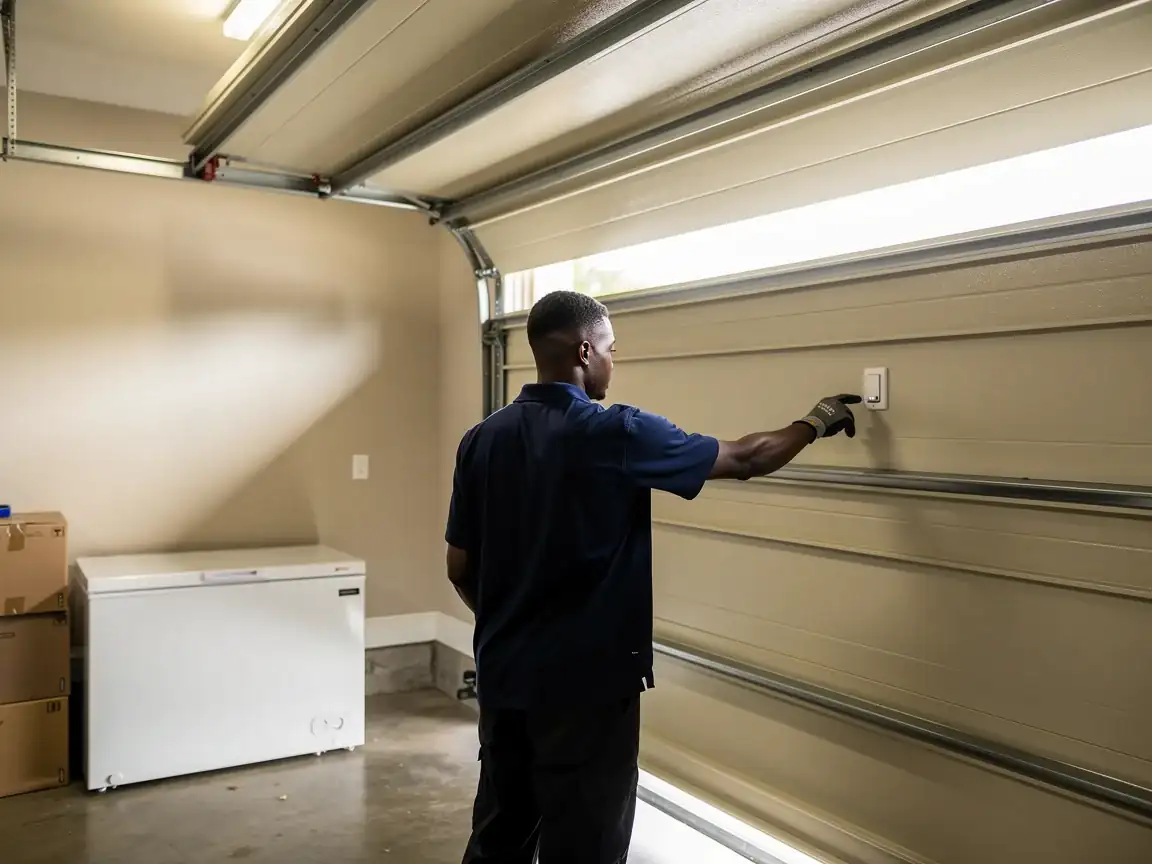
The job gets harder when the opener and the spring have been failing together for a while and the homeowner's only symptom was "the opener doesn't work," with no mention of noise or slow travel beforehand. By the time the opener physically stops, the spring may be so far gone that the door is unsafe to touch without pinning it first - a door with a near-failed spring under tension is heavier and more dangerous than people expect for something that looks still and quiet. Winter makes this worse in this climate band: cold temperatures stiffen lubricant and metal both, so a spring that was marginal in October can fail outright in January with no warning. We also run into double doors on original hardware with a single spring doing a job that should've been split across two - common enough in builds from this era that we check for it every time, because missing it means the fix doesn't hold.