How to Book
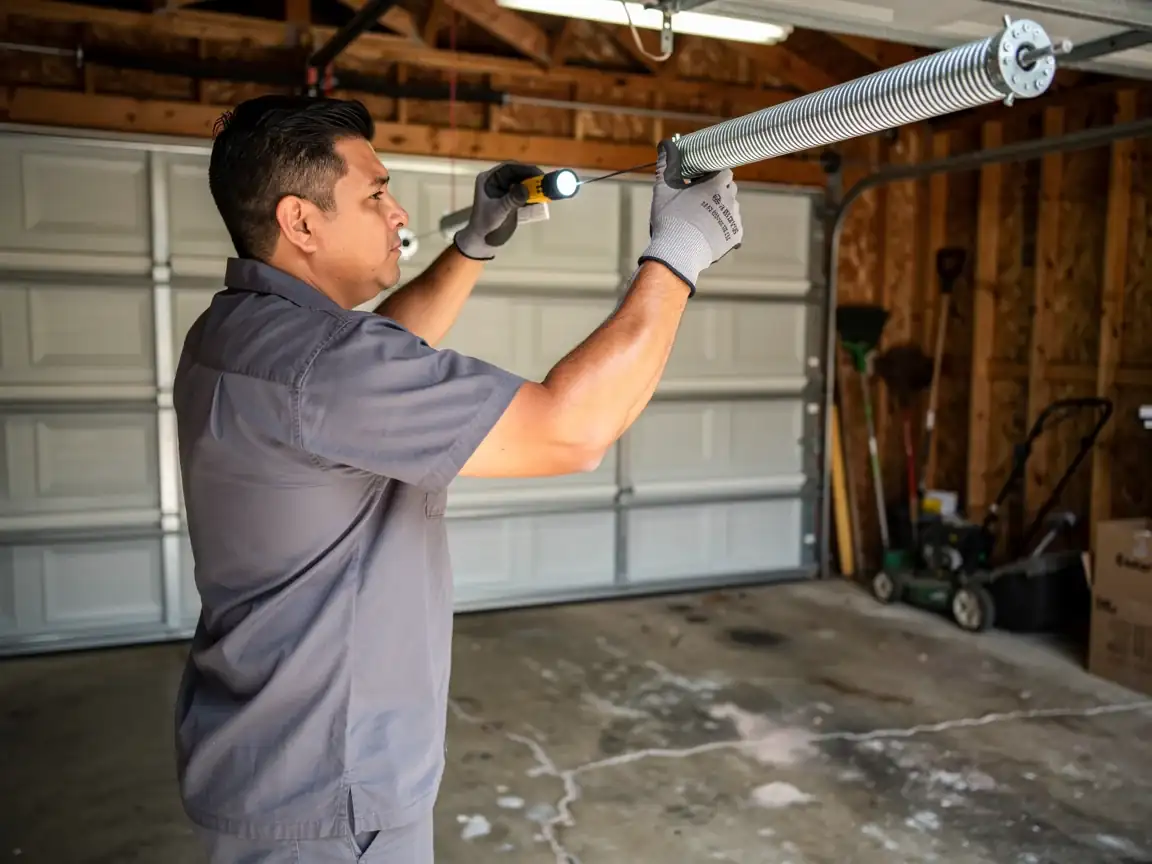
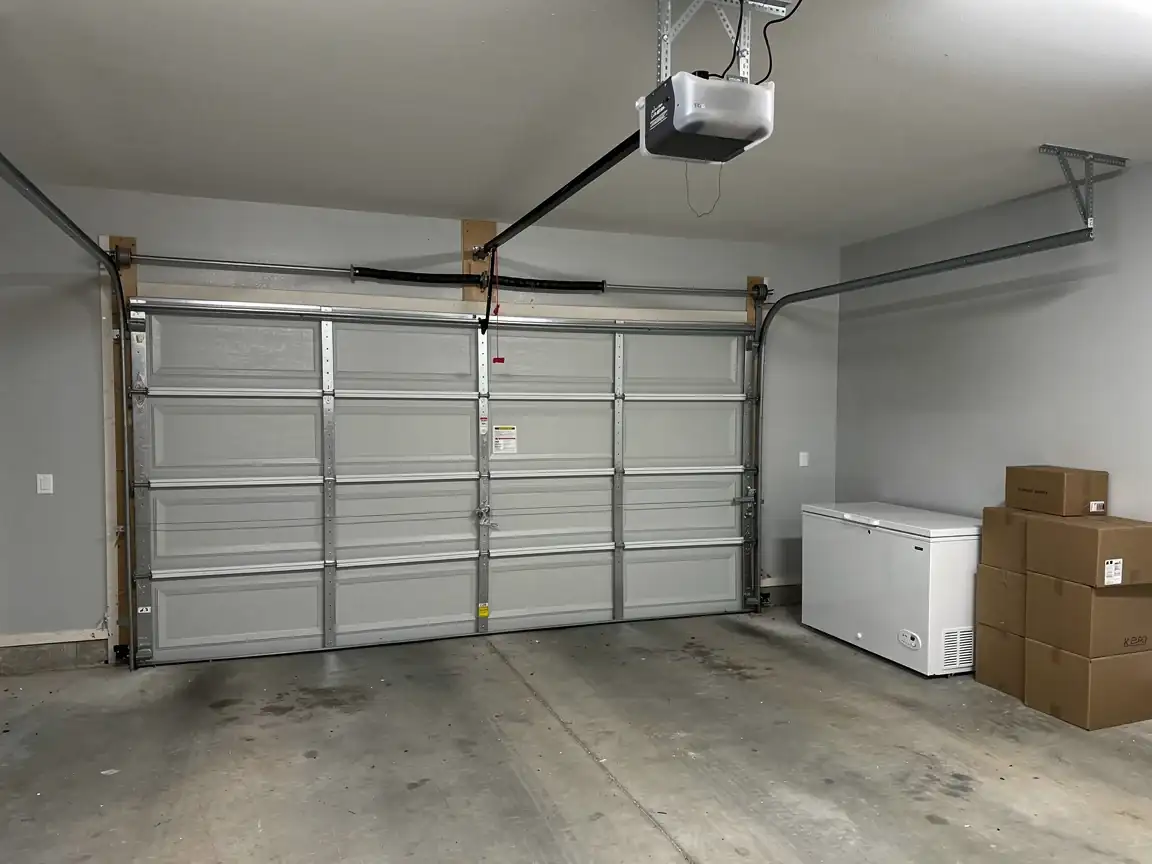
We're out of Maple Grove, about 10 miles south of Ramsey, and we run spring calls out that way on a regular basis. Call and tell us the door size and whether it's one spring or two - most Ramsey garages built in the mid-90s run a single torsion spring on a double door, which matters for how we price the job before we ever see it. We don't keep a branch in Ramsey itself, so there's no walk-in counter here; everything starts with that call and a truck gets dispatched. If you can, snap a photo of the spring (the coil above the door, not the cables) before you call. It saves a trip back for the right part.
We can usually tell you over the phone whether you're looking at a broken spring or something else pretending to be one - a cable off its drum looks similar from the garage floor.
The Symptom
The door won't lift
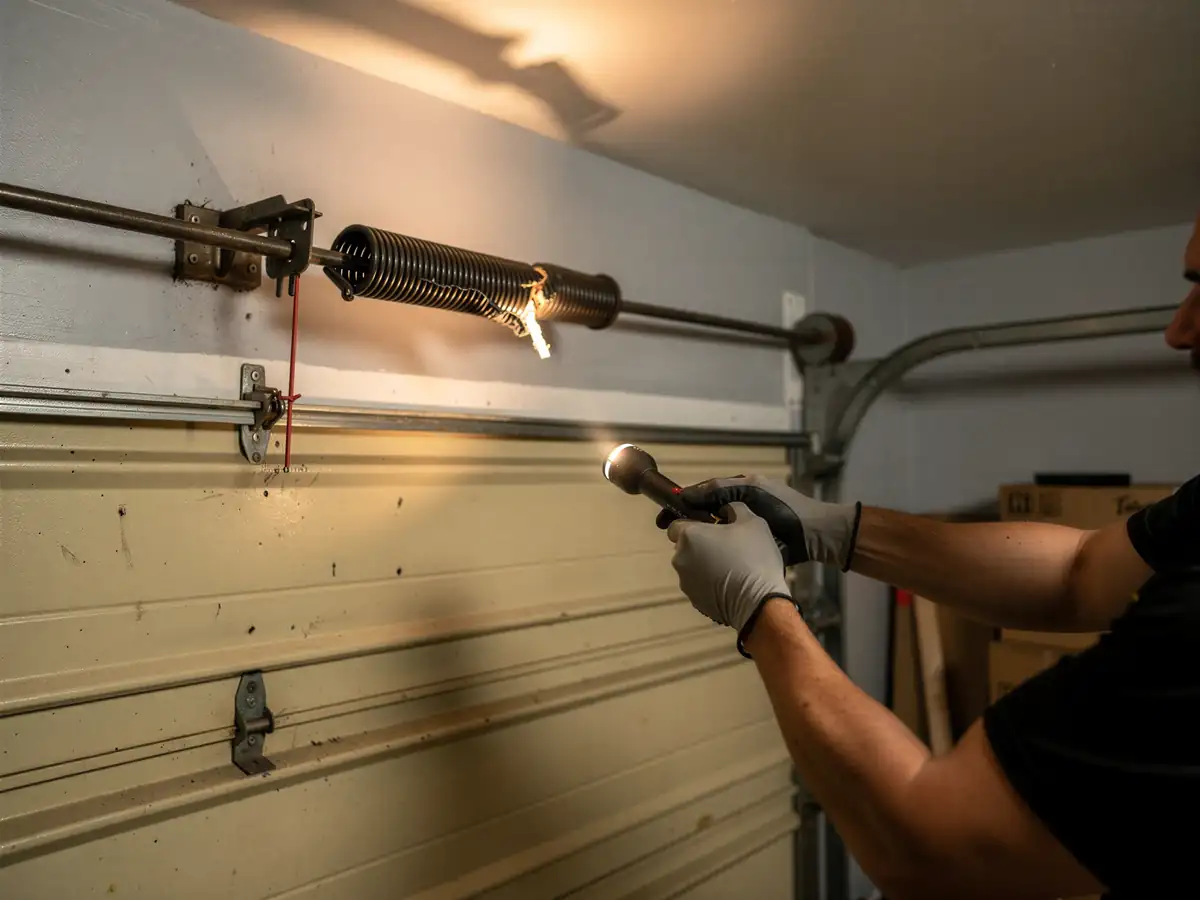
Or it lifts six inches and stalls, or the opener strains and reverses itself. Sometimes you hear the bang first - a loud crack from the garage, usually in the morning when it's cold. That's the torsion spring letting go.
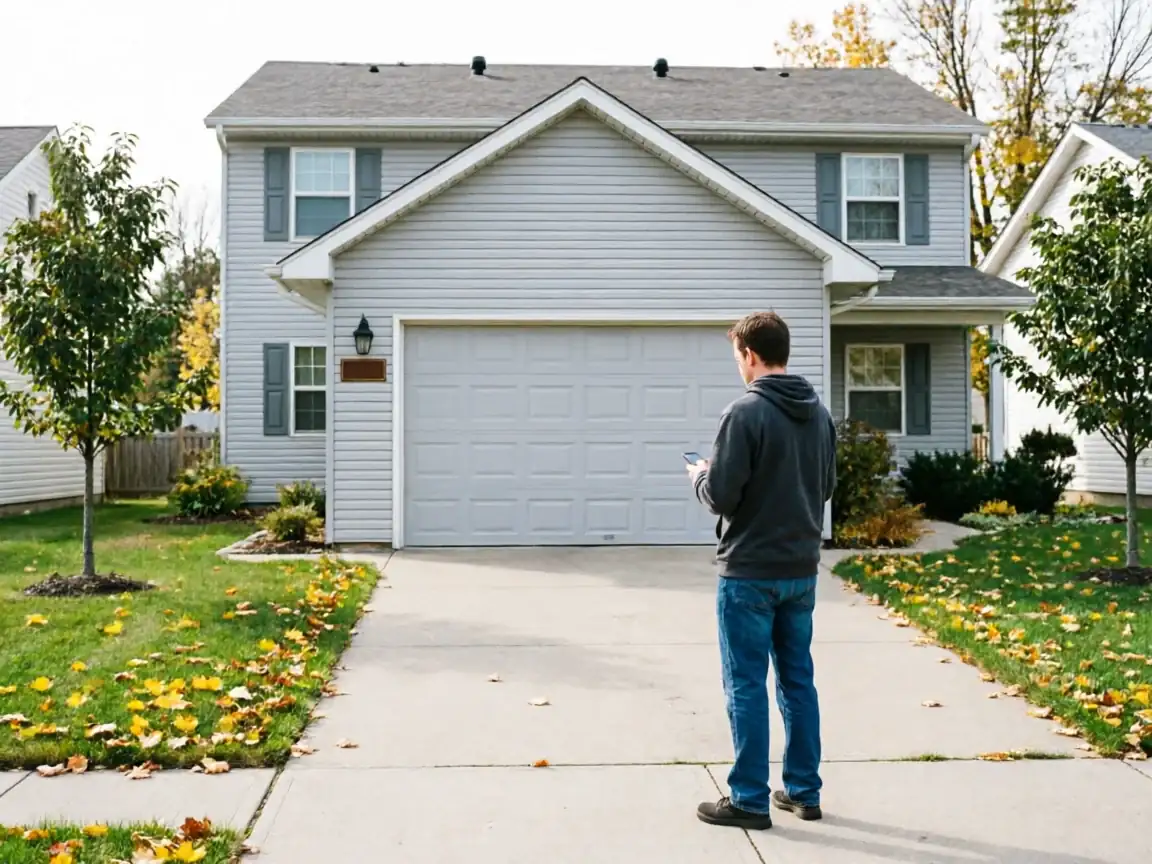
Ramsey's housing stock is newer than a lot of what we cover out of Maple Grove
The median build year here runs around 1995, versus 1982 across the wider service area. That matters for springs specifically: factory torsion springs from that era were rated for a given number of cycles, and a door opened twice a day for close to thirty winters has used most of them up. A 1995 build isn't old for a house, but it's getting old for the spring that's been doing the lifting the whole time.
The cold makes it worse
This is a severe cold climate, and steel springs lose flexibility as the temperature drops - that's why the break so often happens on the first hard-cold morning of the stretch, not during a mild one.
How We Fix It
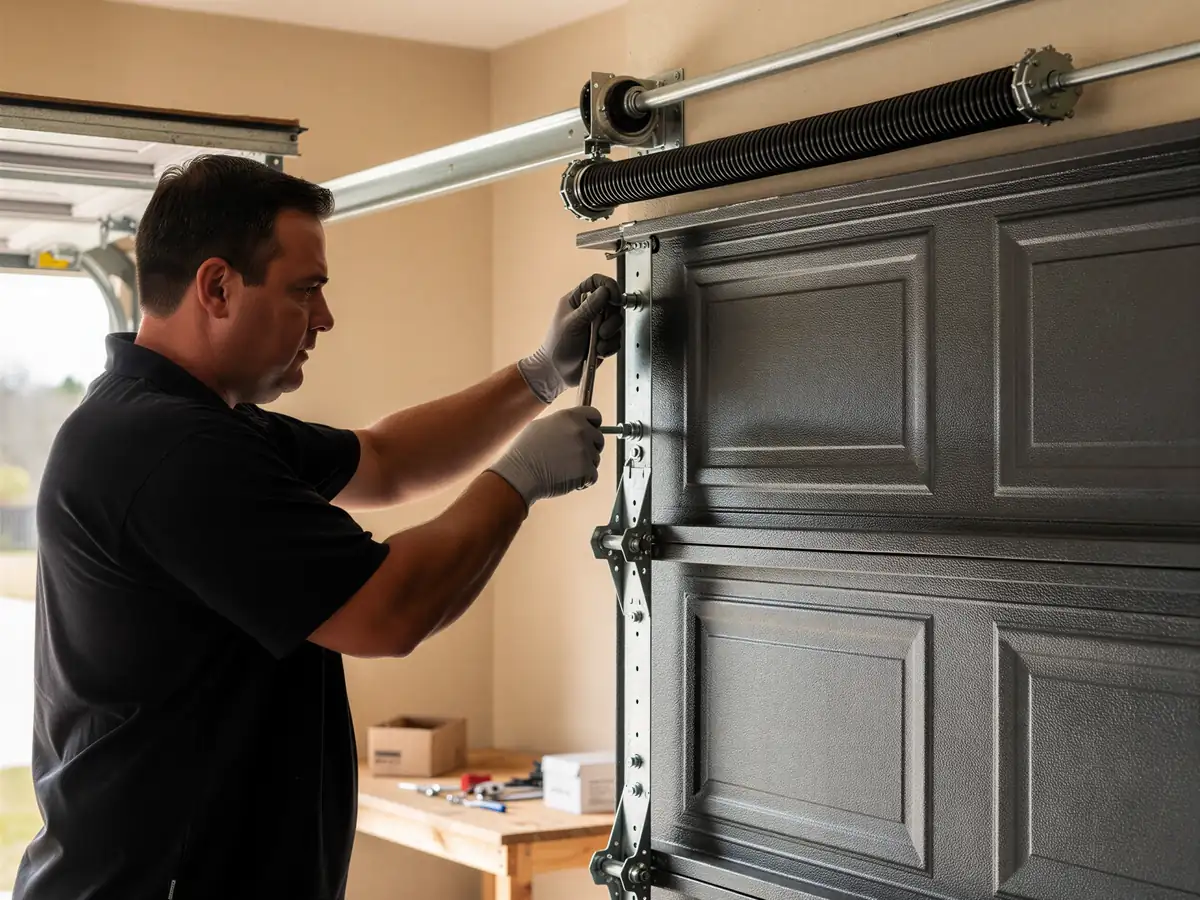
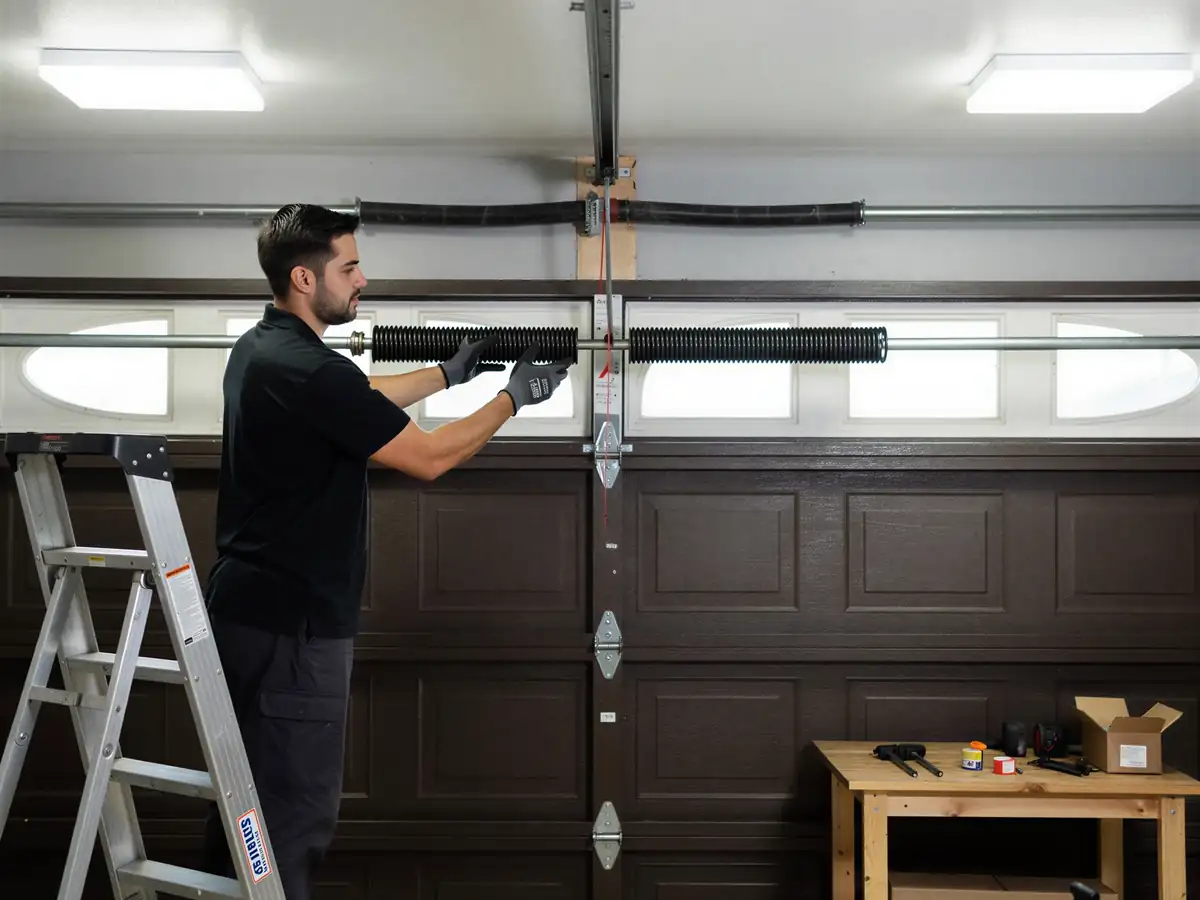
We measure the spring - wire size, inside diameter, length - rather than guess off the door size, because two doors from the same builder can end up with different spring specs depending on insulation weight or an added layer of trim. We replace in pairs on double doors even when only one spring broke, because the other one is the same age and has taken the same number of cycles; replacing just the broken side means a second call within a year or two, and that second trip costs you more than doing both now.
We set the spring to the door's actual weight, not a standard chart number, and we check the cables, drums, and bearing plates while the tension is off, since that's the only time those parts are easy to see. If a cable's frayed or a drum's worn, we tell you before we close things up, not after.
We carry common torsion spring sizes on the truck, but an unusual wire gauge or an older extension-spring setup can mean a short parts wait. We'll tell you straight if that's the case rather than make you wait at the curb.
Where This Job Goes Sideways
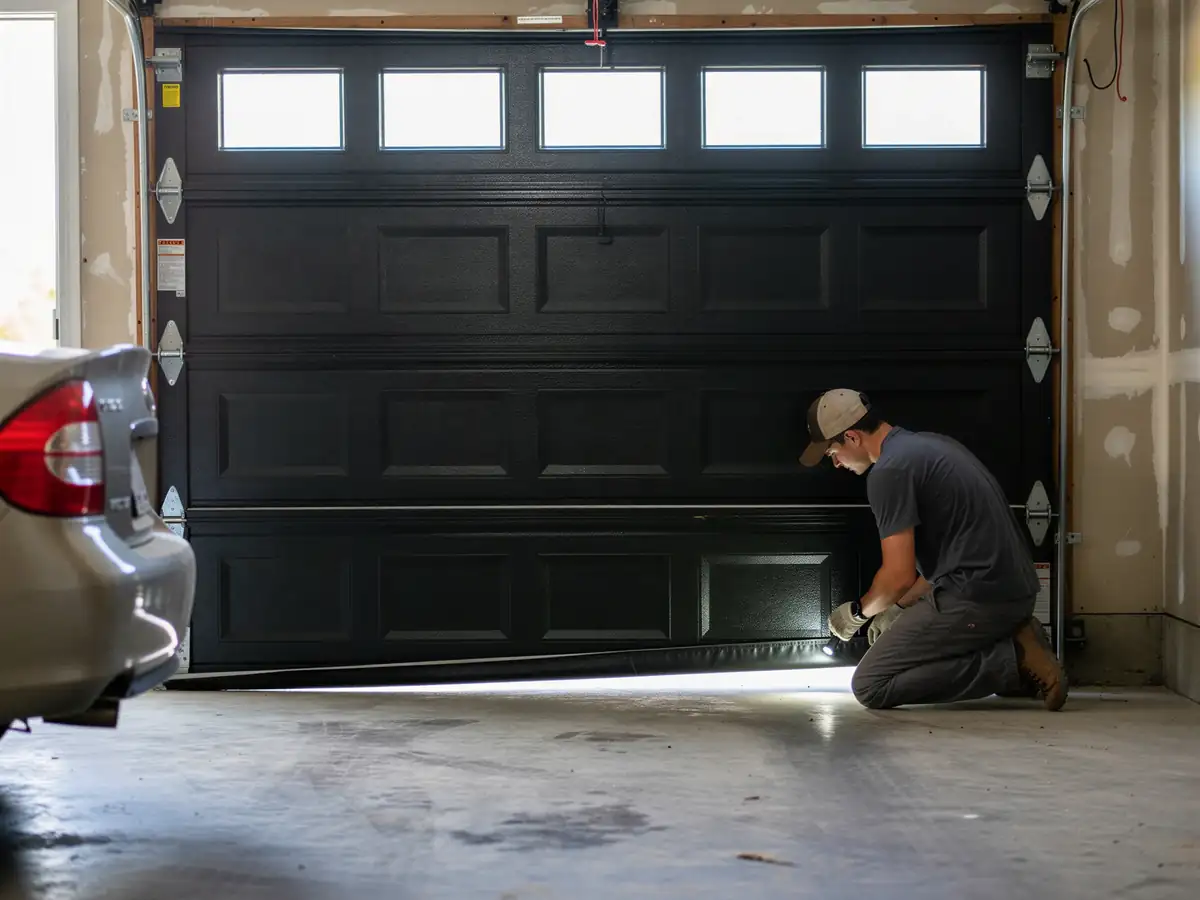
The spring isn't always the whole story. If the door was already dragging on a bent track or a bad roller before the spring broke, a new spring just means the door breaks something else next. We check the track alignment and roller condition as part of the same visit, since it's a five-minute look and it tells you whether this is a one-part fix or a two-part one.
The other place this goes sideways is cost math on an older opener. If the opener motor is already weak and straining, a fresh spring can mask that for a while - the door lifts fine by hand but the opener still struggles, and some owners assume the spring job didn't take. It's not the spring. It's a second, separate problem that happened to show up at the same time.
We're not going to upsell you a new opener on a spring call. If it needs one, we'll say so and let you decide when.
Can You Do This Yourself
We'll say this plainly: don't do this one yourself
A torsion spring holds enough stored force to break fingers or worse, and the tools for winding it safely aren't something most garages have lying around. This isn't the same caution you'd give for cleaning a track or tightening a hinge bolt - this is the one job on a garage door where the margin for error is genuinely narrow.
What you can safely do is the diagnosis
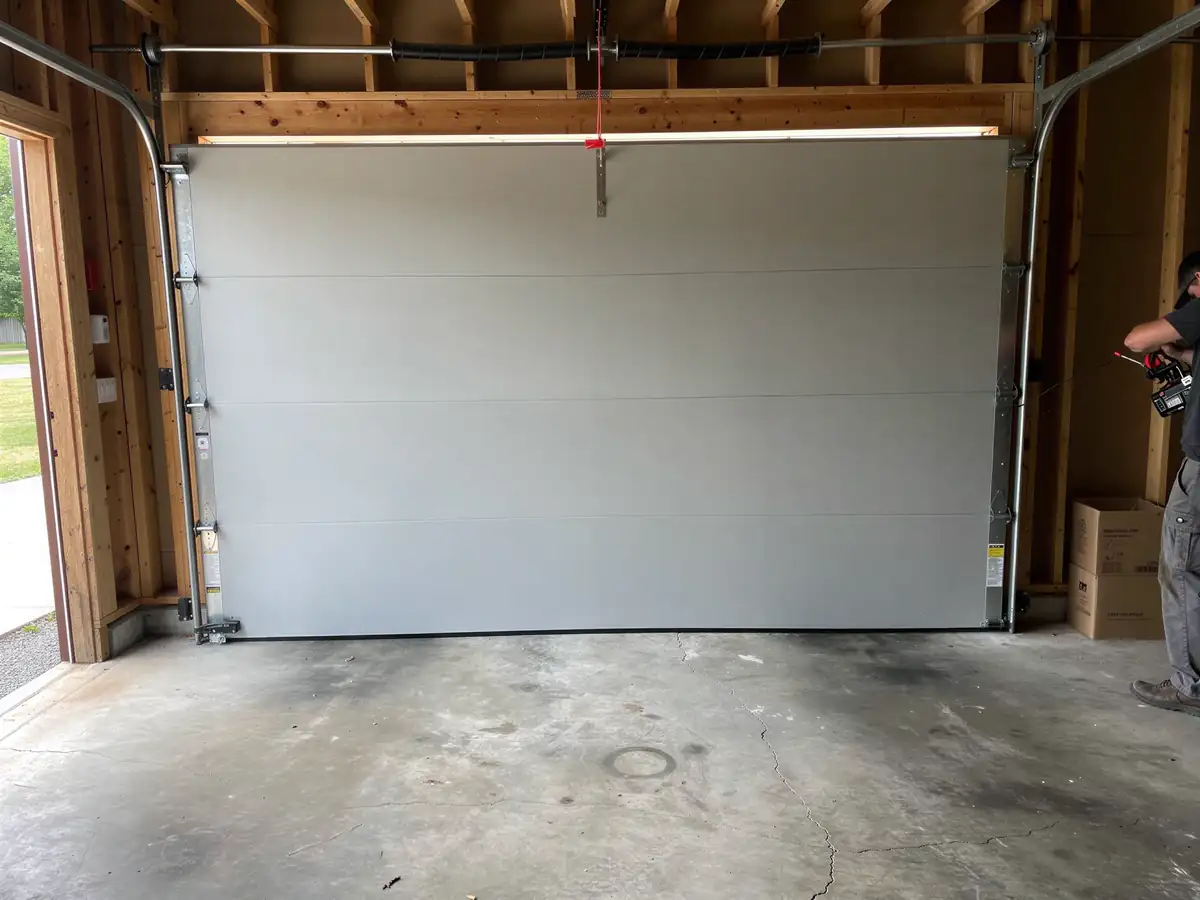
Look at the spring above the door - a visible gap in the coil means it's broken, full stop. Check whether the door moves at all with the opener disconnected (pull the red release cord and try lifting by hand with the door down). If it's heavy and won't budge, that's the spring. If it lifts easily and smoothly by hand, the problem's probably somewhere else, and that's worth knowing before you book a call for the wrong repair.