Where This Job Goes Sideways
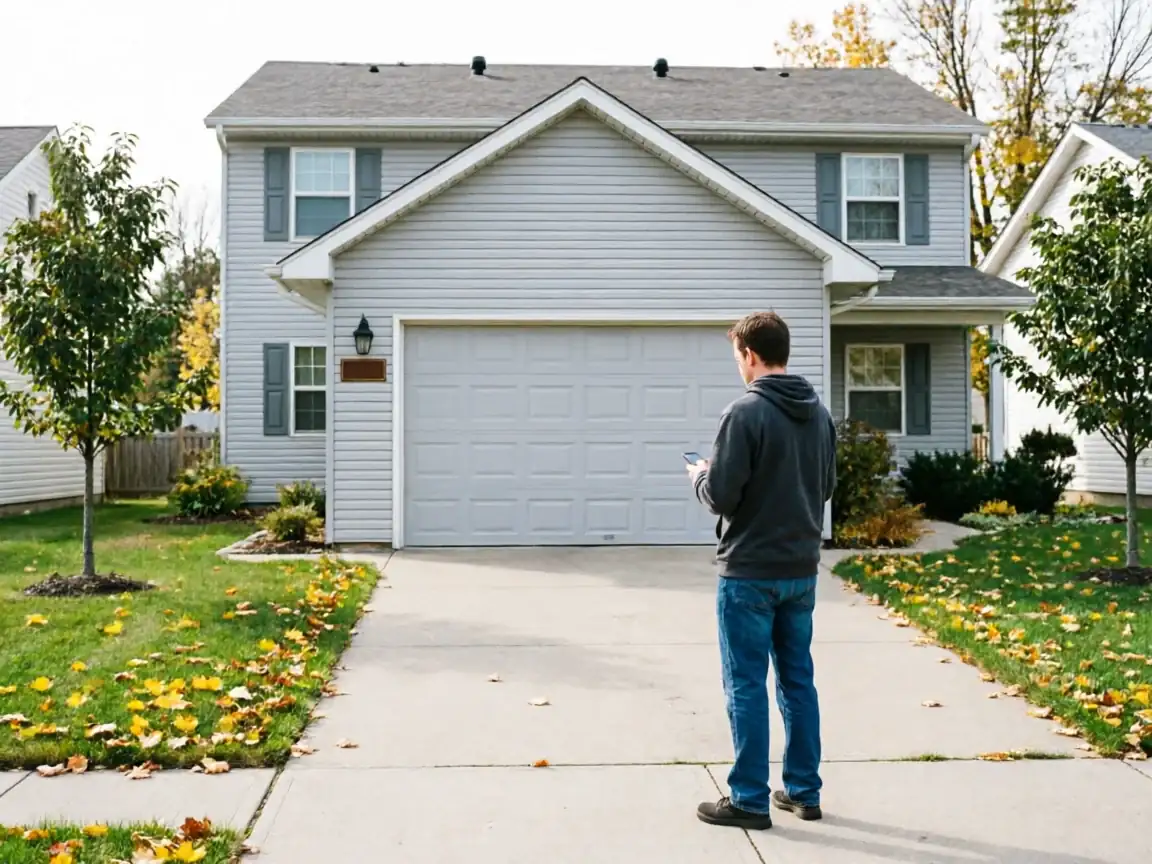
Chanhassen's median home went up in 1993, more than a decade after the service area's overall median build year of 1982. That matters more than it sounds like it should. A door installed in the early '90s was almost certainly a torsion-spring system on a galvanized steel panel, not the extension-spring, single-layer doors you still find on 1960s houses closer to the river towns we also cover. Torsion springs are rated for a cycle count, and a door from 1993 has had thirty-plus years to burn through that rating even with light use.
What goes sideways is usually one of two things: the spring finally lets go at the worst possible moment - cold morning, door half-open, car blocking the opening - or the opener's original circuit board, now old enough to vote, starts throwing intermittent faults that look like a dead remote but are actually a dying logic board. Both read as an emergency because the door won't move and the car is trapped behind it. Neither is a mystery once you know the house is from that era.
At a median household income of $138,034 here, well above the $112,060 median for the wider service area, a lot of these doors were also upgraded at some point to heavier, insulated steel panels - which means a failed spring under more load than the original builder spec'd.
Can You Do This Yourself
You can reset a tripped photo-eye sensor or clear a stuck roller yourself
And you should try that first - it costs nothing and sometimes that's the whole problem. What you should not do is touch a torsion spring. A wound torsion spring on a door built in the 1993 range is storing enough force to break a wrist or worse, and the winding bars and clamps for doing it safely aren't things most garages have lying around.
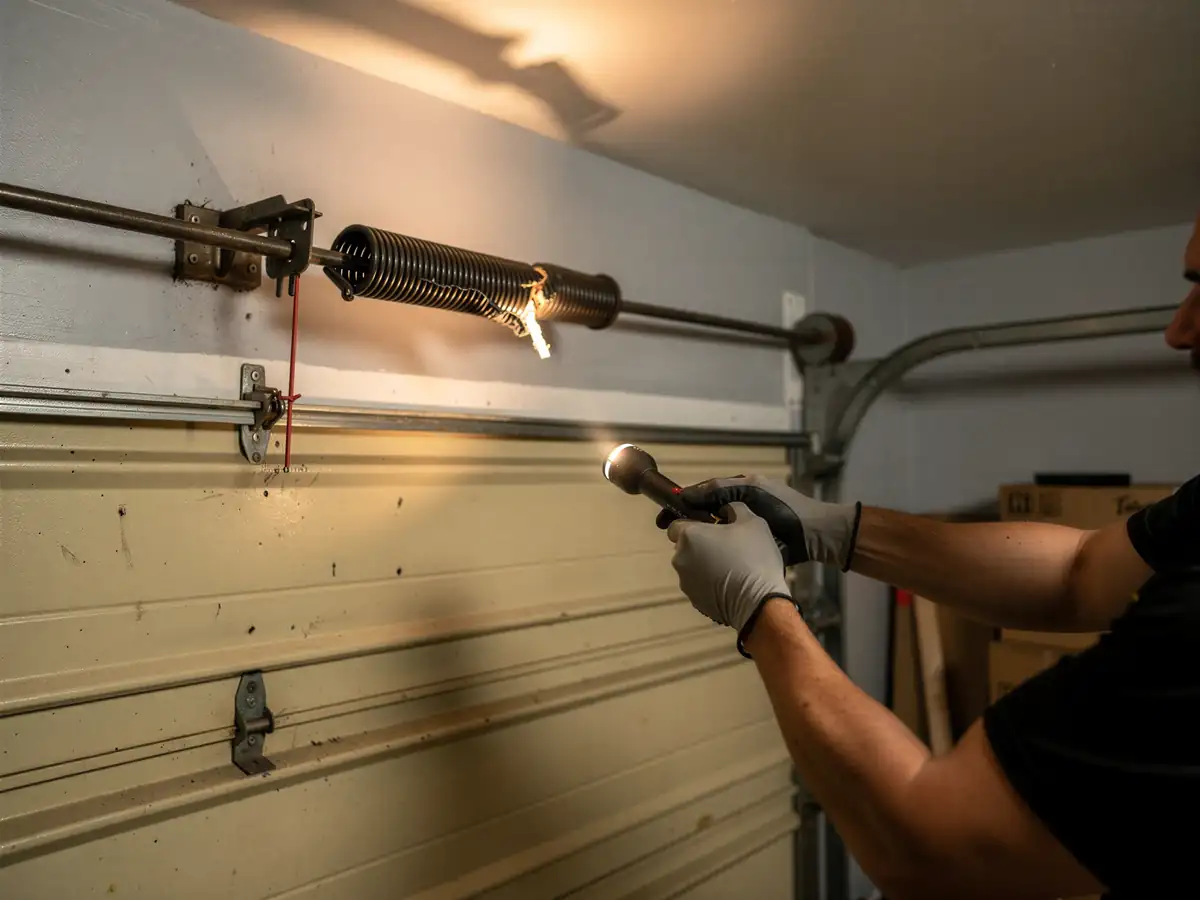
If the door won't budge and you can hear or see a spring that's split in two, stop there
Don't force the opener, don't yank the emergency release and try to muscle the door up, and don't let anyone stand under it while it's off-track. That's the honest limit: spring and cable work on a door this age is not a DIY repair, full stop, regardless of how handy you are with the rest of the house.
What you can check safely
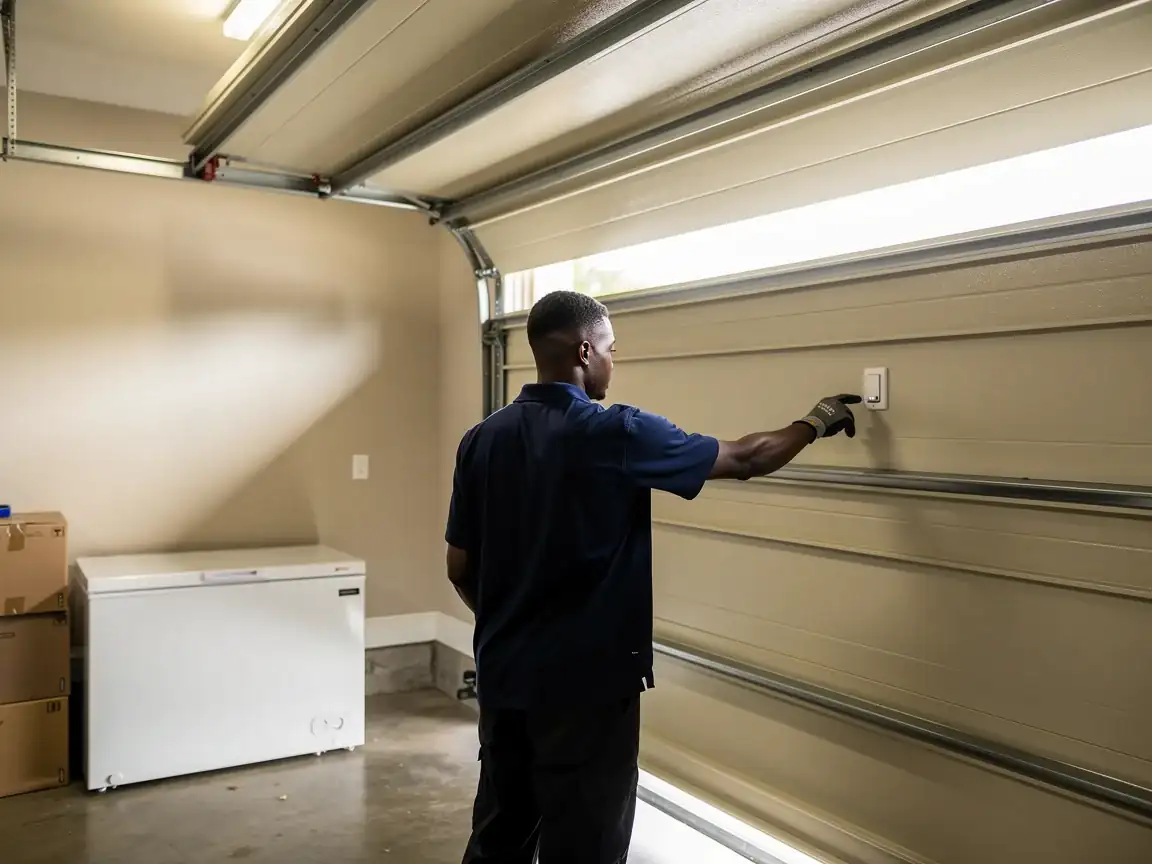
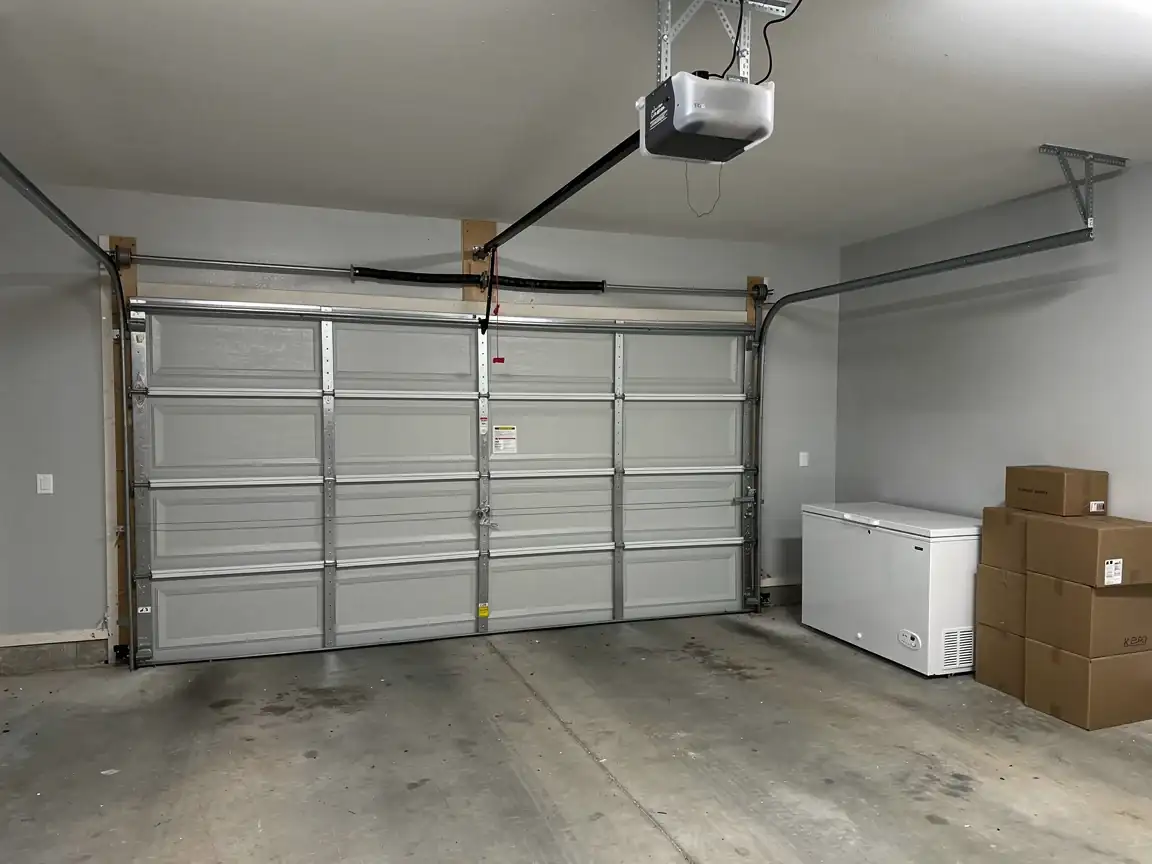
The opener's wall switch for a lit indicator, the track for an obvious obstruction, and whether the battery backup (if the opener has one) is the actual failure point rather than the door itself. That alone resolves a surprising number of calls before a truck ever needs to leave Maple Grove.
How We Fix It
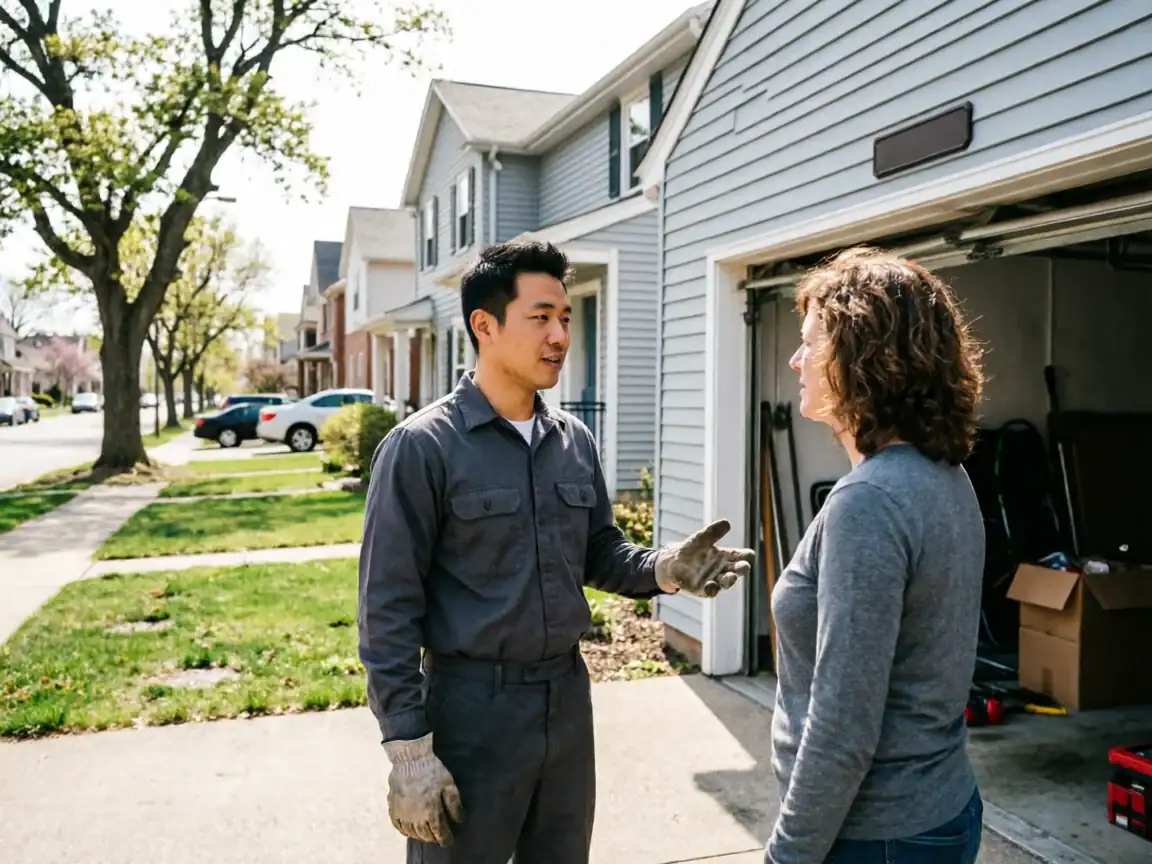
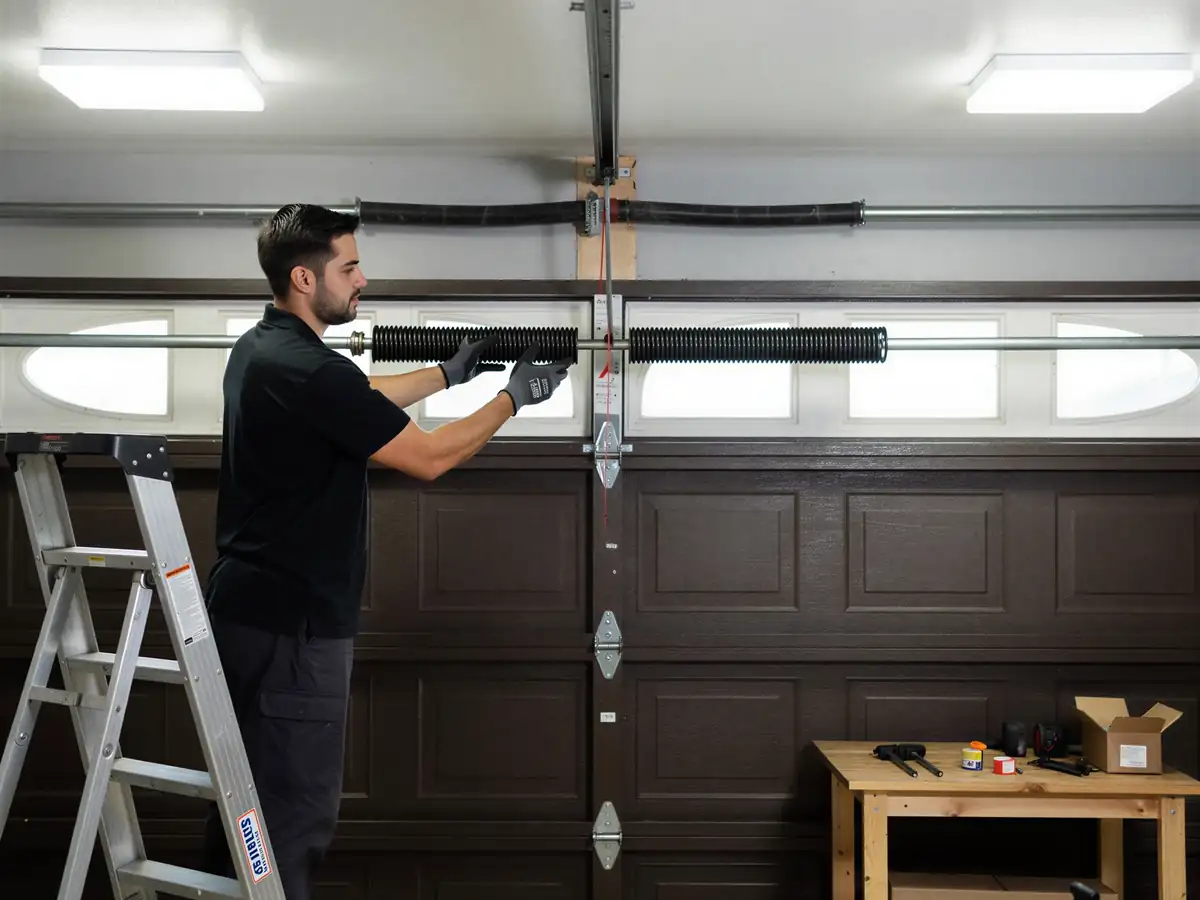
We come out from Maple Grove, about 18 miles each way, so we ask a few questions on the phone first - door age if you know it, whether the spring is visibly broken, whether the opener runs but the door doesn't move - so the right parts are already on the truck instead of guessed at. For a 1993-era door, that usually means torsion springs sized for a heavier insulated panel, not the lighter spec the house might have shipped with originally if the door's been replaced since.
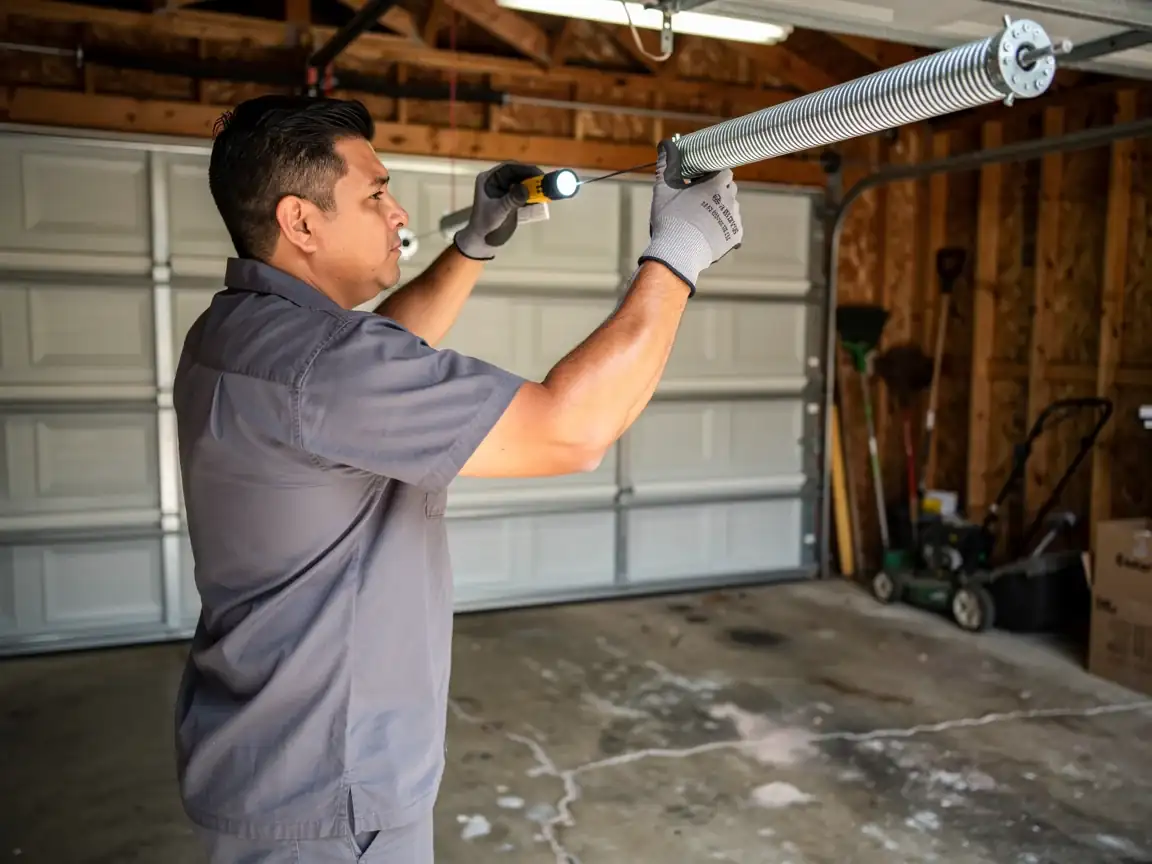
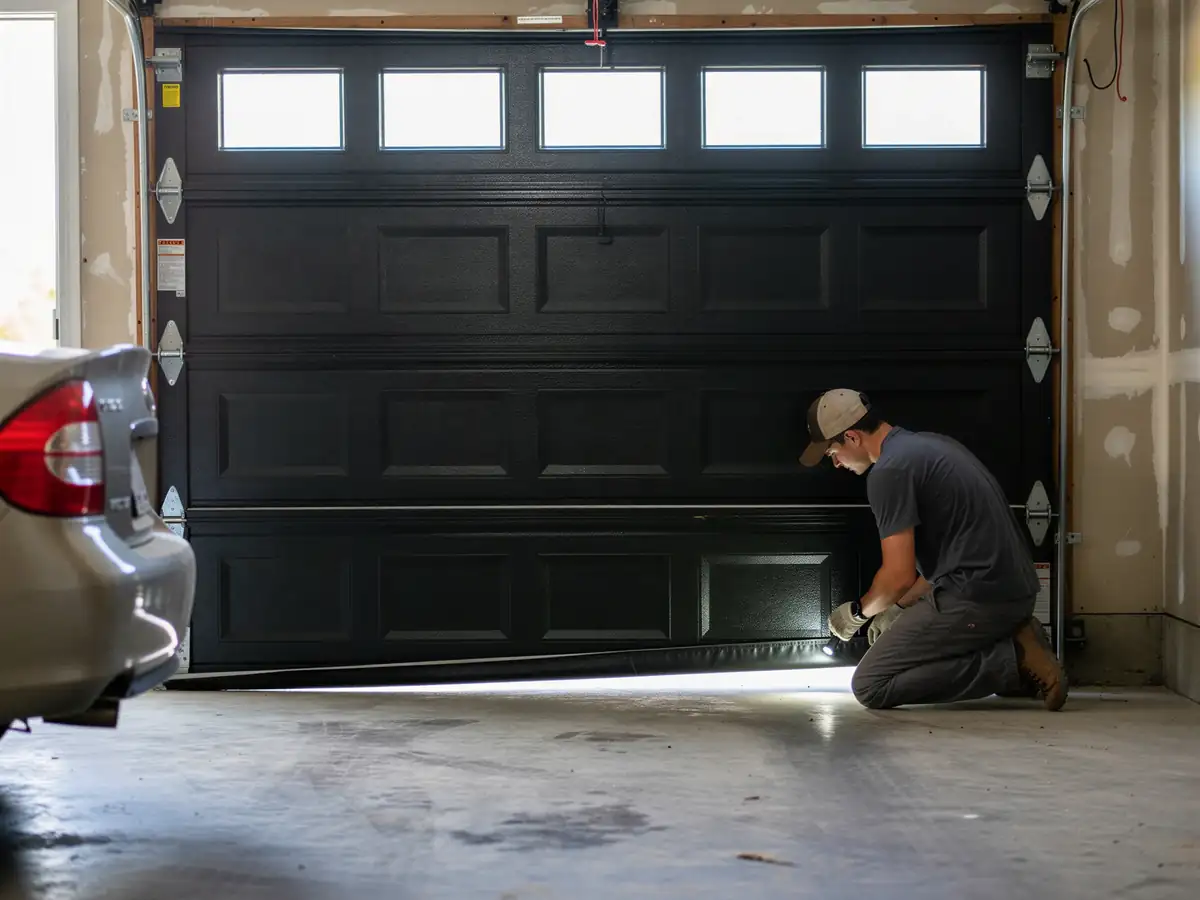
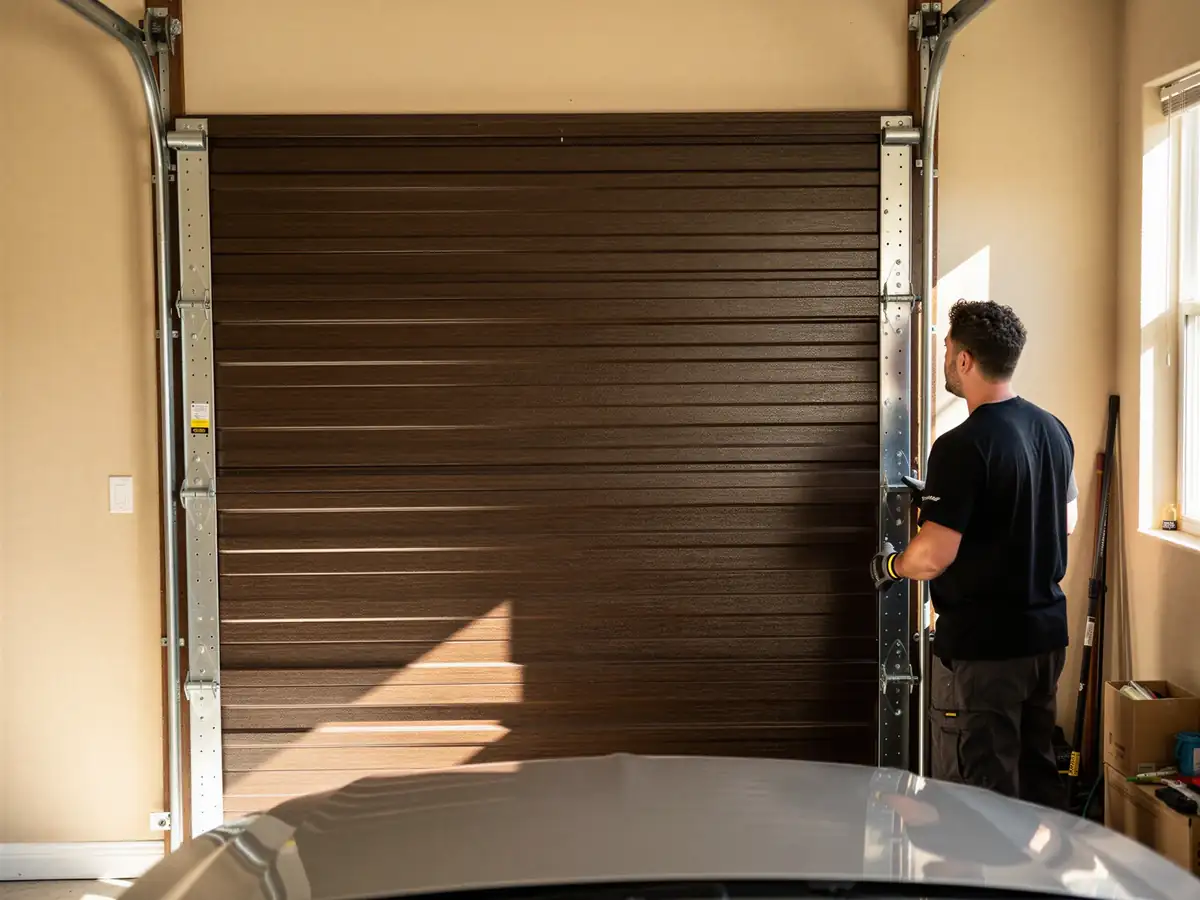
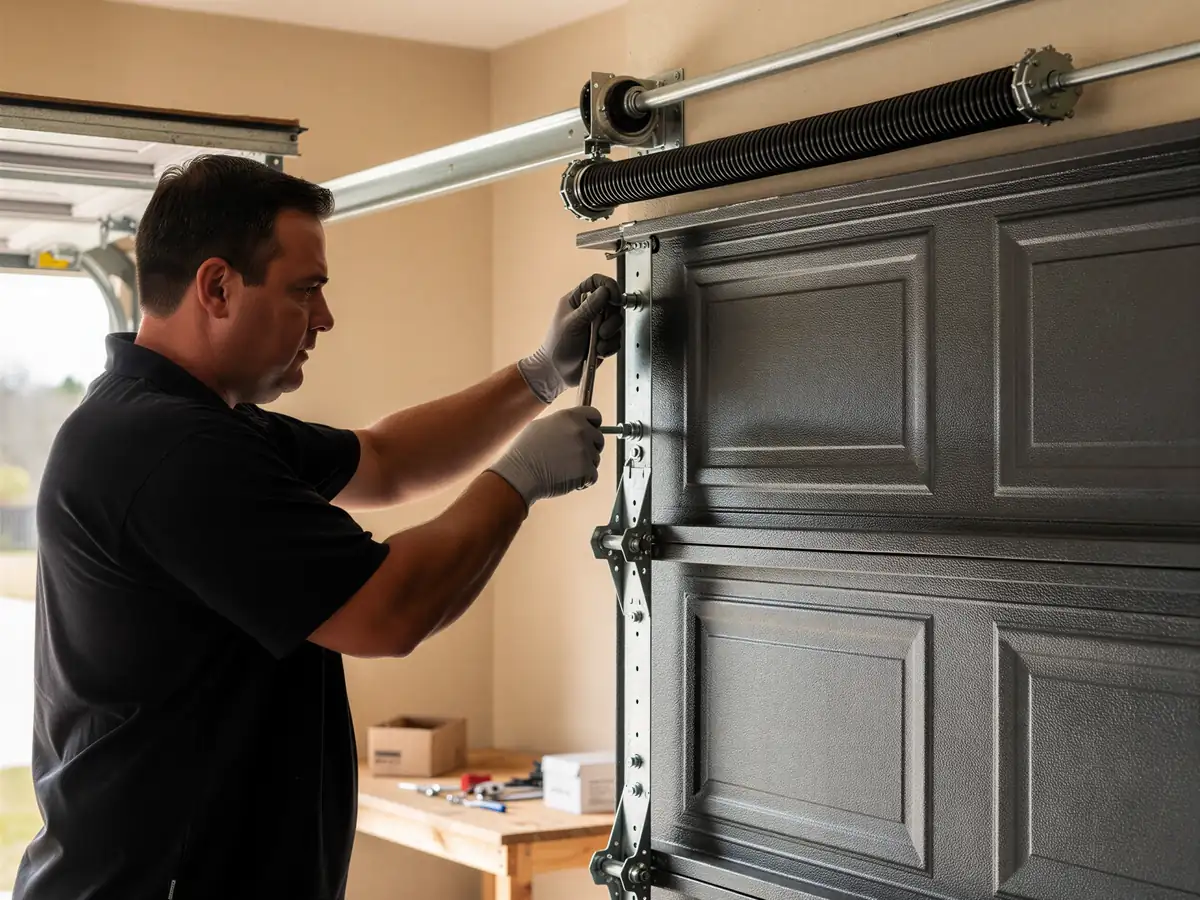
Once on site, the job is the same regardless of the suburb: disconnect the opener from the door so nobody engages it mid-repair, unwind and remove the old spring hardware, check the drums and cable condition while the system is apart, and replace what's actually failed rather than everything on the shelf. If the opener board is the real issue and not the spring, we test it separately before replacing anything, because a new spring doesn't fix a dead circuit board and we're not going to sell you one to find that out.
For full service details and what else we cover in Chanhassen beyond emergency calls, see the Chanhassen service page.
What Is on the Truck
Given the housing stock here, the truck carries torsion springs in the sizes common to late-80s through 2000s doors - the range that covers most of what's actually installed in Chanhassen - rather than the lighter springs suited to older extension-spring setups. That's a direct consequence of the 1993 median build year: stock the parts for the doors that exist, not the doors from a different decade.
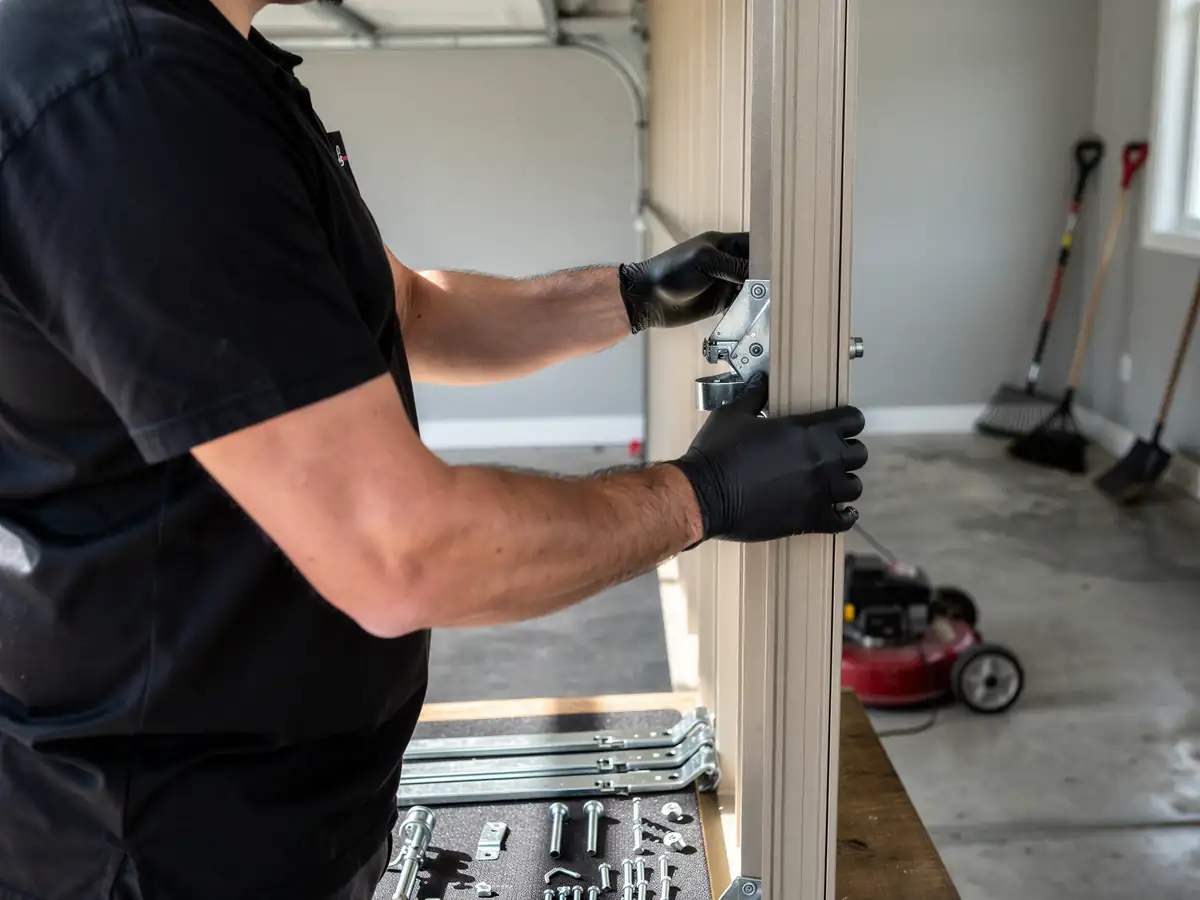
We also carry standard cable sets, rollers, and photo-eye sensor pairs, since a knocked-loose or dirty safety sensor is one of the more common reasons a newer opener refuses to close the door even though nothing is mechanically broken. Opener logic boards are not something we stock universally - there are too many makes and model years to carry them all, and if yours needs one, that sometimes means a short parts wait rather than a same-visit fix. That's the one honest limitation here: spring and cable work gets done same-visit almost every time, but a board replacement can depend on what's actually in stock for your opener's brand and age.
The Symptom
The call usually sounds like this
The door was fine yesterday, this morning it won't lift, and either there's a loud bang some time overnight or early morning, or the opener just hums without the door moving. The bang is the torsion spring letting go - common enough on doors in the 1990s-and-later range once they've hit their cycle limit, especially after a stretch of cold weather, since steel contracts and gets more brittle to flex in low temperatures.
The hum-without-movement version is different
The opener's motor is trying, but the broken spring means the door is now too heavy for the opener to lift on its own, so the safety circuit cuts the motor rather than let it strain. If you hear grinding instead of a hum, that's more likely a stripped gear inside the opener itself, not the spring - a separate repair.
Either way, the fix starts with ruling out which one it actually is before any parts come off the truck
For general emergency repair details across the wider area, see emergency garage door repair from Maple Grove.