Where This Job Goes Sideways
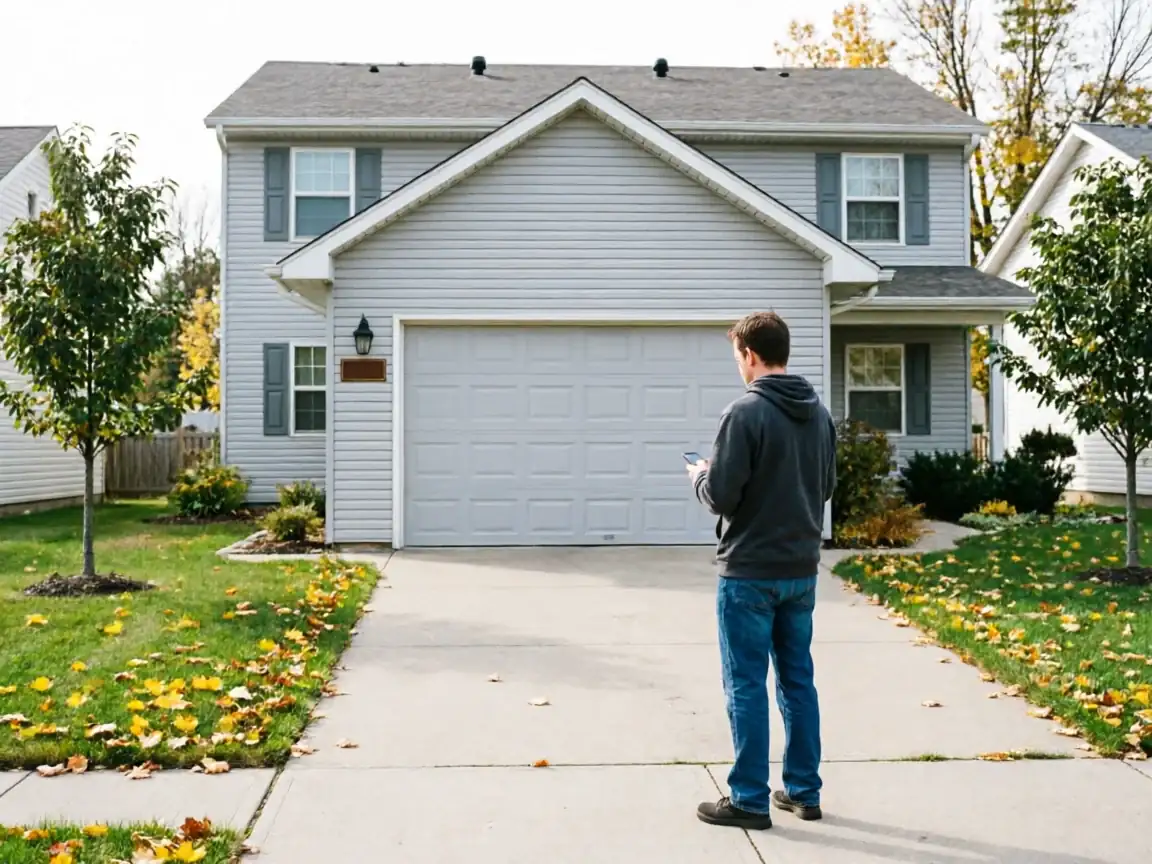
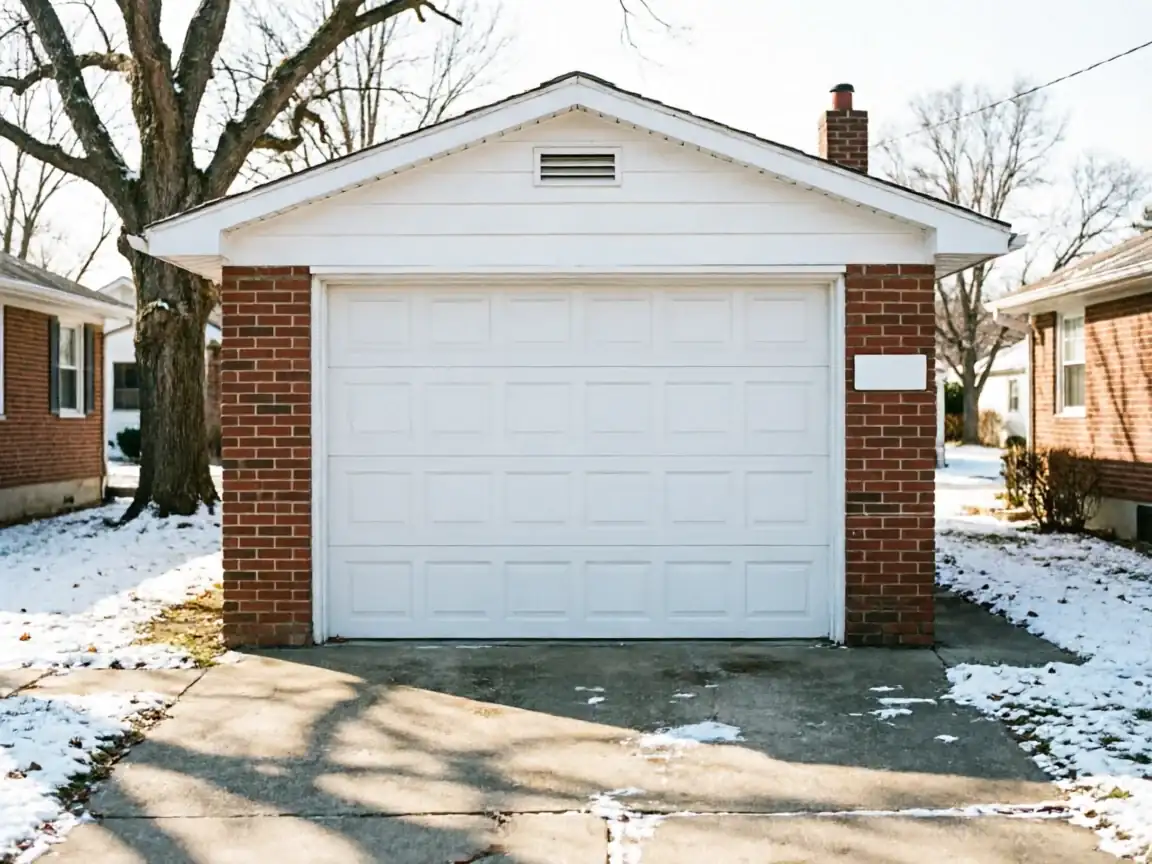
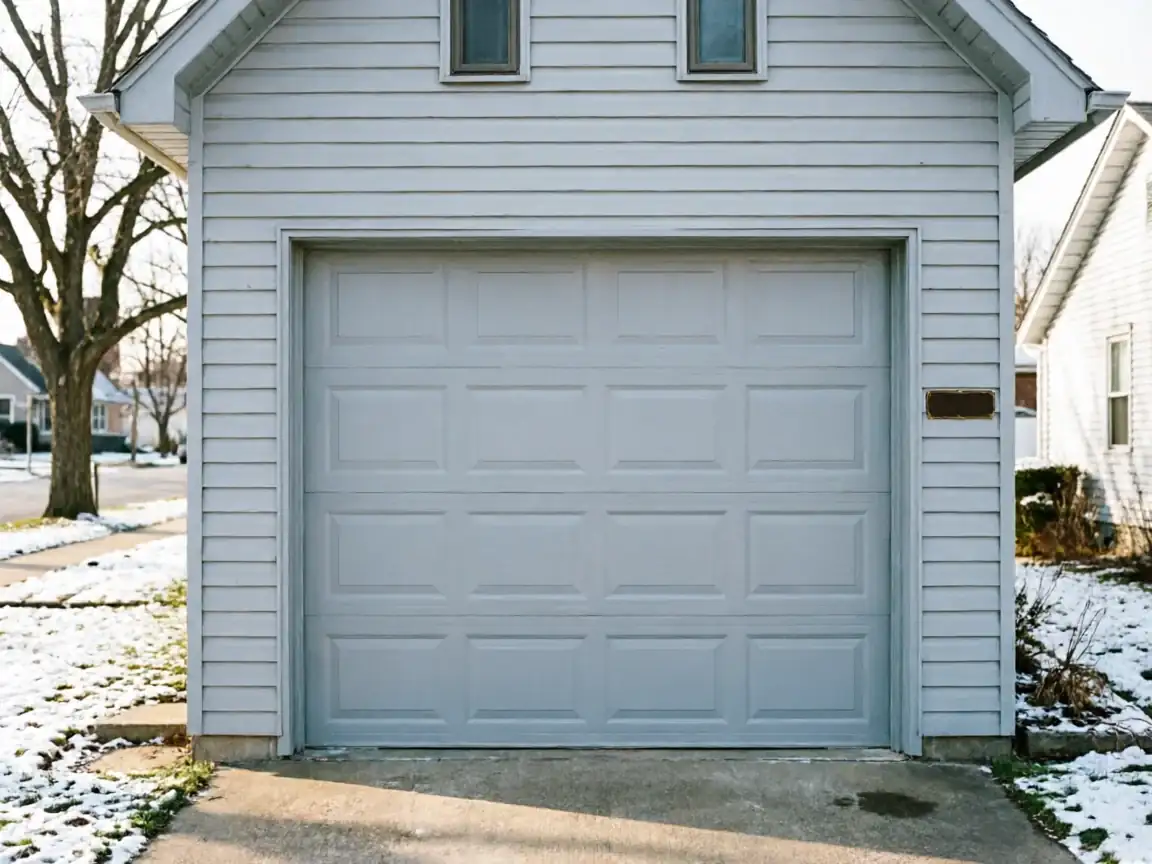
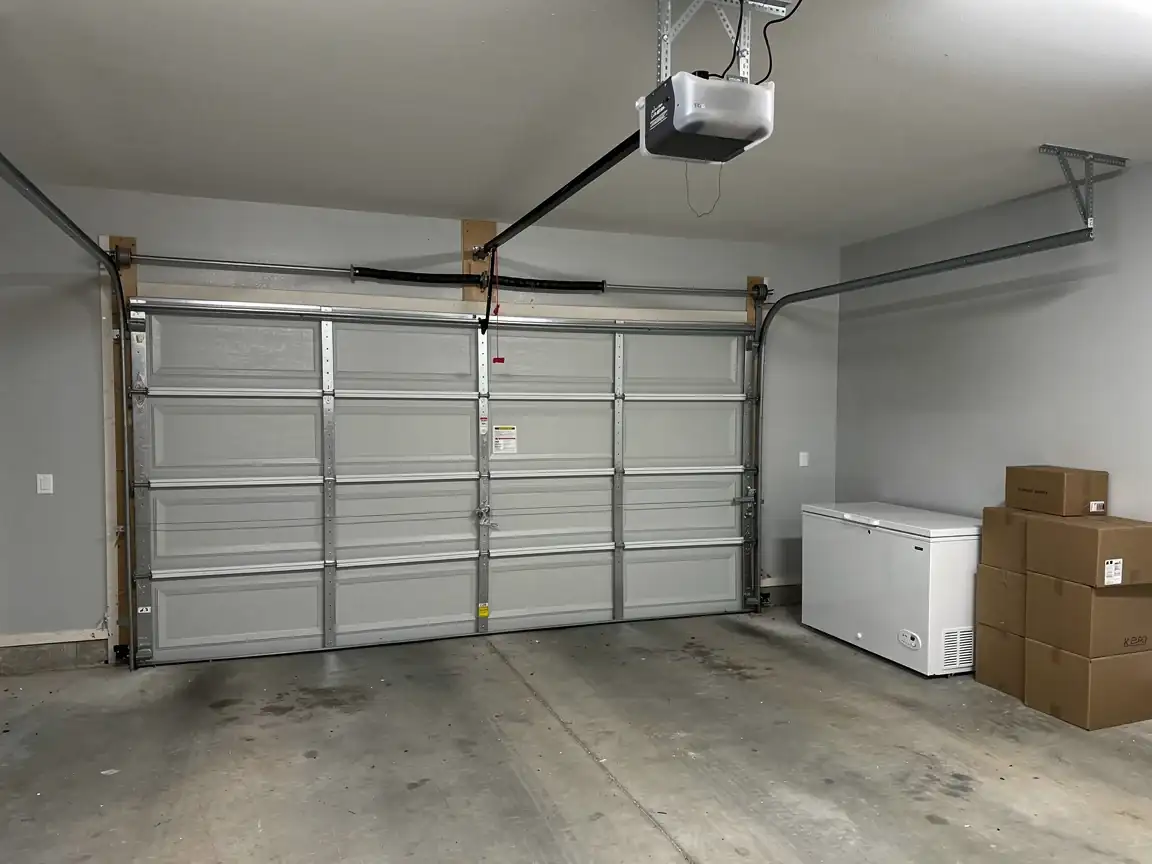
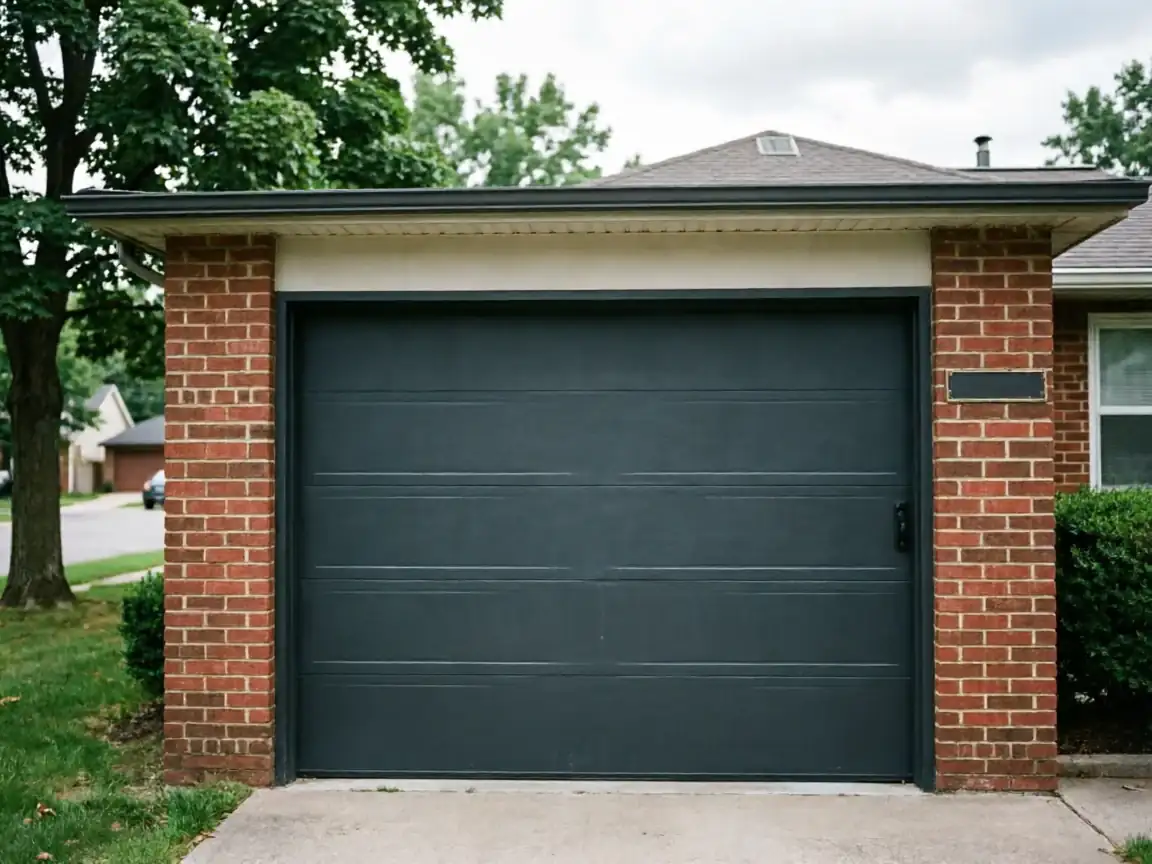
Most of Chanhassen went up around 1993, and the doors that came with those houses were steel sectional units, usually a single layer of steel with a thin polystyrene backer, mounted on a standard 16x7 double or 9x7 single opening. That was a fine door for 1993. Thirty-plus years later, the steel skin has usually outlasted the insulation value, and a lot of these doors are still running on the same torsion spring they shipped with.
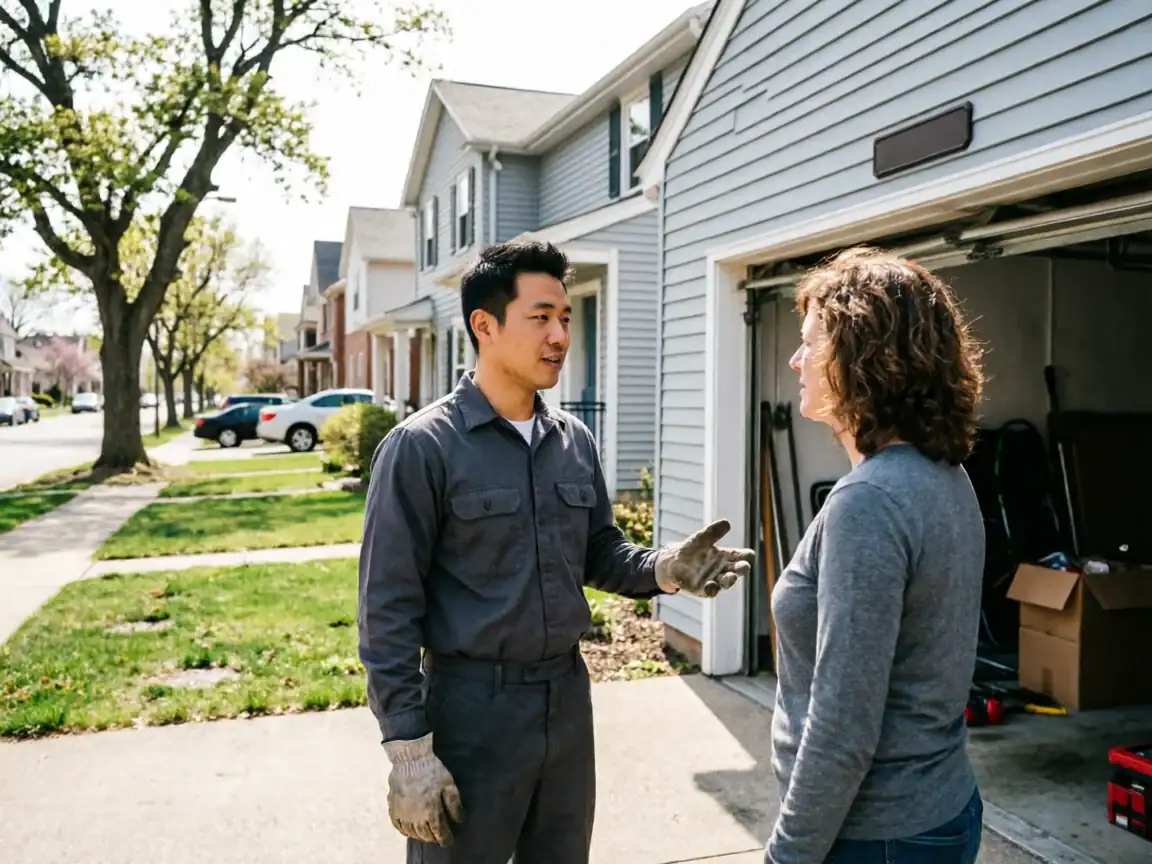
Here's where it goes sideways: a homeowner calls about a noisy door or a slow opener, we get out there, and the real issue isn't the symptom they called about. It's that the door itself has reached the end of its service life - the panels are dented or the insulation has broken down inside the skin - and patching the symptom just delays a full swap by a year or two. With winter lows that put real stress on springs and openers, a door this age is working harder than it should, and the parts inside haven't gotten any younger.
At $138,034 median household income, most Chanhassen owners we talk to would rather do the replacement once, properly, than keep paying for patch repairs on a door that's already 30 years into its life.
Can You Do This Yourself
A determined homeowner can swap a garage door opener
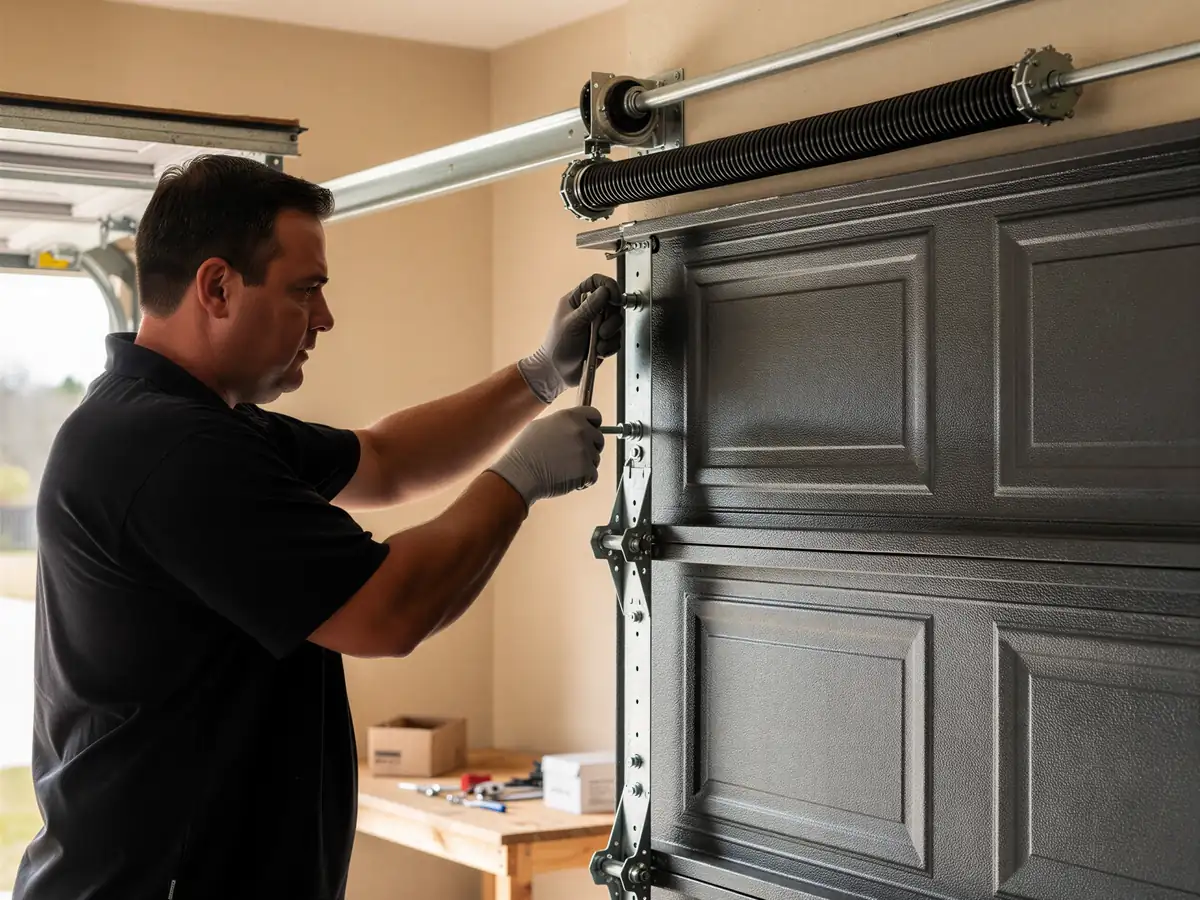
A full door replacement is a different job - you're lifting and aligning sections that weigh more than they look like they should, winding a torsion spring under load, and getting weatherstripping to seal against a Minnesota winter, not just look sealed. Get the spring tension wrong and it's not a bent panel, it's a trip to the ER.
If your 1993-era door still has its original hardware
There's also a decent chance the track spacing and spring size don't match what's sold off the shelf today - another reason this isn't a weekend project for most people. We'll tell you straight if a repair is the smarter move instead of a full replacement; not every door on this side of town needs to come out.
How We Fix It
We come out from Maple Grove - it's about 18 miles to Chanhassen, so we schedule the install day rather than same-day drop-ins. On site, we measure the actual opening rather than assume it matches the nominal 16x7 or 9x7, since houses from the early 90s sometimes have openings that settled slightly over three decades.
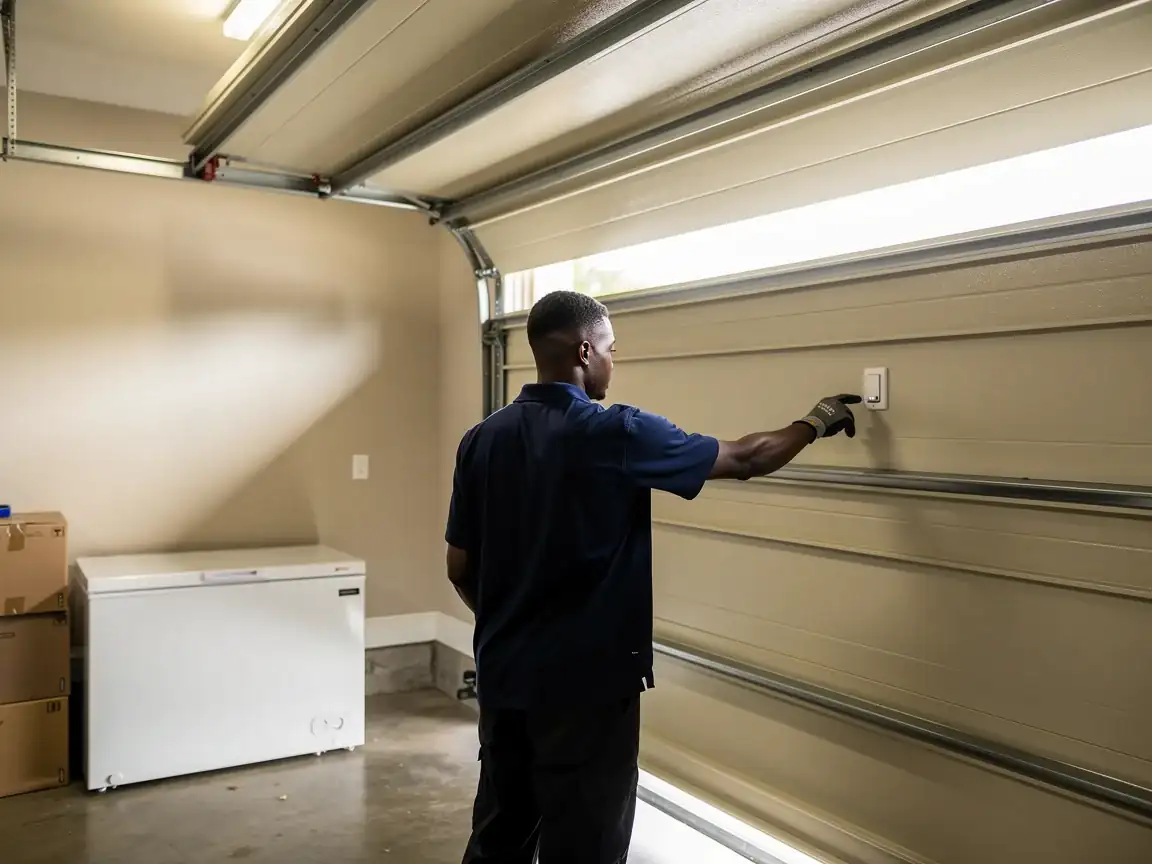
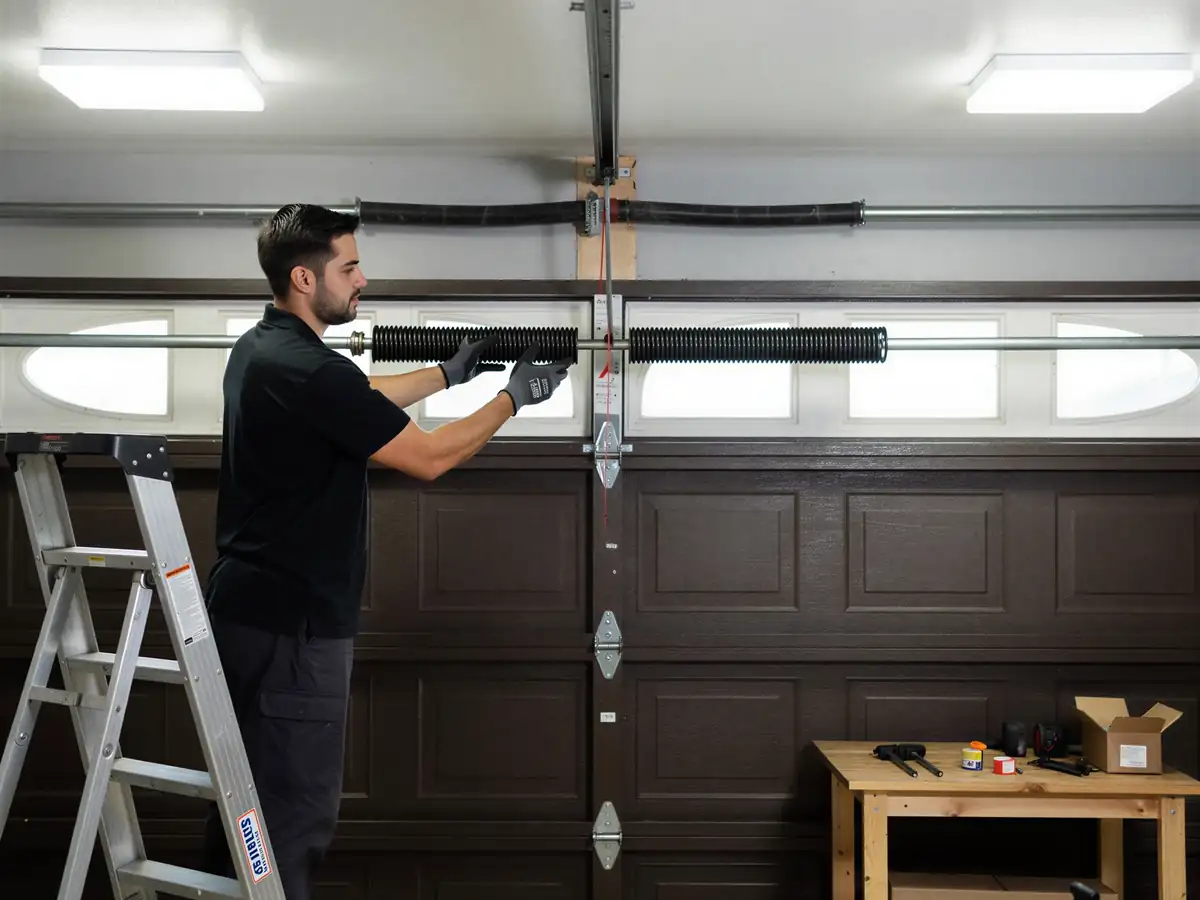
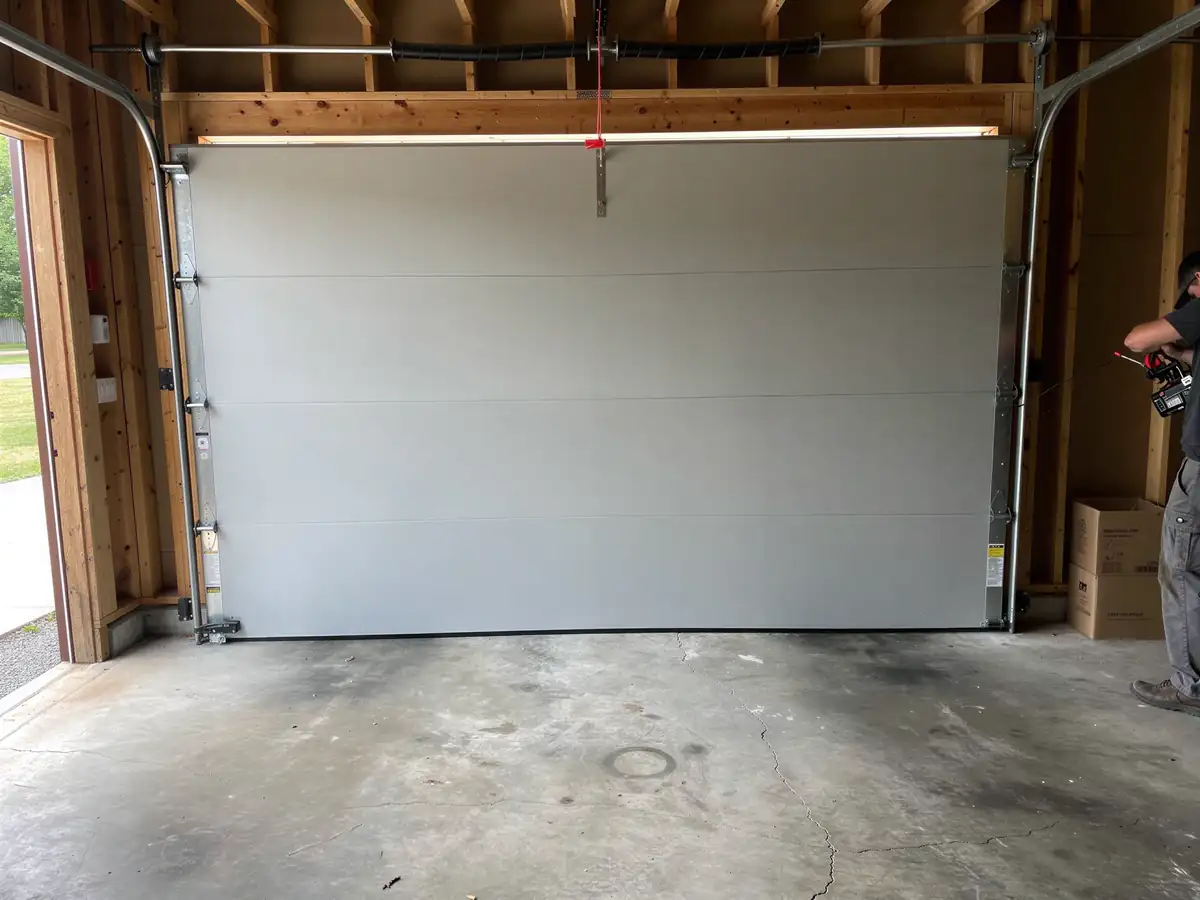
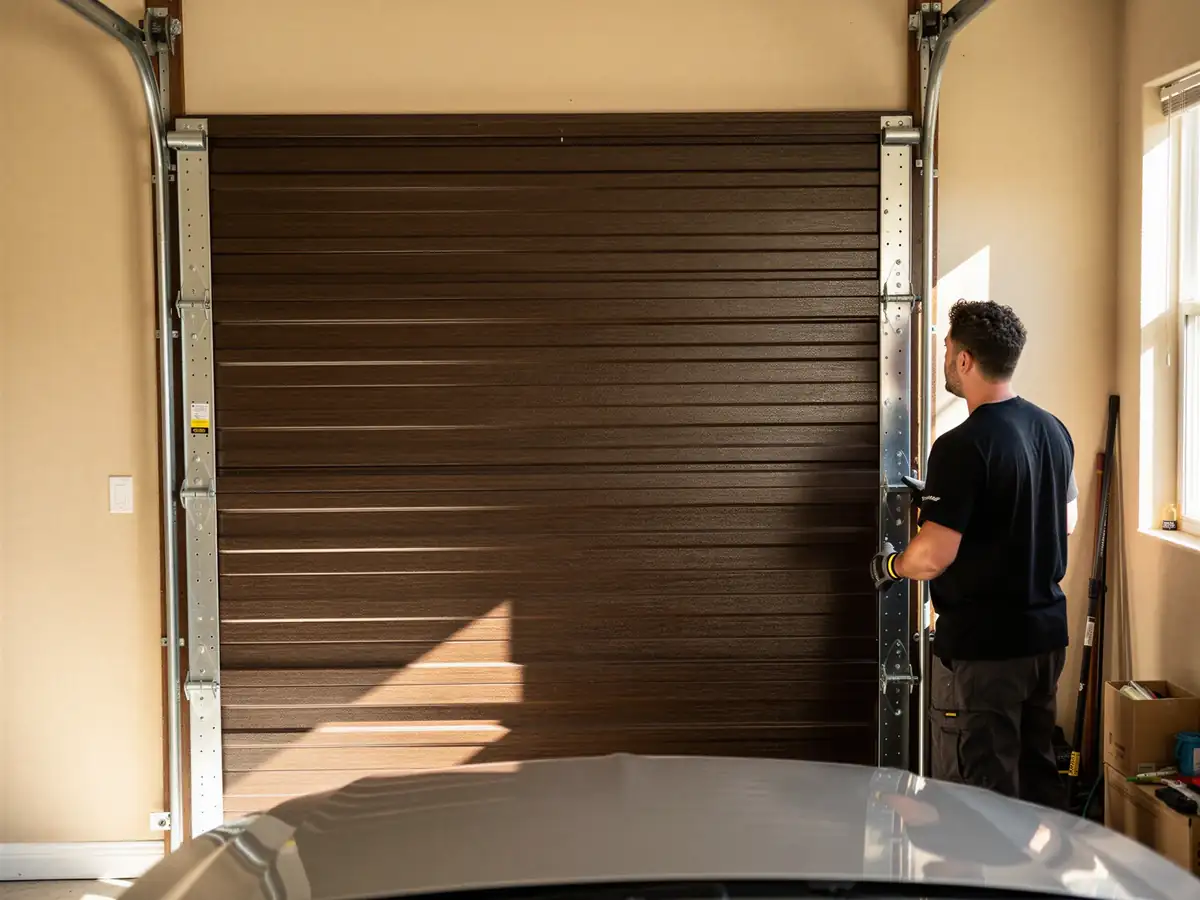
We pull the old door and hardware down to the jambs, check the jambs themselves for square, and set new tracks and a torsion spring sized to the new door's weight - not reused from the old setup. Given the cold band this area sits in, we default to insulated sections with modern weatherseal rather than the single-skin steel that was standard when these houses were built. We test the balance and cycle the opener before we leave, and we haul the old door and spring away with us.
What Is on the Truck
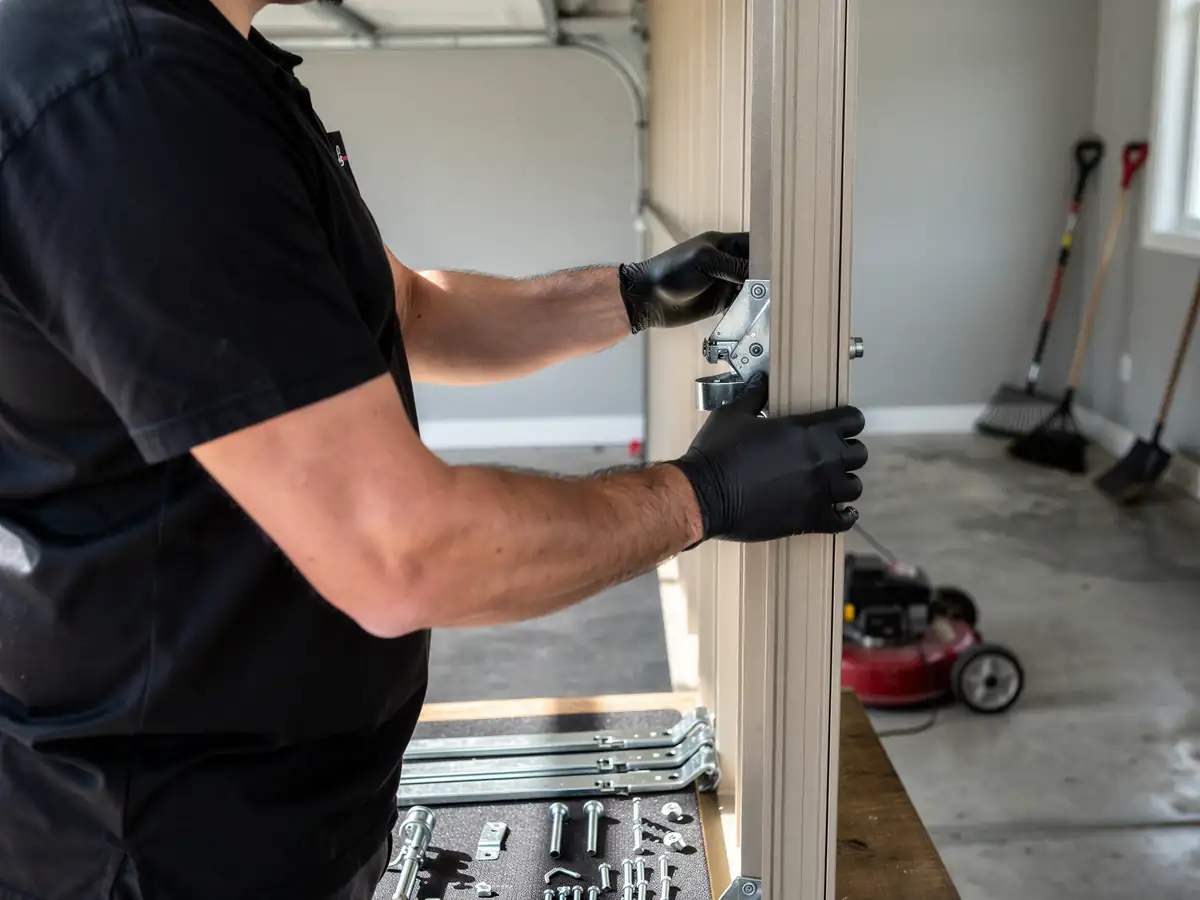
For a Chanhassen install we carry insulated steel sections in the common widths, torsion springs across a range of weight classes since original-era doors vary more than newer ones, new tracks, rollers, and the cable and hardware that goes with a full swap rather than a patch repair.
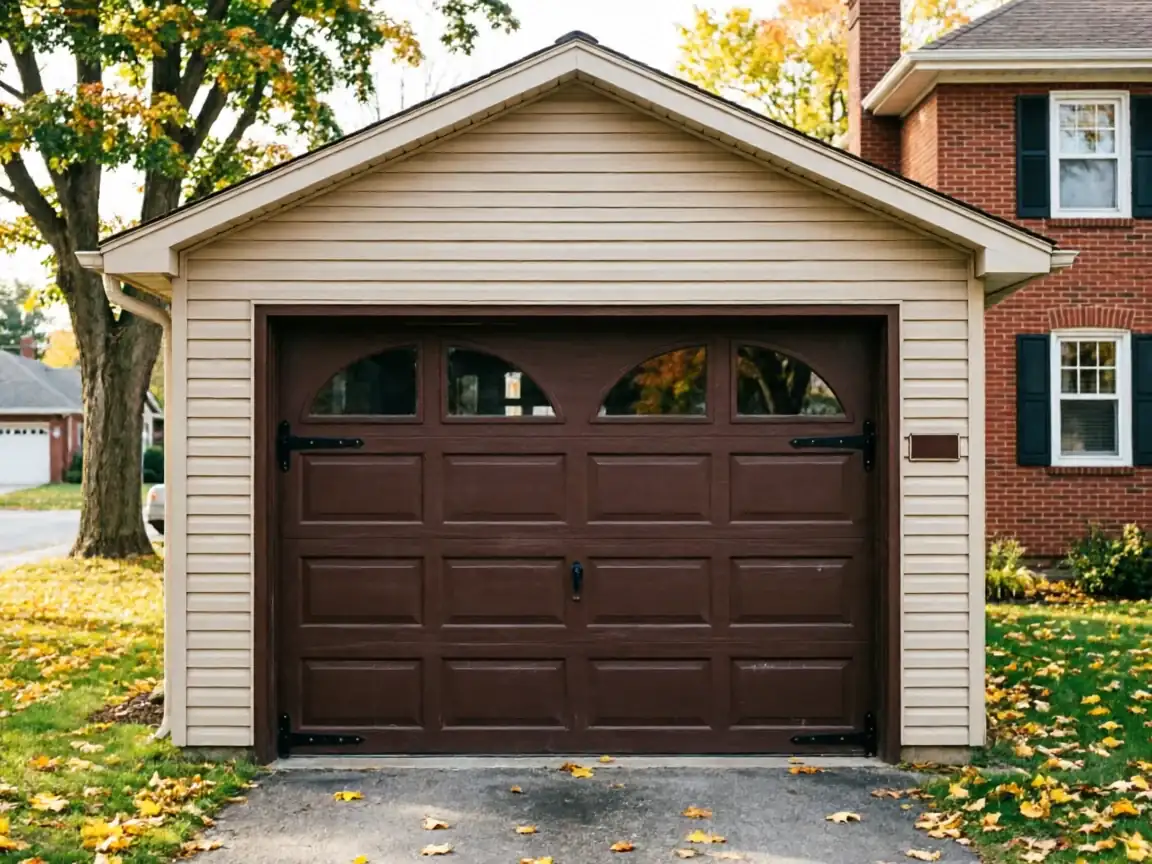
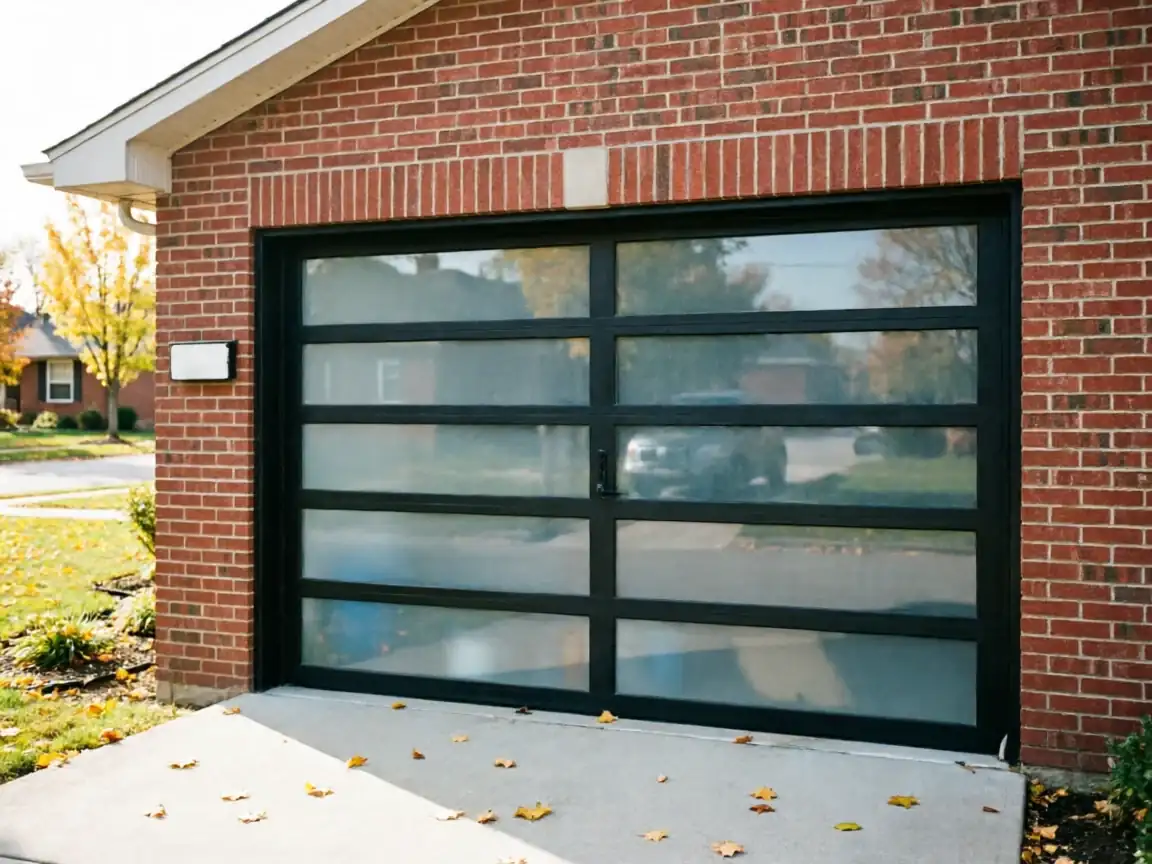
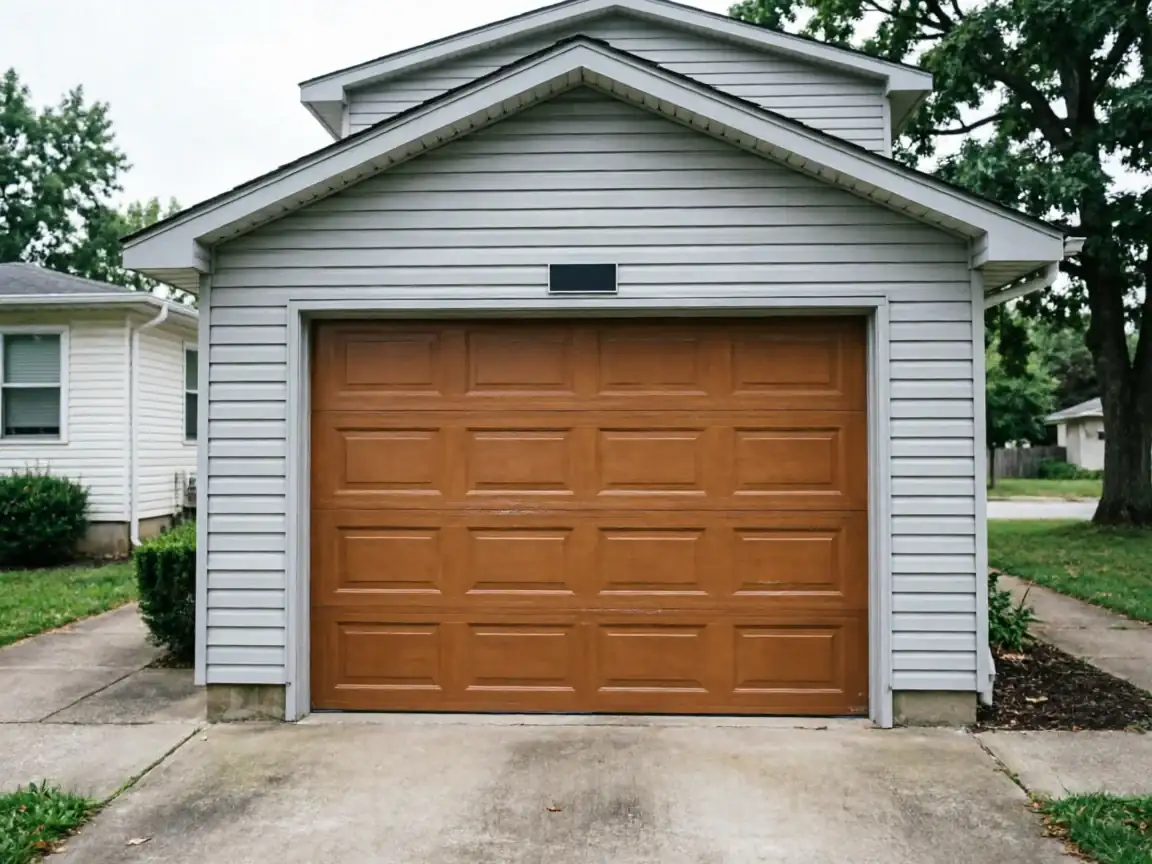
We don't stock every decorative panel style on the truck - if you want a specific window pattern or a carriage-house look, that's a special order we place after the visit, not something we pull off the shelf that day. For a straightforward steel replacement, most jobs here run start to finish in one visit.
The Symptom
The call we get most from this area isn't a dead opener
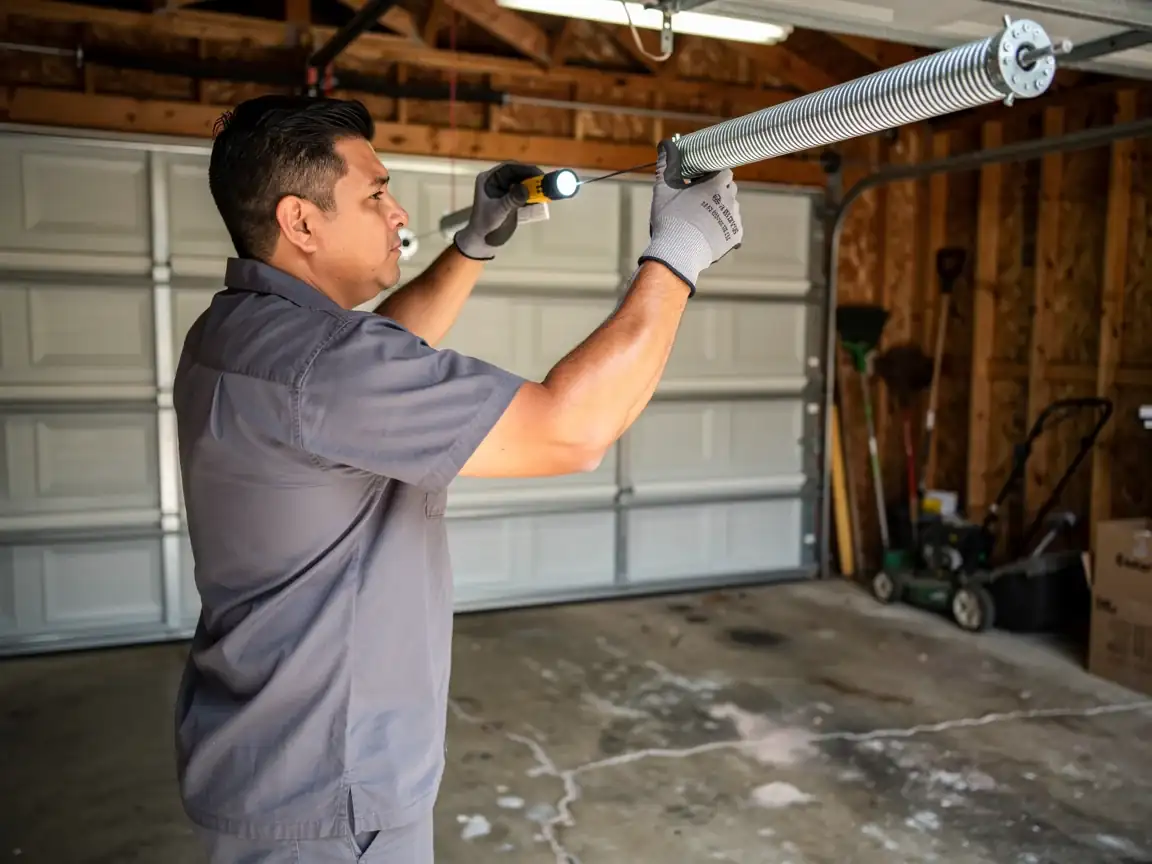
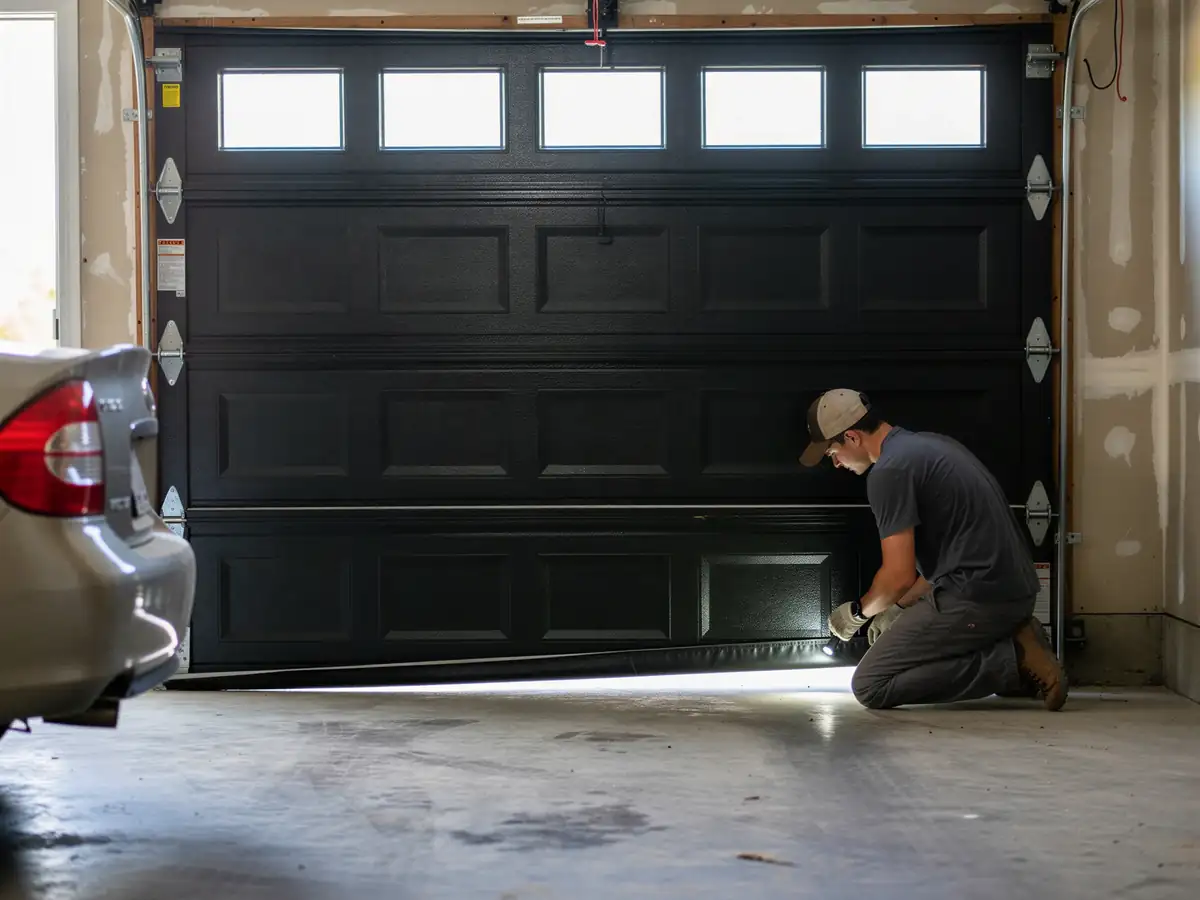
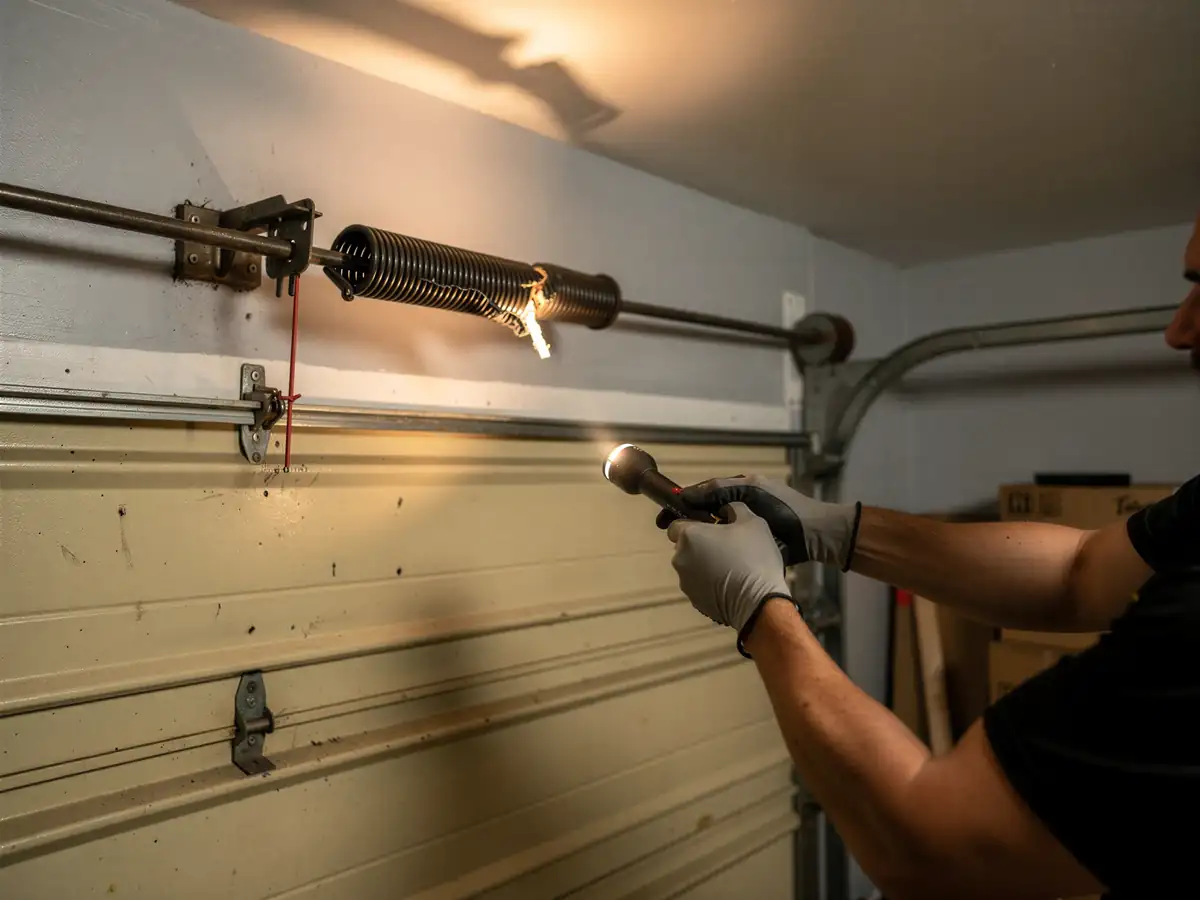
It's a door that's gotten noticeably heavier to lift by hand, or an opener that strains and reverses partway up. On a door built when these houses were new, that's usually the spring losing tension after three decades of cycles, sometimes combined with insulation inside the panels that's sagged or cracked, adding dead weight the spring was never sized for.
If your door is original to a house built around 1993
That symptom is less a repair question and more a timing question - the spring and the panels are reaching the end of their expected life together.