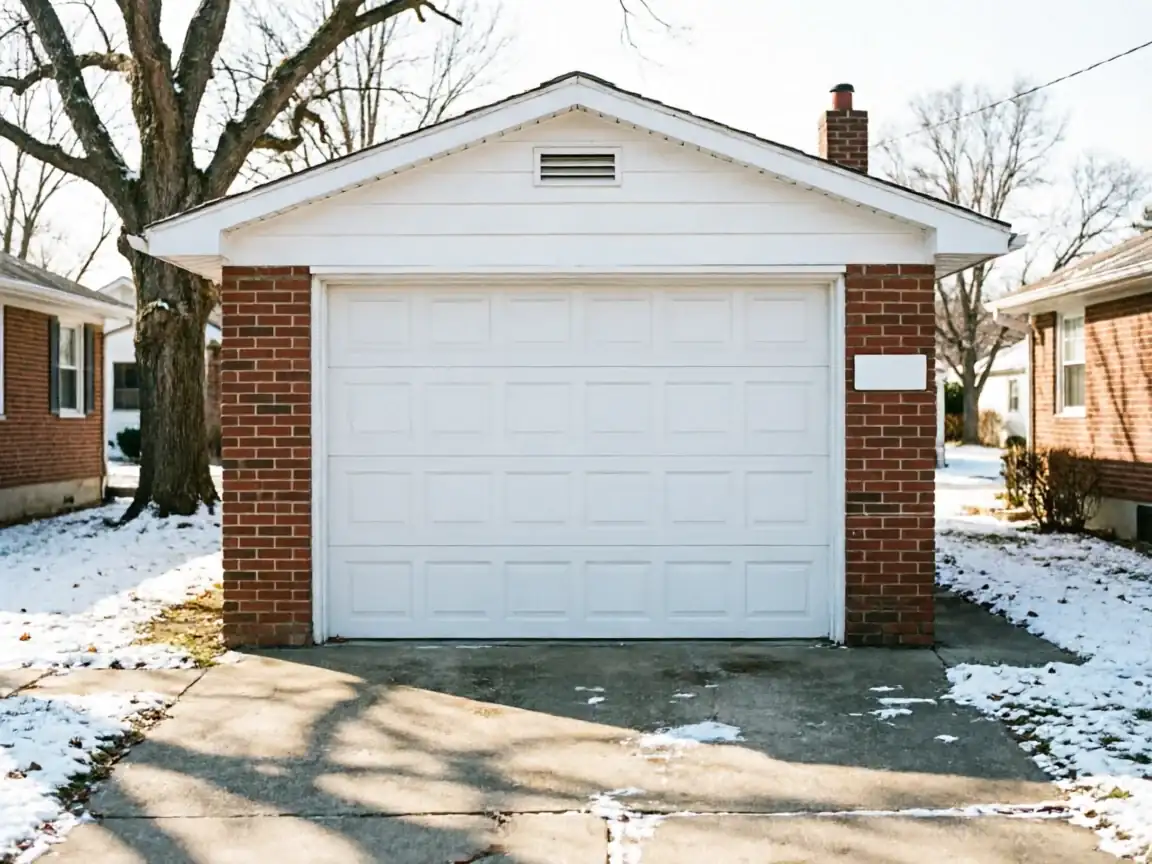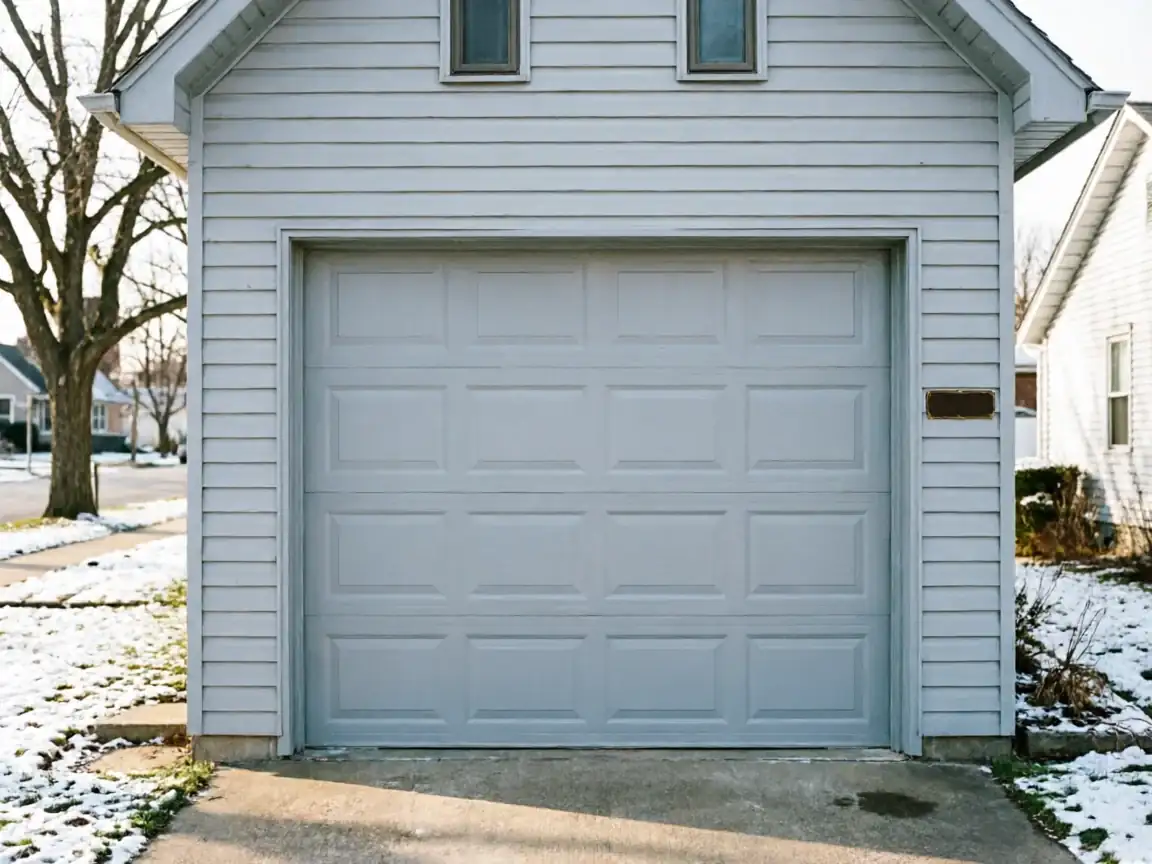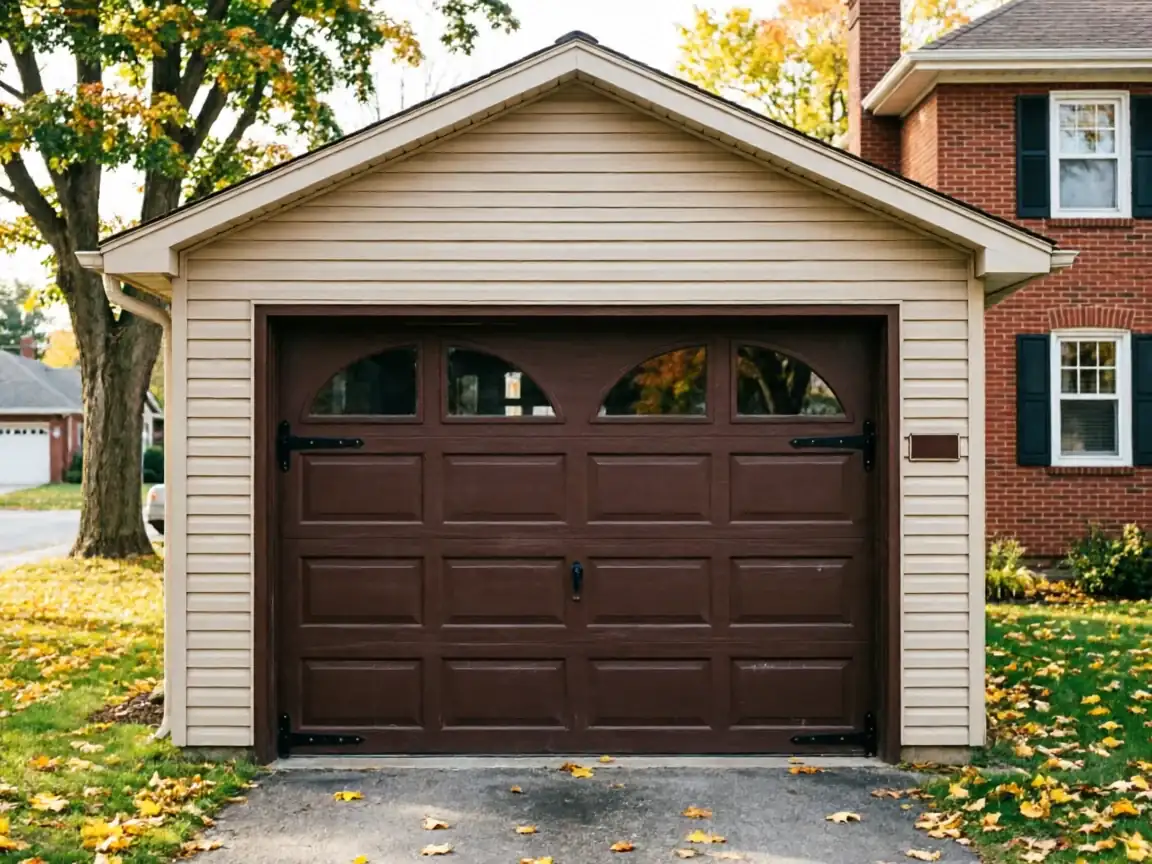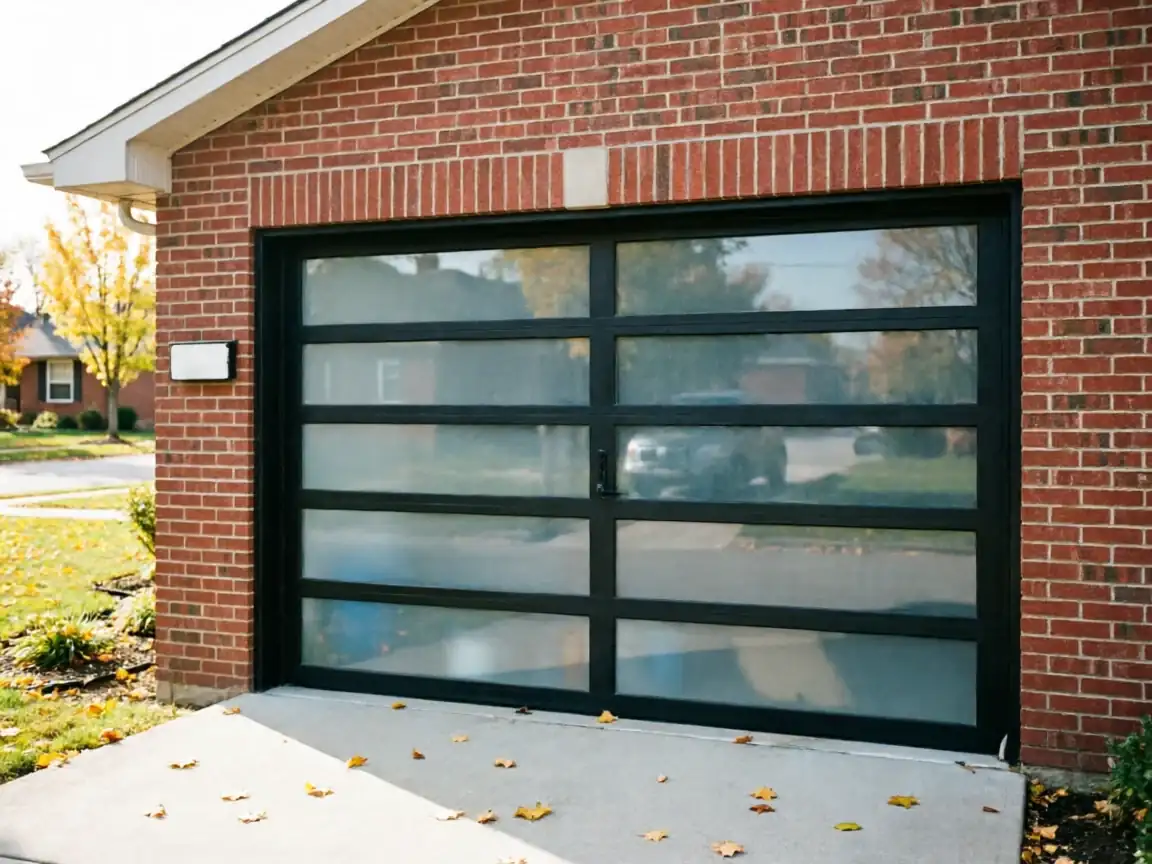
Where This Job Goes Sideways
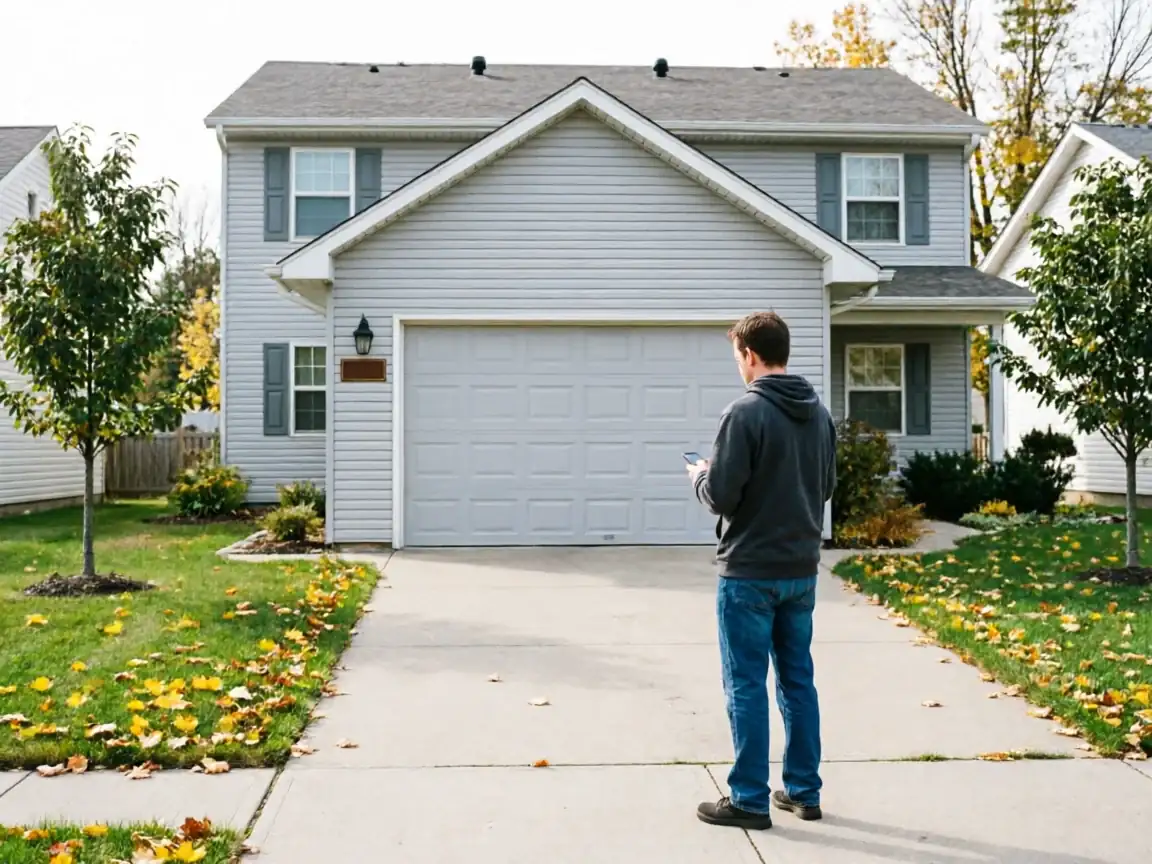
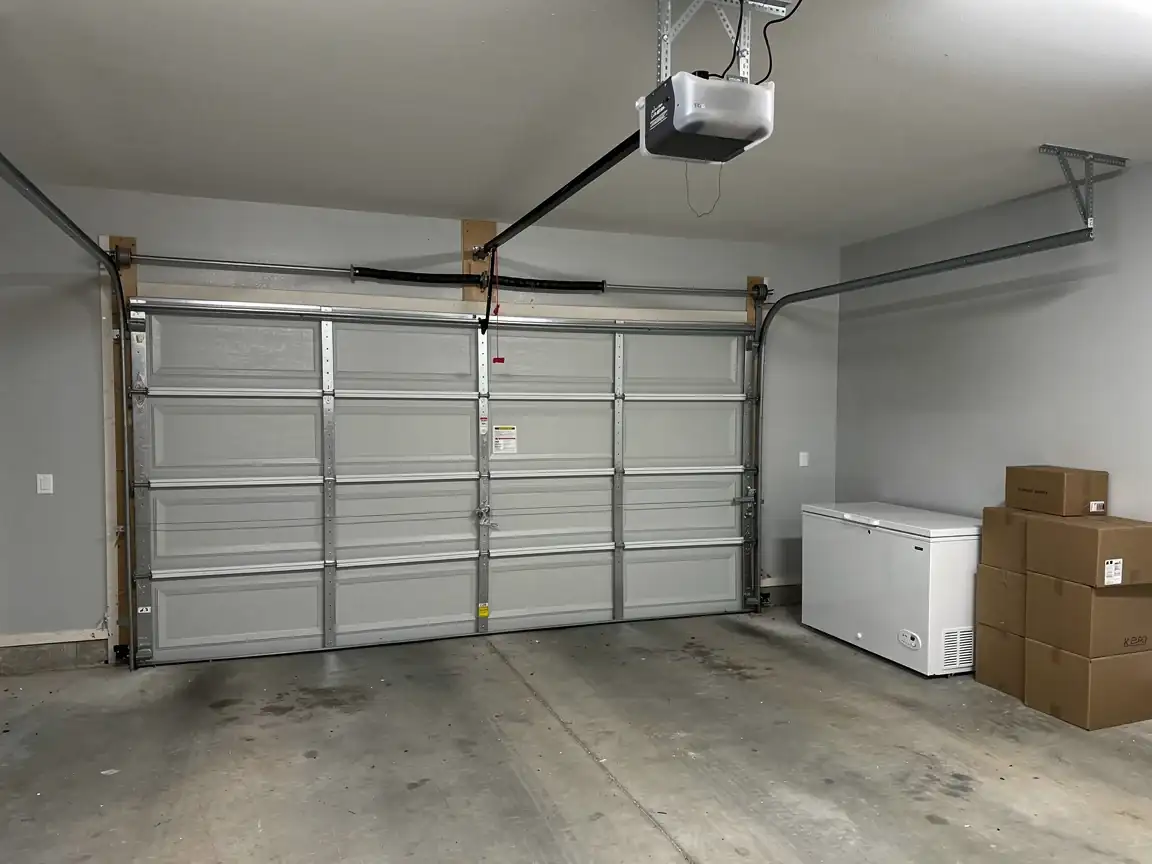
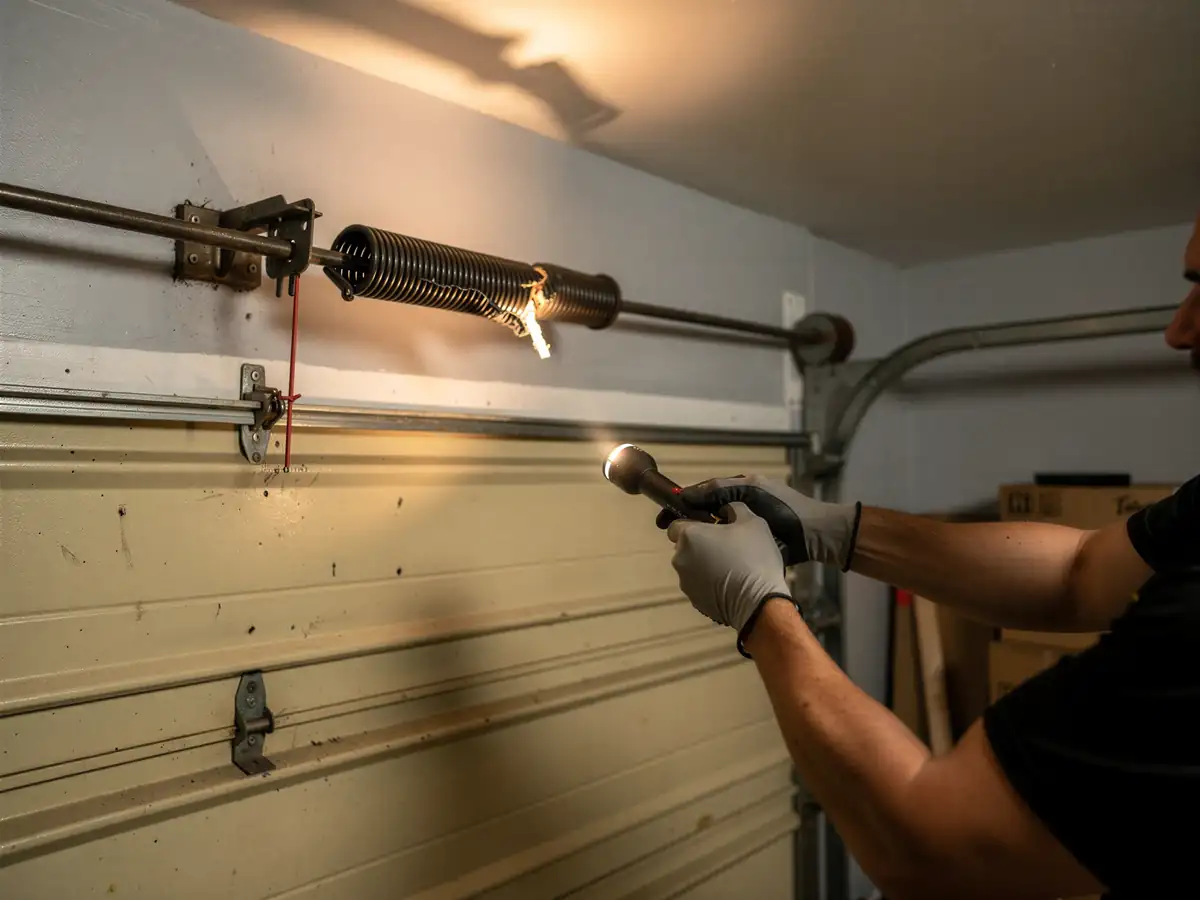
Most houses in Chanhassen went up with a median build year around 1993, a decade or more newer than a lot of the rest of this service area, where the median sits closer to 1982. That matters more than it sounds like it should. A door and opener installed when a house was new in 1993 is now over thirty years old, and in a lot of these homes it has never been swapped out - just serviced, patched, or ignored. The torsion spring on the garage is almost certainly the original one. So is the galvanized cable, and on more than a few jobs, so is the opener itself: a chain-drive unit with none of the rolling-code security or auto-reverse logic that current units carry standard. Add in a winter that this region takes seriously - the climate band here runs cold and severe - and steel contracts, lubricant stiffens, and a spring that's been flexing the same way since the Clinton administration finally lets go. The failure doesn't look dramatic. It looks like a door that's suddenly heavier to lift by hand, or an opener straining on the last foot of travel. That's the original hardware telling you its time is up.
Can You Do This Yourself
Some of it, yes
If the door is noisy, pull the plug on the opener and work the door by hand - rollers that grind or catch usually mean dry or worn rollers, and a shot of garage-door lubricant on the track and hinges is a five-minute fix. Same with opener batteries in the remote, or a sensor lens that's caught dust and is throwing a false safety stop. Those are fair DIY territory.
What isn't: the torsion spring
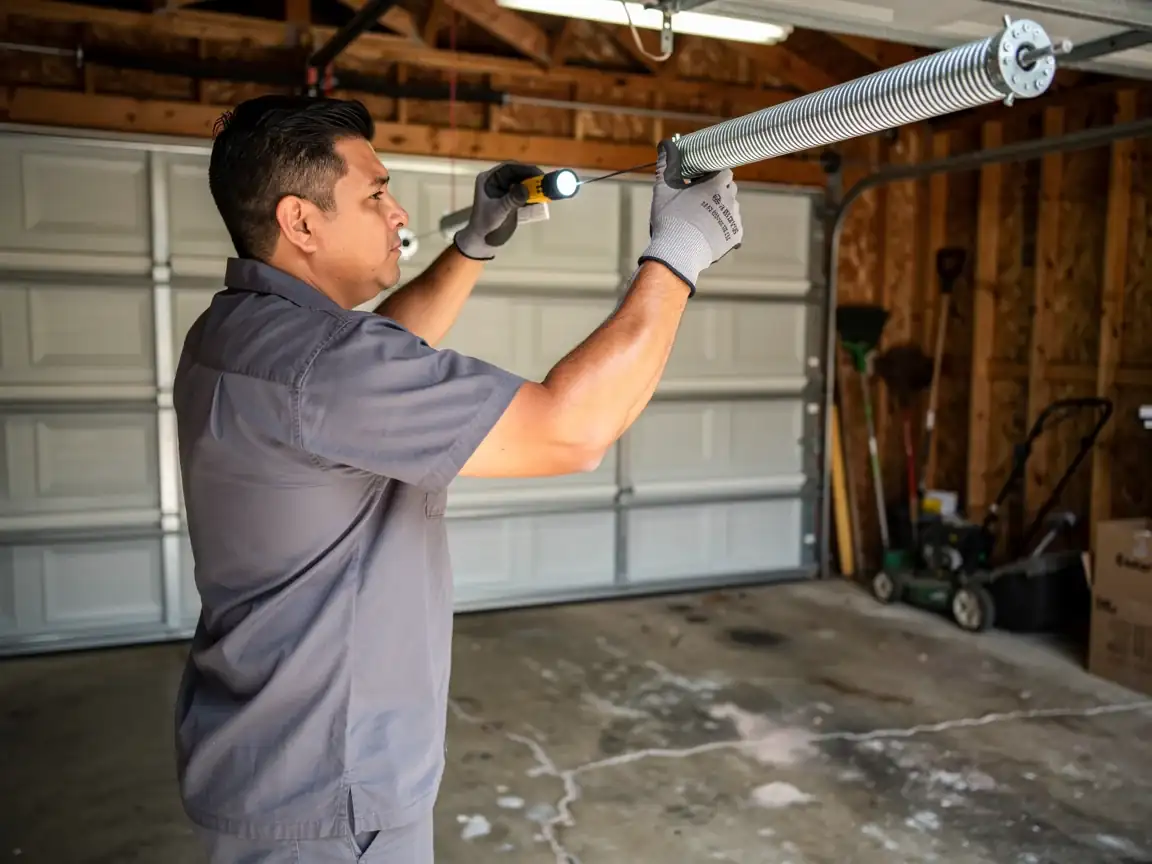
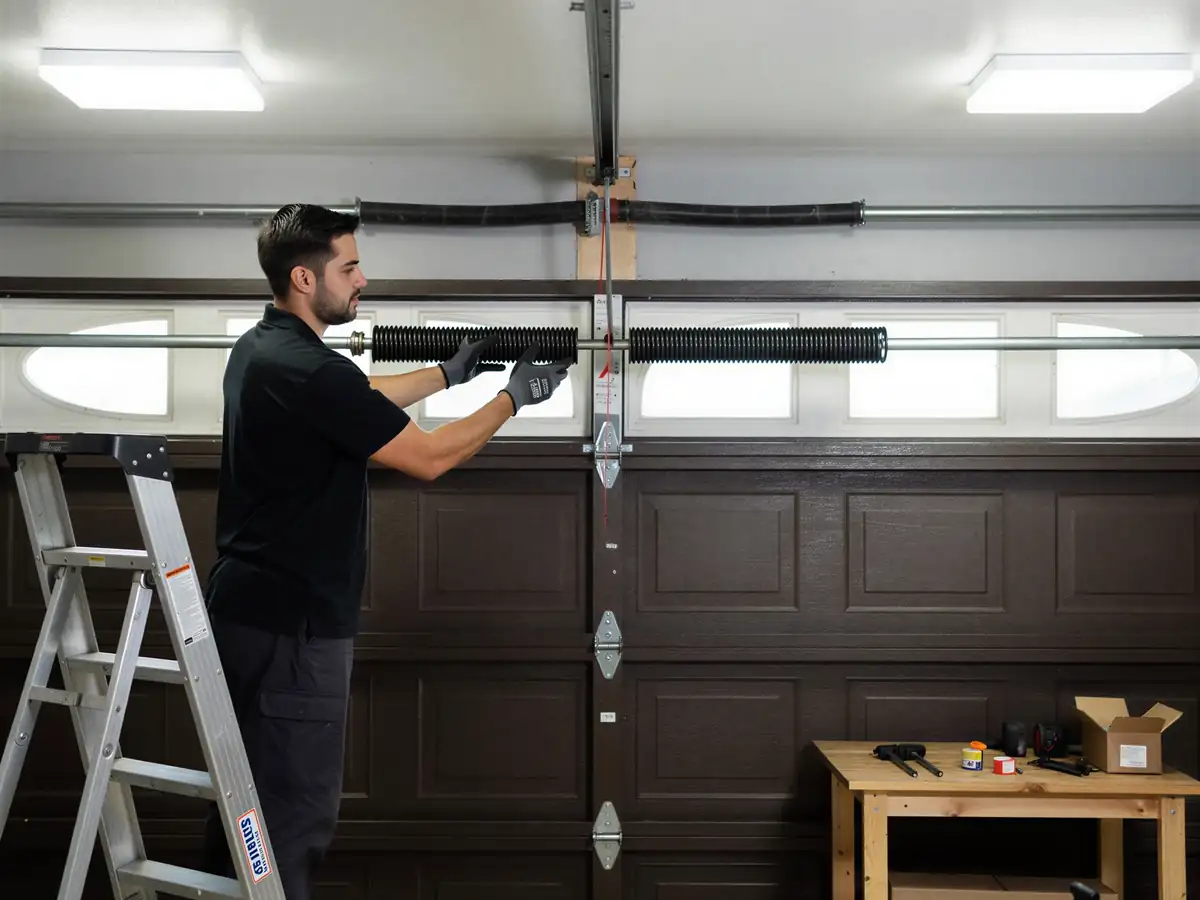
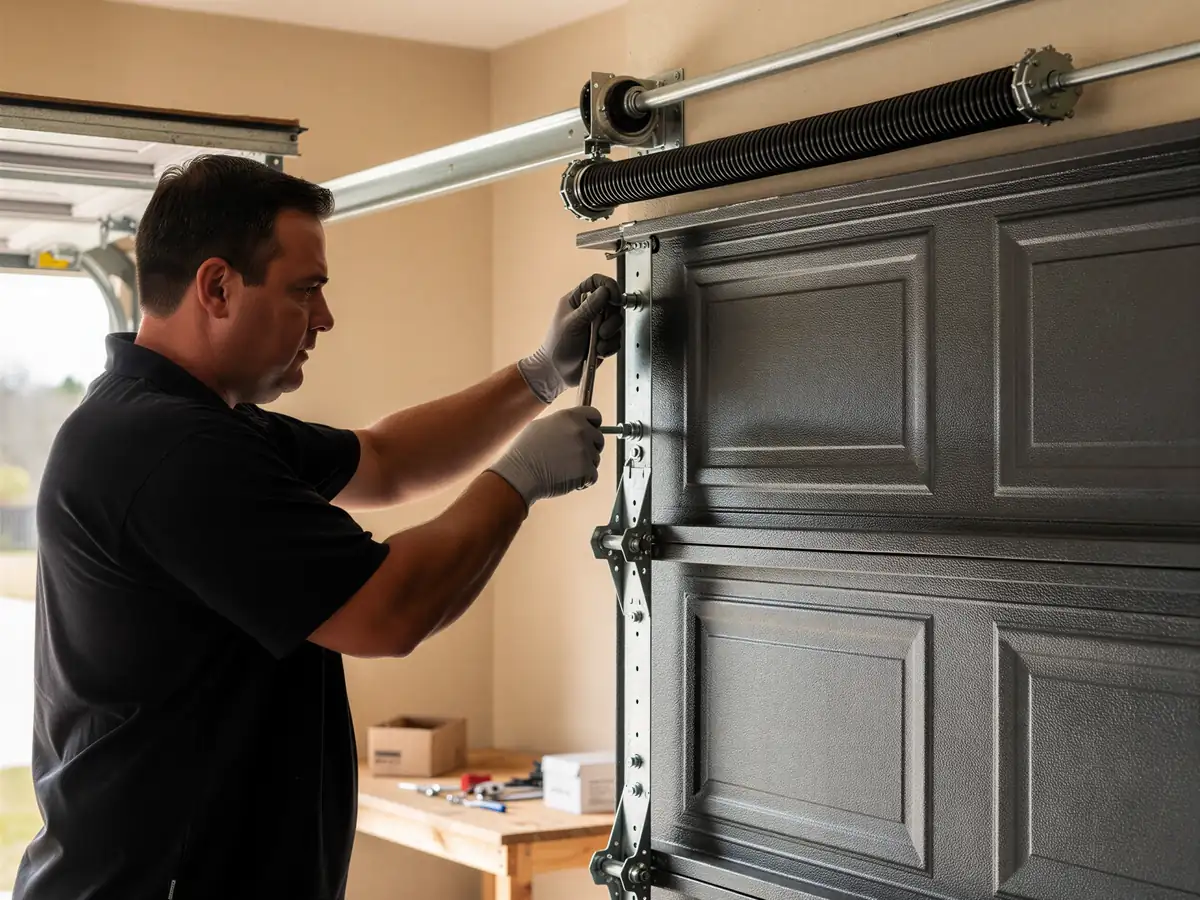
And on a 1993-era door that's the piece most likely to be original and most likely to be the actual problem. These springs store enough tension to break a hand or worse when they let go, and the winding bars and fixtures to do it safely aren't something most homeowners keep in the garage. Same goes for the cable and drum assembly - if a cable has started to fray, pulling the door up and down on it is how you end up with a door that drops, not a door that's fixed. If you're not sure which category your issue falls into, the honest answer is to describe what you're hearing and seeing before touching anything load-bearing.
How We Fix It
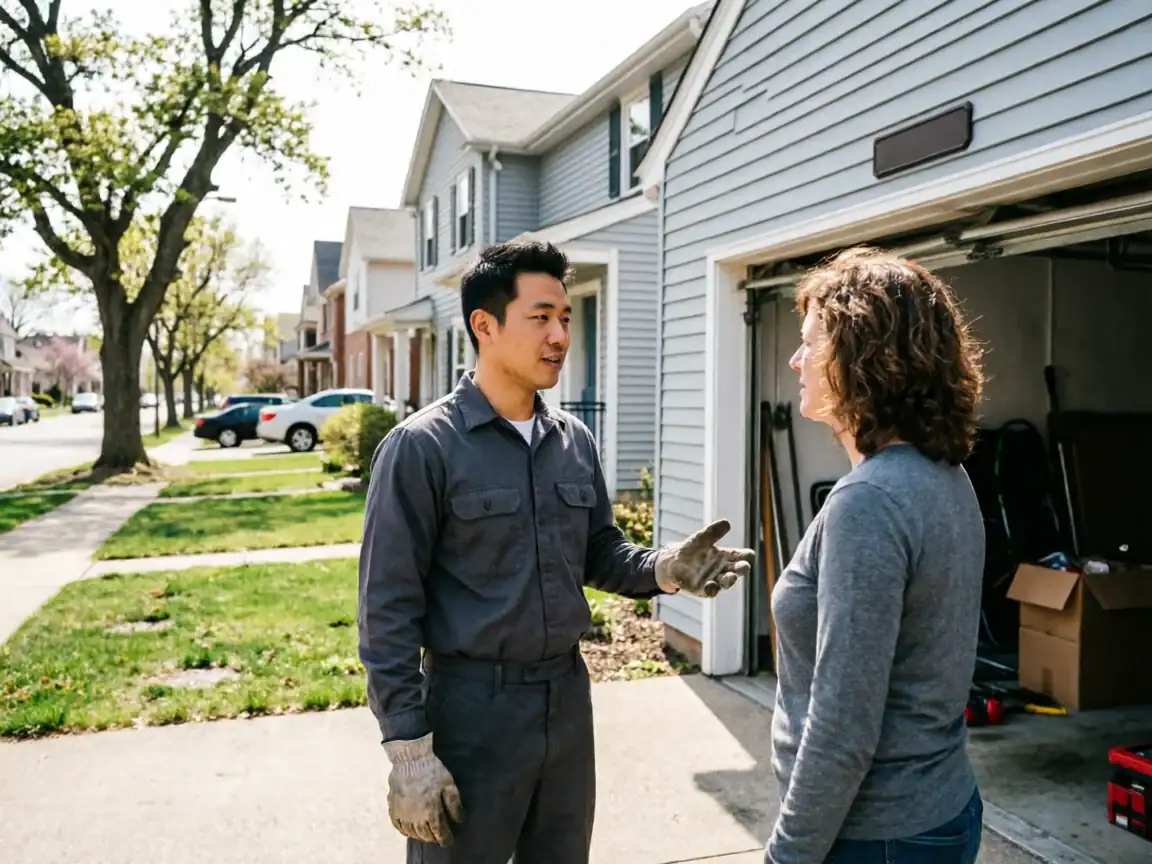
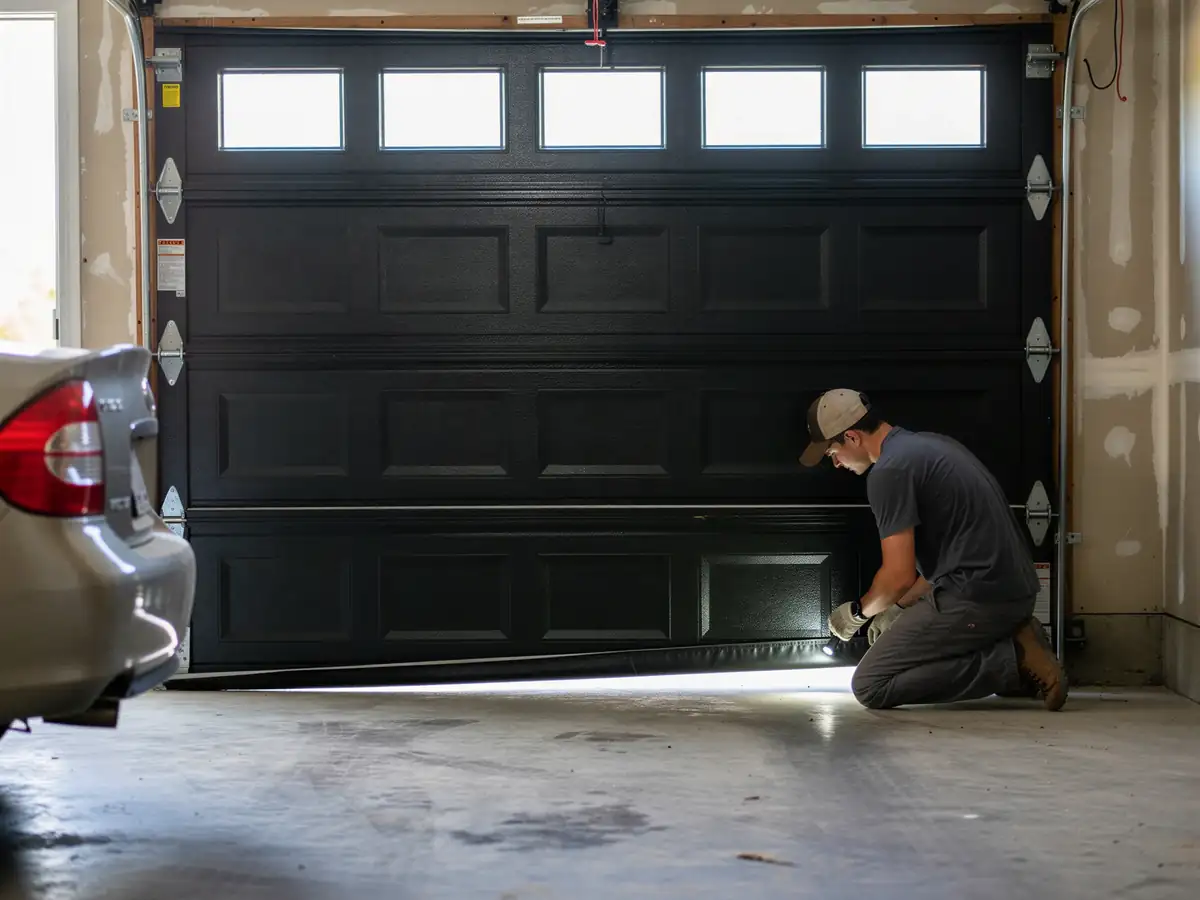
We come from Maple Grove, 18 miles out, so the first thing we do on a Chanhassen call is ask enough questions on the phone to bring the right parts - because a door built around 1993 often needs a spring size, cable gauge, or opener bracket that newer stock doors don't use anymore. On site, we check the obvious failure points first: spring wind and wire gauge, cable fray at the drum, track alignment, and whether the opener's force and limit settings have drifted, which they do on units that have been running two or three decades without adjustment.
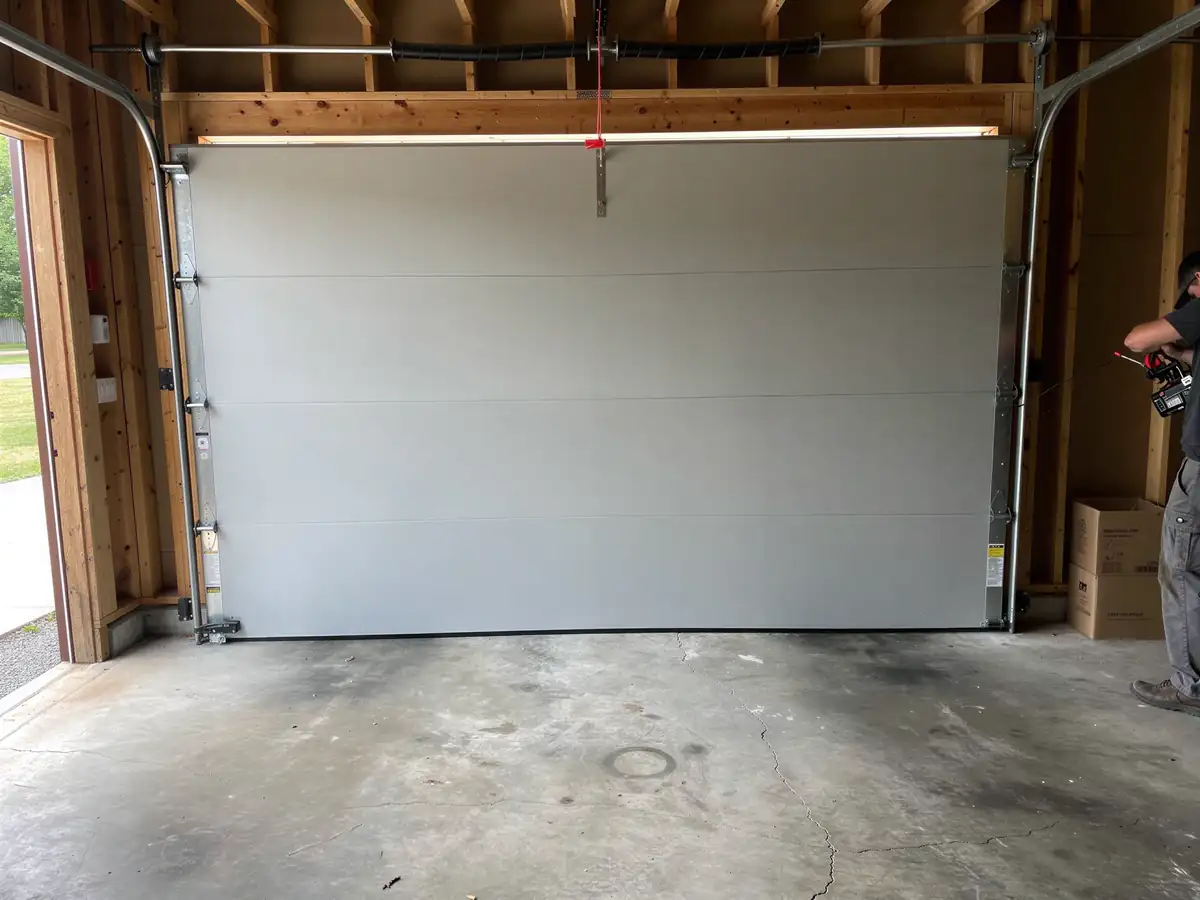
If the spring is original, we replace it with a correctly matched pair, not a mismatched single spring, because one spring on a double door that size is why the door is crooked when it opens. If the opener is the original chain-drive unit, we're straightforward with you about whether it's worth rebuilding or whether a modern opener is the better money. We don't push a full door replacement on a repair call unless the panels or track are actually failing - a sound door from 1993 can run another decade on new hardware.
What Is on the Truck
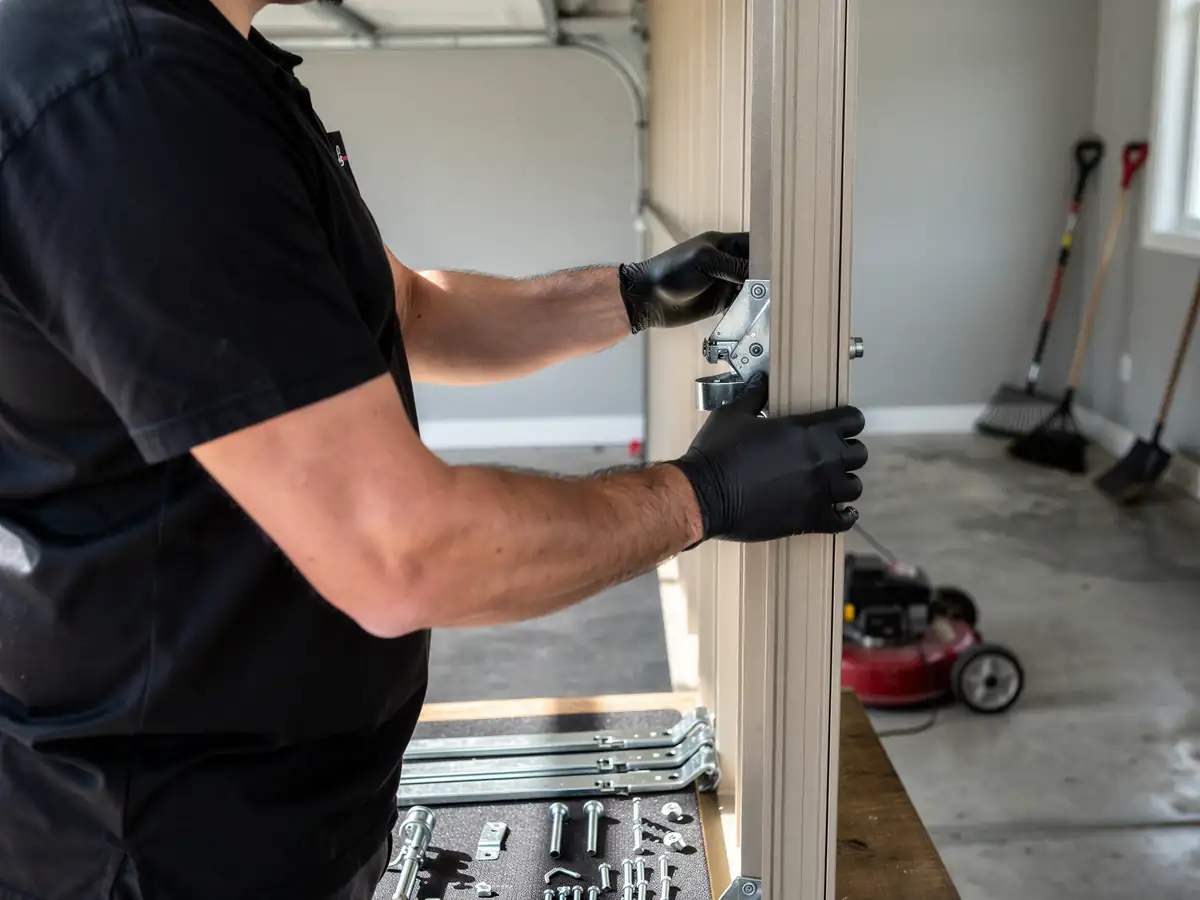
We carry torsion springs across the common wire gauges and wind lengths that match doors built from the late 1980s through the 2000s, along with galvanized lift cable, standard rollers, and hinges in the sizes that fit steel panel doors from that era. We stock current openers with modern safety sensors and rolling code, since that's the most common swap on a house this age.
What we don't carry is every obsolete bracket or discontinued panel style. If a Chanhassen door needs a specific replacement panel that matched a builder run from 1993 and that manufacturer doesn't make it anymore, we'll tell you that on site rather than stringing out a repair that isn't going to hold. Sometimes the honest fix is a new section, not a patch, and we'd rather say that up front than have you call us back in six months.
The Symptom
The call we get most from this part of town isn't a door that won't open
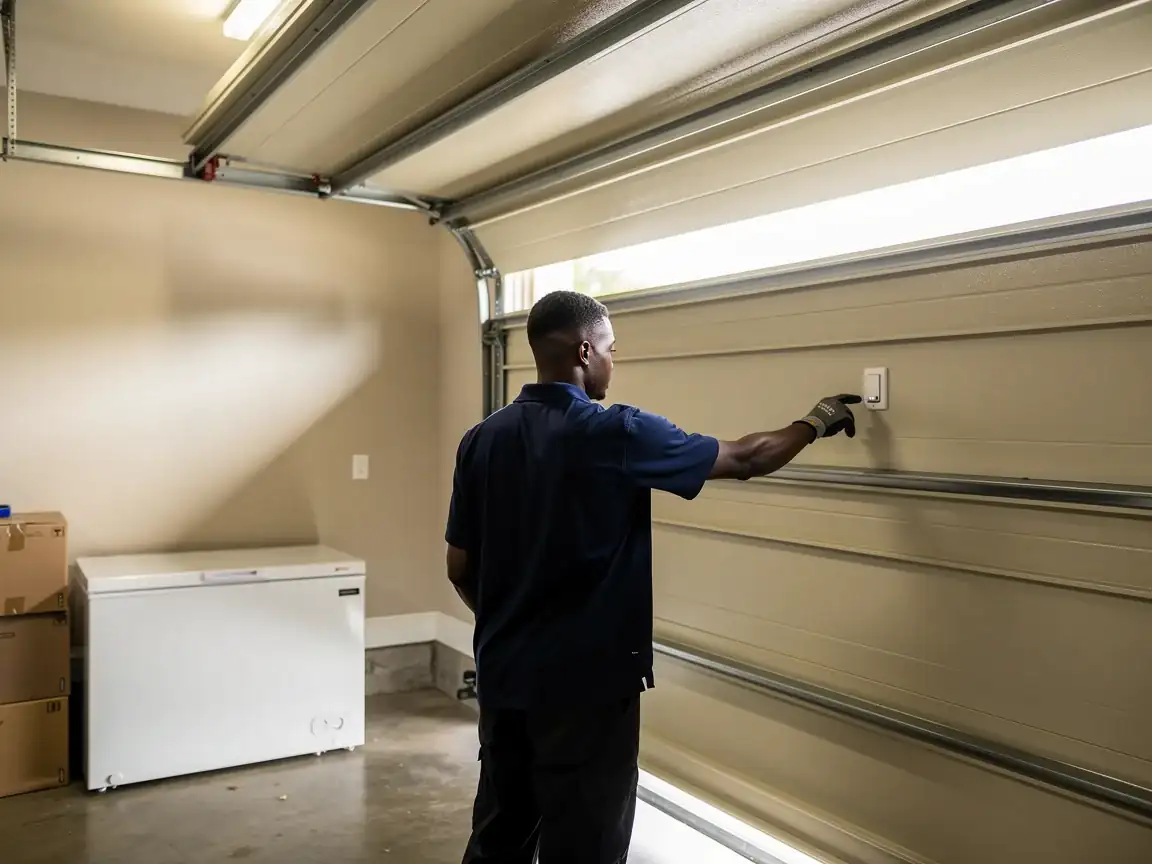
It's a door that opens partway, then reverses and goes back down on its own. On a unit this old, that's almost always the opener's force setting fighting a spring that's lost tension, or a safety sensor that's gone slightly out of alignment after thirty years of the garage settling. Either one reads to the opener as resistance, and the opener does exactly what it's built to do: it assumes something's in the way and backs off.
It's an easy symptom to misread as an opener problem when the real cause is upstream in the spring
We check both before replacing anything, because swapping an opener on a door with a tired spring just moves the strain onto the new motor and you're back to square one within the year.