Where This Job Goes Sideways
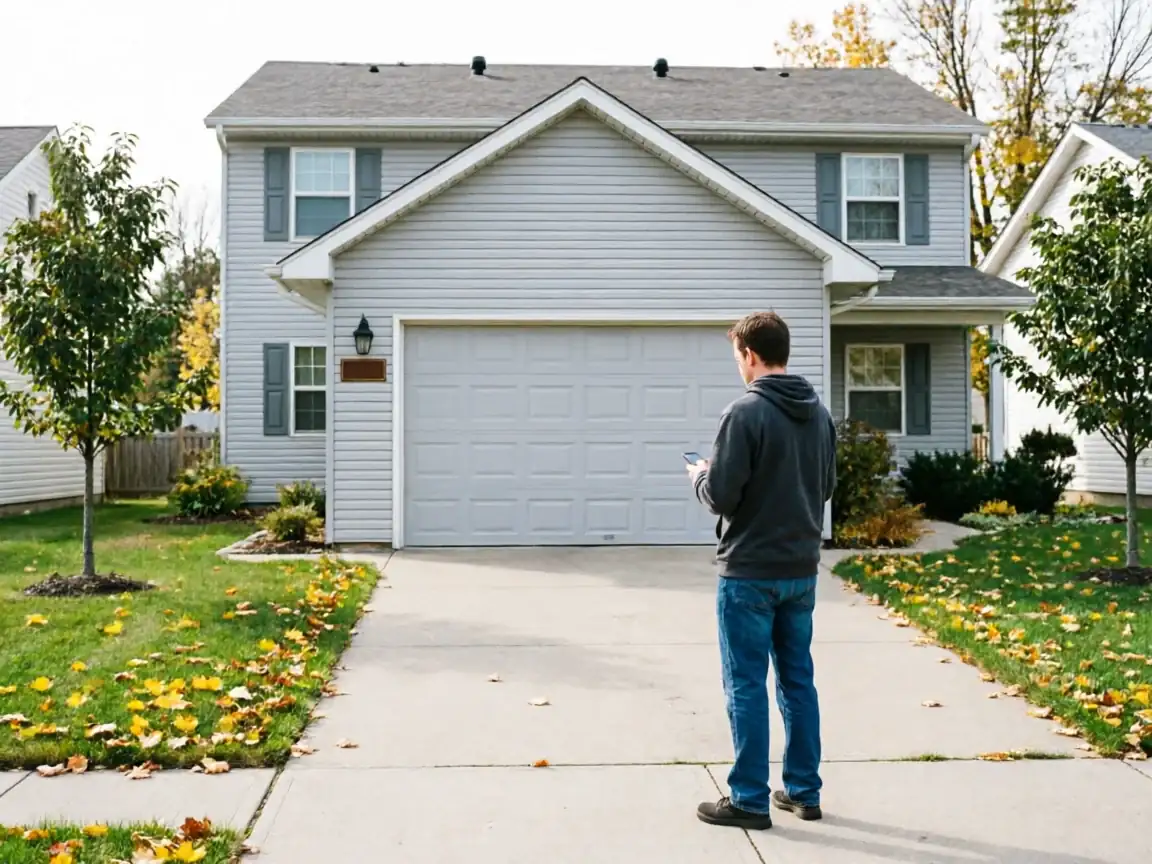
The drive out to Chanhassen is about 18 miles from our shop in Maple Grove, and that number matters more than it sounds like it should. A tune-up call here isn't a quick in-and-out between two jobs on the same block - it's a trip we plan for, which is why we bundle the inspection, the lube, and the adjustment into one visit instead of coming back twice.
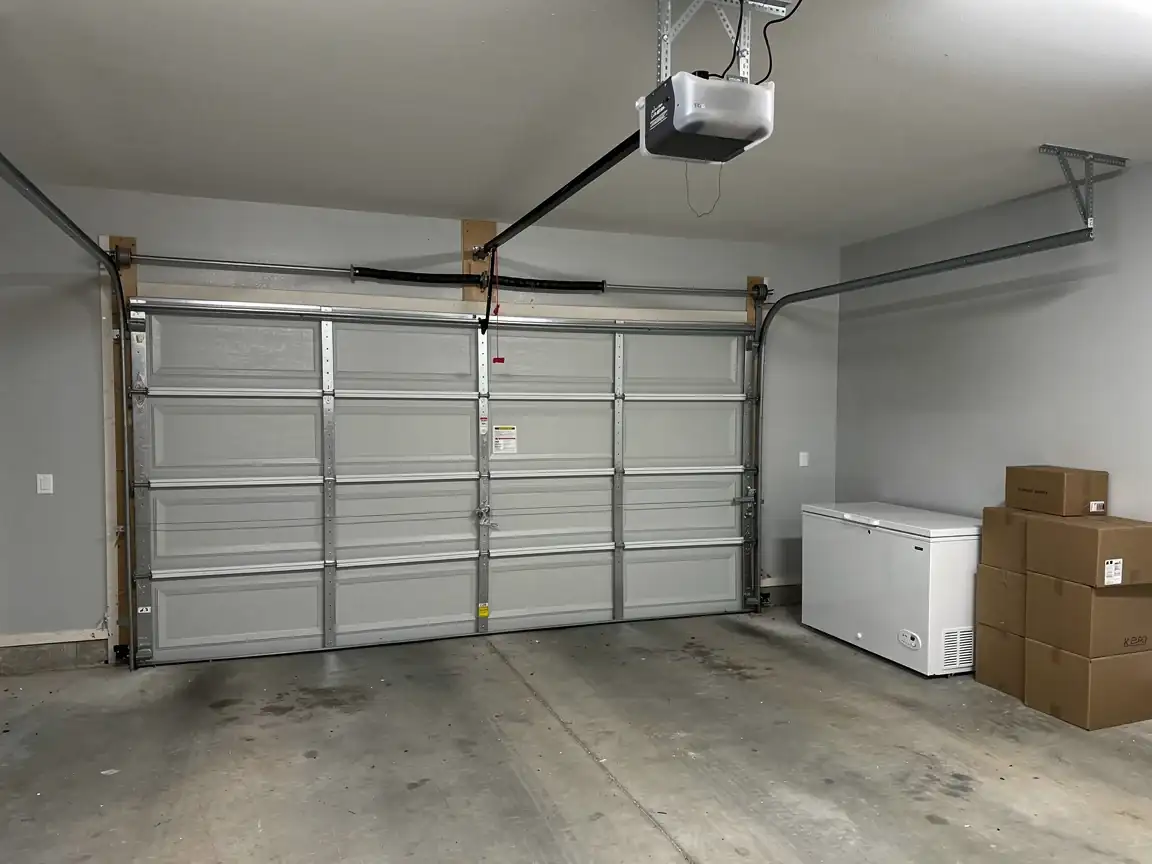
What we find once we're there tracks with when the neighborhood went up. Chanhassen's housing stock centers on 1993, which puts most garage doors and openers squarely in the chain-drive, steel-sectional generation - newer than a lot of what we see across the wider service area, where homes span 1957 to 2007. That's a good thing in one sense: less original 1960s hardware, fewer oddball spring sizes. But it means a different failure pattern. These openers are now 30-plus years old in many cases, past the point where the original motor gears and drive chains were built to last, and the original rollers on these doors are the hard nylon kind that crack rather than wear smooth.
Cold is the other constant. This part of Minnesota sits in a severe cold climate band, and a 30-year-old opener with dried-out grease on the rail does not like a January cold snap. We see the slow, grinding start-up long before the belt or chain actually fails.
Can You Do This Yourself
Some of this is fair to do on your own
Wipe down the tracks, check that the photo-eye sensors are clean and aligned, and look at the weatherstripping on the bottom panel - in a cold climate, a torn seal lets in enough draft to matter on the heating bill alone. Lubricating the rollers and hinges with the right garage-door-specific grease (not WD-40, which washes out) is something most owners can handle twice a year.
What we don't recommend doing yourself
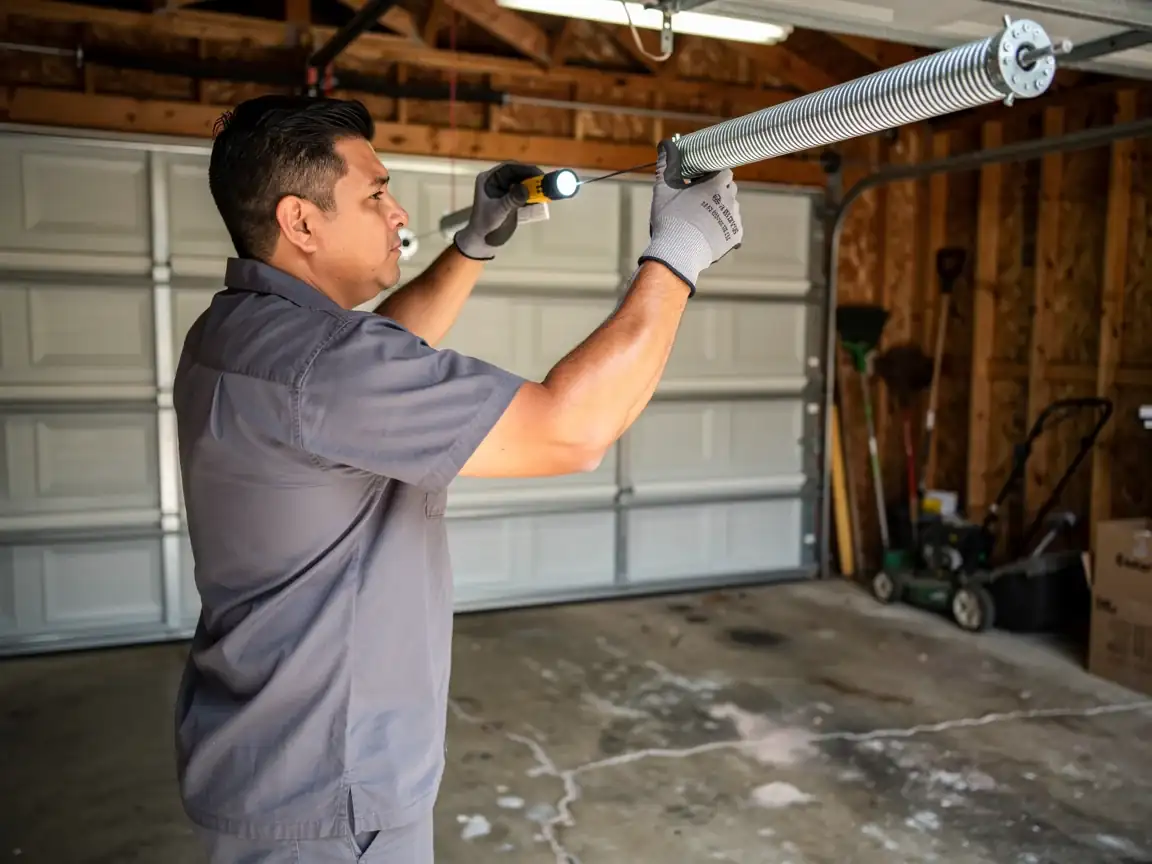
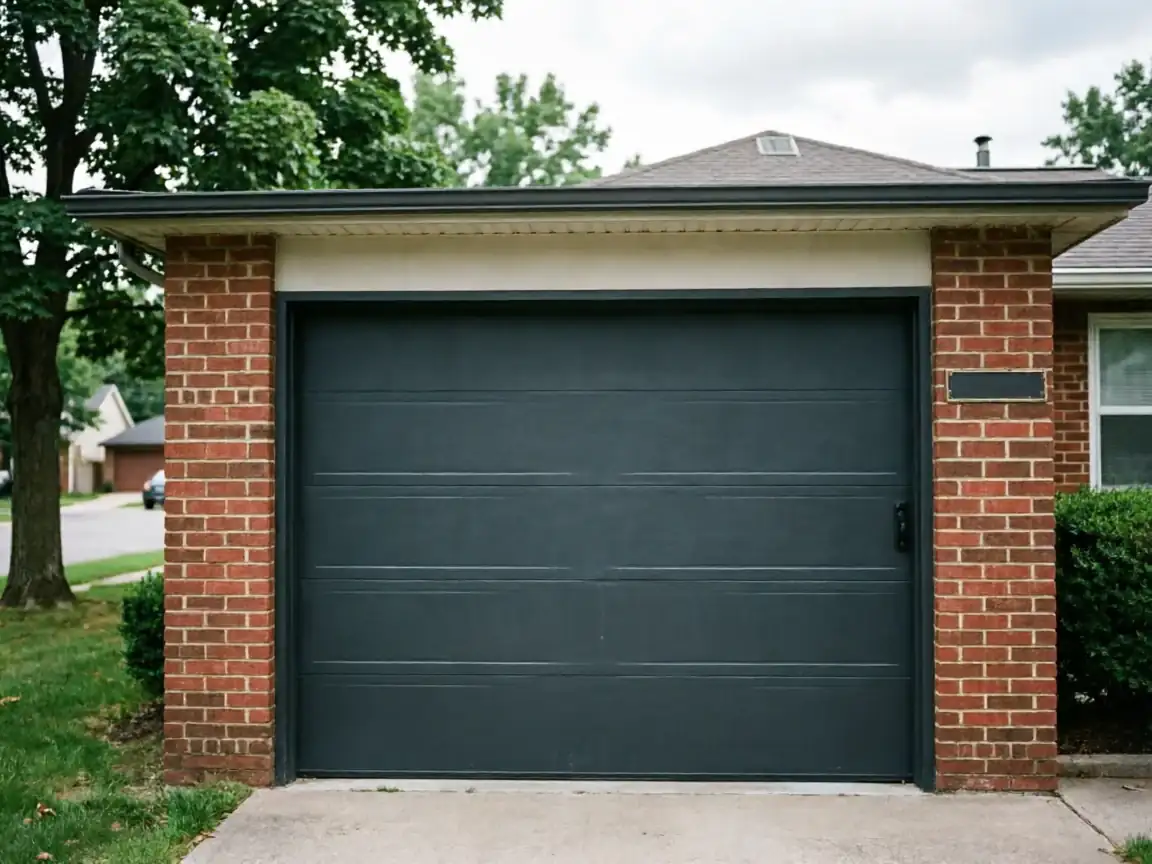
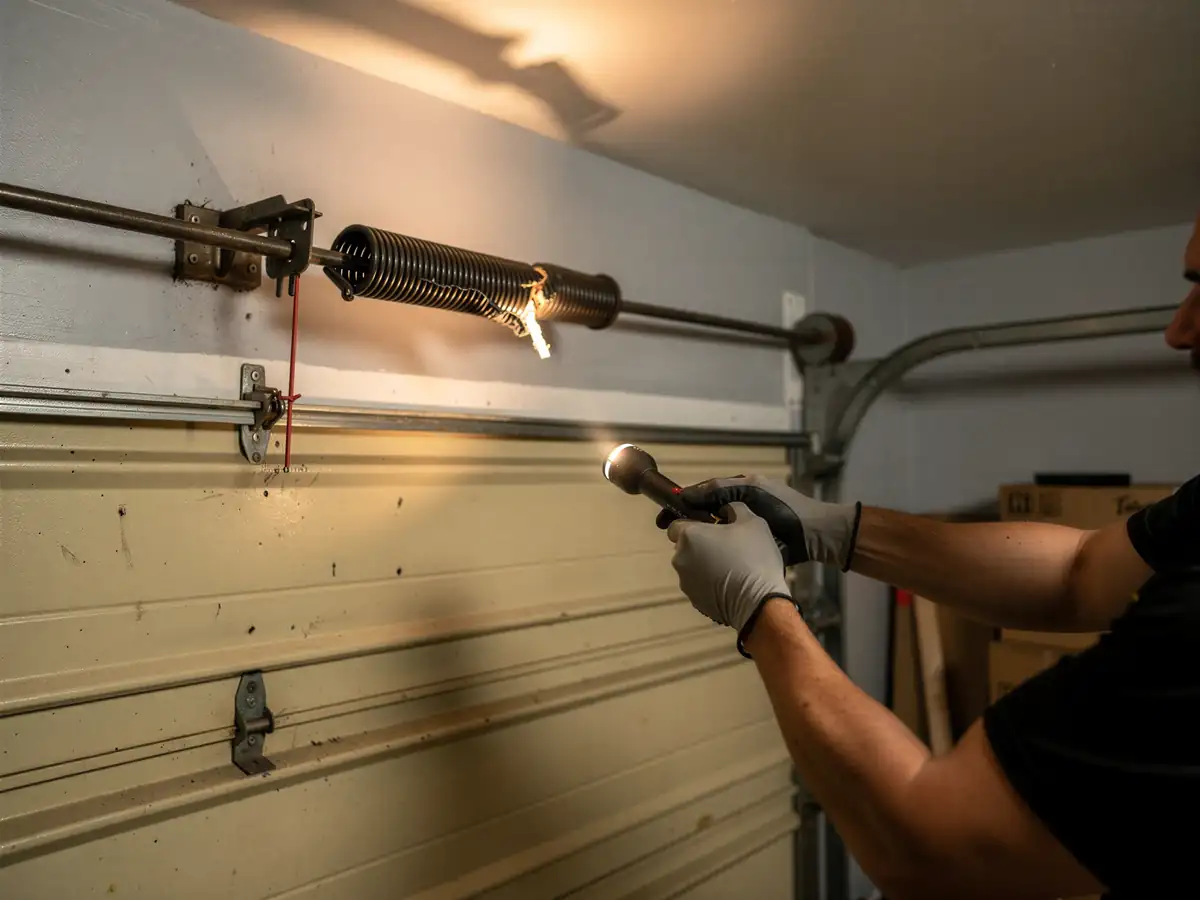
Touching the torsion spring, adjusting opener force settings past the manufacturer limit, or trying to re-tension a cable. A door this size, even on a smaller single-car bay, stores enough spring force to break a hand or worse. We'll say plainly - if your opener is original to a 1993 build and still running on its first motor, it has outlived most of its peers, and a maintenance visit is cheaper than waiting for it to fail on a door you can't lift by hand in the cold.
How We Fix It
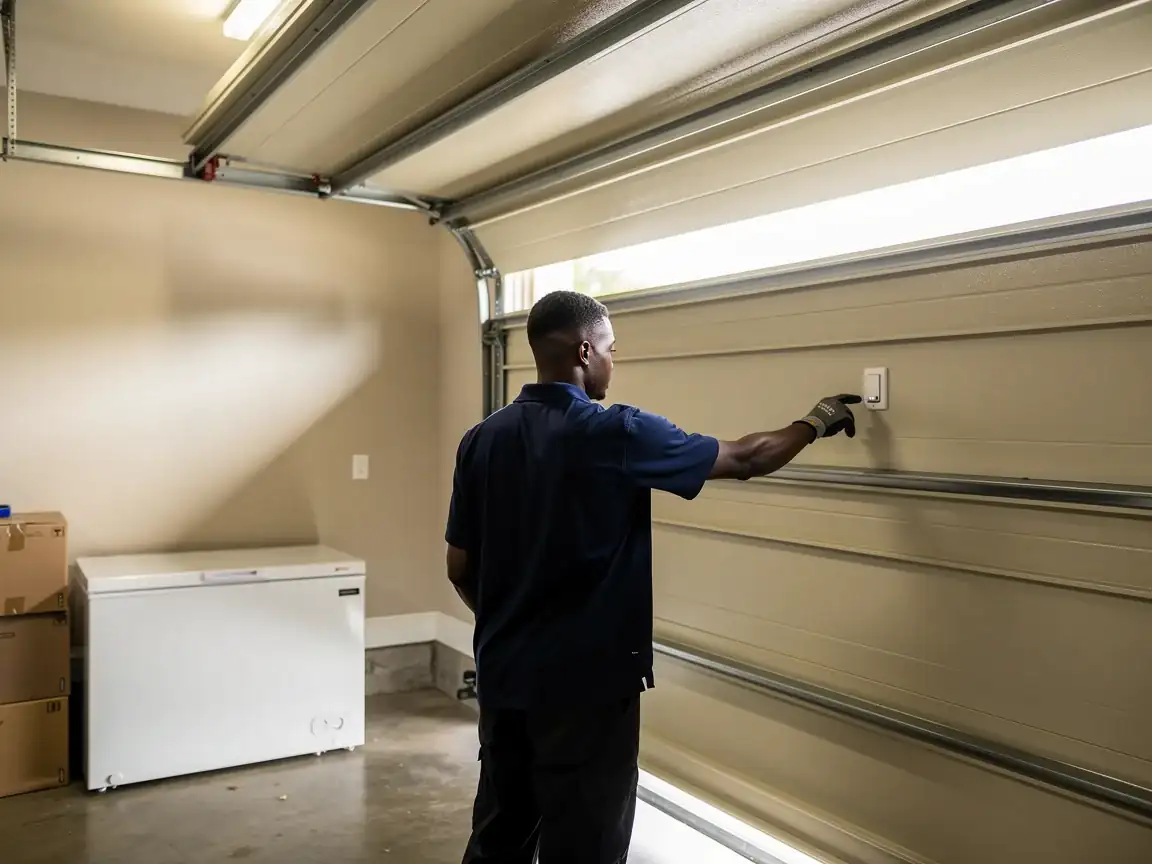
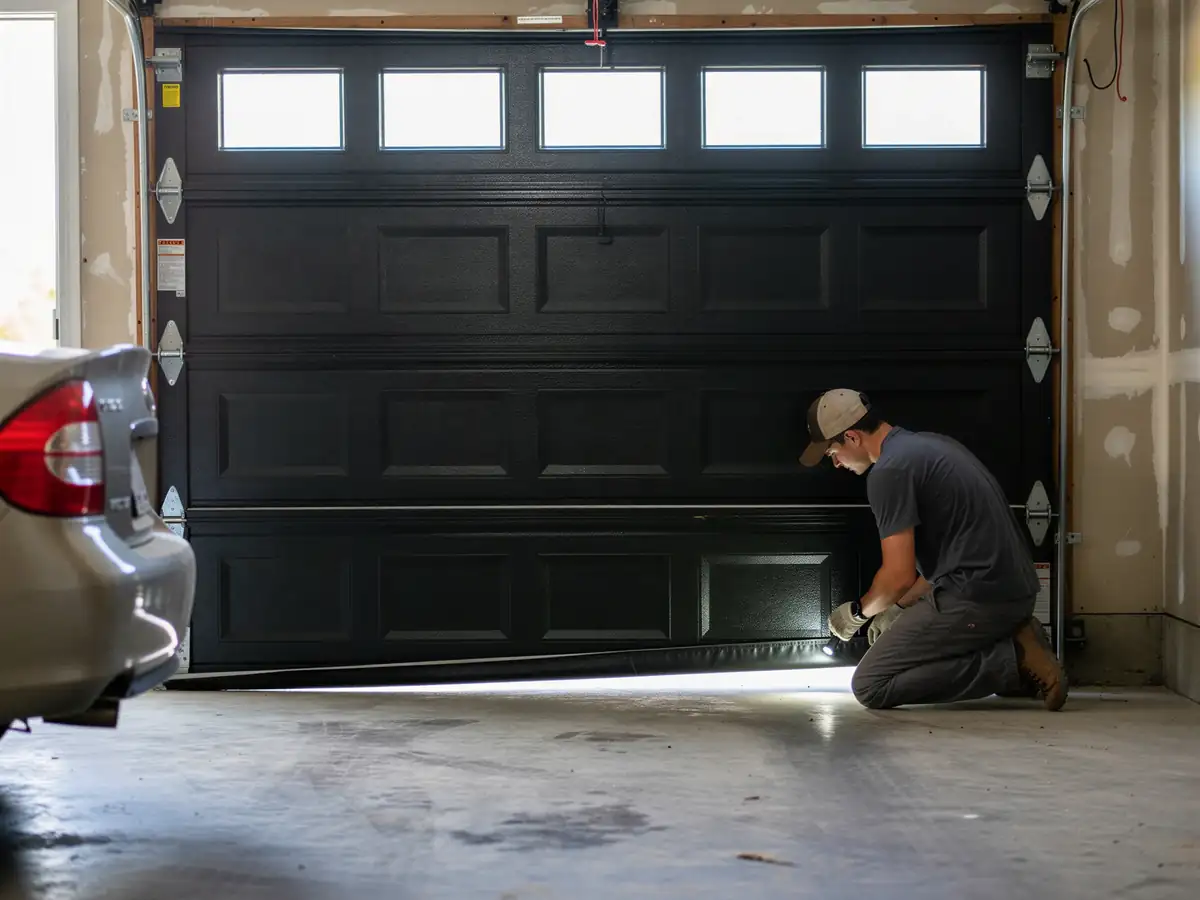
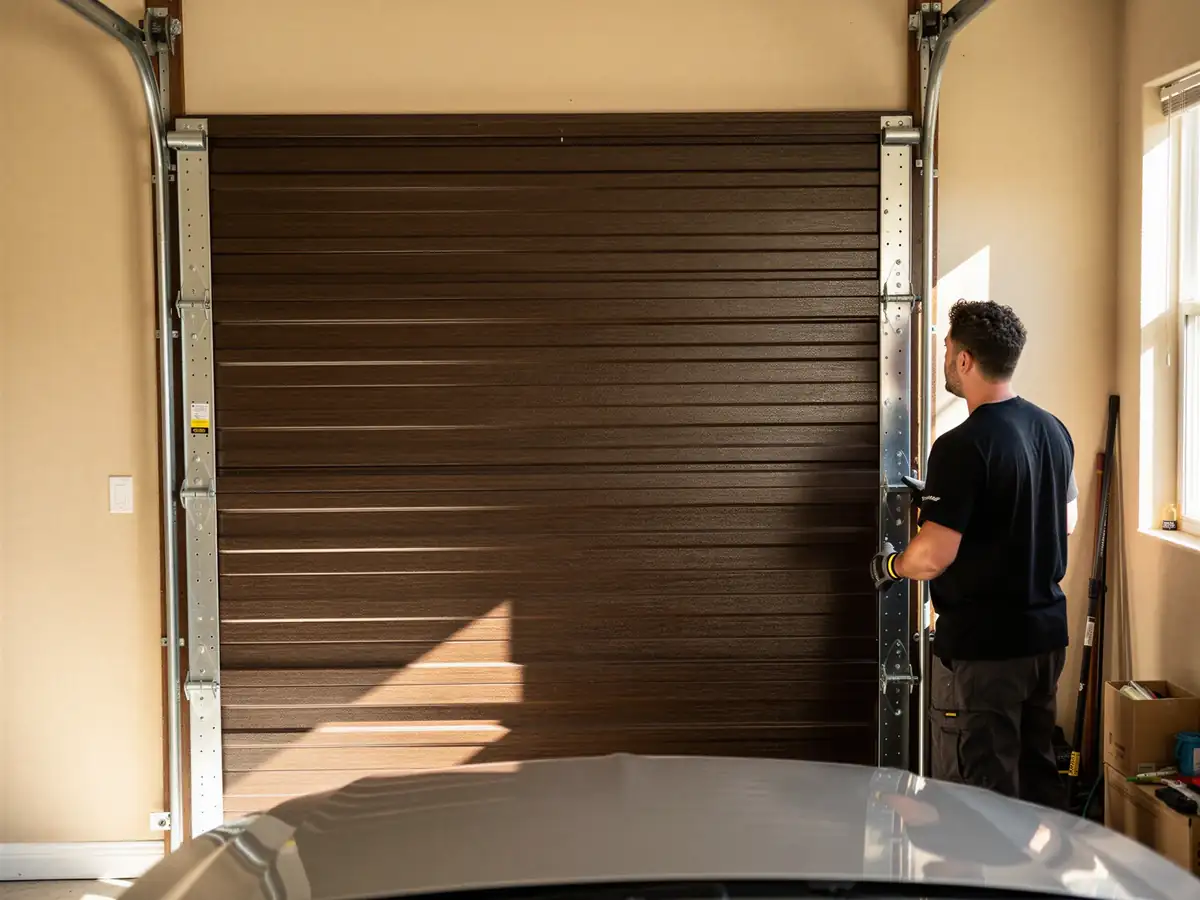
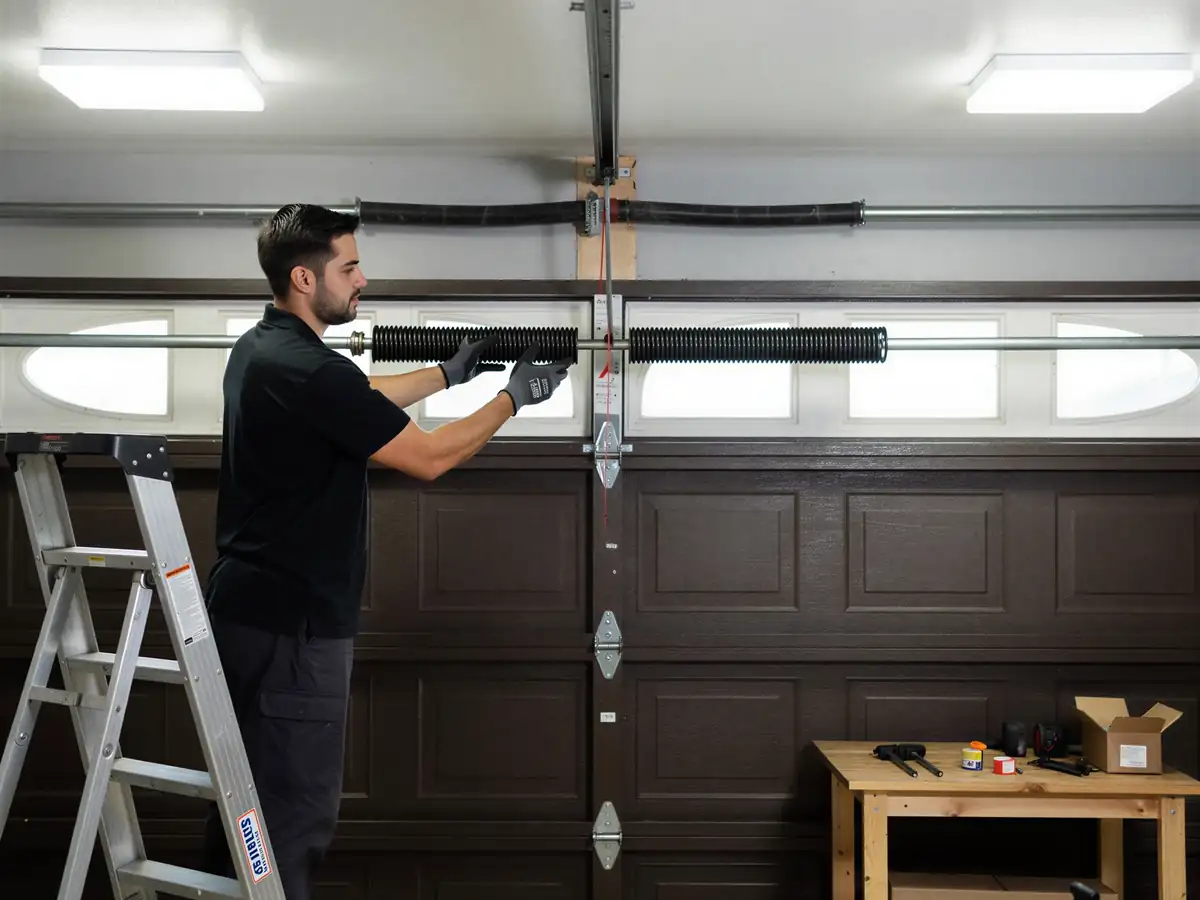
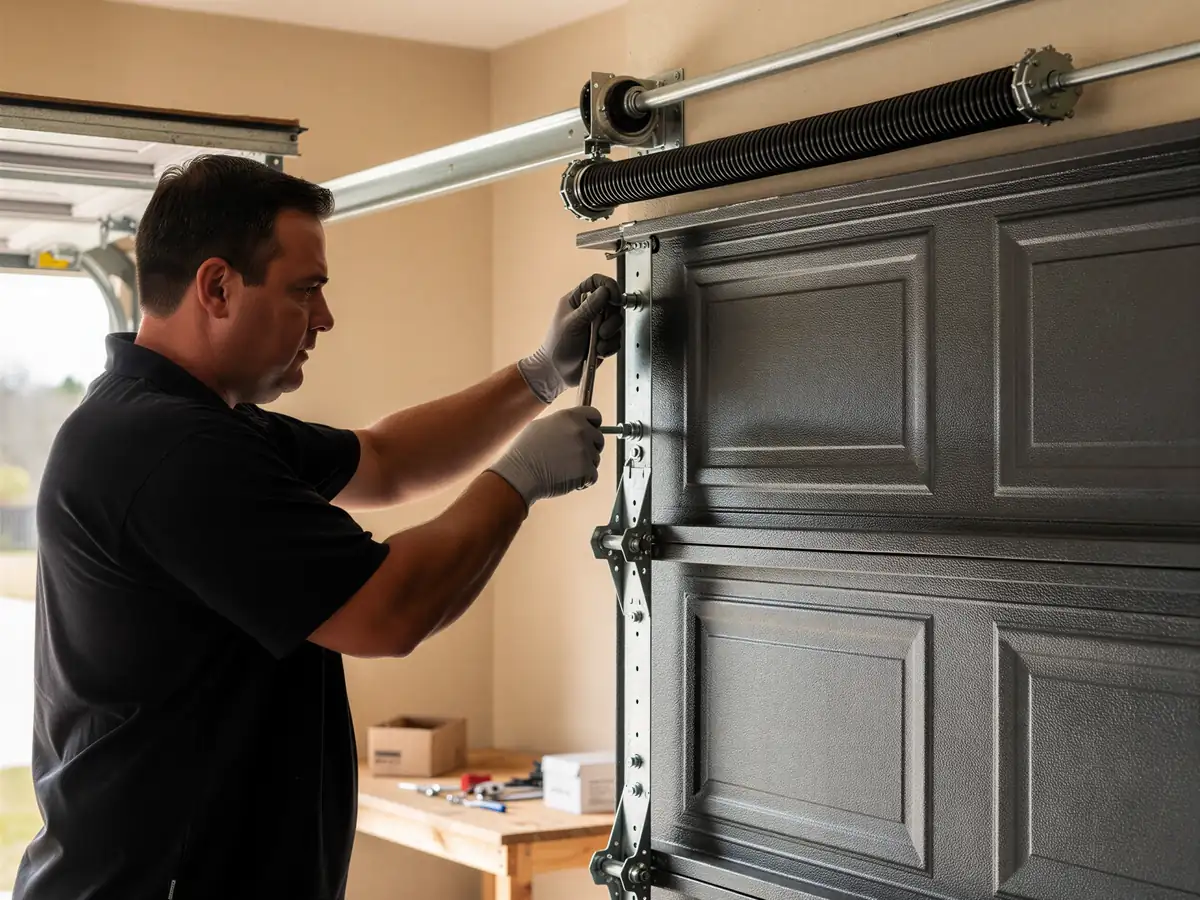
A standard maintenance visit from our Maple Grove crew covers the full door, not just the opener. We check spring tension and balance first - a door that's even slightly out of balance puts extra strain on the opener motor, which is usually the part that fails first in homes built around the early '90s. We re-lubricate rollers, hinges, and the torsion bar, tighten loose hardware on the track brackets, and test the auto-reverse safety function, which matters more on doors this age since the sensors weren't always standard equipment when the house was built.
We also check the bottom seal and weatherstripping given the climate here - a gap that lets in cold air is a maintenance issue before it's ever a comfort issue. If we find a part that's past the point of adjustment, like a cracked nylon roller or a frayed cable, we'll point it out and quote the fix separately rather than fold it into the tune-up, so you know what you're paying for and why.
What Is on the Truck
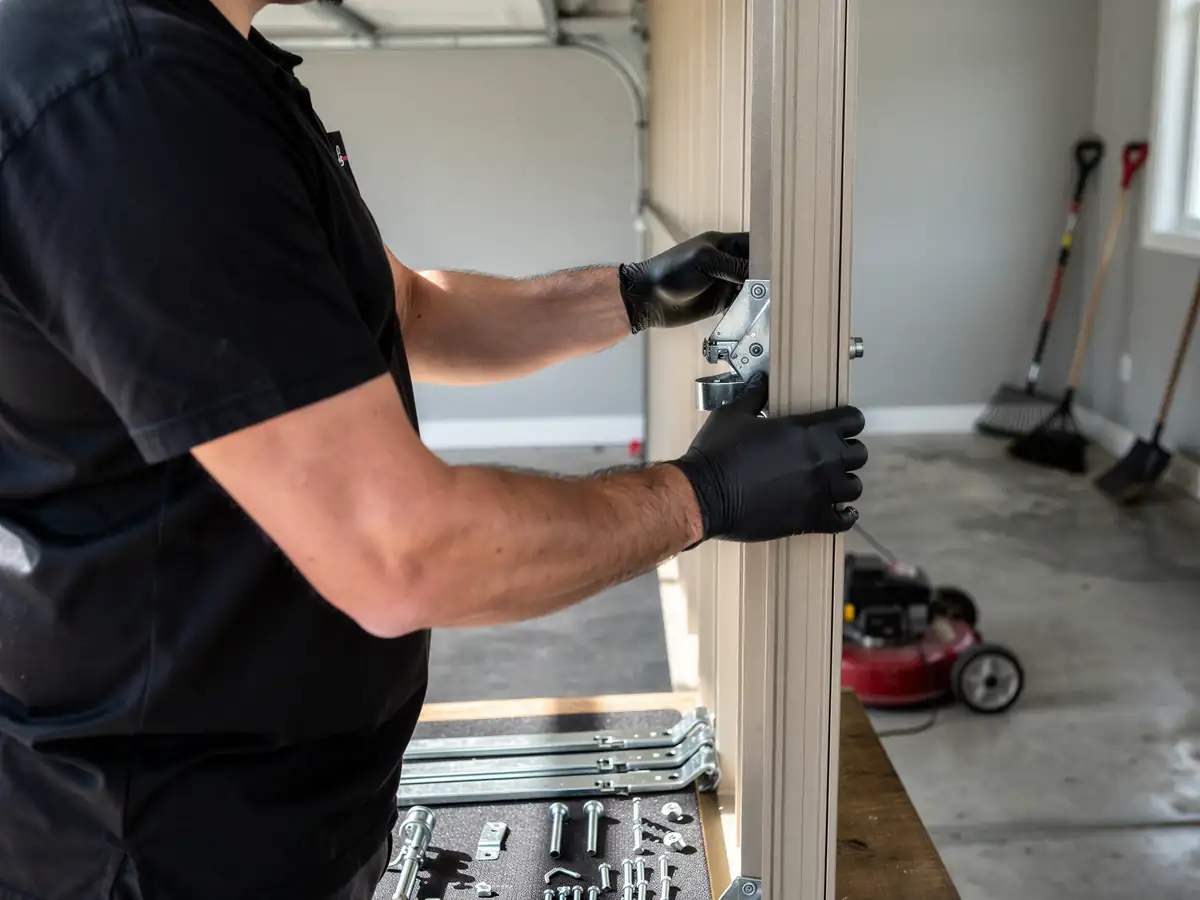
Because the trip out to Chanhassen is a planned one, we stock the truck for what a 1990s-built door typically needs: steel ball-bearing rollers to replace the original nylon ones, standard lift cables, lubricant rated for cold-weather use so it doesn't gum up at low temperatures, and a range of torsion springs sized for the single and double doors common to this build era.
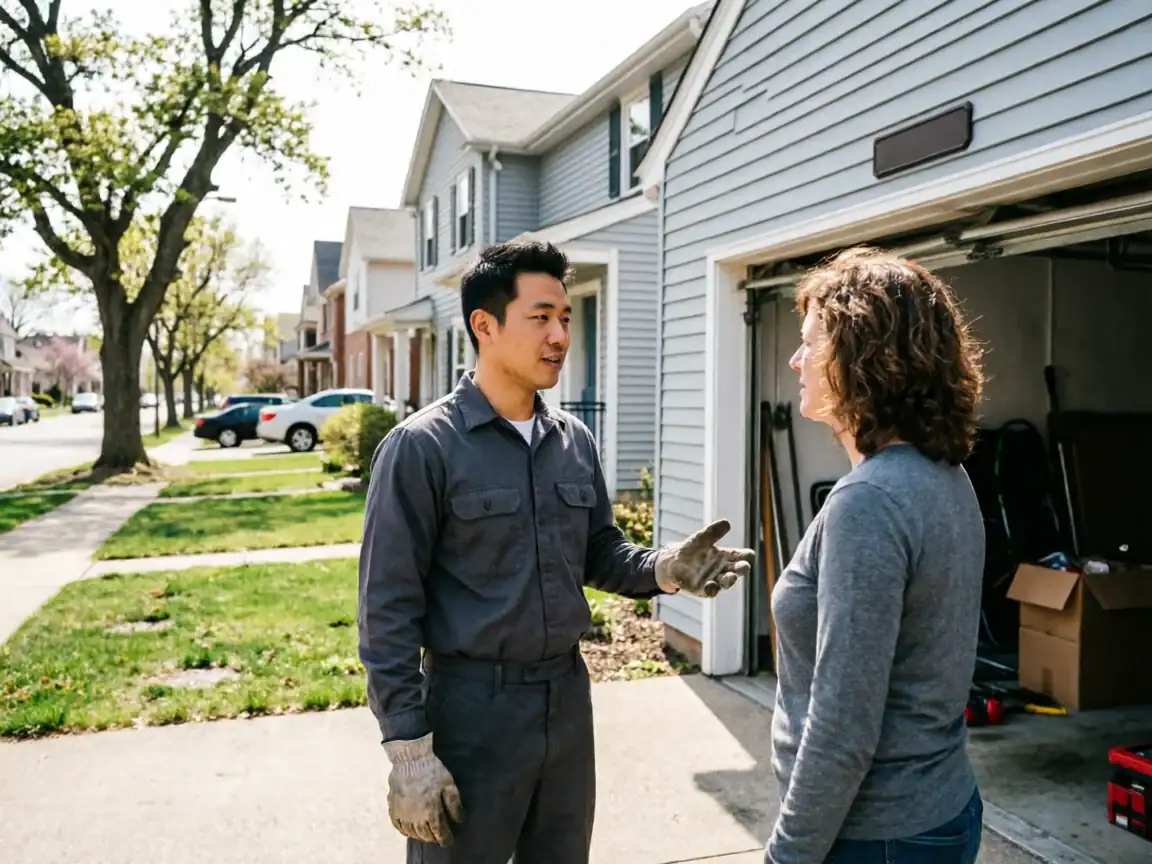
We don't carry every opener model on every truck - if your motor needs a specific control board or a part tied to a brand we don't stock, we'll order it rather than guess. That's the honest limit: a same-day fix isn't always possible on an 18-mile round trip if the part isn't on hand, but we'll tell you that up front instead of after we've already made the drive.
The Symptom
The most common call we get from this part of the service area starts the same way
The opener runs slower than it used to, especially on cold mornings, and there's a grinding or clicking noise partway through the cycle. On a door that's original to a 1993-era build, that's almost always worn rollers combined with dried-out lubricant on the rail - the opener motor is working harder than it should to pull a door that isn't moving smoothly.
A second common symptom is the door reversing on its own partway down
Which in a cold climate often traces back to a misaligned photo-eye sensor rather than a real safety fault - cold contracts the bracket mounts just enough to throw off the alignment. Both symptoms are maintenance items, not emergencies, but left alone through a few winters, either one turns into a spring or cable failure that isn't.