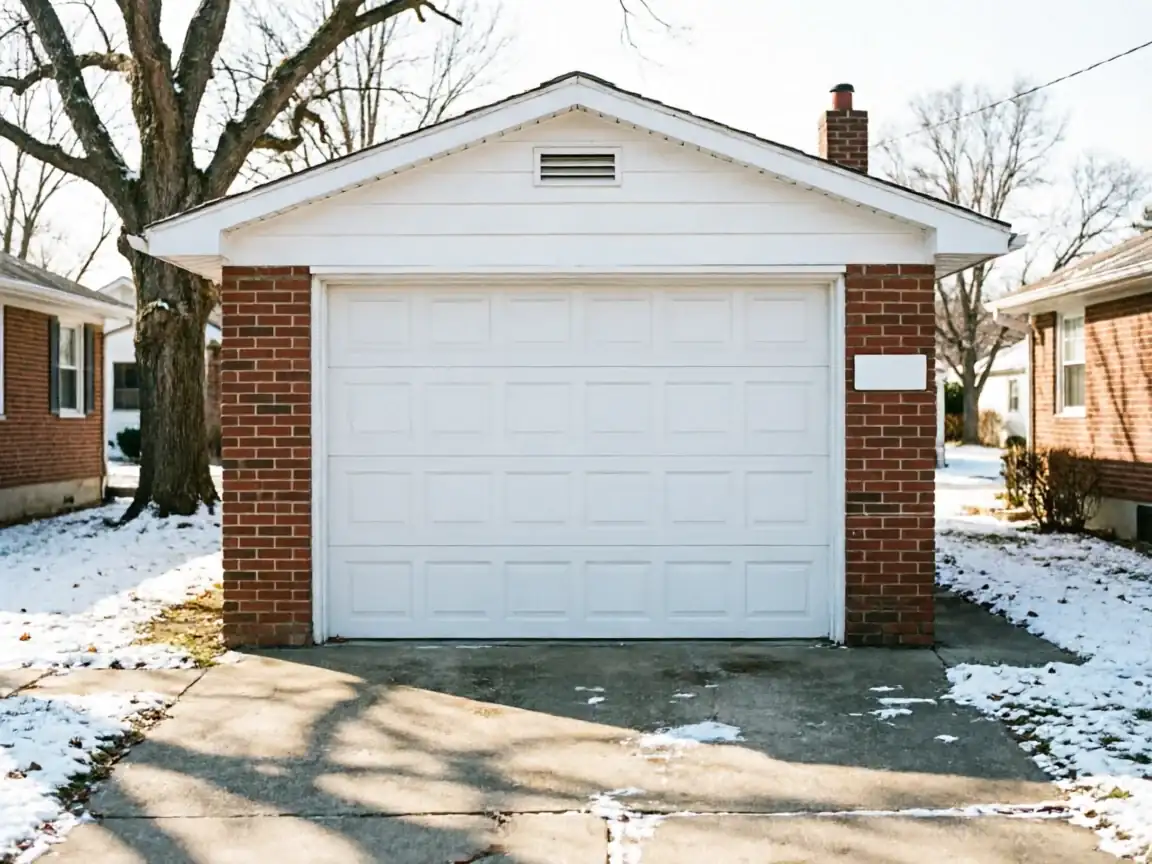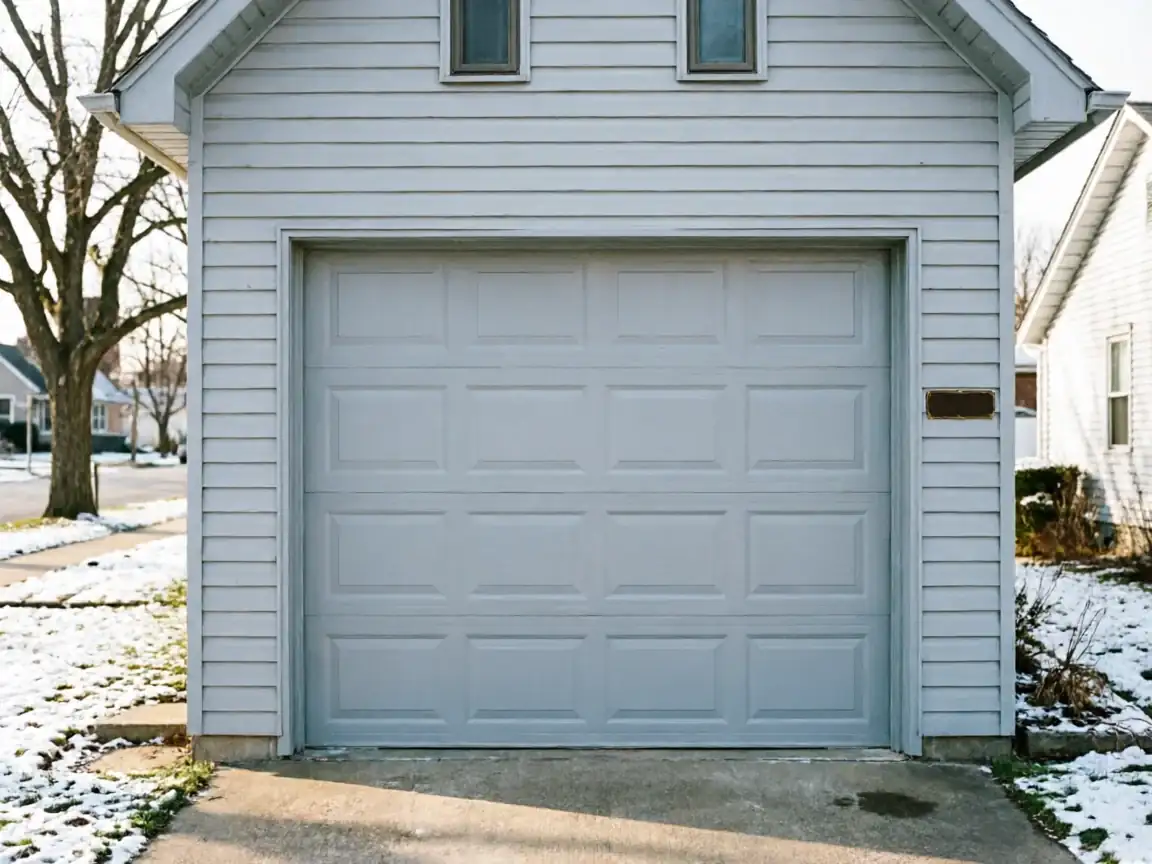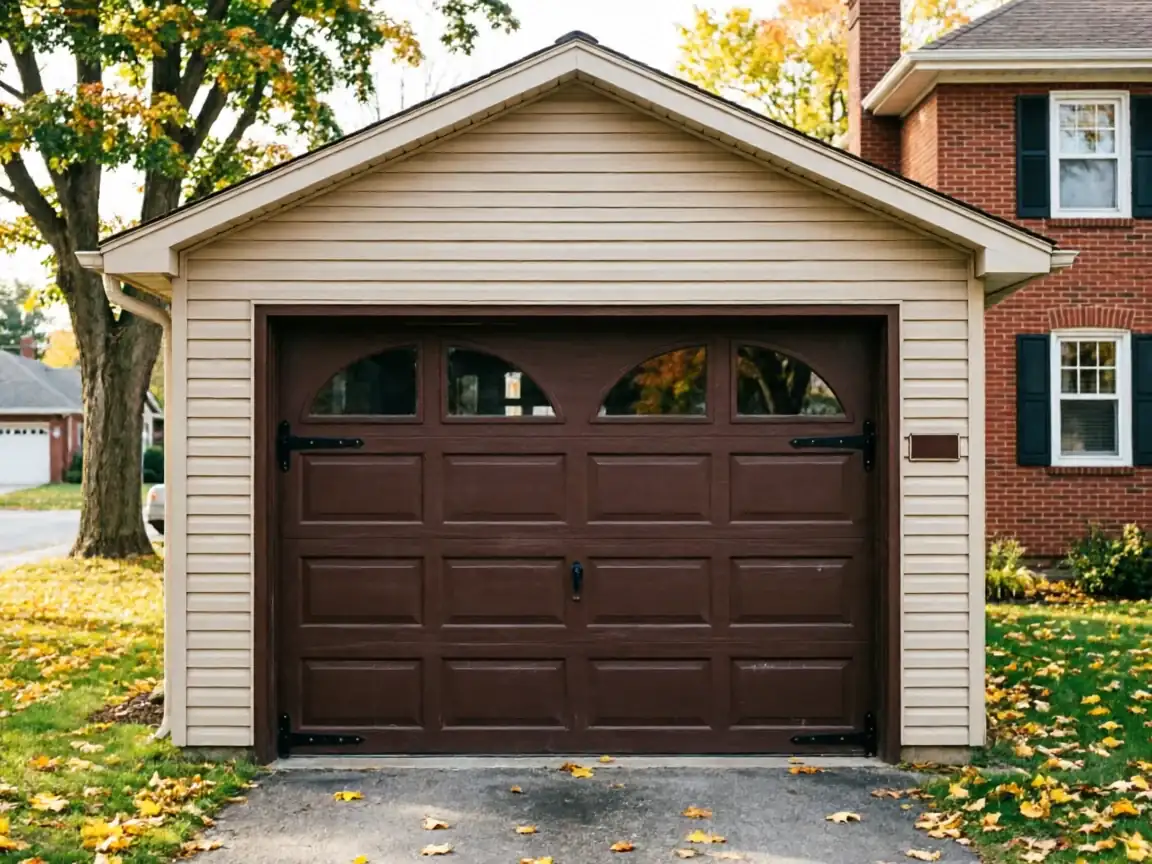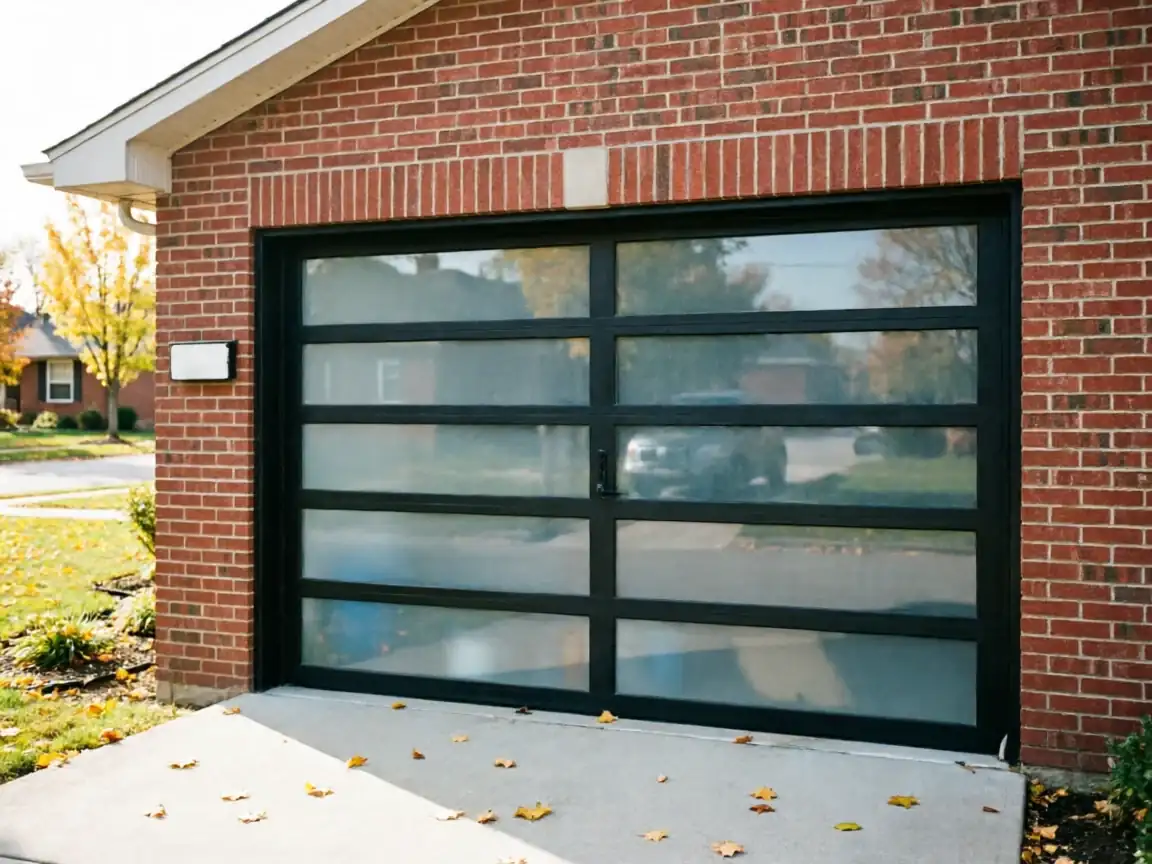
Where This Job Goes Sideways
Chanhassen's median household income runs $138,034, well above the $112,060 median across the wider service area we cover out of Maple Grove. That number matters more than it sounds like it should, because it decides where the repair-or-replace line falls. On a lower-income block, a cracked bottom panel gets patched and painted over for another five years. Here, homeowners more often ask us to just replace the full section and move on - the labor cost of a careful patch isn't worth saving against a door that's going to get swapped for a better-insulated one in a few years anyway.
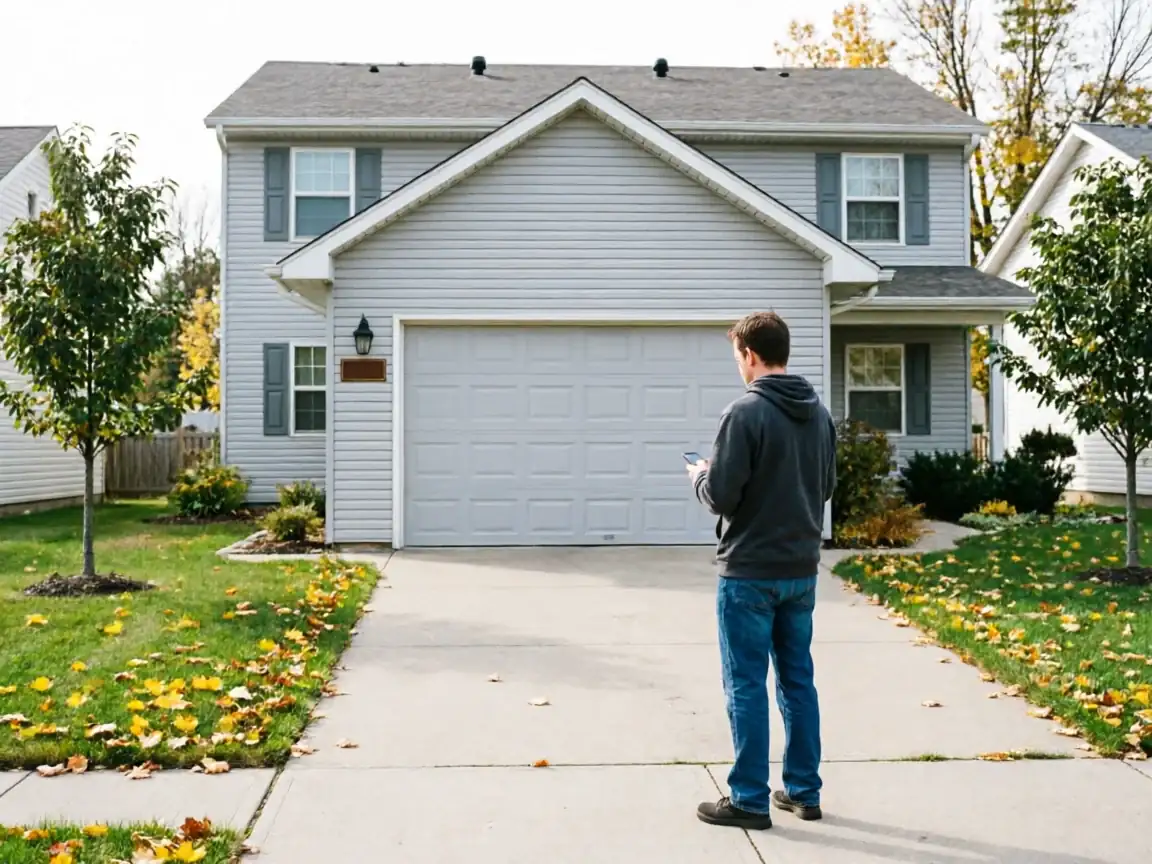
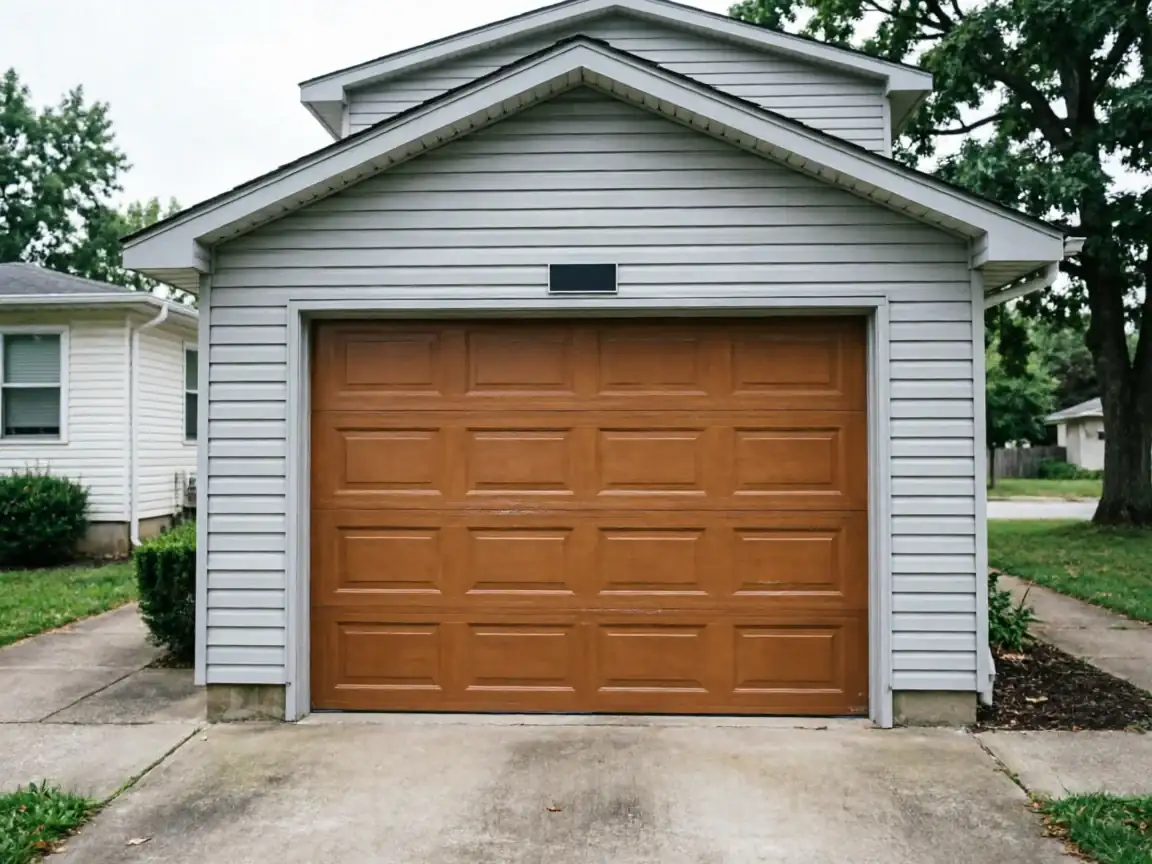
Where it goes sideways is matching. Chanhassen's housing stock centers on a median build year of 1993, which puts a lot of doors into a narrow window of discontinued steel-panel profiles. A rock chip or a backed-into dent on a 1993-era door usually can't be matched from a big-box aisle. We've shown up to jobs where the owner already bought a replacement panel online and it was the wrong rib spacing for a door that age. That's an 18-mile round trip wasted before we even open the truck.
Can You Do This Yourself
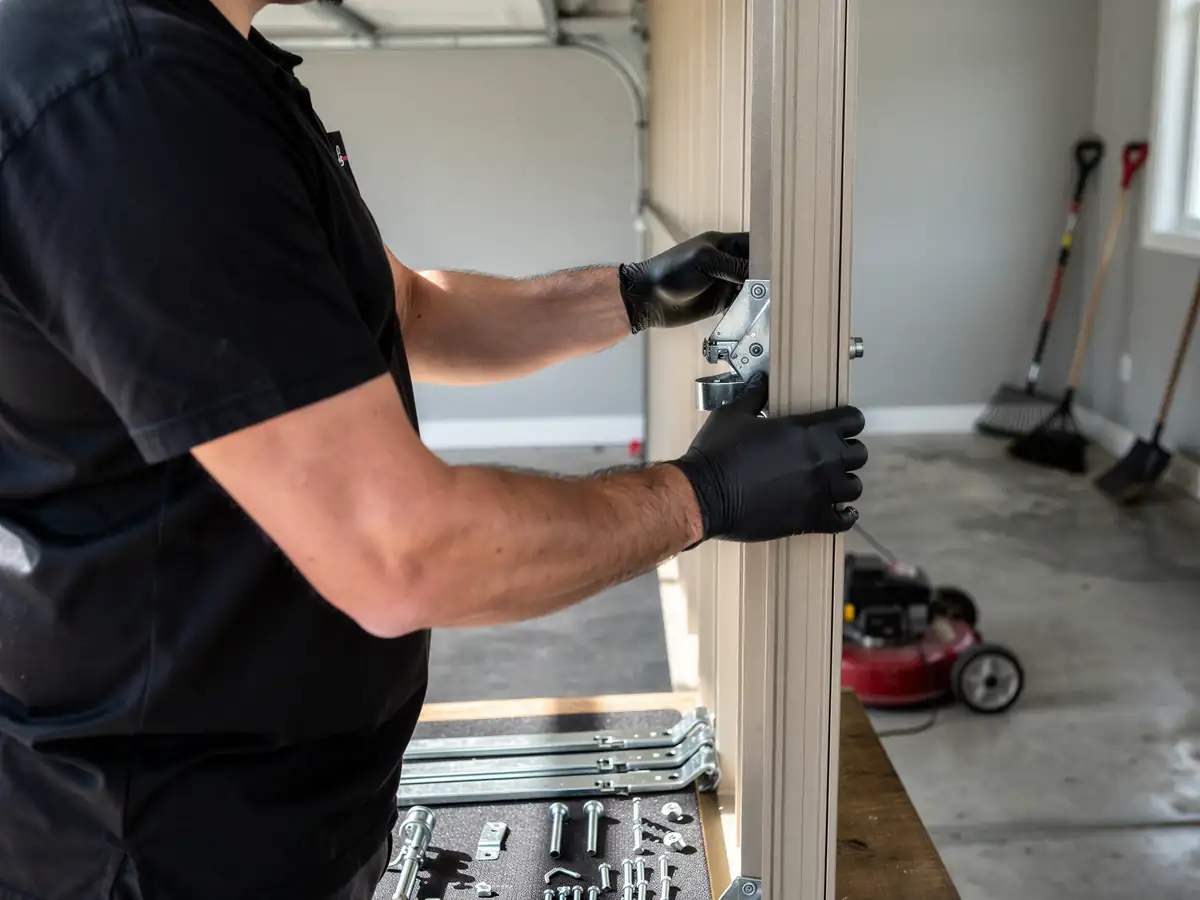
A single bolt-on panel on a sectional door is within reach for a patient homeowner with the right clamps to hold the door steady while the old section comes off
The risk isn't the bolts, it's the door falling out of square once one panel's worth of weight and rigidity goes missing - on a double-wide door that's a lot of surface area to lose at once.
The bigger risk in a 1993-built Chanhassen house is sourcing
If the door is original to the house, the panel profile may not be sold anymore under any brand, and a mismatched replacement panel will flex differently than the rest of the door, which stresses the rollers and track on that side within a season. We'll tell you straight if a panel is a DIY-reasonable swap. We'll also tell you when it isn't, and we don't always have a same-day fix for an odd 1990s profile - sourcing an obsolete panel can take longer than the repair itself.
How We Fix It
We start by identifying the panel's actual width and rib count against what's cataloged for doors from that build era, since a door going up anywhere between 1957 and 2007 across this region can carry one of several standard profiles, and Chanhassen's 1993 median puts most of its doors into a specific, narrower band than you'd see in an older part of the service area.
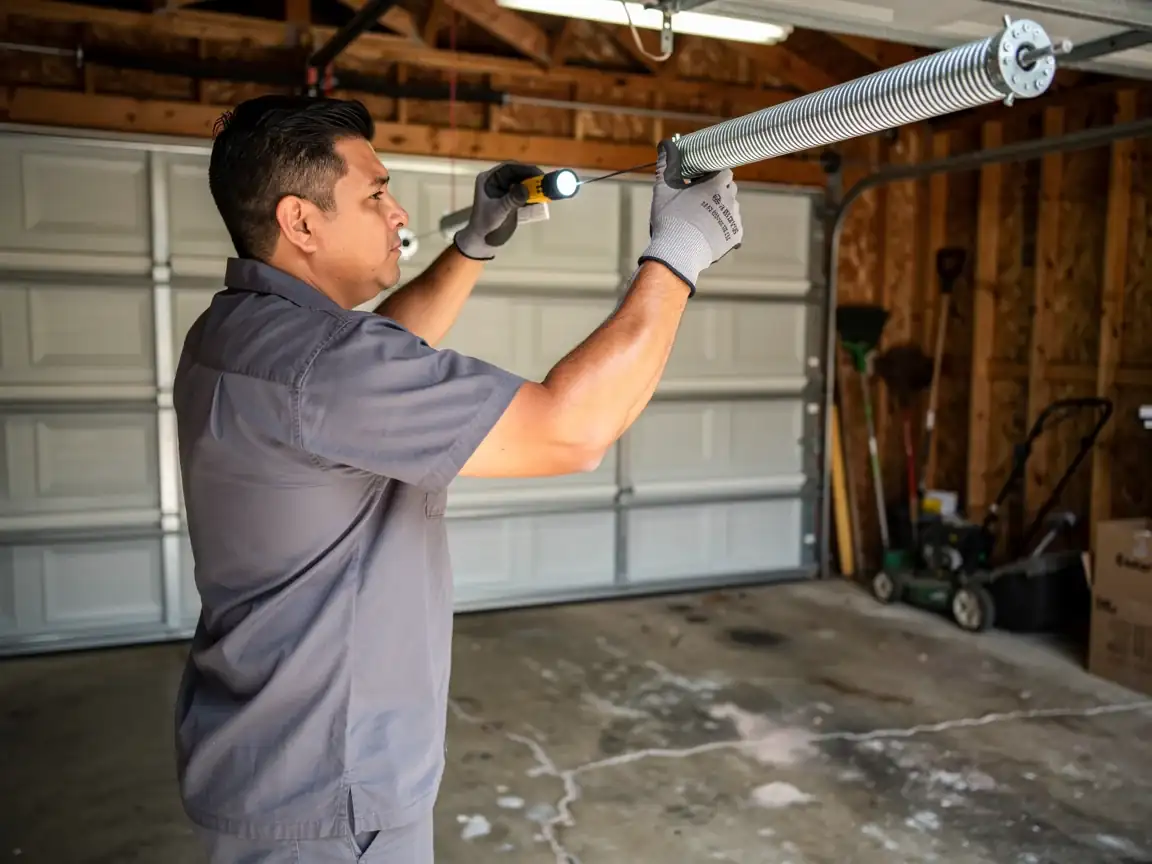
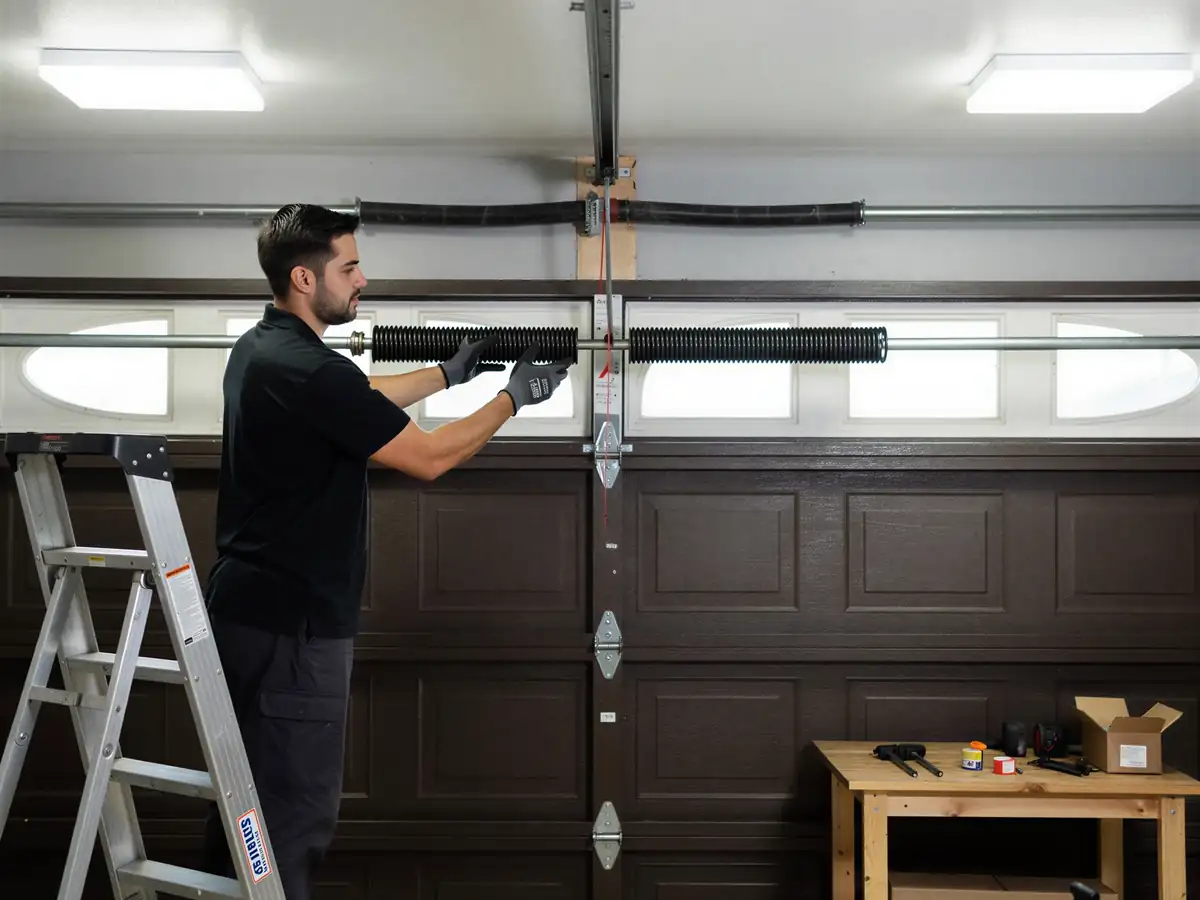
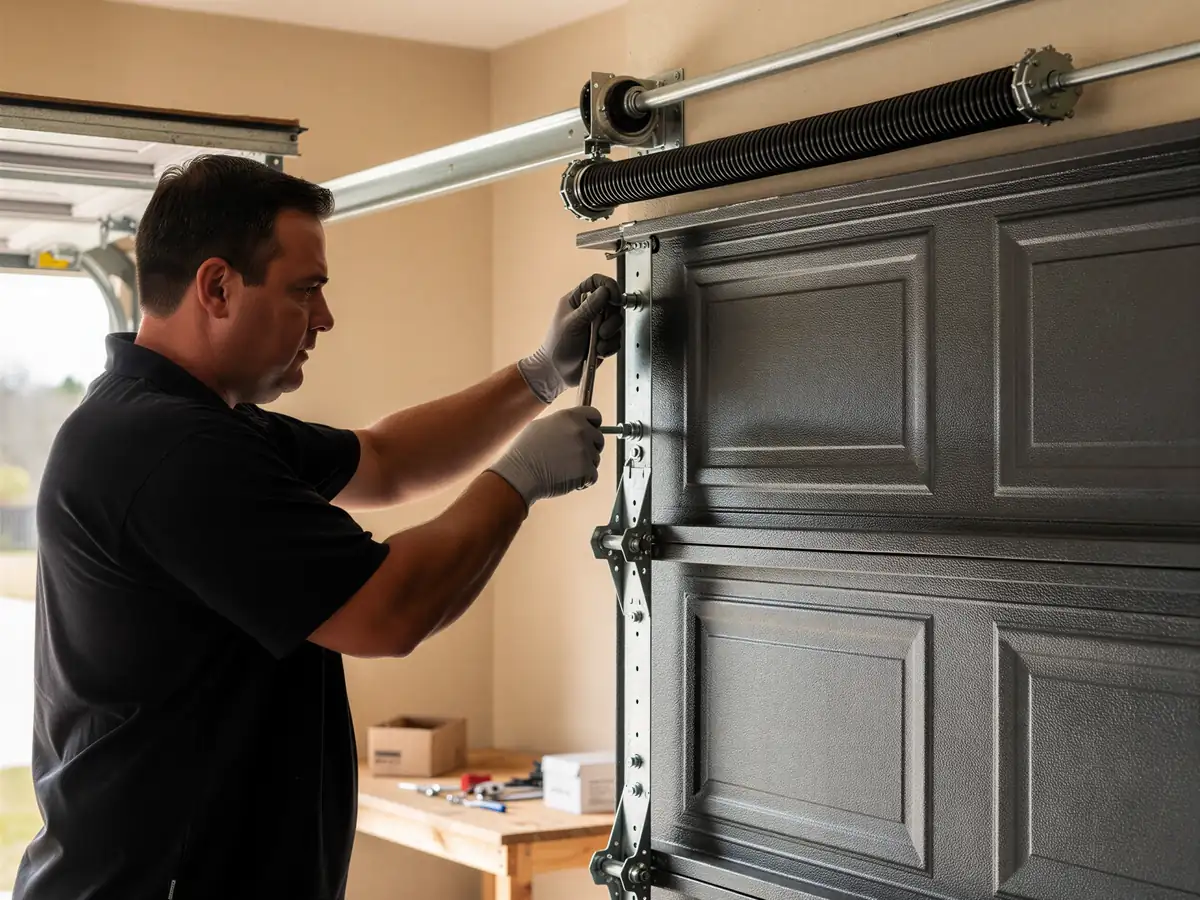
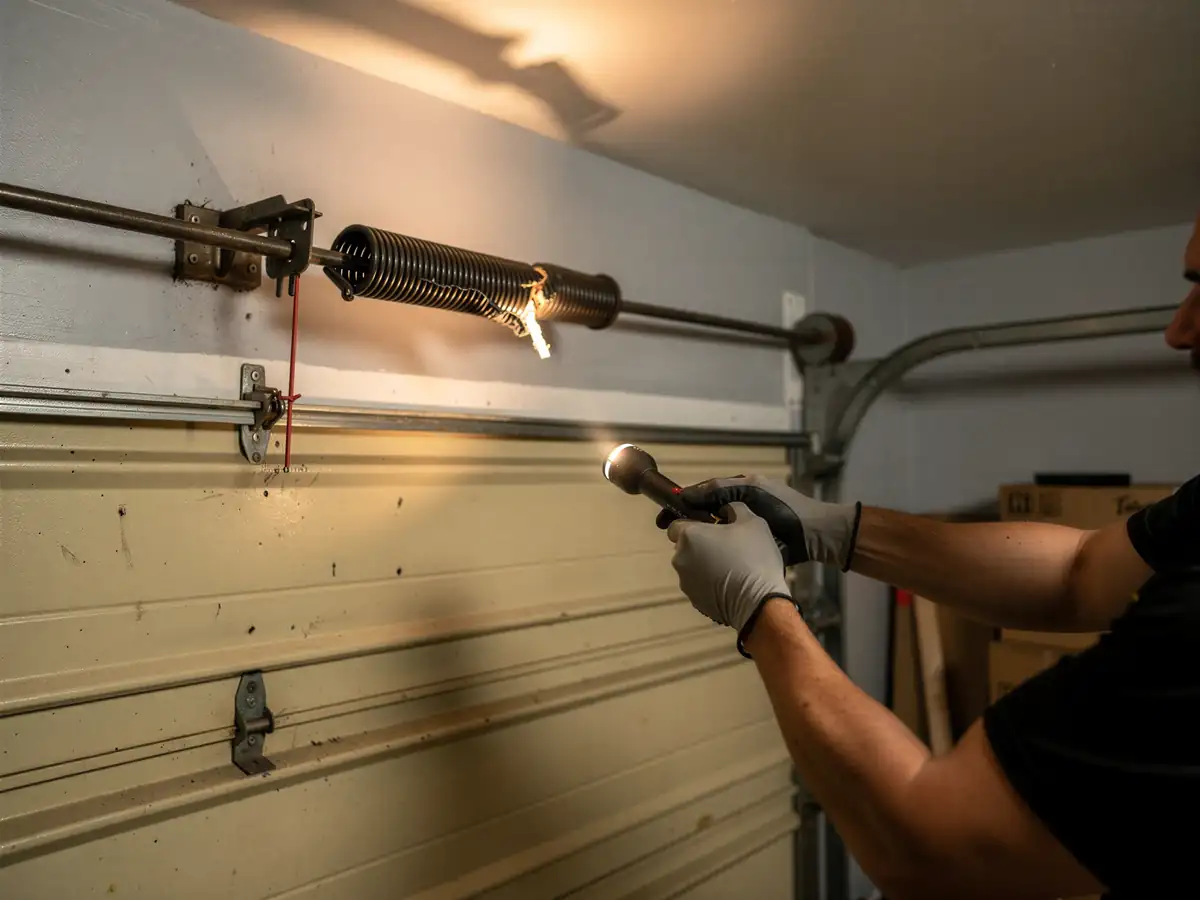
Once we've got the right section, or the closest buildable match, we pull the damaged panel without dropping the door off its track, re-square the remaining sections, and check the torsion spring tension against the new total door weight - a swapped panel can be lighter or heavier than the original and throw the balance off even when it looks fine by eye. With 290,218 households across the territory we cover and a lot of variation in door age house to house, we don't assume one process fits every job. We check the hardware before we touch the panel.
What Is on the Truck
The truck carries common panel widths and the fasteners, hinges, and end caps that go with them, plus the clamps and lift bars needed to hold a door steady mid-repair. What it doesn't carry is every discontinued 1990s profile on spec - Chanhassen's 1993 median build year means we sometimes order a specific panel section after we've seen the door in person, rather than guess and show up with the wrong one.
We also carry cold-weather glazing and sealant stock, since this is a severe cold climate region and a new panel that doesn't seal tight against the old sections will let drafts and moisture into the garage all winter. That's a real limitation worth saying plainly: if your panel is a rare profile, the first visit may be a measure-and-order trip, not a same-day fix. We'd rather tell you that up front than promise a fix we can't deliver that day.
The Symptom
The giveaway on a damaged panel isn't always visible from the driveway
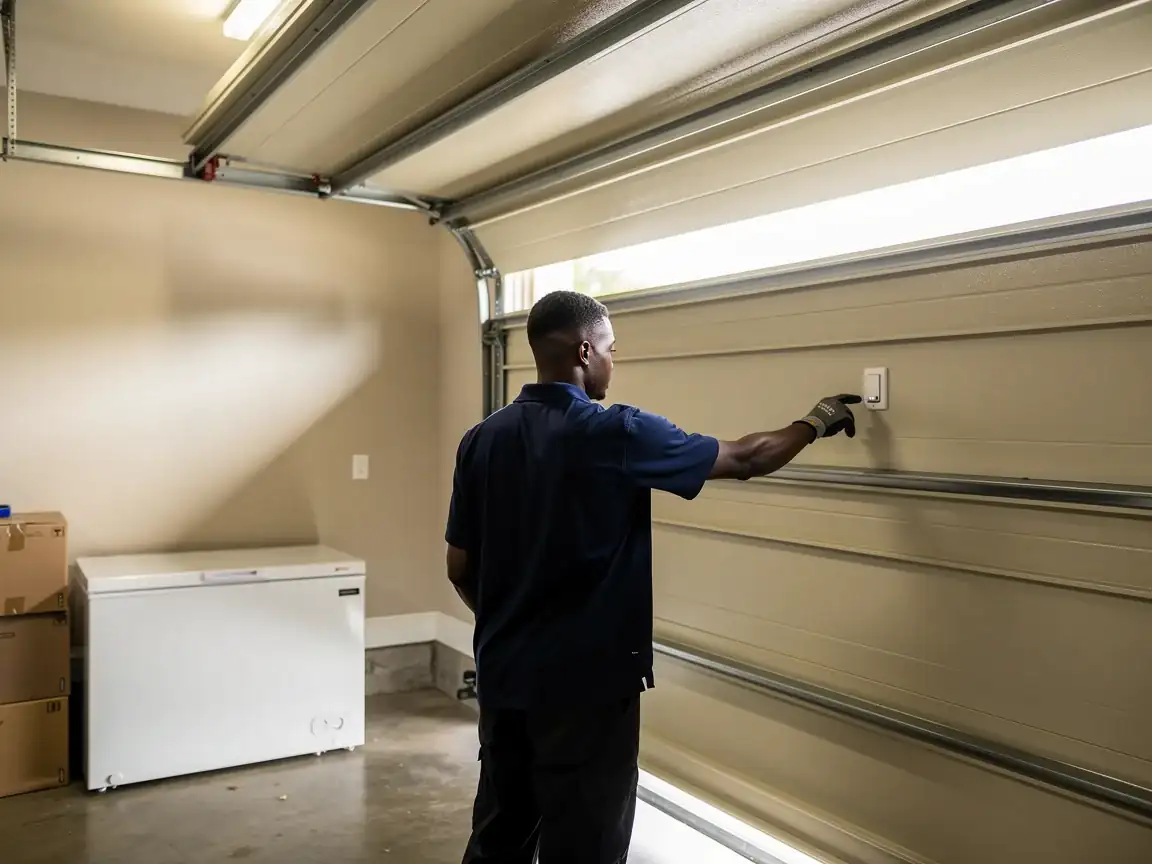
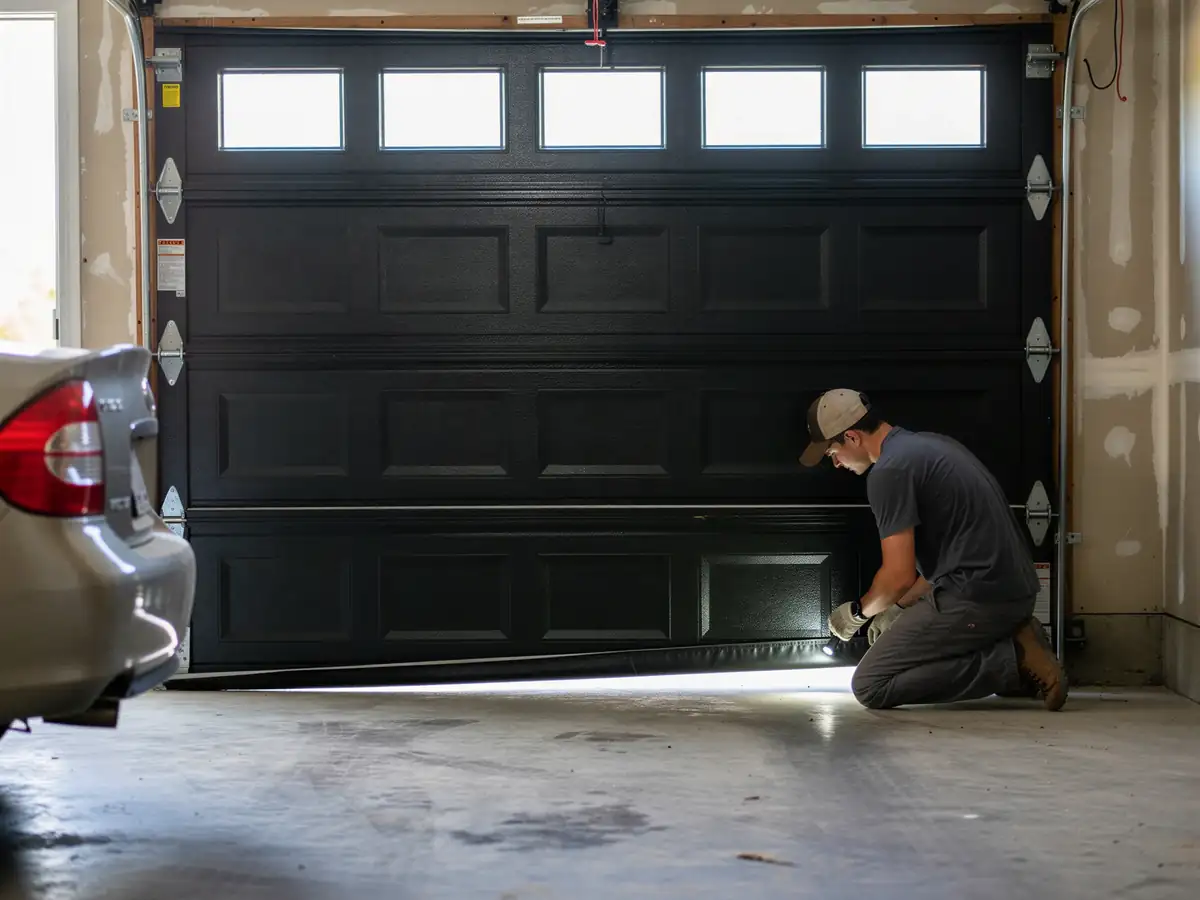
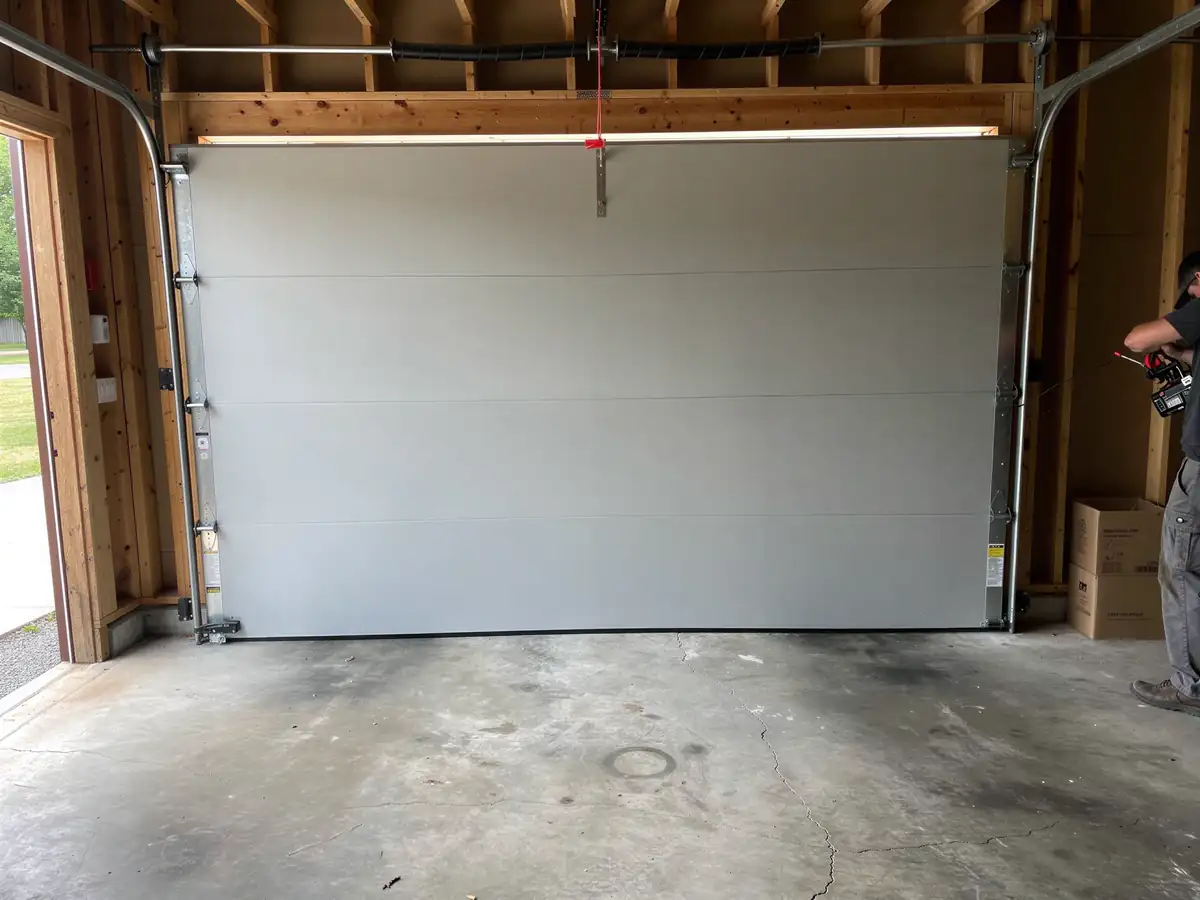
Look for a door that closes slightly crooked, a gap at the bottom corner on one side, or a section that bows inward when the door is down and the opener is under tension. On a 1993-built door, a dent that looks cosmetic can be hiding bent structural ribs underneath the steel skin, and that's what throws the whole section out of plane.
If the door only sticks or scrapes the track near the damaged section
That's the panel pulling the track out of alignment, not a separate track problem. In a household earning near Chanhassen's $138,034 median, it's usually more cost-effective to replace that panel section outright than to keep shimming the track to compensate - the shimming buys a few months at most before the roller wears unevenly and you're back to square one.