Can You Do This Yourself
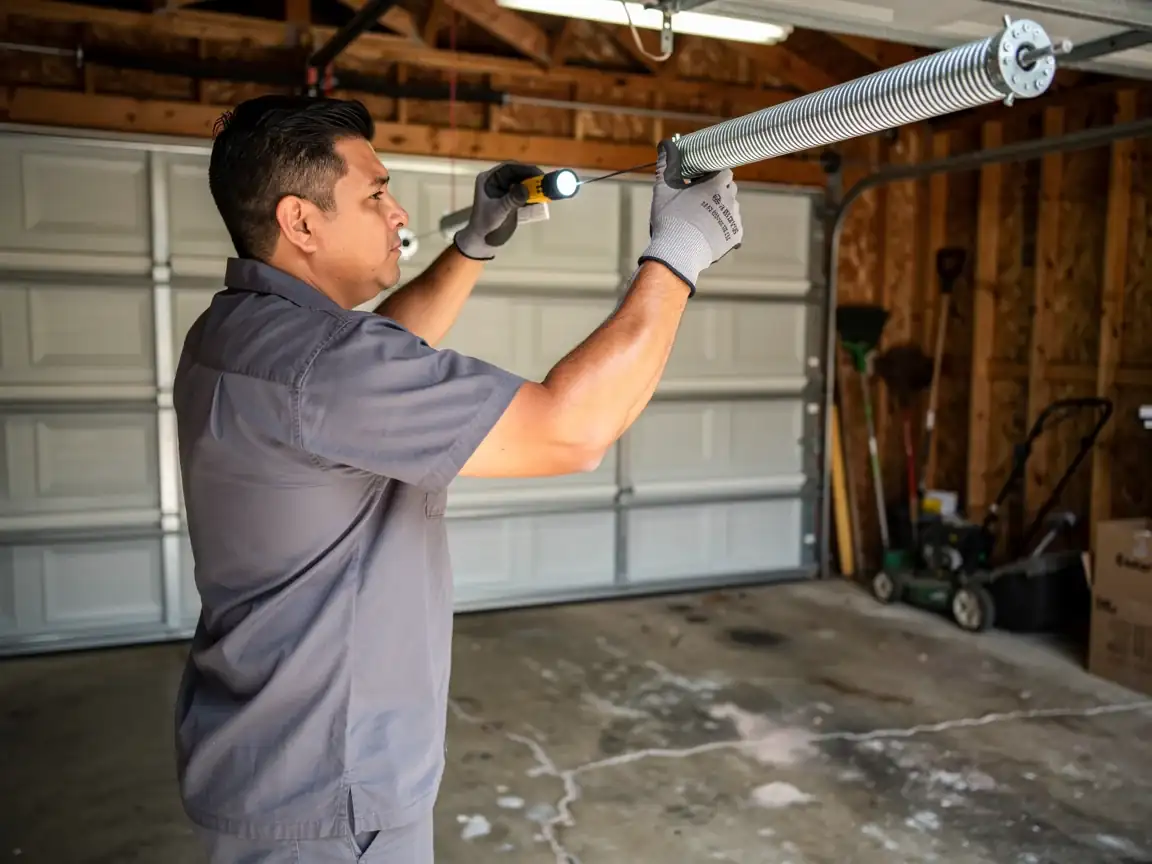
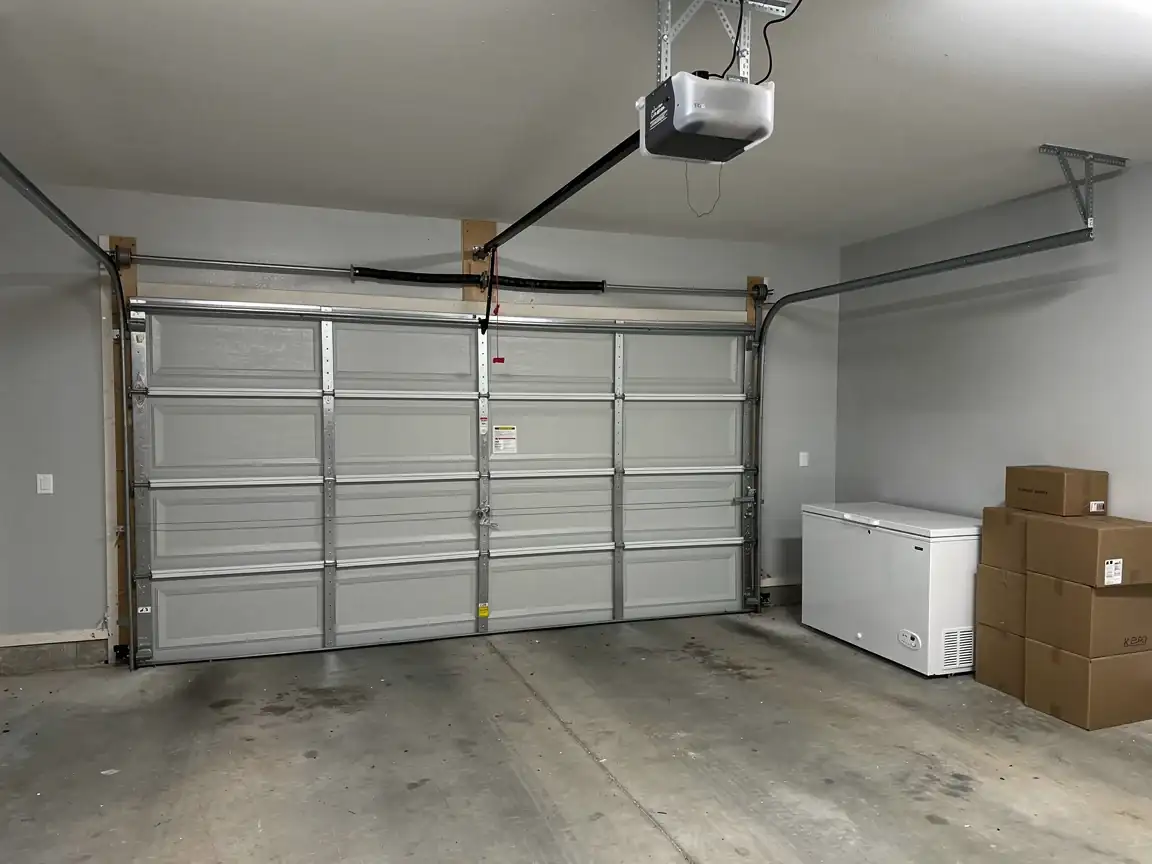
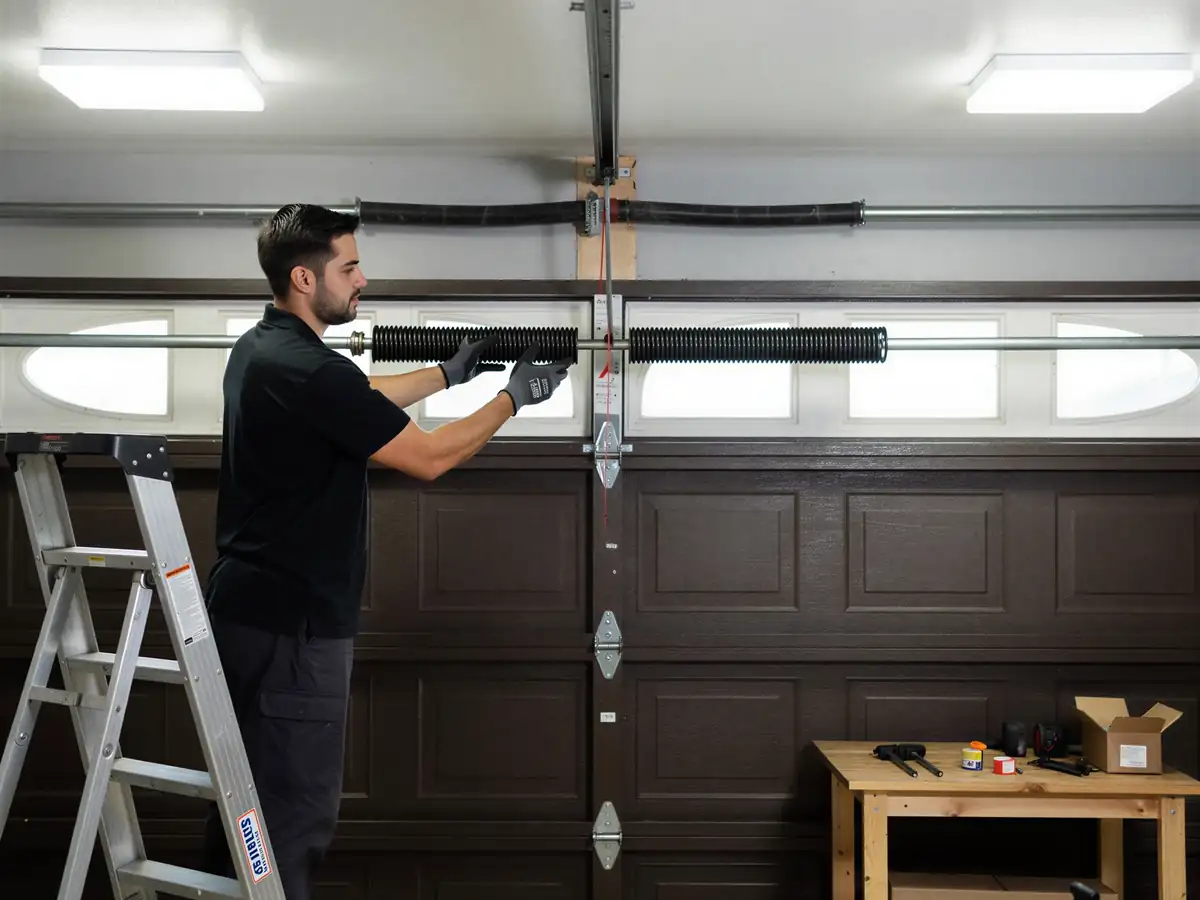
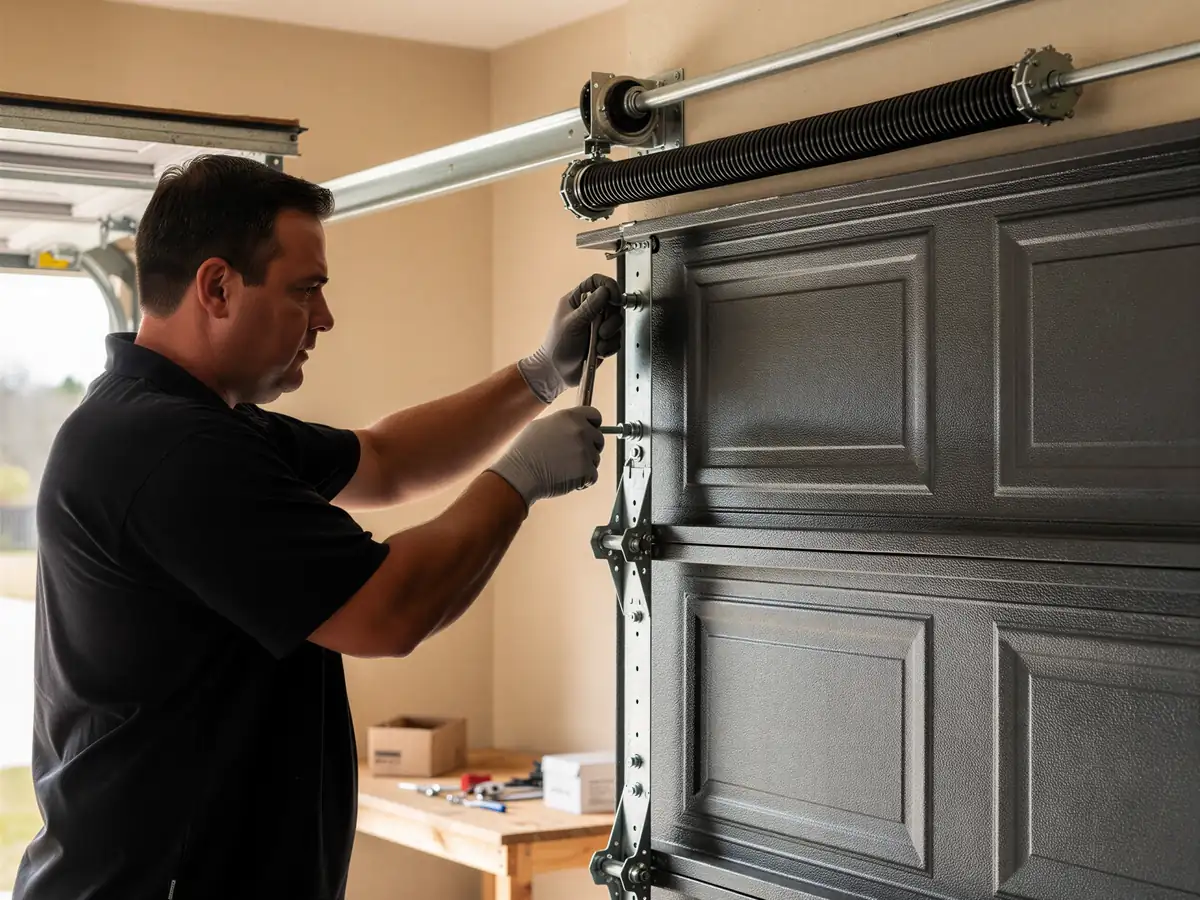
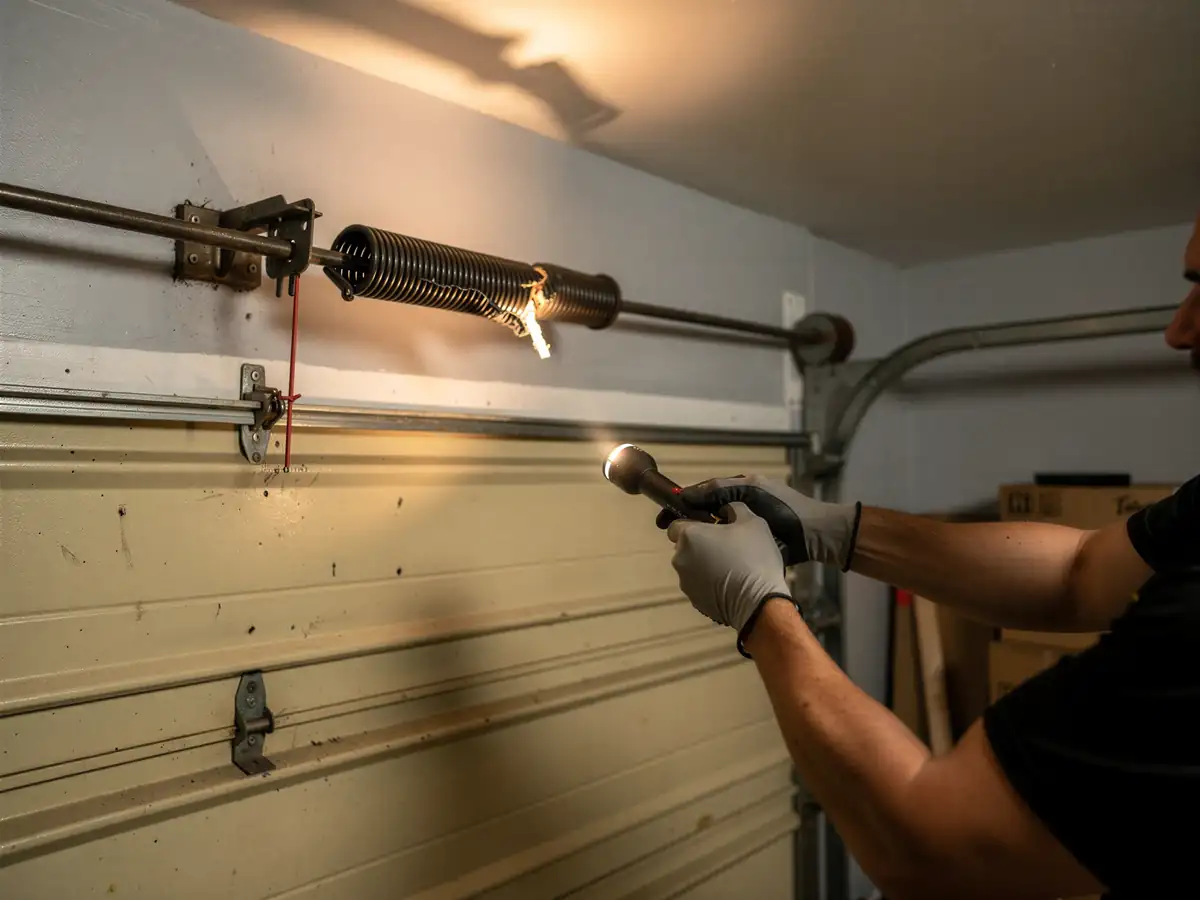
If the door won't move and you hear a loud bang before it happened, that's a torsion spring letting go, and that's not a DIY job. The spring is under enough tension to break a finger or worse, and on a lot of St. Louis Park houses built around the mid-1960s, the hardware holding that spring is original or close to it. Older torsion tube setups don't match the drums and cable anchors sold at the hardware store today, and guessing wrong makes the next repair harder, not easier.
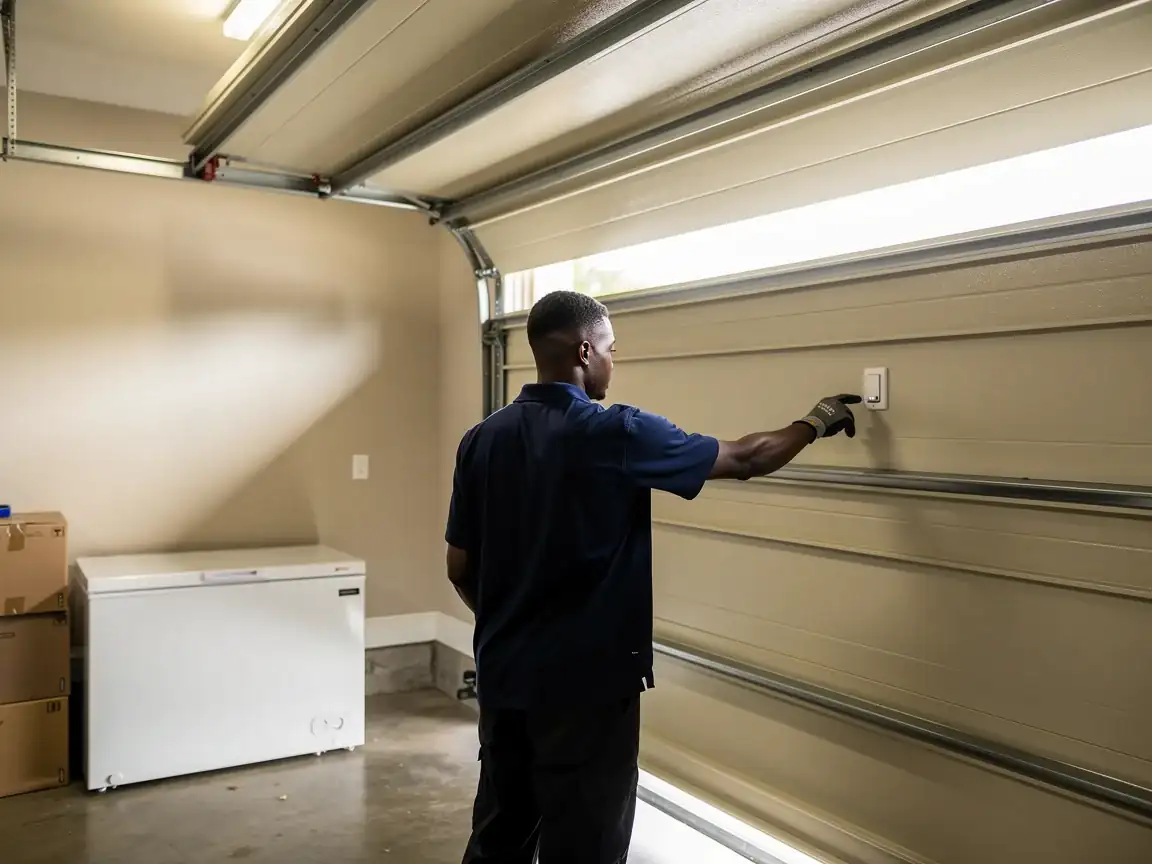
What you can safely check yourself: the opener's power connection, whether the manual lock lever got bumped, and whether a track bracket has worked loose from the framing - common on houses this age where the wood has moved over 50-plus winters. If the door runs on a track that's visibly bent or a cable that's frayed, stop and call. We'd rather talk you through what's safe to touch over the phone than have you lose a hand to a spring that still has load on it.
We travel in from Maple Grove, about 12 miles out, so we're not going to pretend we're sitting around the corner. We are honest that same-day doesn't always mean same-hour, especially if your call comes in during a cold snap when half the metro's springs are failing at once.
How We Fix It
For a broken torsion spring, we match the wire size and wind to what the door and header can actually carry
Not a generic size that happens to fit the shaft. On houses from the 1960s that still have their original track and drum setup, that often means sourcing a spring built to older spec rather than whatever's on the truck, which can add a day if the part isn't common stock.
For a stuck door that won't open or close, we check the obvious first
Sensor alignment, track obstruction, a roller that's jumped the track. If the opener motor runs but the door doesn't move, that's usually a stripped gear or a broken drive component inside the unit, not the door itself, and we'll tell you straight whether it's cheaper to replace the opener than rebuild it.
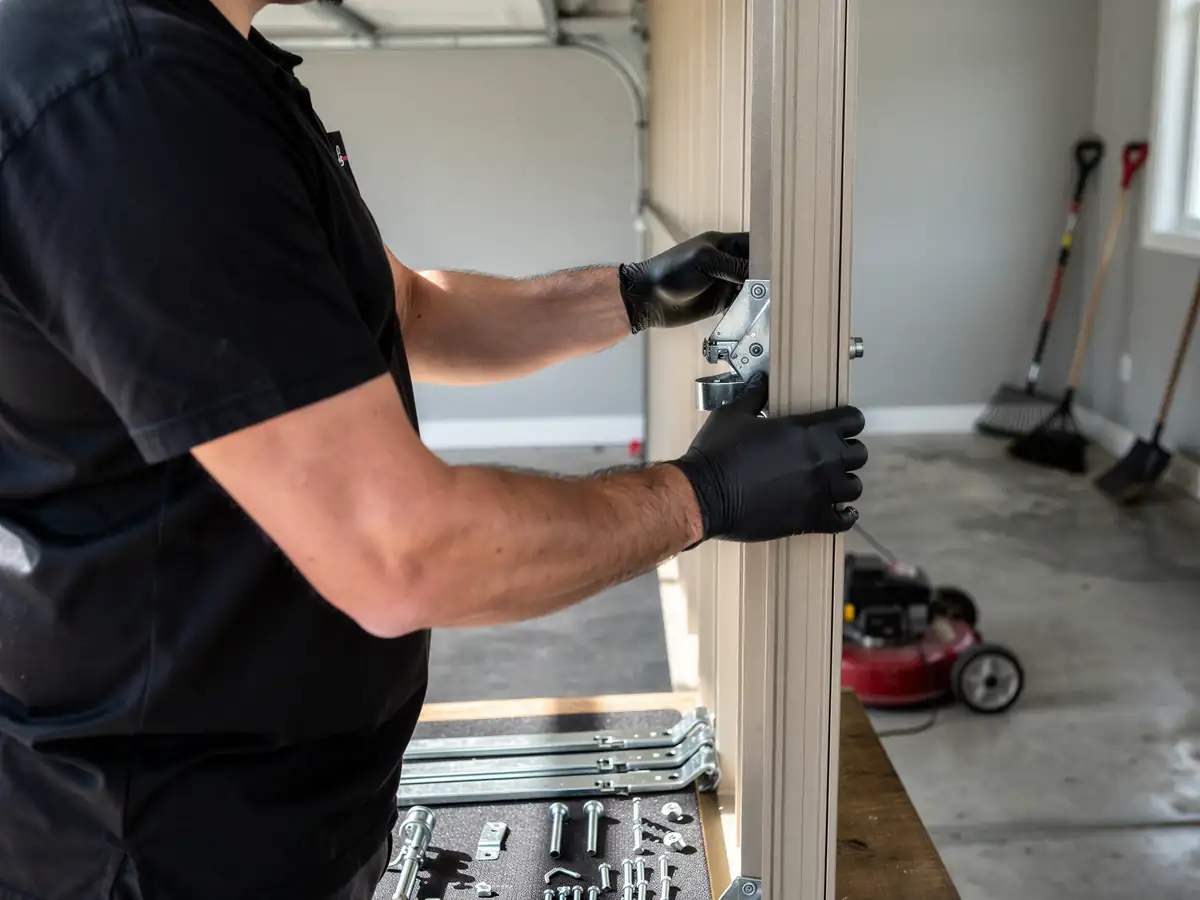
Cables and rollers on a house this age have usually been swapped at least once by a previous owner or a previous repair
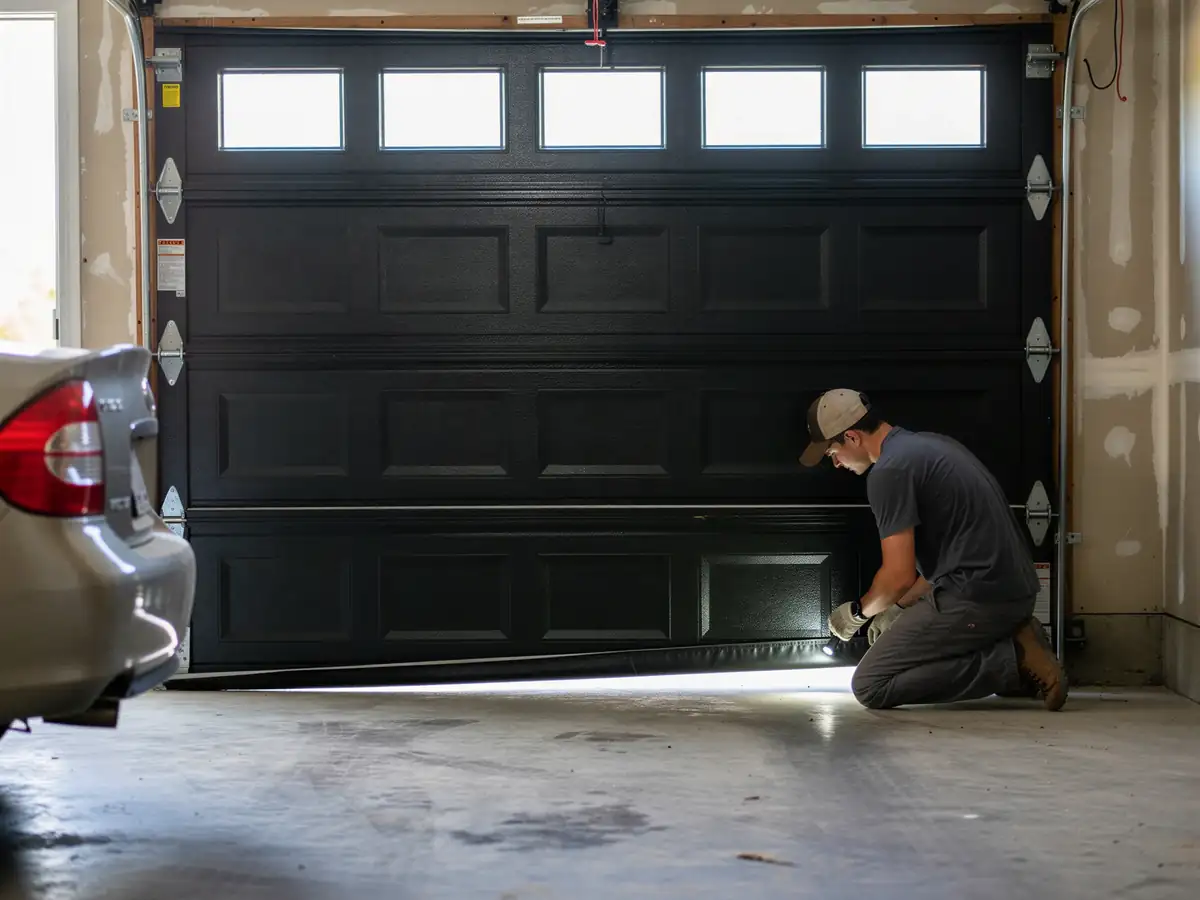
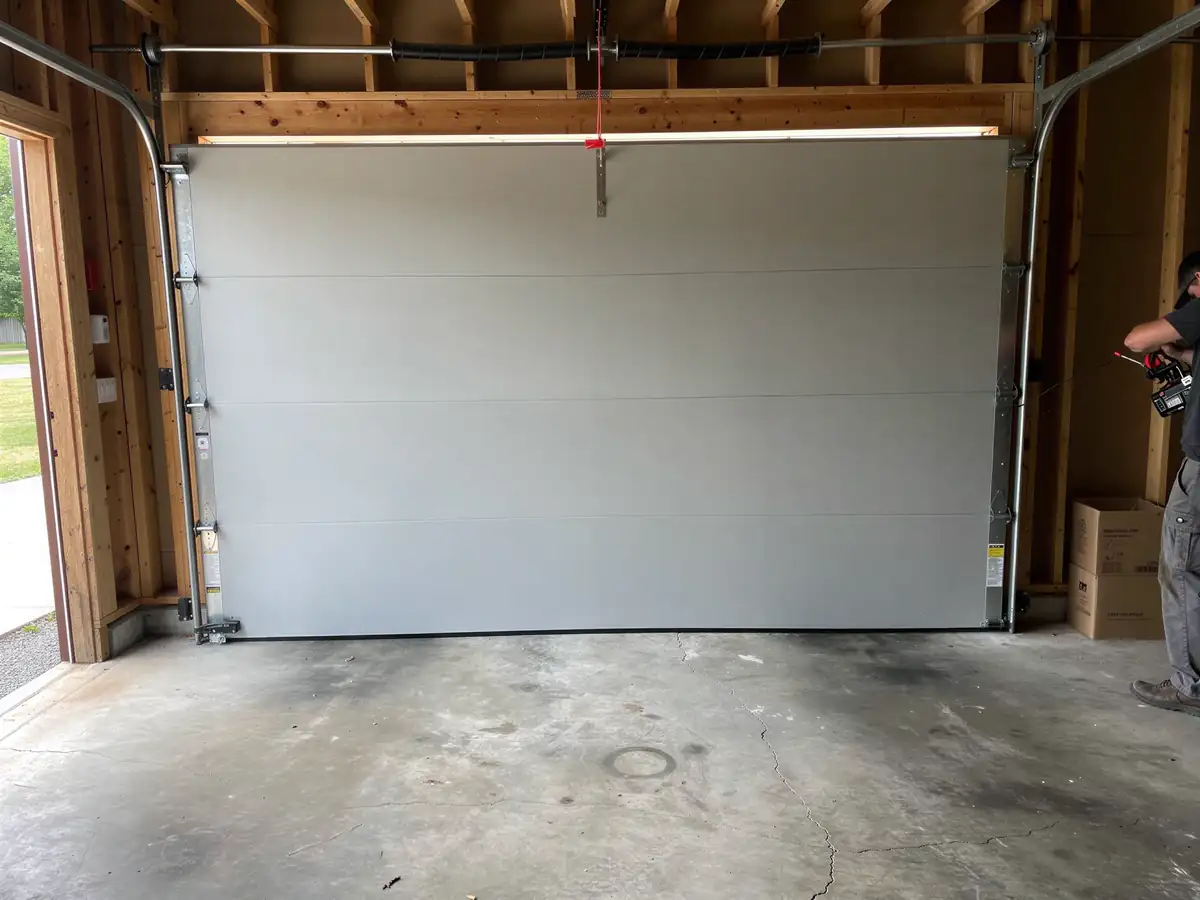
So we don't assume anything matches factory spec. We inspect the whole system - hinges, tracks, cable drums - before we touch the spring, because replacing one worn part next to three others that are about to go is a call-back waiting to happen, and we'd rather fix it once.
Why It Happens Here
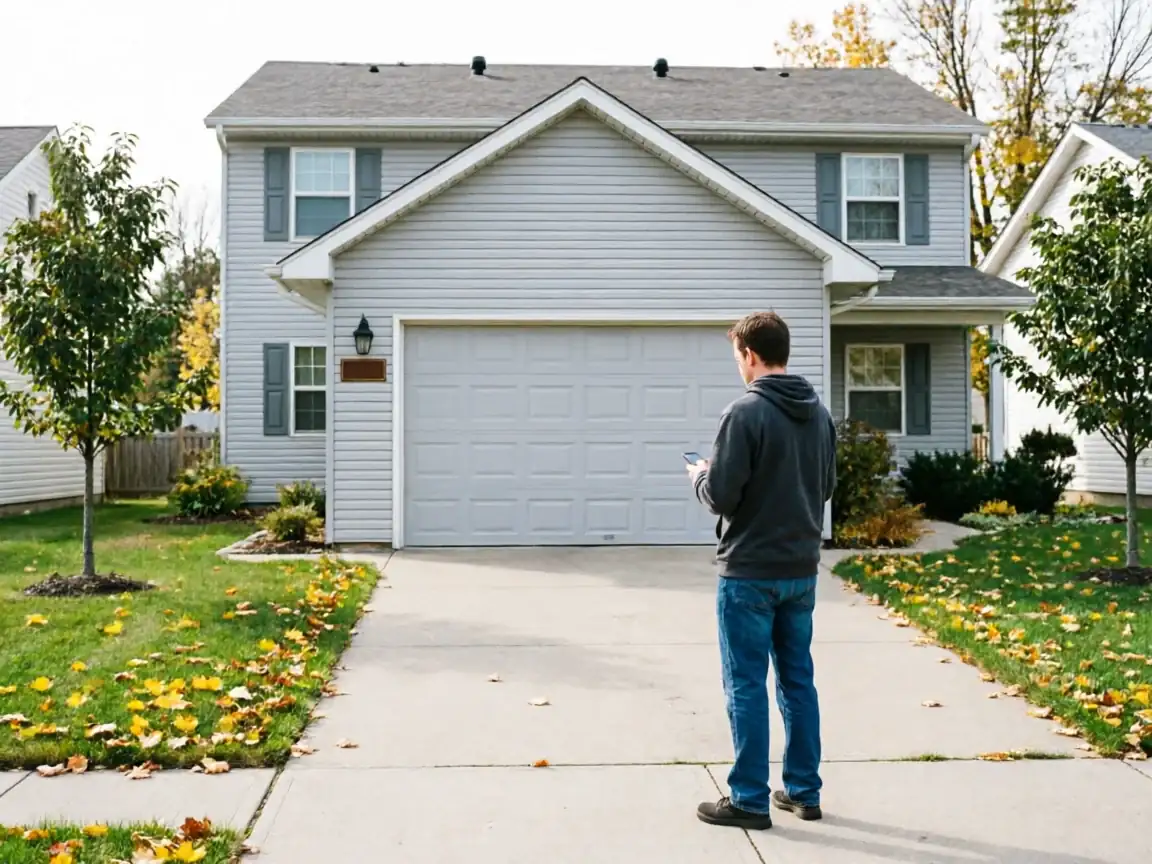
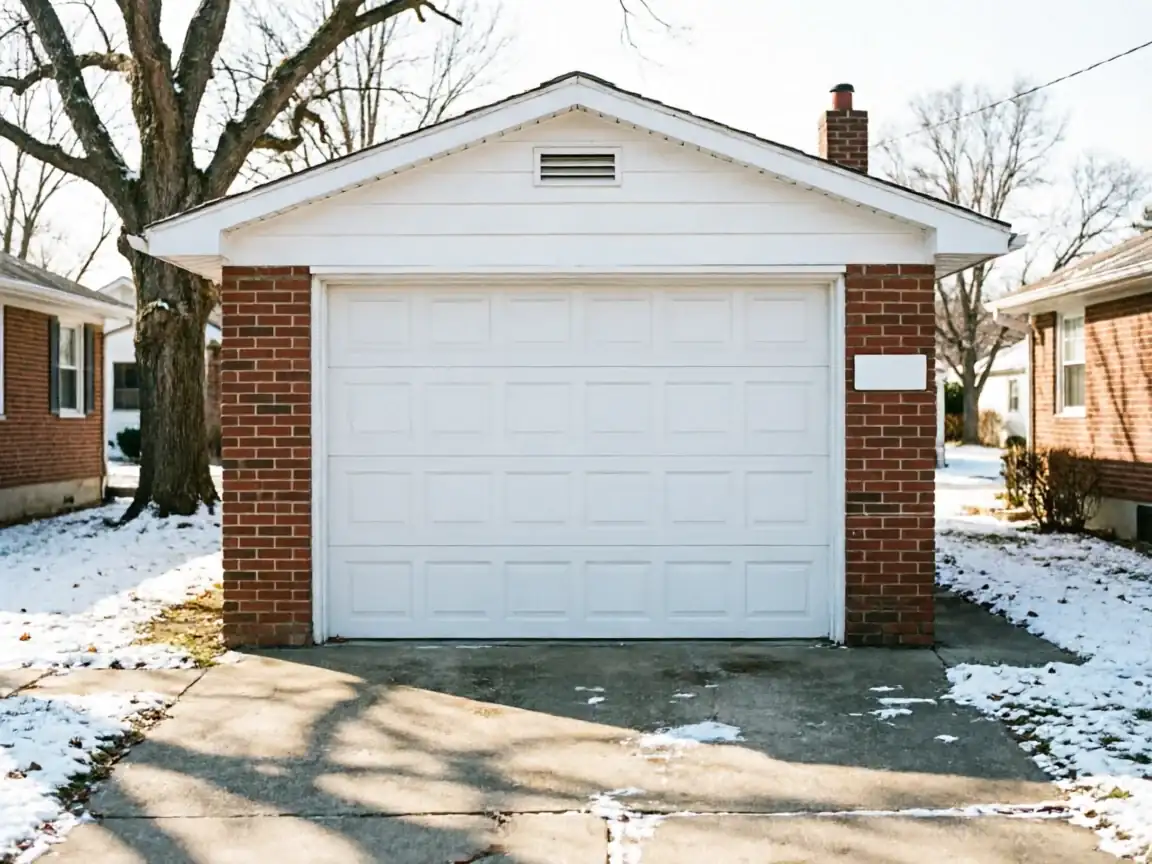
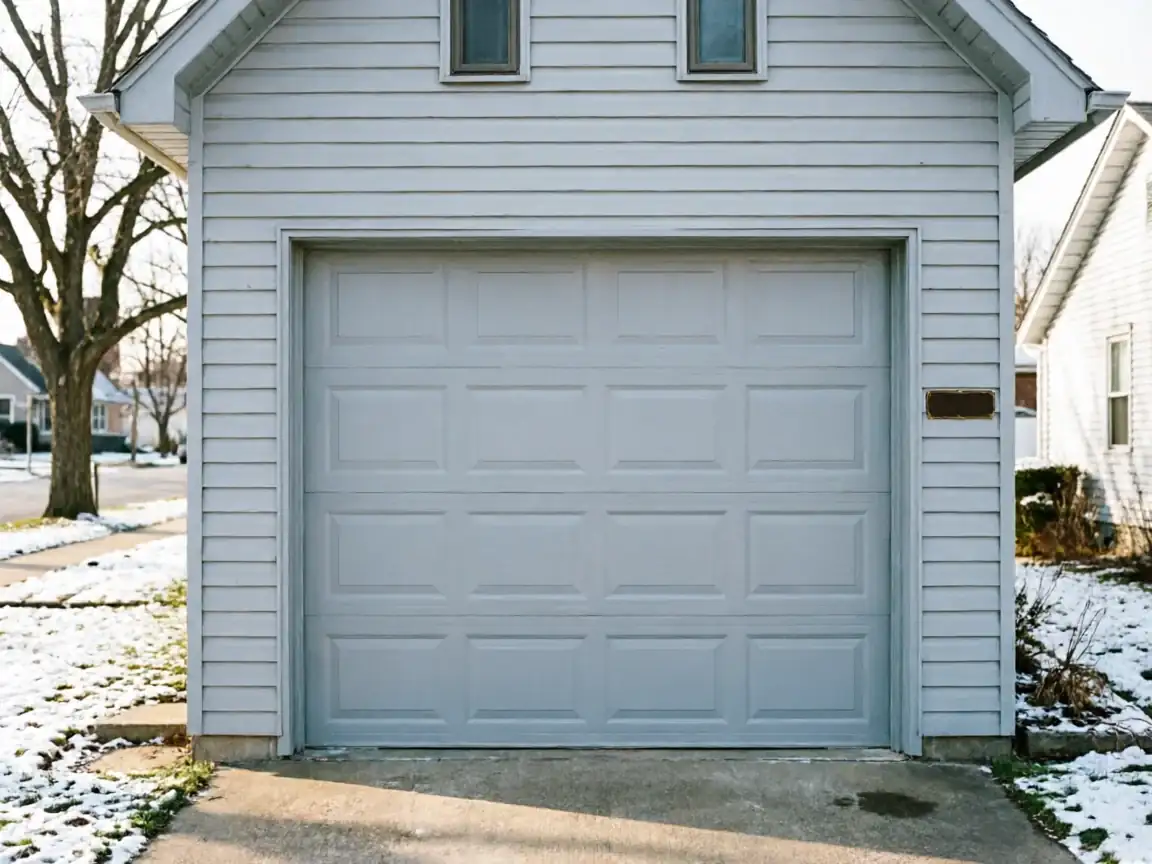
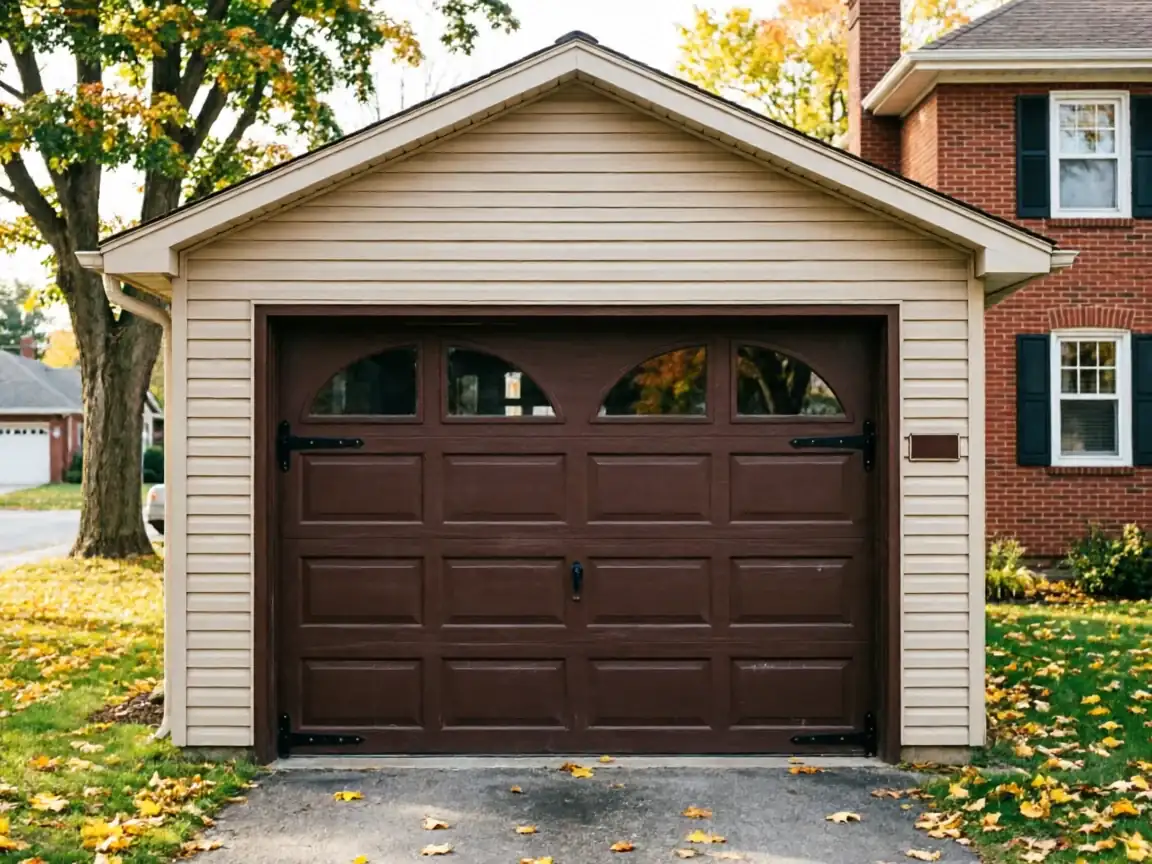
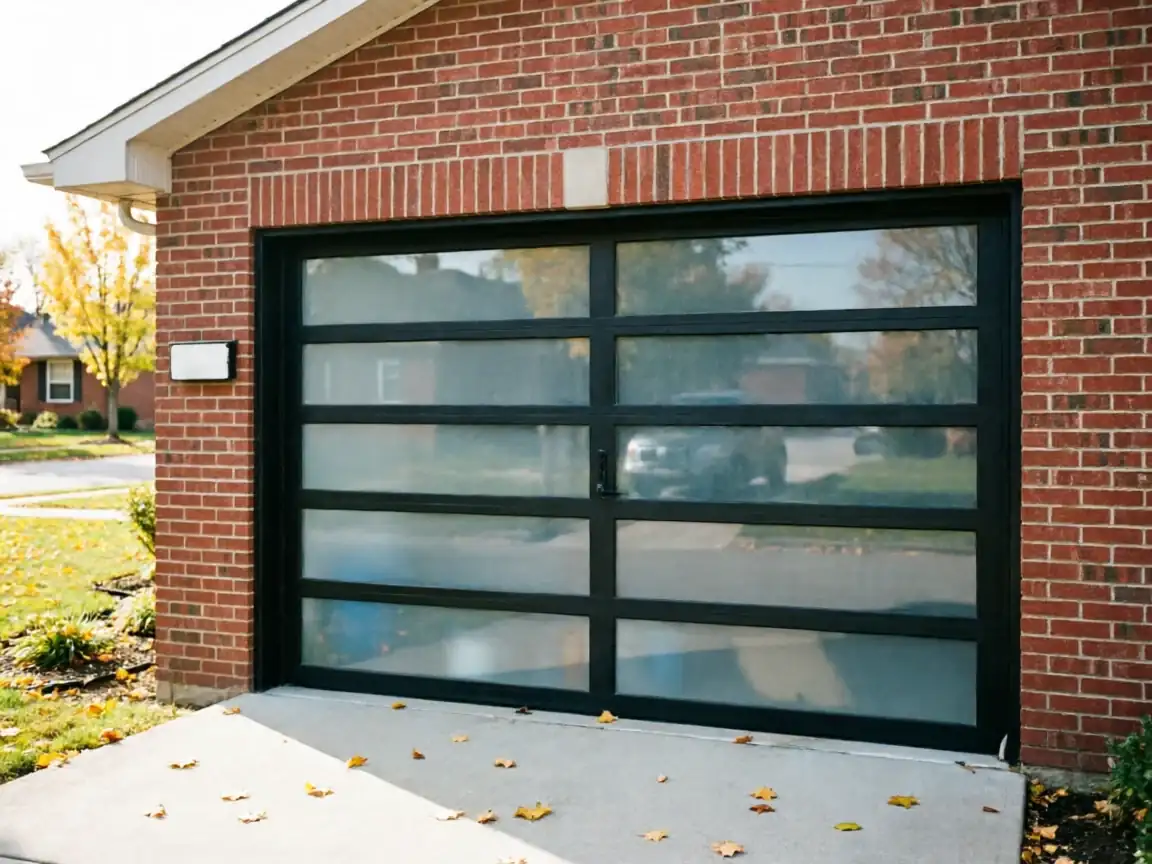
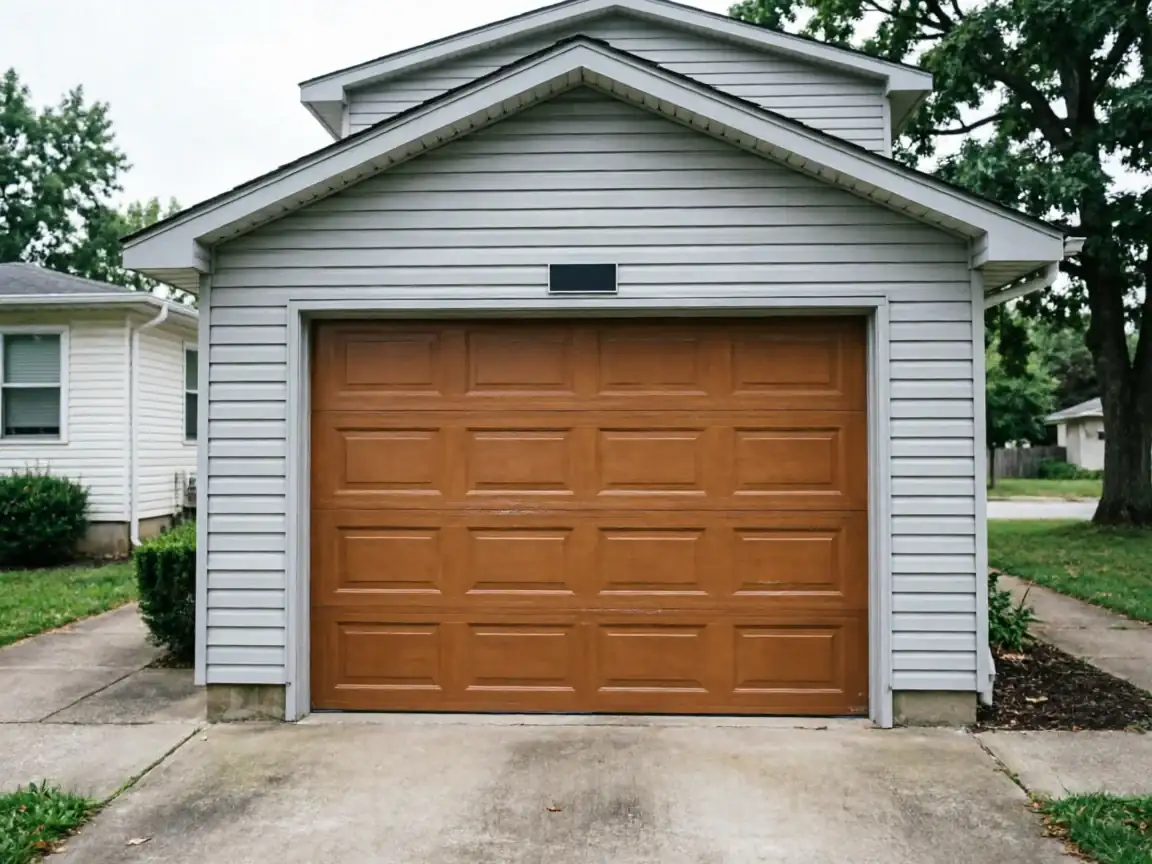
St. Louis Park's housing stock centers on 1965, which puts a lot of garage doors and their hardware past the point where parts are a simple swap. Across the wider service area the median build year runs closer to 1982, so St. Louis Park skews older than most of what we see - meaning more one-piece doors converted to sectional, more side-mounted torsion setups, and more springs that have outlived two or three openers bolted on top of them.
The climate band here is severe cold, and that matters more on older hardware. Steel springs and cables that have already lost temper from decades of use fail faster once the metal contracts hard in a deep freeze. A spring that's been creaking along fine in September can snap clean on the first real cold week, and on a house built in 1965 that spring has had a lot more winters to work through than one installed in the last fifteen years.
We're not going to tell you every failure here traces back to age - a new opener logic board can die on a house built last year just as easily. But when the call is a broken spring or a door that's binding on the track, the 1965 average build year is usually part of the story.
Time on the Job
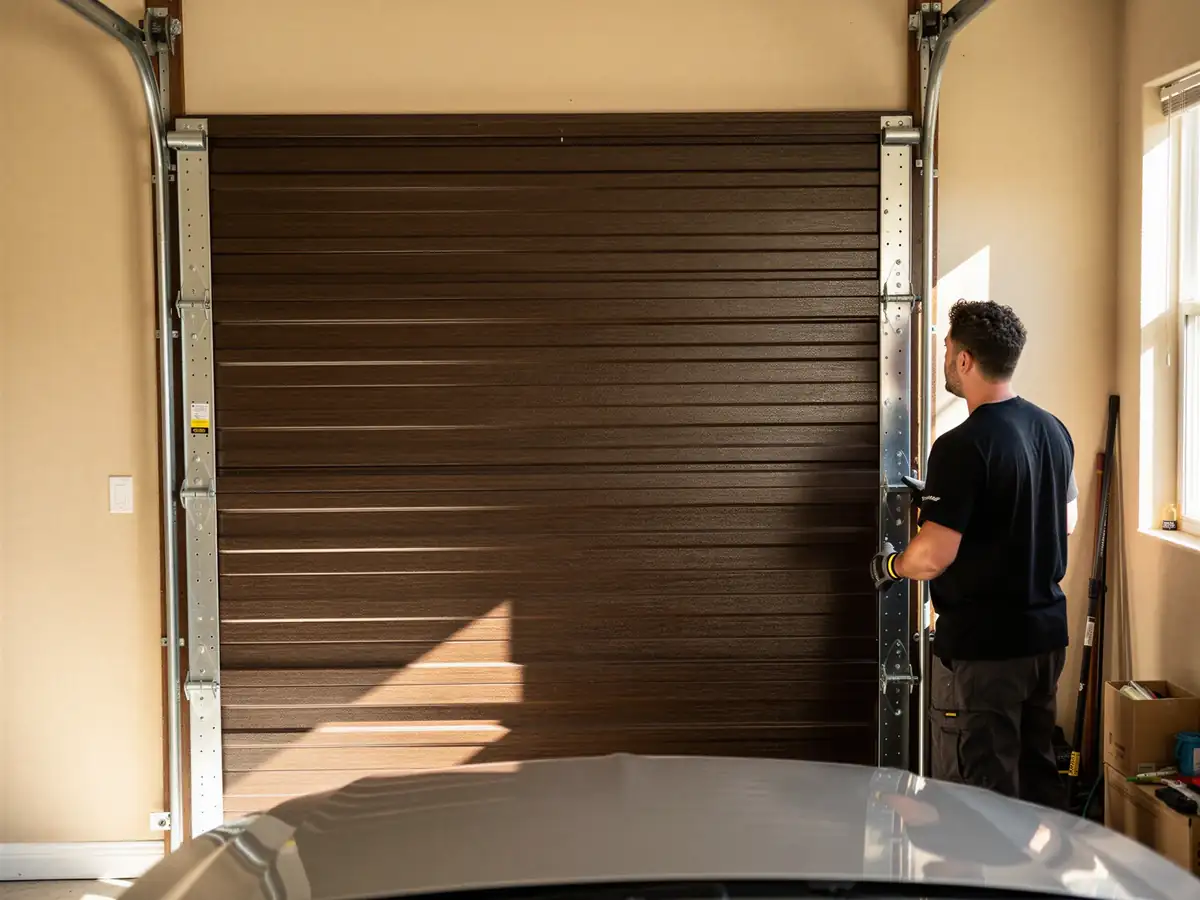
A straight spring replacement on a standard double door, once we're on site, usually runs an hour to ninety minutes. If the hardware's original to a mid-1960s install and the drum or cable anchor doesn't match current stock, that stretches - we may need to source a part rather than pull one off the truck, which can push the job into a second visit.
Opener repairs vary more. A sensor or logic fix is quick. A stripped gear or dead motor means we're often recommending replacement outright rather than a rebuild, since parts for openers more than 15-20 years old can be harder to find than the springs themselves.
We travel from Maple Grove to reach St. Louis Park, roughly 12 miles each way, so the time on the job itself is only part of the clock - factor in drive time when you're thinking about scheduling. We don't keep a branch in St. Louis Park, so we're straightforward about that upfront rather than implying a local depot that isn't there.