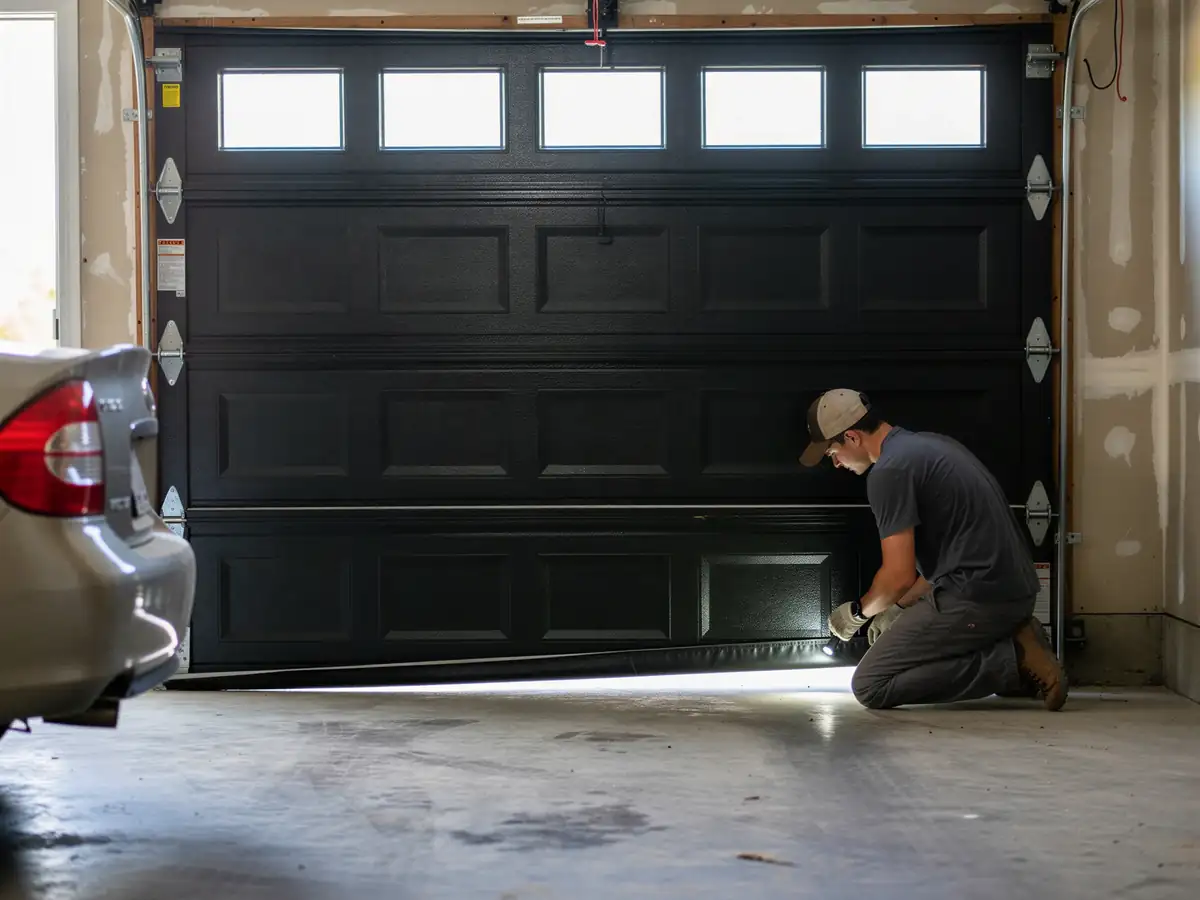
Can You Do This Yourself
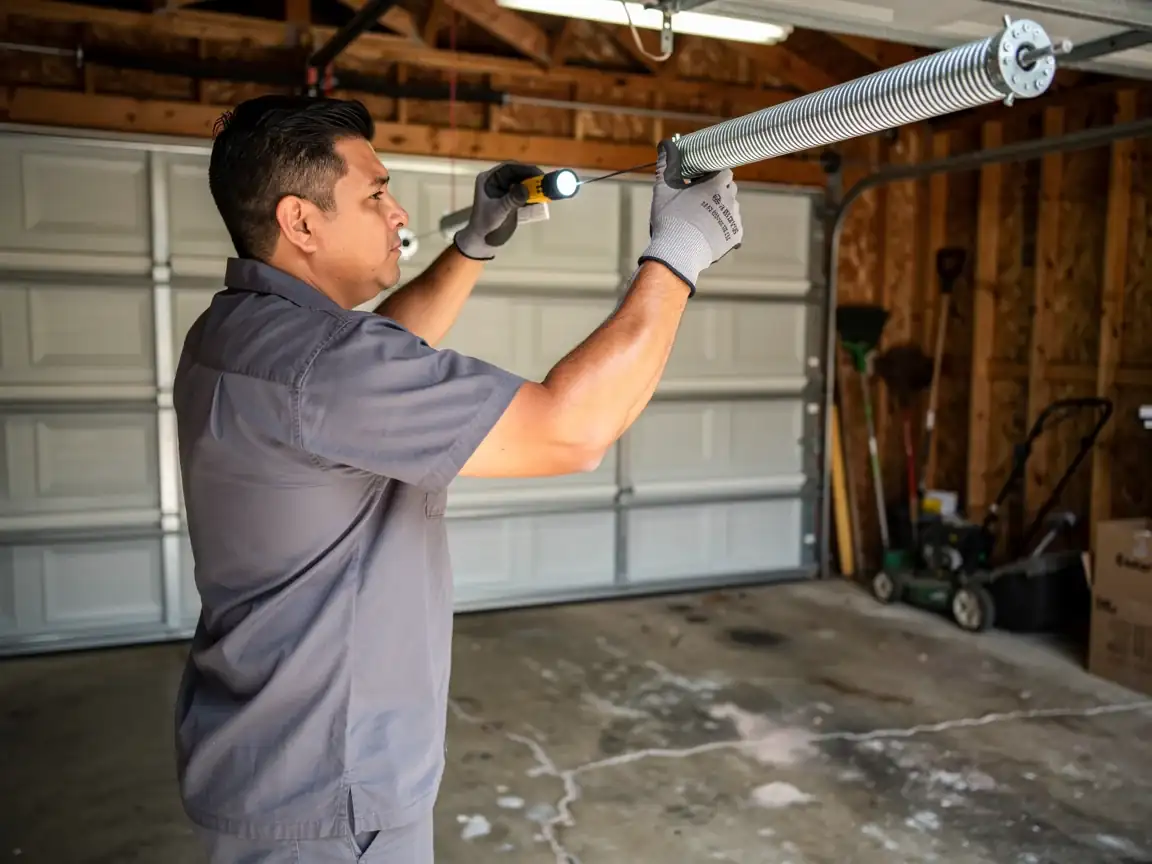
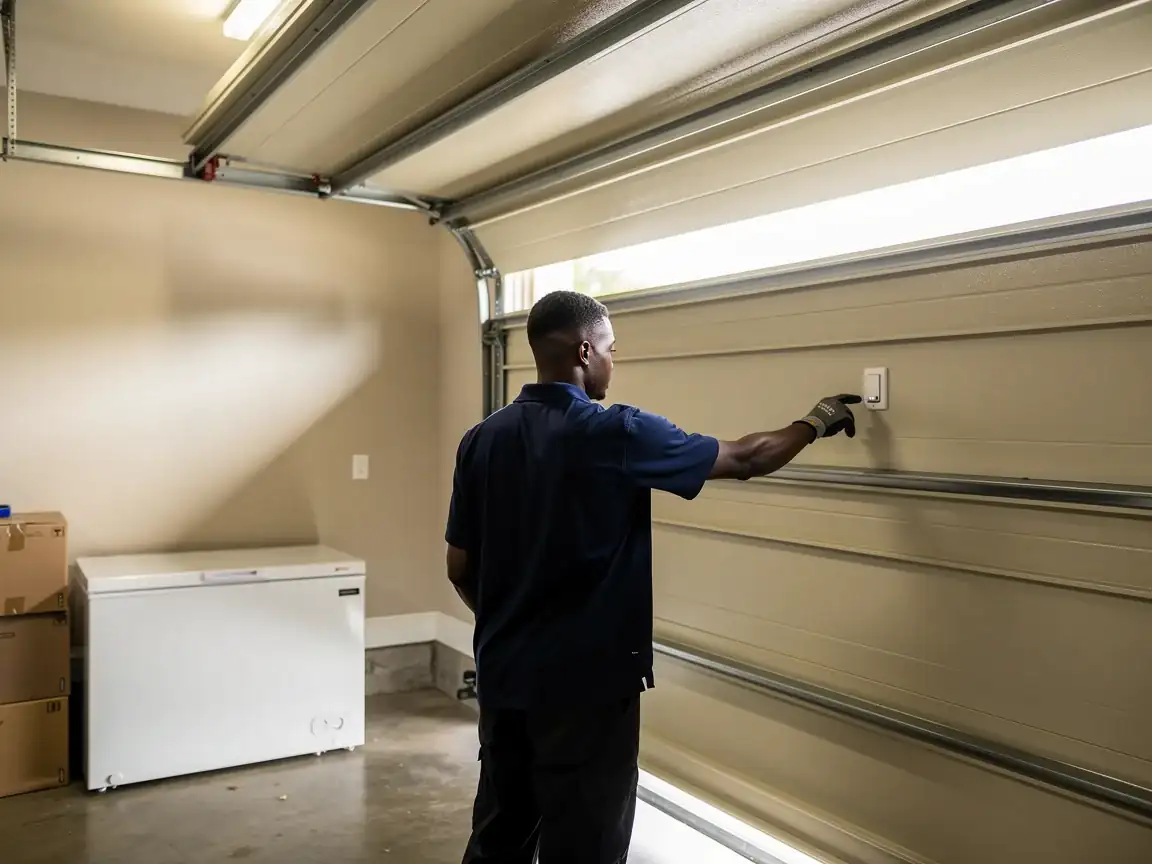
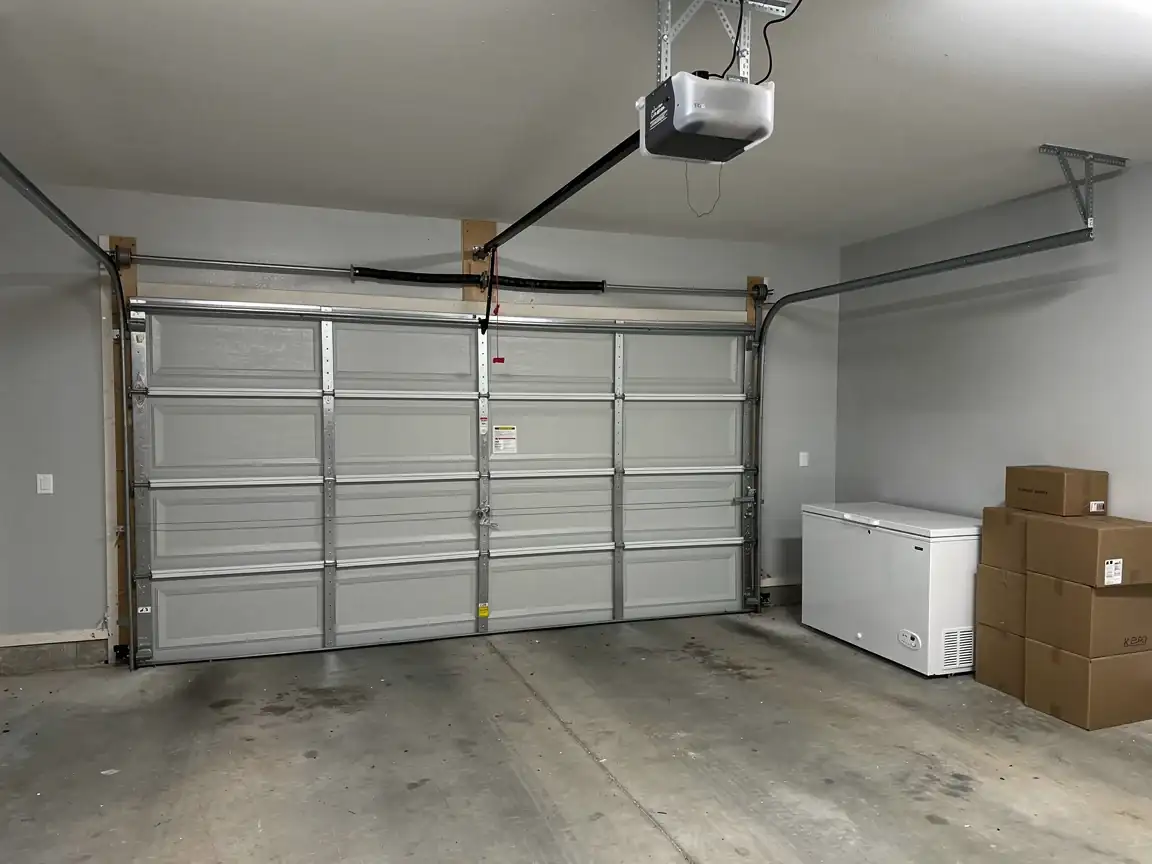
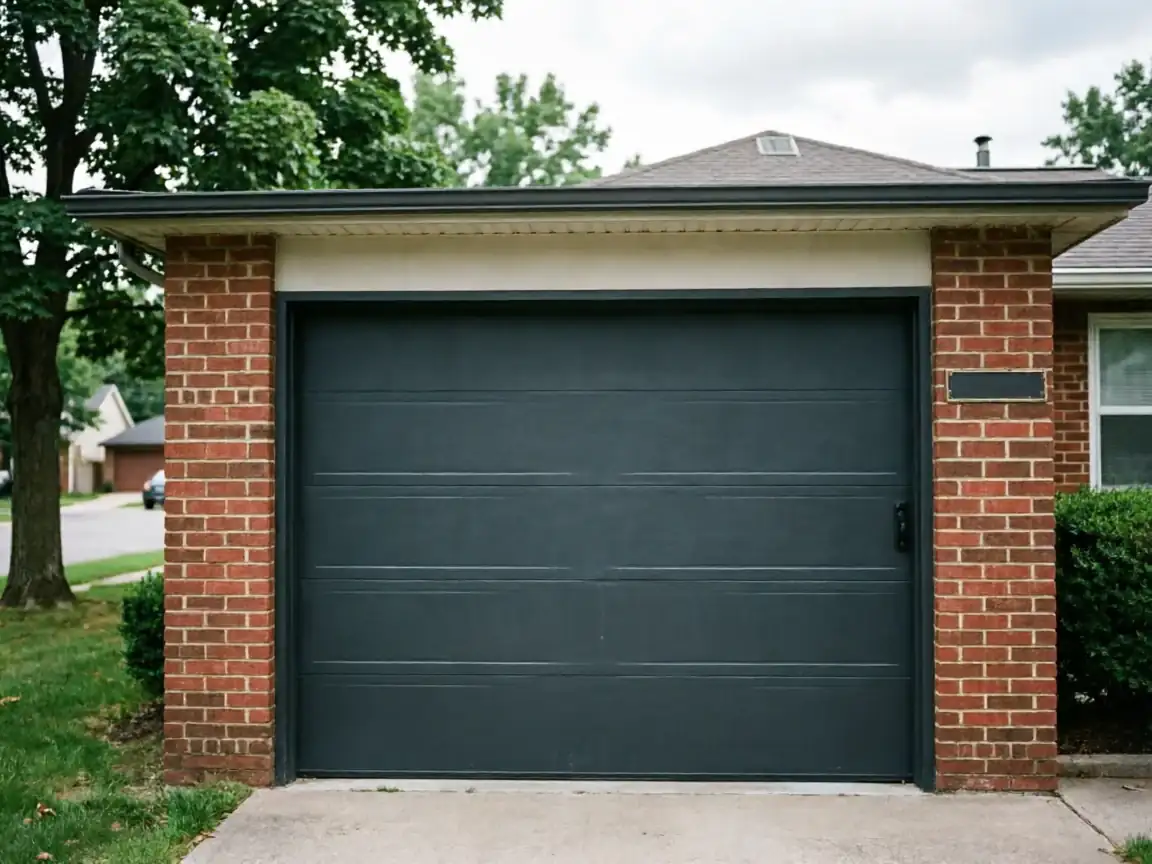
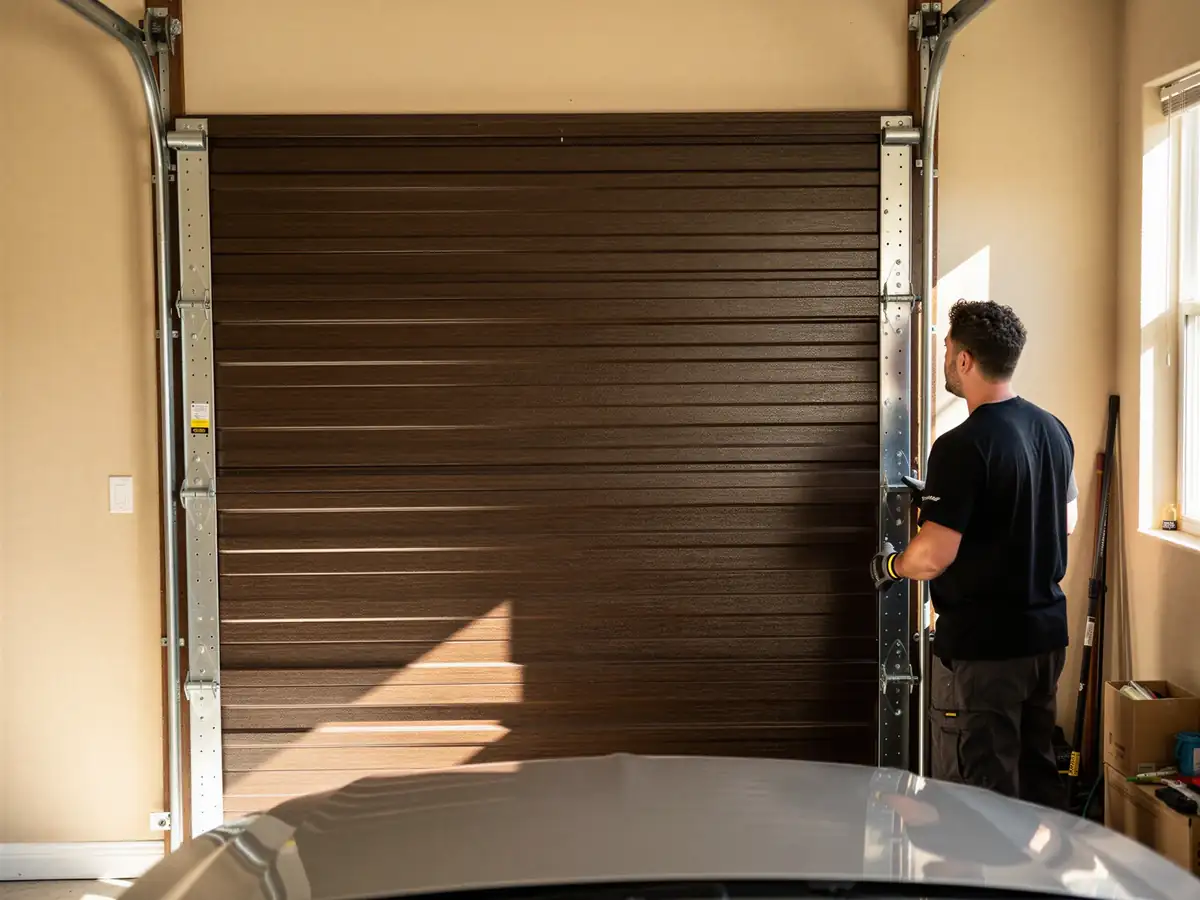
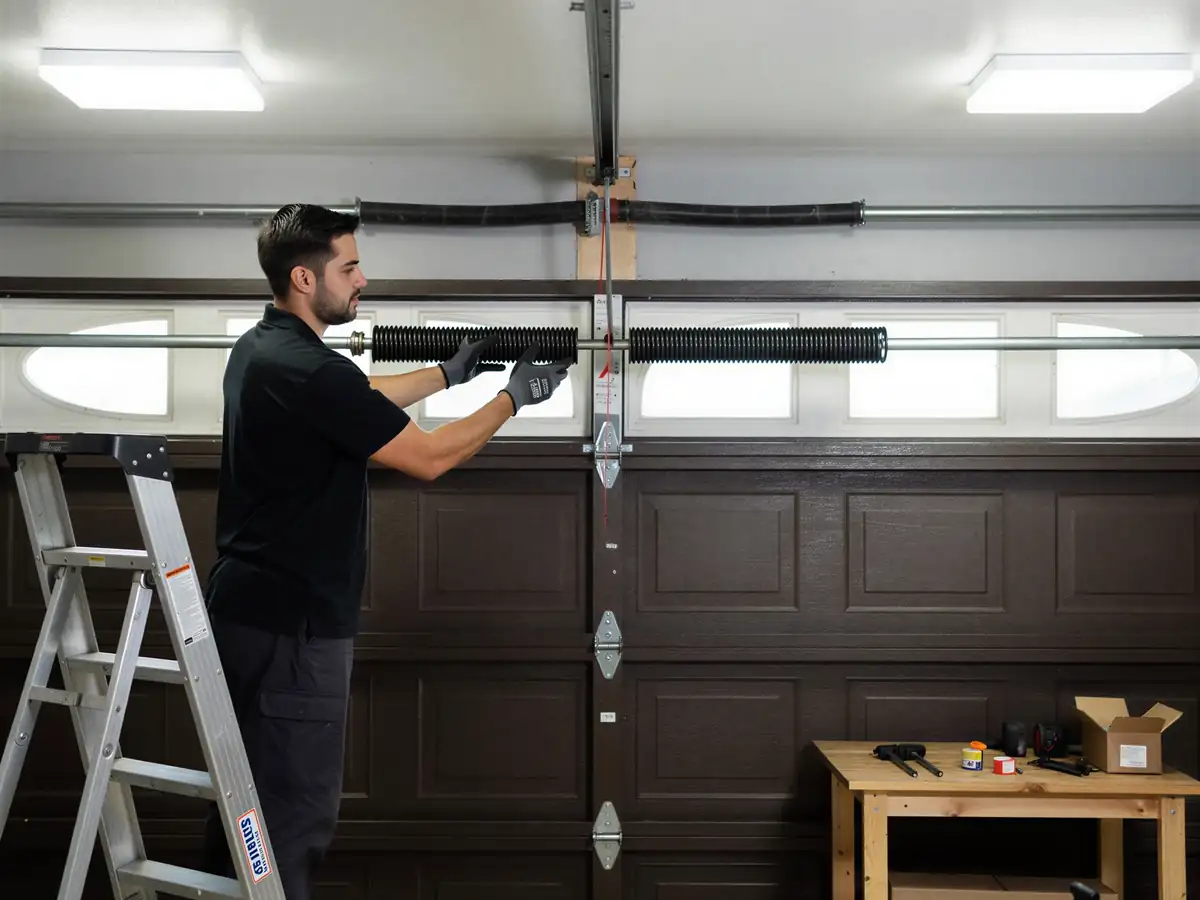
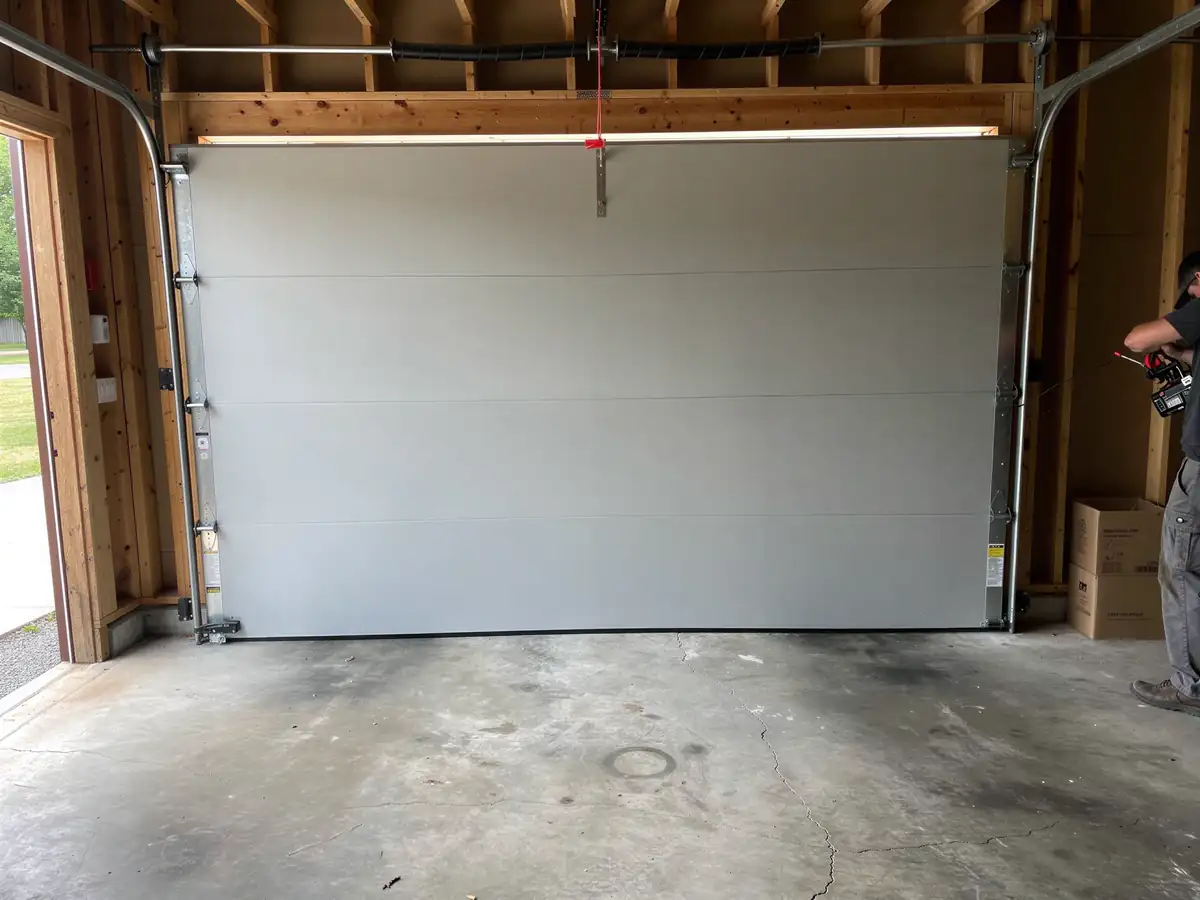
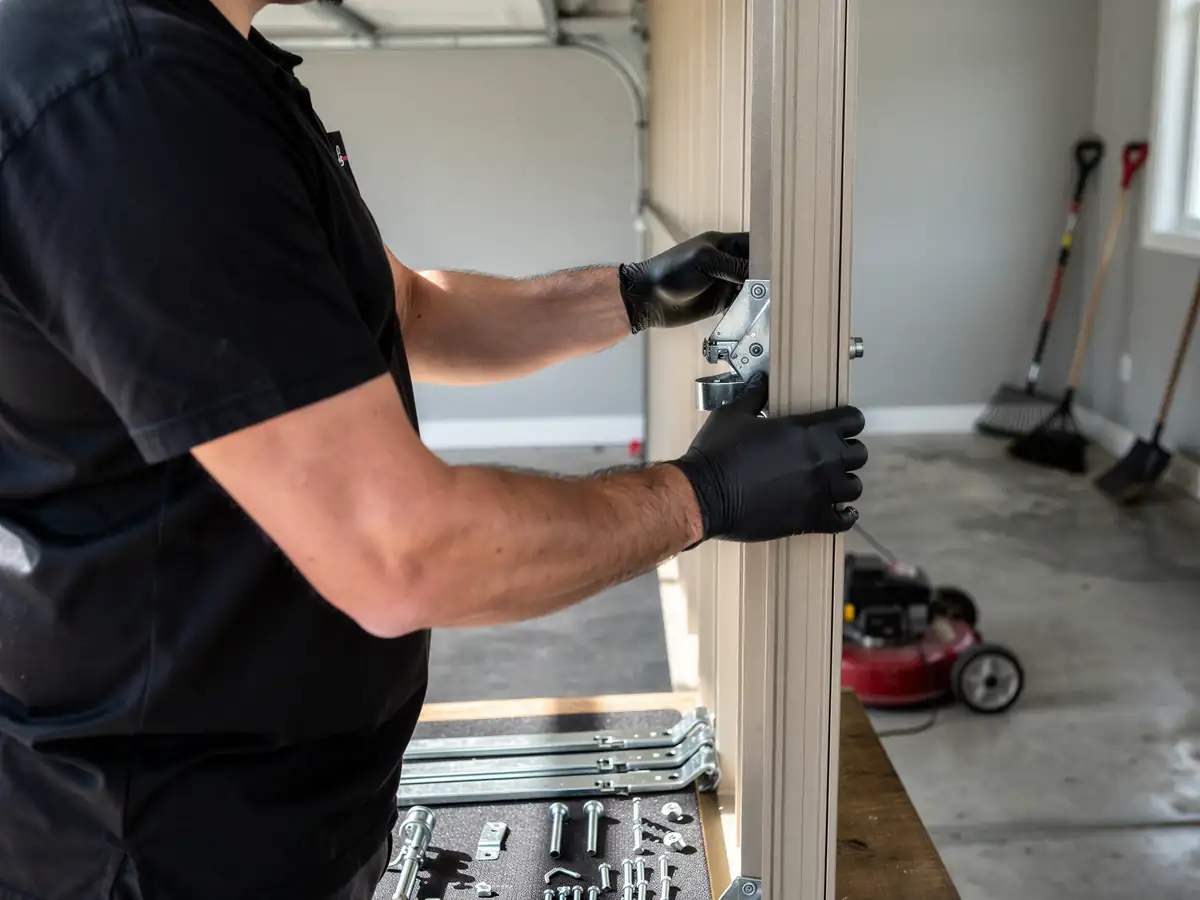
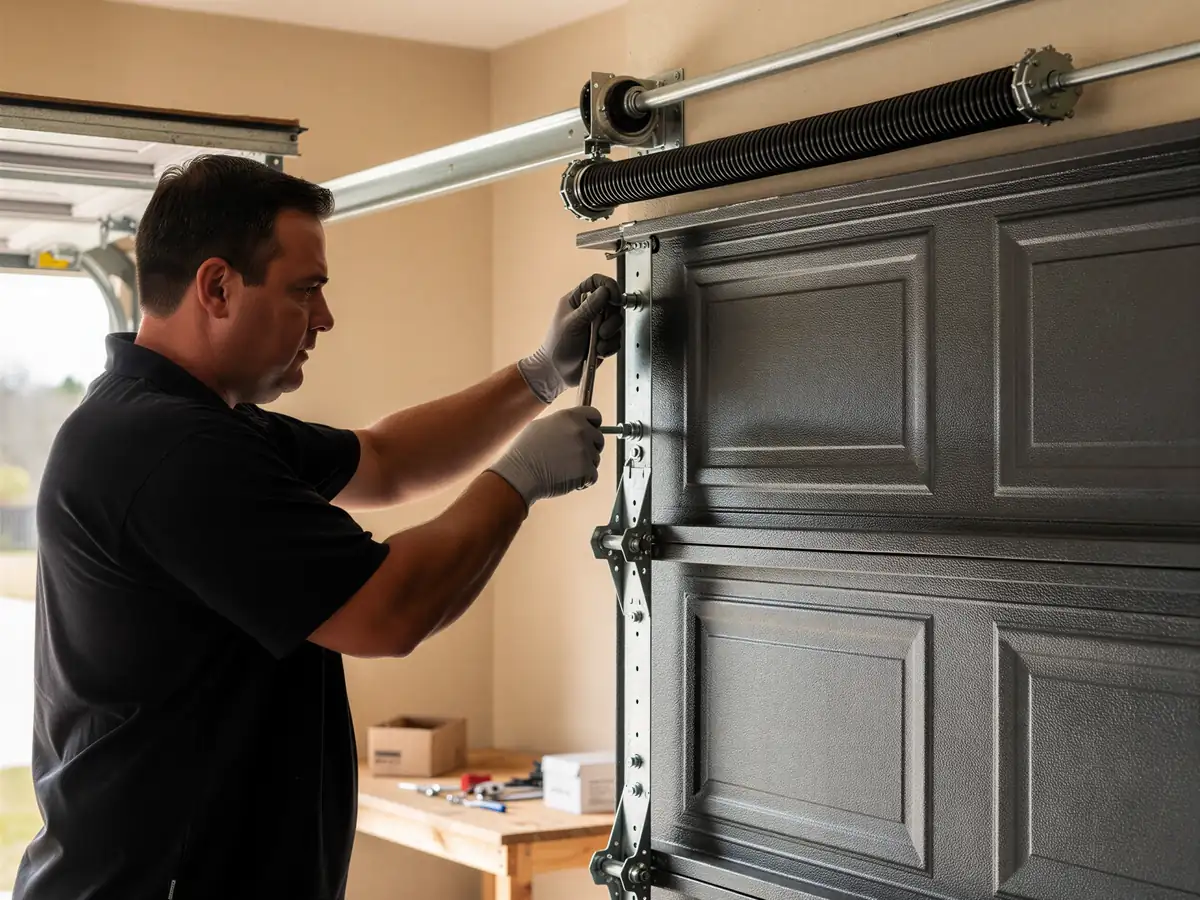
St. Louis Park is a mid-size suburb, 24,126 households, which means a lot of garage doors came in during one long building push rather than a recent development boom. That matters for what you can safely tackle yourself. A torsion spring on a door from the 1960s-era stock common here is wound tighter and mounted on hardware that's been through sixty years of temperature swings - rust on the winding cone, a stationary cone that's seized, a shaft that's worn oval instead of round. Swapping a broken spring yourself on a door this age is a different job than on a ten-year-old door. Cables under tension, a bent track, or a bowed section you can often spot and decide not to touch. What you can do safely: check the photo-eye sensors aren't knocked out of alignment, tighten loose hinge bolts, clear the track of debris, lubricate rollers and hinges. What you shouldn't do without the right bars and clamps: anything involving the torsion spring, the cable drums, or a door that's come off its rollers. If the opener runs but the door won't move, or moves and reverses, that's worth a call before you force it.
Why It Happens Here
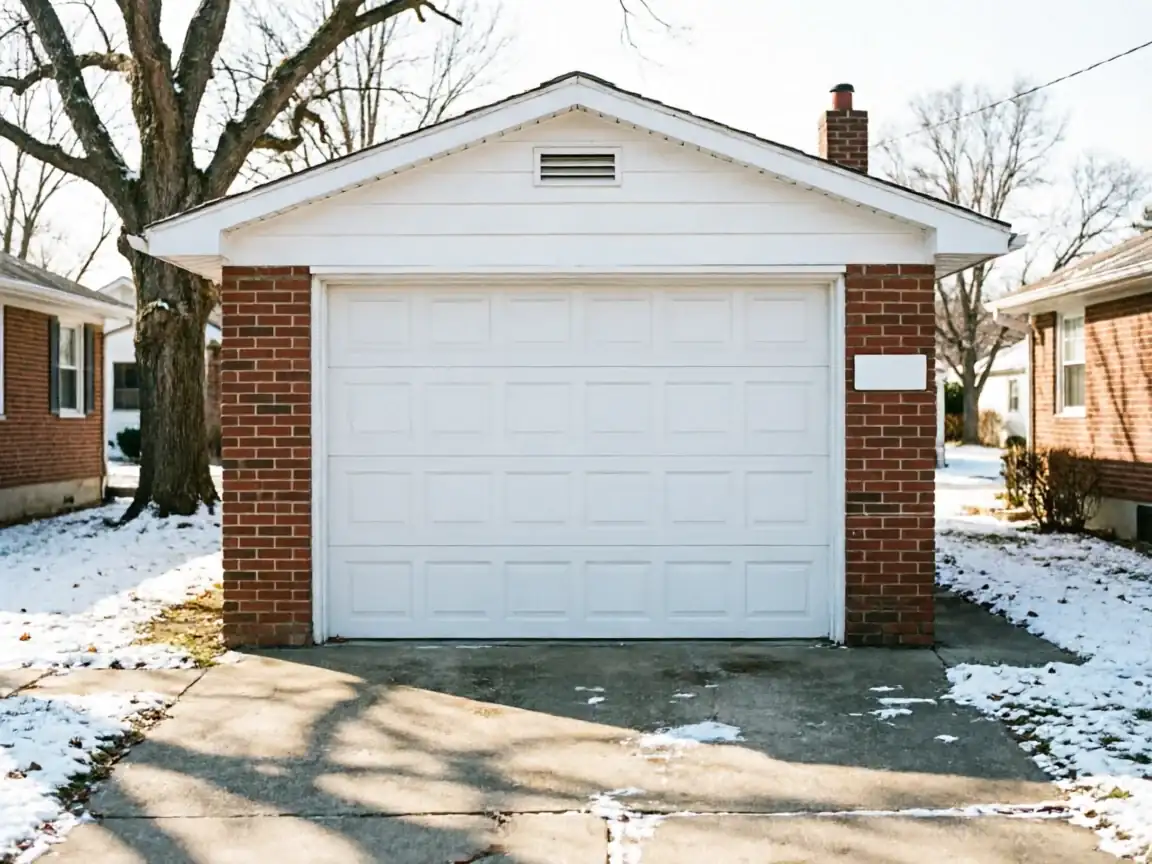
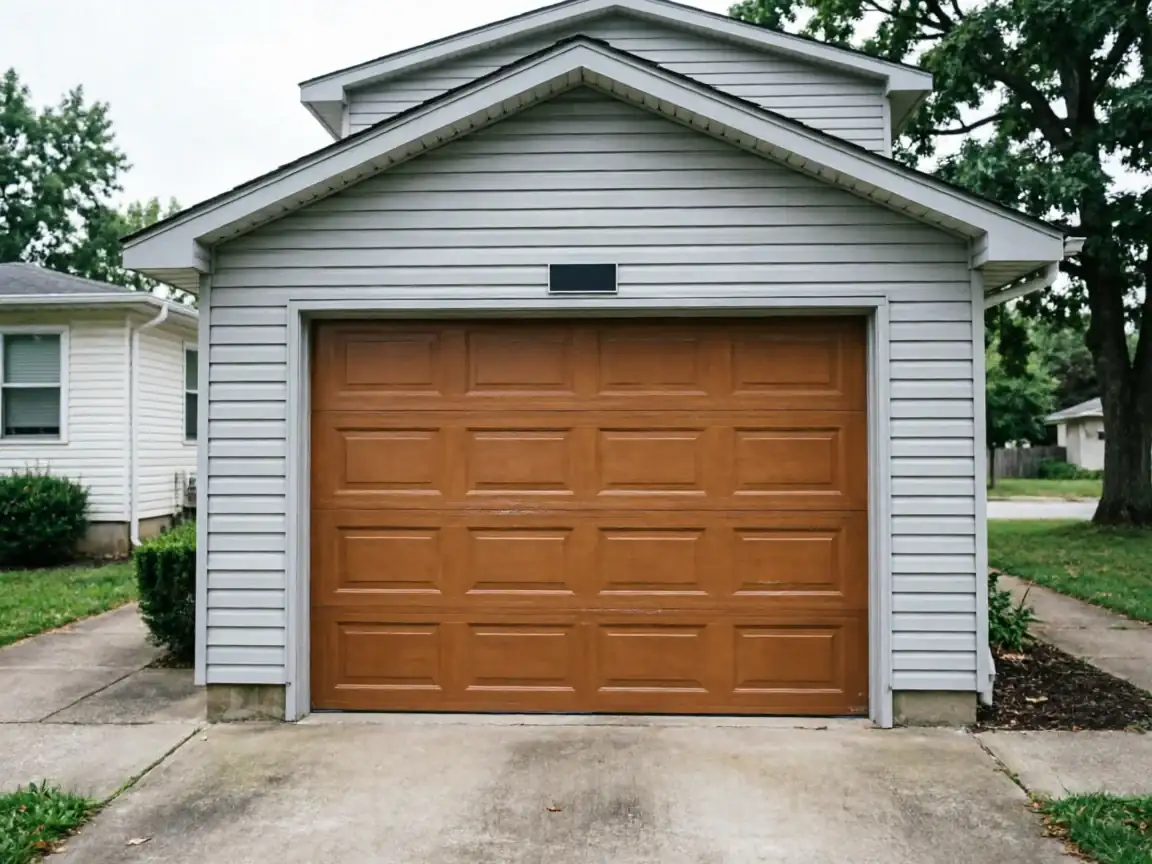
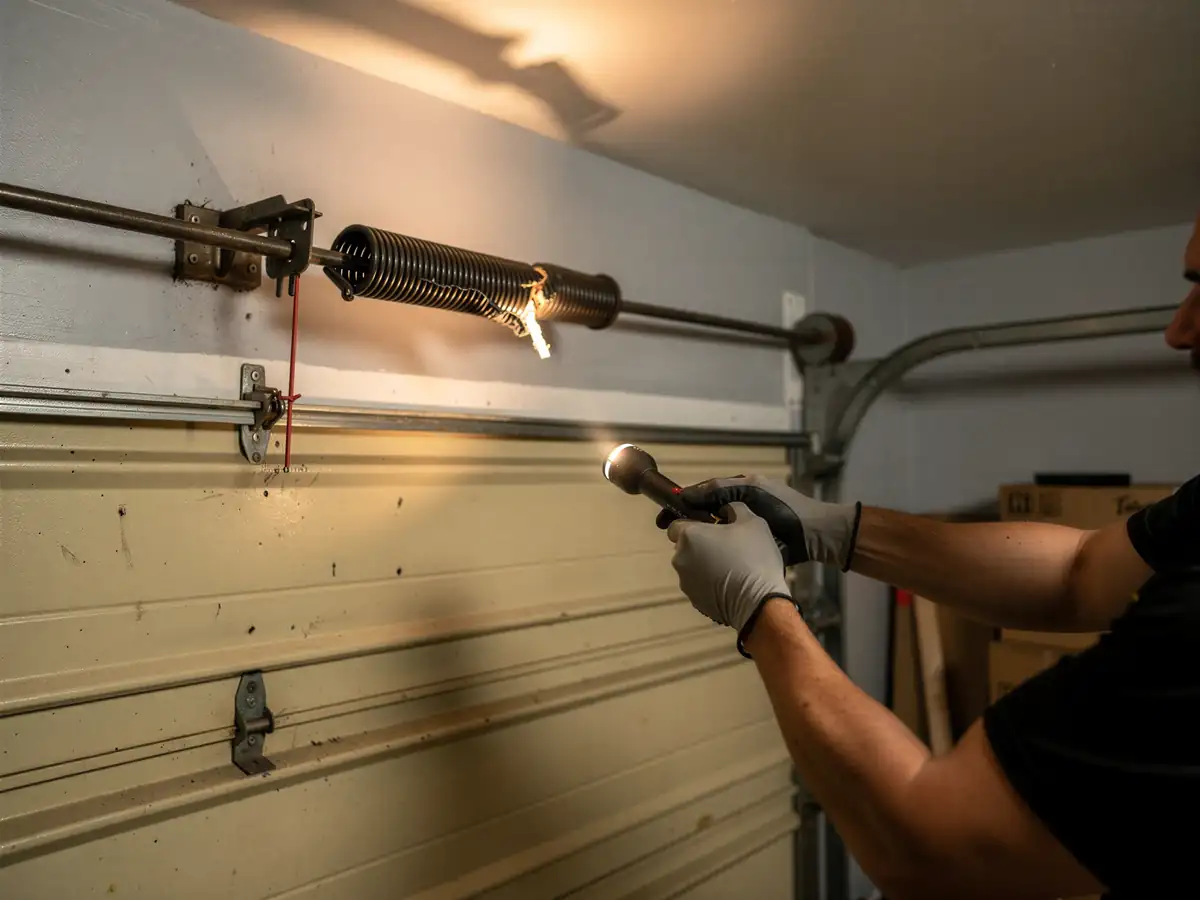
The housing in St. Louis Park centers on 1965, decades earlier than newer construction out toward the edges of the service area, and that age shows up directly in the failures we see. Torsion springs from that era were often sized to older load tables, so when one lets go, the replacement needs to match shaft diameter and winding cone type that current stock doors don't use. Add the climate: this part of Minnesota sits in a severe cold band, and a garage that's unheated goes through real freeze-thaw cycling every winter. Steel springs lose temper faster under that kind of swing, and door panels - especially original ones from the 1960s stock - develop seam rust at the bottom corners where snowmelt sits. A median household income of $100,250 here also means a fair number of owners choose a quality replacement opener or insulated panel set over a patch repair when the math works out, which we're glad to walk through on site.
Time on the Job
Most calls in St. Louis Park run long enough to properly diagnose an older torsion system, not just swap a part and go. On a door built to 1960s-era specs, we spend real time checking shaft straightness and drum wear before we touch a spring, because mismatched hardware on an old system fails again within a year if you rush it. A straightforward spring replacement on a door this age usually takes longer on site than the same job on a newer build, simply because fasteners are rusted and measurements have to be taken rather than looked up. We won't rush a job to hit a number - a door that's wound wrong is a door that comes back dangerous. If a part isn't something we carry on the truck for an older system like this, we'll say so before we start, not after.