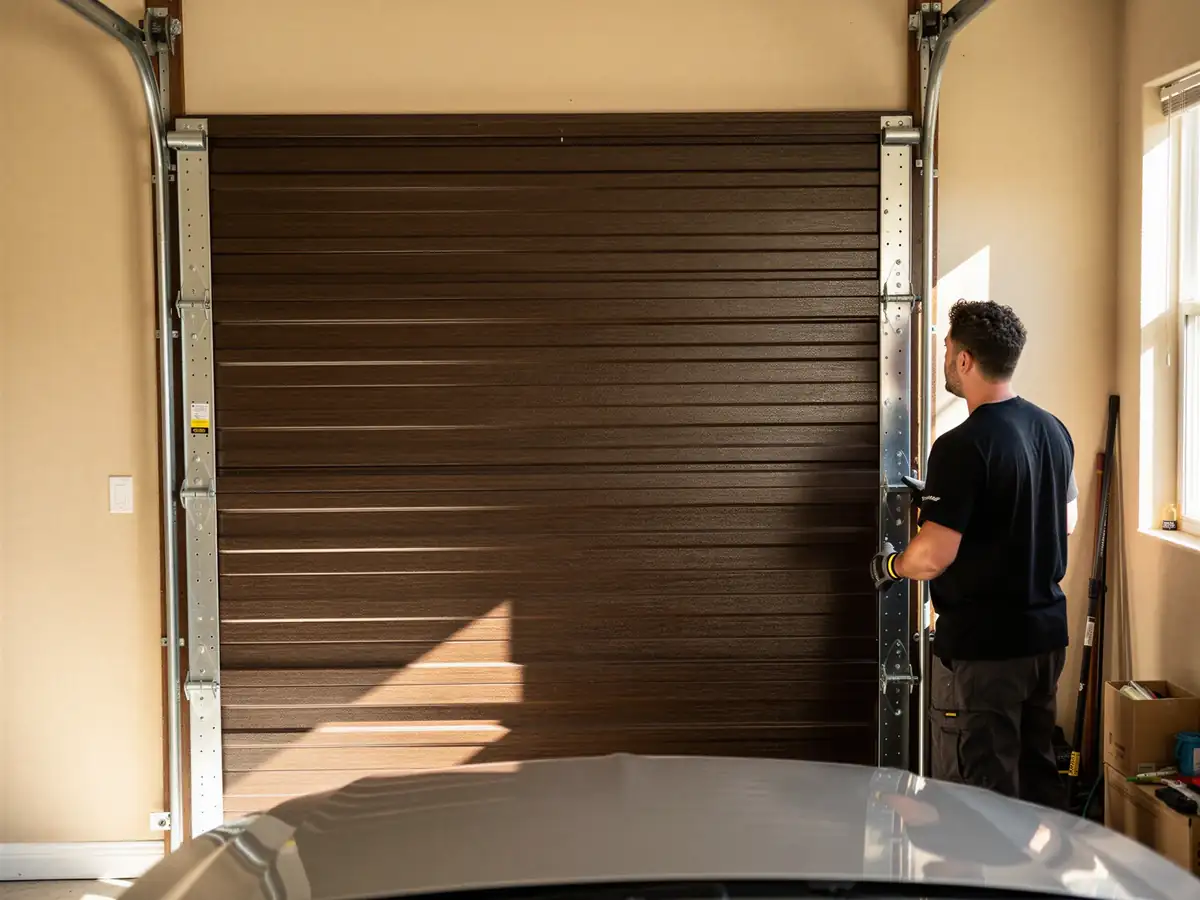
Can You Do This Yourself
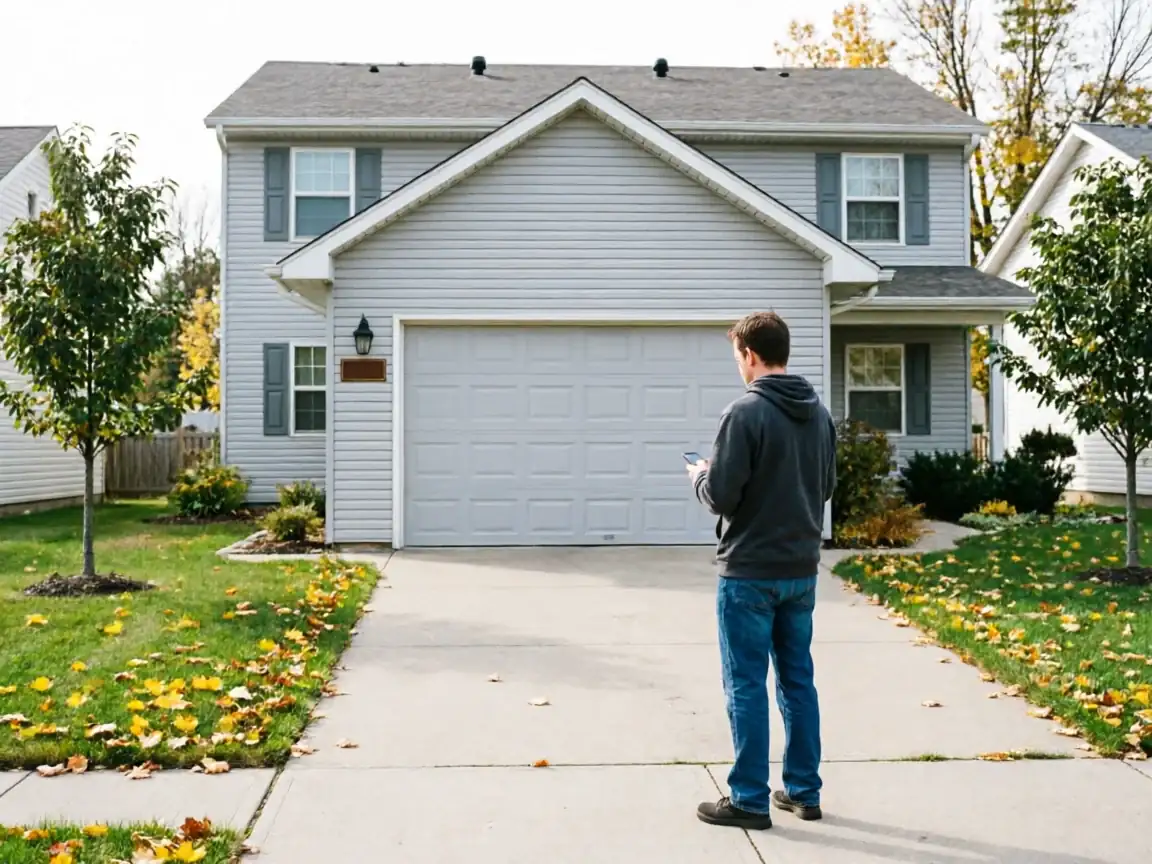
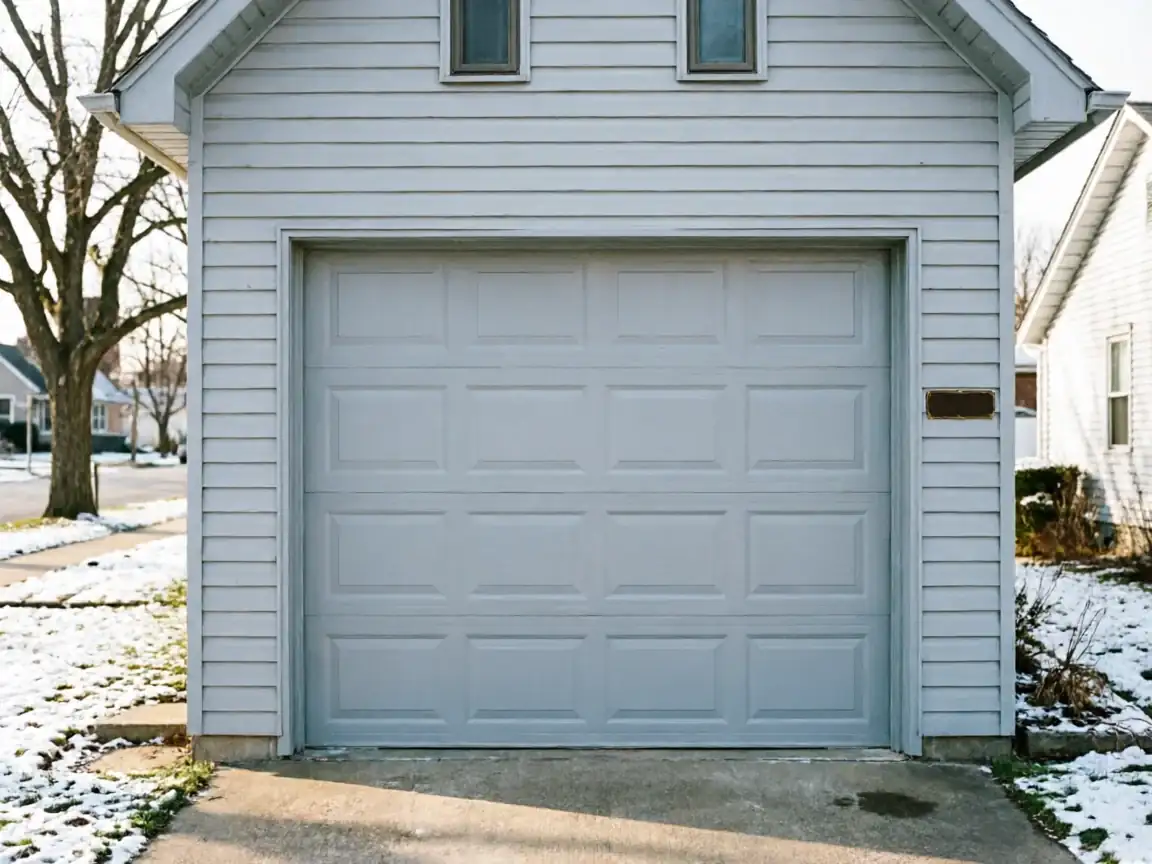
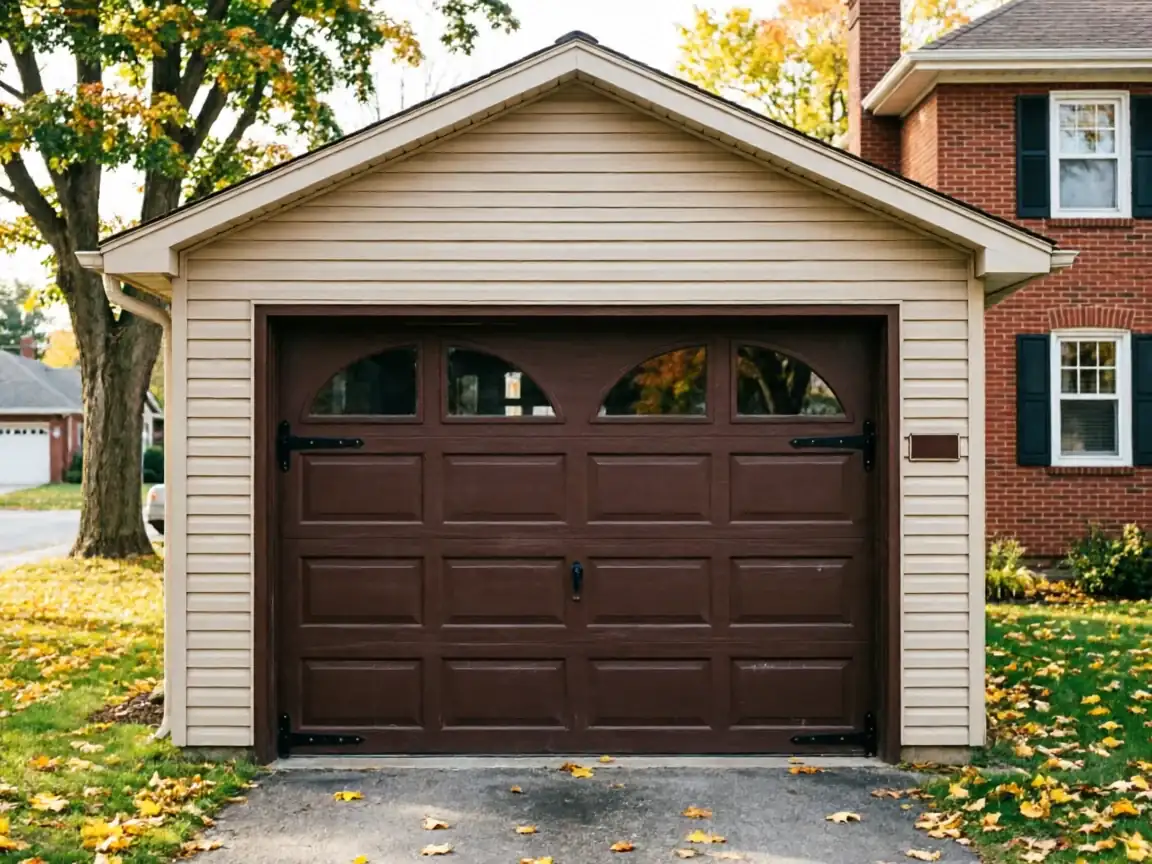
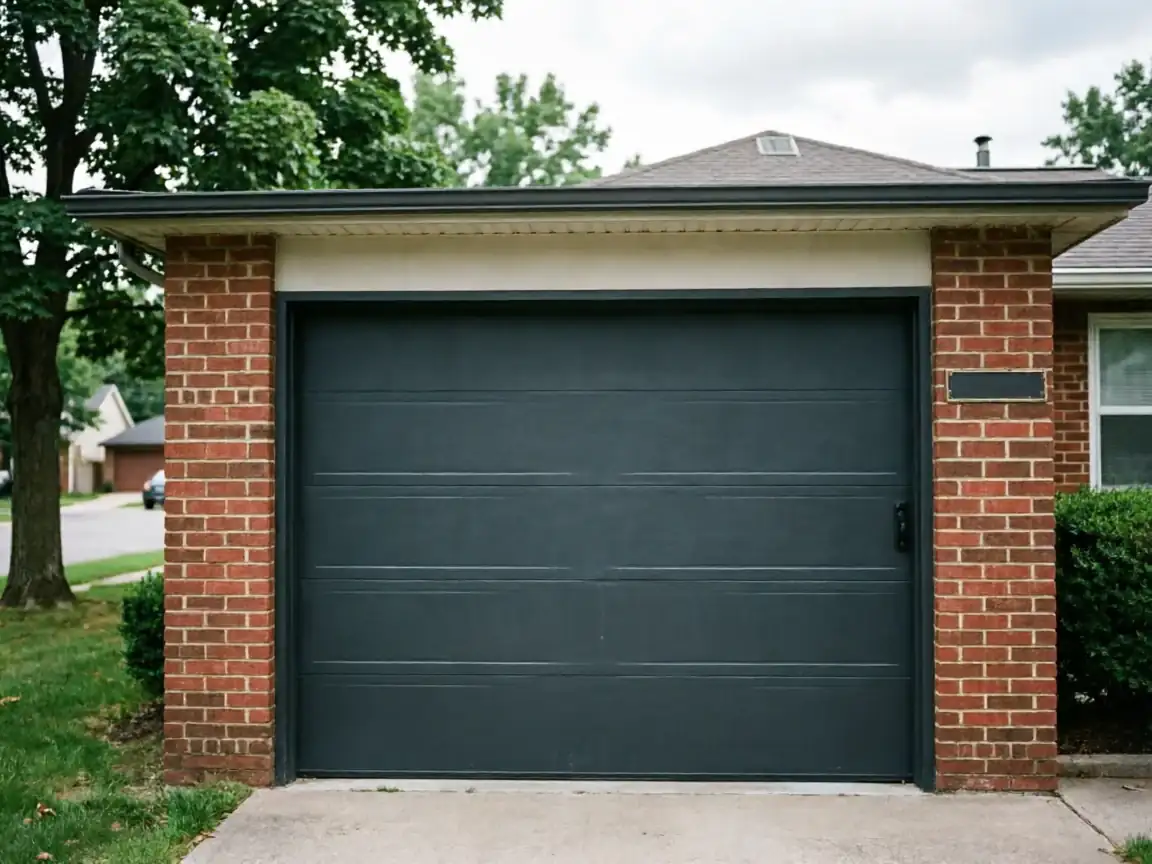
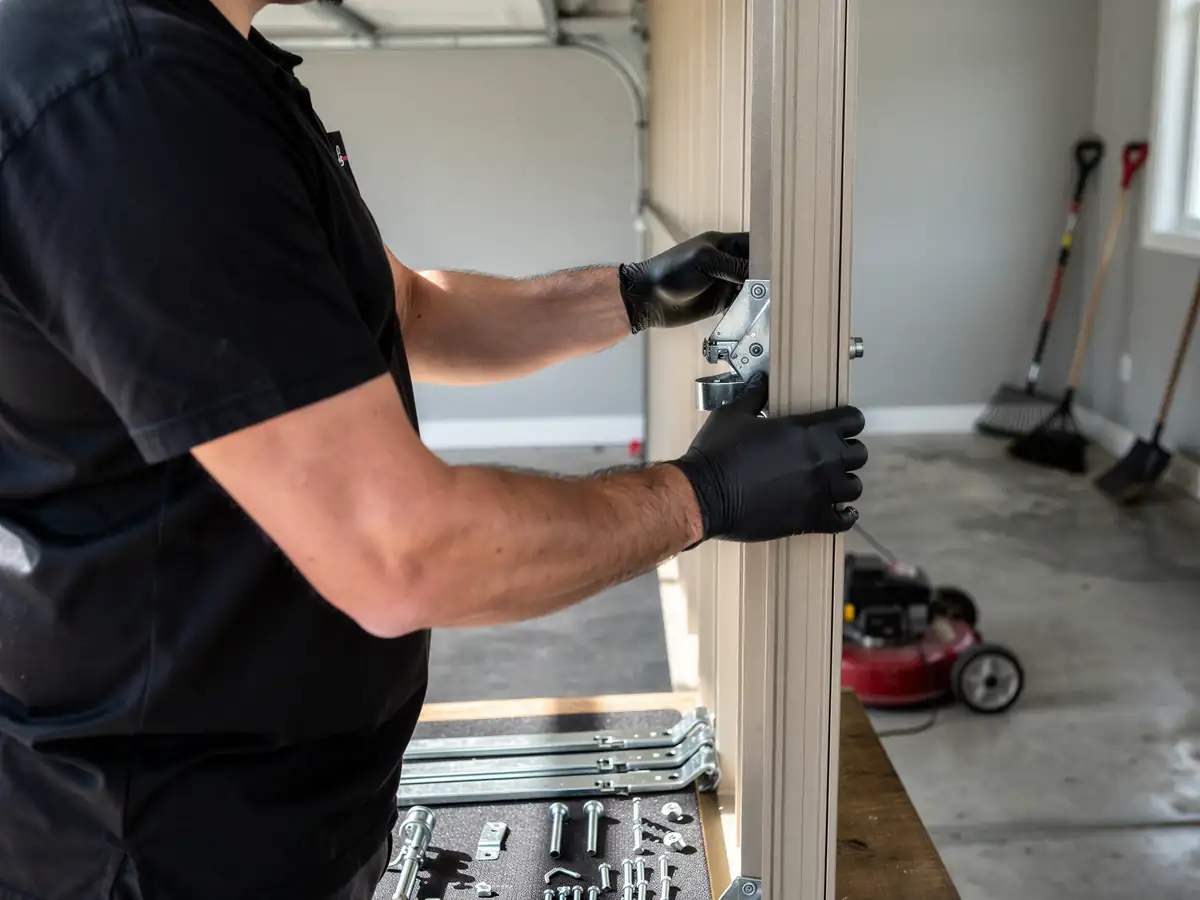
St. Louis Park's housing stock runs older than most of what we cover out of Maple Grove. Houses here mostly date to around 1965, a good seventeen years before the 1982 median build year across the rest of this Maple Grove service area. That gap matters more than it sounds. A door built for a 1960s header, jamb, and track spacing doesn't bolt into a 1990s opening, and the reverse is just as true. If you're pulling the old door out yourself, measure the actual rough opening before you order anything - don't trust a listed "standard" size off a spec sheet.
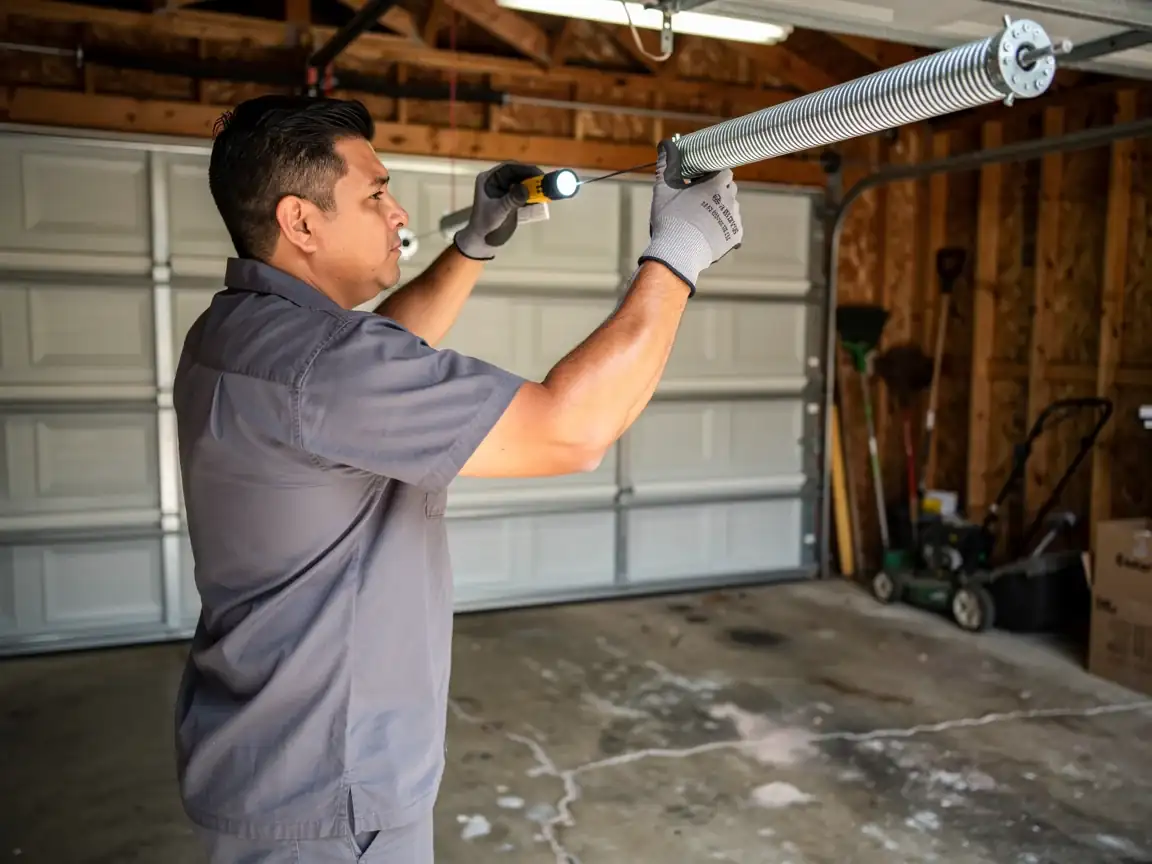
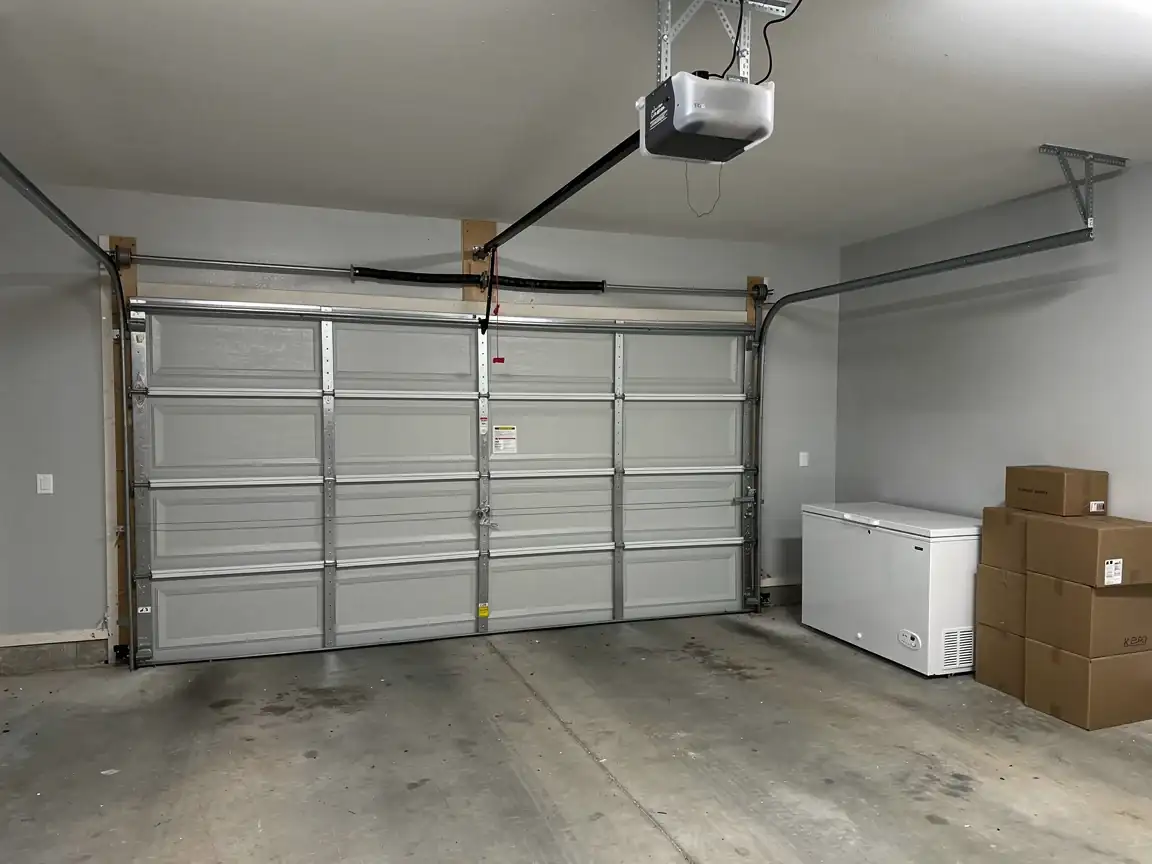
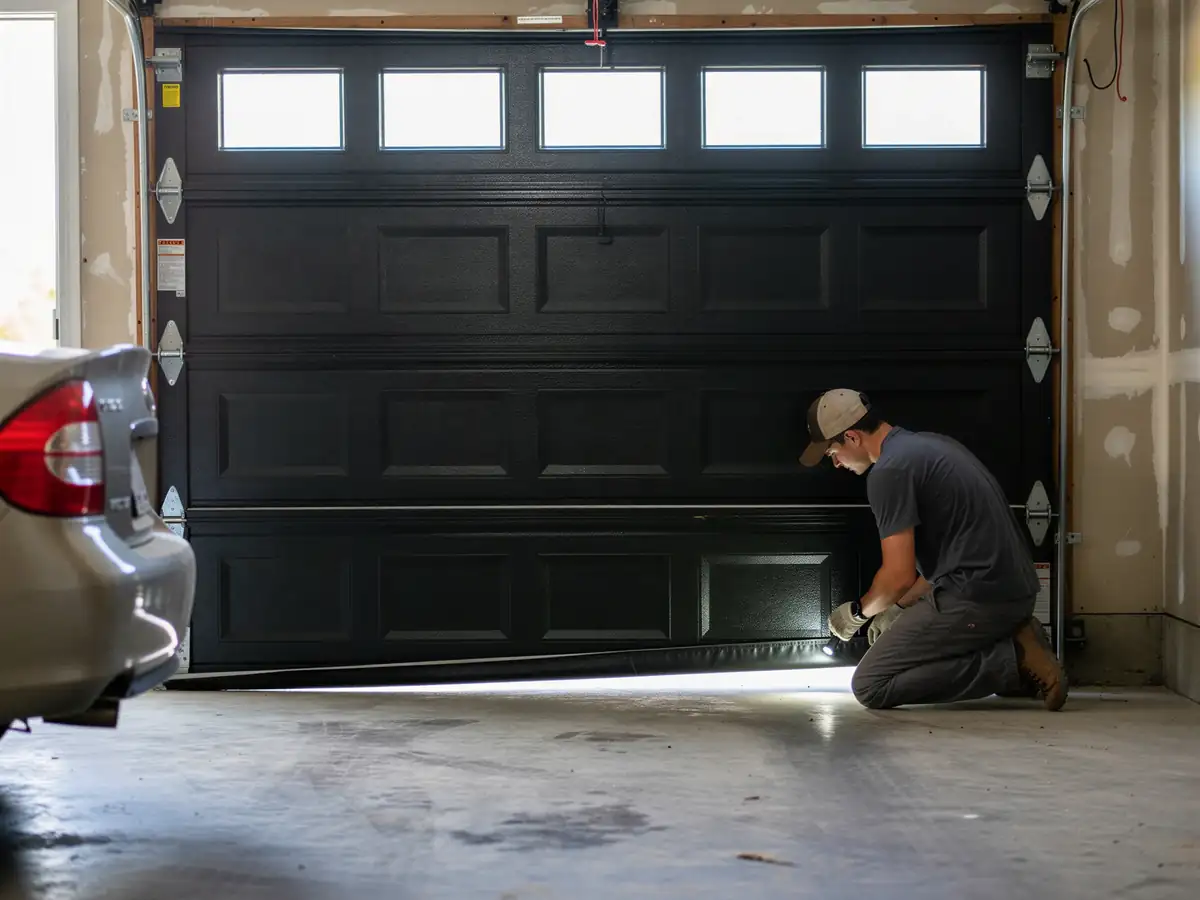
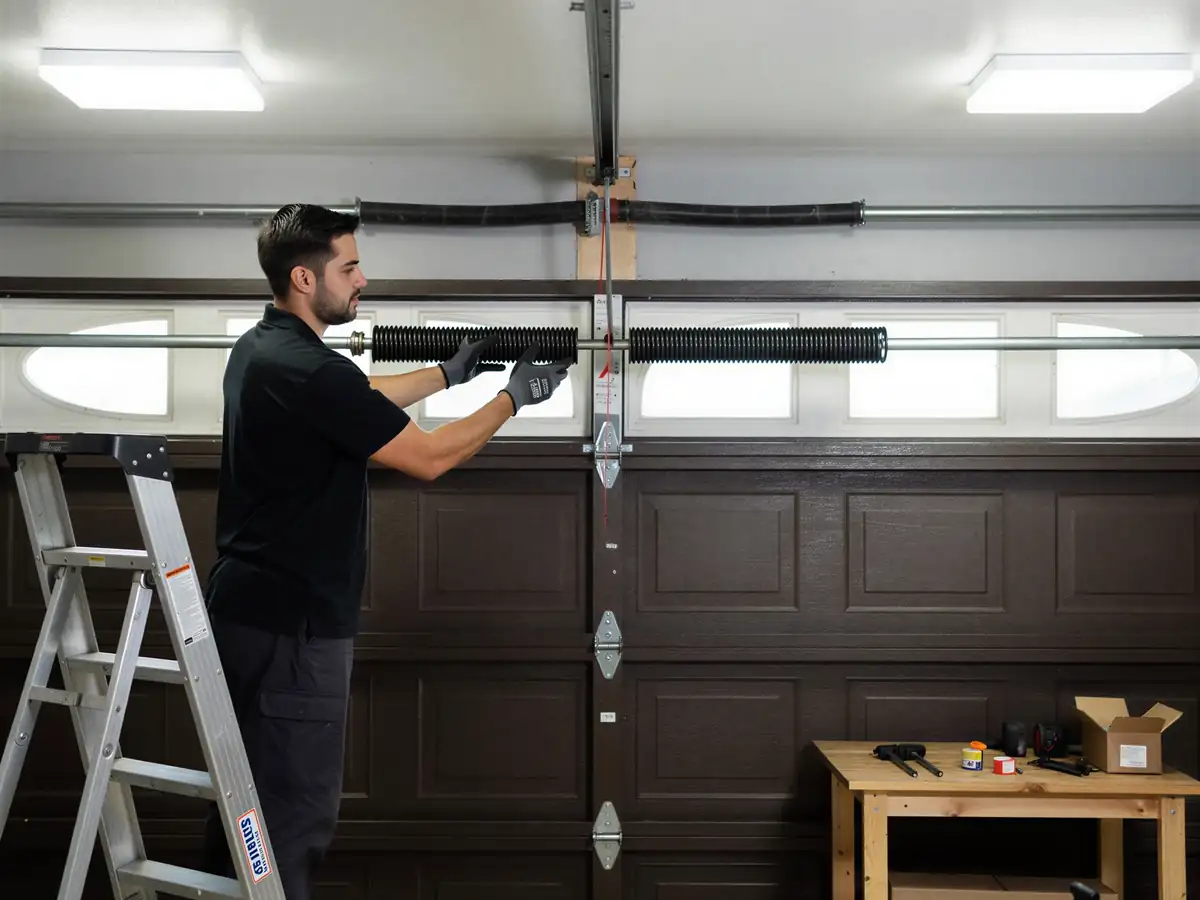
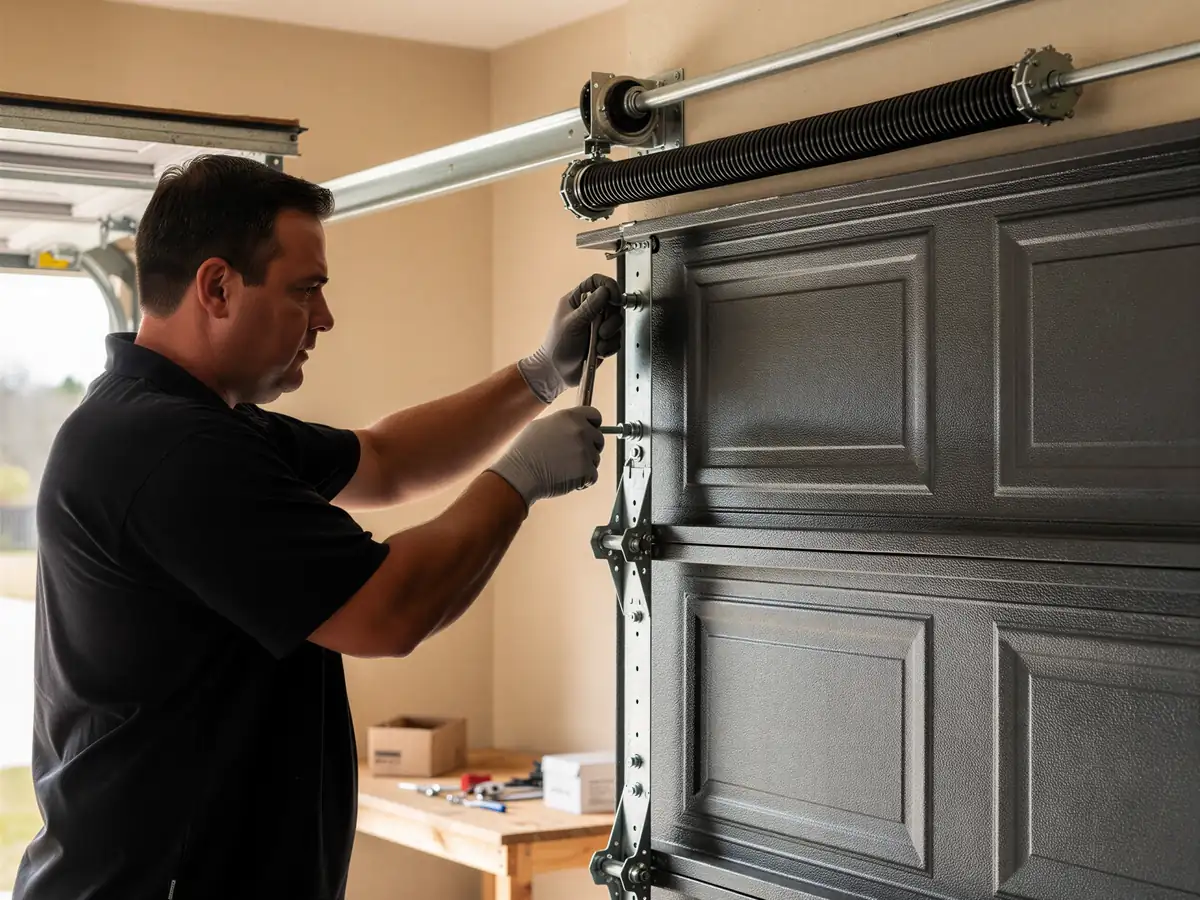
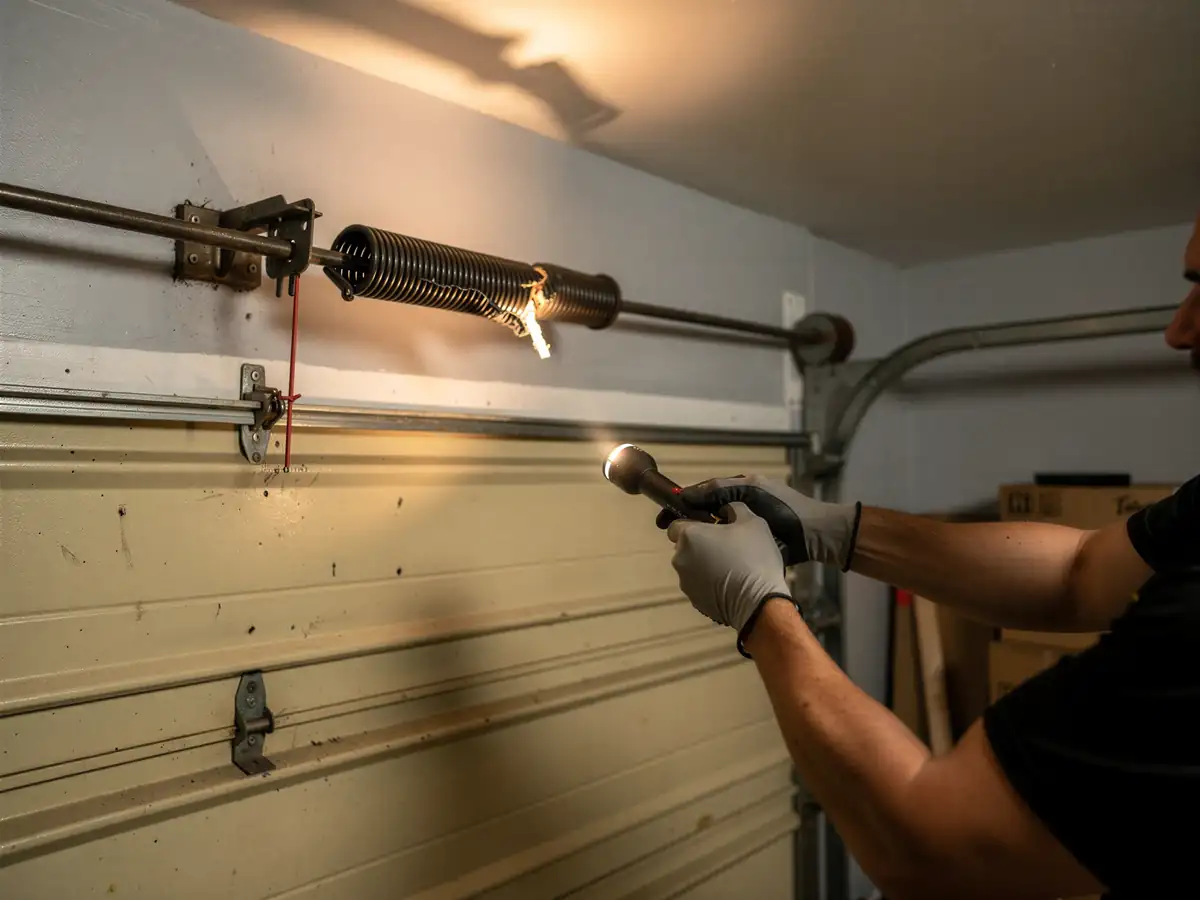
Torsion springs are the real line you shouldn't cross on your own, in any era of house. They're wound under enough tension to break a bone or worse if the winding bars slip. On an older jamb, the mounting bracket may also have loosened over sixty years of use, which means the spring anchor point isn't as solid as it looks even if the wood seems sound. We'd rather you call for that part of the job even if you handle the demo yourself.
How We Fix It
We bring the door out from Maple Grove, about 12 miles from St. Louis Park
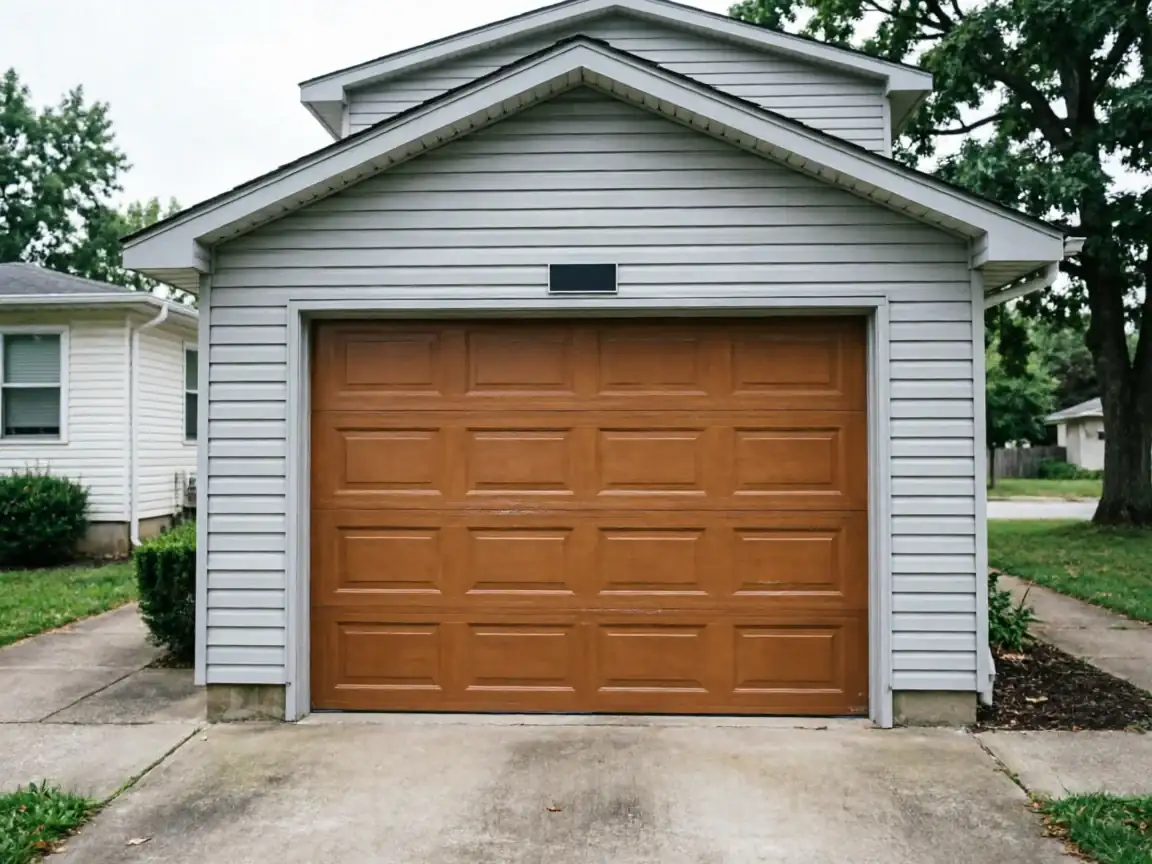
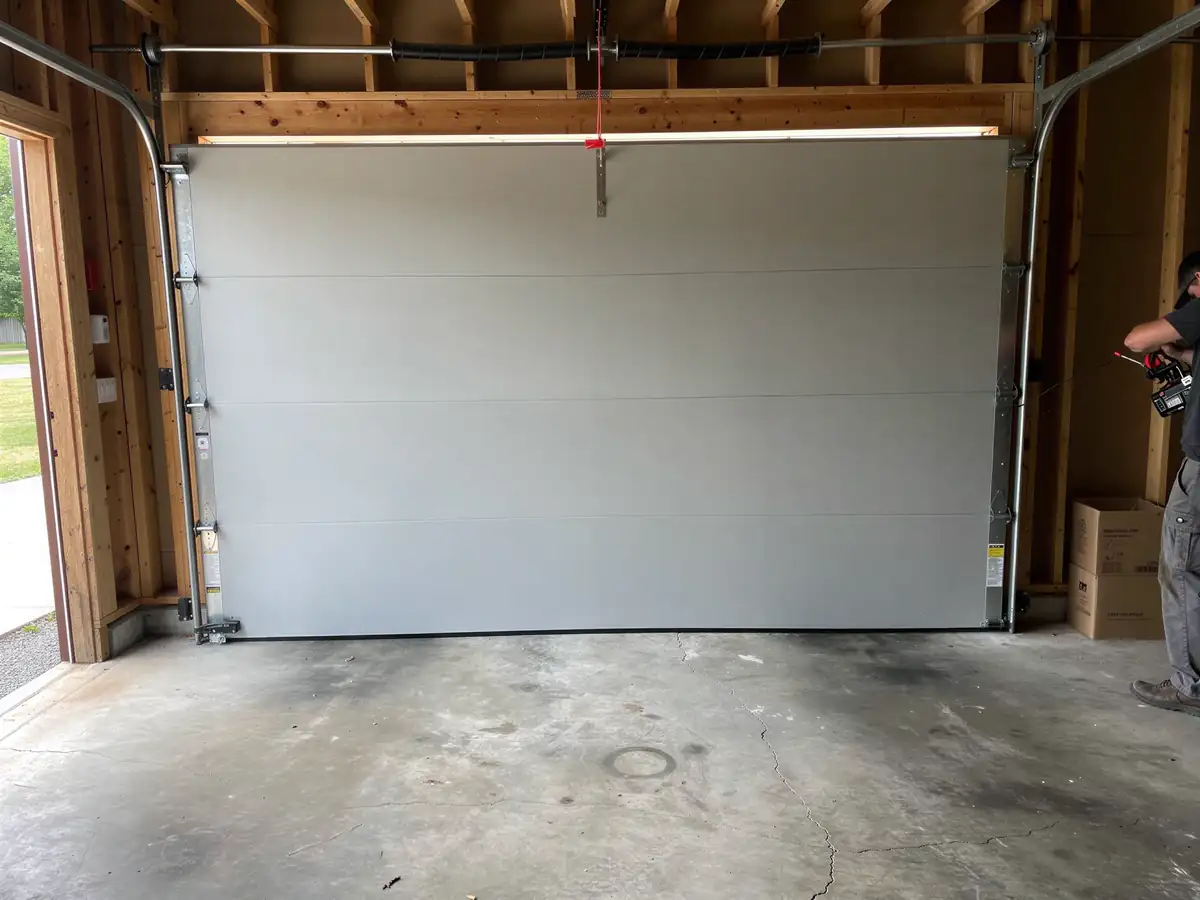
Already built to the opening we measured on the first visit - not a stock size we hope fits. On a 1965-era opening, that often means re-checking header height and jamb plumb before the new door goes in, since original framing has usually settled some over the decades.
- 12 miles
Given the severe cold winters this region sits in
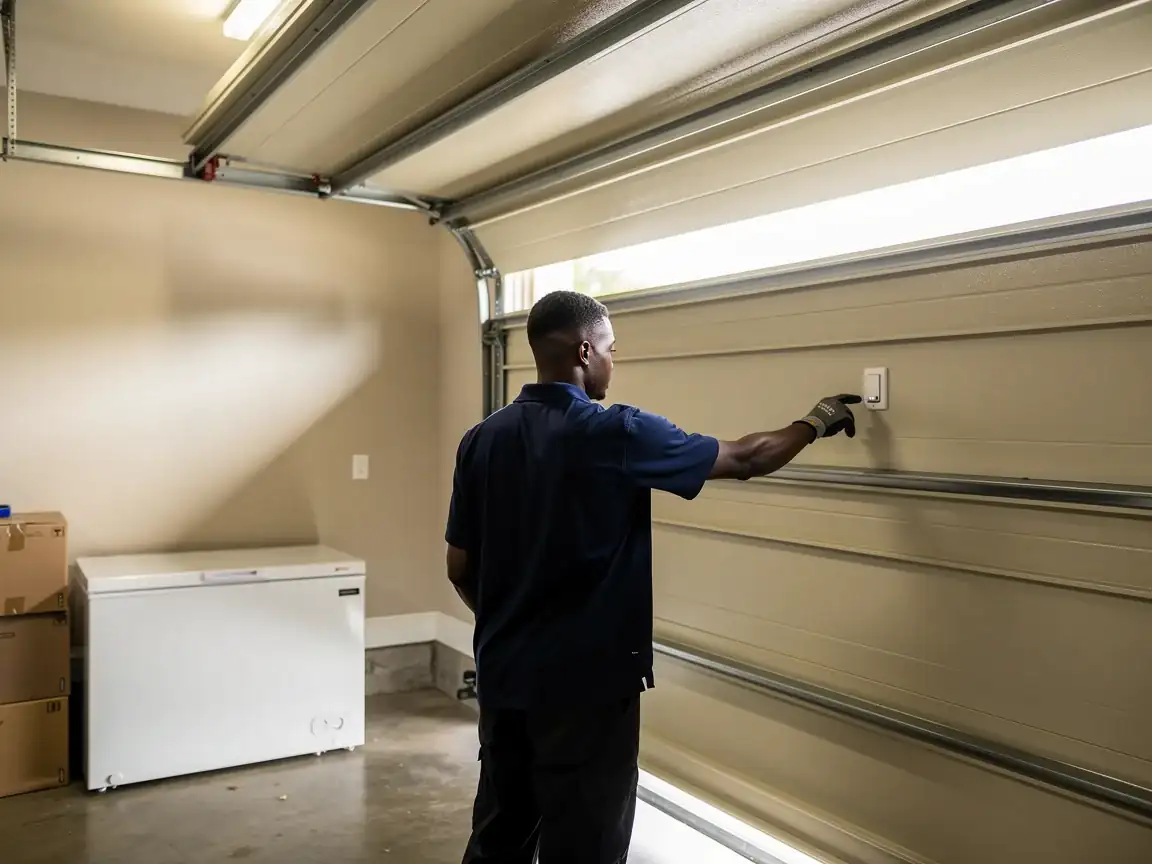
We install doors with insulation rated for that swing, not a lightweight panel meant for a mild climate. We set the track plumb, torque the spring to the door's actual weight rather than a generic chart number, and test the opener's force settings against the new door before we leave. If the old opener is original to the house, we'll tell you straight whether it's worth keeping or whether the motor and gearing are past the point of matching a new door safely.
Why It Happens Here
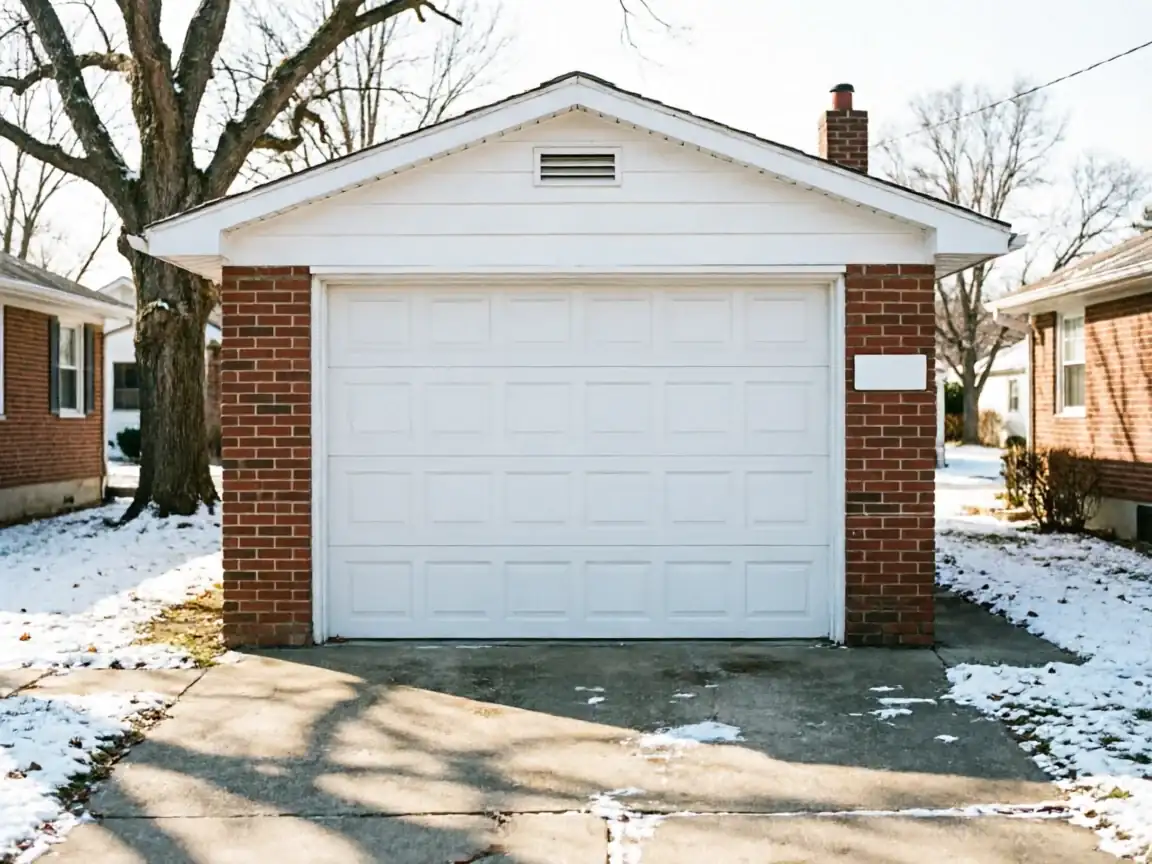
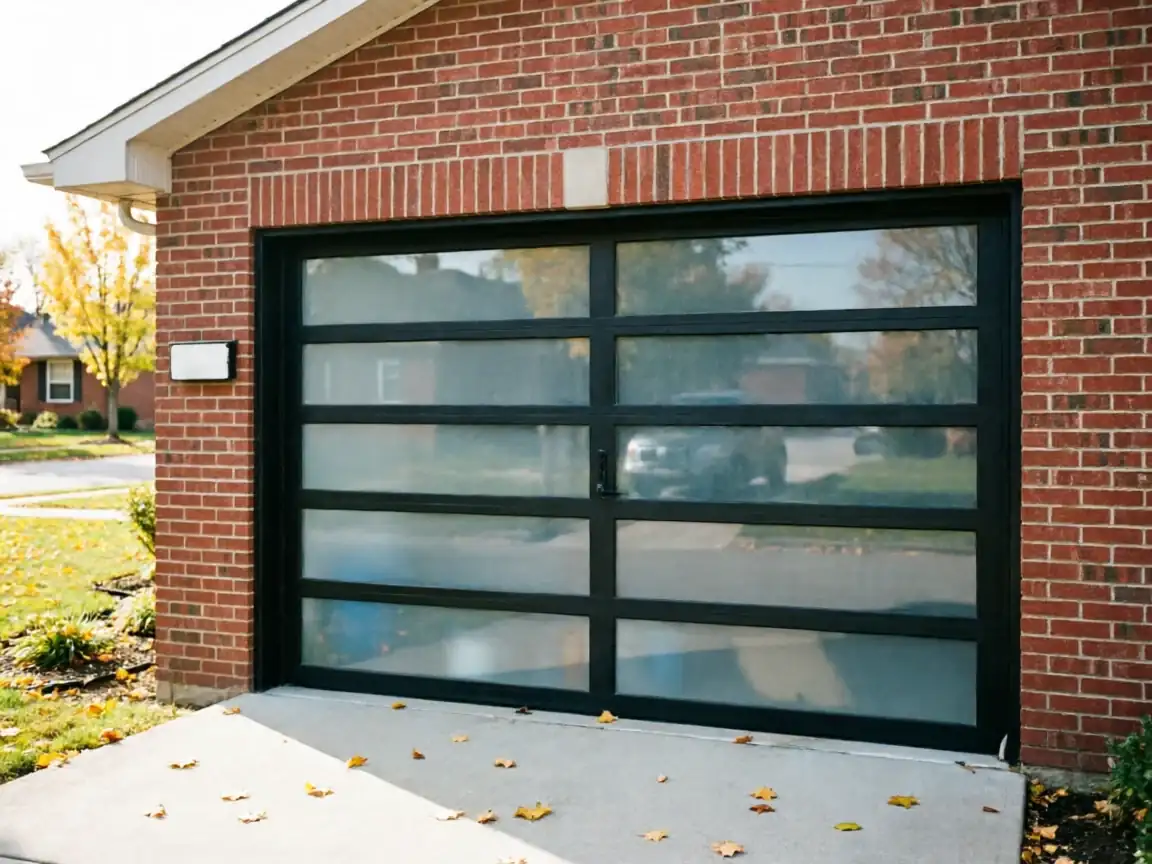
St. Louis Park's doors fail for a different reason than houses built in this area's newer pockets. At a median build year of 1965, most original garage doors and their hardware have been replaced at least once already, often with a size that doesn't match the house's actual framing because someone measured off the old door instead of the opening itself. A severe cold climate band governs the service area, and on 1965-built homes here that means original header framing that predates the thicker insulated doors we install today. Steel jambs from that era also corrode differently than the engineered lumber used in newer construction - rust at the hinge screws is common where wood ones would just split.
St. Louis Park's median household income of $100,250 runs below the wider service area's $112,060, which is one of the reasons we size doors to the actual opening rather than pushing the most expensive panel line. With 24,126 households in town, most on lots platted well before current setback and garage-width conventions, non-standard openings are the rule, not the exception, on this side of our route.
Time on the Job
Travel from Maple Grove adds time before the work even starts - about 12 miles each way, which we build into scheduling rather than promising a same-day fix we can't back up. Custom-sized doors for older framing also carry a longer lead time than an off-the-shelf standard size, since the manufacturer has to build to the measurement rather than pull from stock. That's the honest limitation: if your opening is a true standard size, we can move faster; if it's one of the non-standard ones common in St. Louis Park's older housing, plan for the order lead time on top of the install day itself.
The install itself, once the door's in hand, usually runs a few hours for a single door - longer if the jamb needs squaring or the header has settled out of level, which isn't rare in houses built around 1965. We'd rather tell you the job might run long on an old opening than hand you a number we can't hit.