Can You Do This Yourself
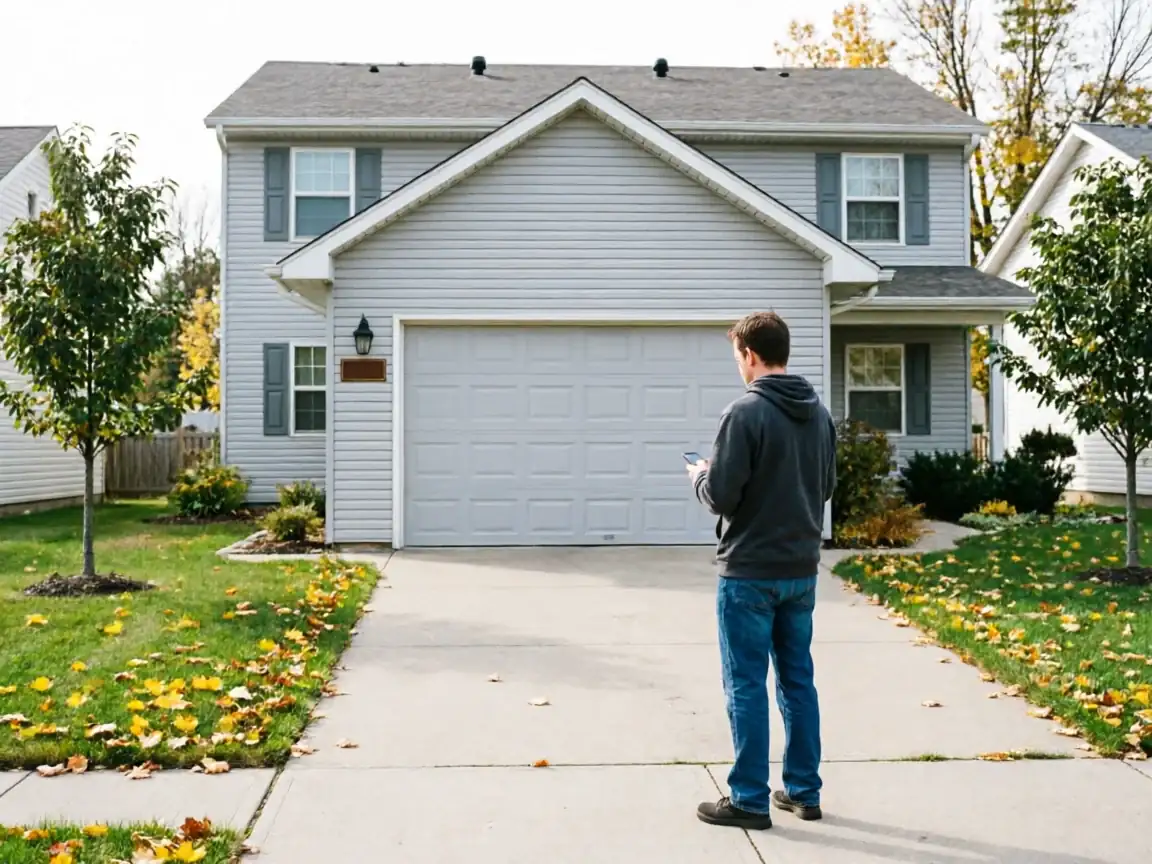
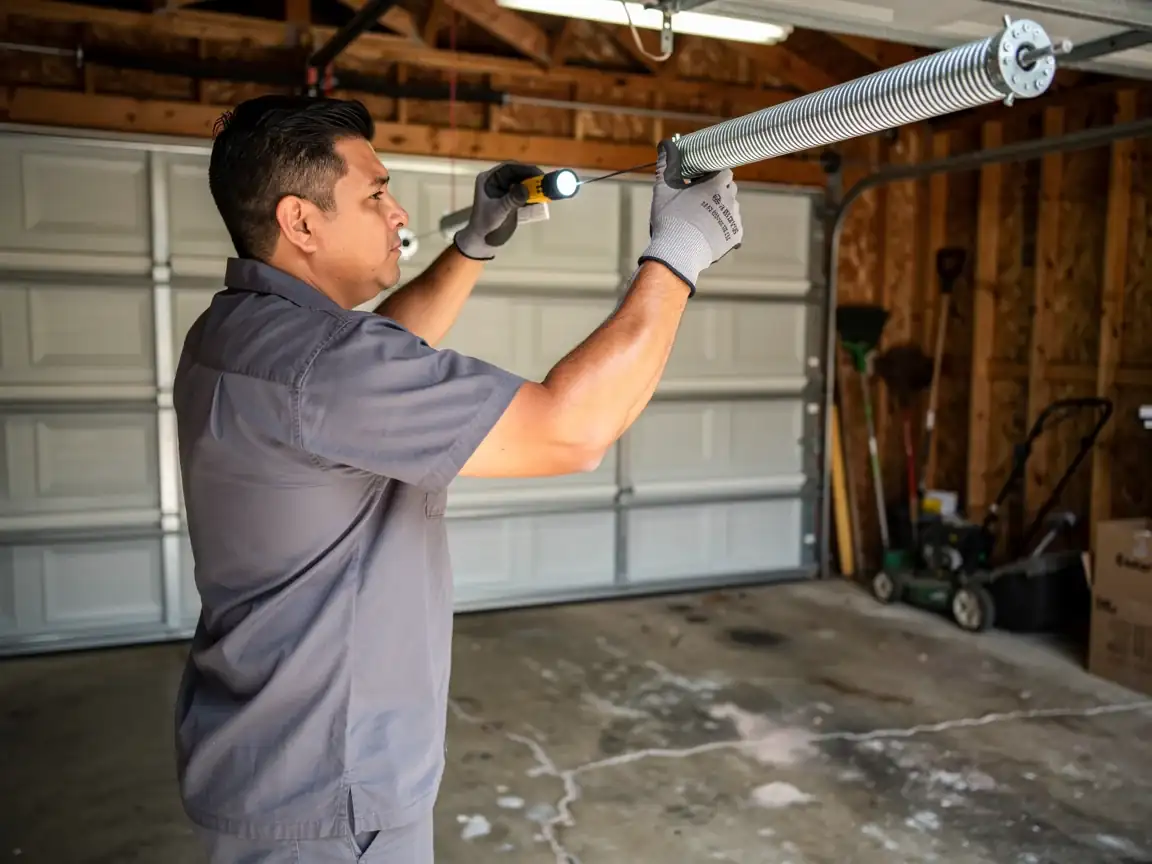
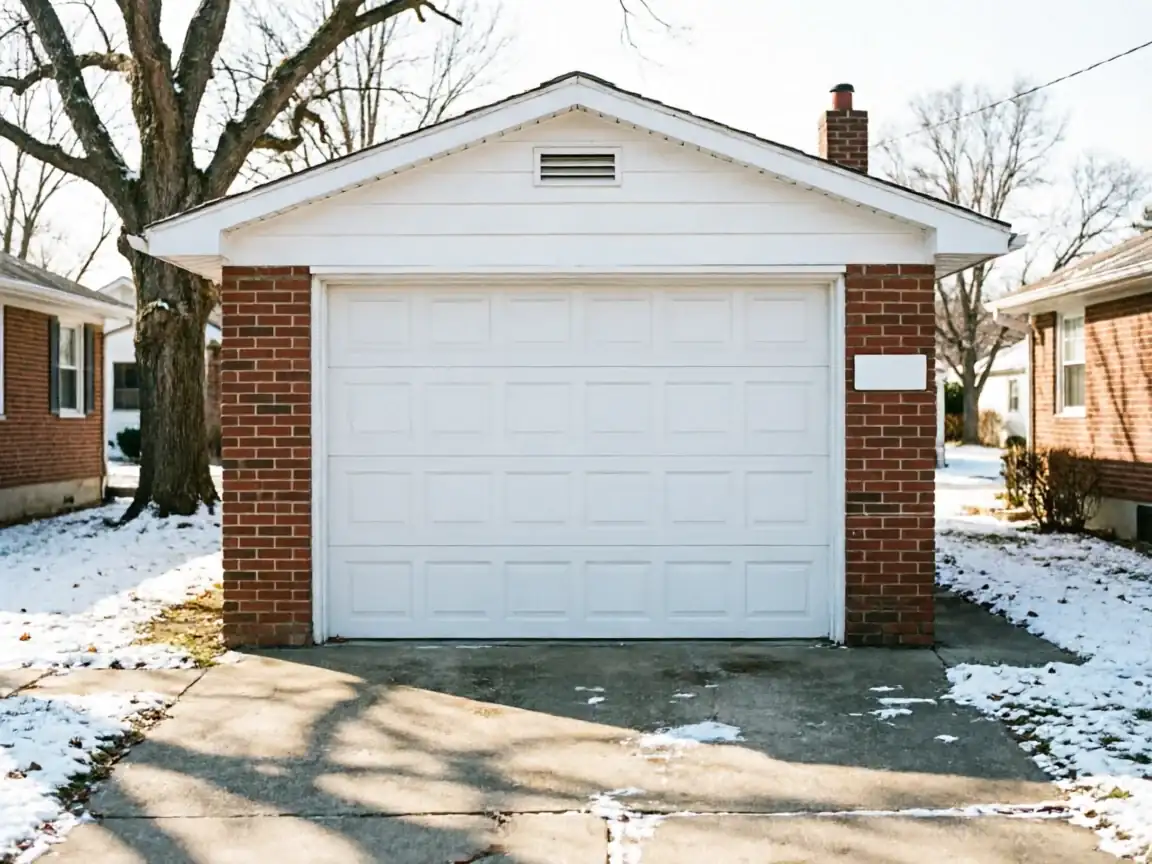
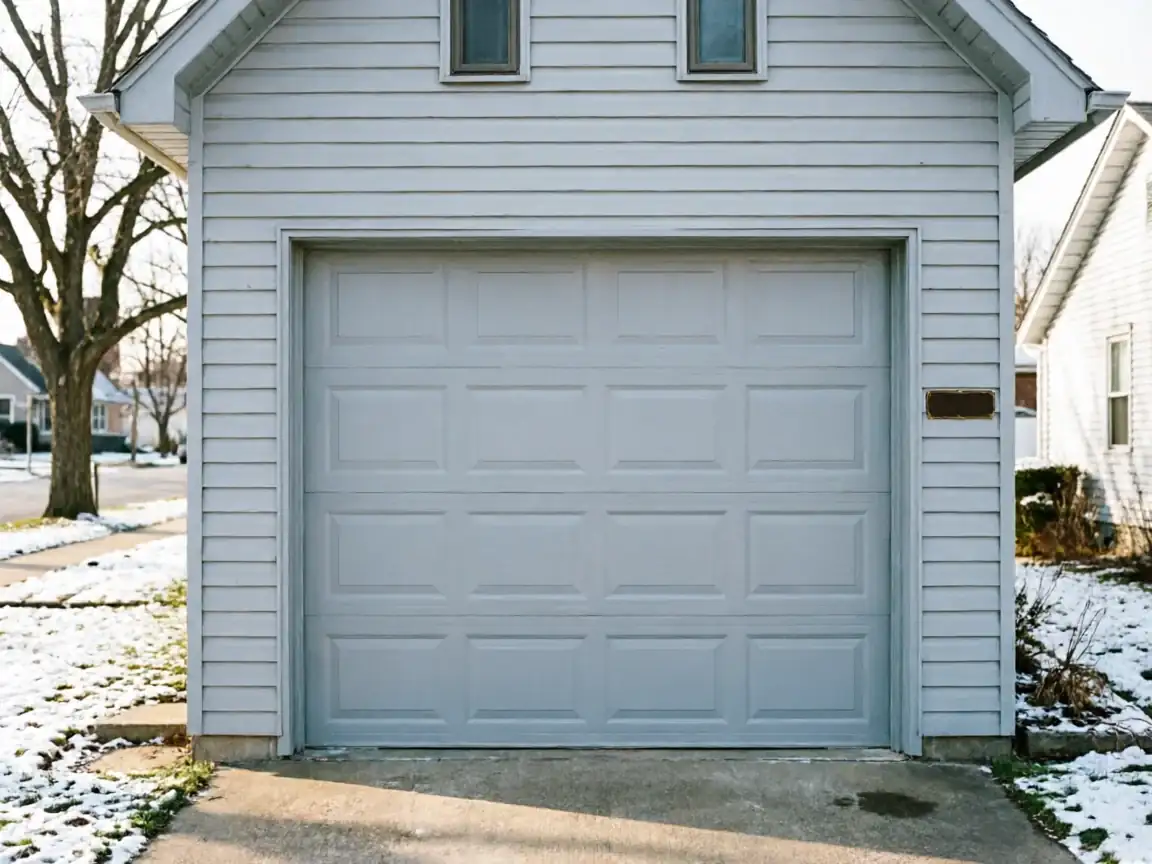
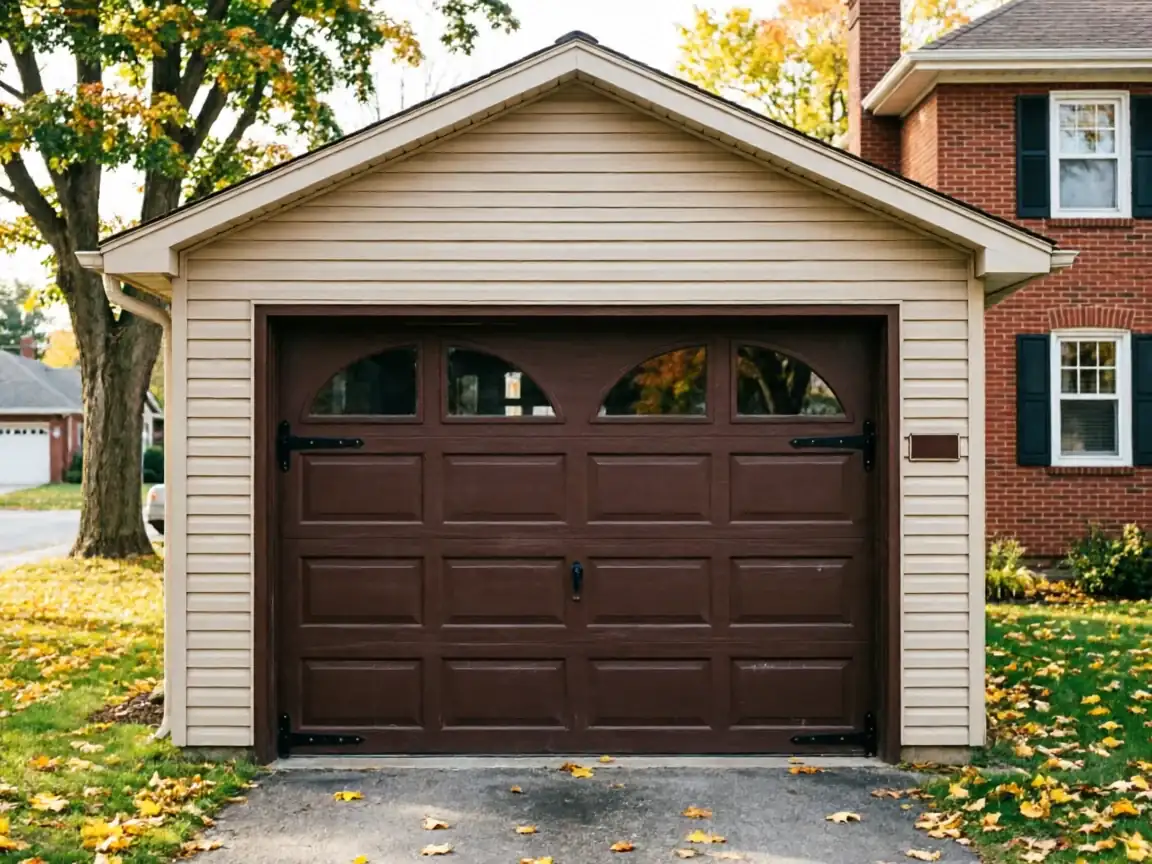
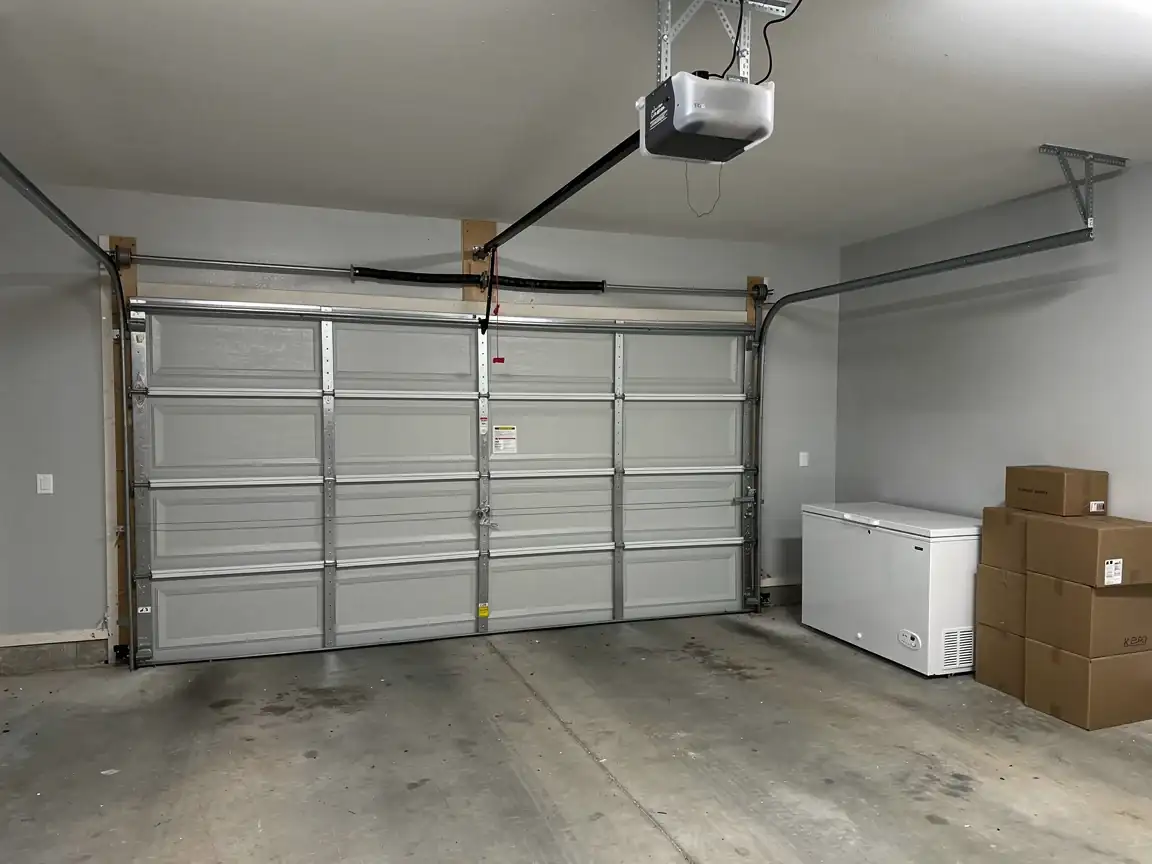
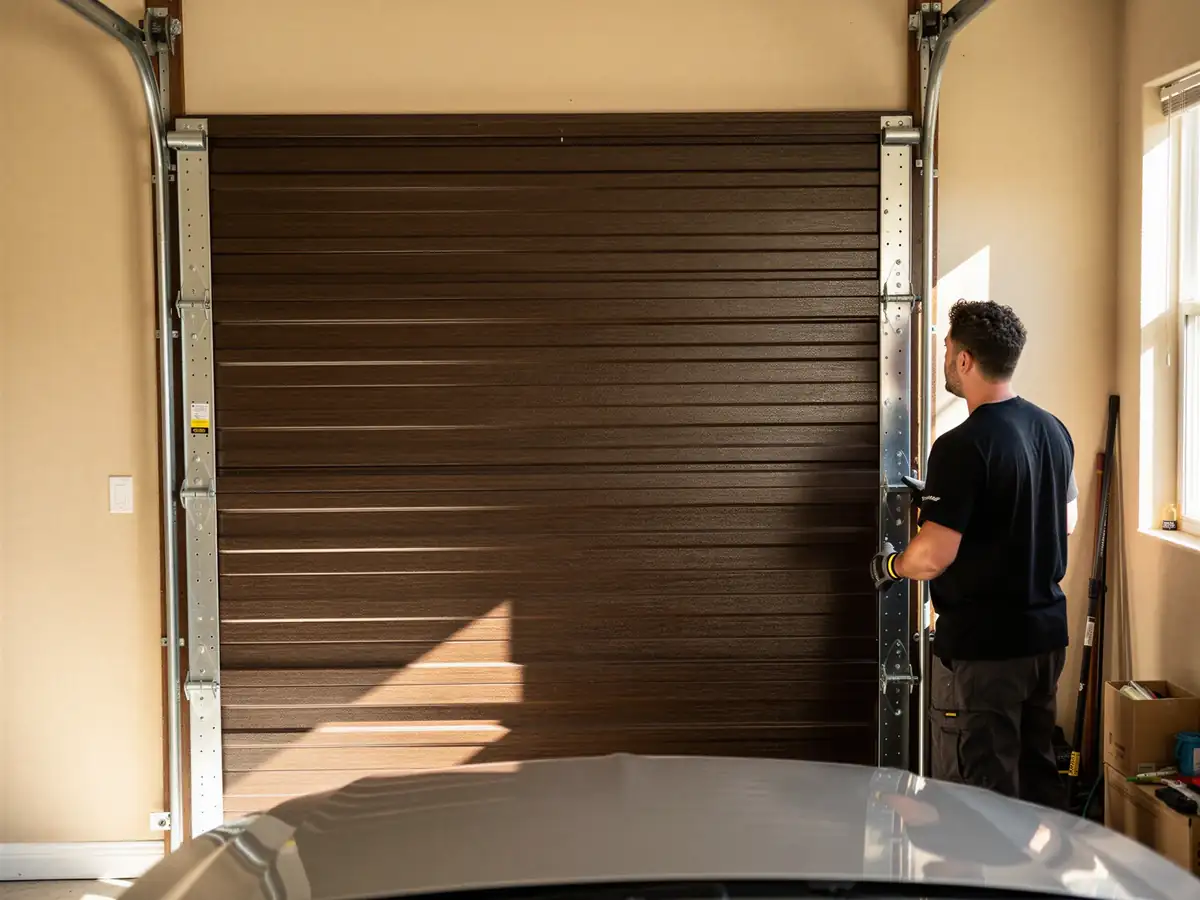
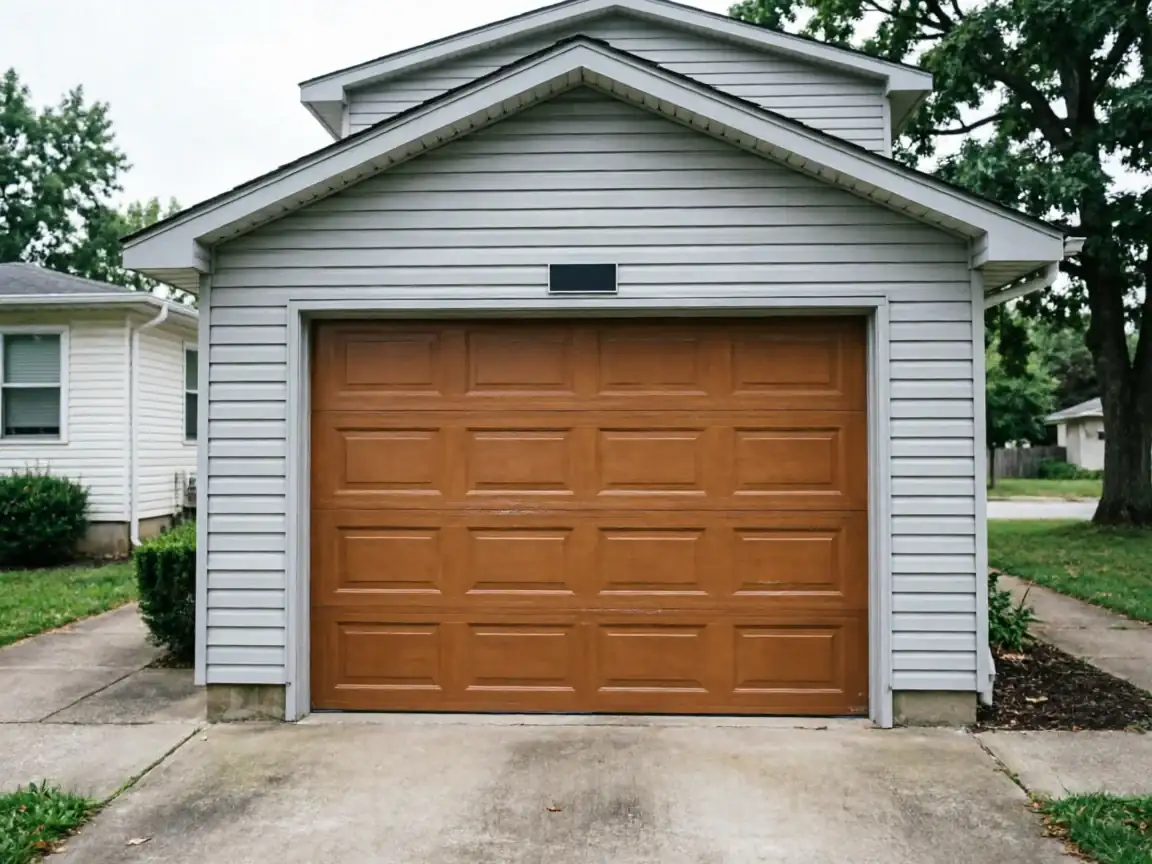
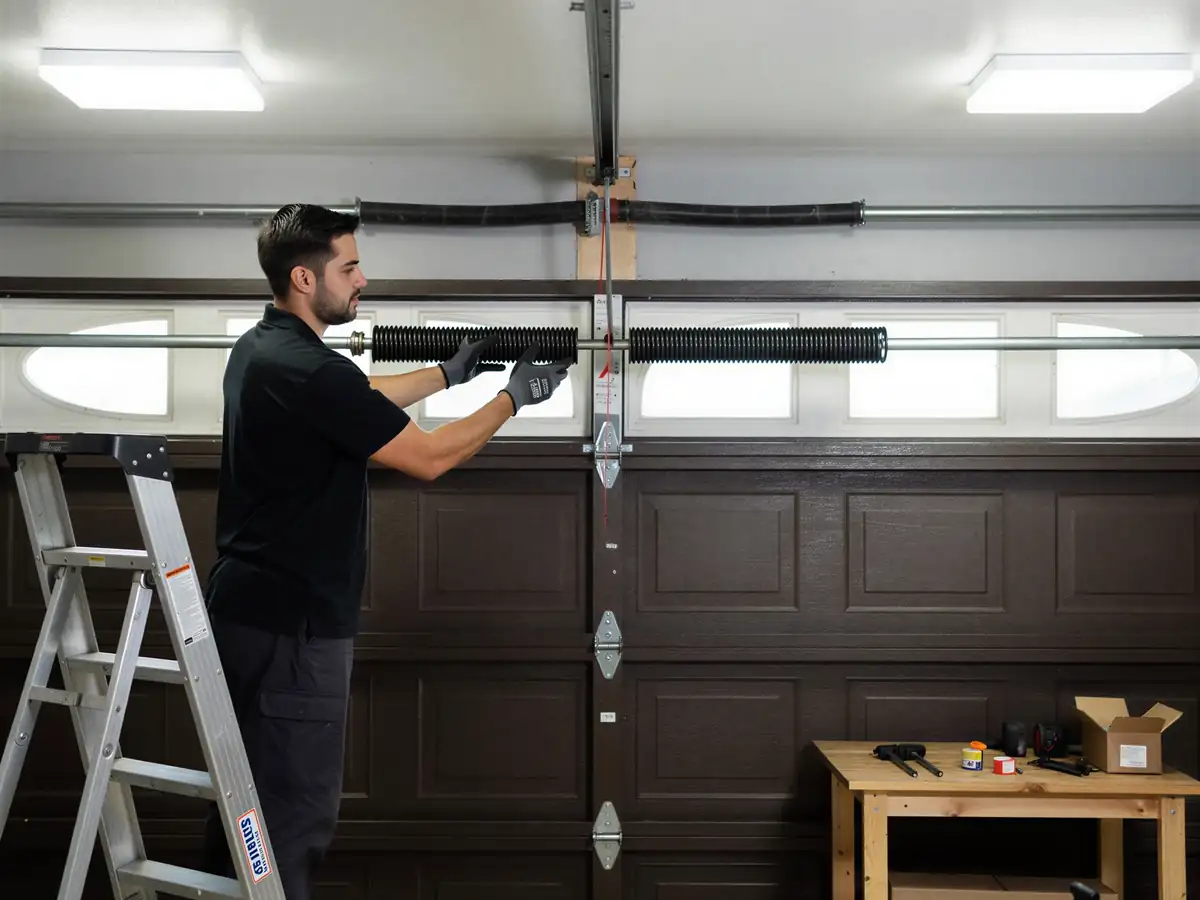
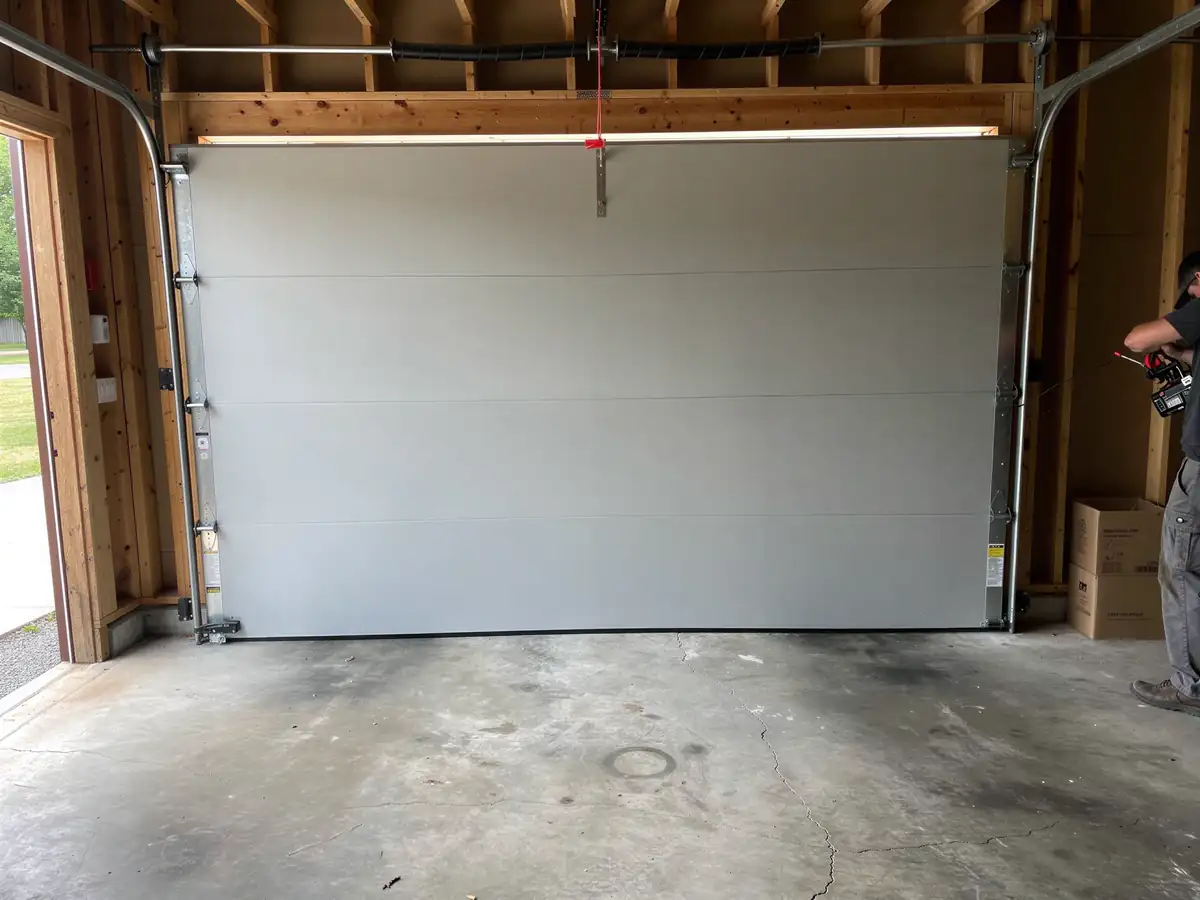
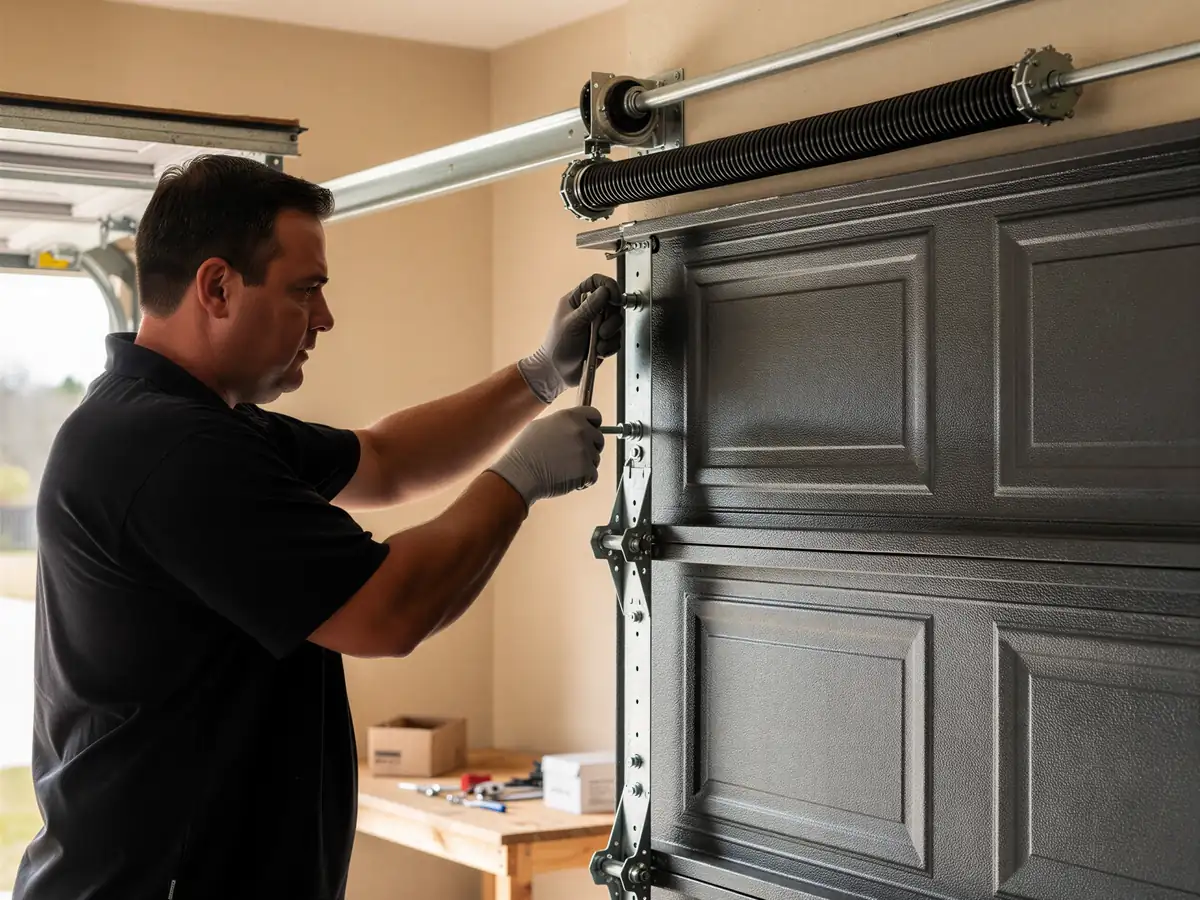
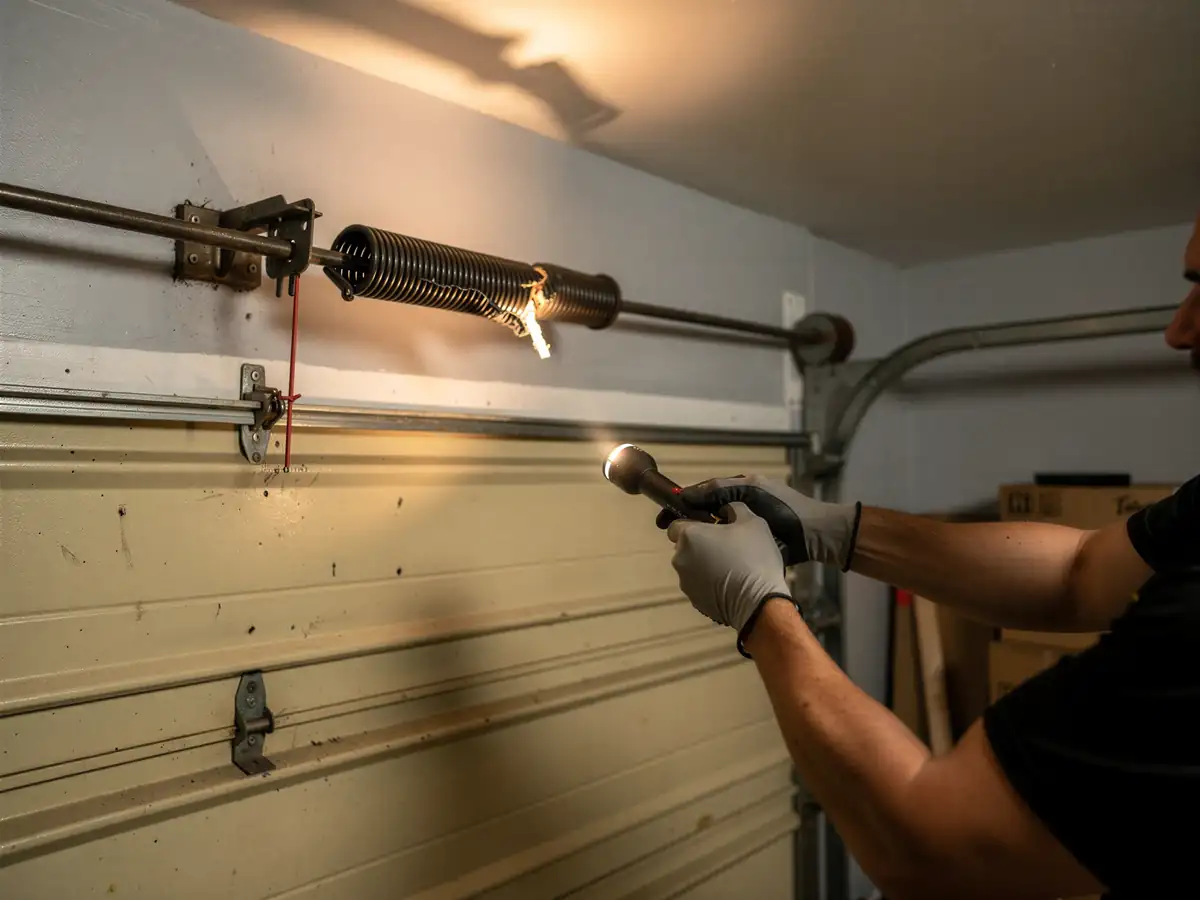
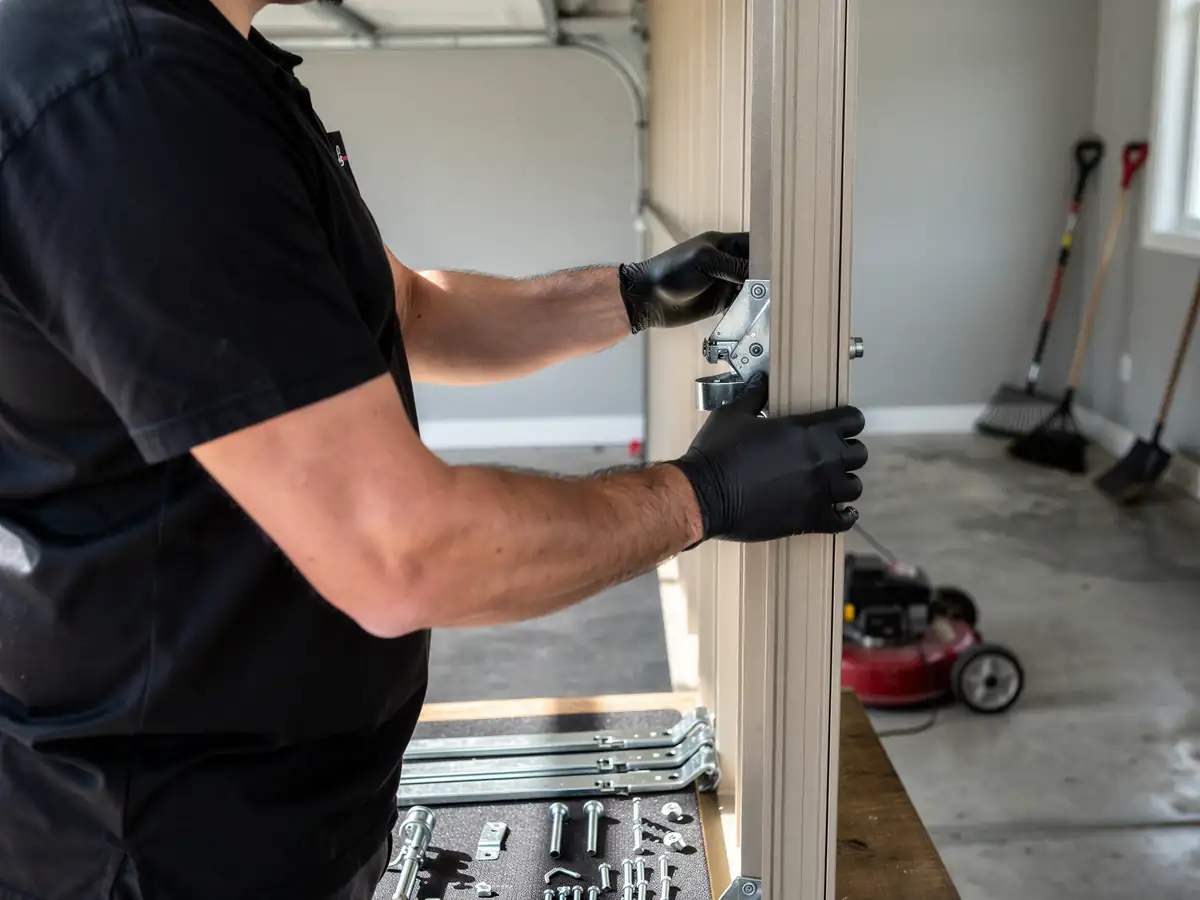
A single dented or rusted-through panel on a sectional door is one of the more doable DIY jobs in this trade, if the door is still made by someone who sells replacement sections. The catch in St. Louis Park: a lot of these garages went up around 1965, well before most of the rest of our coverage area, which runs to a median build year of 1982. Doors from that era were often flush steel sections, narrower than today's standard 24-inch width, and the manufacturer may not exist anymore or may have changed section sizing twice since. You can measure your panel height and width, check for a stamped model number on the end stile, and call around - but if nothing matches, you're not doing a panel swap anymore, you're doing a full door. We'll tell you straight if that's where this is headed before we start billing for parts that don't fit. What you shouldn't do yourself is pull the whole section with the torsion spring still wound - that's not a panel question, that's a safety one.
Why It Happens Here
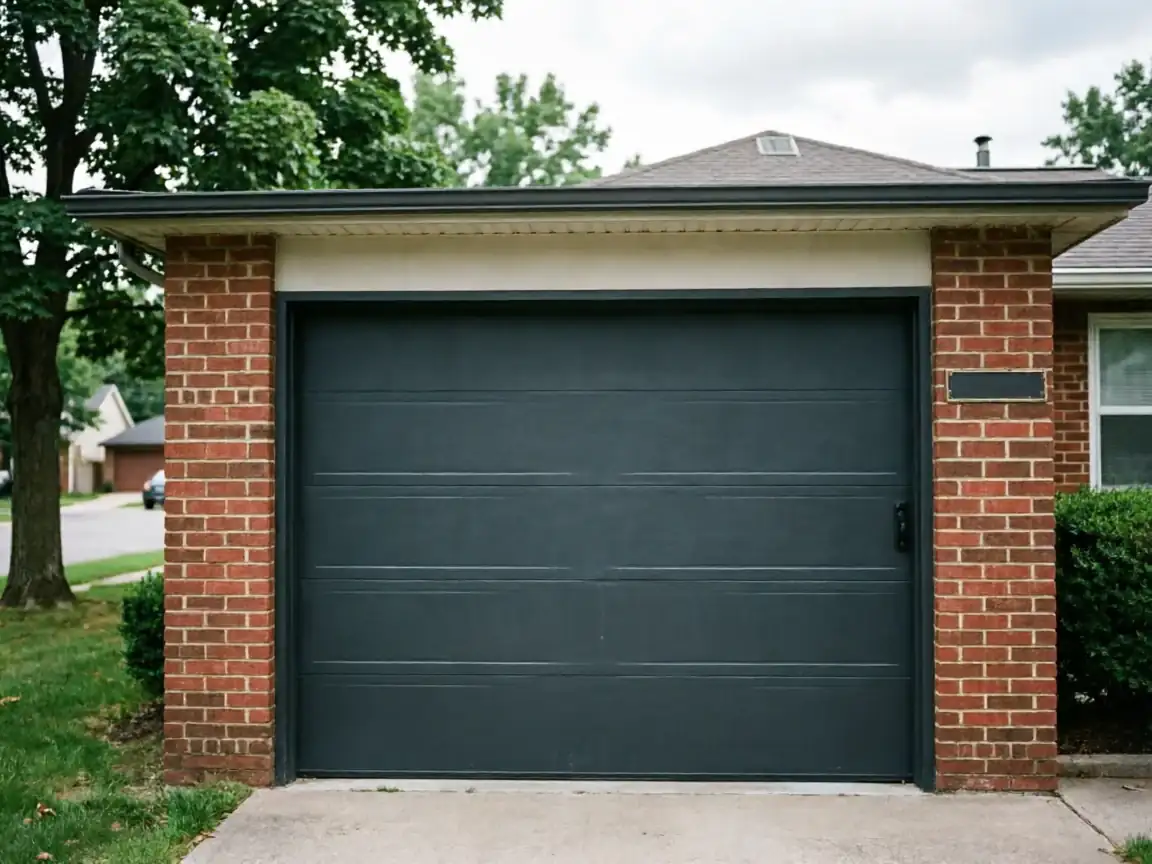
Minnesota's cold is hard on steel, and St. Louis Park's housing stock gives that cold more time to work. With a median build year around 1965, a lot of these panels have been through roughly sixty winters of freeze-thaw cycling, road salt kicked up from driveways, and condensation inside hollow steel sections that were never built with a thermal break. The service area overall sits in a severe cold climate band, but a door built in 1965 was engineered to a lower bar than one built in 1995, let alone today. Rust usually starts at the bottom panel first, where snowmelt sits against the steel, and spreads along seams before it shows as a visible hole. St. Louis Park has about 24,126 households, and across the roughly 290,218 households we cover, the older pockets like this one are where we replace single panels most often rather than whole doors - the frames and hardware are often still sound even when one section has given out.
Time on the Job
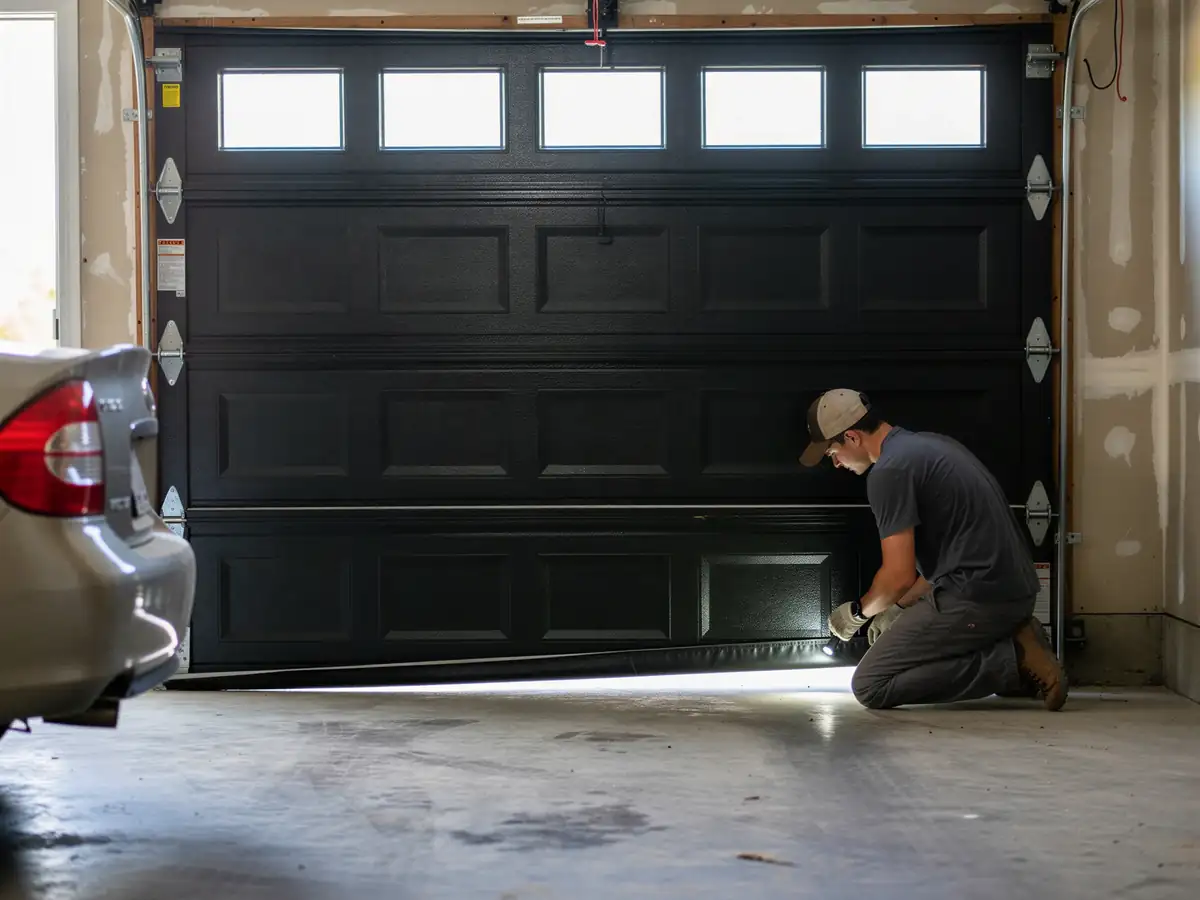
A straightforward single-panel swap, where the part matches and the opener and track don't need touching, usually runs under an hour once we're on site. We're coming from Maple Grove, about 12 miles out, so factor drive time into when you can expect us rather than how long the repair itself takes. Jobs run longer when we're matching an obsolete 1960s section, since that sometimes means sourcing from a supplier rather than pulling off a shelf, and we won't install a section that's close enough to look right but wrong enough to throw off the door's balance. With a median household income of $100,250 in St. Louis Park, a bit under the $112,060 median across our full coverage area, we try to be upfront early about whether a panel repair is the economical move or whether, on an older door, replacement sections will cost more over time than just replacing the unit.