Can You Do This Yourself
St. Louis Park's median household income sits at $100,250 - solid, but a notch below this service area's overall median of $112,060. That number matters more than people think when a garage door starts acting up, because it sets where the repair-or-replace line actually falls. A new torsion spring, a cracked roller, or a bent track hinge job is almost always worth fixing on a house this age. A full door and opener replacement is a bigger call, and at this income level most owners want a straight answer on whether a repair will hold for another decade or just buy six months.
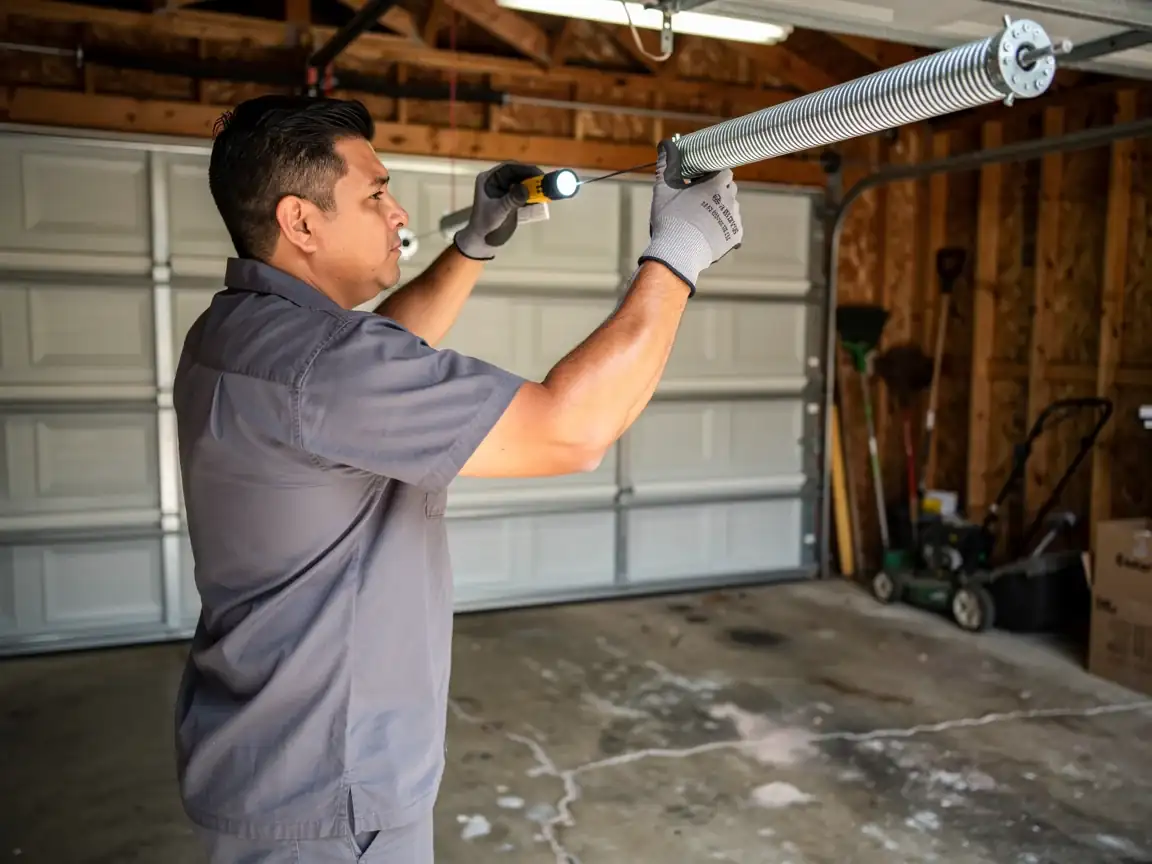
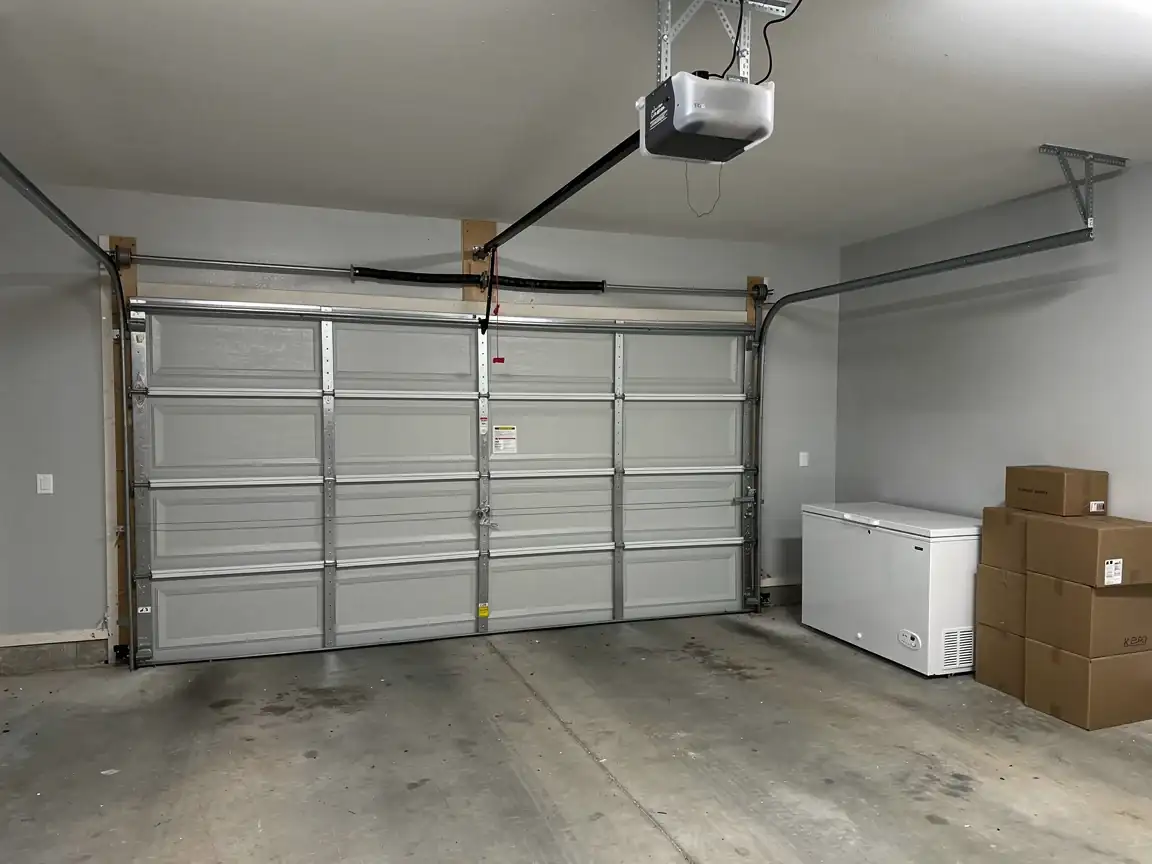
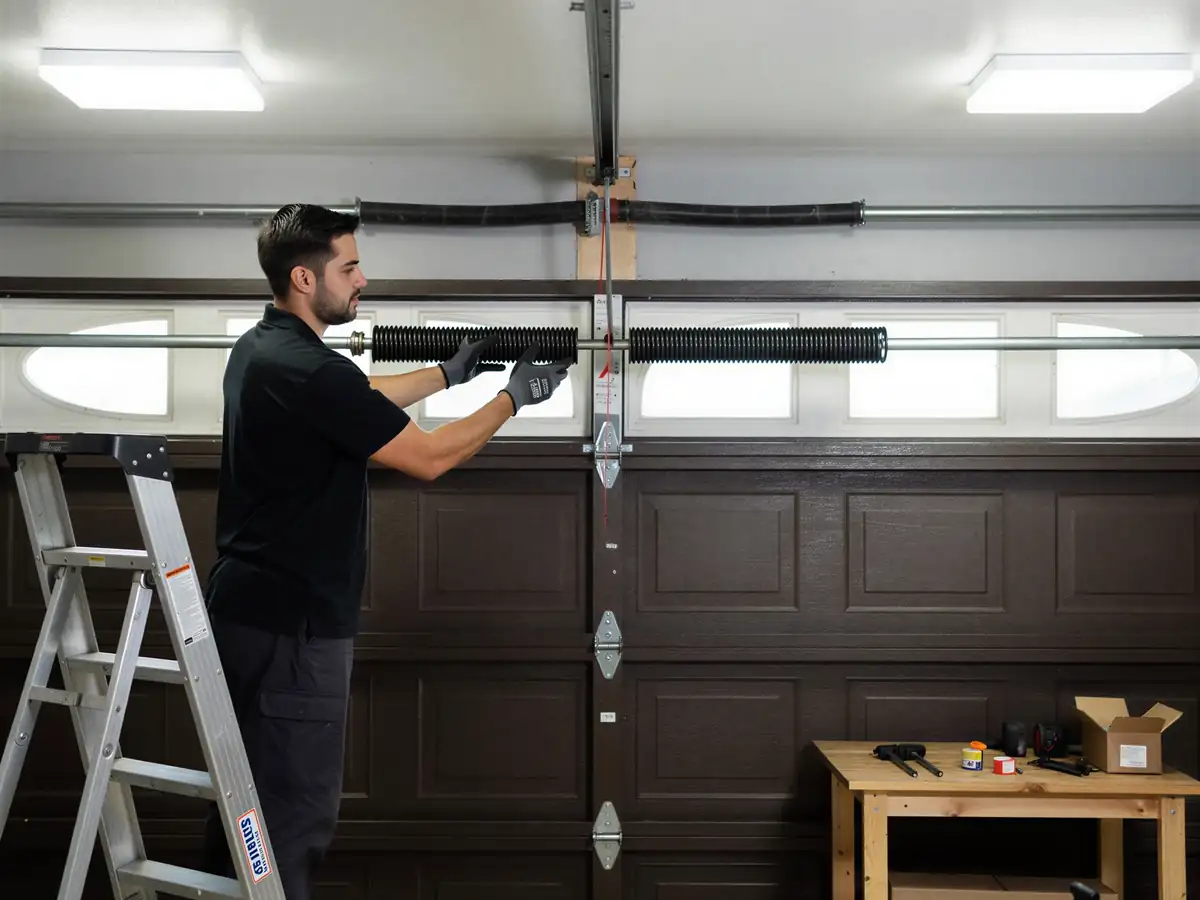
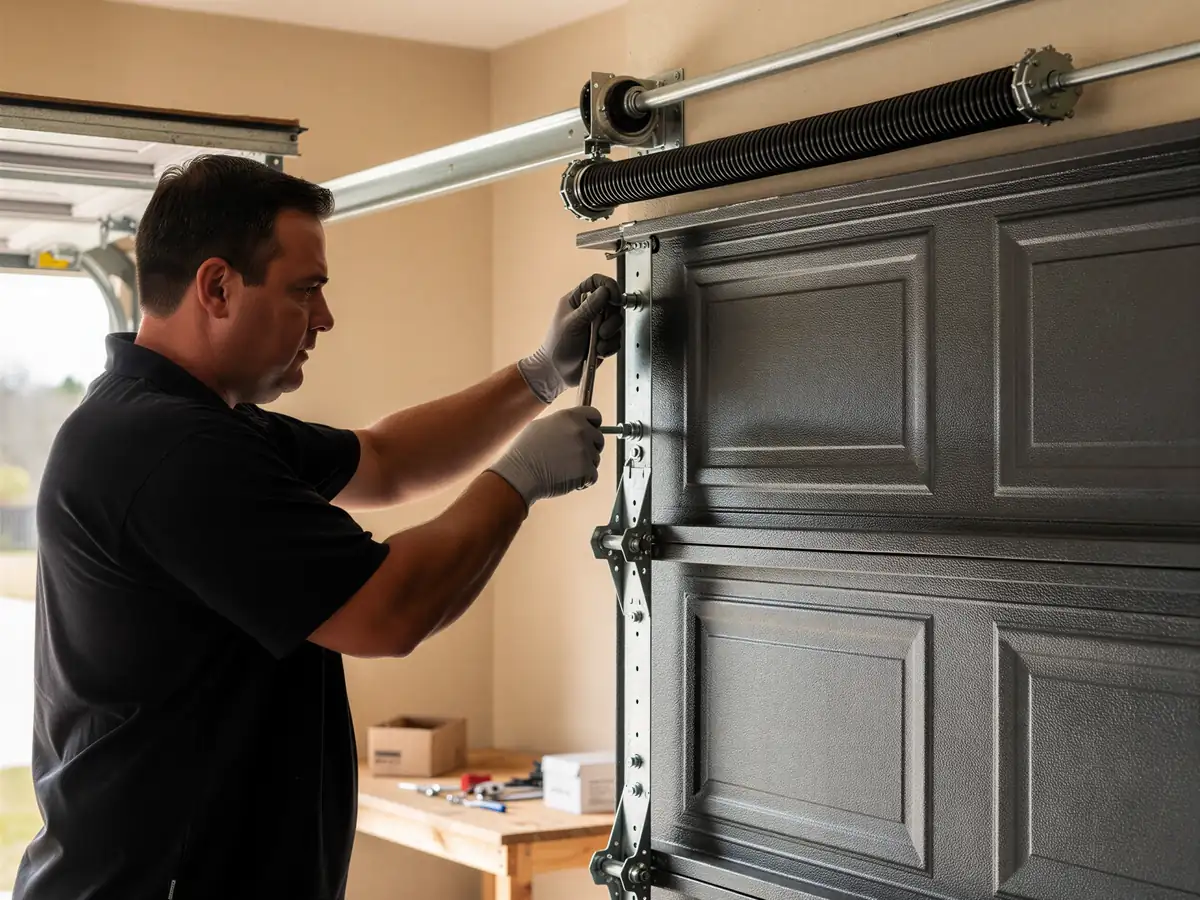
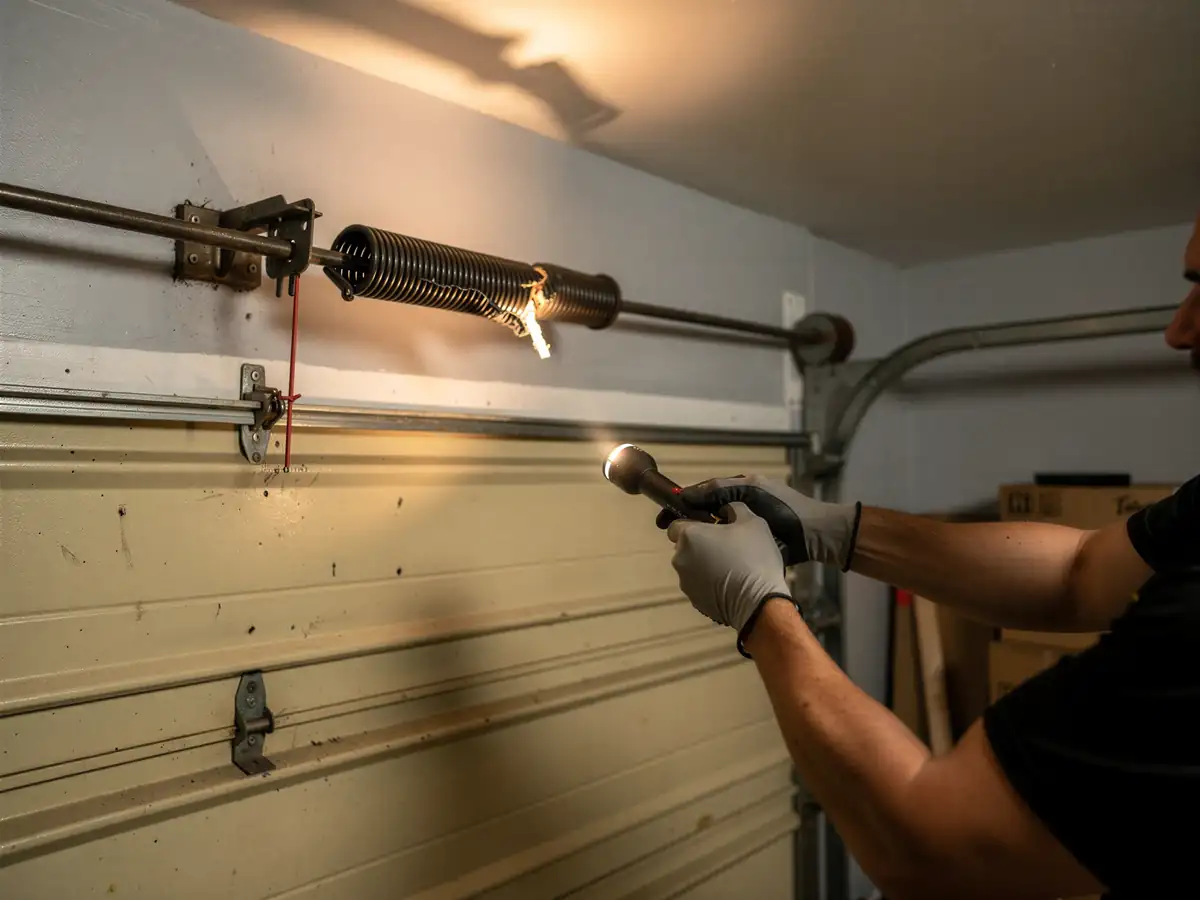
Some of this you can do yourself. Lubricating hinges and rollers, tightening loose bolts on the track brackets, and testing the auto-reverse safety feature are all reasonable DIY jobs. What isn't: touching a wound torsion spring. These hold enough tension to break a wrist or worse, and on a door this age the spring and the cable drums are often original or close to it, which means the hardware underneath has had sixty years to wear unevenly. If the door is binding, slamming, or the spring has already let go, that's a call-a-pro job, not a weekend project.
How We Fix It
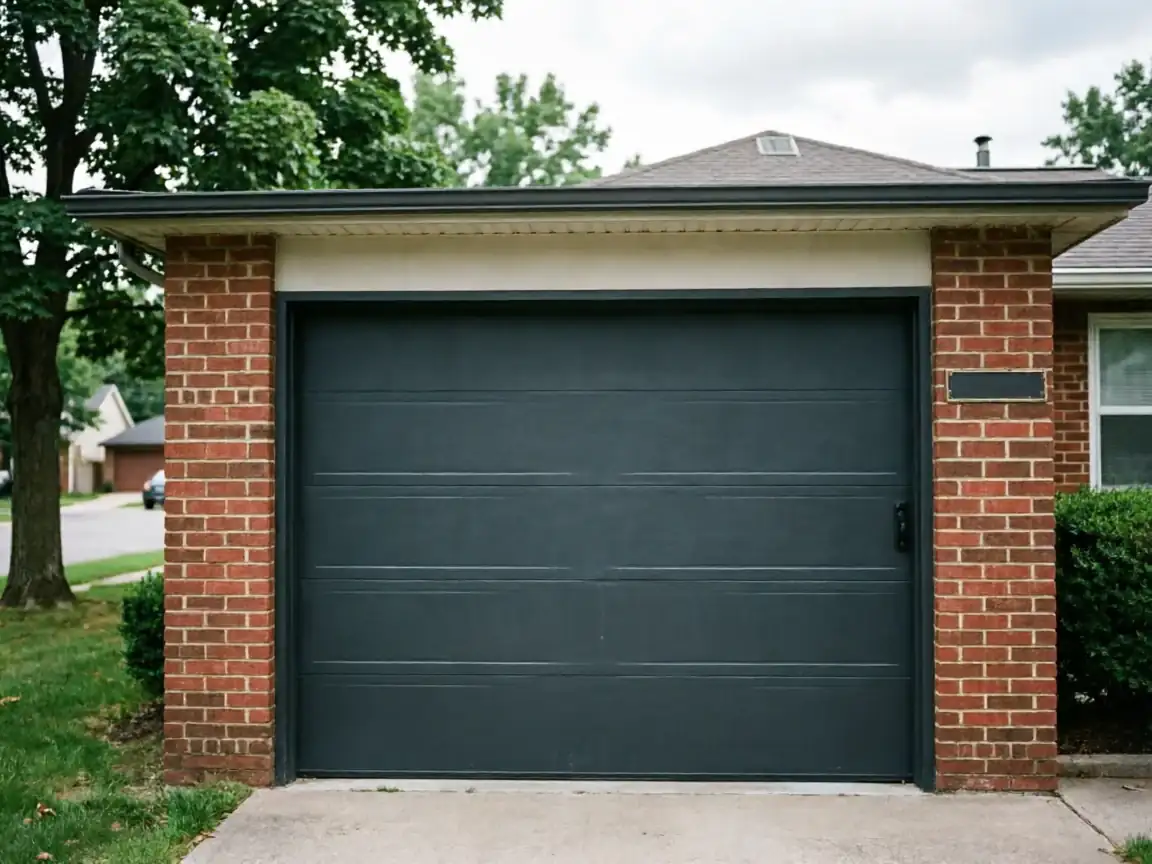
A house built around 1965 usually means a door from an earlier hardware generation than what you'll find on newer construction elsewhere in the area
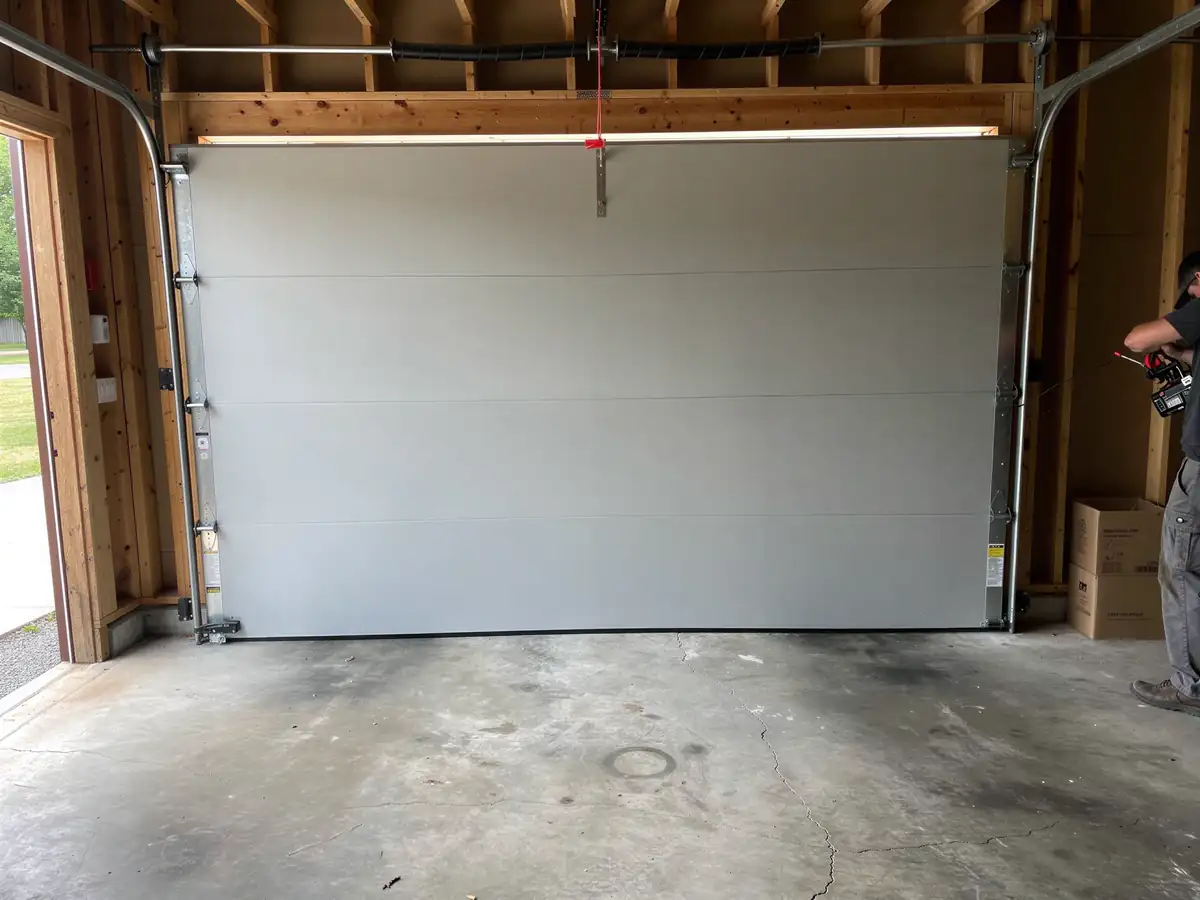
We see extension springs mounted along the horizontal tracks instead of torsion springs over the header, thinner steel panels without much insulation, and openers that have been swapped out once or twice already while the door and track stayed original. None of that is a guess - it's what houses from that build era carry, because the door typically outlives the first opener by decades.
We travel the 12 miles from Maple Grove with the parts that actually fit this kind of setup
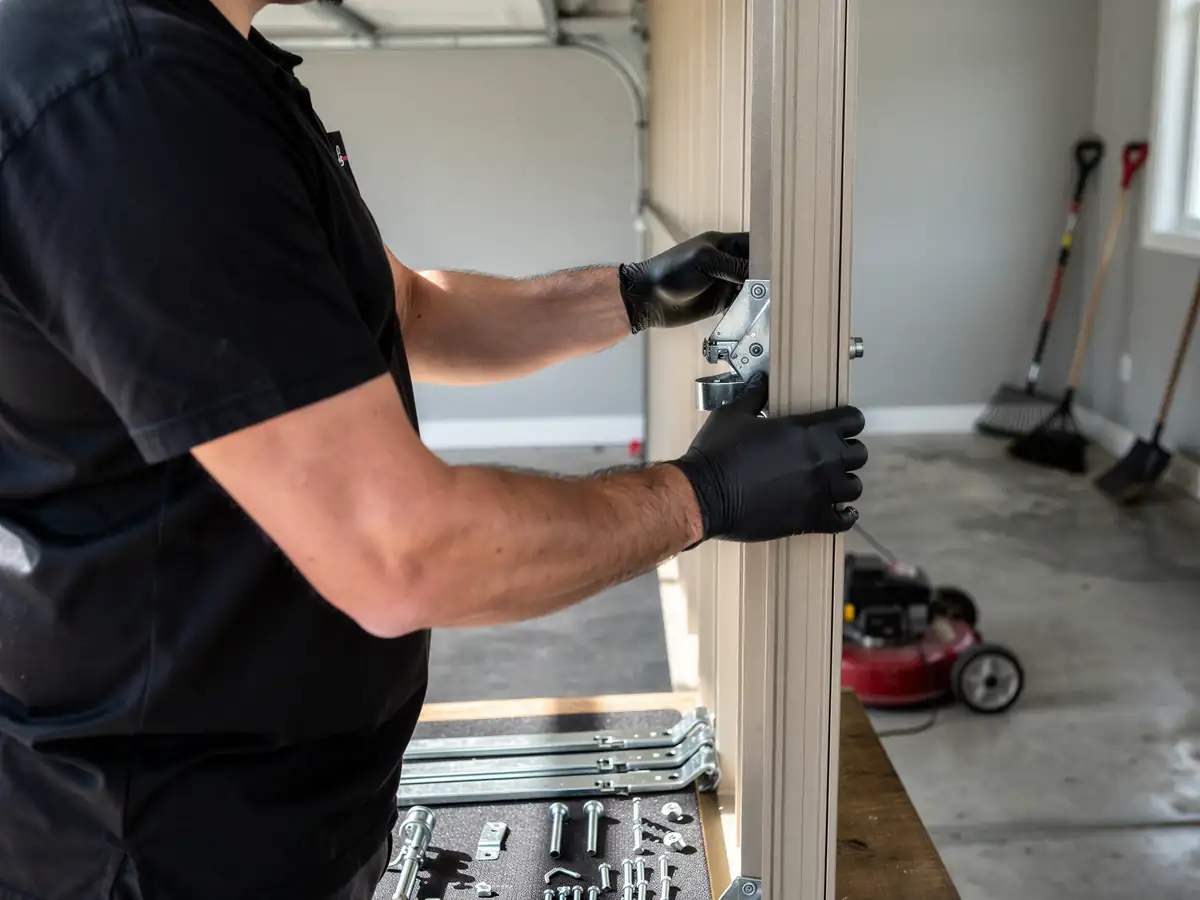
Extension spring sets sized to the door weight, replacement cable drums, and steel panel sections matched to older panel profiles rather than current ones. Where the original panel style isn't available anymore - and on a door this old, it sometimes isn't - we'll tell you straight that a full panel swap means a full door, not a patch. We'd rather say that up front than order a part that won't match and have you waiting on a second trip.
- 12 miles
Why It Happens Here
Minnesota sits in a severe cold climate band, and a door installed in St. Louis Park around 1965 has gone through close to sixty winters of freeze-thaw cycling on its original tracks and hardware. Steel contracts in the cold, grease stiffens, and extension springs lose tension faster than torsion springs do under repeated temperature swings - that's a big part of why extension-spring doors from this era tend to fail earlier and more often than newer torsion setups.
Across St. Louis Park's roughly 24,126 households, a good share of the garage doors are original to homes built in the 1960s, which puts them well ahead of the newer stock found closer to Maple Grove itself. Rollers that were fine for the first thirty years start binding in the track once the steel has warped slightly from decades of winter contraction. Openers get replaced on their own schedule, but the track and spring hardware behind them often doesn't get a second look until it fails outright - usually on a sub-zero morning when the spring finally gives.
Time on the Job
We're honest about one thing up front: we run out of Maple Grove, not St. Louis Park, so there's a 12-mile drive built into every visit here. We don't have a branch or a depot in town, and we're not going to pretend otherwise with a promise about response time we can't back up.
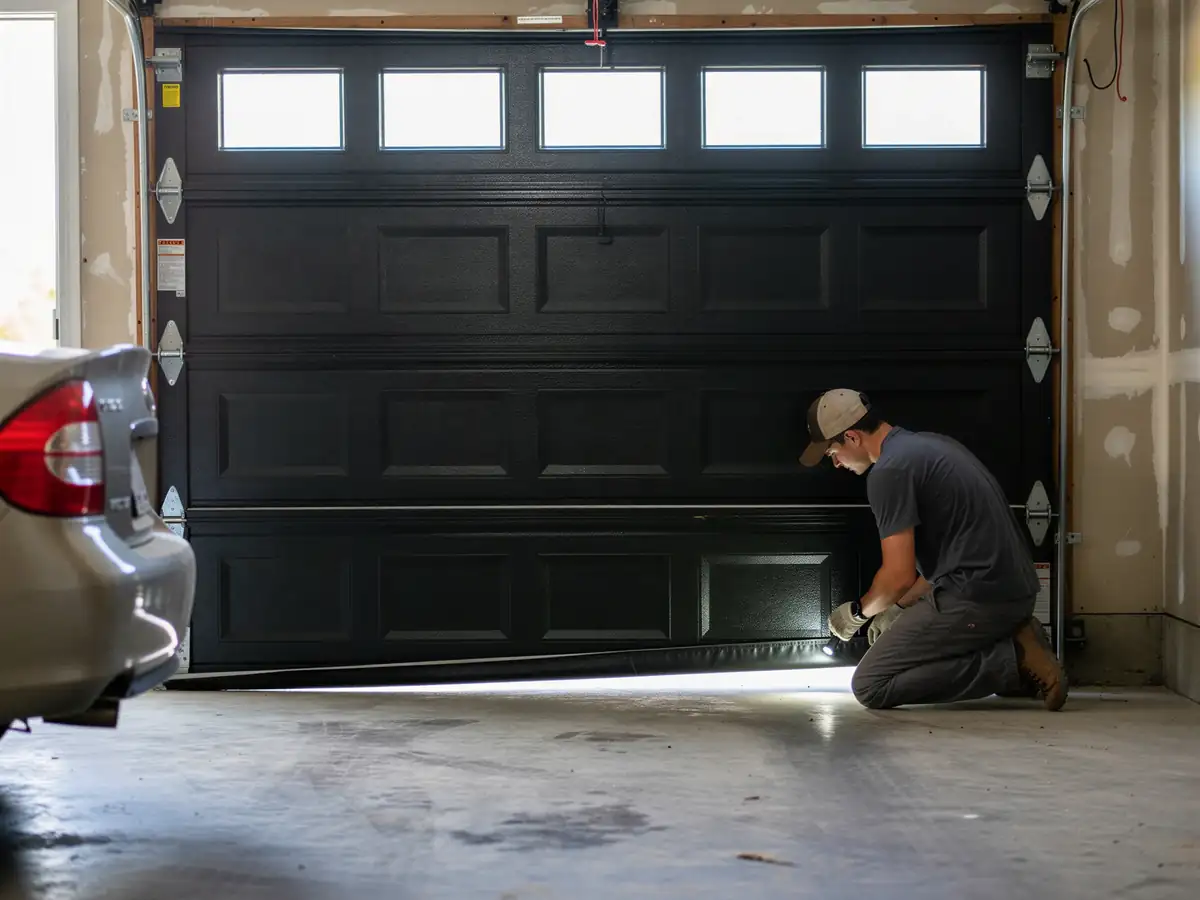
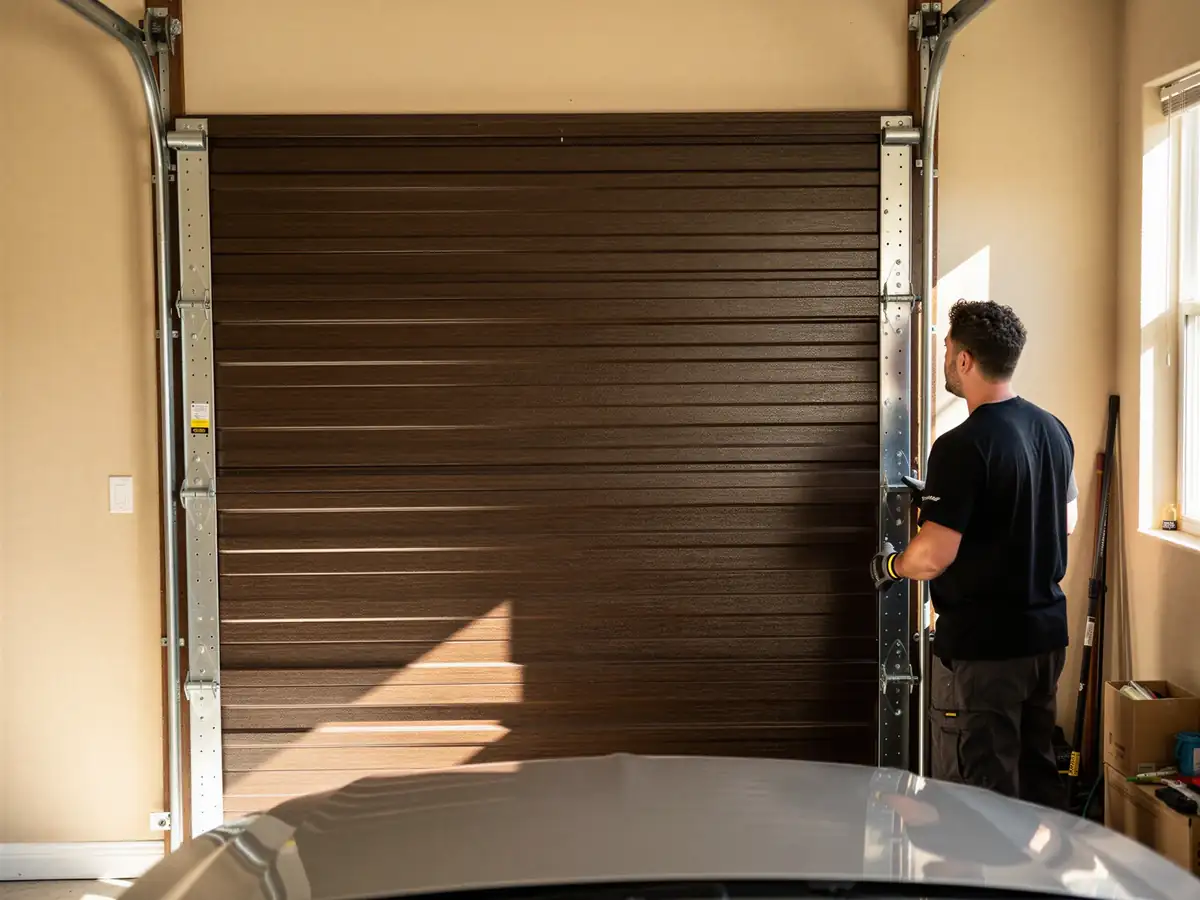
Once we're on site, a standard spring or roller job on a door this age usually runs the length of a normal service call. Where it can run longer is parts - if your door needs an original-style panel section that isn't stocked on the truck, that's an order-in part, and we'll tell you the lead time instead of guessing. Doors from the 1965 era sometimes need a track realignment on top of whatever brought us out, because six decades of settling and freeze-thaw can shift the opening slightly from square. We check for that on every call rather than assuming the original fault is the only one.