Time on the Job
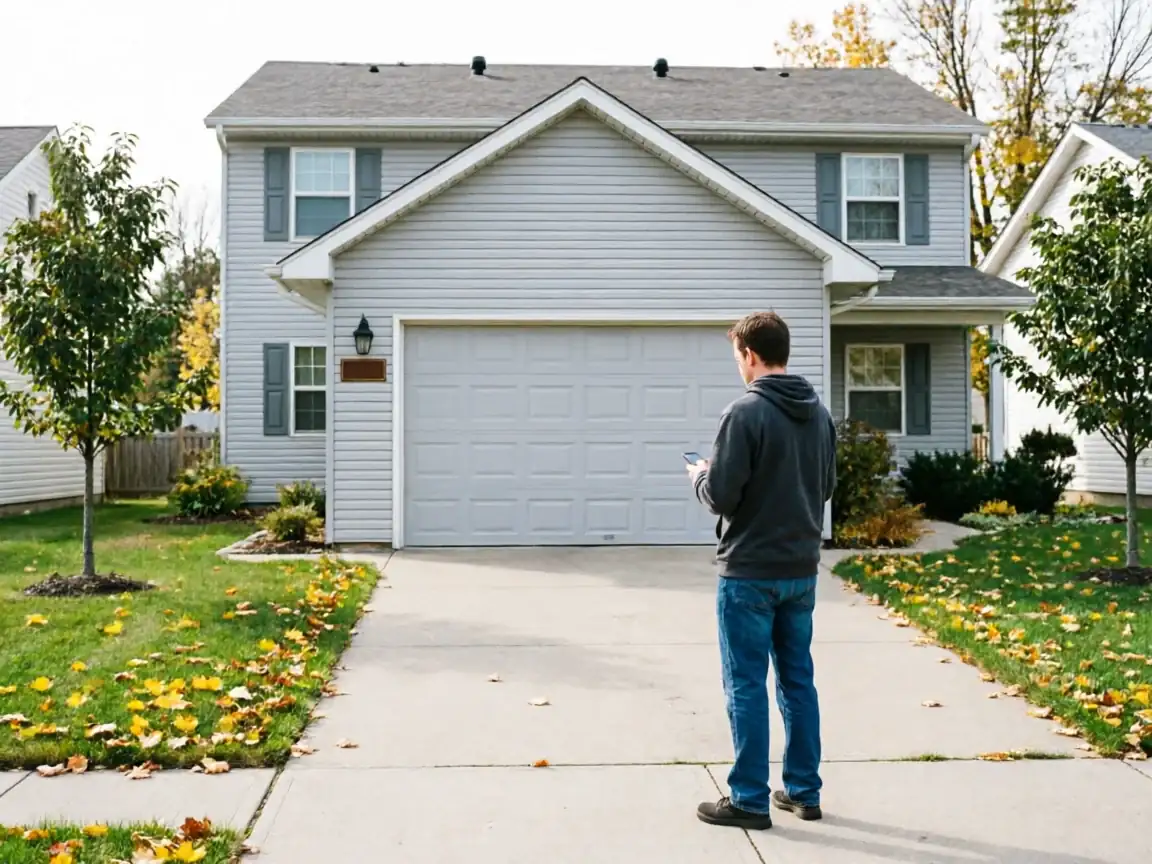
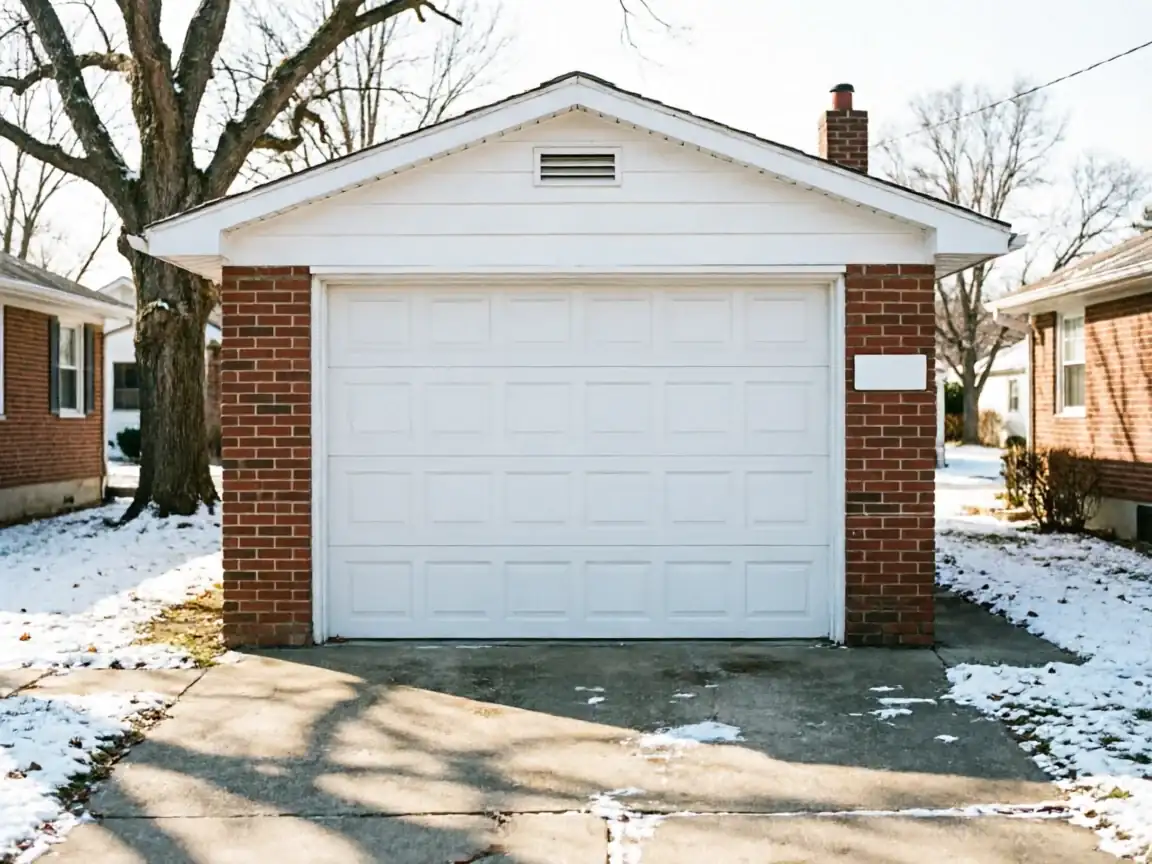
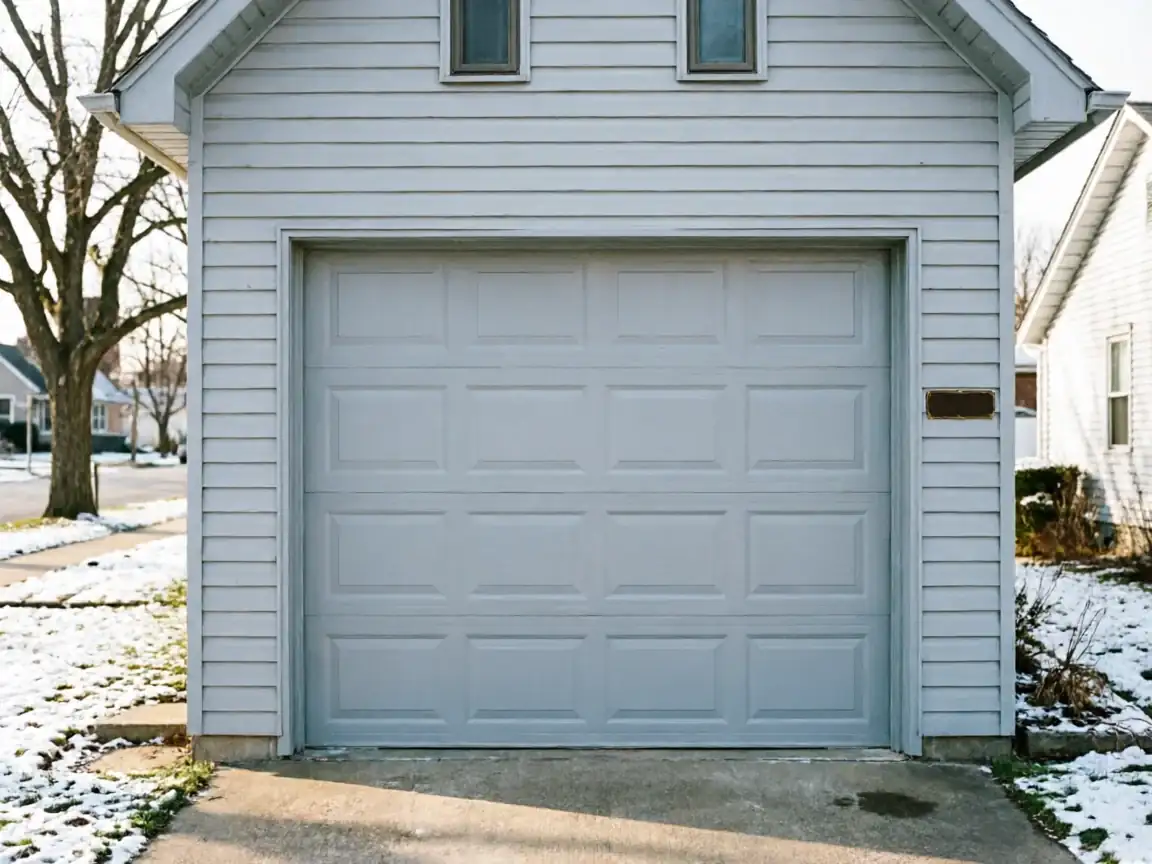
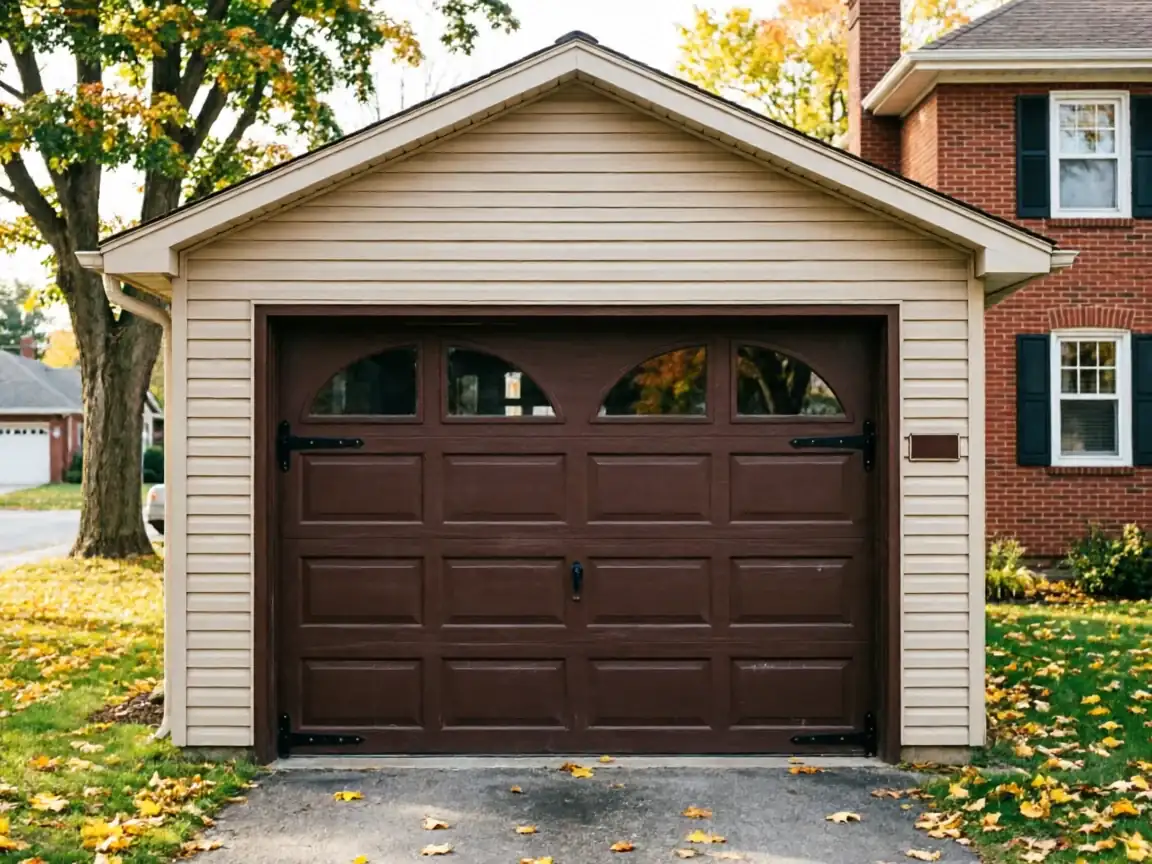
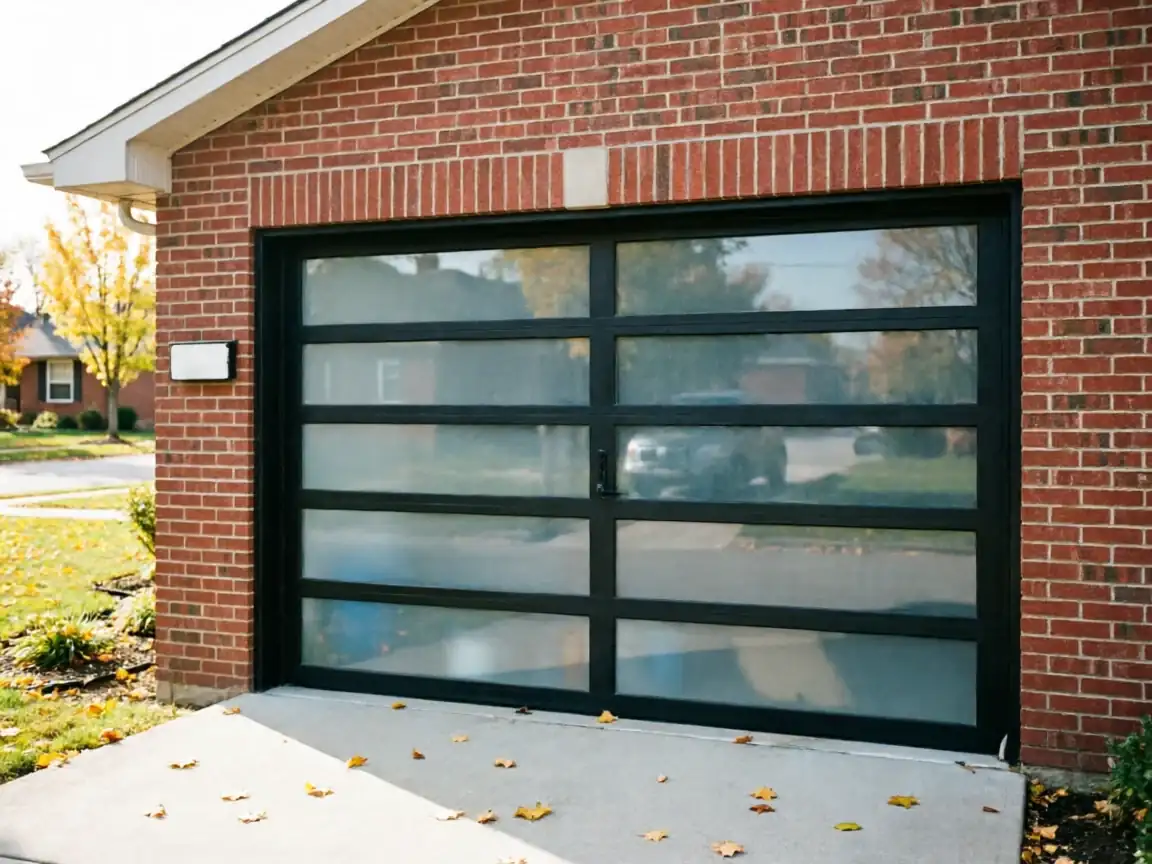
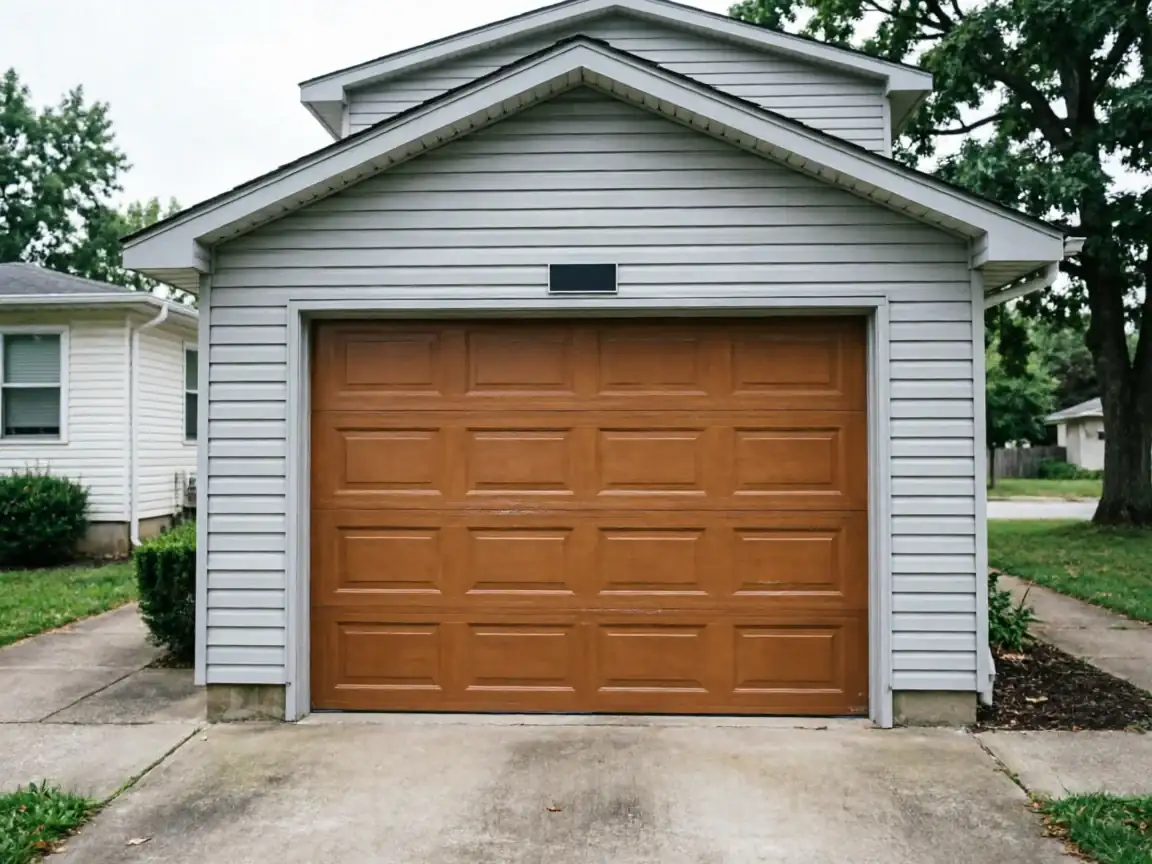
Most houses in Corcoran went up around 1984, which puts them right in the middle of the torsion-spring conversion era - old enough that the original springs are due for failure, young enough that the tracks underneath are usually still steel and square rather than the odd shapes you find on much older stock. Across the wider area the housing runs 1957 to 2007, but Corcoran sits close to that 1980s-90s band that makes up most of the 57 communities we cover. That matters for a service call: a spring snapping on a door this age is almost always a torsion spring that's simply worn out from cycle count, not a design problem. At $143,250, the median household income here runs well above the $112,060 average across the wider service area, and we see that show up in the calls - more owners opting to swap a tired chain-drive opener for a belt-drive unit instead of nursing the old one along. Winters in this part of Minnesota sit at the severe end of the cold-climate band, and cold is hard on original hardware: stiff grease, brittle plastic idler pulleys, and springs that lose tension faster than they would in a mild climate. A door that's limped through thirty-some winters is usually close to its last one.
How We Fix It
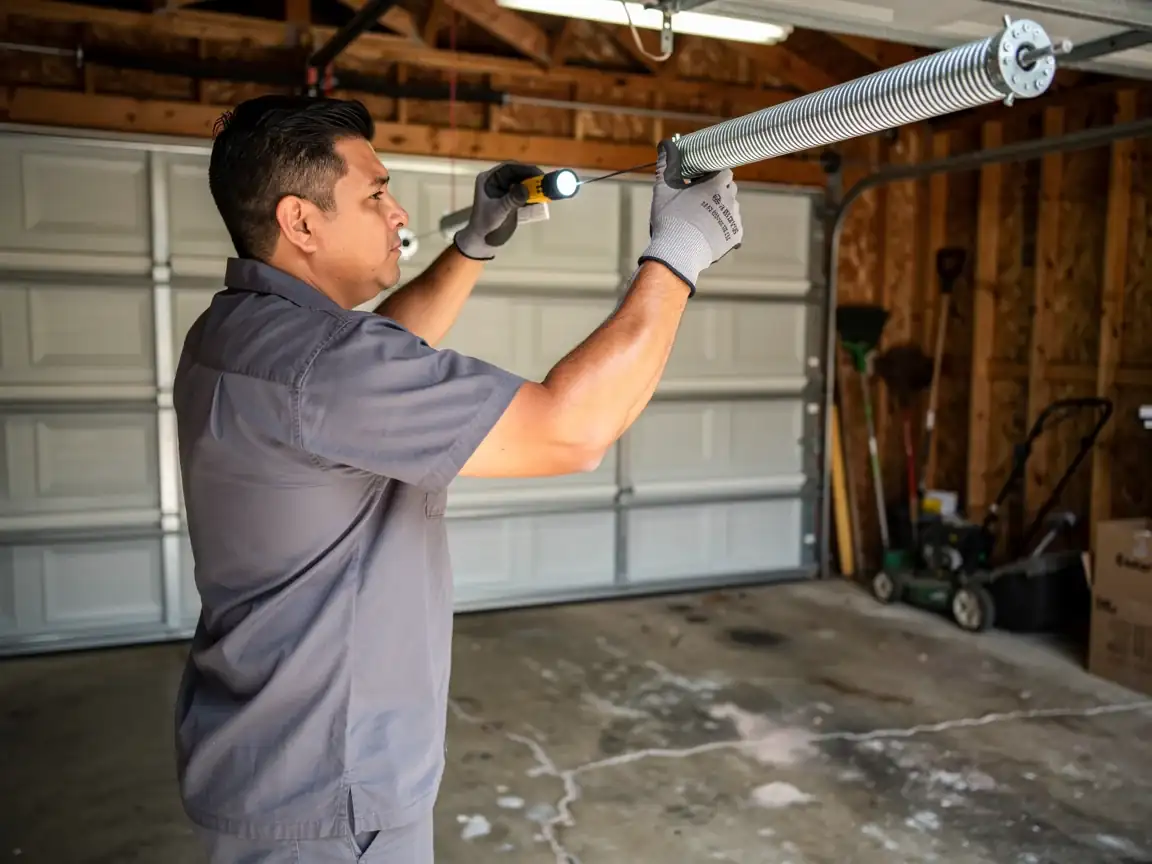
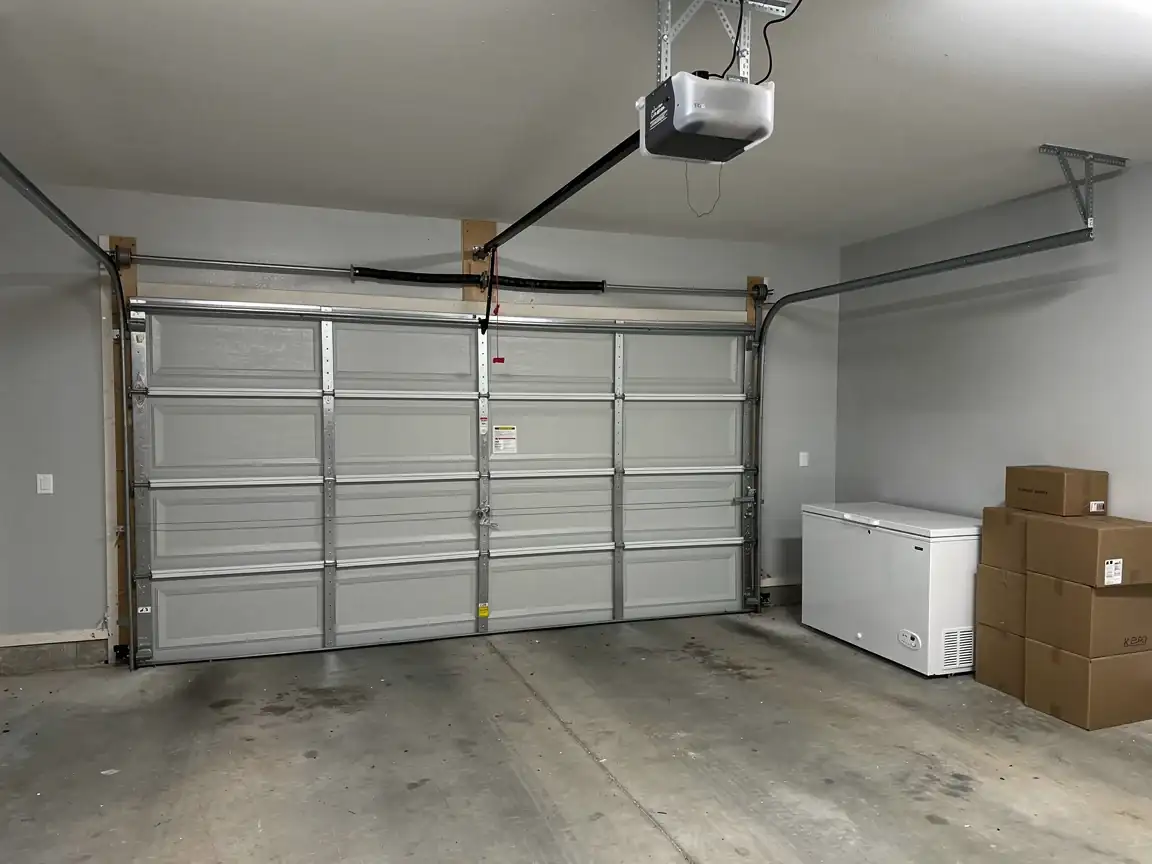
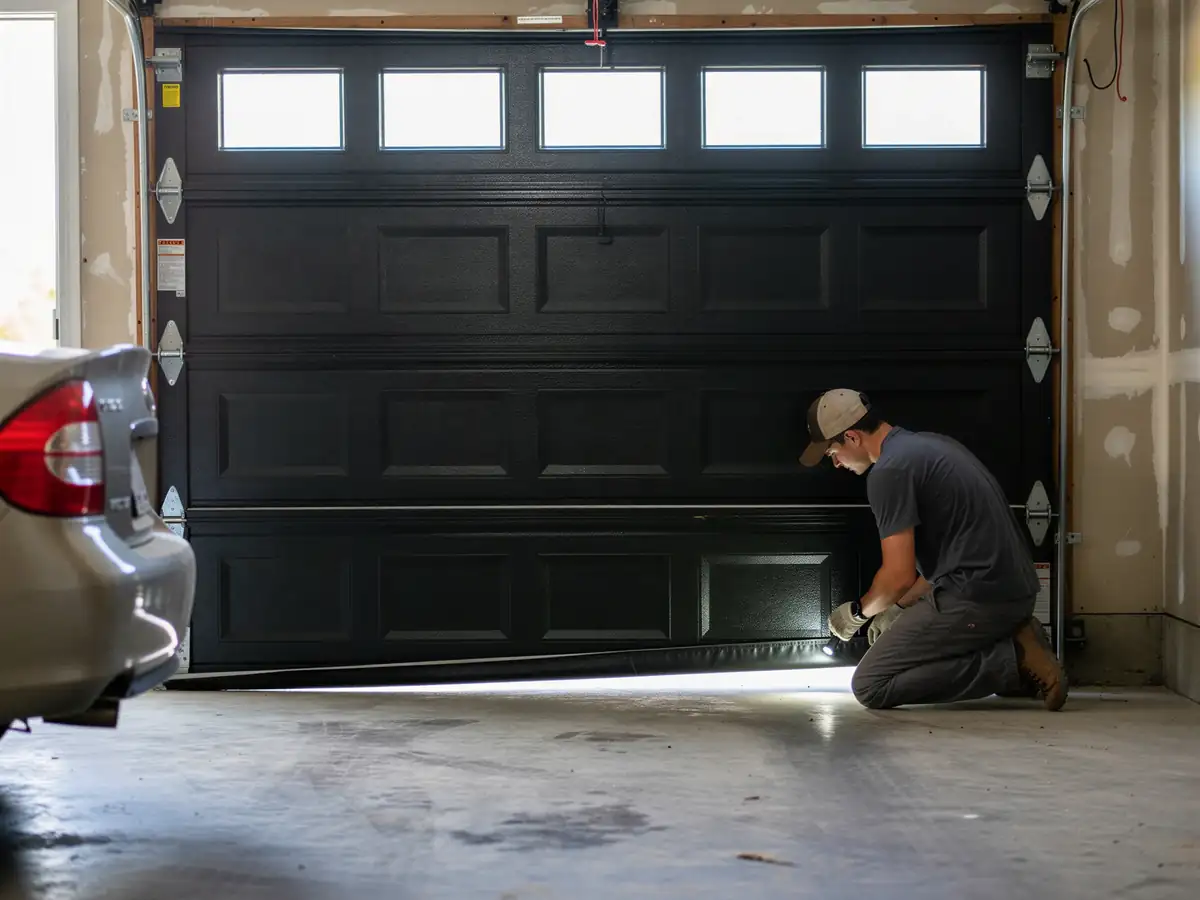
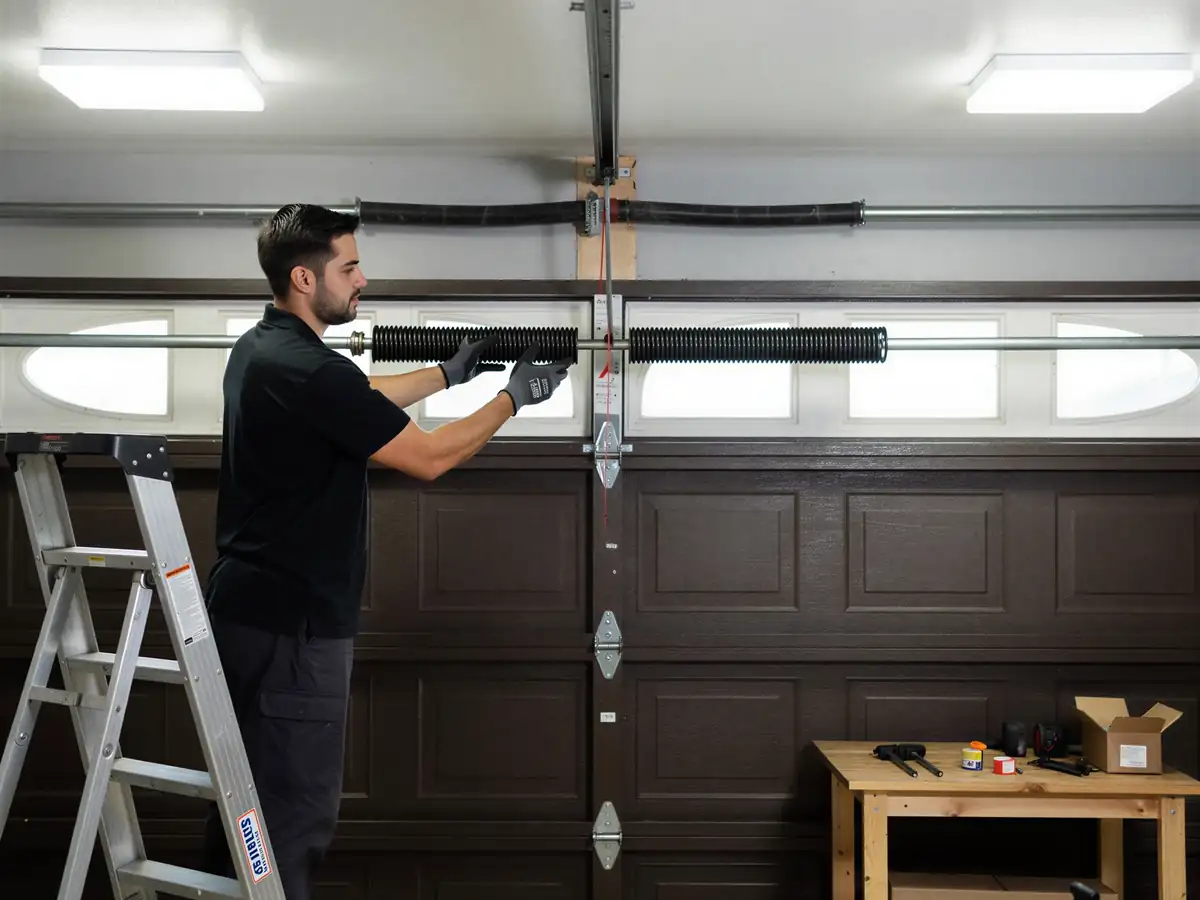
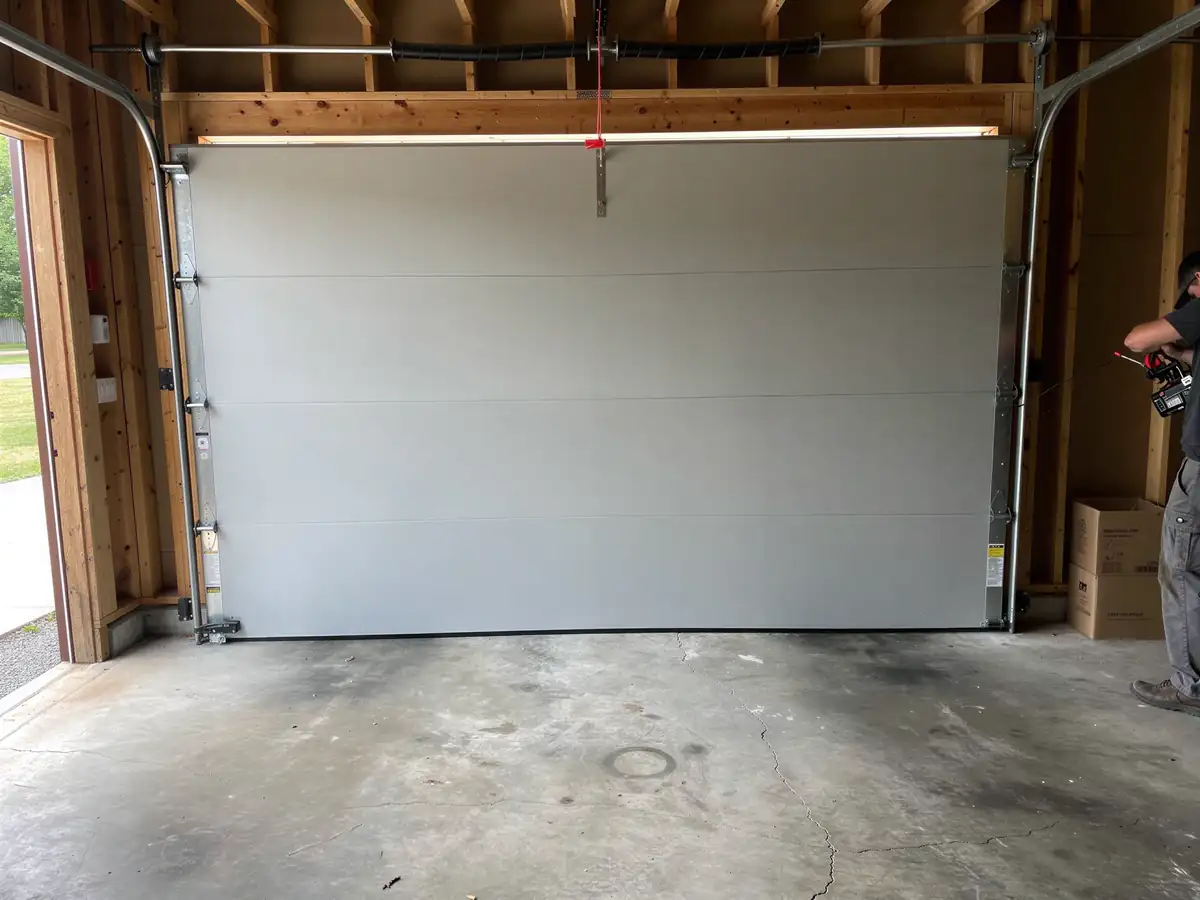
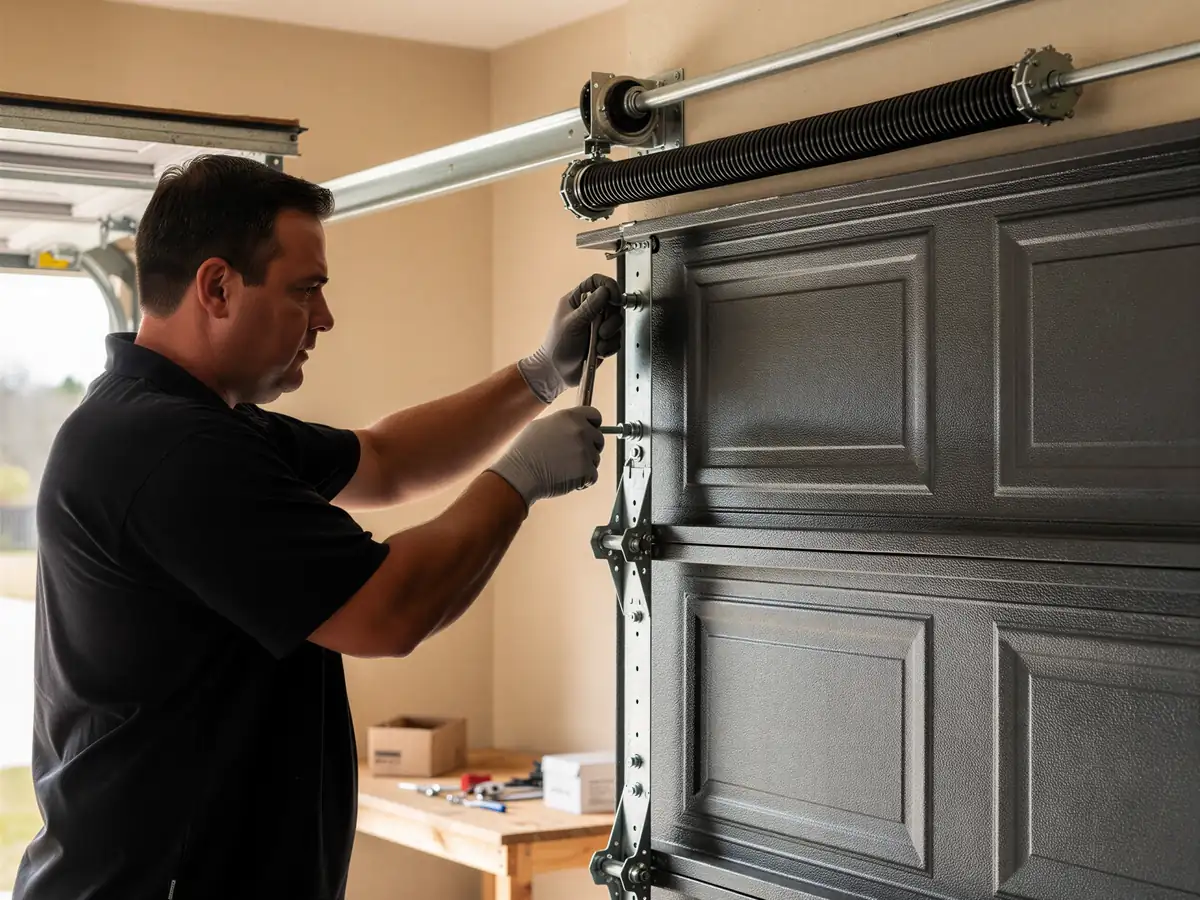
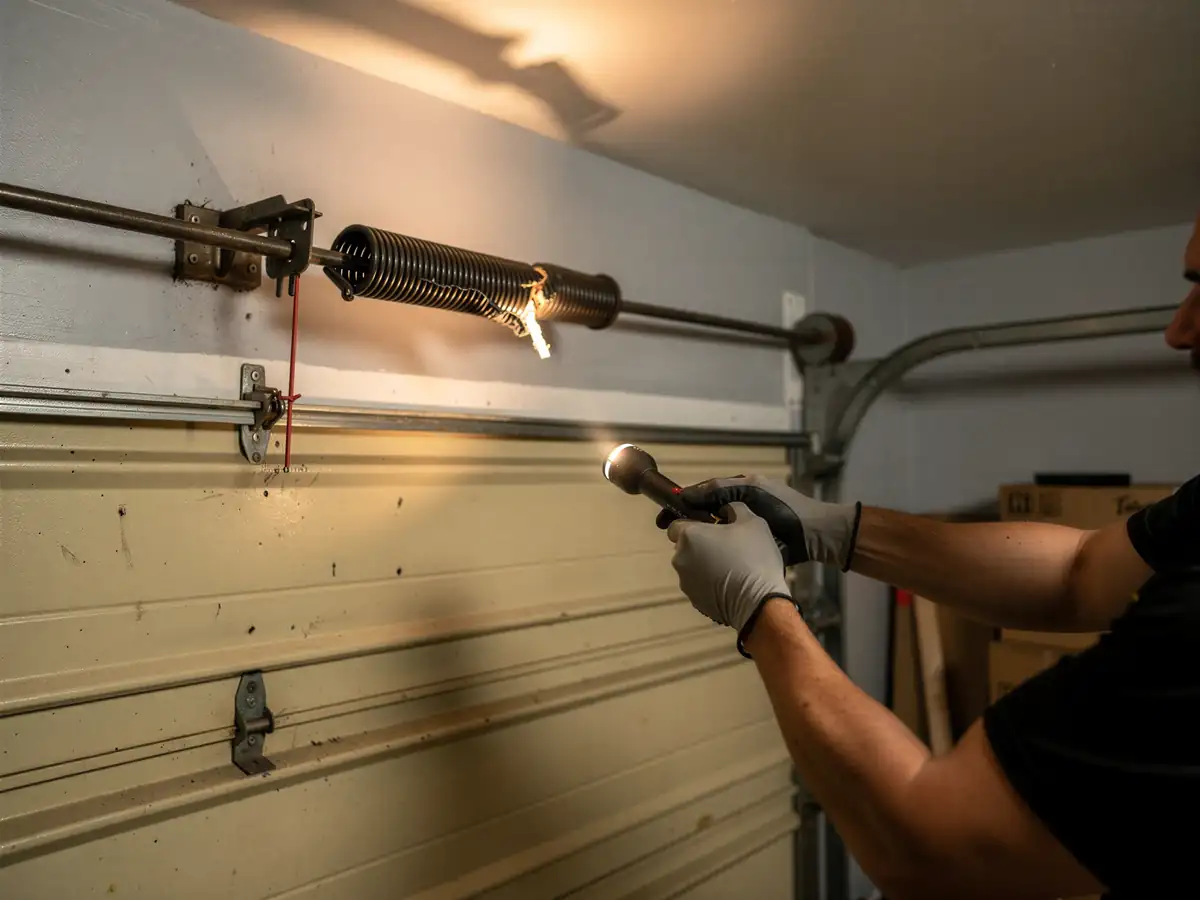
On a house from this era, the fault pattern is predictable. Broken torsion springs are the most common call - original springs on doors built in the early-to-mid 1980s are past the end of their rated cycle life, and once one side goes, the other usually isn't far behind. We carry standard torsion spring sizes that fit this generation of door and replace both springs as a pair, not just the broken one, because an unmatched pair puts uneven strain on the opener. Chain-drive openers from this period are the other recurring issue: the gearbox grease thickens in cold weather and the nylon drive gear strips, which looks like the opener is running but the door isn't moving. That's a gear and sprocket kit, not a whole new unit, unless the circuit board has also failed. Steel tracks on these doors sometimes need realignment rather than replacement - cold causes the house framing to shift slightly, and track brackets loosen over the years. We check cable condition and roller wear at the same visit since they're part of the same spring system and failing quietly.
Can You Do This Yourself
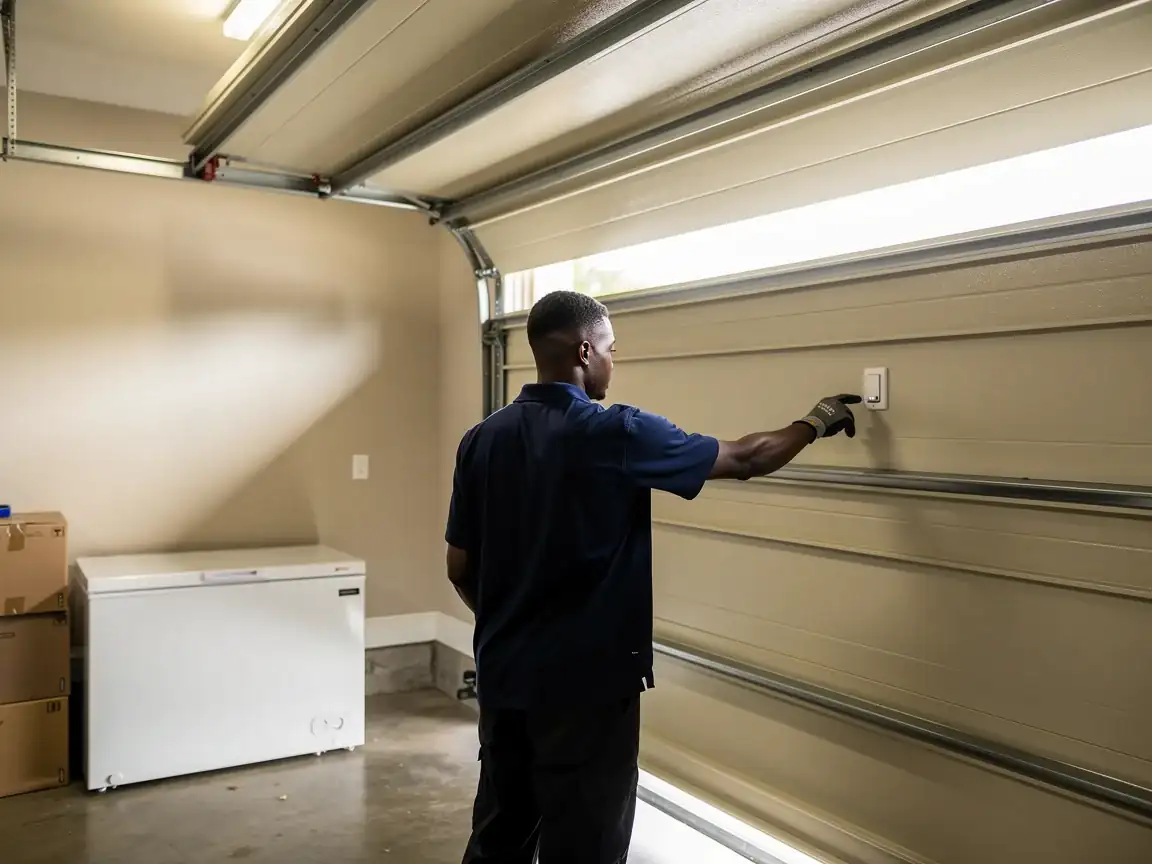
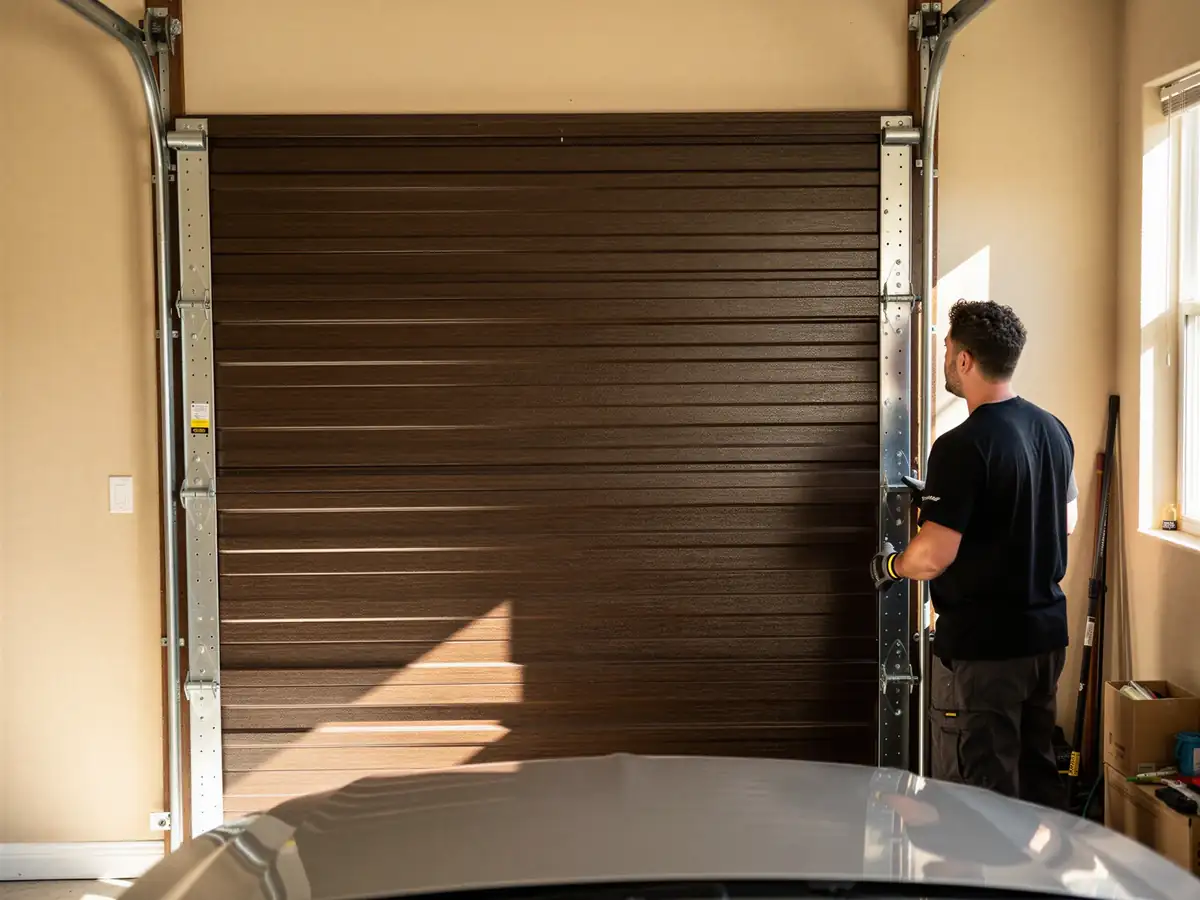
A stuck roller, a loose track bracket, or a sticking sensor you can usually clear yourself with the door disconnected from the opener - check the manual release cord and look for an obstruction in the photo-eye sensors near the floor first. What you should not touch is the torsion spring itself. A spring under tension on a door this age can let go with enough force to break a hand or worse, and the winding bars and clamps needed to do it safely aren't something most garages have lying around. We also won't try to patch a cracked wood-panel door from this era with glue or screws - if the panel has rotted or split, replacement is the honest answer, and we'll say so rather than bill for a repair that won't hold through another winter. If the opener runs but the door doesn't move, resist the urge to force it by hand while the chain is engaged; disconnect it first. Beyond that, if you're not sure what's wrong, it's worth the call before the problem turns into a jammed door at 11 p.m.