Time on the Job
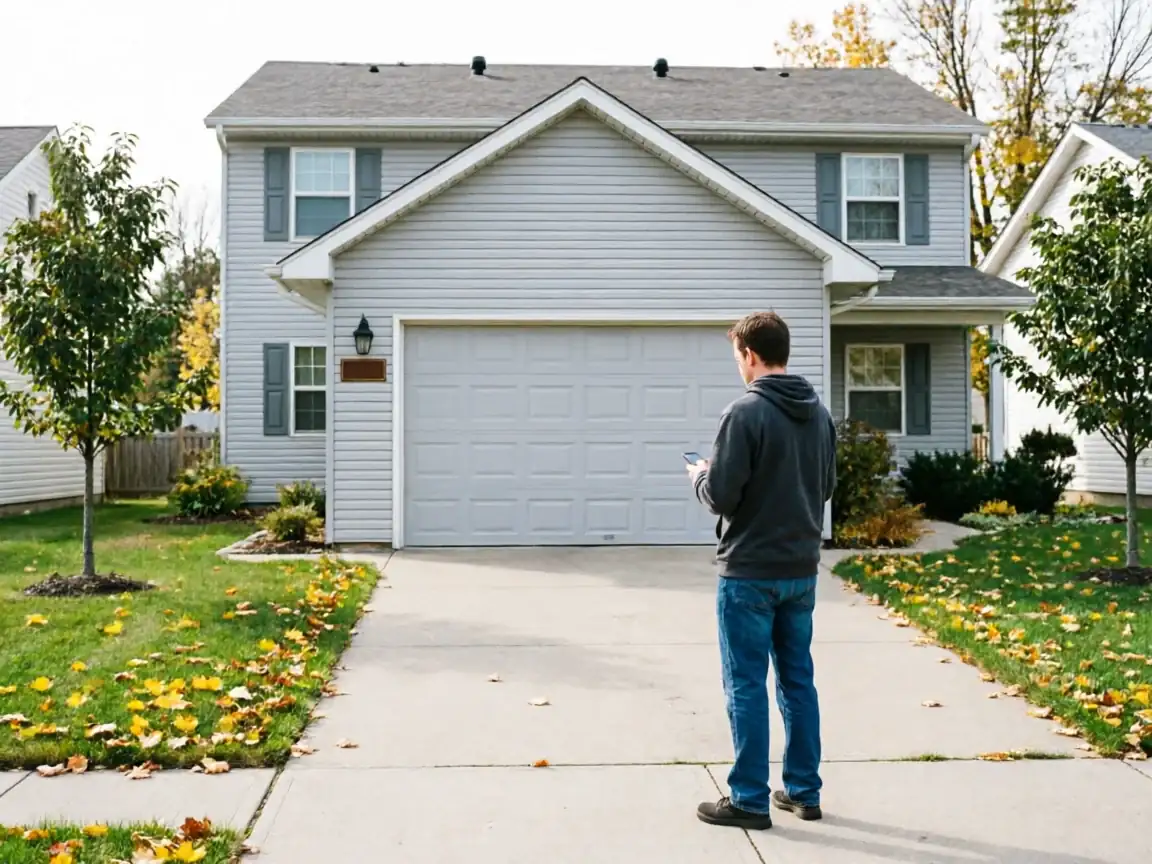
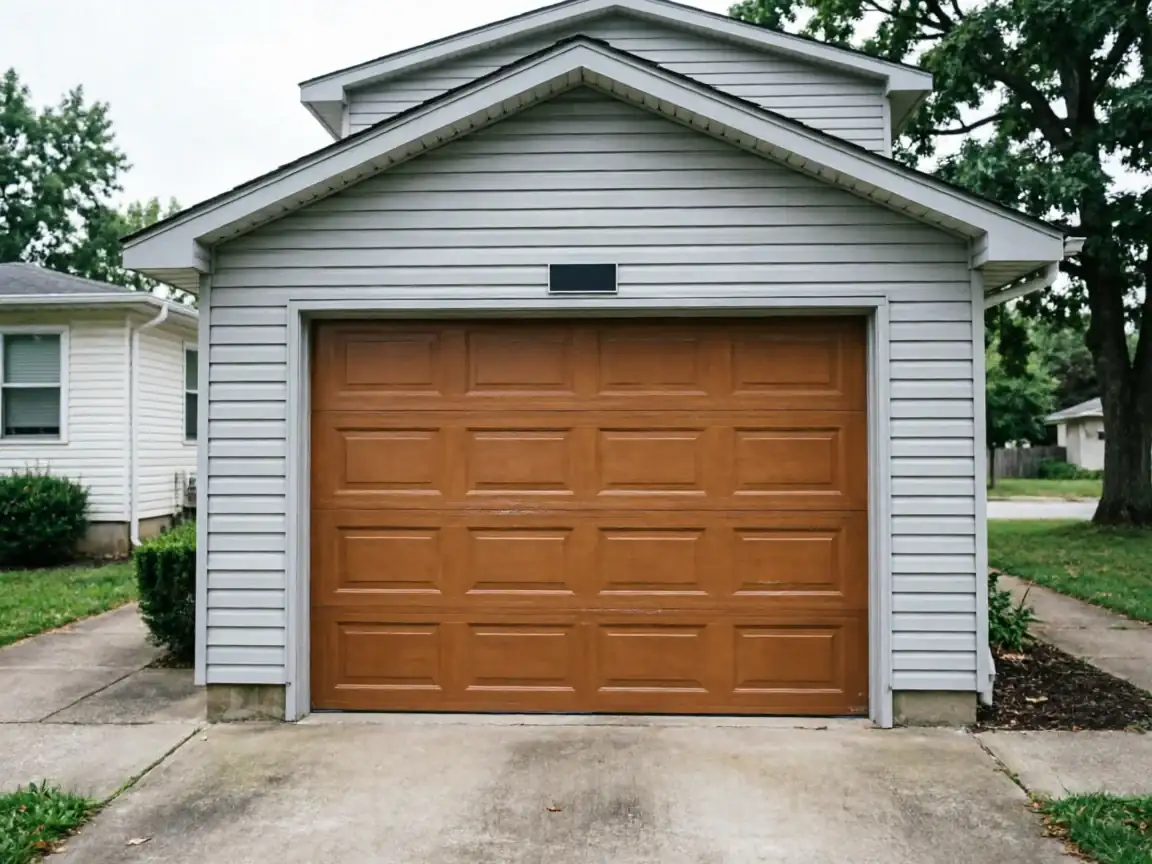
Corcoran's median year built sits at 1984, and that one number tells you most of what you need to know before a truck even leaves Maple Grove. A house built in 1984 got whatever torsion spring, drum, and track combination the builder's garage door supplier was running that year - and on a lot of these houses, nobody has touched that hardware since. Springs don't fail on a schedule, they fail on a cycle count, and a 40-year-old spring that's still spinning is usually closer to the end than the owner thinks.\n\nCorcoran's roughly 2,505 households sit at a median income of $143,250, well above the $112,060 median across the wider service area's 290,218 households. In practice that means fewer patch jobs and more straight replacements once a part goes - owners here tend to swap a worn opener for a new one rather than nurse along a chain drive from the Reagan era. The cold-climate band this part of Minnesota sits in doesn't help old hardware either; steel contracts hard in a deep freeze, and a cable or roller that was already marginal often lets go on the first genuinely cold week of the year.\n\nNone of that is specific to any one address - we don't have street-level data for Corcoran - but the build-year pattern holds across the town.
How We Fix It
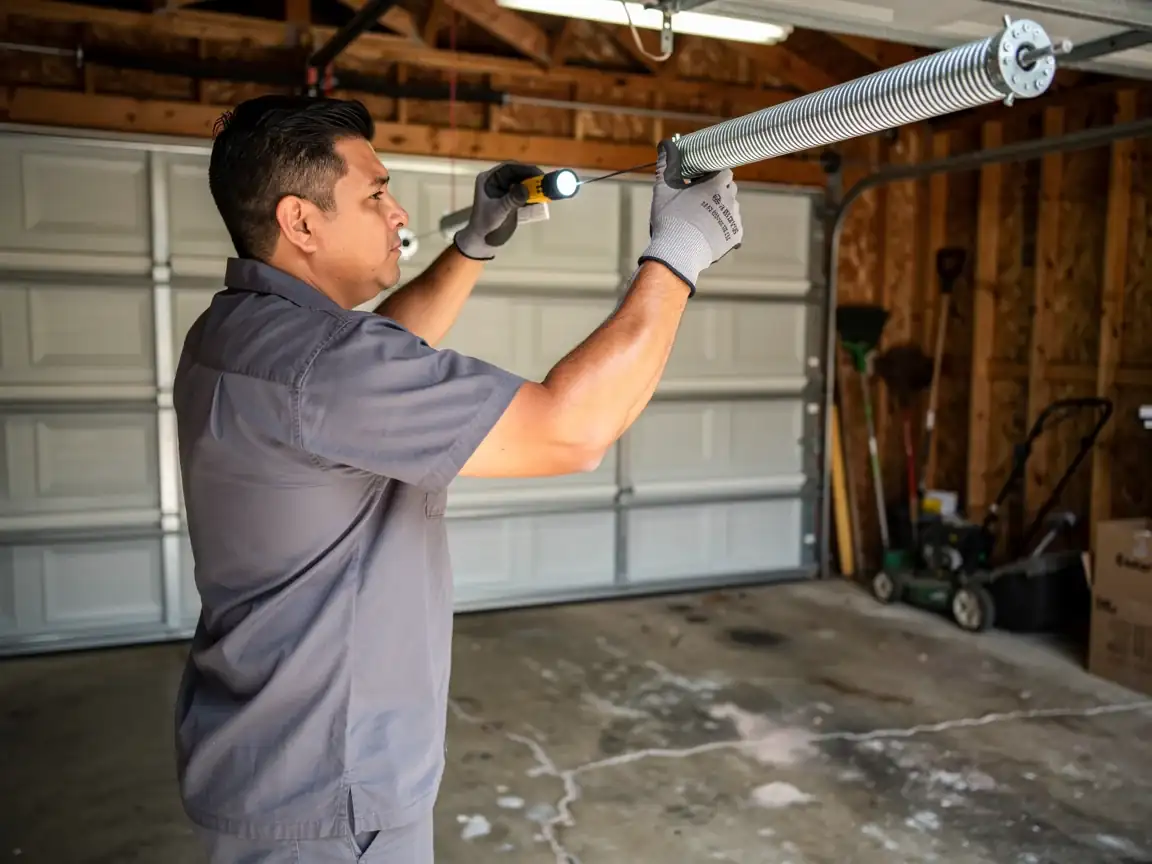
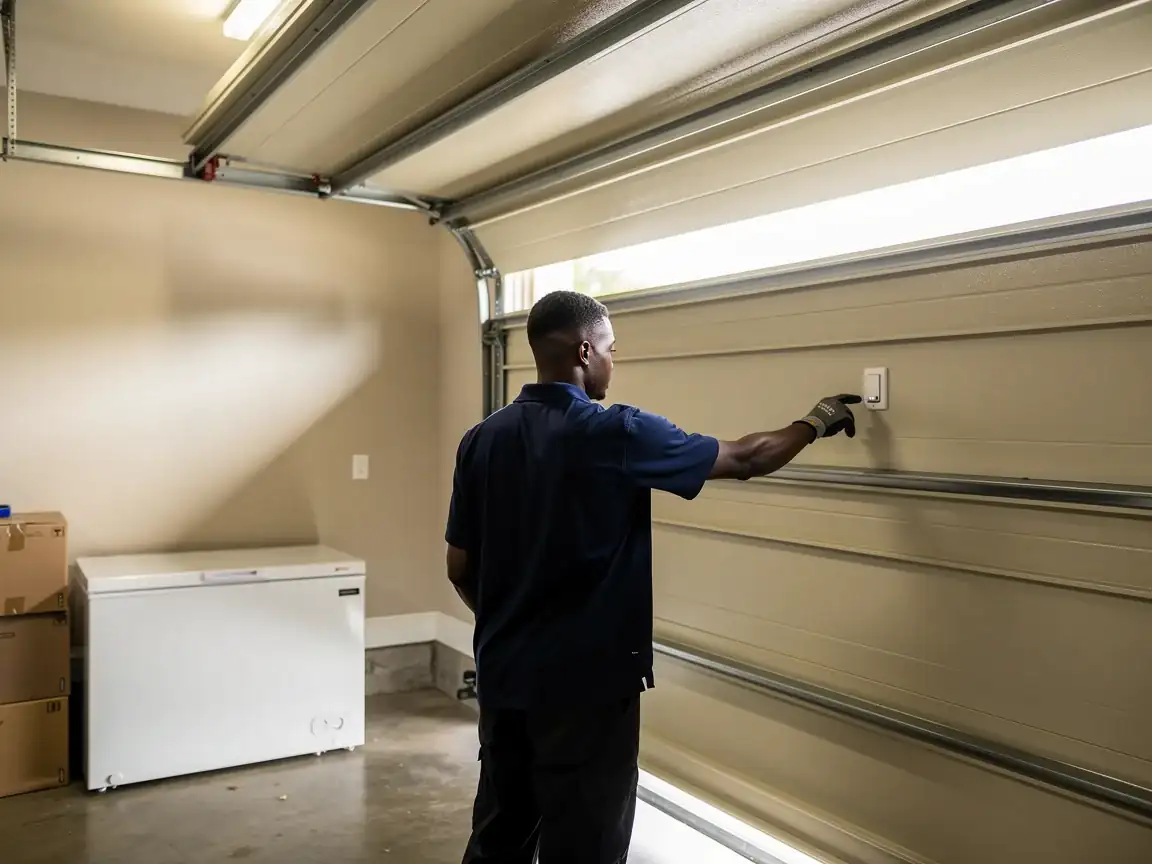
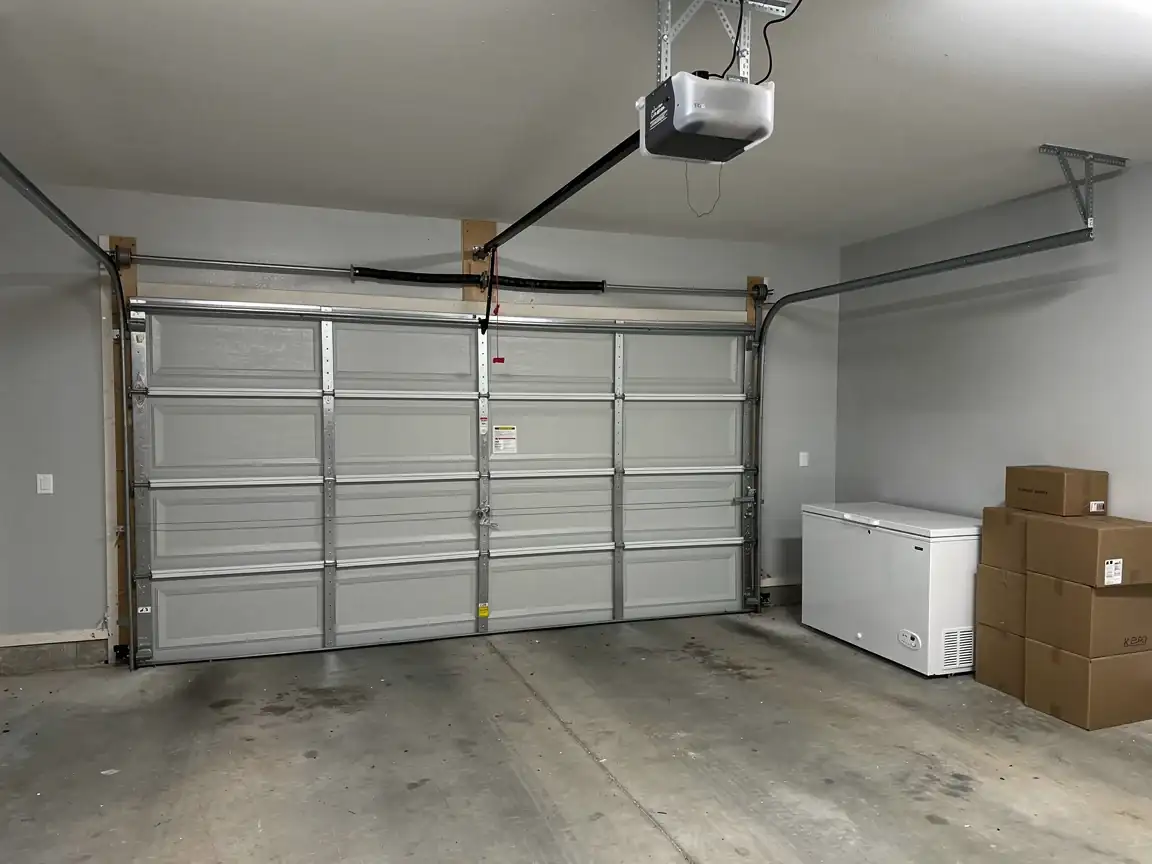
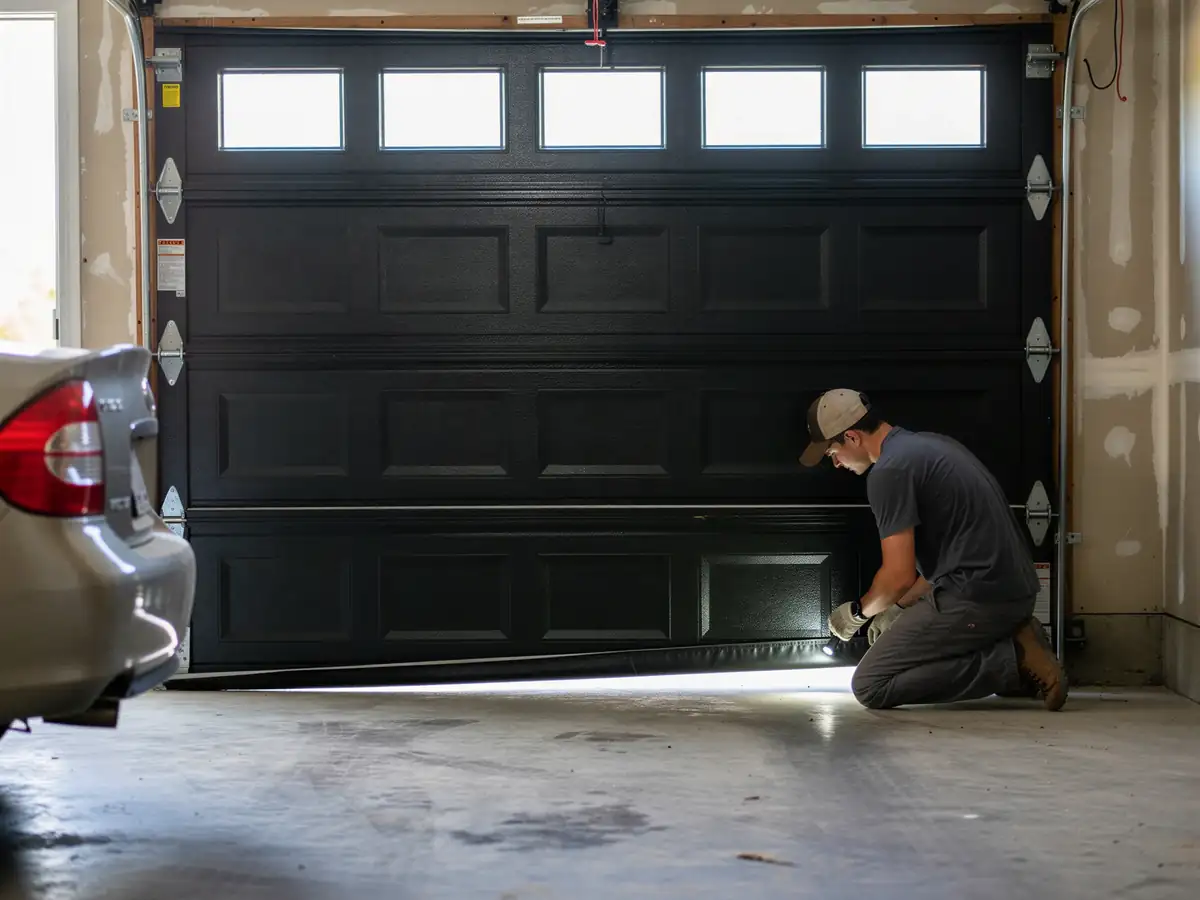
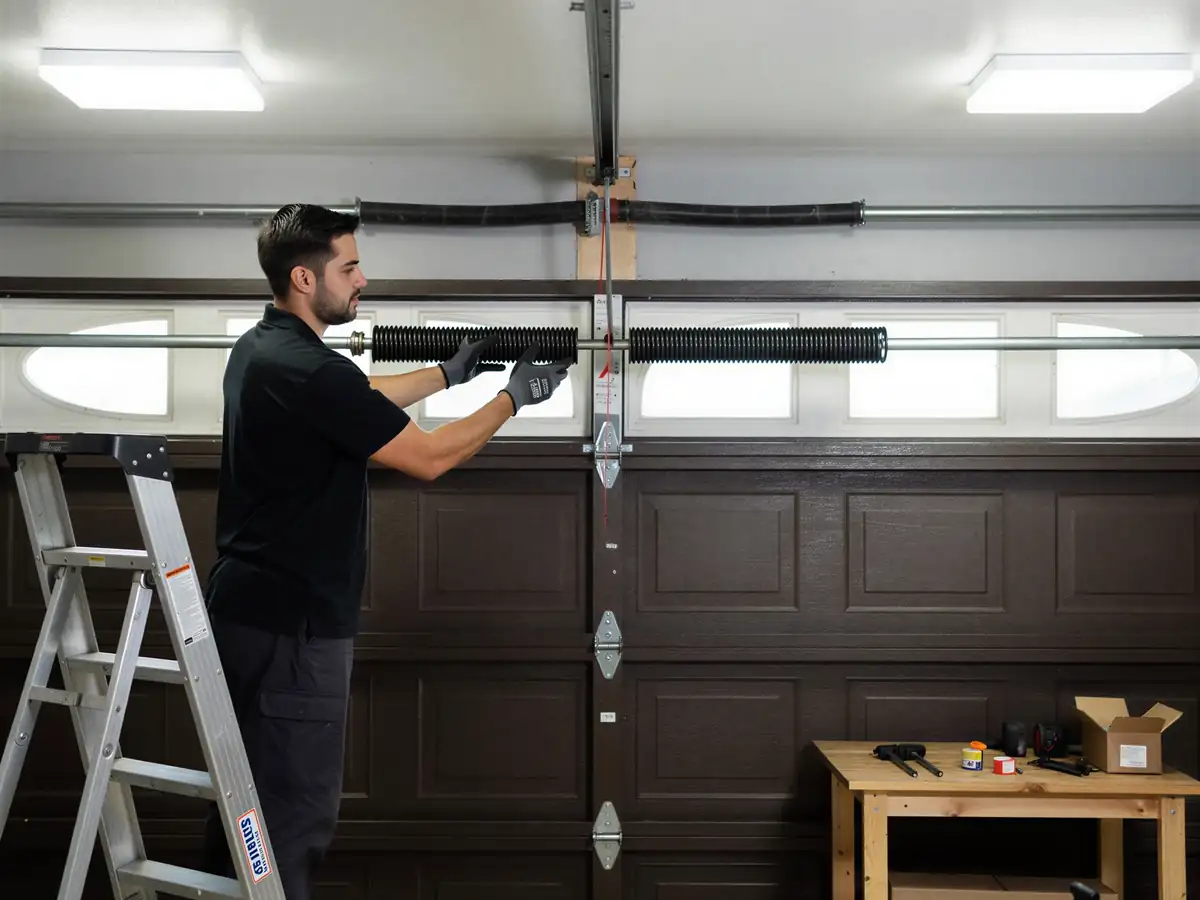
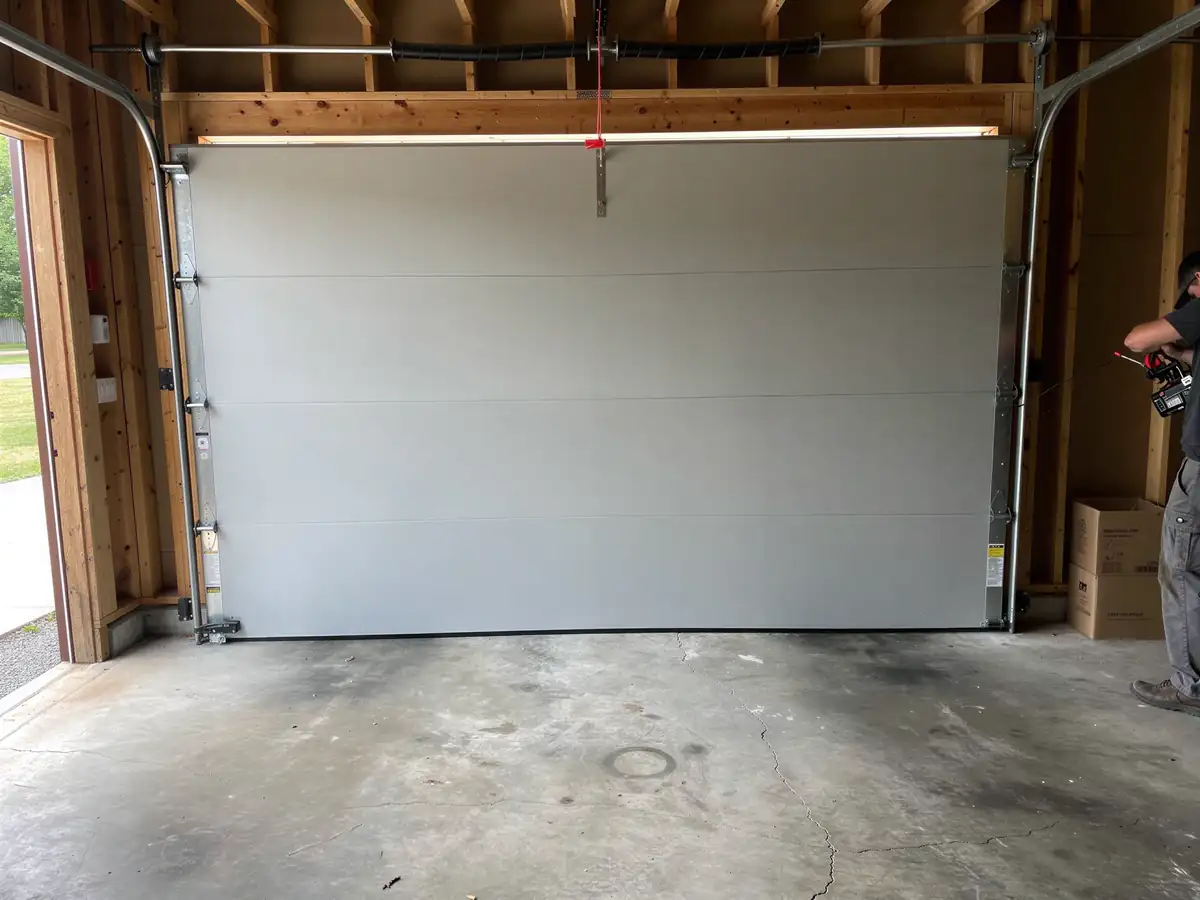
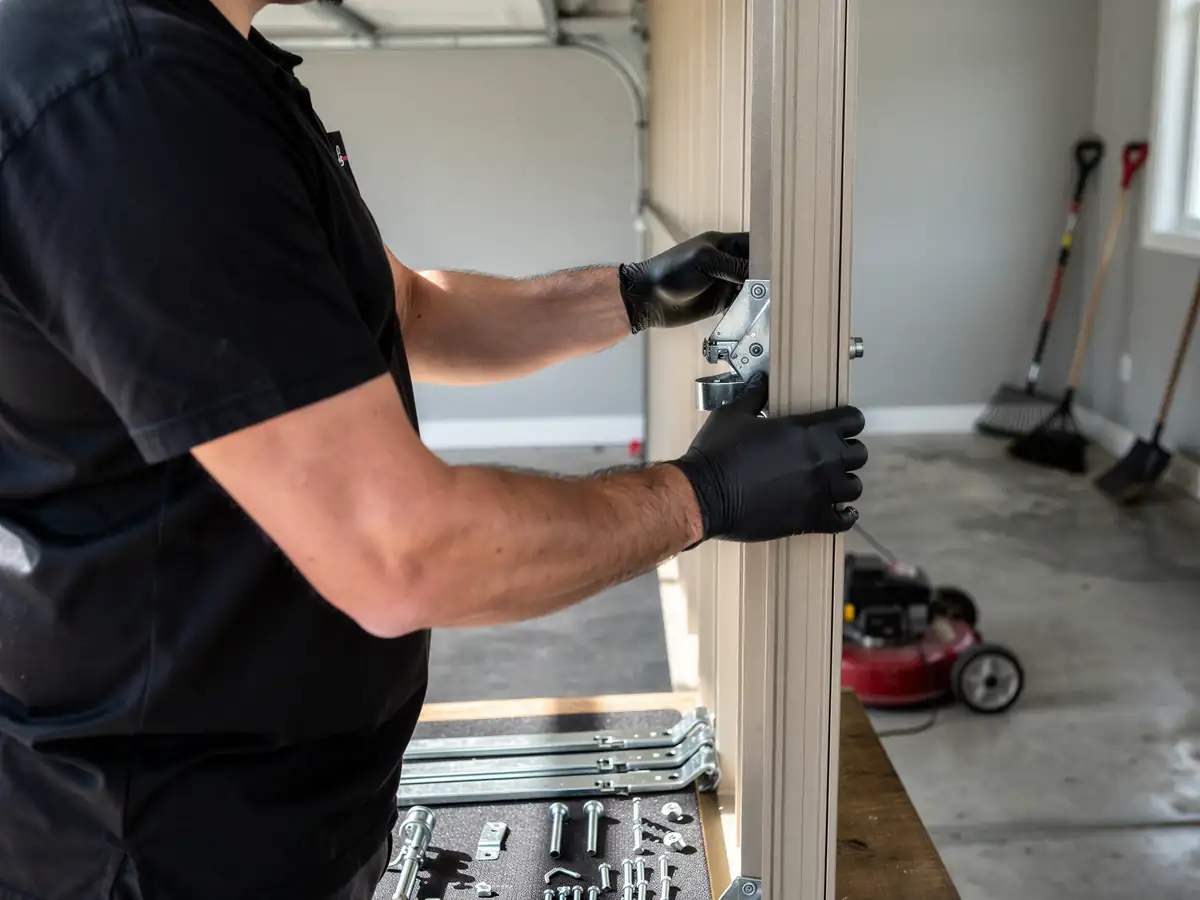
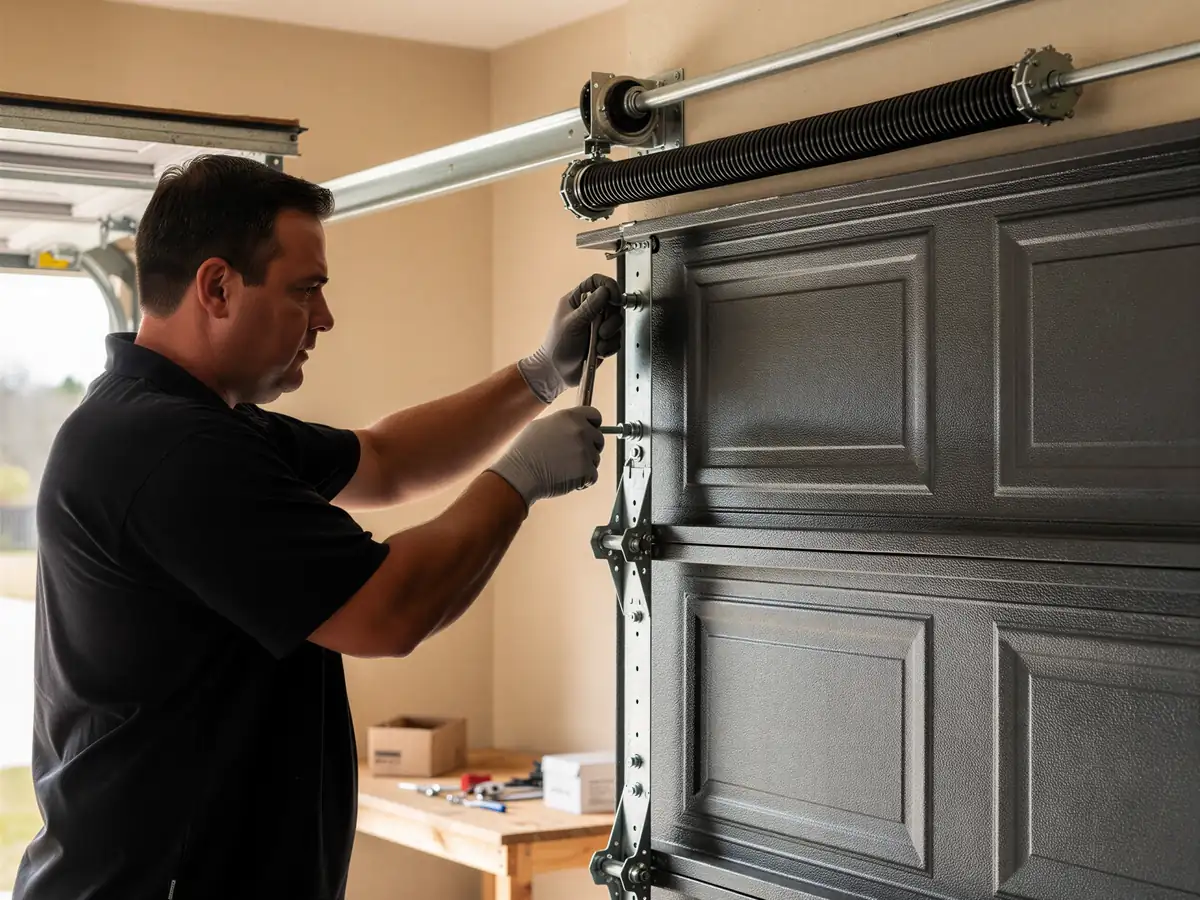
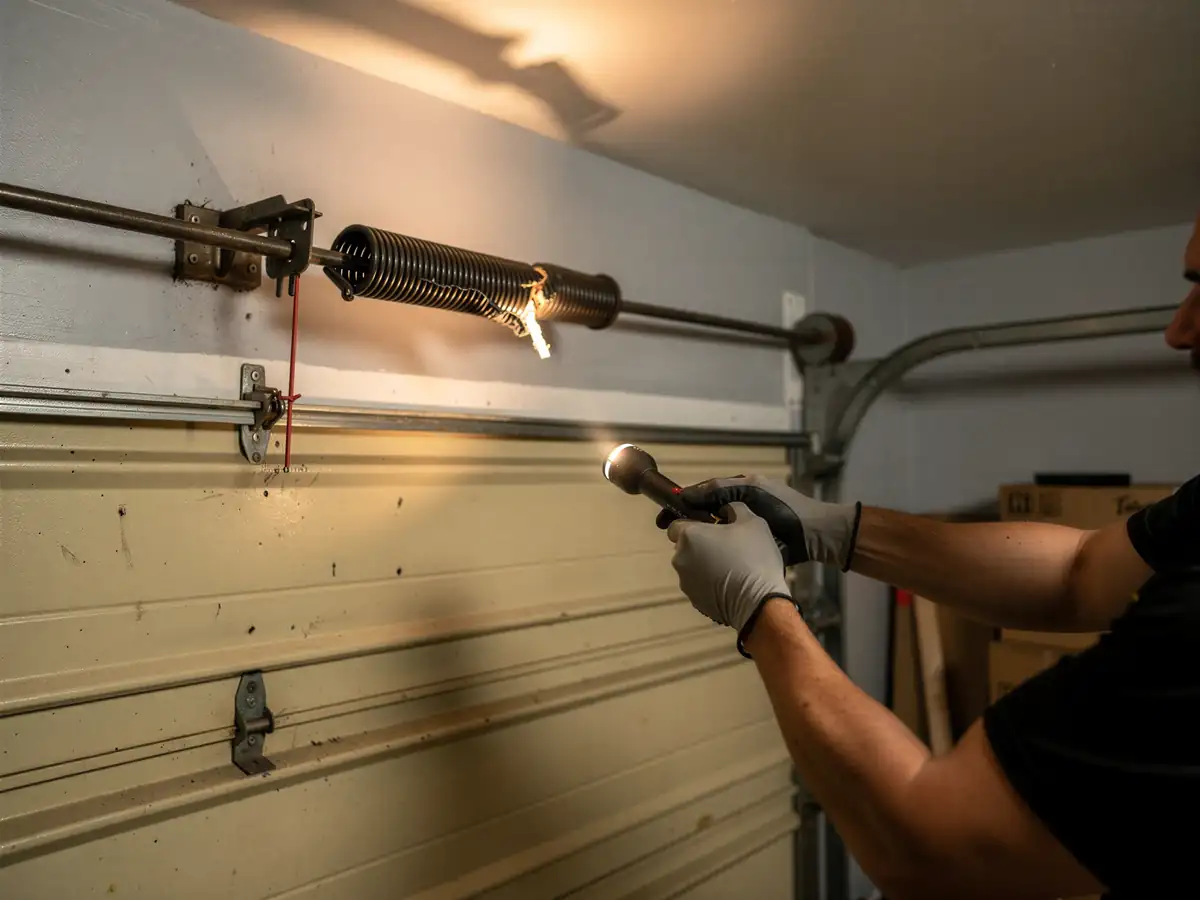
On a door built around 1984, the first thing we check is the spring - torsion springs from that era typically ran a lighter wind than what we'd install today, and once one side goes, the other is usually close behind on cycle count. We replace in pairs on these older doors rather than patching one side, because a mismatched pair is its own failure waiting to happen.\n\nTracks and rollers are the other common call. Steel track from the early 1980s was rolled thinner than current stock, and in a hard freeze it can bow just enough to throw a roller off the rail. We true the track where that's realistic and replace it where the metal's already stretched past that.\n\nOpeners are usually the easiest fix: if the house still has its original chain-drive unit, it's well past the point where parts exist for it, and replacement is the only real option rather than a repair. We'll say so plainly rather than quoting a repair that won't hold. The cold-band climate here means we also check weatherstripping and bottom seals on every call, since a gap that's invisible in July becomes a real problem once temperatures drop hard.
Can You Do This Yourself
Some of this is genuinely DIY. Lubricating hinges and rollers, tightening loose bolts on the track brackets, swapping a worn weatherstrip - none of that requires a truck. If your opener's remote has stopped syncing, that's usually a five-minute fix with the manual, not a service call.\n\nWhat isn't DIY: the torsion spring. A spring on a residential door is wound under enough tension to break a bone or worse if it lets go while you're working on it, and on a door built in the 1984 range, that spring has had four decades to fatigue in ways you can't see by looking at it. We won't talk anyone through doing that themselves, and we'd rather you call than find a winding bar on the truck's way out.\n\nThe other place we'd tell you to stop: if the door is original to a 1984 build and the opener, springs, and track are all original too, sometimes the honest math is a full door replacement rather than three separate repairs spread over a year. We'll tell you that straight rather than running up a repair bill on a door that's past the point of being worth it.