Time on the Job
Corcoran sits six miles from our shop in Maple Grove, which is close enough that a maintenance visit doesn't get squeezed into a route built around longer jobs elsewhere. That matters more than it sounds like it should. A tune-up is quick work, but it still needs a tech who isn't rushing to make up time lost on a drive. Six miles means we can actually take the twenty minutes a spring check needs instead of cutting corners to get back on schedule.
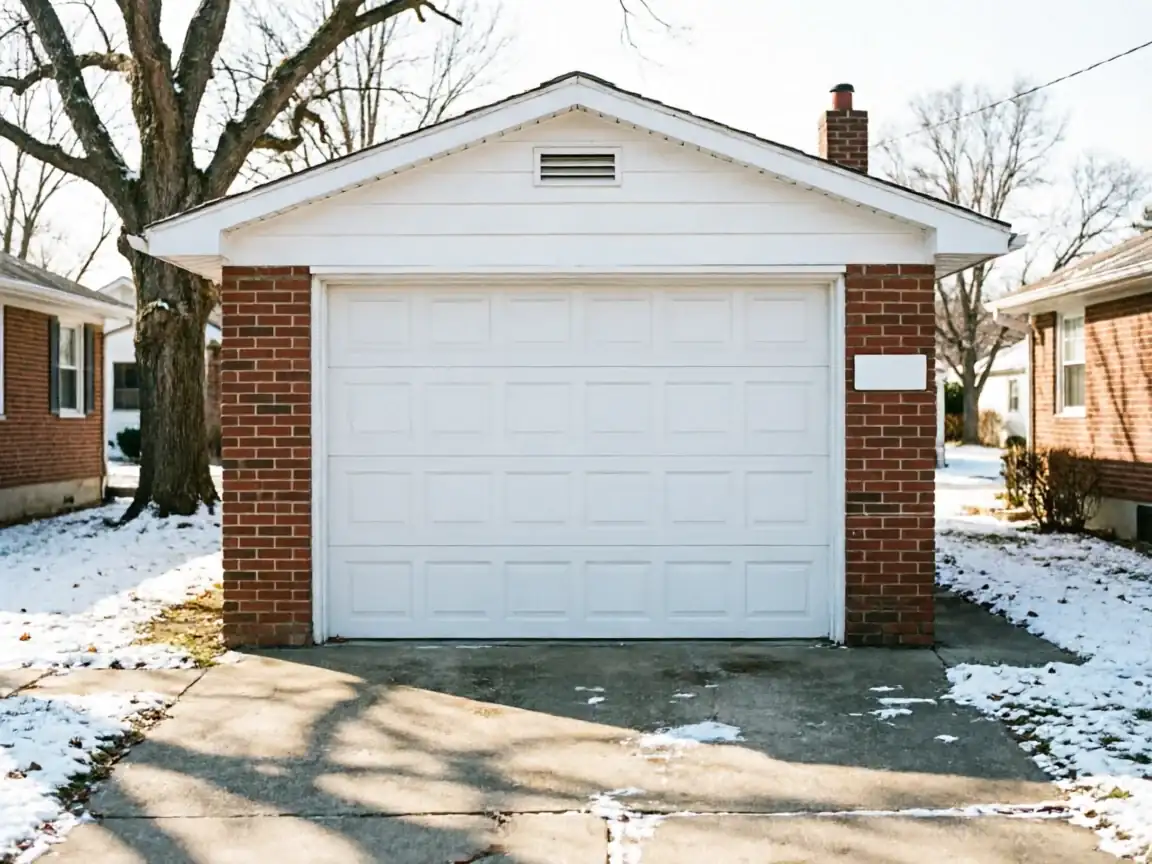
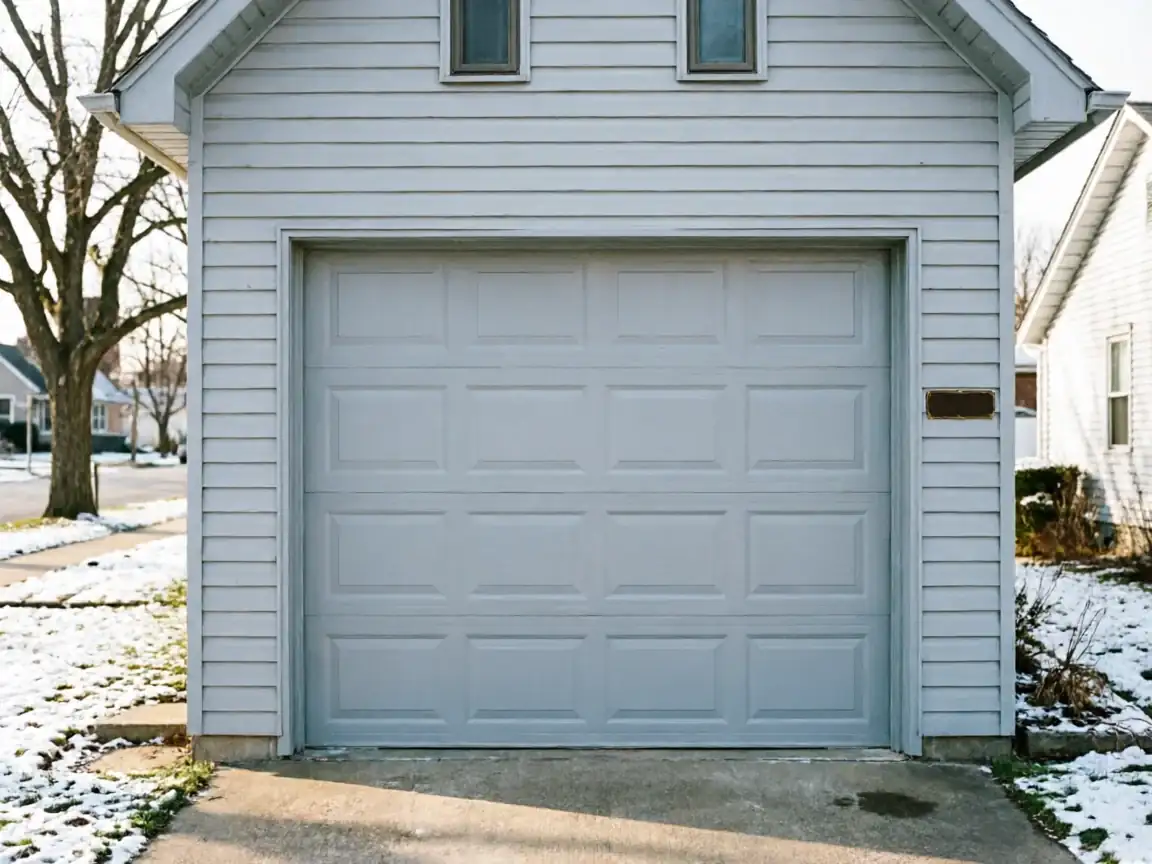
Most houses out here were built around 1984, which puts a lot of Corcoran garages into a specific window: torsion springs and openers old enough to be past their rated cycle count, but not so old that parts are impossible to find. That's a different problem than what we see on the newer builds closer to Maple Grove proper, where hardware is still inside its first full lifespan. A maintenance visit on an '80s-era door here is less about adjustment and more about catching the spring or cable before it's the reason your car is stuck inside on a Tuesday morning.
We're not based in Corcoran, and we don't pretend otherwise. We're a short drive out, and that's close enough to keep a maintenance schedule instead of a one-time emergency call.
How to Book
You can request a maintenance visit through our Corcoran service page
Which routes to the same crew that handles the rest of our Maple Grove-area coverage. There's no separate Corcoran branch or dispatch - every job out here is scheduled off the Maple Grove shop, six miles in.
Because we're covering a wide area rather than one small town
Maintenance visits get grouped where we can. If you're flexible on the day, that usually means a faster slot. If your opener is already making a grinding noise or your door is dropping unevenly on one side, say so when you book - that's a repair call, not routine maintenance, and it gets prioritized differently.
For a broader look at what maintenance includes across our service area
Our Maple Grove maintenance page covers the general service. This page is specifically about what that service looks like on a Corcoran door.
How We Fix It
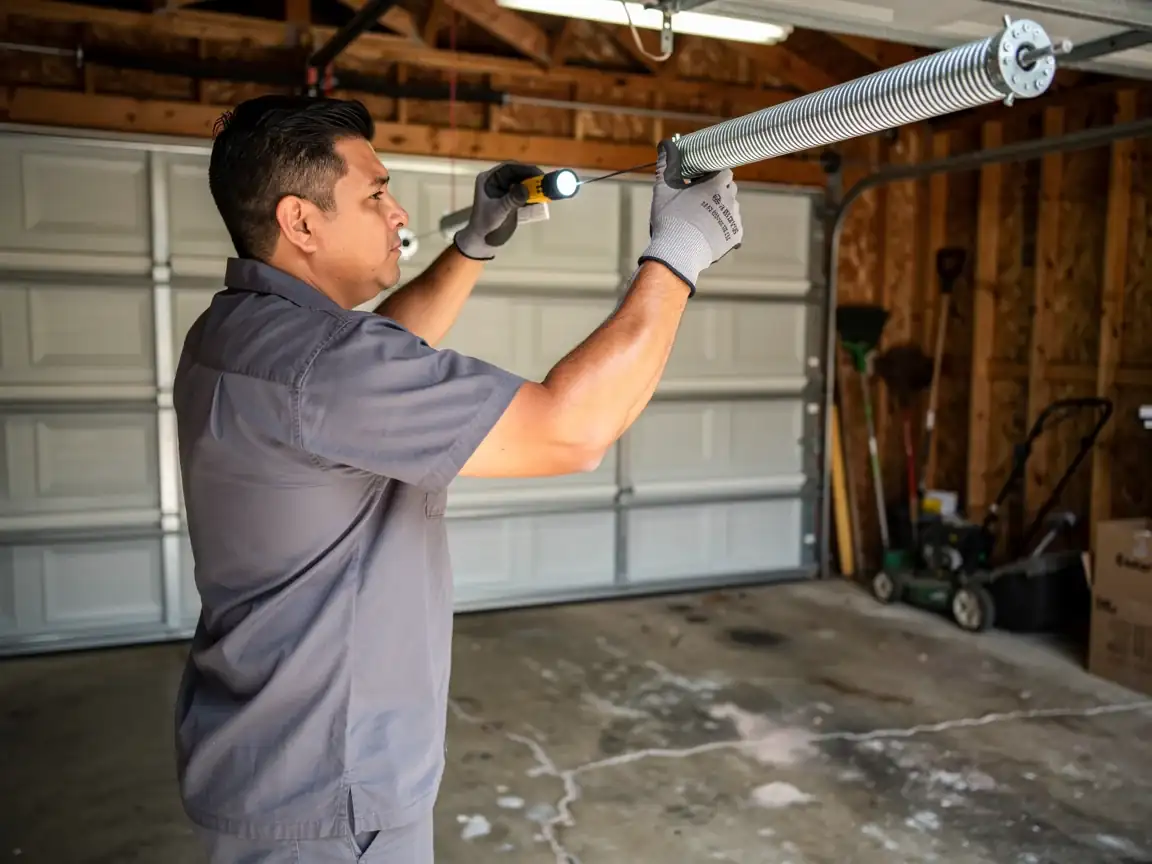
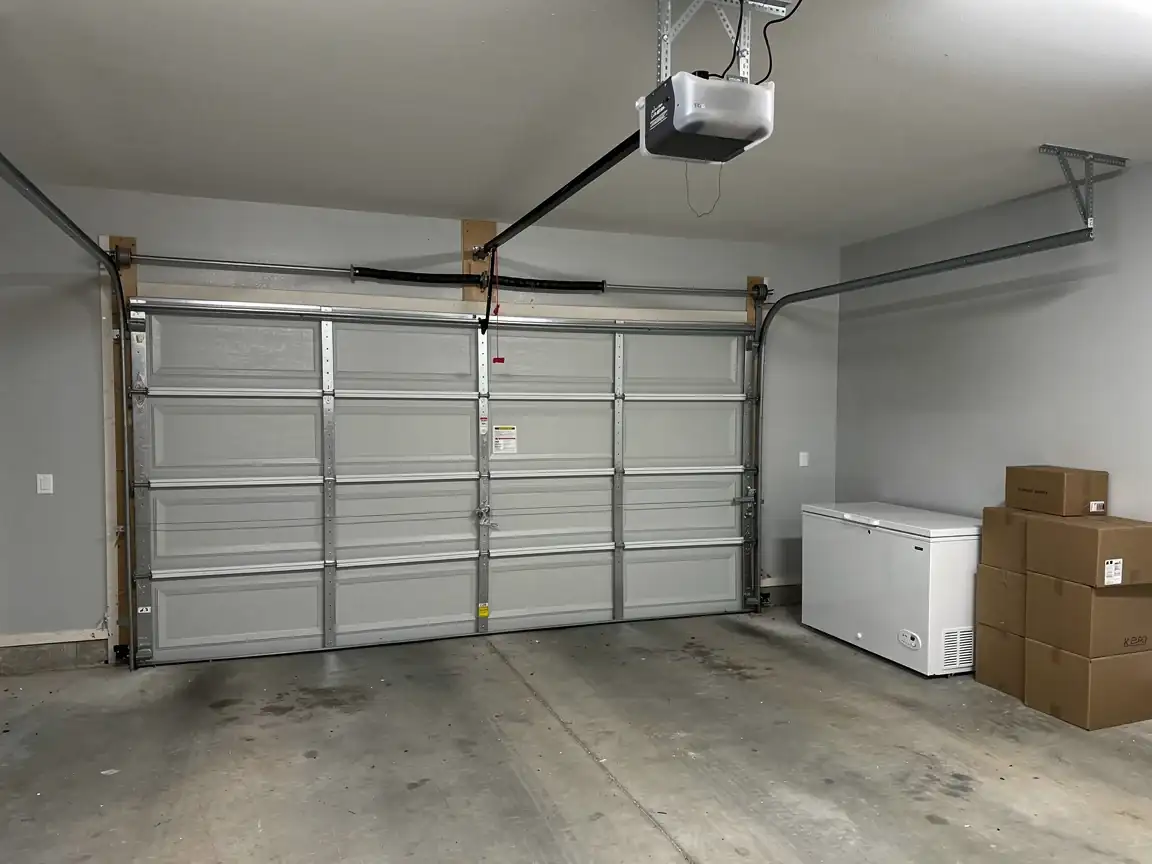
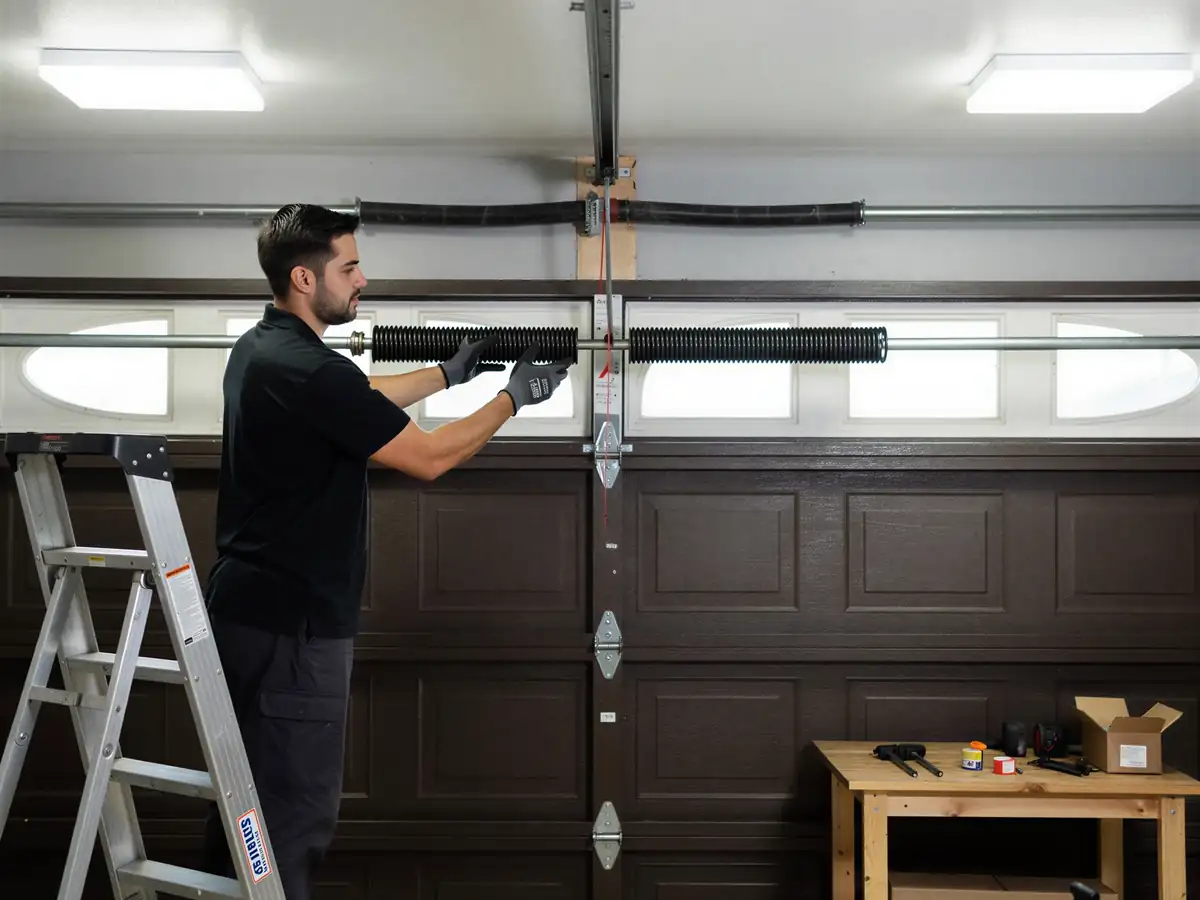
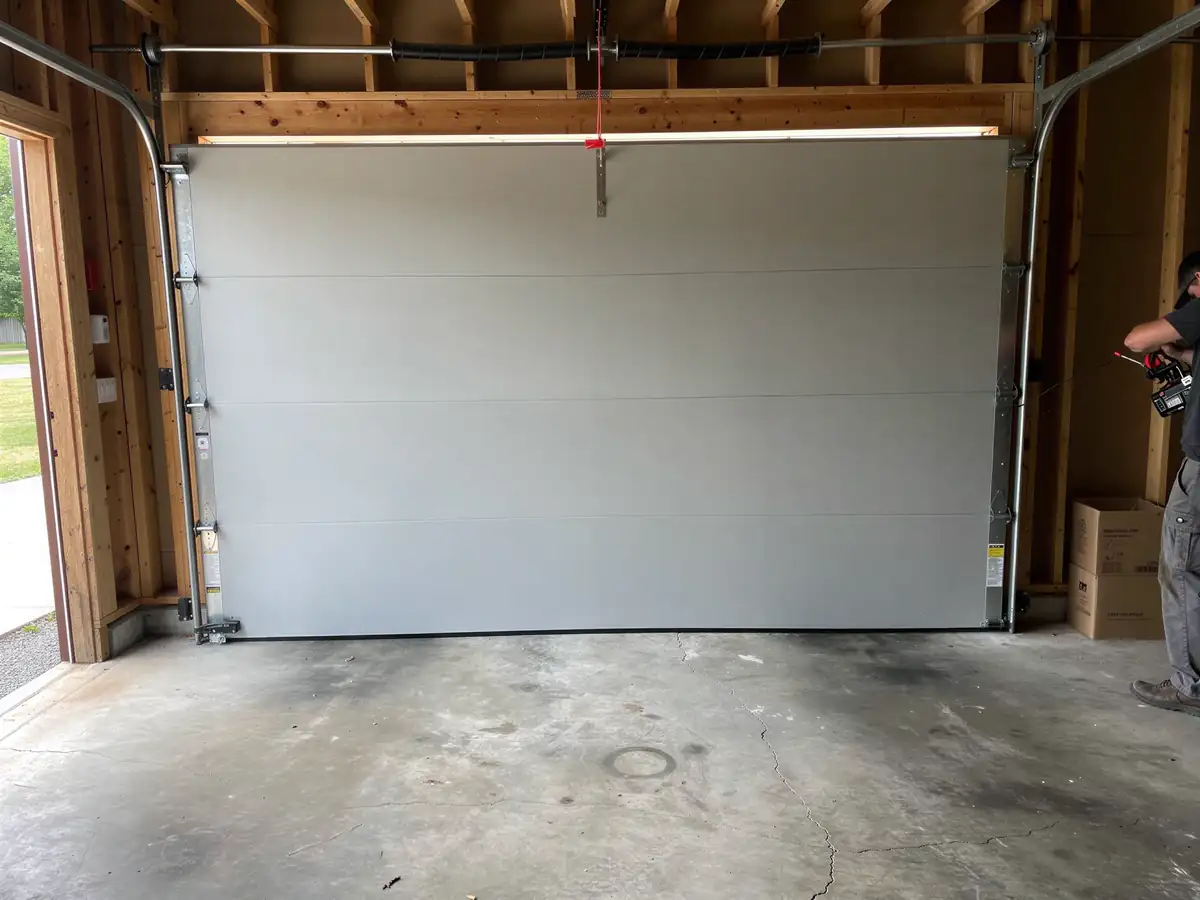
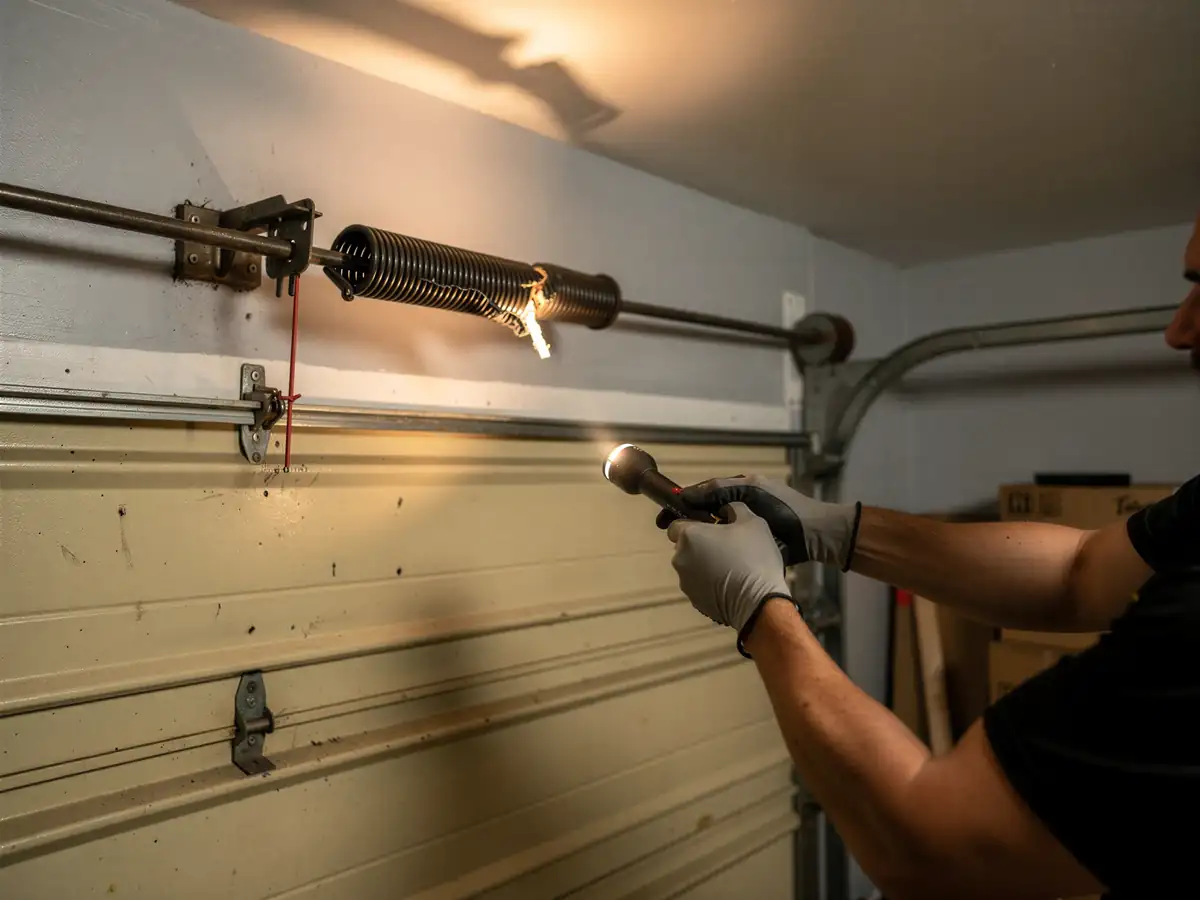
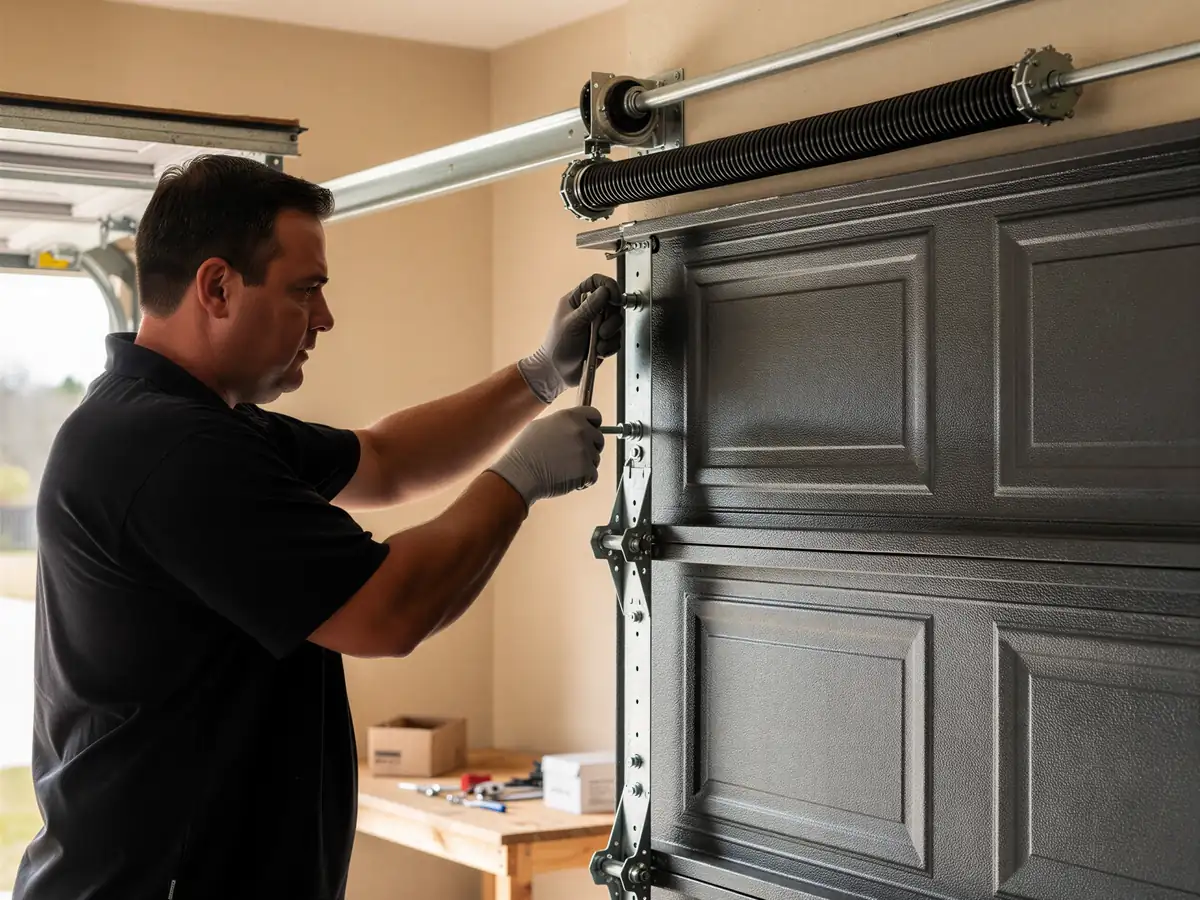
A maintenance visit on a Corcoran door usually starts with the spring, because a house built in the early-to-mid 1980s is old enough that the original torsion spring - or a first replacement from decades back - is near or past its cycle life. We check tension, look for gaps in the coils, and measure wear on the winding cones before it becomes a snapped spring on a Saturday.
After that: track alignment, roller condition, and cable fray, all of which get worse faster here than in a milder climate. Minnesota's winters put real stress on garage door hardware - steel contracts, lubricant stiffens, and a door that rolled smooth in August can bind hard in January. We lubricate moving parts with a product rated for that swing, check the opener's force settings so the door isn't fighting itself on a cold start, and look at weatherstripping, since a worn seal on a door this age is usually original or close to it.
What we don't do on a maintenance visit is replace major components as a matter of course. If a spring still has life in it, we leave it - swapping parts that don't need it just costs you money for no reason.
Can You Do This Yourself
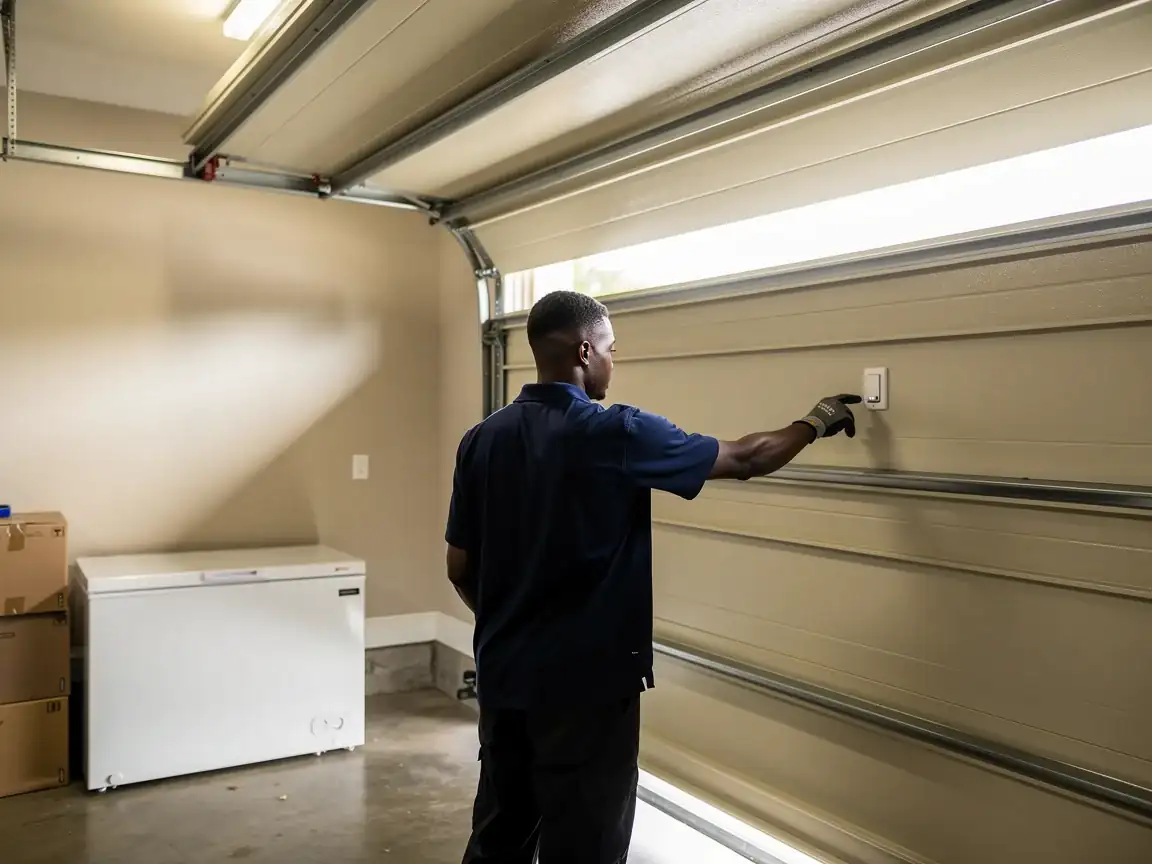
Some of this is reasonable to handle on your own. Visually checking your weatherstripping for cracks, wiping down and lubricating the tracks with a garage-door-rated lubricant, and testing your auto-reverse safety sensors are all things an owner can do in twenty minutes without special tools.
What you shouldn't touch is the torsion spring. On a door this old, the spring is under enough stored tension that a mistake can cause real injury, and we're not going to walk you through adjusting it. If you hear the spring grinding, see visible gaps when it's wound, or notice the door suddenly feels heavier to lift by hand, that's a call, not a DIY afternoon.
One honest limit: if your opener or spring is already failing, a maintenance visit won't fix it. Maintenance catches problems early and extends what you've got - it's not a substitute for replacing a part that's already gone. On a 1984-era door, that line comes up more often than it does on newer builds, and we'll tell you straight when you're past the point where a tune-up helps.