Time on the Job
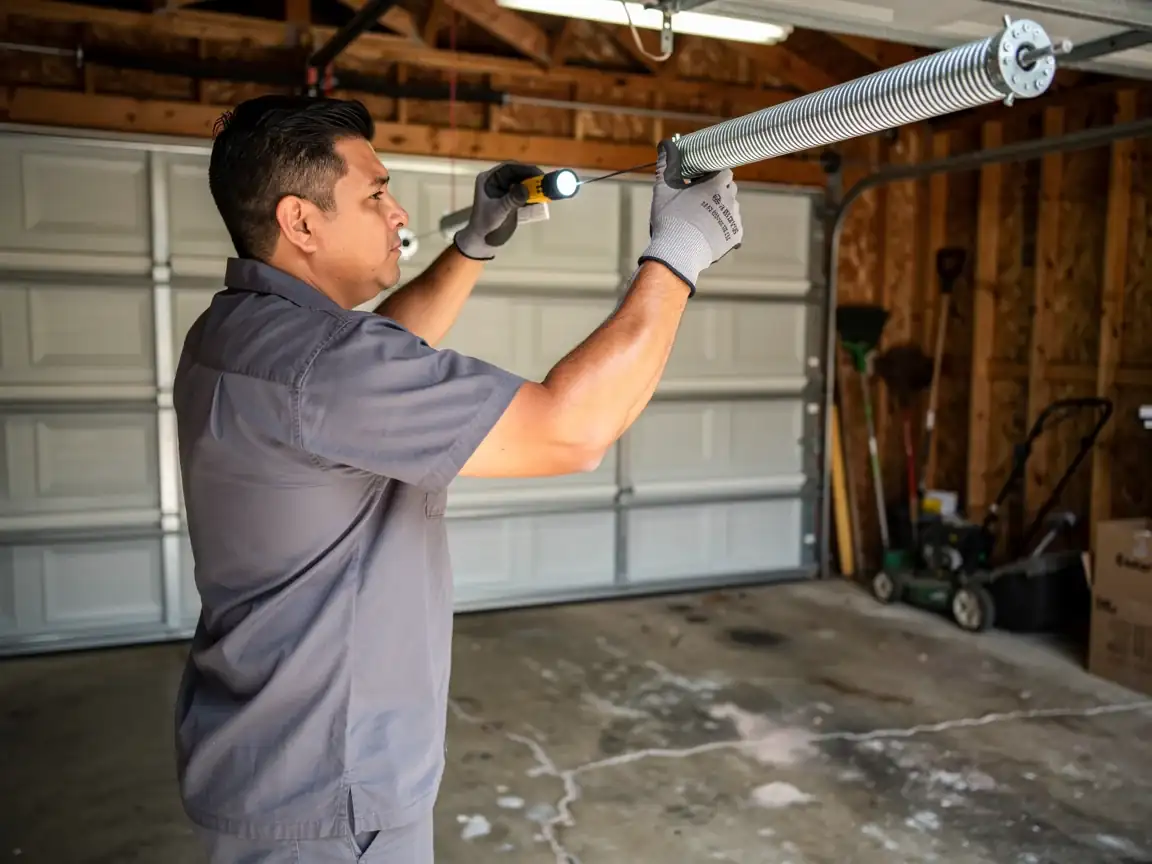
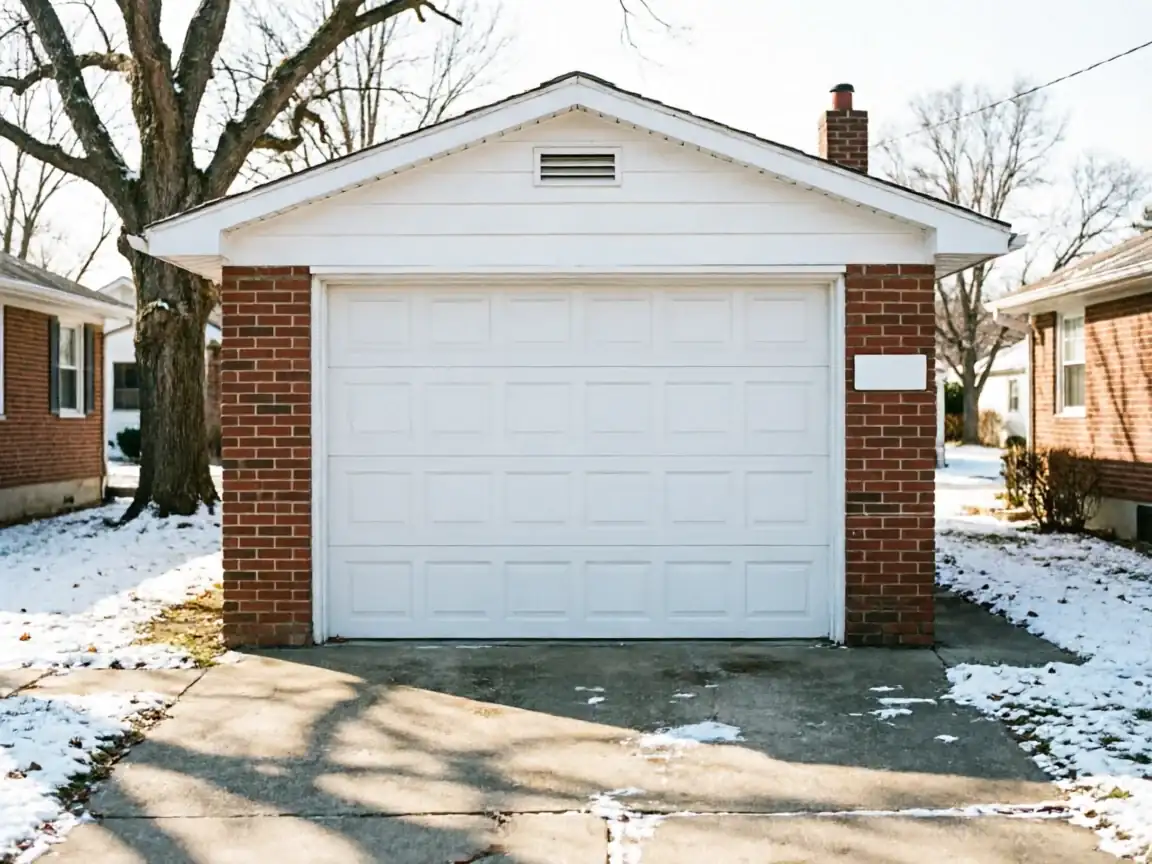
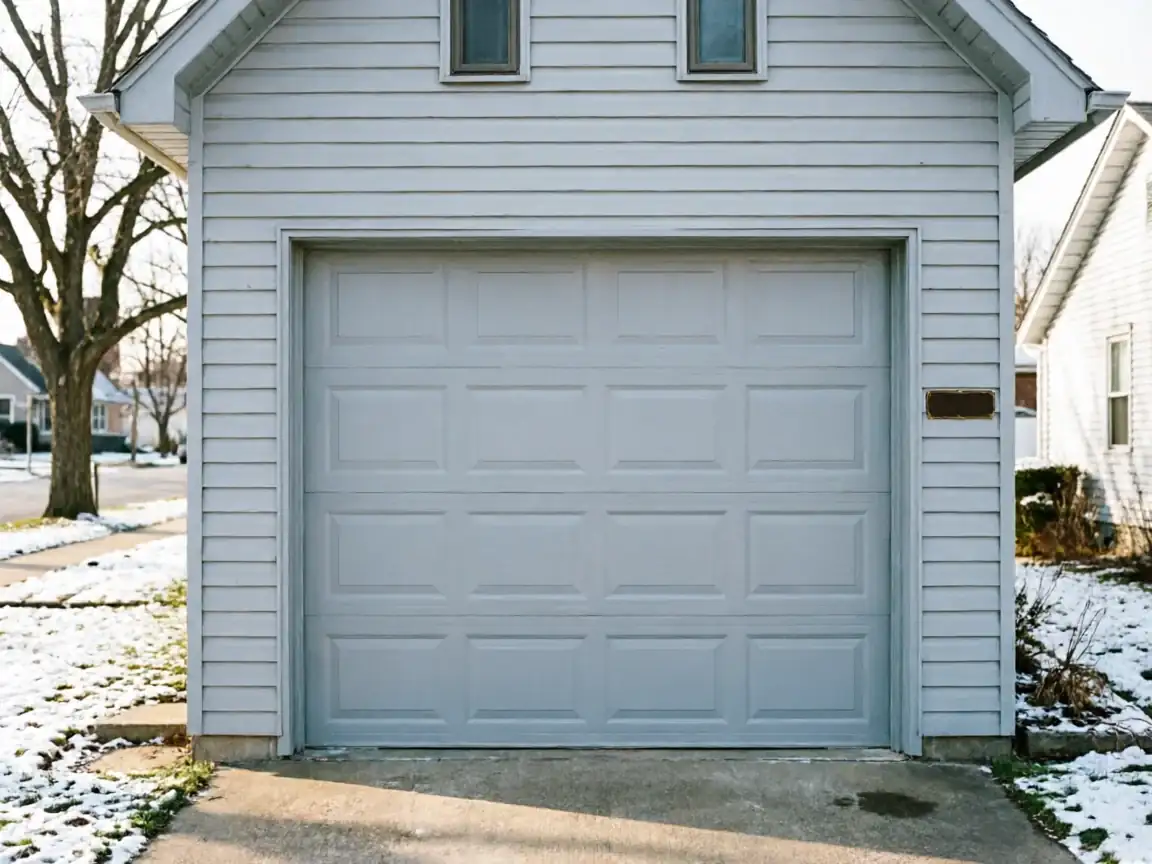
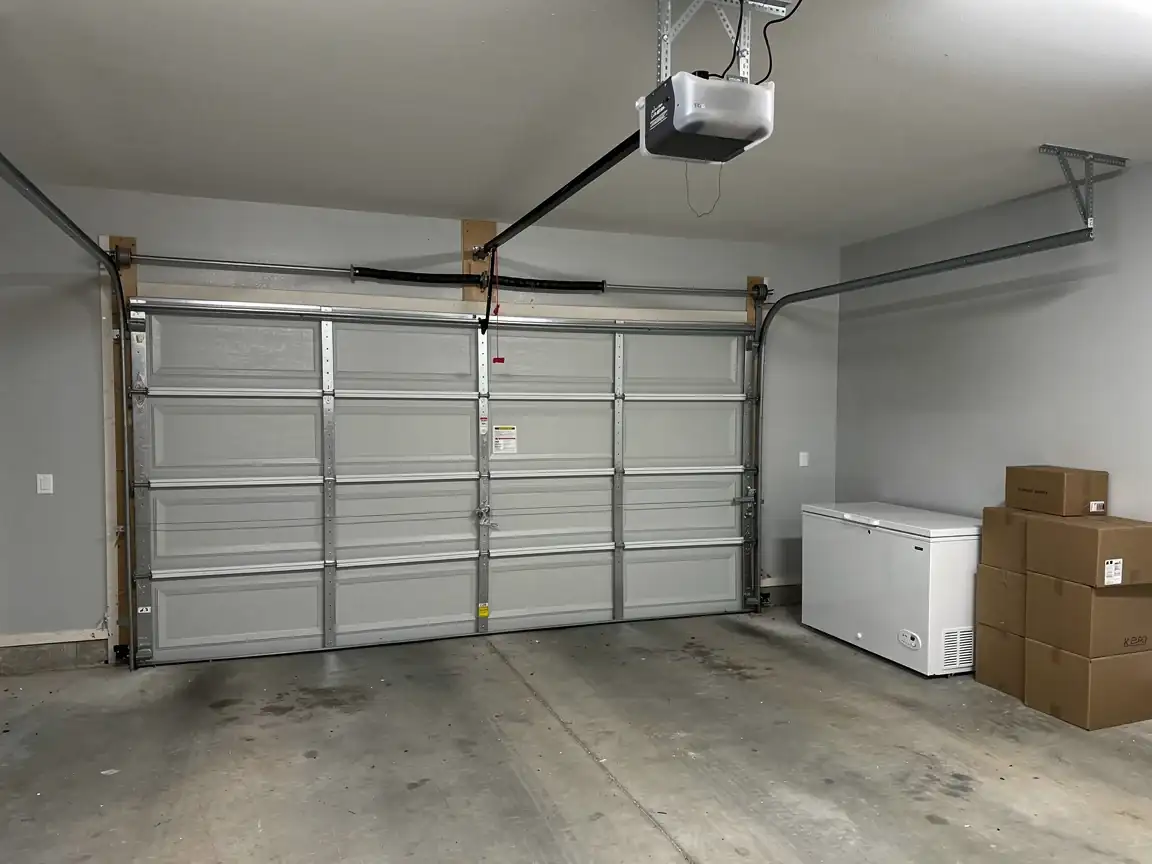
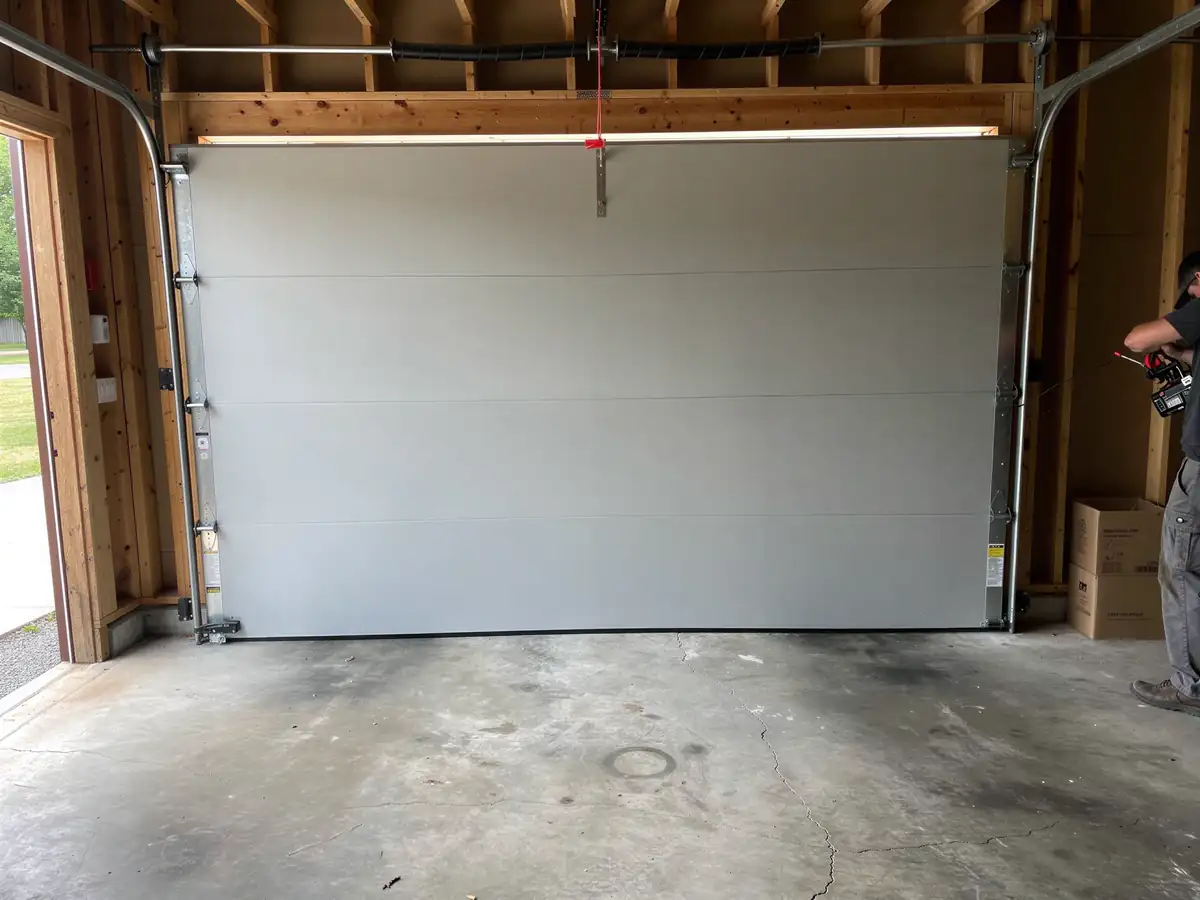
Corcoran's housing stock skews a touch newer than the rest of our service area. Across the 57 communities we cover, the median build year sits at 1982, but Corcoran's own median lands in 1984. That two-year gap matters more than it sounds. By 1984, most builders in this part of Minnesota had already shifted from extension springs mounted above the horizontal tracks to torsion springs mounted on a shaft above the door. If your house went up around then, you're more likely to have a torsion setup than the older extension-spring doors we still see in some of the longer-established pockets we service.
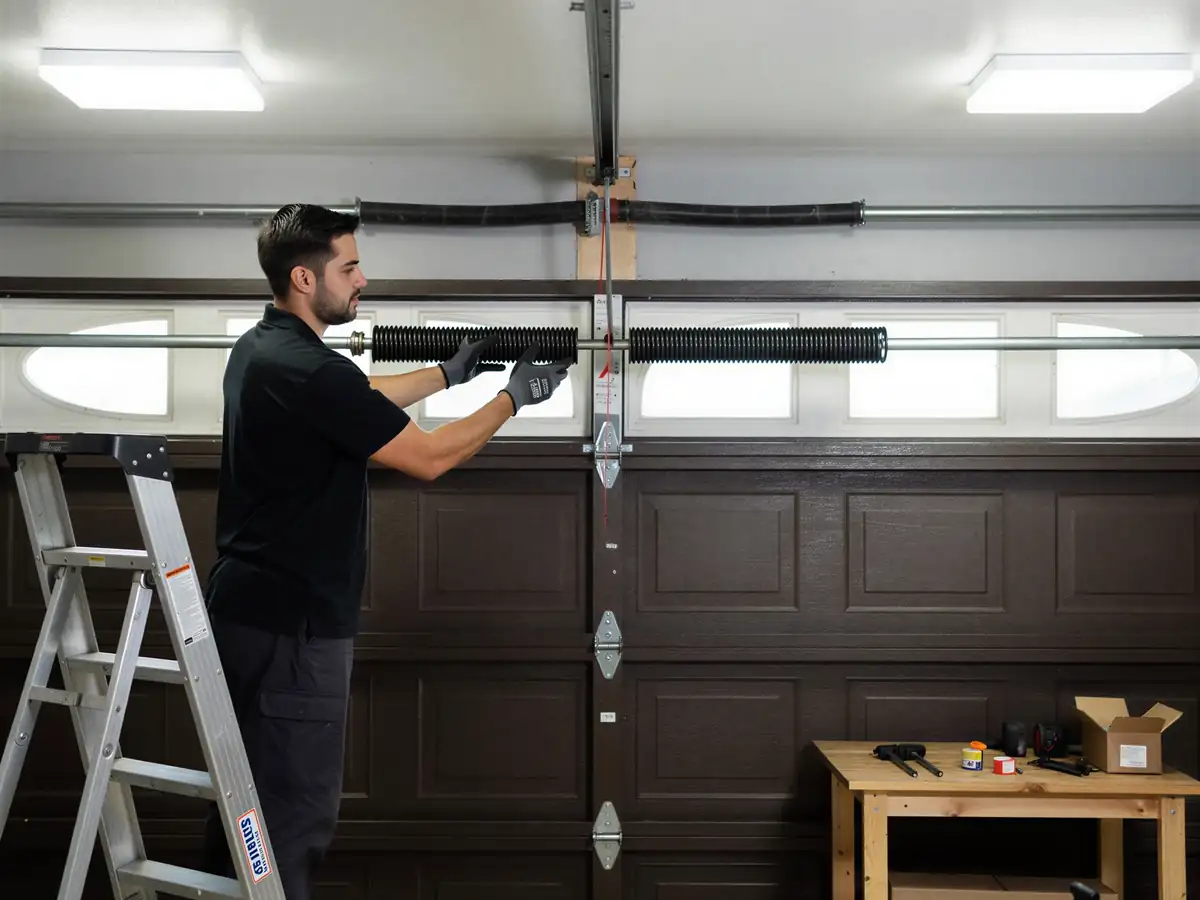
That's relevant because torsion springs fail differently and get fixed differently. They wind under heavy tension on a steel shaft, and when one breaks, the door usually won't budge, or it slams down hard and fast. Extension springs, by contrast, tend to stretch and sag before they snap outright, giving more warning. Either way, the cold swings this area gets each winter stiffen the lubricant and metal, and that's when a spring that's been fine for years finally lets go. We bring the right spring cable and winding bars on the truck depending on which setup your house has, because guessing wrong means a second trip.
How to Book
We're based out of Maple Grove, about 6 miles from Corcoran
So there's no branch office here and no separate dispatch - every job routes from the same truck and the same schedule. Call or book through the site and tell us roughly how old the house is and whether the door is stuck shut, hanging open, or making a bang-and-drop noise. That tells us which spring type to expect before we even pull in the driveway, which cuts down on back-and-forth once we're there.
- 6 miles
Corcoran has about 2,505 households, a smaller base than the 290,218 households spread across our full coverage area
So we're not running multiple trucks through town daily the way we might in a denser suburb. If you need same-day service, say so when you call - we'll tell you honestly whether that's realistic for that day rather than promise something we can't deliver from 6 miles out.
- 6 miles
How We Fix It
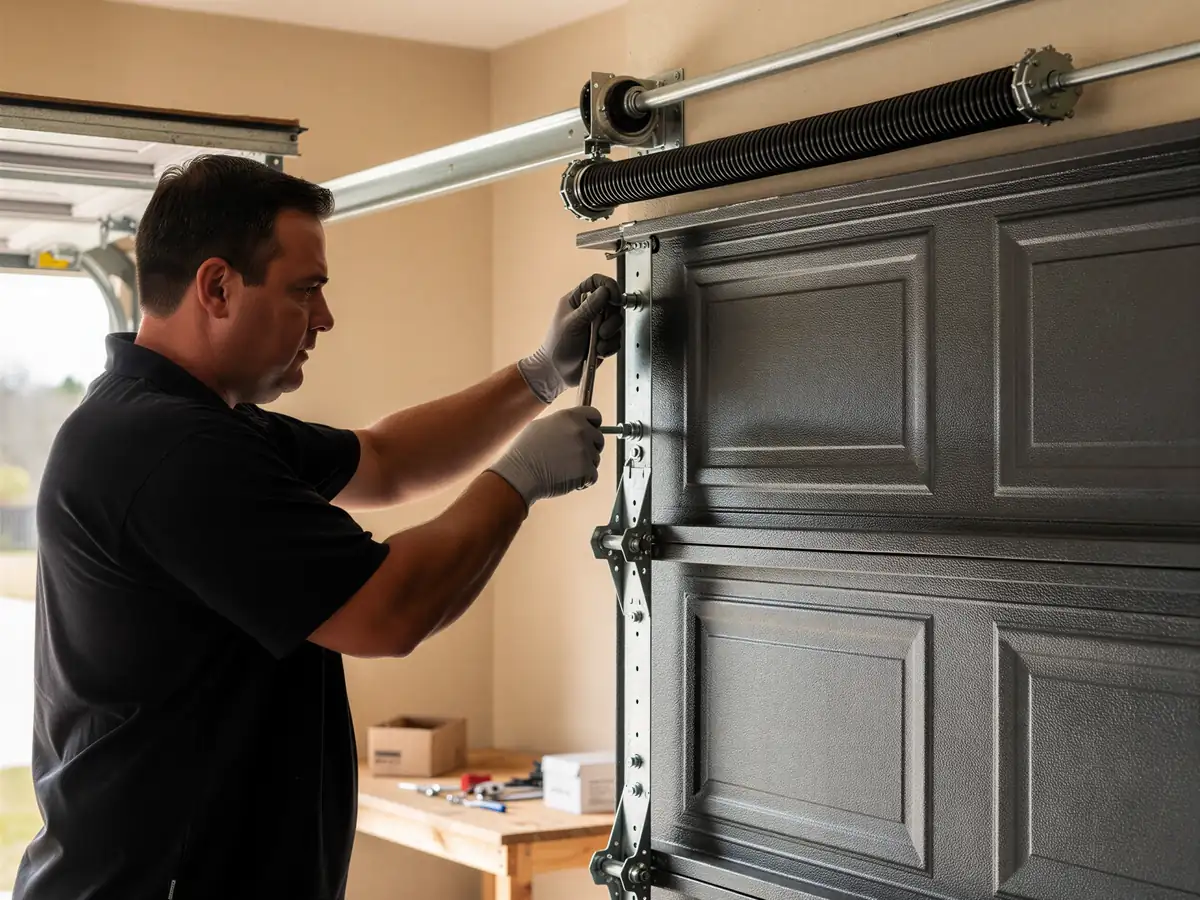
A broken torsion spring on a double door gets replaced as a pair even if only one side failed - mismatched springs wear unevenly and come back to bite you within a year. We measure the wire gauge, the coil diameter, and the wind direction off the old spring or the drum, because torsion springs are sized to the door's weight, not to a generic category. Guess the size wrong and the door either won't stay down or will slam.
For extension-spring doors, which still show up in older corners of our coverage area, we check the safety cables running through the spring before touching anything - without them, a broken spring under tension is a projectile. Replacement is straightforward once the door's weight and length are known.
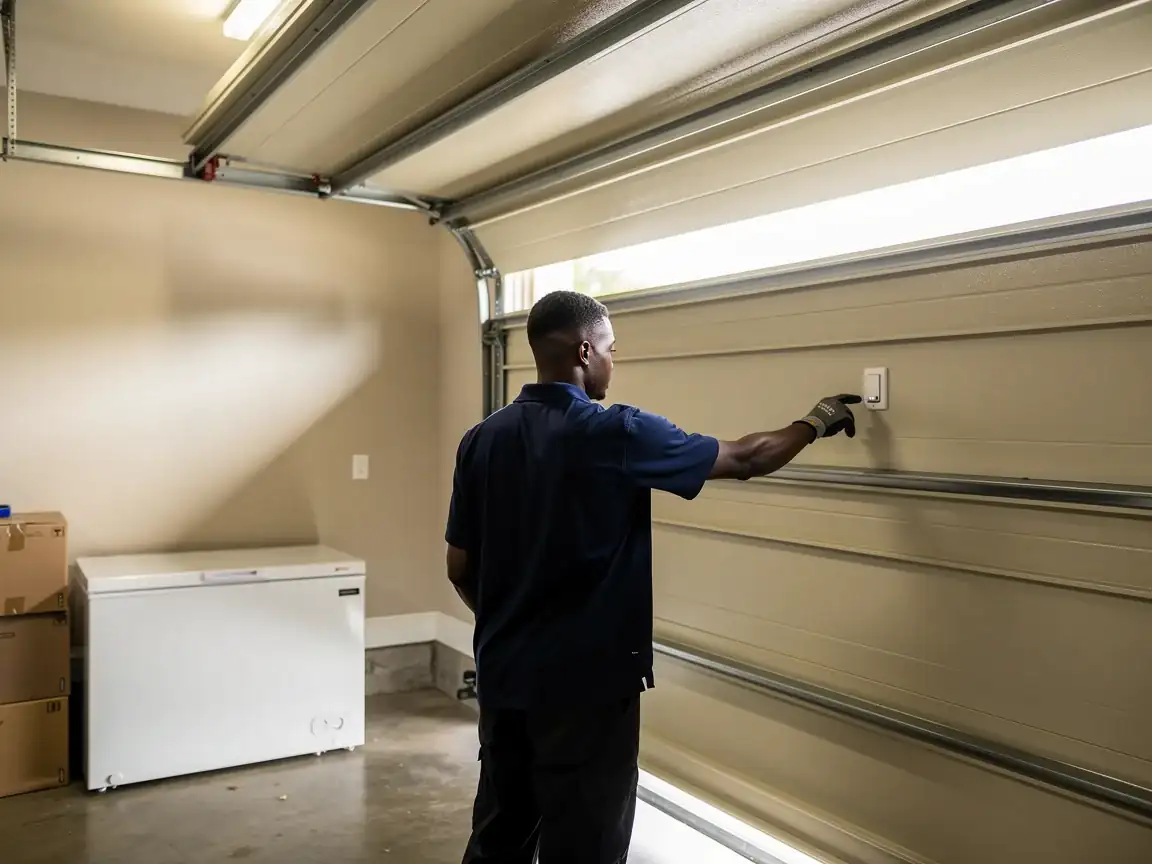
After the spring's in, we balance the door: set it so it holds still at roughly waist height with the opener disconnected. An unbalanced door isn't just annoying, it burns out opener motors early, and that's a repeat call nobody wants to make.
Can You Do This Yourself
Honestly, no - not the spring itself. A wound torsion spring holds enough stored force to break a wrist or worse if the winding bars slip, and that risk doesn't scale down just because the door looks ordinary. We'll say that to anyone, Corcoran or otherwise.
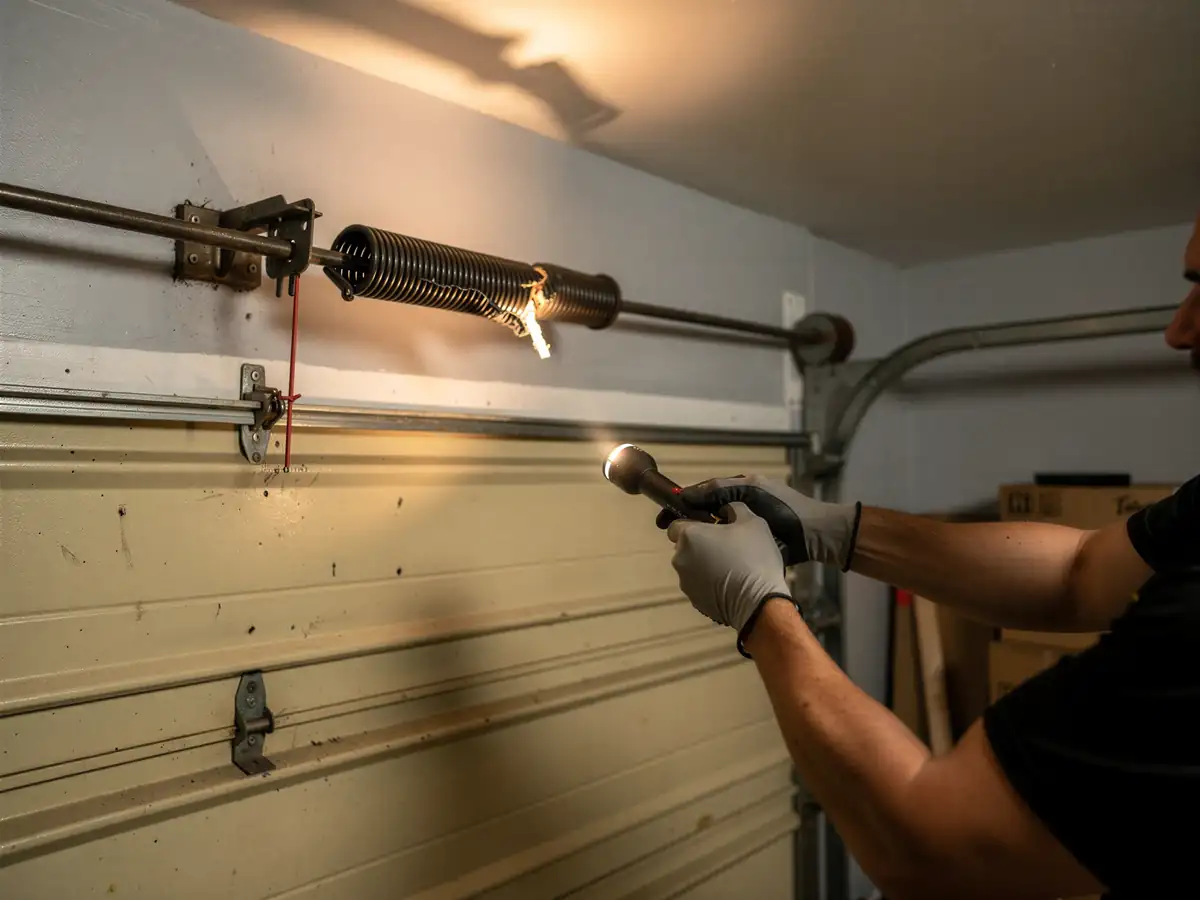
What you can do yourself: check if the door is binding on the tracks, listen for grinding at the rollers, and look at the bottom bracket cables for fraying. Those are visual checks, not repairs. If you see a gap in a coil, a stretched spring that doesn't snap back, or hear a loud bang followed by a door that won't lift, stop trying to open it manually and call. Forcing a door with a broken spring usually strips the opener gears, turning a spring job into a spring-plus-opener job.