Time on the Job
The first question on a panel job in Corcoran isn't how long the repair takes - it's whether a repair is even the right call. At a median household income of $143,250, a lot of homeowners here are weighing a $400-500 panel patch against putting that money toward a full door that won't need another patch in three years. We don't push one answer over the other. We measure, price both, and let you decide with real numbers in front of you.
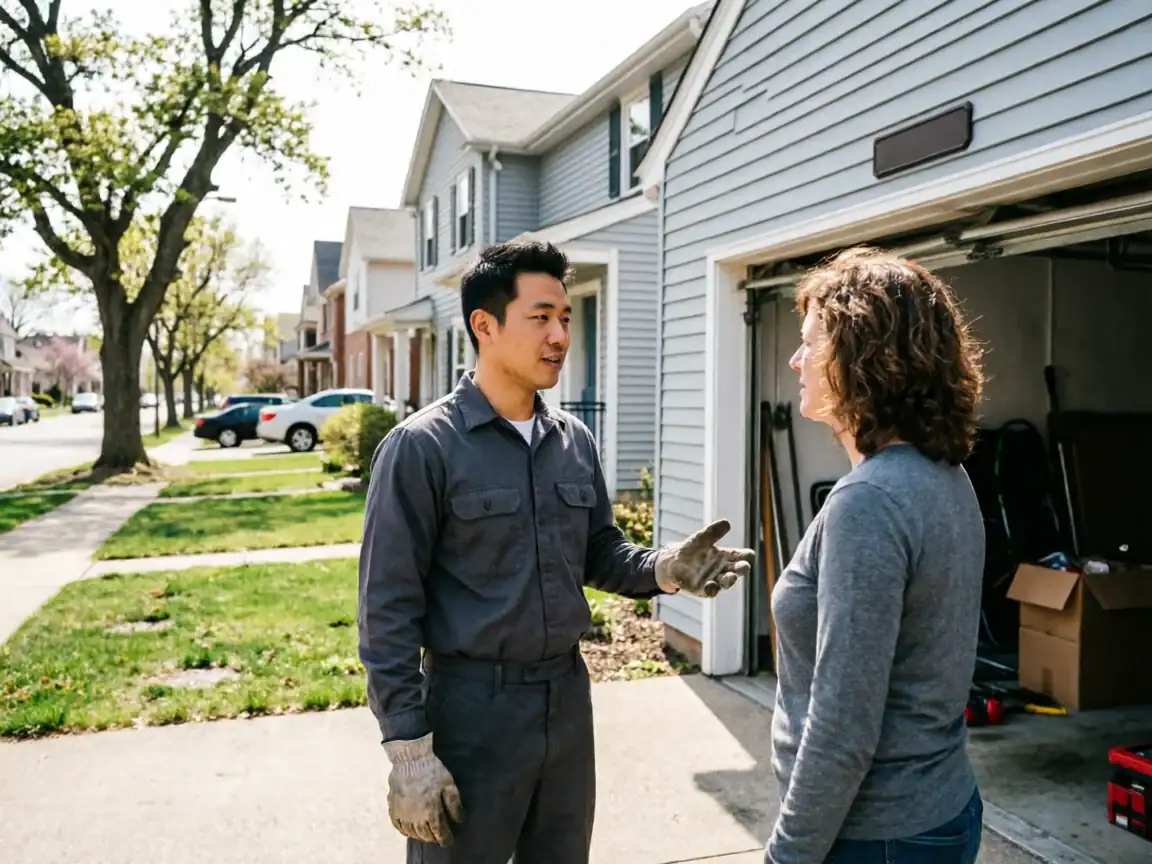
Once you've picked a direction, the job itself moves at a predictable pace. We drive the six miles out from our shop in Maple Grove, confirm the panel section and color match on site, and if the part is in stock locally, the swap itself usually runs under two hours. If the panel has to be special-ordered - which happens more in Corcoran than in denser parts of the service area, given how few households there are to keep demand steady for every older style - we'll tell you that up front instead of guessing at a date.
How to Book
Booking starts the same way for every job we run out to Corcoran
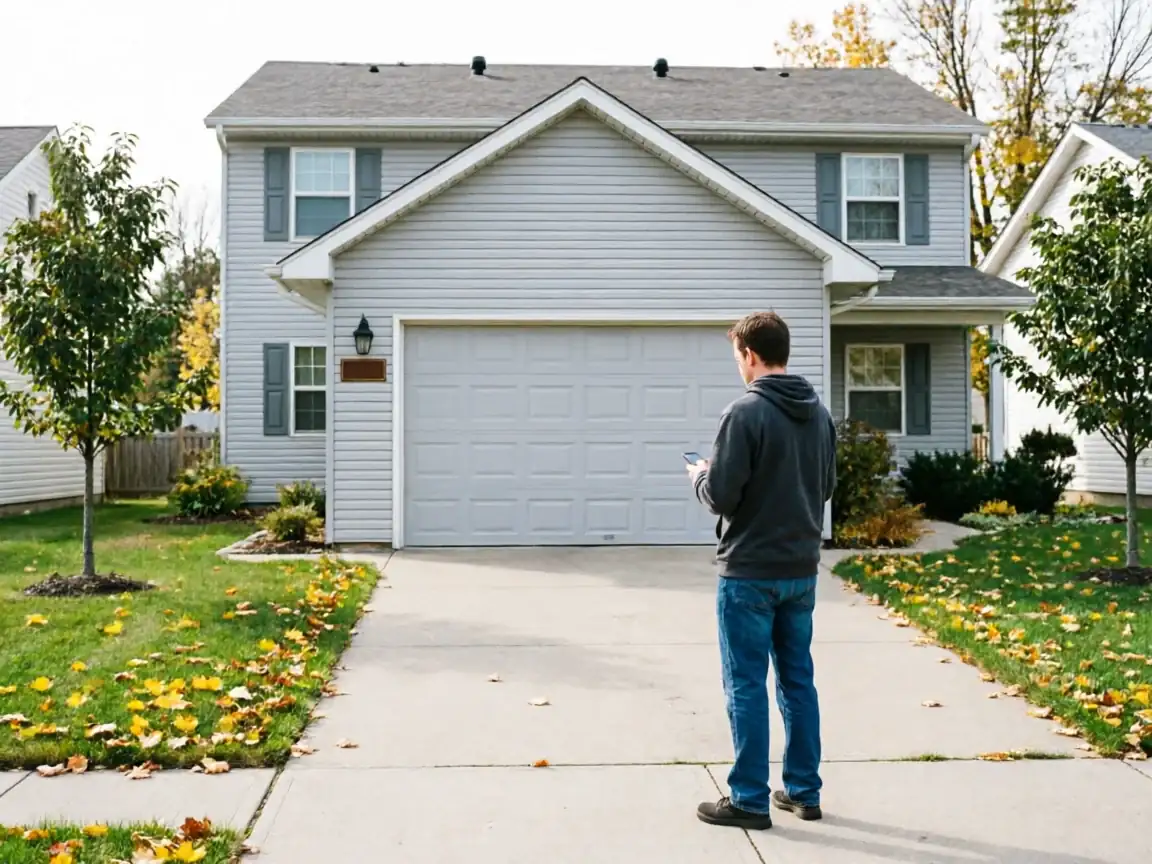
A call or a form through our Corcoran service page, where we ask for the door's age, the panel section that's damaged, and a photo if you can get one. That photo does more work than most homeowners expect - it tells us whether we're dealing with a steel panel from a door built around 1984, which is the typical construction era out here, or something newer that was swapped in during a prior repair.
We don't keep a branch in Corcoran
So every visit is scheduled out from Maple Grove rather than same-day drop-in. That's a real limitation, not a sales line - if you need someone standing in your driveway within the hour, we're not that. What we can do is give you a specific appointment window once we know what panel section you need and whether we're sourcing it or carrying it on the truck already.
Use the link below to start that conversation
It goes straight to the Corcoran-specific booking page rather than a general form. Book a Corcoran panel job
How We Fix It
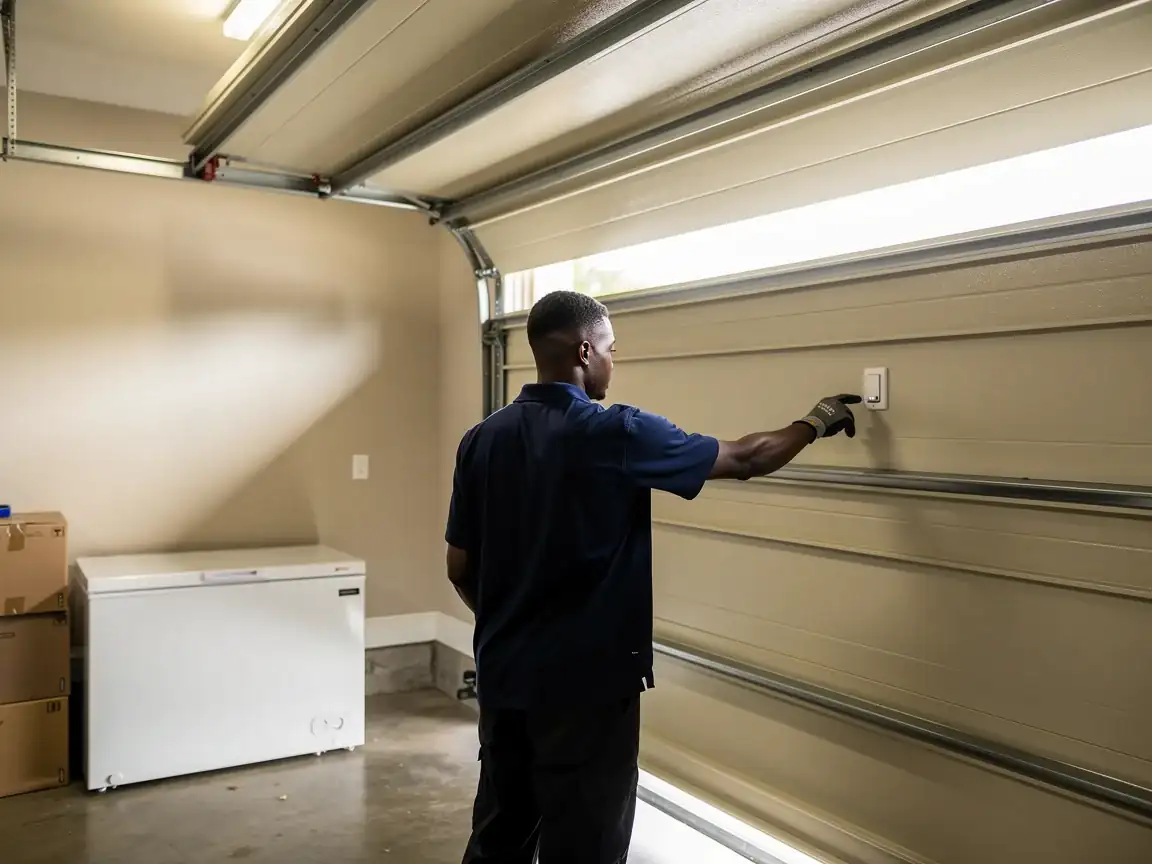
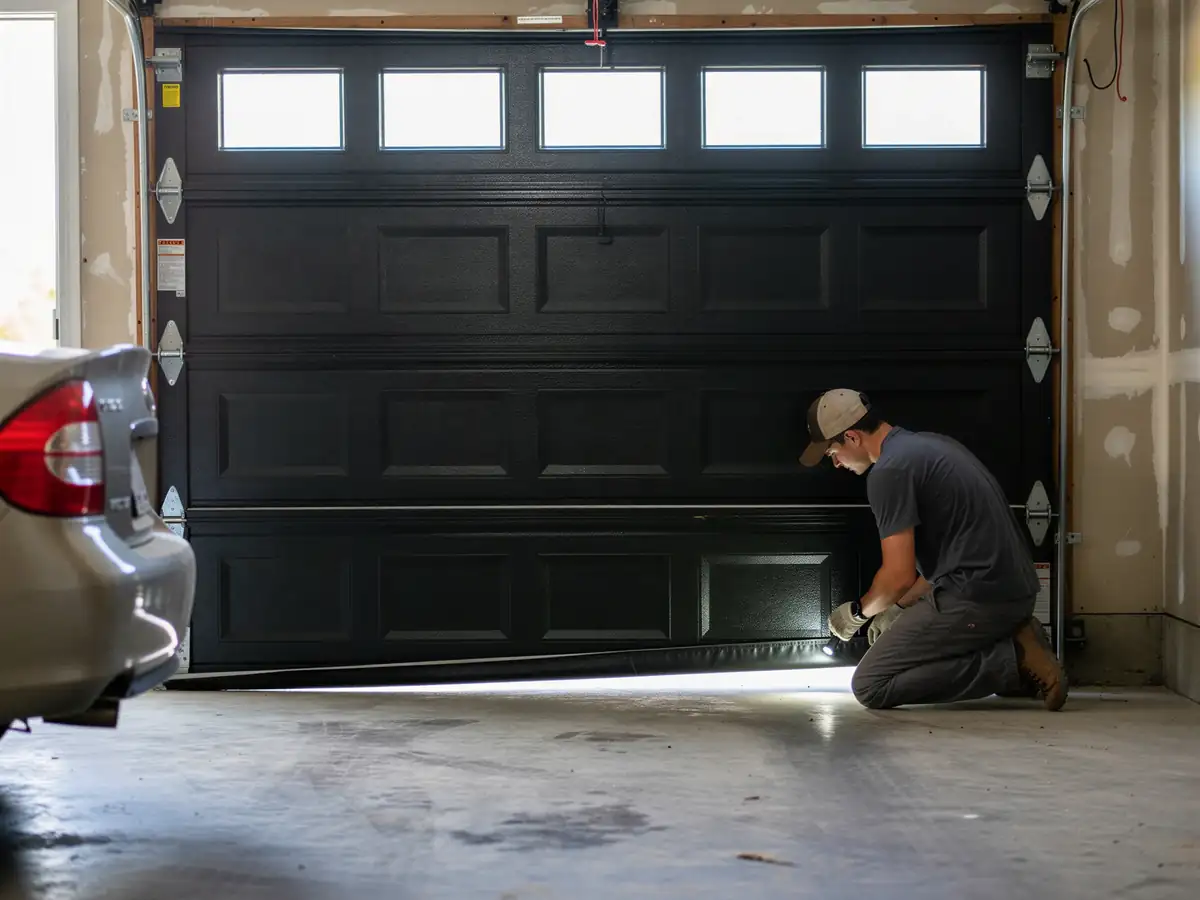
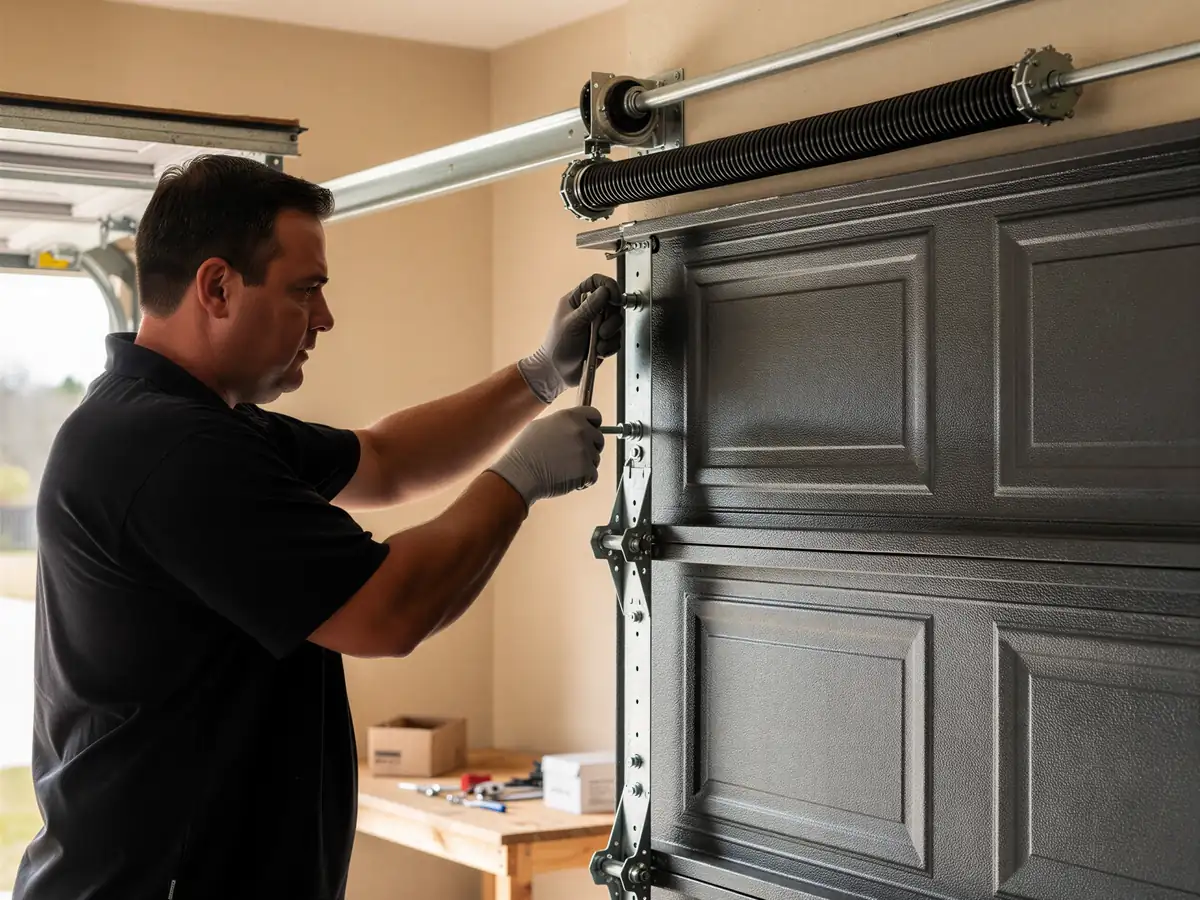
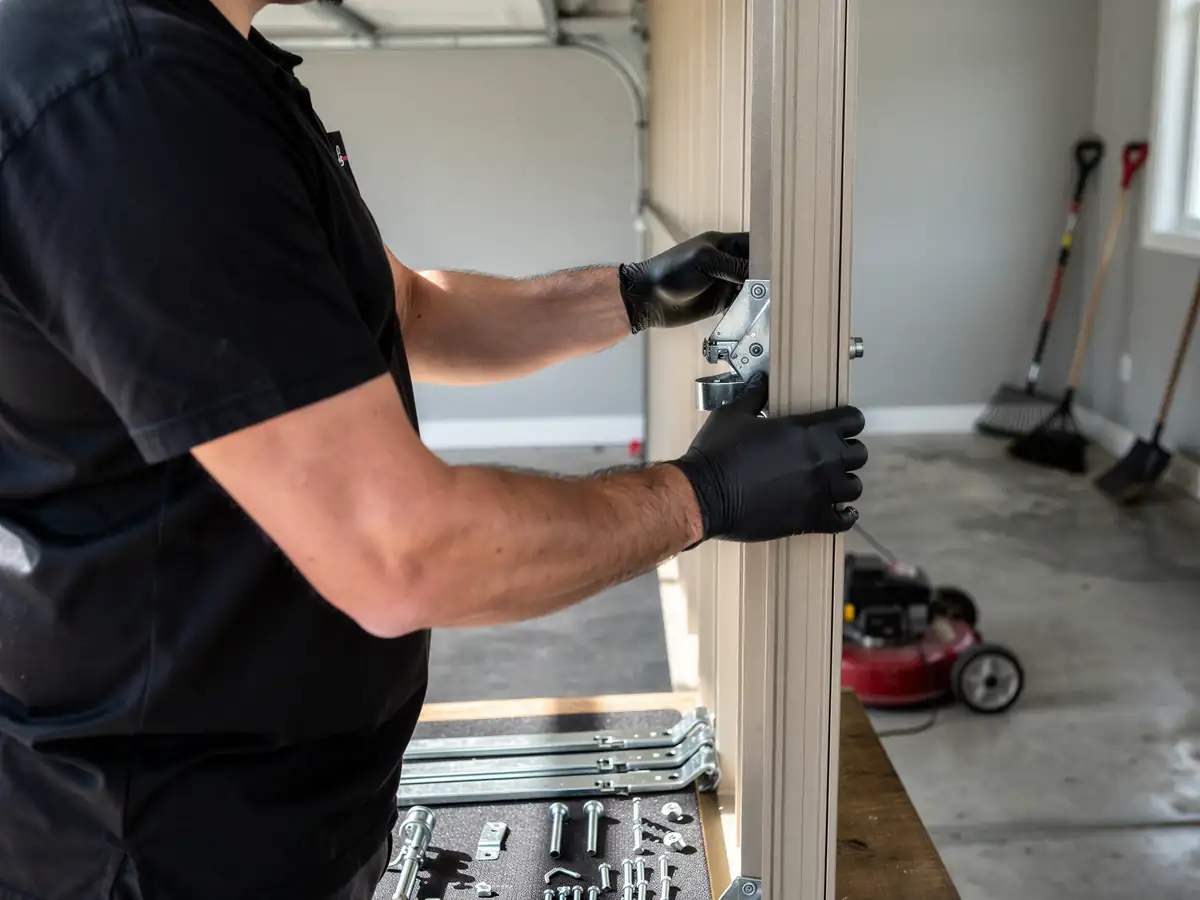
Most panel jobs in Corcoran involve matching a section on a door that's been in place since somewhere in the 1980s. These are usually steel, often two-sided with a foam core, and the main challenge isn't removing the damaged panel - it's finding a replacement section with a hinge spacing and profile that actually lines up with the rest of the door instead of sitting slightly proud or recessed.
Because Minnesota's winters sit in the severe end of the cold climate band, we also check the insulation value of the replacement panel against what's already on the door. A mismatched panel might look fine in July and then become the one section of the door that sweats and frosts on the inside every January. We won't install a panel that doesn't match the R-value of its neighbors just to save a trip back out.
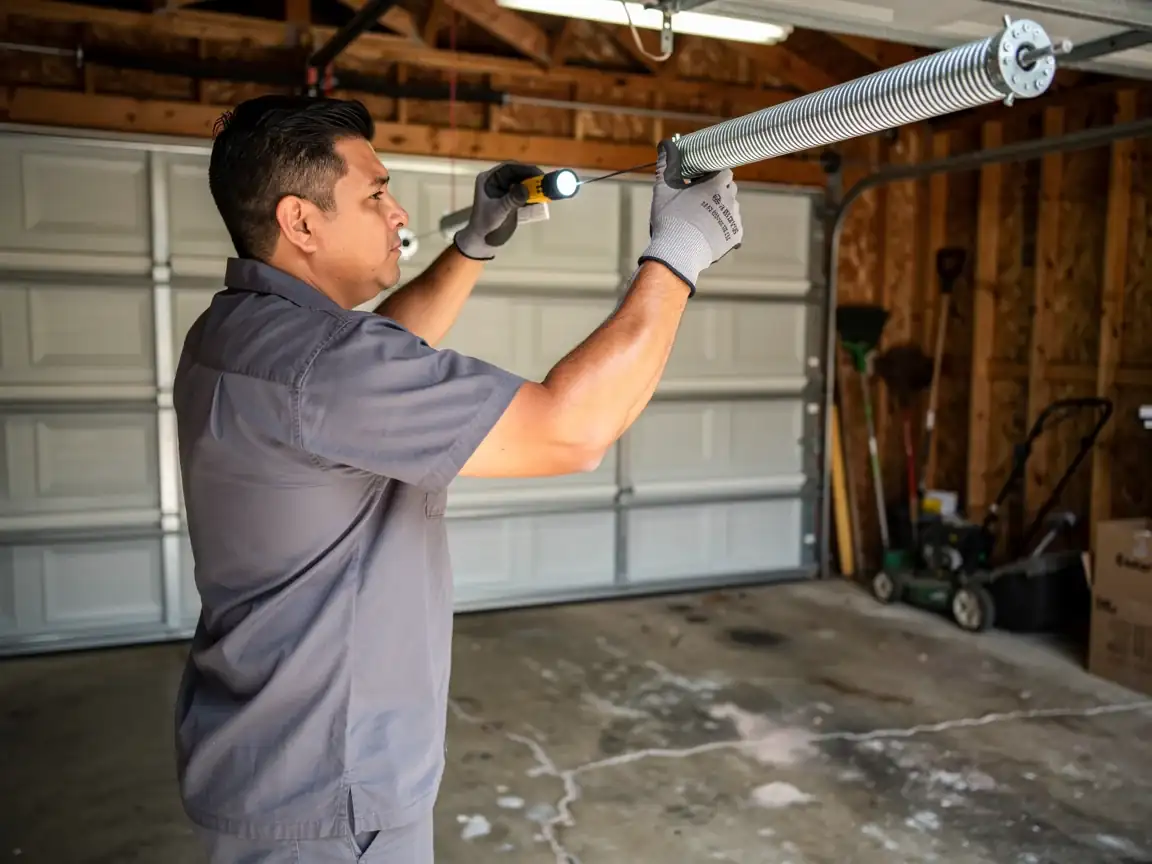
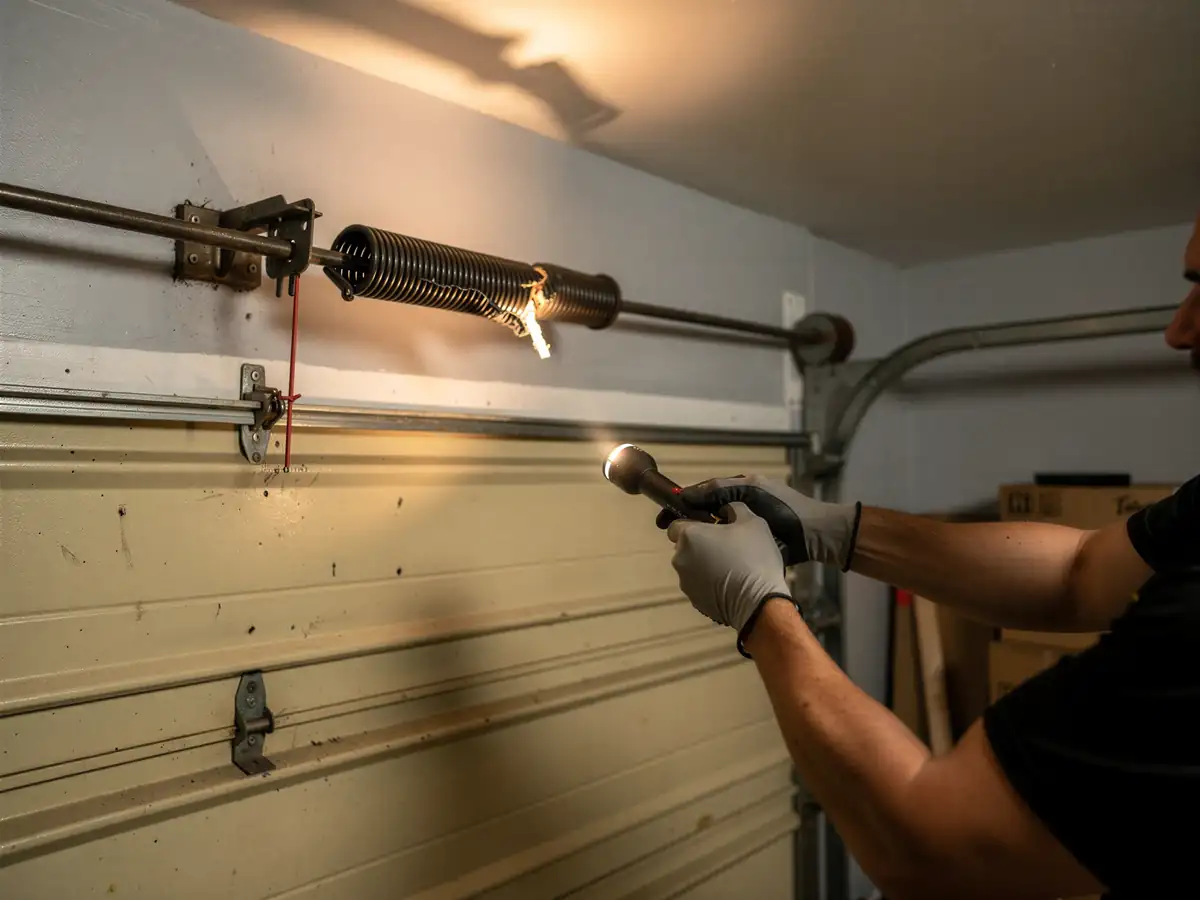
Once the new section is in, we re-square the track alignment on that side of the door, since a bent or caved panel usually pulls the roller path slightly out of true even if the track itself looks straight. Skipping that step is the most common reason a "fixed" panel starts binding again within a few months.
Can You Do This Yourself
A single bottom panel on a lightweight residential door is within reach for a homeowner who's comfortable with basic tools and has disconnected an opener before. If the damage is cosmetic - a dent from a bike or a mower, nothing cracked through - and you can source the exact matching panel yourself, it's a reasonable weekend project.
Where it gets harder is matching panels on a door that's been up since the early-to-mid 1980s, which describes a lot of the stock in Corcoran. Manufacturers don't keep every profile in production for forty years, and an exact match on hinge spacing, color, and insulation isn't something you can eyeball from a hardware store shelf. Get that wrong and you end up with a door that opens and closes but looks like two different doors stacked on top of each other, or worse, one panel that drags on the track because the fit is off by a few millimeters.
We're honest that this isn't always worth hiring out - a clean, visible dent on an otherwise sound door is sometimes a fine DIY call. Where we'd push back is replacing a structural or insulated panel on a cold-climate door without matching the R-value; that's the part that costs you later, not now.