Time on the Job
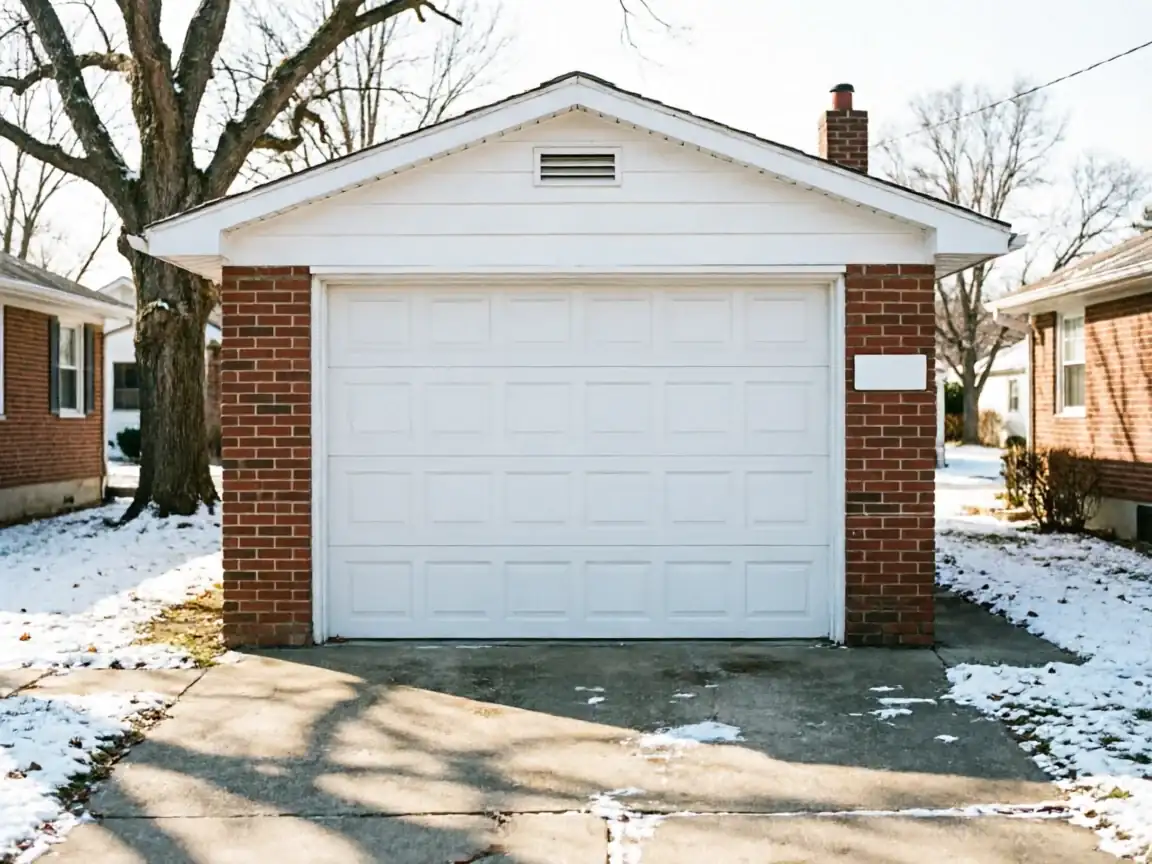
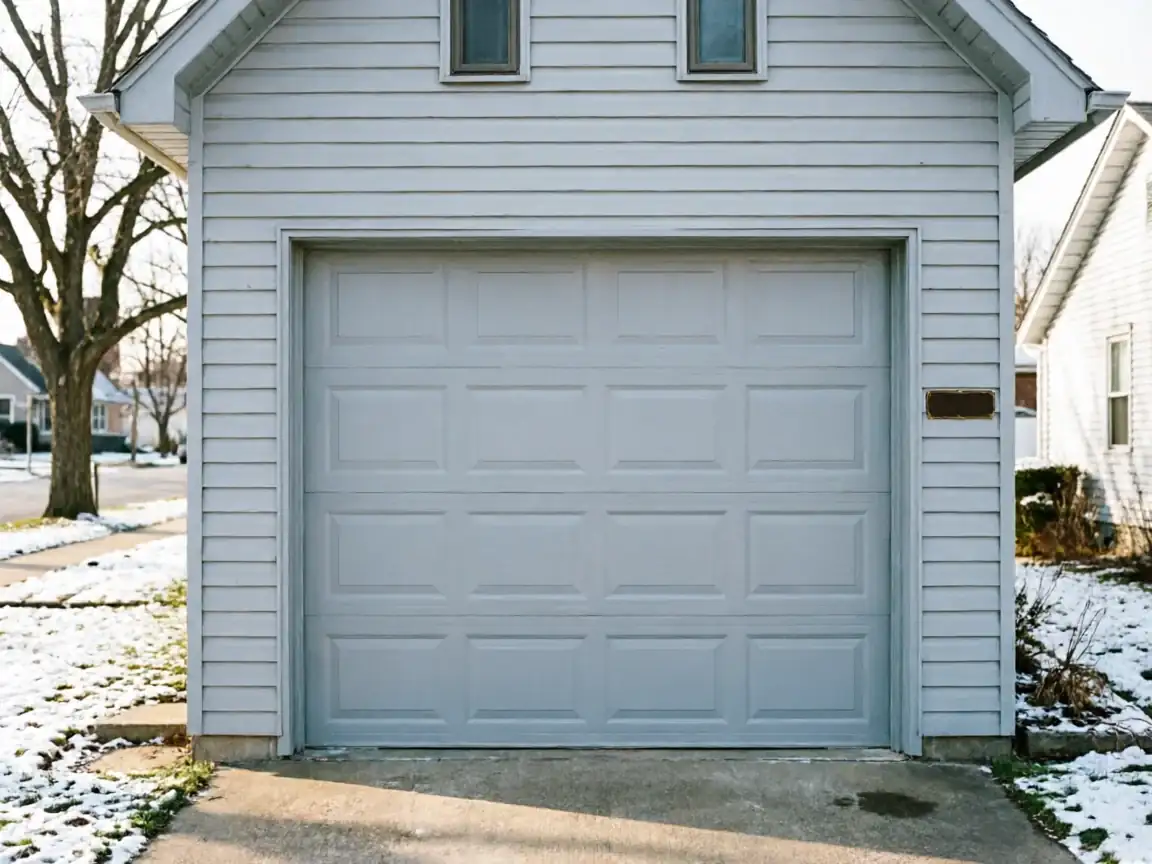
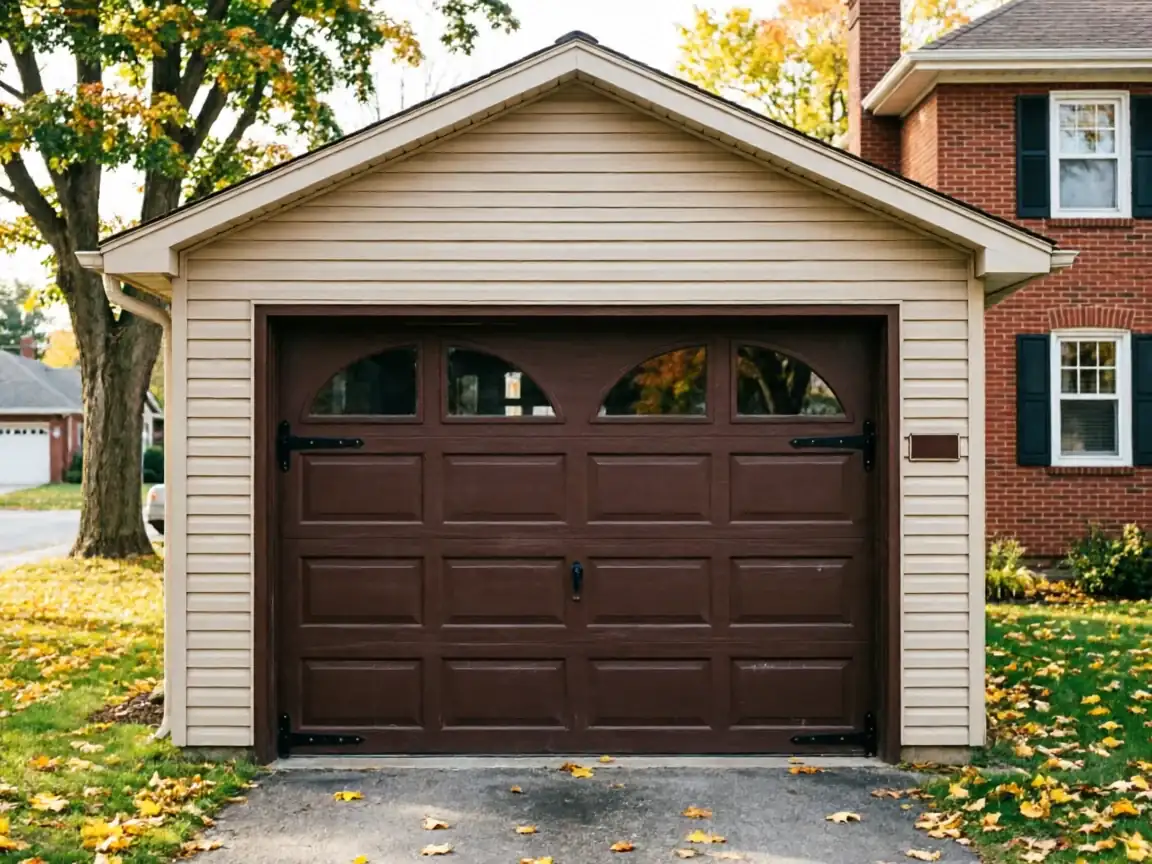
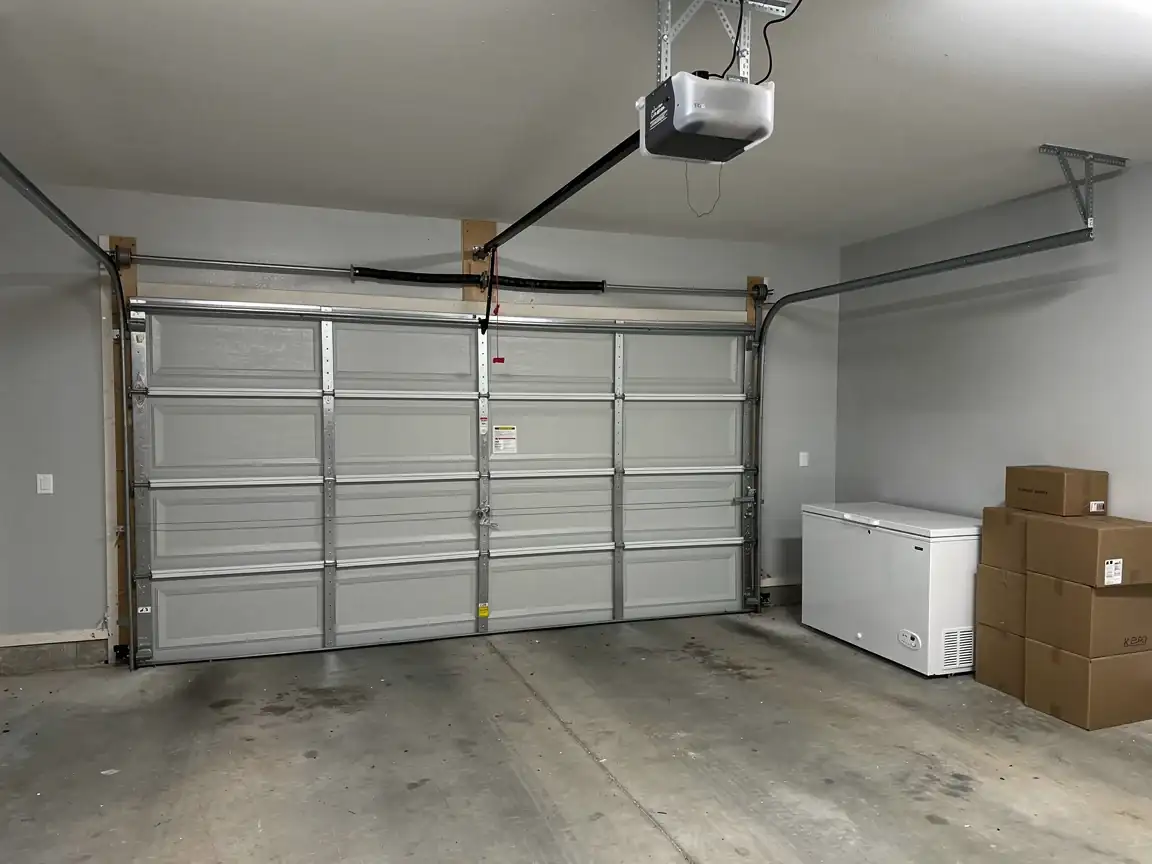
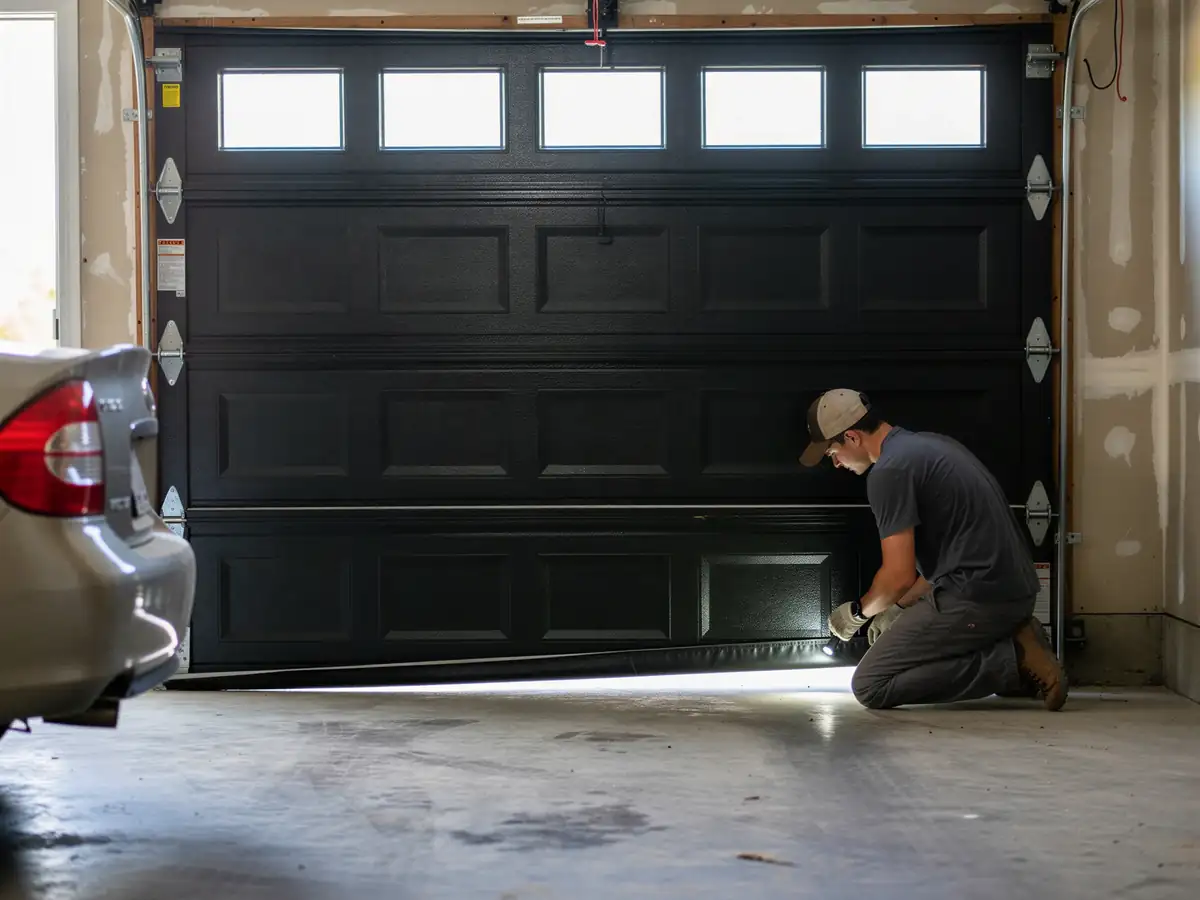
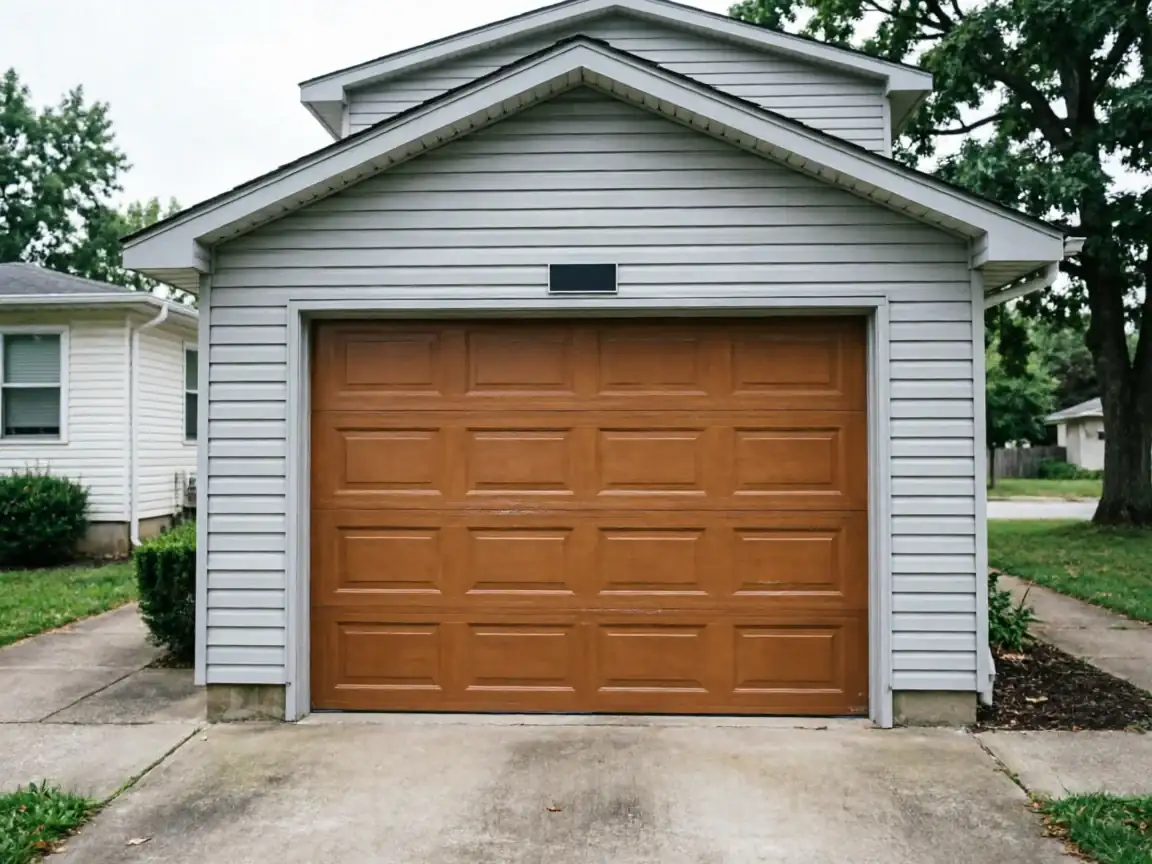
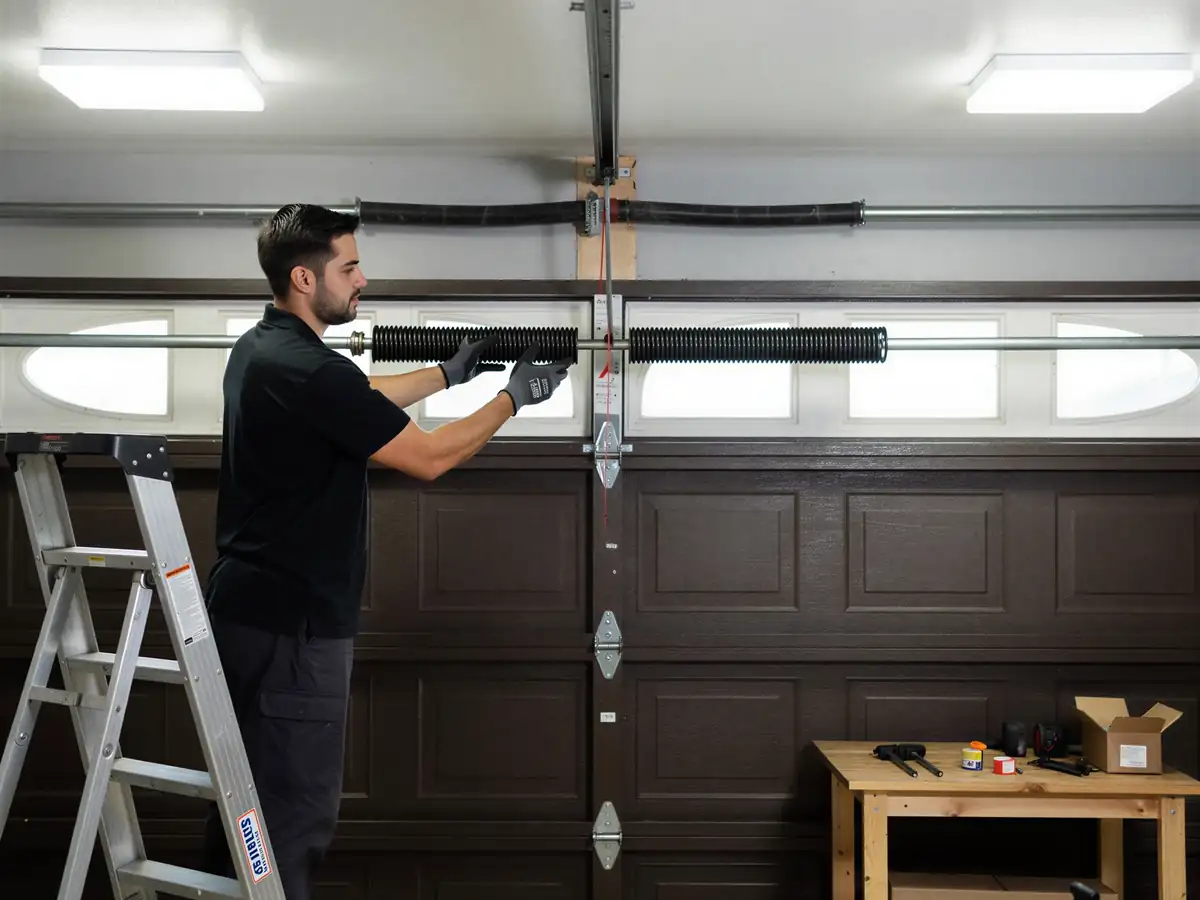
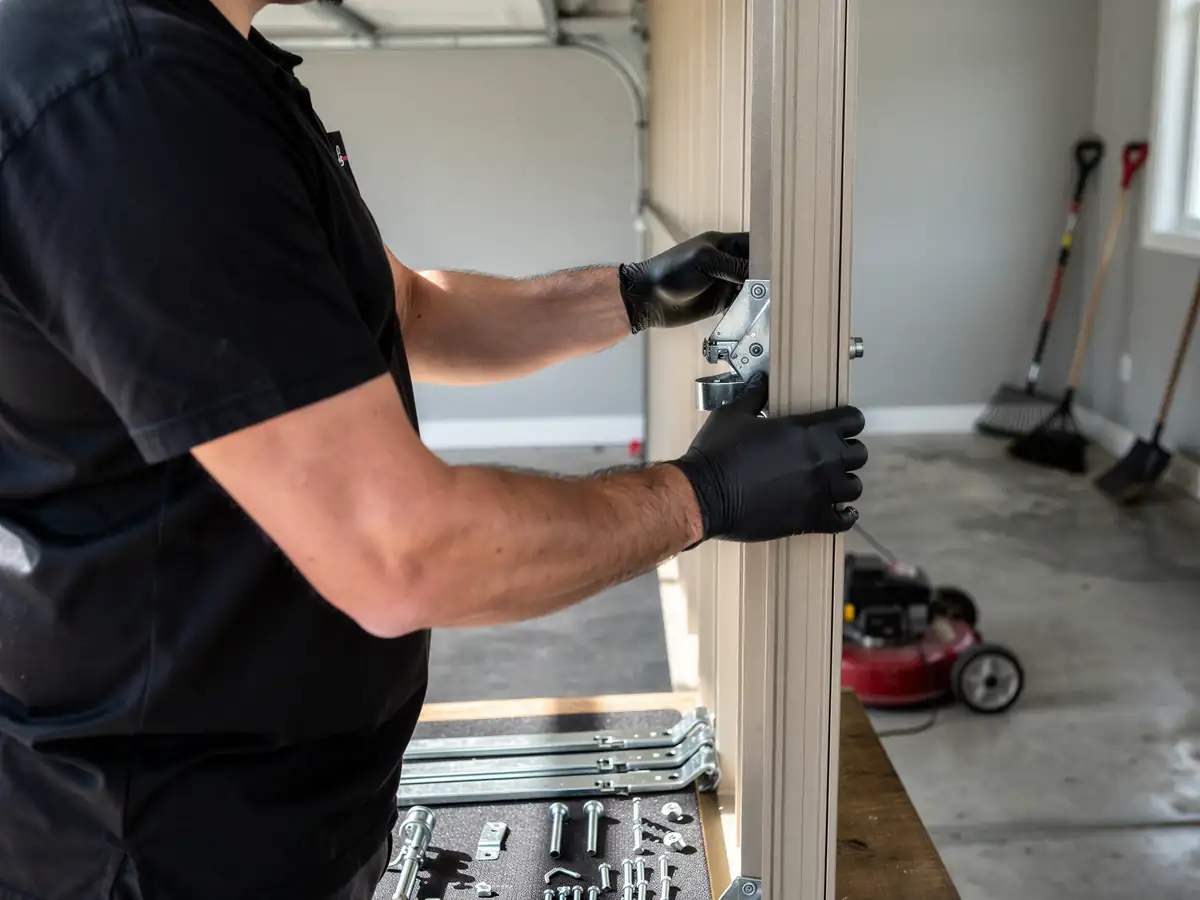
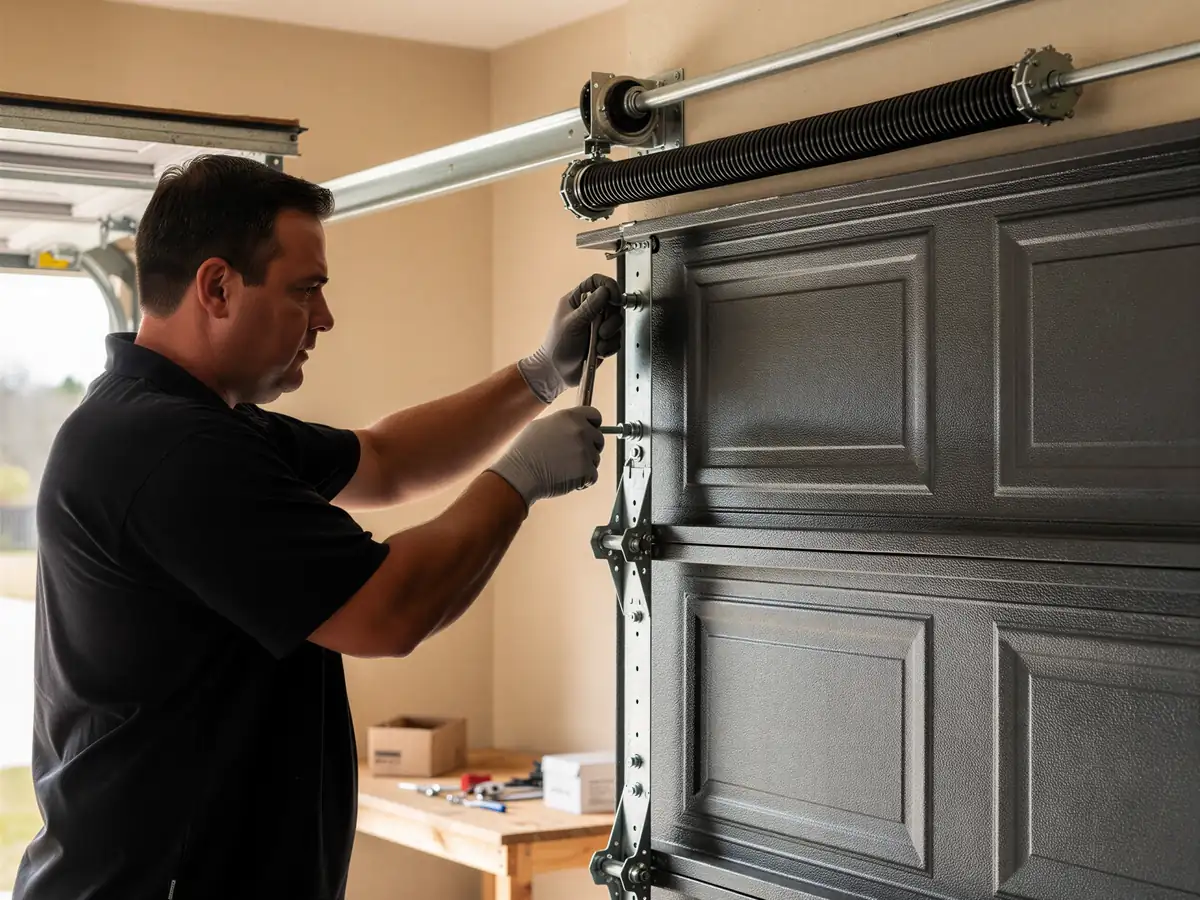
A Corcoran install starts with what's already on the house. Most garages here went up when the area's median year built was 1984, which means a single-layer steel door, usually a 16x7 double or a 9x7 single, hung on the same galvanized track the builder used. No foam core, no vinyl backing - just one skin of steel between the garage and a Minnesota winter. Taking that down is quick. Fitting a new door right is the part that takes care: squaring an opening that's settled over forty years, checking the header can carry a heavier insulated panel, and setting new torsion springs to match the door's actual weight instead of guessing off the old ones. On a double-wide opening especially, the spring sizing is where a rushed job shows up later as a door that won't stay put at half-travel. We don't quote a fixed number of hours here because every one of those 1980s openings has settled a little differently, and we're not going to pretend otherwise before we've seen it.
How We Fix It
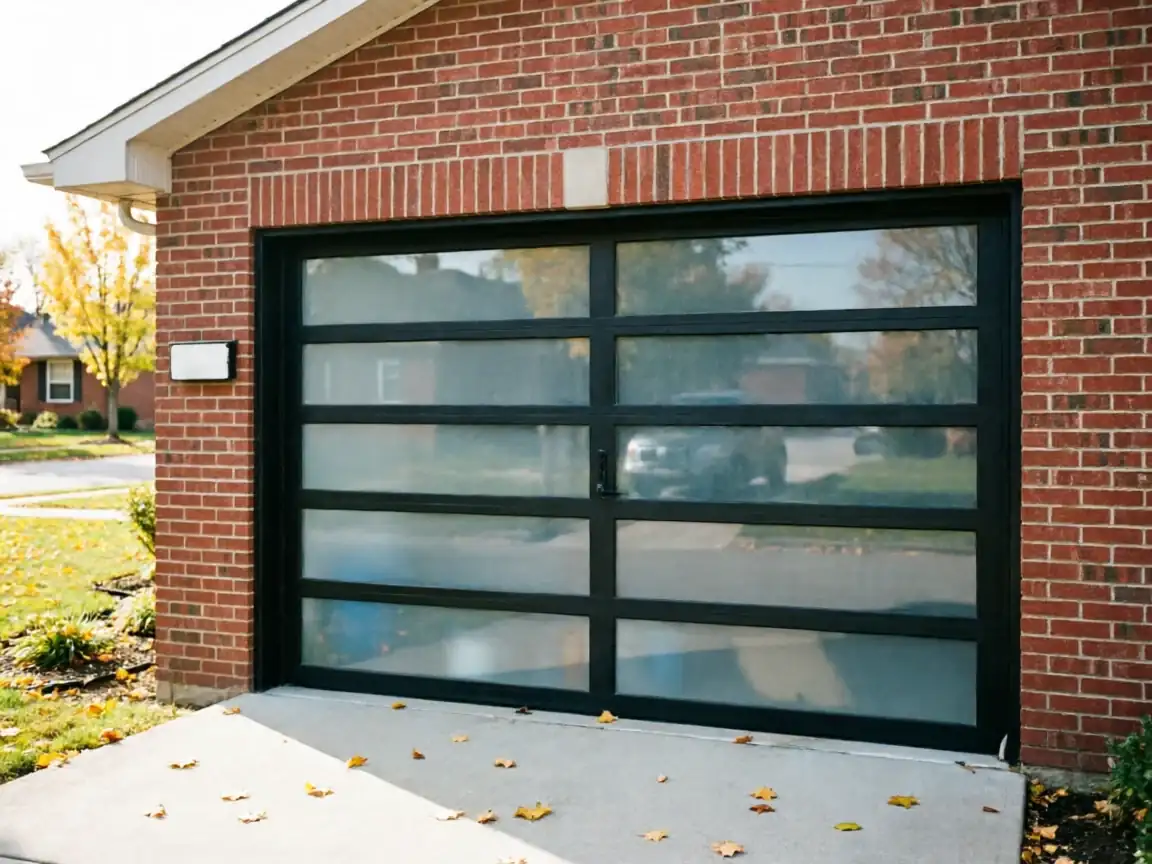
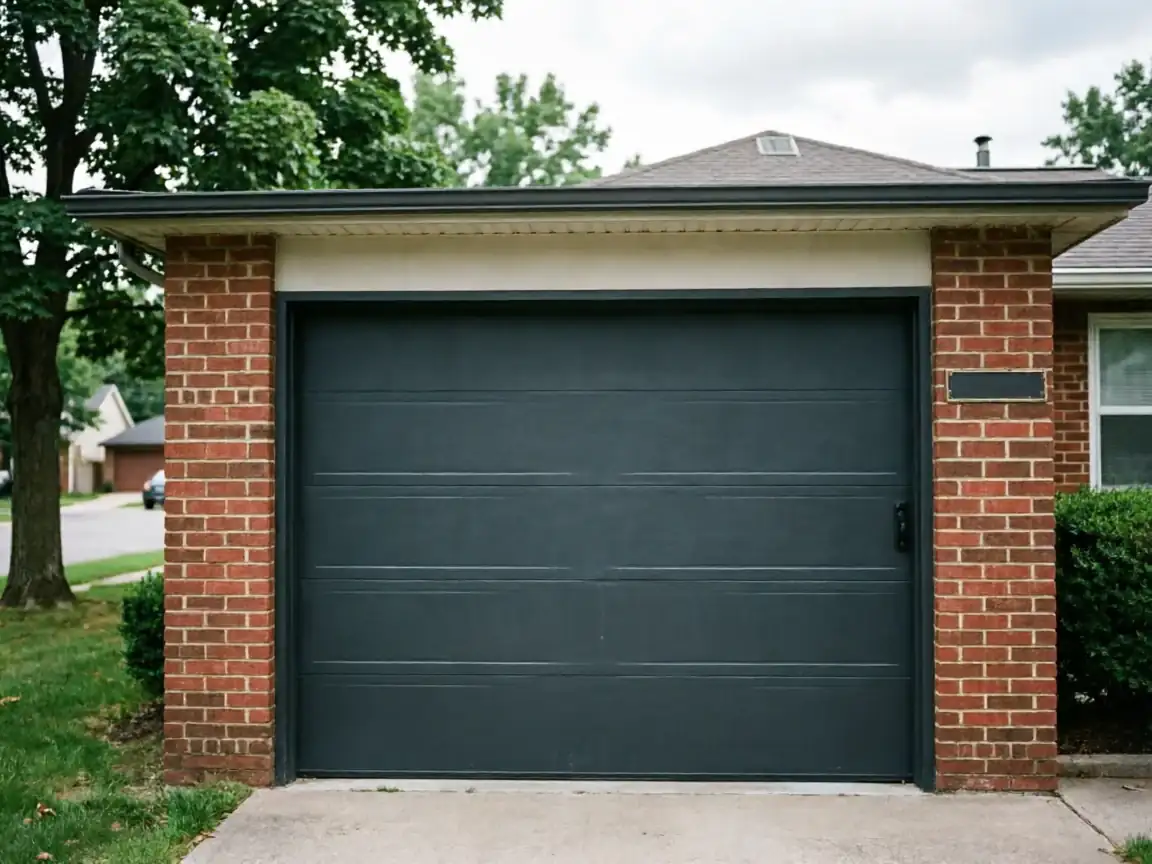
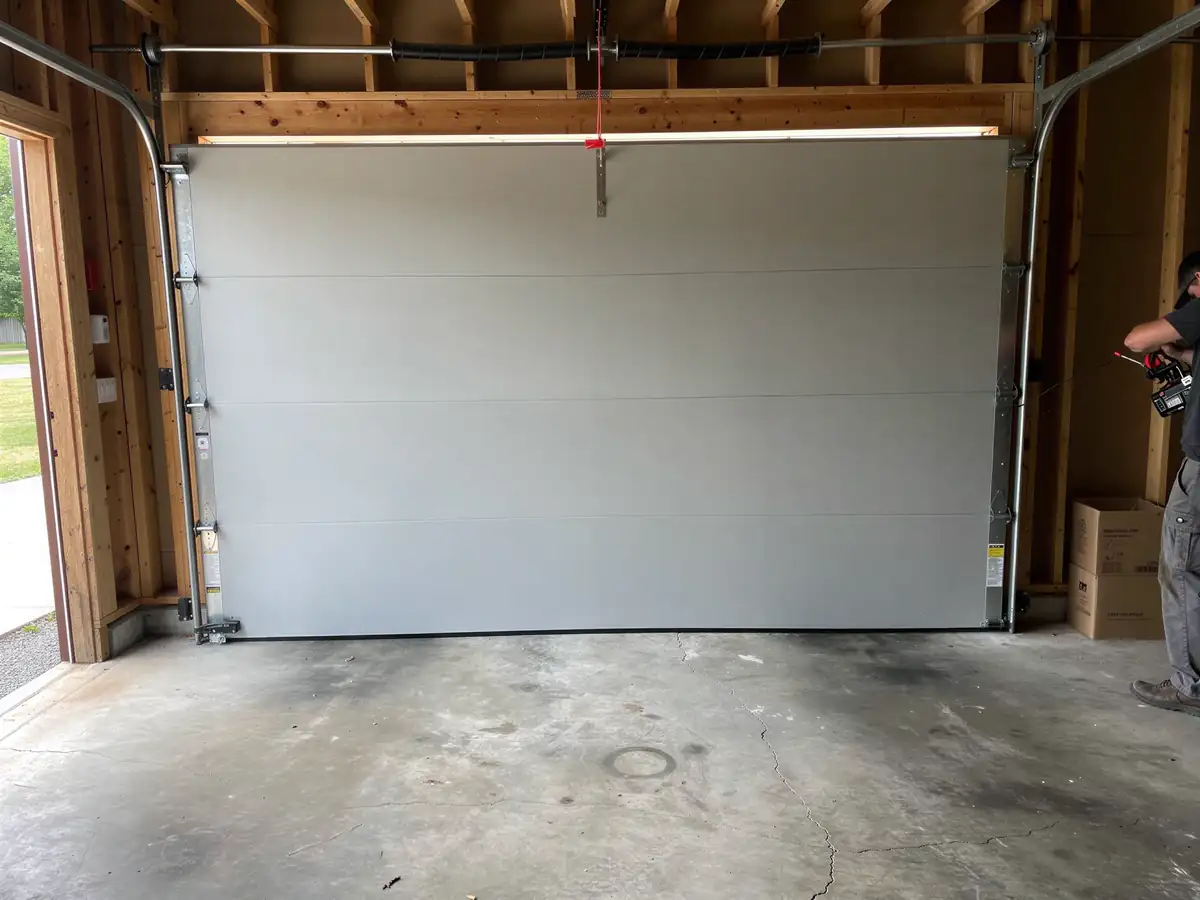
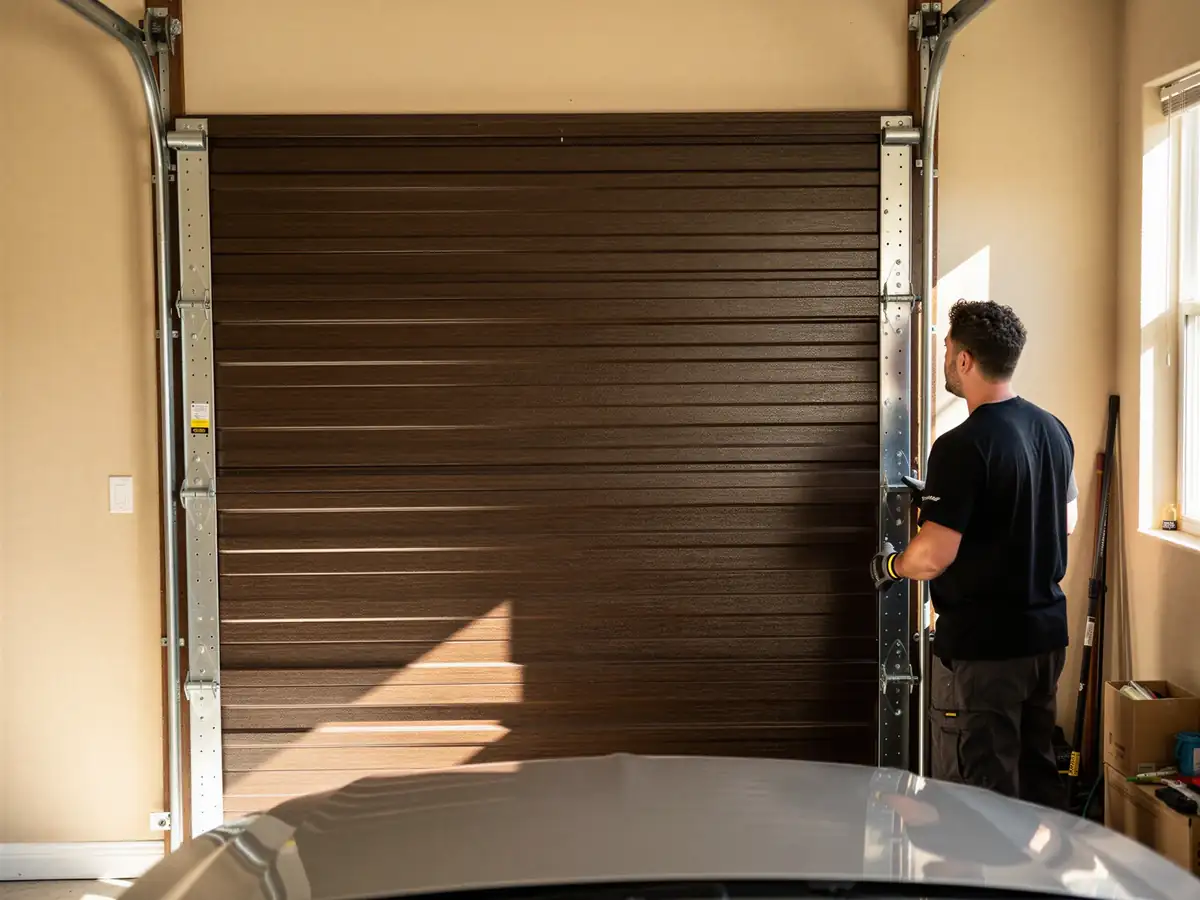
Replacing a door from the early-to-mid 1980s isn't a straight swap. The rough openings from that era tend to run a touch narrower than today's standard sizing, so a new insulated steel door - 2-inch panel, polystyrene or polyurethane core - often needs track and jamb adjustment even when the hole looks like a standard size on paper. Given the cold-severe winter load this part of Minnesota sits in, we don't put a single-layer door back on a house that's getting one replaced; the whole point of the swap is a door built for the cold this area actually sees, not the cold the 1984 code assumed. We also check the opener while we're in there - a lot of these houses still run the original chain-drive unit, and if the new door is heavier, that opener's travel limits and force settings get reset, not left on factory defaults from forty years ago.
Can You Do This Yourself
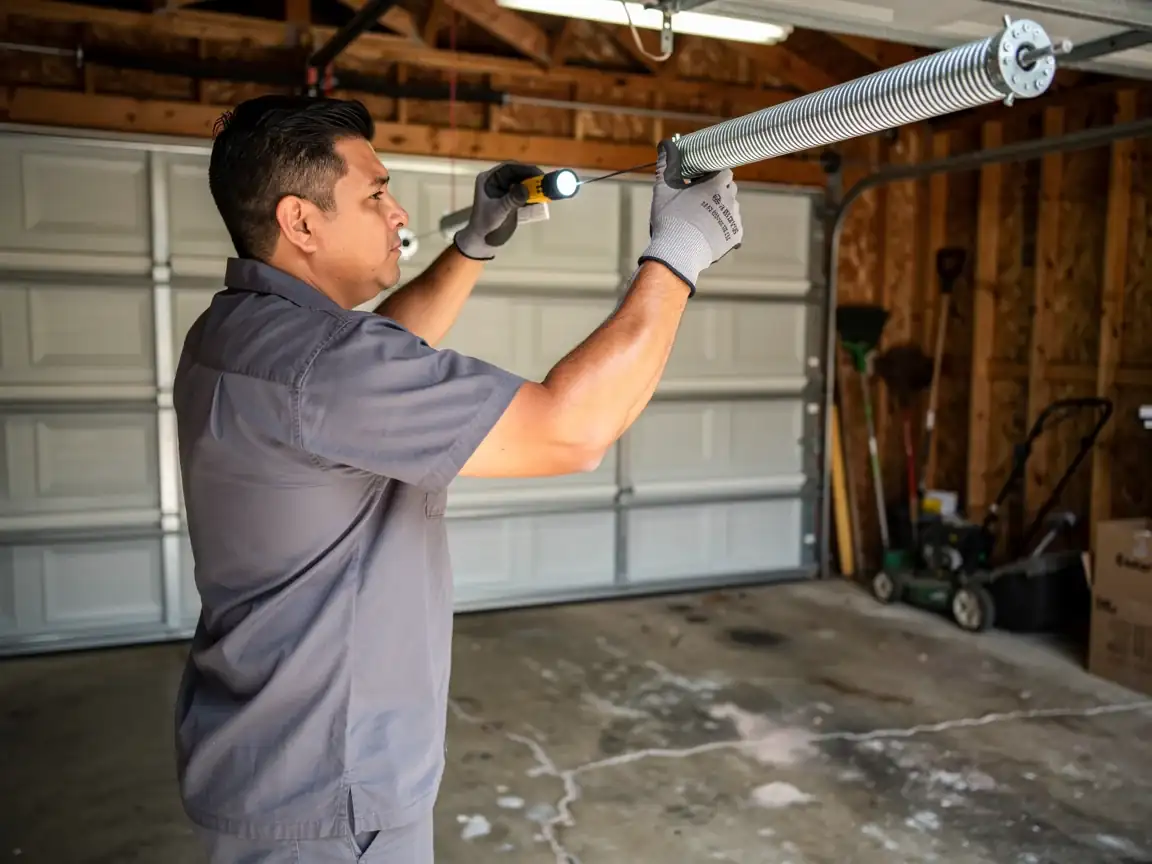
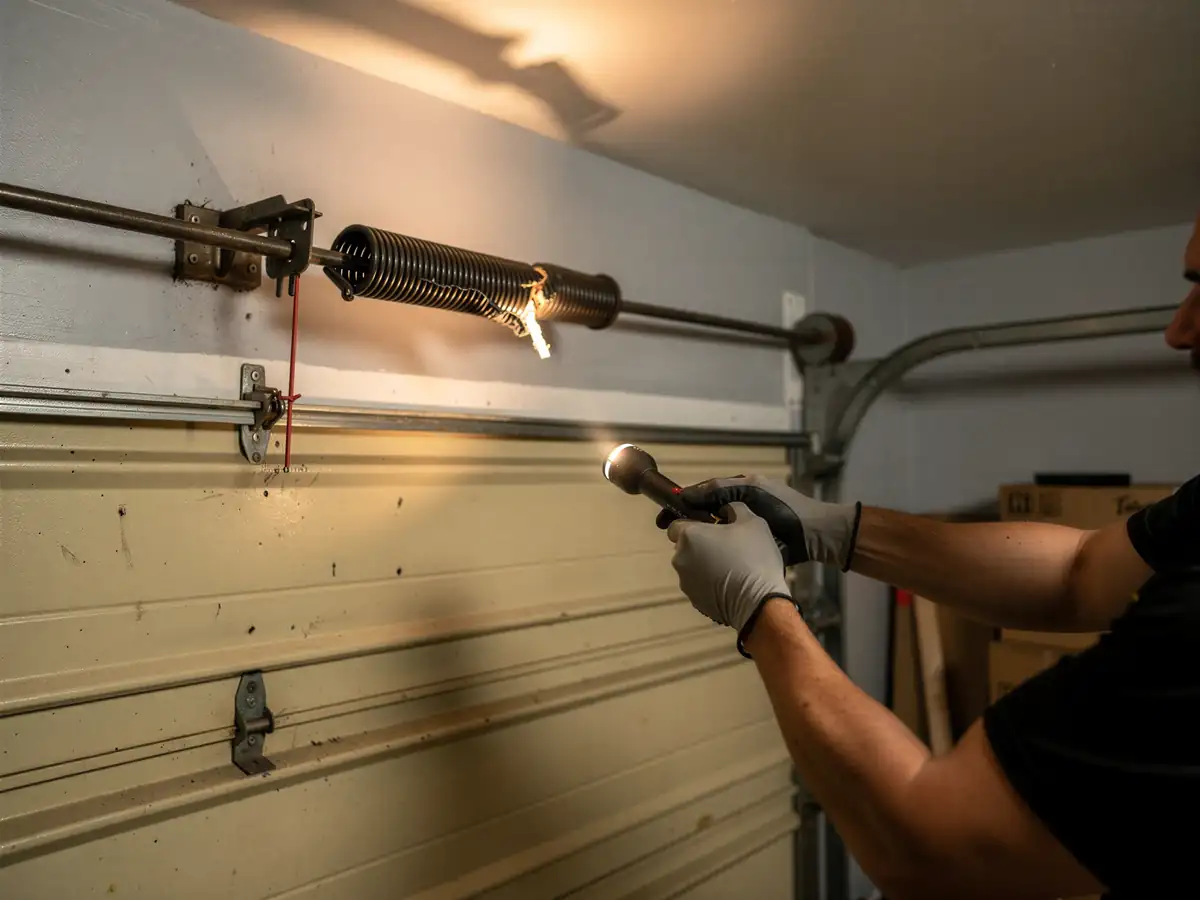
You can hang a garage door yourself. People do it. What we won't talk you into is doing it alone on a double-wide opening with new torsion springs - a wound spring under load has killed people, and that's not an exaggeration we use to sell jobs, it's why we charge for the part of the work most homeowners skip. If you're swapping a single door panel-for-panel on original 1980s track with no header or framing issues, that's a reasonable weekend project for someone comfortable with a drill and a level. If you're changing door weight, going from single-layer to insulated steel, or the opening has shifted even slightly - common on houses this age - call it in. The honest limit here is spring work and header modification; past that line, the margin for a bad afternoon gets thin fast.